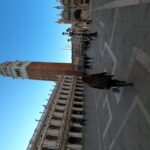
Venice can feel like a postcard, then you hit Dorsoduro. This 2.5-hour historic walk turns the city into a street-level lesson, with stops at squares, boatyards, and palazzo life. I love the way the guide connects Venice’s architecture and urban planning to what you can see right there, and I especially like the early-morning focus on quiet neighborhoods with real local rhythm. One consideration: a few major stops require separate tickets if you want to go inside.
The route is built for people who want to understand Venice, not just pass through it. You’ll learn key words you hear everywhere—like squero and palazzo—and you’ll also get a sense of how the city has changed over time while still living its traditions today. The pacing is easy enough for most people, but you do need comfortable walking shoes, since you’re moving between 10 different stops.
In This Review
- Key Highlights You’ll Actually Feel on the Ground
- Dorsoduro in 2.5 Hours: The Point of This Walk
- Nicoló and Aleksandra: How the Tour Turns Facts into Street Sense
- Campo Santa Margherita and Scuola Grande dei Carmini: Where Venetian Life Begins
- Squero Domenico Tramontin e Figli and Osteria Al Squero: Gondola Craft as a Living Tradition
- Zattere to Campo Sant’Agnese: How Venice Worked as a City, Not a Theme Park
- Punta della Dogana and Santa Maria della Salute: Trade, Customs, and Palladio’s Shadow
- Ponte de la Toletta and Ca’ Rezzonico Gardens: Carnival Footsteps and Palazzo Grandezza
- Price and Value: What $75.24 Buys You
- Who This Walk Is Best For
- Should You Book This Venice Historic Walk?
- FAQ
- FAQ
- Where does the tour start and where does it end?
- How long is the Venice historic walk?
- What time does the tour begin?
- Is this tour private?
- Is the guide included?
- Is food or drink included?
- Are tickets for all stops included?
- Does the tour require good weather?
- Is there an access fee when visiting Venice for the day?
- What is the cancellation policy?
- FAQ
- What if the minimum number of travelers is not met?
Key Highlights You’ll Actually Feel on the Ground
- Dorsoduro first: you start in a lived-in district, not the most photographed strip of town
- Barge-to-canal storytelling: you see places tied to how gondolas were made and used
- Squares and urban design: you learn how the city’s layout works, stop by stop
- A Venetian aperetivo moment: you pause at Osteria Al Squero as part of the story
- Architecture spanning styles: you connect Palladio and Venetian Baroque to everyday tradition
Dorsoduro in 2.5 Hours: The Point of This Walk
The big idea here is simple: Venice is easier to understand when you walk where people actually hang out. This tour keeps you in Dorsoduro, one of the city’s most beautiful and authentic areas, and it doesn’t rush you past things just to check boxes.
I like that it’s not just about pretty views. You’re learning how Venice was built—its architecture, its urban planning logic, and the cultural identity that still shapes daily life. Even the wording matters. You’ll hear local terms more than once, including squero (tied to gondola boatyards) and palazzo (the grand palace style you’ll keep spotting along canals). When you know the words, the city starts speaking back.
The timing also helps. The walk starts at 9:00 am, which usually means cooler air and fewer crowds on the back streets. That makes it easier to pay attention to details: the shape of a square, the way a canal bends around a building, and how a waterfront becomes a working place.
You can also read our reviews of more walking tours in Venice
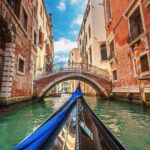
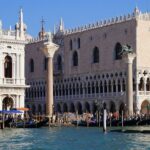

Nicoló and Aleksandra: How the Tour Turns Facts into Street Sense
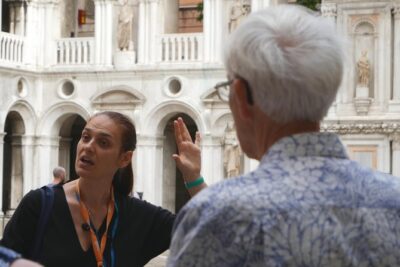
The guide team is Nicoló and Aleksandra. What stands out in how they approach the walk is the practical, responsible tone: they frame the experience as sharing knowledge and everyday Venetian style of life, with an emphasis on responsible travel and exchange.
Instead of dumping dates and then moving on, they guide you through what you can see and what it meant (and still means) for locals. You’re not just learning about Venice as an art museum. You’re learning Venice as an urban system: places where people gathered, built boats, traded goods, worshipped, and celebrated.
That matters for your experience. If you tend to get overwhelmed by Venice facts, this kind of storytelling gives you a structure. You’ll leave knowing what to look for on your own, even after the walk ends.
Campo Santa Margherita and Scuola Grande dei Carmini: Where Venetian Life Begins
The walk kicks off at Campo Santa Margherita. This is one of those Venetian squares that works like a neighborhood room—social, flexible, and always busy in its own way. Your stop here is short, but it sets the tone: squares are not random open space. They’re built into the city’s rhythm, and they shape how people move and meet.
Next comes Scuola Grande dei Carmini. You’ll spend time on what a Scuola Grande is and how these institutions fit into Venetian cultural life. Even if you do not go inside anywhere specific, the point is to understand why this city grew such strong civic and artistic organizations. Venice wasn’t only built by nobles and merchants. It was also built by communities that created places for culture and identity.
A good way to use these first stops: don’t rush to photograph everything. Instead, look up. Notice how buildings frame the square and how the street openings pull you forward. When you later compare this with waterfront areas, the city’s layout starts making sense.
Squero Domenico Tramontin e Figli and Osteria Al Squero: Gondola Craft as a Living Tradition
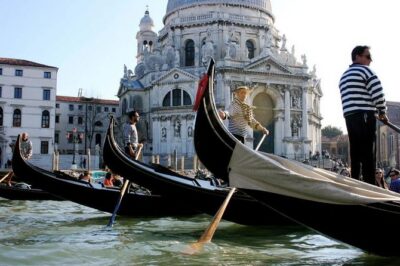
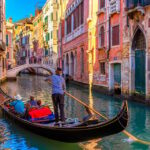
Then you get to one of the tour’s most memorable themes: gondola boatyards. The stop at Squero Domenico Tramontin e Figli is where you’ll learn what a squero is in practical terms. This is not an abstract history lecture. You’re looking at a working tradition tied to how Venice gets around.
Right after that, you slow down at Osteria Al Squero for a Venetian aperetivo pause. This is a smart inclusion for two reasons. First, it breaks the walking rhythm so your brain can reorganize what you learned. Second, aperetivo is one of those daily-life traditions that makes the whole neighborhood feel real rather than staged.
Alcoholic beverages are not included, so plan on paying separately if you choose alcohol. But even without alcohol, the stop gives you something Venice does best: a short break that feels like part of the place, not a tourist detour.
Zattere to Campo Sant’Agnese: How Venice Worked as a City, Not a Theme Park
From the gondola-craft side, the walk shifts toward Venice as a port and a trading city.
At Fondamenta Zattere, you focus on the Venetian port and canals. This stop matters because Venice cannot be understood only by its art. It’s also a logistics machine. The waterfront is where goods move, where workers gather, and where the city’s wealth and daily survival connect.
Then you move to Campo Sant’Agnese, where the theme turns to Venetian urbanism. This is one of those stops that can surprise people, because it sounds technical—but the tour approach is grounded. You’re looking at how Venice’s layout creates neighborhoods with distinct identities, and how that planning influences daily movement.
If you want to make the most of this section, pick one question before you start walking: How does Venice funnel people along canals and through small streets? Once you start watching for street openings, bridges, and waterfront turns, the city’s logic becomes obvious.
You can also read our reviews of more city tours in Venice
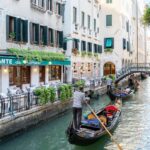
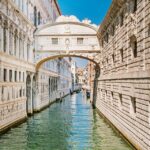
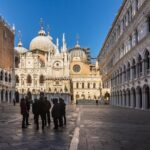
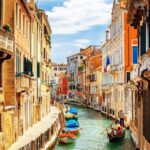
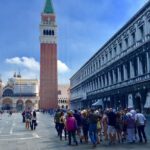
Punta della Dogana and Santa Maria della Salute: Trade, Customs, and Palladio’s Shadow
The next stretch includes two stops where admission is not included.
At Punta della Dogana, you’ll connect the city to customs and merchants—exactly the kind of economic engine that shaped Venice’s power. Punta is about more than views. It’s about control, trade, and the flow of goods that kept the city running.
Then you reach Basilica di Santa Maria della Salute. This stop ties together Palladio, Venetian Baroque, and life traditions. Even if you do not buy an entry ticket, standing in the right spot helps you understand how religious architecture is tied to civic identity. If you do want inside access, you’ll need to handle the ticket yourself since it’s not included.
Practical tip: if you hate last-minute ticket decisions, decide early whether you’ll purchase entry at these sites. The tour gives you time at each stop, but it’s designed as a guided walk, not a full museum day.
Ponte de la Toletta and Ca’ Rezzonico Gardens: Carnival Footsteps and Palazzo Grandezza
The walk closes with the kind of Venice you see in costumes and stories, but anchored to real street corners.
At Ponte de la Toletta, the theme is Venetian Carnival. A bridge is a great place for this lesson because it forces you to slow down and notice how movement happens. Carnival traditions may change over time, but the city’s physical structure—bridges, crossings, and meeting points—always shapes how celebrations take place.
Finally, you visit the Giardini di Ca’ Rezzonico. This is labeled as a Venetian palazzo stop, and it gives you a final architectural and cultural contrast. You’re still in the “city as lived space” mindset, but now you’re looking at the scale and presence of the palazzo world—how wealth and status showed up in the urban fabric.
If you’re planning what to do after the tour, this ending helps. You’ll finish with a better sense of where the big names and grand buildings sit in relation to the smaller squares and working waterfront areas.
Price and Value: What $75.24 Buys You
At $75.24 per person for about 2 hours 30 minutes, you’re paying for a guided, private-style experience focused on interpretation. The guide is included, and the tour uses a mobile ticket, which is convenient if you like keeping your travel day simple.
The value isn’t only the route length. It’s the focus. Many Venice walks skim the surface with generic talking points. This one sticks to themes—urban planning, architecture, traditions, and working city life—while keeping the pace manageable.
Two costs to keep in mind:
- Church/palace tickets inside are not included for the stops where entry matters.
- Depending on your exact travel day, you might face a €5 access fee if you’re coming for the day from outside Venice. Check the listed city guidance linked by the provider to see which days apply and what exemptions exist.
If those extra costs won’t bother you, the $75.24 feels fair for a guided walk that actually teaches you the language and structure of Venice.
Who This Walk Is Best For
This is a great fit if you:
- like learning words and concepts that help you read the city
- prefer quiet streets and a more local feel over major sightseeing rushes
- want a short morning plan that leaves you ready to explore on your own afterward
It may be less ideal if you:
- want a tour that includes every attraction ticket inside
- dislike early starts or you need a long, sit-down pace (this is still a walking tour)
Should You Book This Venice Historic Walk?
I’d book it if you want Venice to make sense fast. The Dorsoduro focus, the mix of squares, boatyard craft, waterfront work life, and architecture-centered stops give you a balanced story in a short time. The guided approach with Nicoló and Aleksandra also brings a human rhythm, including that responsible travel mindset and real attention to details.
Don’t book it blindly if you hate paying extra for entry inside churches or palaces. If you’re okay handling a couple of tickets yourself and you can walk comfortably for roughly 2.5 hours, this is one of the better ways to learn Venice beyond postcard lines.
FAQ
FAQ
Where does the tour start and where does it end?
The tour starts at Campo Santa Margherita, 30123 Venezia VE, Italy and ends at Campo San Barnaba, 30123 Venezia VE, Italy.
How long is the Venice historic walk?
The duration is about 2 hours 30 minutes.
What time does the tour begin?
The start time is 9:00 am.
Is this tour private?
Yes. It is listed as private, meaning only your group participates.
Is the guide included?
Yes. The guide is included.
Is food or drink included?
You get a Venetian aperetivo stop. Alcoholic beverages are not included, so any alcohol would be extra.
Are tickets for all stops included?
Most listed stops are free of charge, but admission inside churches or palaces is not included for the stops where entry applies.
Does the tour require good weather?
Yes. The experience requires good weather. If it’s canceled due to poor weather, you’ll be offered a different date or a full refund.
Is there an access fee when visiting Venice for the day?
On certain dates, people staying outside Venice who are visiting for the day may need to pay a €5 access fee. The provider points to the official guidance link for details and exemptions.
What is the cancellation policy?
This experience is non-refundable and cannot be changed for any reason.
FAQ
What if the minimum number of travelers is not met?
If the minimum isn’t met, the experience may be canceled, and you’ll be offered a different date/experience or a full refund.