REVIEW · VENICE
Venice: Bike Tour Honey & artichockes on Sant’Erasmo Island
Book on GetYourGuide →Operated by Valerio Coppo Detourist · Bookable on GetYourGuide
If you like Venice without the crowds, Sant’Erasmo Island is a smart twist: you pedal through lagoon marshes and artichoke fields, then sample honey made from salty-scented plants. I love how the route mixes practical sights (canals, ditches, and working farmland) with surprise viewpoints over the lagoon.
Another highlight I really liked is the stop at a family-owned honey farm, where you taste saltmarsh honey flavors you won’t find in a shop window. One thing to keep in mind: this tour is not for people with mobility issues, and you’ll want to be ready to bike and be out in the sun.
In This Review
- Key things that make this tour worth it
- Meeting at Fondamente Nove, then out into the lagoon
- The 19th-century fort start and your bike moment
- Pedaling past artichoke fields and working lagoon edges
- Honey farm stop: saltmarsh honey with a real taste story
- Looking toward other islands, without leaving your seat on the bike
- San Francesco del Deserto monastery and the lagoon-facing church
- The optional water-bus return or staying for dinner
- Price and value: what you’re really paying for
- Who this tour suits best (and who should skip it)
- What to bring for an easy, comfortable ride
- Should you book the Sant’Erasmo honey and artichokes bike tour?
- FAQ
- Where does this tour start?
- How long is the tour?
- What’s included in the price?
- Is the water bus ticket included?
- What honey experience do I get?
- What can I see from the bike route?
- Are there any stops besides biking?
- Is food included?
- Is this tour wheelchair-friendly?
- What should I bring?
Key things that make this tour worth it
- Family honey farm tasting focused on saltmarsh honey flavors
- Big lagoon views on a bike, including the skyline from an unusual angle
- Artichoke fields in the middle of the lagoon (yes, really)
- Island-to-island sightlines toward Burano, Torcello, Lido, and Lazzaretto Novo
- A 19th-century fort start (moat included) that sets the tone for a rural, Venetian-world feel
- A guide who helps with water-bus logistics, so you’re not stuck figuring out the crossing
Meeting at Fondamente Nove, then out into the lagoon
You start at Caffegelato bar at Fondamente Nove. It’s an easy anchor point in a busy city zone, and once you meet your guide, the plan is straightforward: you’ll coordinate the crossing, get your bearings, and move on to Sant’Erasmo.
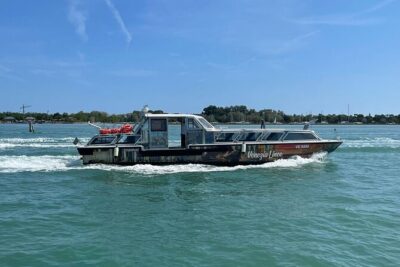
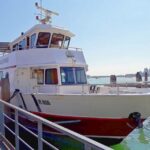
From there, you’ll travel through the lagoon on a boat. You’ll also pick up the key piece of logistics you need for this day: the water bus ticket to Sant’Erasmo is purchased on the boat. That means you don’t have to hunt down a ticket office before you start, but it also means you should be paying attention right when the boat staff handles it.
If you like getting your day right with minimal fuss, I think you’ll appreciate this approach. It keeps the tour feeling like a single flow instead of a pile of separate errands.
You can also read our reviews of more cycling tours in Venice


The 19th-century fort start and your bike moment
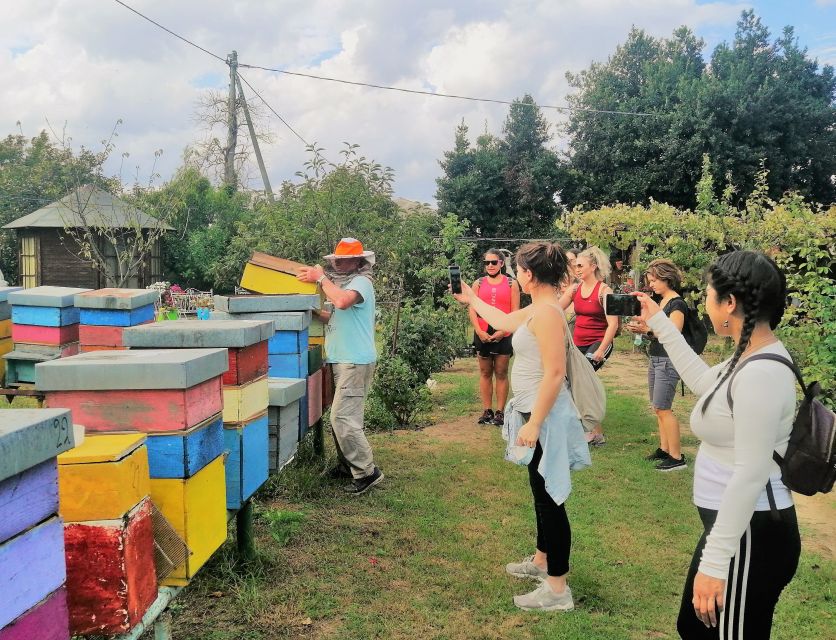
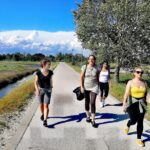
Once you land on Sant’Erasmo, you walk down a small road that passes canals and ditches. This is part of what makes the island feel different from central Venice: you’re in a working landscape, not a showroom of monuments.
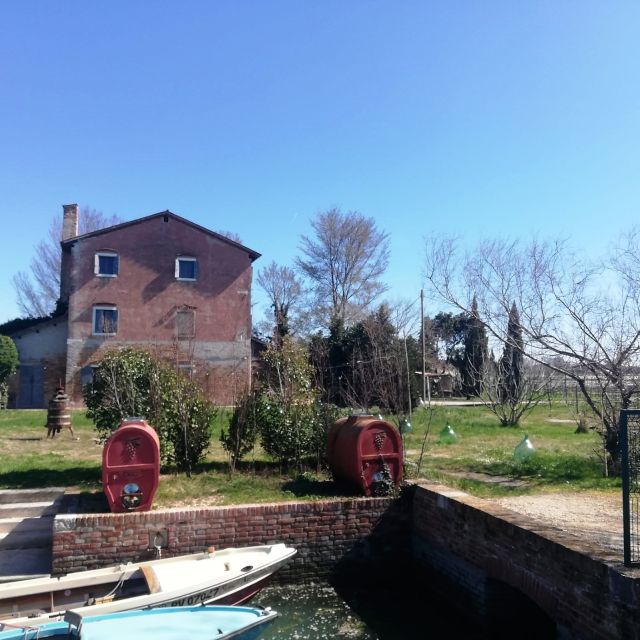
Your bikes are waiting after you reach the starting area. The tour begins from a 19th-century fort that’s sometimes used for art exhibitions and is surrounded by a moat. Even if you don’t stop for an exhibition, that fort-and-moat setting gives you an immediate sense of place: this island has long been tied to land, agriculture, and defense—not just scenery.
Practical tip: take a quick look at your surroundings when you first get your bike. The fort area is your reset point, and once you start pedaling you’ll likely want both hands free for photos and the occasional needed adjustment.
Pedaling past artichoke fields and working lagoon edges
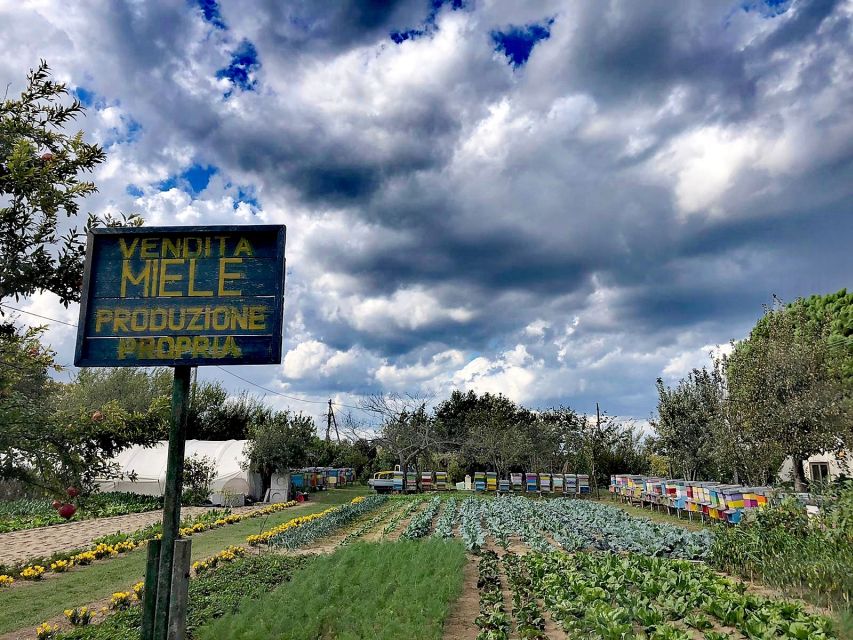
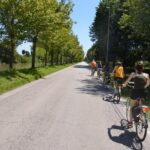
Here’s the day’s core experience: biking across Sant’Erasmo while the lagoon does what it does best—quietly put everything in perspective.
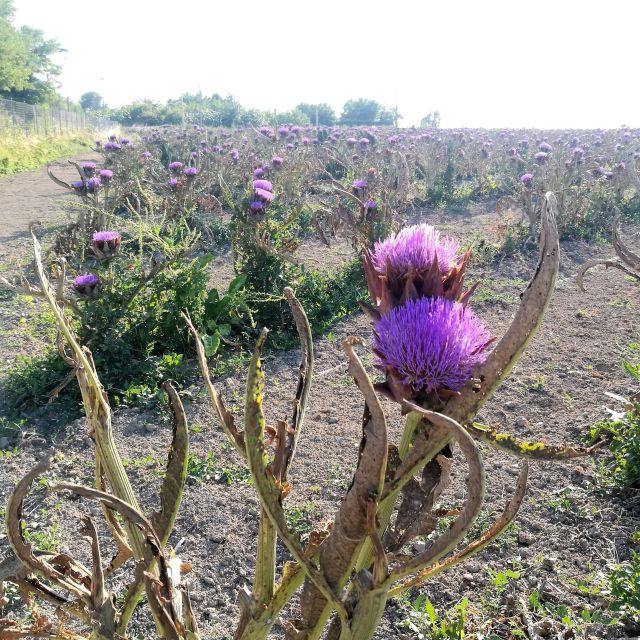
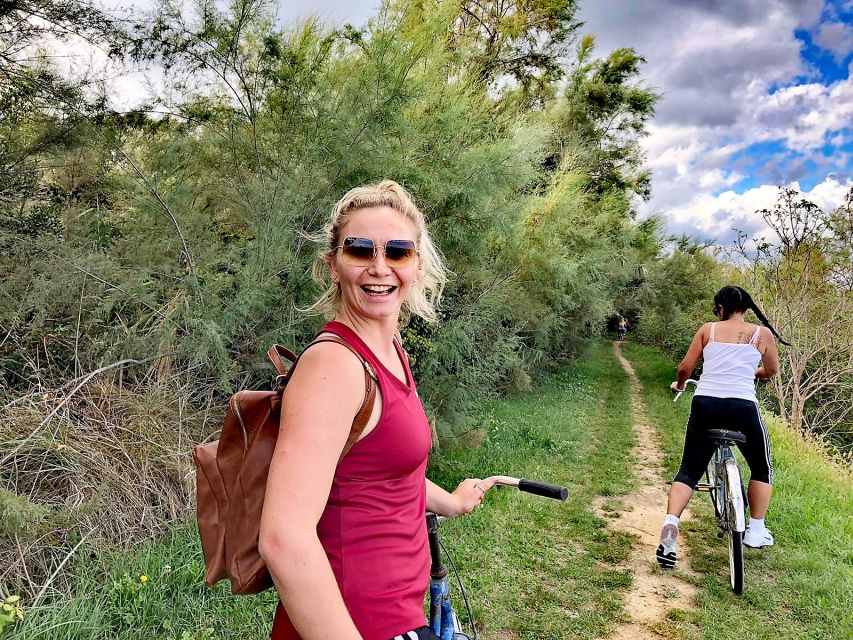
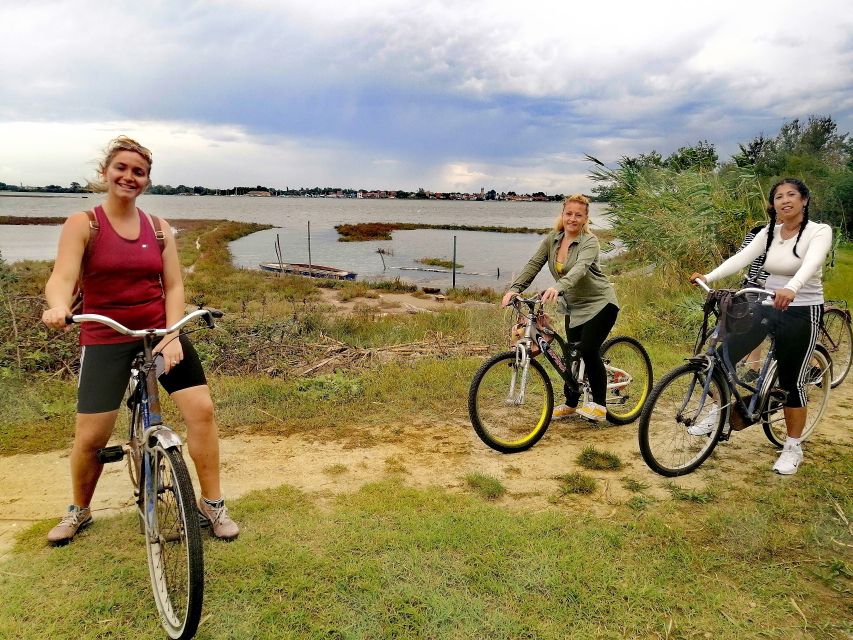
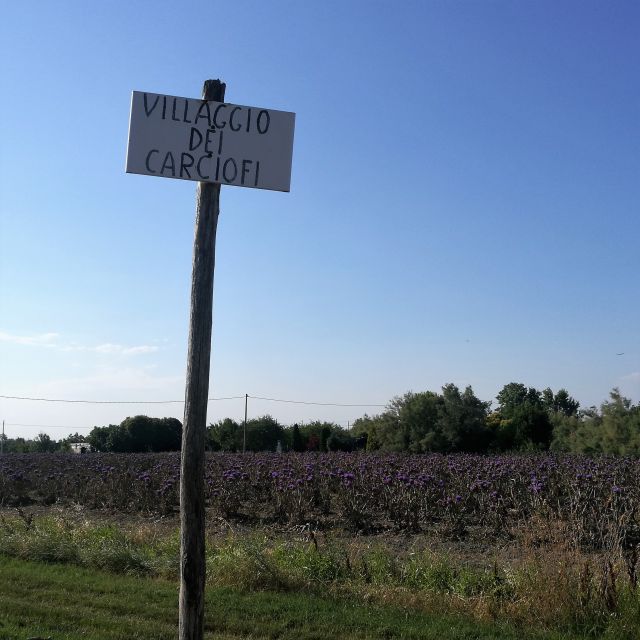
You’ll ride along lagoon and saltmarsh areas, and you’ll pass crops that include purple-hued artichokes. The visual contrast is the point. Venice is famous for stone and canals. Sant’Erasmo is famous for food growing in salty conditions, with wide skies and open sightlines.
As you pedal, you’ll also get multiple layers of views:
- In the distance, you can spot belfries of Venice
- You’ll admire views toward Lido, including the San Nicolò harbour mouth
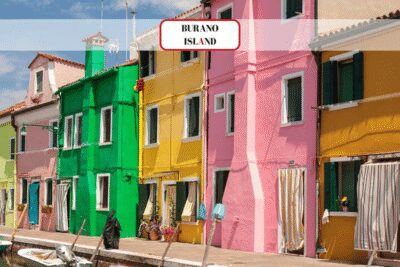
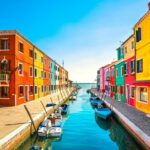
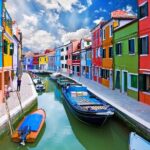
- As you head toward the island’s northern area, you may catch the colored houses of Burano in view
And yes, the tour is designed so you’re not just cycling in a straight line. The route threads you through scenes that feel like you’re traveling between small ecological zones—marsh, crops, harbor-direction sightlines—so each stretch has a different mood.
One more value angle: biking here is a kind of speed control. If you walked only, you’d cover less ground and miss more of the island’s “working day” rhythm. If you were on a faster vehicle, you’d miss the slow details—ditch-side plants, the texture of fields, the way the lagoon air changes as you move. On a bike, you get enough movement without losing the atmosphere.
Honey farm stop: saltmarsh honey with a real taste story
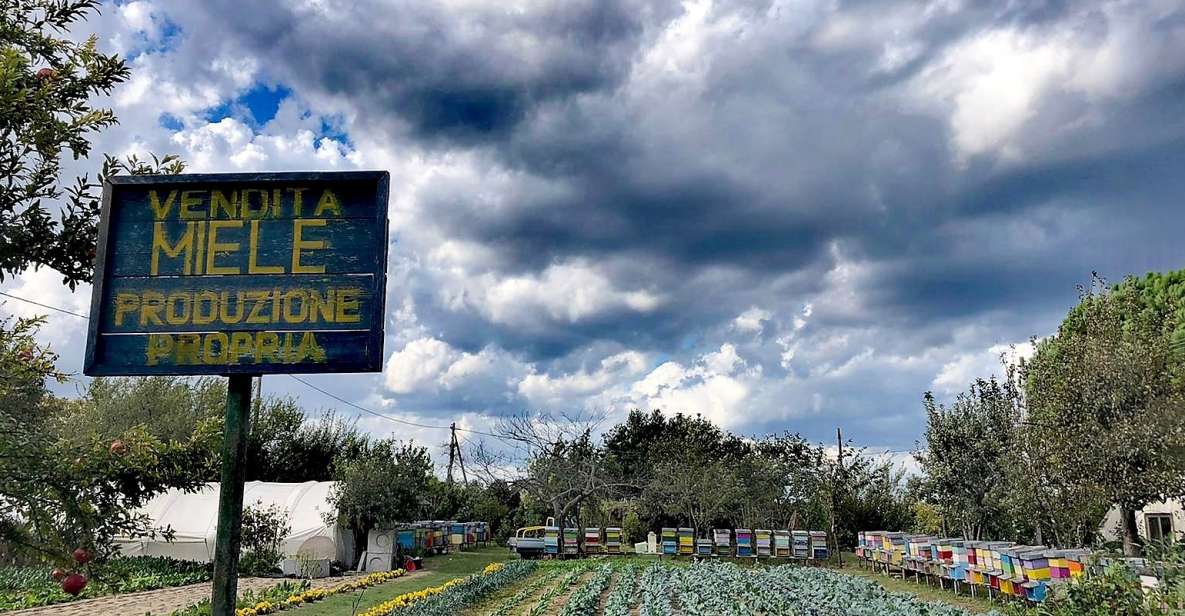
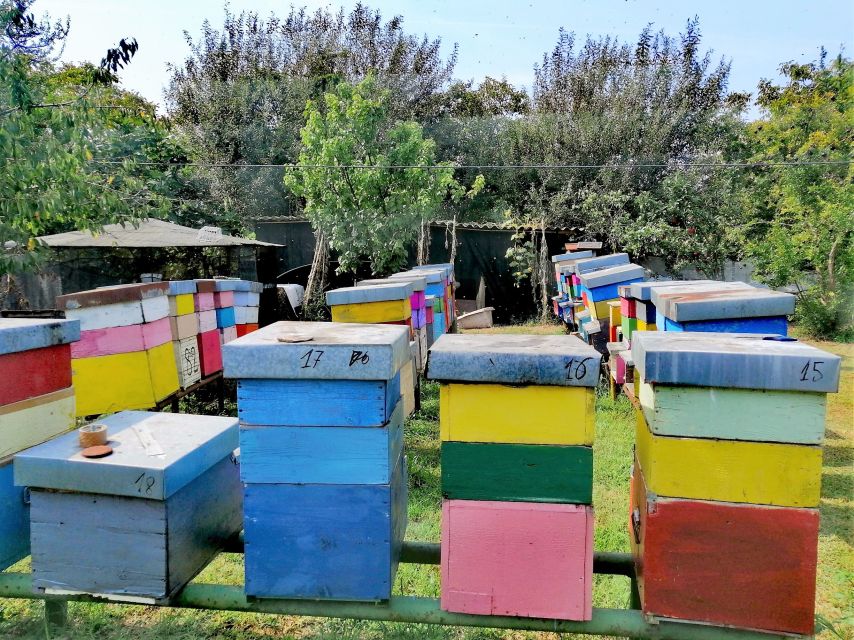
This is the part of the tour that makes it feel truly connected to Sant’Erasmo. You’ll visit a local family-owned honey farmer who produces saltmarsh honey. Then you’ll do a honey tasting.
What makes it special is the logic behind the flavor. You’re tasting honey made from flowers that grow in salty soil, so the flavor profile comes from the island’s environment rather than generic flowers. In plain terms: the lagoon isn’t background scenery; it’s part of the ingredients.
In one of the most enthusiastic moments of this experience, the honey producer named Elio Mavaracchio is specifically called out, which helps explain why this stop feels less like a commercial stop and more like meeting a working maker. You’re not just eating something sweet—you’re learning how local conditions shape what ends up in the jar.
If you’re a foodie, this is a high-return visit because it gives you one tangible takeaway to connect back to Venice: taste the lagoon. Even if you only remember one thing from the tour, make it the honey.
Looking toward other islands, without leaving your seat on the bike
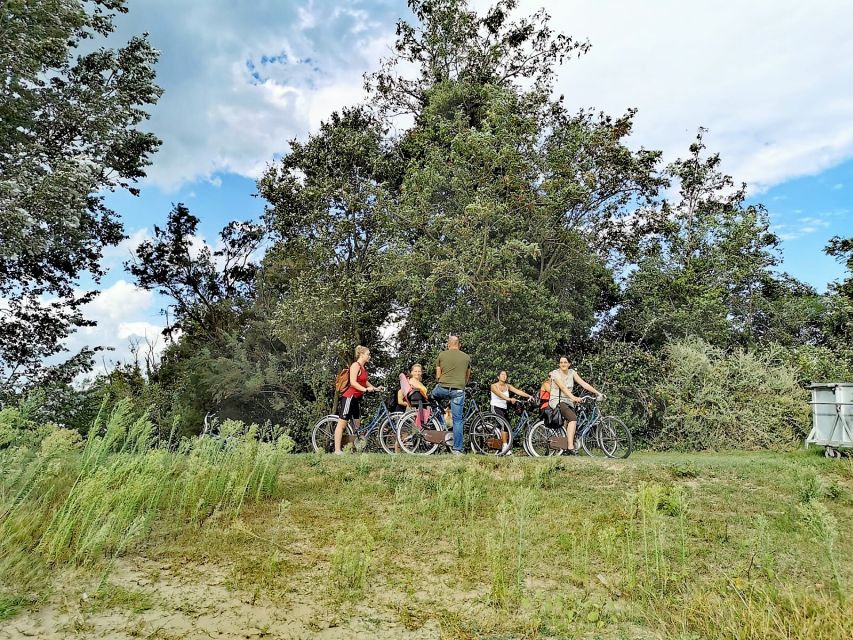
A big part of the tour’s charm is how often you look outward. From Sant’Erasmo, you can frame Venice’s world beyond the obvious canal view.
You’ll have views toward several islands, including Burano, Torcello, Lido, and Lazzaretto Novo. You’ll also be able to look for the way the coastline and island silhouettes line up from a bike-level vantage point rather than a boat-deck perspective.
This matters because it changes how you understand Venice. From central Venice you see islands as a backdrop. From Sant’Erasmo you see Venice as an archipelago you can almost reach by eye.
Also, don’t underestimate how good these views are for photos. You get repeated opportunities for skyline angles and for wide lagoon shots without having to wait in peak-city photo lines.

San Francesco del Deserto monastery and the lagoon-facing church
As you ride northward and around, the tour adds two cultural stops that break up the cycling time.
You’ll see the San Francesco del Deserto monastery, which is inhabited by Franciscan monks. This is a reminder that the lagoon isn’t only farm country—it’s also a place of religious retreat and quiet living.
Then you’ll have a chance to enter a church facing the lagoon so you can take in local architecture. The point of this stop isn’t to turn your afternoon into a museum visit. It’s more about watching how people built spiritual spaces turned toward water and weather.
Even if you’re not a deep-architecture person, you’ll probably enjoy it because it fits the day’s overall theme: Sant’Erasmo is calm, functional, and shaped by the lagoon. These stops reinforce that mood.
The optional water-bus return or staying for dinner
At the end, you have a choice. The tour can end with a water bus back to Venice, or you can stay on the island for dinner.
Staying is for you if you want a slower day than Venice usually allows. You’ll be leaving the main hub behind and continuing in a more local pace. Even if you don’t stay for dinner, the fact that the option exists makes the tour feel flexible rather than locked into one script.
Either way, the tour ends back at the meeting point where it started: Fondamente Nove.
Price and value: what you’re really paying for
The price is $165.40 per person for a 4-hour tour. That’s not a budget day, so the question is what you’re buying.
Here’s what’s included:
- Guide
- Biking tour
- Honey farm visit
- Honey farm tasting
What’s not included:
- Food and drinks
- Water bus ticket to Sant’Erasmo (purchased on the boat)
- Hotel pickup/drop-off
So you’re paying for more than just a bike. You’re paying for a local guide to help connect the dots—how aristocrats used the island as a rural retreat, how the island historically supplied vegetables and fruit to the Republic of Venice, and how today’s farmers keep the lagoon working.
If that kind of context matters to you, the value makes more sense. If you just want scenery and don’t care about honey or island culture, you might question whether the cost fits. But if you want one clear “off-main” experience with tastings and targeted views, this is priced like an experience designed to be small-group and meaningful.
Who this tour suits best (and who should skip it)
This bike tour works best if you like practical sightseeing and hands-on local food. It’s also a great choice if you want a different angle on Venice—one that shows how the lagoon supports daily life.
You’re likely to enjoy it if you:
- Want artichoke fields and saltmarsh scenery instead of only stone streets
- Care about a food stop with a real local product story
- Enjoy views that include other islands like Burano and Torcello
You should skip it if:
- You need wheelchair-friendly access (it’s not suitable for wheelchair users)
- You have mobility limitations that would make biking or uneven island paths stressful
Finally, because it’s outdoors and sun matters, you’ll want to take the “what to bring” seriously.
What to bring for an easy, comfortable ride
The tour gives you a short list, but it’s a good one:
- Sun hat
- Sunscreen
- Water
Bring a camera too. You’ll be looking outward a lot, and the sky-and-island angles aren’t the kind you only get once.
And here’s one small head-up based on real-world meeting logistics: in a rare case reported with this kind of tour, someone arrived at the meeting time and no one was there. You can reduce stress by arriving a bit early and, if anything feels off, contacting your guide immediately rather than waiting in place.
Should you book the Sant’Erasmo honey and artichokes bike tour?
I’d book it if you want Venice that feels real—part farm, part lagoon, part local craft—without spending a full day planning. The honey tasting is the strongest “must-do” element, because it connects you to the island’s salty ecology in a way that’s easy to remember long after the photos fade.
I’d think twice if:
- You want only classic Venice sightseeing and don’t care about cycling
- You’re sensitive to sun and expect to skip water and shade
- Your mobility needs make biking or island paths difficult
If you fall into the first group, this is a high-value, distinctive 4-hour break from Venice’s main rhythm. And if you’re the type who loves getting one unusual viewpoint that most visitors never see, Sant’Erasmo on two wheels does the job.
FAQ
Where does this tour start?
You meet your guide at Caffegelato bar at Fondamente Nove.
How long is the tour?
The tour is 4 hours.
What’s included in the price?
Included are the guide, the biking tour, and the honey farm visit and honey tasting.
Is the water bus ticket included?
No. The water bus ticket to Sant’Erasmo is purchased on the boat.
What honey experience do I get?
You visit a family-owned honey farmer and do a honey tasting featuring saltmarsh honey.
What can I see from the bike route?
You’ll pass artichoke fields and get lagoon views toward Burano, Torcello, Lido, and Lazzaretto Novo, plus other sightlines like the San Nicolò harbour mouth.
Are there any stops besides biking?
Yes. The tour includes a honey farm visit, plus sights such as San Francesco del Deserto monastery and a church facing the lagoon.
Is food included?
No. Food and drinks are not included, though you may have the option to stay on the island for dinner.
Is this tour wheelchair-friendly?
No. It is not suitable for wheelchair users and is not suitable for people with mobility impairments.
What should I bring?
Bring a sun hat, sunscreen, and water.