REVIEW · VENICE
Venice: La Fenice Opera House Entry Ticket with Audio Guide
Book on GetYourGuide →Operated by Venezia Unica by Vela Spa · Bookable on GetYourGuide
La Fenice Opera House can feel like time travel. With a skip-the-line entry ticket and a 7-language audio guide, you get access to one of Venice’s most famous theatres without needing to plan your day around a performance. I love how the visit turns the building into a story you can follow at your own pace, from the theatre’s big moments to the smaller details you’d miss walking past.
Two things I especially like: the sheer wow-factor of the interior and the practical audio guide that helps you understand what you’re looking at as you move room to room. One consideration before you go is planning around opening hours and Venice’s Access Fee rules during peak dates, plus your ticket is non-refundable.
In This Review
- Key Highlights You’ll Care About
- La Fenice Is Worth It, Even If You Skip the Performance
- Your Visit Flow: Skip the Line, Then Follow the Audio Route
- The Audio Guide: What You Get, How You’ll Use It
- What Makes La Fenice Inside Feel So Special
- History, Rebuilding, and the Stories the Audio Track Highlights
- Extra Stops That Turn the Visit Into More Than a Tour
- Price and Value: Why $14 Makes Sense (If You Play It Right)
- Scheduling Gotchas: Access Fee Dates and Confirming Open Hours
- Practical Tips I’d Use in Your Shoes
- Should You Book This La Fenice Audio-Guide Entry Ticket?
- FAQ
- How do I get the audio guide?
- What languages are included in the audio guide?
- How long does the audio-guided visit take?
- Do I need to check the theatre’s schedule before I go?
- Is La Fenice entry wheelchair accessible?
- Is this ticket refundable if my plans change?
Key Highlights You’ll Care About
- Skip-the-line entry so you spend more time inside La Fenice
- Audio guide in 7 languages (English, French, German, Italian, Portuguese, Russian, Spanish)
- A timed visit style that’s flexible enough for sitting, staring, and photos
- A clear “collect your audioguide” process at the ticket counter (bring ID)
- You might catch more than a tour if there’s a rehearsal happening
- Plan a side-building walk afterward to spot the gondola entrance
La Fenice Is Worth It, Even If You Skip the Performance
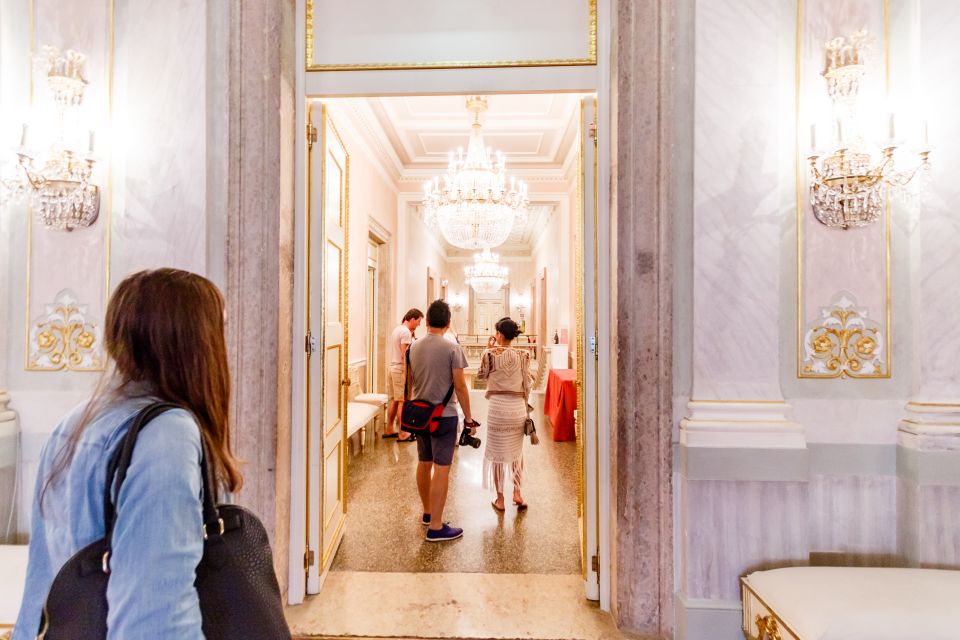
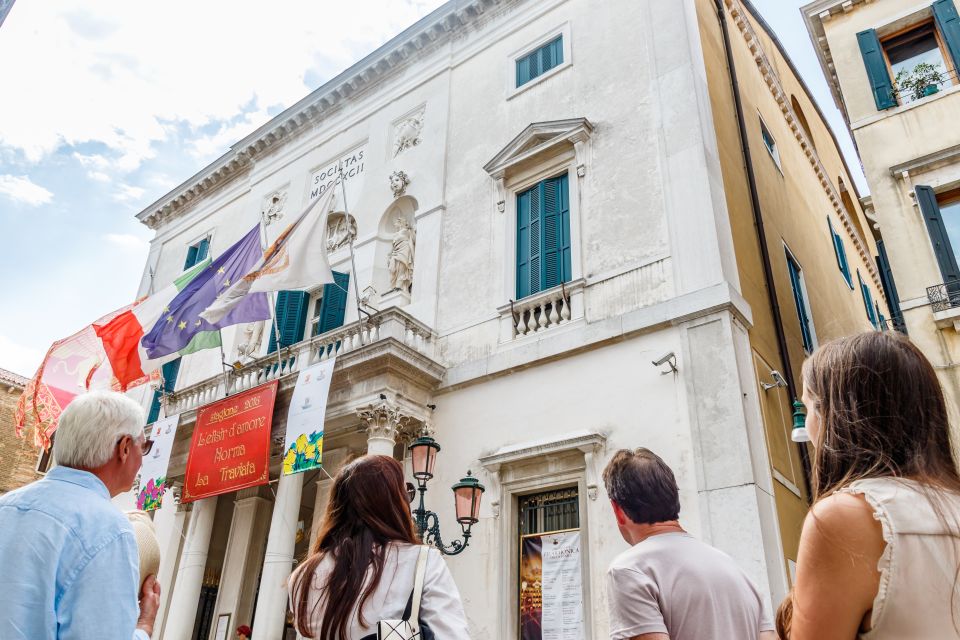
Venice has plenty of beautiful churches, canals, and palazzos. La Fenice gives you something different: a grand opera house where the architecture is the main event. Even if you don’t have opera tickets lined up, you still get access to the theatre’s interiors and the stories behind why it matters.
La Fenice is also a working name in international opera. The house stages more than one hundred opera performances per year, so when you visit, you’re stepping into a venue that’s part museum, part living stage. That combination is what makes this ticket feel practical, not just sightseeing.
You can also read our reviews of more tours and experiences in Venice


Your Visit Flow: Skip the Line, Then Follow the Audio Route
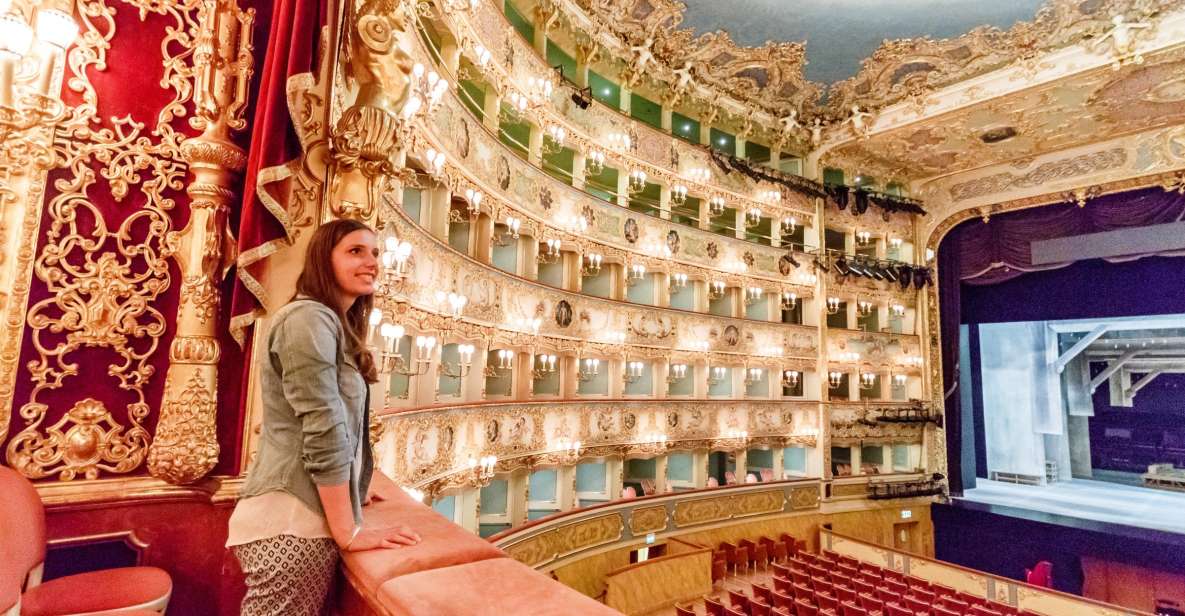
This is an entry ticket designed for one focused visit. You’re not joining a live guided tour, so you’ll experience the theatre through the audio commentary as you walk the set route.
Your first step is simple: show your voucher at the ticket counter and collect your audio guide. The visit is self-paced, but it’s not random wandering. You’ll move through specific rooms, and the audio track guides you along that path, which helps you avoid that trapped-in-corridors feeling Venice can cause.
The total visit time is listed as 1 day, but the audio tour itself tends to take about 45–60 minutes depending on how often you pause. That’s a sweet length for a Venice day when you also want time for wandering streets, getting a gelato, and not burning daylight.
The Audio Guide: What You Get, How You’ll Use It

The best thing about choosing this ticket is that you get context without committing to a performance schedule. The audio guide covers the building’s history and architectural ingenuity, and it’s offered in 7 languages: English, French, German, Italian, Portuguese, Russian, Spanish.
Before you go, bring your ID. You need it to receive the audio guide at the counter, and you don’t want a last-minute scramble in Venice. Also, have a plan for audio—multiple visitors mention needing headphones/earbuds and note that you may not be given headphones on site. Bring your own if you can. It makes the experience more comfortable and lets you listen while your hands are free for photos.
The audio guide is also paced to work with real human behavior. People report there are places to sit along the way, which matters in a theatre like this where you’ll want breaks. If you treat it like a slow walk with stops, it clicks. If you treat it like a sprint, you’ll miss the point.
What Makes La Fenice Inside Feel So Special
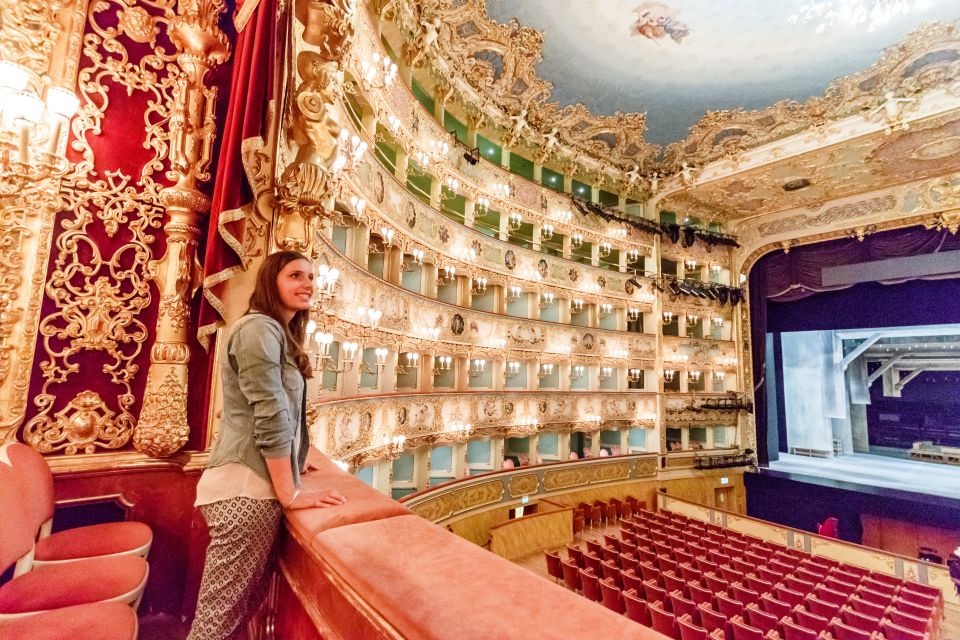
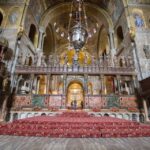
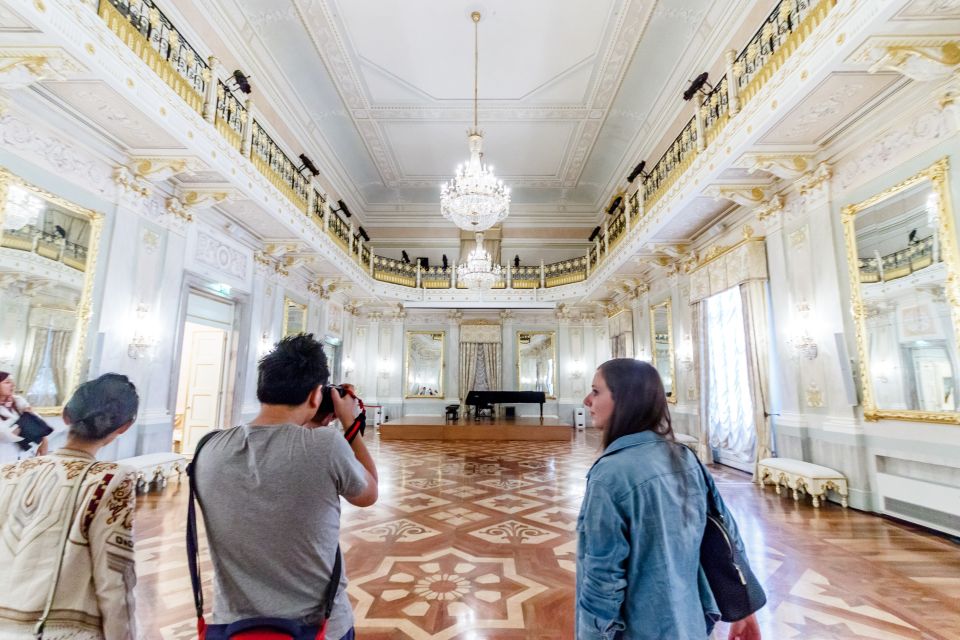
When you step into the theatre, the details can hit you all at once. People describe the space as jaw-dropping and palace-like, and that reaction makes sense. La Fenice isn’t just decorated; it’s designed like an event—boxes, perspective lines, and the sense of theatre-as-performance even when nothing is happening onstage.
Because this is an opera house, you’ll notice how the room is built for both viewing and feeling. If you’ve never been in a major European theatre, this is a useful eye-opener. You start seeing why certain seats feel closer, why decoration matters, and why acoustics and sight lines are part of the design story.
There’s also a small practical tip baked into the experience: the route is specific. Some people find it easy to follow once inside, while others say the next direction isn’t always obvious right after scanning the ticket. So don’t rush at the start. Take ten seconds, look for signs, and get oriented before you commit to the audio path.
History, Rebuilding, and the Stories the Audio Track Highlights

La Fenice isn’t one of those buildings with a simple timeline. Its story includes origins, major events, and rebuilding over time—exactly the kind of narrative that a self-guided audio tour helps you keep straight.
The audio track connects that history to what you’re seeing now, so you’re not stuck with a list of dates in your head. You’re watching the theatre become a physical record. That’s also why people who care about opera culture—even if they don’t attend regularly—often find this visit satisfying. You come away understanding how a theatre earns its reputation.
One fun bonus: if your timing is right, you might see evidence of rehearsal activity. A few visitors mention dress rehearsals or rehearsals adding atmosphere to the visit, which makes the theatre feel like it’s gearing up rather than just sitting on display.
You can also read our reviews of more guided tours in Venice




Extra Stops That Turn the Visit Into More Than a Tour
A lot of “see-it-and-leave-it” attractions don’t give you much to do after the main stops. La Fenice does. Visitors mention a small Maria Callas exhibition, plus on-site amenities like a café and a shop. That means you can build a little rhythm into the experience: listen, look, then take a breather without leaving the building.
Photography is another plus. People mention there are good picture moments throughout, and the theatre’s interior details are the kind you can’t capture properly from the street. The inside lighting and ornament work make the theatre feel almost sculpted.
Then there’s the outside follow-up. One visitor specifically suggests going around the side of the building afterward to see the gondola entrance. You won’t get that from just standing at the front. It’s a great way to connect the opera house to Venice’s water-side reality in one extra walk.
Price and Value: Why $14 Makes Sense (If You Play It Right)

At about $14 per person, this ticket is one of the more budget-friendly ways to experience a major Venice landmark without paying performance-level prices. If you don’t have time—or don’t want the hassle—of matching your schedule to an opera show, this is a strong alternative.
The value comes from two things. First, you’re skipping the line, which protects your time. Second, you get a structured audio narrative that turns wandering into learning. If you’ve ever paid for a “stand and look” entry ticket elsewhere, you’ll feel the difference here because the audio guide gives you something to do while you’re standing in front of the décor.
It also fits different travel styles. If you’re traveling with someone who doesn’t want a formal opera night, this still gives them a memorable Venice moment. If you love opera or performance culture, you’ll appreciate seeing the stage from the inside even without tickets to that night’s cast.
Scheduling Gotchas: Access Fee Dates and Confirming Open Hours
Two planning items matter in Venice, and this activity makes them more noticeable.
First, check whether La Fenice is open for tours on your chosen date. The schedule is listed on the theatre site, and it’s worth confirming online before you commit your day.
Second, pay attention to Venice’s Access Fee rules. The info provided says that between 18 April 2025 and 27 July 2025, every visitor to Venice is required to pay an Access Fee directly to the City of Venice, except for specific exemptions. If you’re visiting during that window, don’t assume you can ignore it. Check the city site for payment methods and whether you qualify for any exemptions.
Finally, plan calmly because the ticket is non-refundable. That doesn’t mean you shouldn’t book. It just means you should lock in the date you really intend to use.
Practical Tips I’d Use in Your Shoes
Bring your ID. You need it to collect the audioguide at the ticket counter, and this is easy to forget when you’re packing fast.
Bring your own headphones/earbuds if you can. Many visitors mention using headphones so they aren’t holding their phone to their ear, and at least one mentions arriving without headphones.
Go early if you want quiet. Several reviews describe arriving at opening time with far fewer people, which makes it much more comfortable to sit and listen during the longer portions.
Give yourself room for stopping. Even though the audio track might be 45–60 minutes, the theatre view rewards slow pacing. If you rush, you’ll treat the visit like a checklist. If you slow down, it becomes the kind of indoor Venice moment you remember.
If the route feels confusing, take a breath and look for signage once you’re inside. Some people say the direction after scanning the ticket isn’t super clear, but once in the theatre itself, signs usually help you find the next part of the route and the exit.
Should You Book This La Fenice Audio-Guide Entry Ticket?
Book it if you want a Venice landmark with structure: skip the line, step into a legendary opera house, and learn what you’re seeing through a self-paced guide. It’s especially worth it if you’re short on time, not sure you’ll land a performance ticket, or you’d rather explore calmly than sit through an evening commitment.
Skip it only if you’re the type who wants a fully guided, live explanation every step of the way, or if you already planned an opera night and don’t care about seeing the theatre interior without one. Otherwise, this is an efficient, good-value way to make La Fenice part of your trip.
FAQ
How do I get the audio guide?
Show your voucher at the ticket counter and collect your audioguide. You also need to bring your ID to receive it.
What languages are included in the audio guide?
The audio guide is available in English, French, German, Italian, Portuguese, Russian, and Spanish.
How long does the audio-guided visit take?
The audio tour typically takes about 45–60 minutes, though you can take longer because there are places to sit and the route includes time to pause and look.
Do I need to check the theatre’s schedule before I go?
Yes. You should confirm that the theatre is open for tours on your visit date using the theatre schedule listed online.
Is La Fenice entry wheelchair accessible?
Yes. The activity is wheelchair accessible.
Is this ticket refundable if my plans change?
No. The activity is non-refundable.