REVIEW · VENICE
The Majestic Teatro La Fenice: Guided Tour in Venice
Book on GetYourGuide →Operated by Bucintoro Viaggi · Bookable on GetYourGuide
Venice has a lot of grand buildings. La Fenice is the one that turns drama into architecture. This guided visit takes you inside one of the world’s most famous opera houses, where the stories come with velvet, gilding, and big-stage history.
I like two things most. First, the tour stays focused on what matters: the theatre itself—its rooms, layout, and standout details—without dragging on. Second, it helps you connect the building to the operas you’ve heard of, from Rossini and Bellini to today’s modern productions.
One thing to plan around: it’s not a wheel-chair-friendly visit, and the “one hour” format means you won’t get backstage access—this is all about the public interior spaces.
In This Review
- Key highlights worth your hour
- Meeting the guide at the Fenice entrance
- What the one-hour tour actually covers inside
- The ceiling detail you’ll want to look up for
- Royal box energy: why this theatre feels different in person
- La Fenice size and sound: the facts that make it feel alive
- Opera history you can picture: Rossini to Bellini (and beyond)
- Guides with real style
- Modern direction: why current premieres still matter
- Practical Venice tips that make your tour smoother
- Price and value: is $28 worth it?
- Who should book this Teatro La Fenice guided tour?
- FAQ
- FAQ
- How long is the Teatro La Fenice guided tour?
- What is the meeting point and where do we finish?
- What language is the guide?
- Is this tour inside the theatre only?
- Is the tour suitable for wheelchair users?
- What’s the price?
- Can I cancel and get a refund?
- Should you book this Teatro La Fenice tour?
Key highlights worth your hour
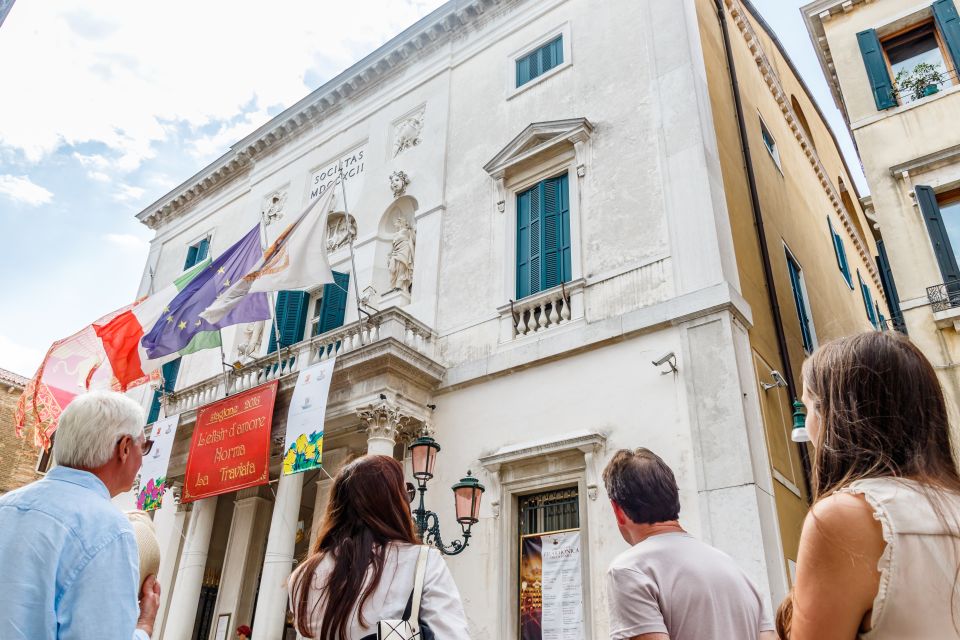
- See the theatre’s opulent rooms up close, not just from the street
- Royal box access and big viewpoints that make you picture a performance
- Opera history in real space, with names like Rossini, Bellini, and Maria Callas
- Modern direction is part of the story, not just old legends
- English-led live guide, with clear storytelling and time to ask questions
Meeting the guide at the Fenice entrance
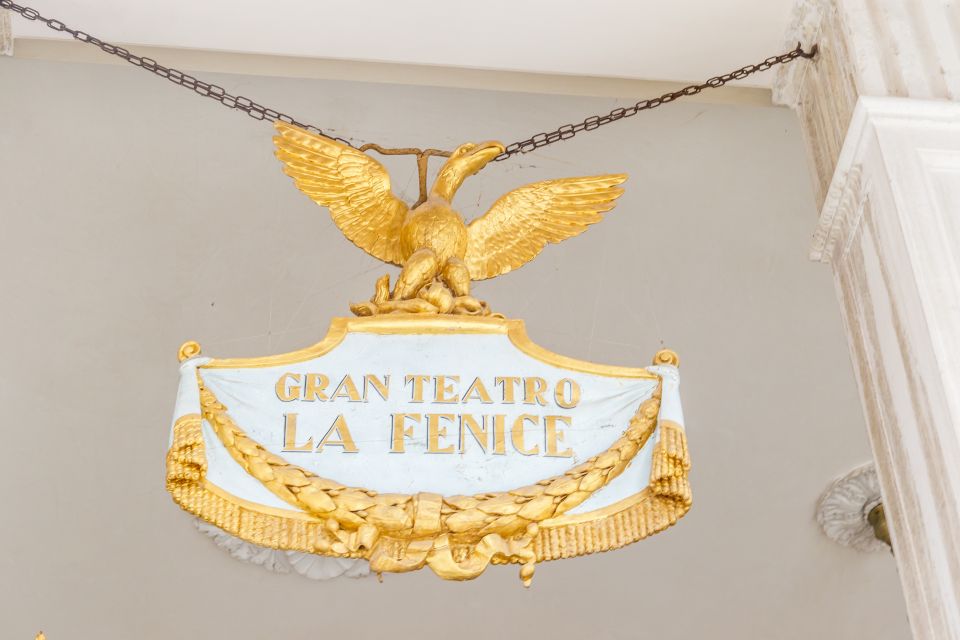
You’ll meet in front of the Teatro La Fenice, and you’ll end back at the same spot. The hostess meets you directly at the entrance, and the main explanation happens inside the theatre—not while you’re walking around outside.
That sounds small, but it makes the hour smoother. You won’t waste precious minutes threading through Venice streets or waiting for the whole group to gather. I’d still show up a few minutes early; one practical tip I picked up from the experience is that the meeting point can be a little tricky to spot if you’re in a hurry or arriving from a wrong turn.
You can also read our reviews of more guided tours in Venice


What the one-hour tour actually covers inside
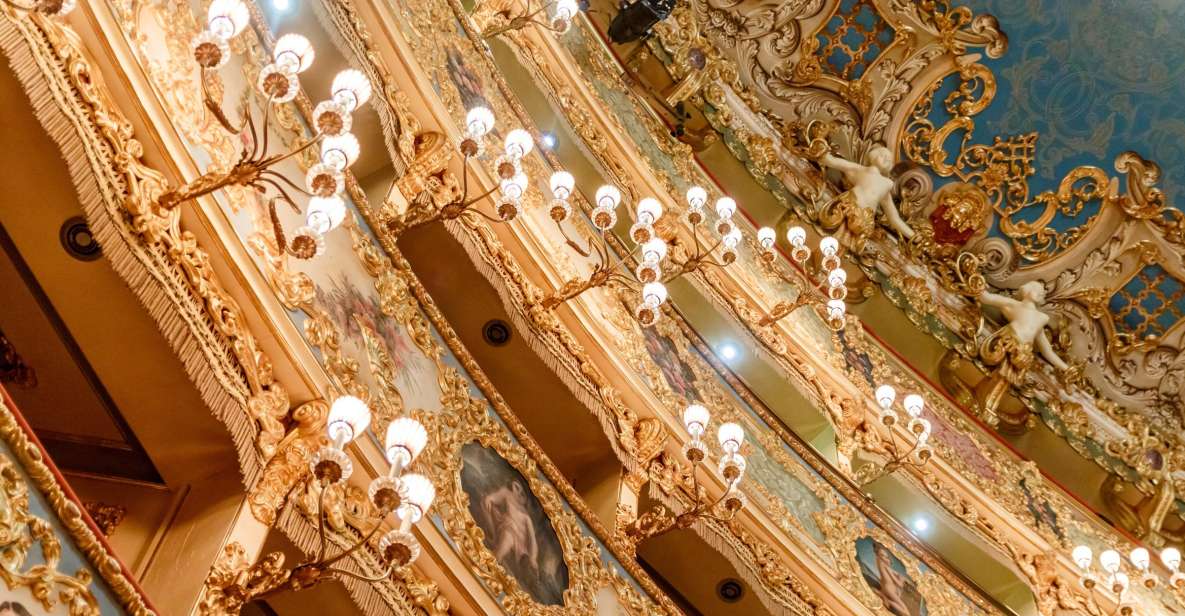
This tour is exactly what the title promises: a guided visit inside the theatre. Expect to spend your time moving through key interior areas where you can understand the scale of the venue and how performances are staged.
In a lot of visits, people rush through the “pretty rooms” and don’t quite get the theatre logic. This one is different because it’s built around explanation. You’ll hear how the house became a go-to setting for major premieres, why it’s such a prized performance space, and how the audience experience is shaped by design and acoustics.
A few standout moments can happen during the hour, depending on what the theatre is doing that day:
- You may be taken near notable seating areas, including the royal box
- You might see or hear about a small exhibition connected to Maria Callas
- On some days, you may catch signs of activity around rehearsals or preparation
Even when the theatre has to adjust rooms for internal testing, the guide is prepared to keep the tour moving and make sure you still see the best parts of what’s open.
The ceiling detail you’ll want to look up for
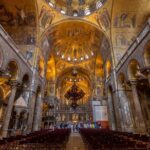
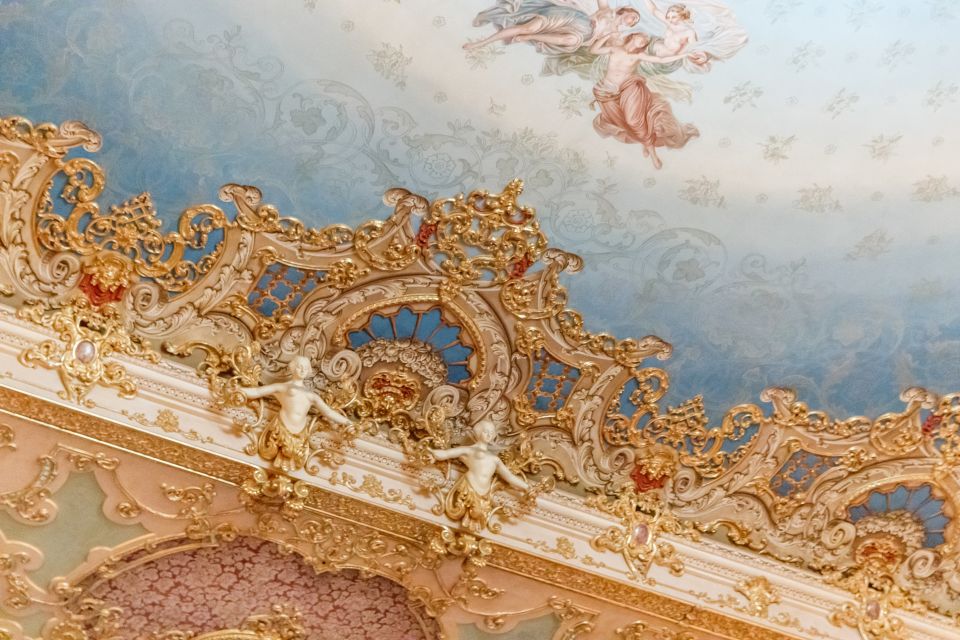
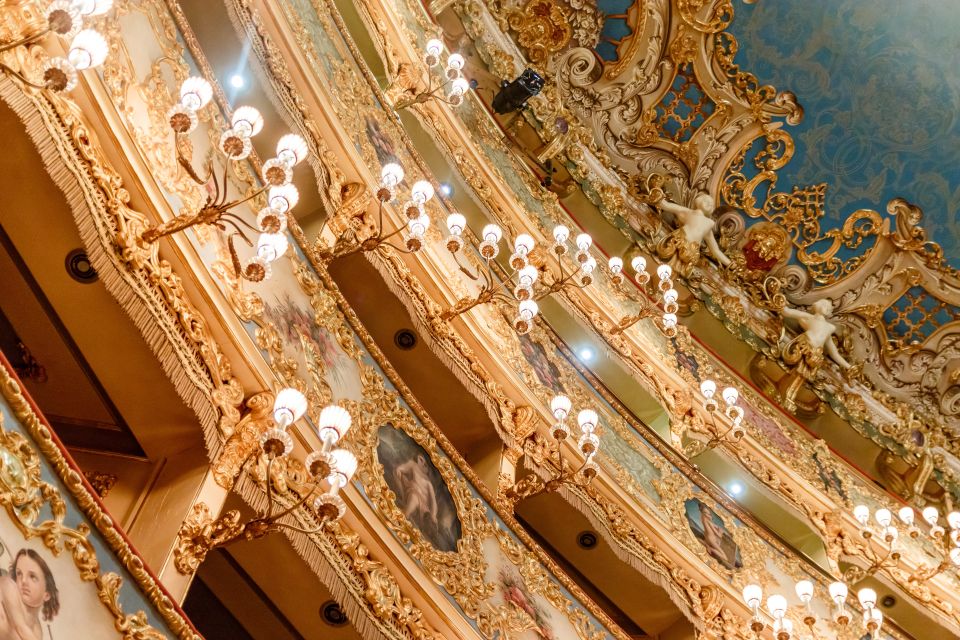
One of those “stop and stare” details inside La Fenice is the ceiling with a clock. It’s the kind of element that makes you realize you’re not in a generic event hall. This is Venice theatre—ornamented, purposeful, and designed to make you feel like a performance is about to start.
Royal box energy: why this theatre feels different in person
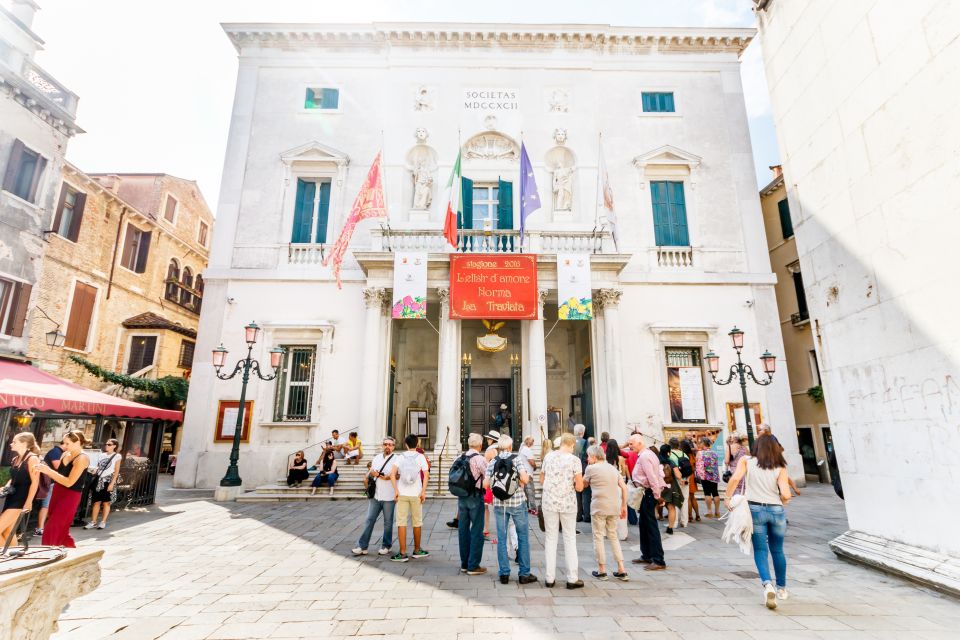
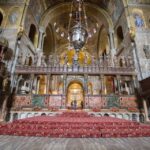
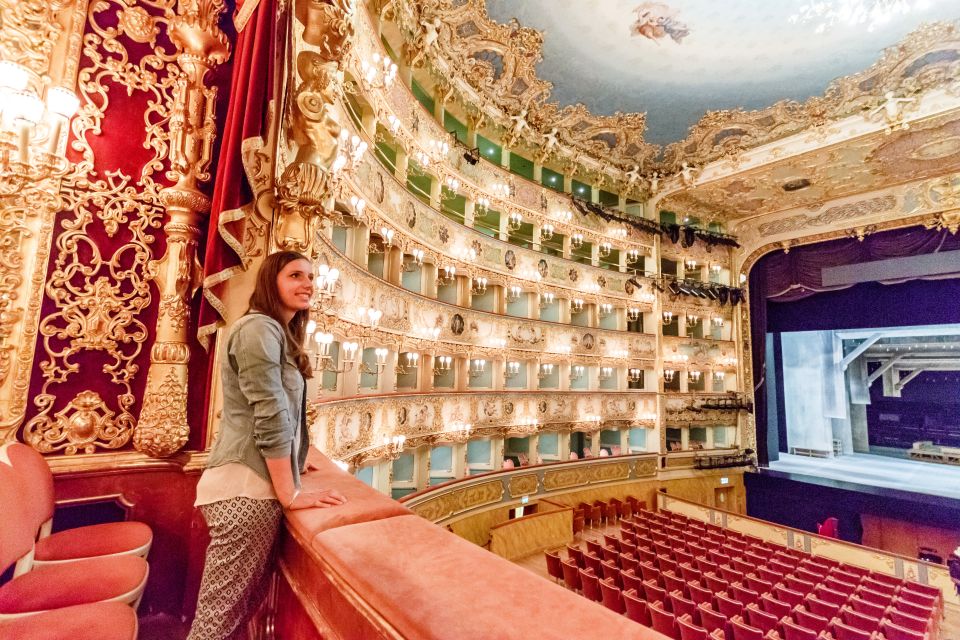
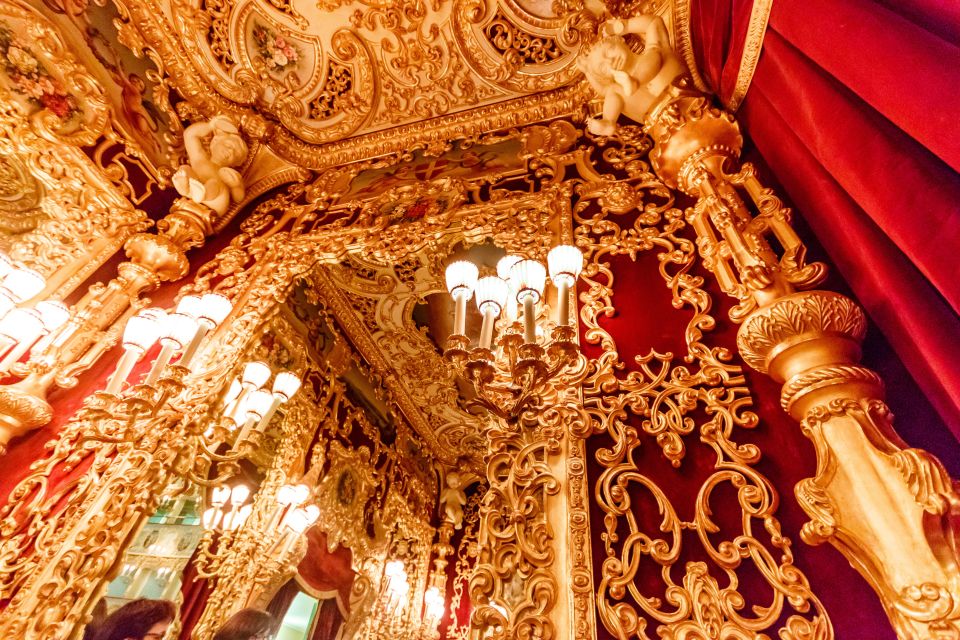
If you only visit La Fenice from the outside, you miss the real magic. The interior is built to wrap people into the drama, and the royal box viewing area is where that clicks.
When you stand in those spaces, you can understand the social geometry of an opera night: where status would be visible, how sightlines work, and why people historically treated opera like a full-room experience, not just a concert. It’s a fast lesson, but it’s memorable because it’s tied to actual architecture—not a lecture.
The guides often point out how the audience space supports the stage. That matters because the theatre is famous not only for looks, but for performance quality—meaning the building itself helps make voices and orchestral sound land well.
La Fenice size and sound: the facts that make it feel alive
La Fenice holds over 1,000 seats, and that scale is part of why it became famous so fast. Big capacity alone doesn’t guarantee a great performance space. What makes La Fenice special is how the design supports acoustics, which is exactly what you’ll feel once you’re inside and the guide explains the role of the different audience levels.
You’ll also hear the “numbers” behind the performances:
- A 98-member orchestra
- A 66-person opera chorus
For you, that’s more than trivia. It helps you visualize what it takes to fill the stage and how a theatre becomes a machine for sound. When you understand that, you don’t just admire the walls—you start imagining the full production happening above you and around you.




Opera history you can picture: Rossini to Bellini (and beyond)
La Fenice has a serious timeline, and the tour is set up to make it stick. The theatre was founded at the end of the 18th century and quickly became known for major, high-profile opera premieres.
Here’s the kind of historical thread you’ll follow inside:
- Early Rossini successes such as Tancredi, Sigismondo, and Semiramide
- Bellini’s major work The Capulets and the Montagues
- Other celebrated premieres like Beatrice di Tenda
What I like about this approach is that it turns opera history from names into images. You’re standing in the rooms where these works were first introduced to audiences. Even if you’re not an opera superfan, the guide’s story makes the place feel specific, not just famous.
Guides with real style
The tour quality often comes down to the person guiding it. Different guides have led groups—names that show up in the experience include Nicole, Sara, Matilda, and Marina—and the common theme is clear, energetic storytelling. If you’re the type who likes asking questions, this tour gives you a chance to do that instead of cutting you off mid-thought.
Modern direction: why current premieres still matter
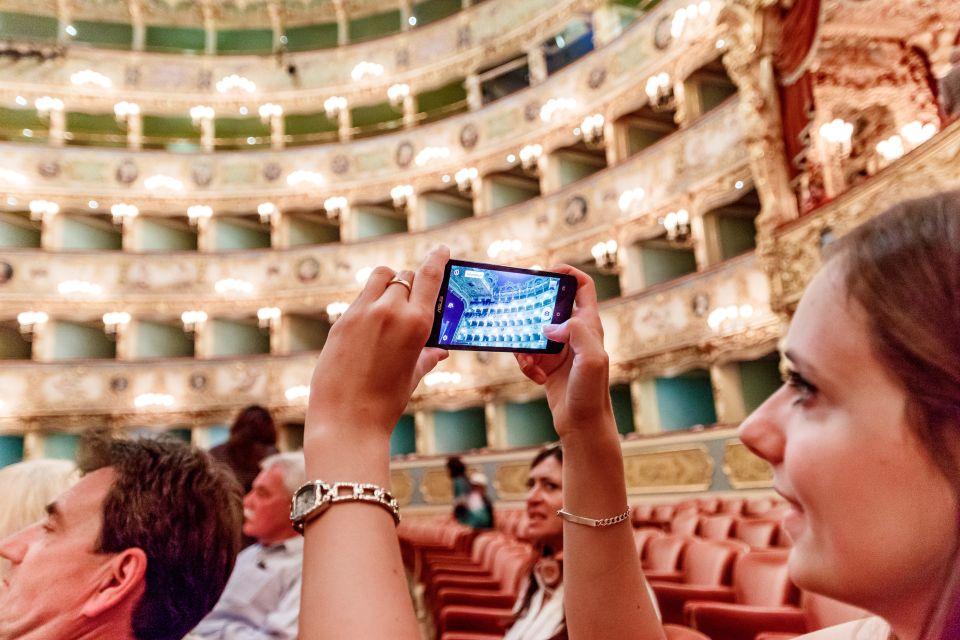
A lot of opera-house visits treat the building like a museum. La Fenice doesn’t really want to be only that.
During your hour, you’ll hear about where the theatre is headed now, including a push for contemporary productions. That matters because a living opera house is different from a closed one. You’re not just learning legends; you’re learning how this theatre fits today’s artistic world.
You may hear about major modern works associated with the venue’s direction, including:
- Stravinski’s The Rake’s Progress
- Britten’s The Turn of the Screw
That update is a big part of the value. It helps you see La Fenice as an active stage rather than a “someday” stop you check off and forget.
Practical Venice tips that make your tour smoother
Venice can be chaotic, and this is still a theatre visit with an exact start time window. Here are a few things that help:
- Arrive with a buffer: the meeting is in front of the Fenice entrance, and it’s easy to miss if you’re moving fast.
- Wear comfy shoes: you’ll spend your time inside, but you’ll still get there across uneven streets.
- Have one plan for later: your ticket allows time after the tour to stay and take in the atmosphere on your own, which is great if you want a slower, personal look at what you just learned.
And one language note: the tour is listed as English-led, but there have been cases where both English and Italian were heard in the same group. If you want maximum English, just be ready for a mixed environment and ask if you’re unsure.
Price and value: is $28 worth it?
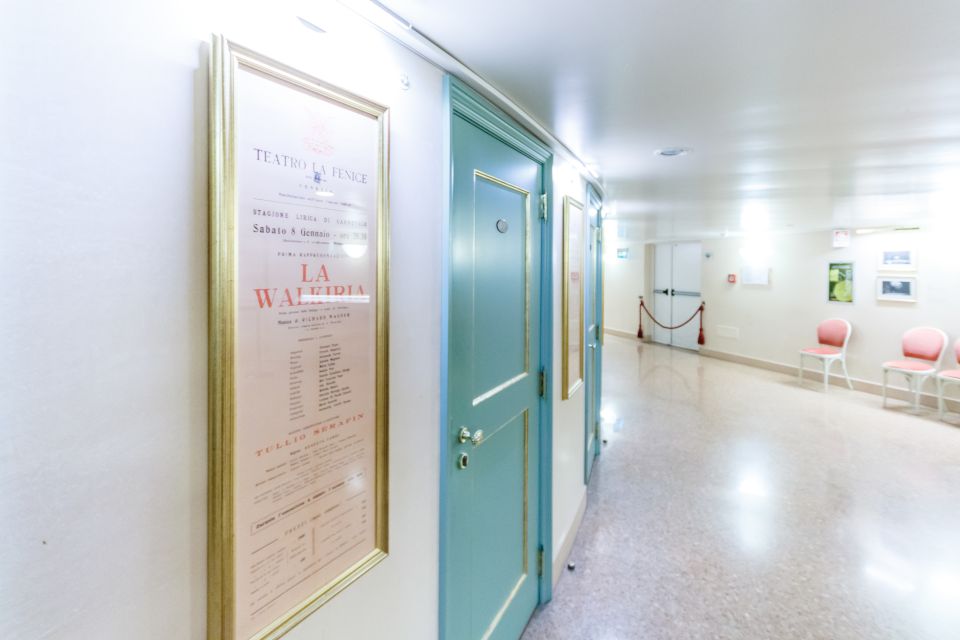
At $28 per person for an hour, this tour sits in the sweet spot for Venice. It’s not a long excursion that you have to treat like a half-day commitment. It also isn’t priced like a specialized backstage production.
The value comes from what you actually get for your time:
- A structured inside visit that connects the building to famous operas
- Access to standout interior viewpoints, including the royal box area
- A guided explanation that saves you from guessing your way through a beautiful-but-confusing space
If you’re already planning to see an opera in Venice the same night or soon after, this becomes extra useful. You’ll walk into the performance with the theatre’s “map” in your head, which makes the whole evening feel more meaningful.
Who should book this Teatro La Fenice guided tour?
Book this if:
- You want an opera-house visit that’s short, focused, and easy to fit into a busy Venice schedule
- You like history, but you want it tied to what you can actually see
- You’re curious about what makes a theatre work—sound, seating, staging—without needing a deep opera background
Consider skipping (or looking for another format) if:
- You need wheelchair accessibility (this one isn’t suitable for wheel-chair users)
- You’re expecting backstage access or a “behind the scenes” production tour
- You hate guided groups and prefer totally independent sightseeing
FAQ
FAQ
How long is the Teatro La Fenice guided tour?
The tour lasts 1 hour.
What is the meeting point and where do we finish?
Meet in front of the Teatro La Fenice. The activity ends back at the meeting point.
What language is the guide?
The tour guide is listed as English.
Is this tour inside the theatre only?
Yes. The explanation takes place inside the theatre as part of the guided visit.
Is the tour suitable for wheelchair users?
No, it is not suitable for wheelchair users.
What’s the price?
The price is $28 per person.
Can I cancel and get a refund?
Yes. There is free cancellation up to 24 hours in advance for a full refund.
Should you book this Teatro La Fenice tour?
If you want a smart Venice stop that feels like you’re stepping into the real world behind the curtain, I’d book it. For $28, you get an hour of guided context plus access to the interior spaces that make La Fenice special—especially the viewpoint areas like the royal box zone. And because you can often linger after the tour, it’s one of those experiences that keeps paying off even after the guide is done speaking.
Just go in with the right expectations: this is an inside-theatre tour, not backstage access, and it’s best for people who enjoy turning famous art history into something you can stand inside.