REVIEW · VENICE
Venice: Giudecca Island Discover Walking Tour
Book on GetYourGuide →Operated by Valerio Coppo Detourist · Bookable on GetYourGuide
Giudecca feels like Venice with the sound turned down. This 2-hour walking tour takes you across the island’s artistic district, past gardens and galleries, and through everyday residential streets, with a guide who helps it all click fast. Two things I like a lot: the waterbus ride for fresh sea air and big city views, and the way you learn Giudecca’s story from aristocratic retreat to industrial workyards and now modern art spaces. One thing to consider: it is not suitable for wheelchair users or people with mobility impairments, and you’ll be on your feet for the full walk.
You’ll focus on Giudecca’s fishbone-like shape, Venice’s “unofficial seventh sestiere,” and how the Giudecca Canal separates it from the main city. You start at the Church of Saint Mary of the Rosary, also called Gesuati, then travel by waterbus to Giudecca and walk along both sides of the island. It’s a nice way to see another Venice that’s closer to daily life than postcard squares.
In This Review
- Key reasons this Giudecca walk is worth your time
- Starting on the Venice side: Gesuati to Giudecca by waterbus
- Giudecca’s big idea: the island that acts like Venice’s “7th neighborhood”
- Walking the Venice-facing quay: long views and everyday rhythm
- The lagoon-facing side: gardens, galleries, and quiet streets
- How the island’s past shows up in today’s buildings
- The art district angle: modern creativity in older spaces
- Your guide matters: Valerio Coppo Detourist’s clear storytelling
- Price and value: is $146.14 for 2 hours fair?
- Group size and pacing: a private group that keeps things flexible
- What to bring and how to get the most out of the walk
- Where the tour ends: back to your meeting point
- Who should book this Giudecca walking tour
- Should you book this tour?
- FAQ
- Where is the meeting point for the Giudecca walking tour?
- How long is the tour?
- Is the waterbus included in the price?
- Is this a private group tour?
- What languages are available for the live guide?
- Is the tour suitable for wheelchair users or limited mobility?
- Does the tour include a guide and walking components?
- What is the cancellation policy?
Key reasons this Giudecca walk is worth your time
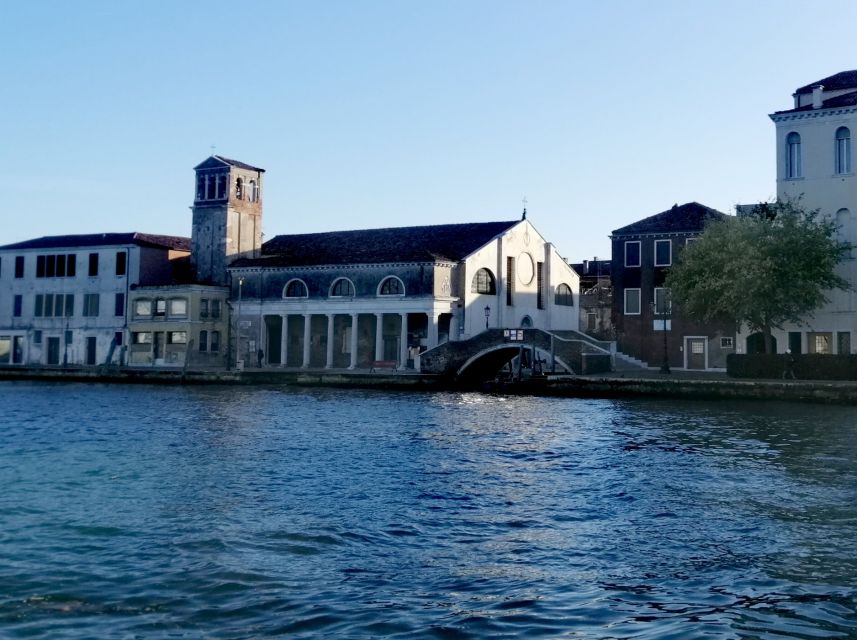
- Waterbus views first: you get the scenery glide before you even start walking
- Art district without the museum vibe: galleries, inspiring spaces, and neighborhoods mixed together
- Two faces of the island: the Venice-facing quay and the lagoon-facing side with gardens
- Real context from a local guide: from patrician palaces to warehouses, barracks, factories, and workers’ quarters
- Less tourist pressure: Giudecca’s peace is the whole point of the experience
Starting on the Venice side: Gesuati to Giudecca by waterbus
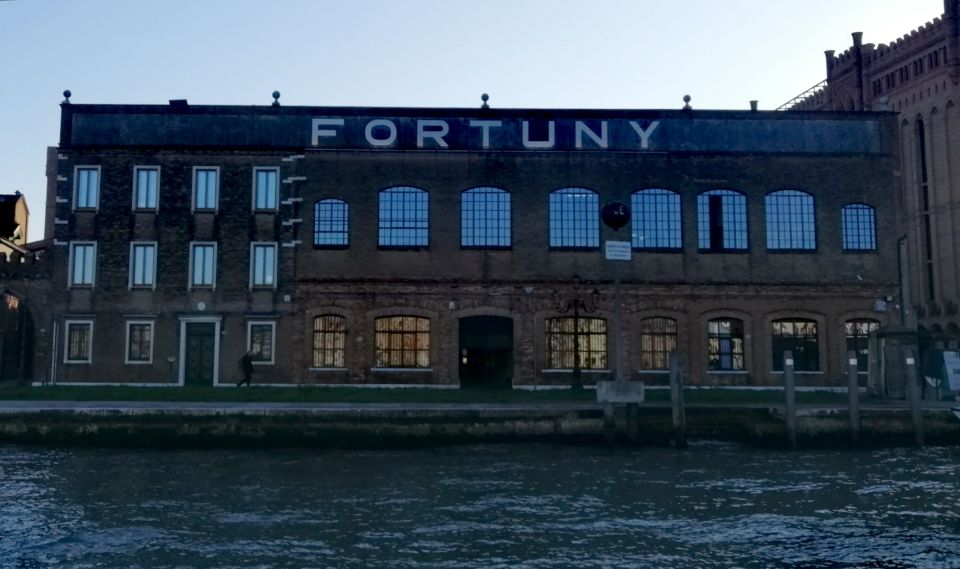
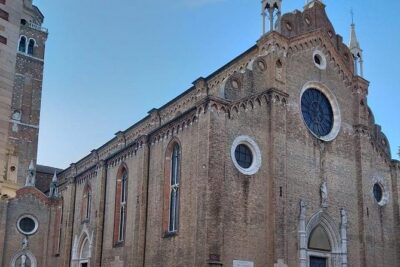
Your tour begins at the Church of Saint Mary of the Rosary, known as Gesuati. It’s a solid meeting point because it’s easy to recognize and it puts you in the right part of Venice before you head toward the canal.
Then comes the practical treat: the boat ride to Giudecca. The operator notes that the waterbus ticket isn’t included, so you’ll buy it onboard. Plan to keep an eye on your budget for that add-on, but also think of it as part of the value: you’re paying for the ride plus a guide who turns what you see from the water into something meaningful on land.
You can also read our reviews of more walking tours in Venice



Giudecca’s big idea: the island that acts like Venice’s “7th neighborhood”
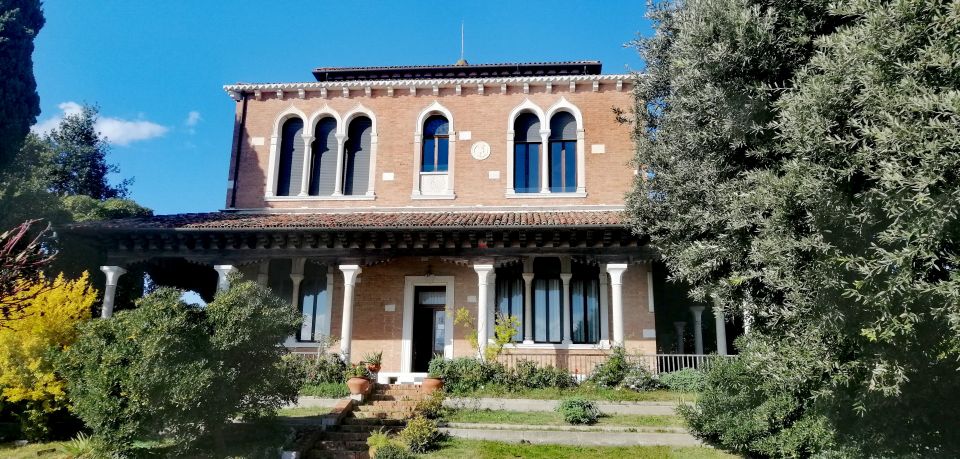
Giudecca is the largest and closest island to Venice, separated by the broad and deep Giudecca Canal. If you only visit Venice’s main islands, you miss this long stretch of space that feels both Venetian and separate.
You’ll hear the island in layers. First, it was a retreat for aristocratic families, later an industrial center, and today it’s known for a trendy artistic district. The guide connects those dots as you walk, so it doesn’t feel like a list of facts. It feels like a place that changed with the city.
Walking the Venice-facing quay: long views and everyday rhythm
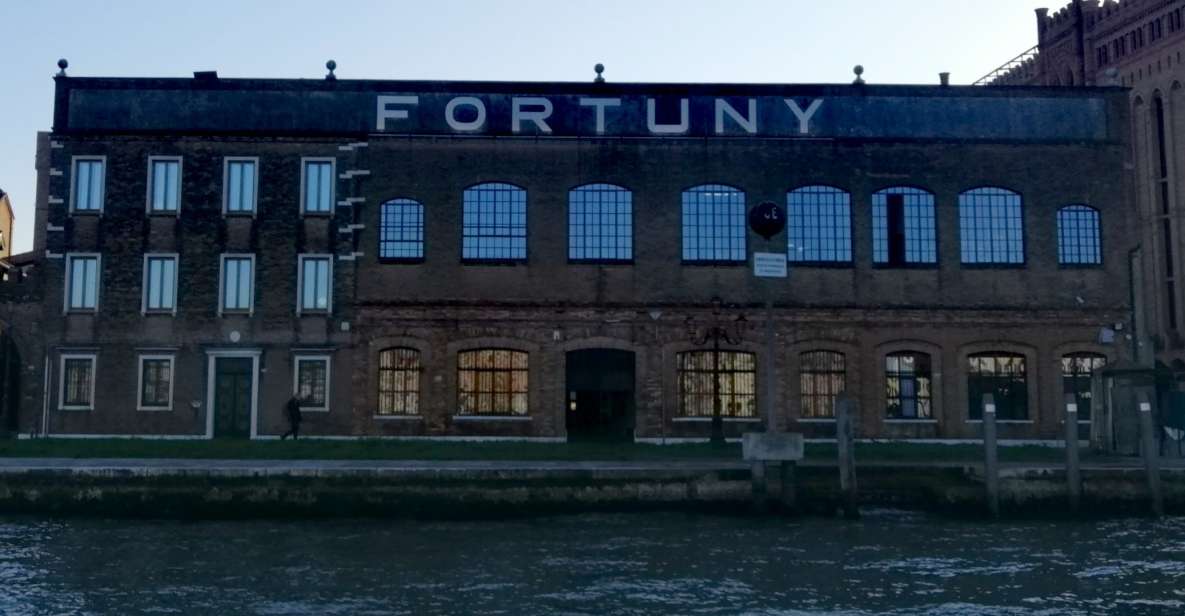
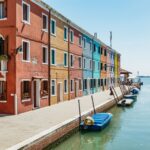
A big part of what you’ll do is walk the long pedestrian quay along the Venice-facing side. This is where the island reads most clearly in relation to the city: you can pace yourself while looking back toward Venice, and you get a sense of how the canal shapes daily movement.
Why this section matters: it’s built for calm viewing. Instead of rushing from one crowded stop to the next, you can keep your eyes open and notice how architecture and street life differ from what you’re used to on the main islands.
Practical note: because the route is a walking tour, bring shoes you trust. Giudecca’s charm is partly in its “go slowly” vibe, and that only works if your feet are comfortable.
The lagoon-facing side: gardens, galleries, and quiet streets
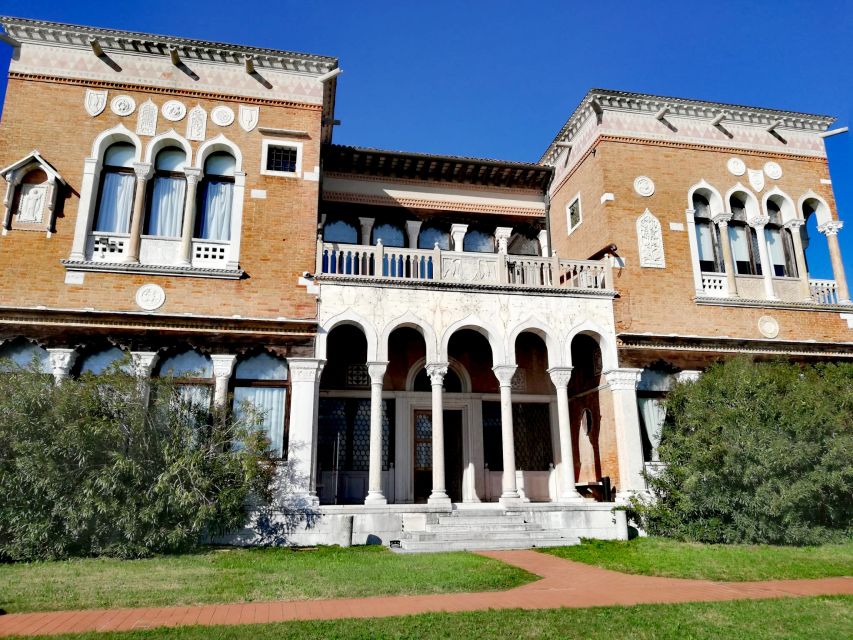
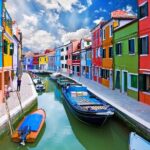
After you’ve established the Venice-facing view, you move toward the lagoon-facing side with lush gardens, inspiring galleries, and residential neighborhoods. This is the shift that makes the walk feel complete: same island, different mood.
Here’s what to look for as you go:
- Green gardens that help explain why patrician families built palaces and allotments there
- Art spaces that reflect how some older structures have been converted for modern uses
- Residential streets that keep the tour grounded in how Giudecca actually lives today
The lagoon side is also where you’ll get that “step away from the main Venice noise” feeling. It’s not a fantasy. It’s just an island with fewer layers of tourism.
How the island’s past shows up in today’s buildings
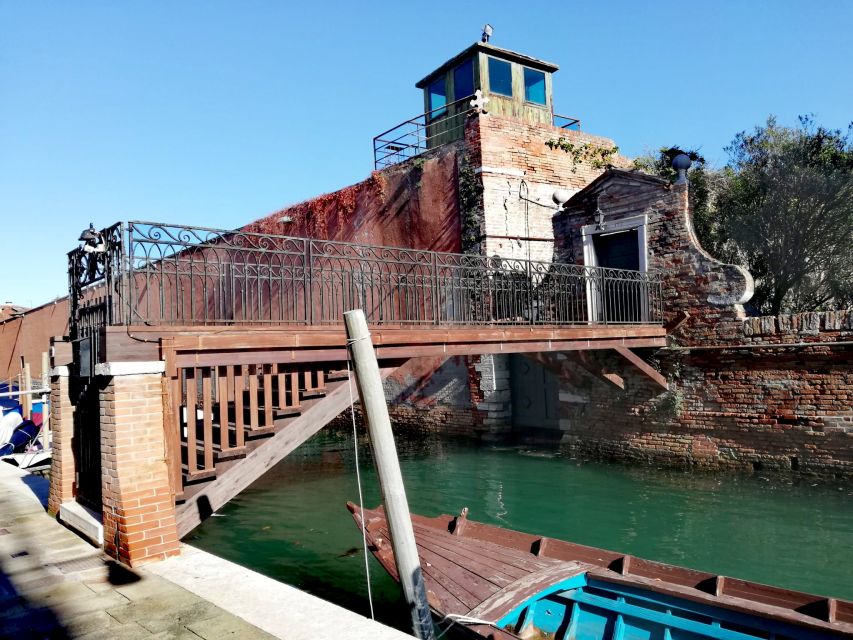
One of the most useful parts of this tour is the historical thread the guide follows. The island’s peace attracted religious communities and the patrician families who built palaces with gardens and allotments.
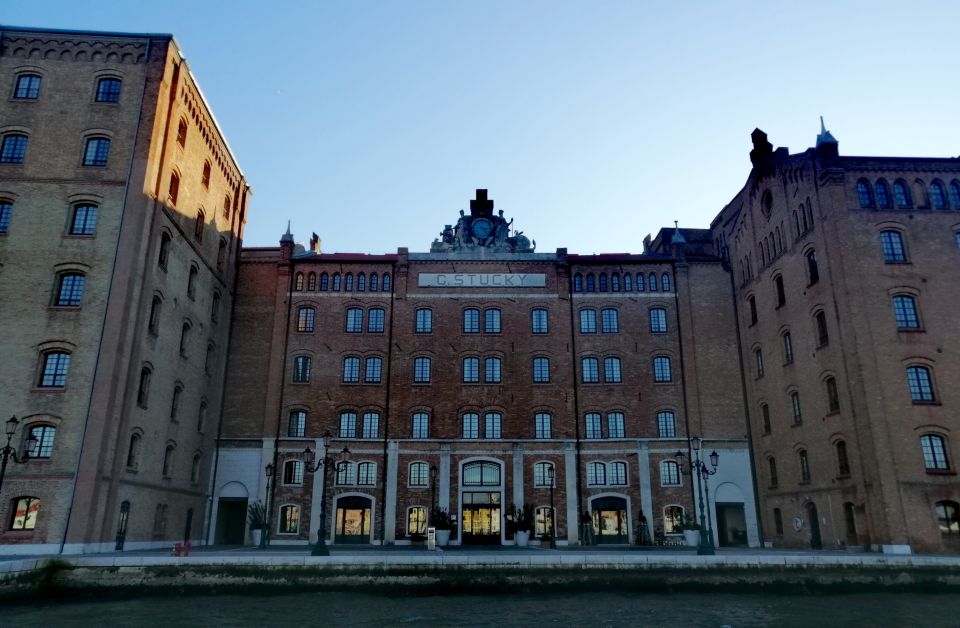
Then the fall of the republic changed the use of many areas. You’ll learn that parts once tied to aristocratic life became warehouses, barracks, prisons, factories, and workers’ quarters. Today, some of those spaces have been converted for artistic and modern purposes.
For you, that context is the difference between sightseeing and understanding. When you see a building repurposed, you’ll know what it might have been doing before. That turns a quick glance into a richer read of place.




The art district angle: modern creativity in older spaces
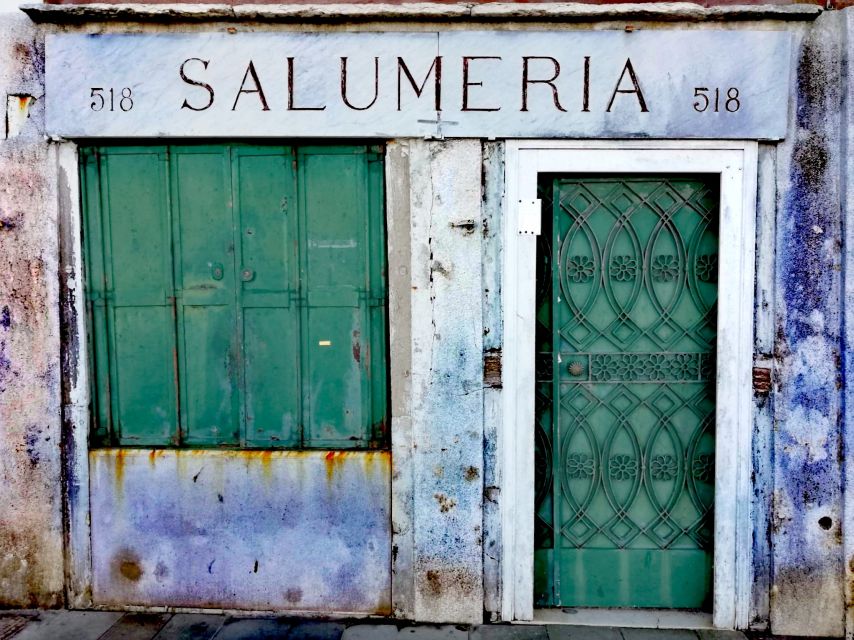
Giudecca’s “trendy artistic district” is the headline, but the real value is how it’s presented. You’re not limited to one art venue or one curated route. Instead, you walk through the island’s mix: art galleries, inspiring spaces, and neighborhood streets that still feel lived-in.
This approach works well if you like modern travel that still respects where people came from. You’ll see how the island’s identity has shifted over time, and how creative use can grow from older structures without erasing the past.
Your guide matters: Valerio Coppo Detourist’s clear storytelling
The tour is led by a tour leader and interpretive guide. The standout detail here is the guide’s teaching style and competence. Valerio Coppo Detourist is associated with guides who are described as very knowledgeable and able to share a lot about the island in a fun way.
For you, that means less time guessing and more time understanding. The island is easy to wander on your own, but you’d likely miss how the island’s key transitions connect to what you see today. A good guide helps you spot patterns: where the architecture tells a story, where the street layout hints at older functions, and why gardens matter in this particular place.
Price and value: is $146.14 for 2 hours fair?
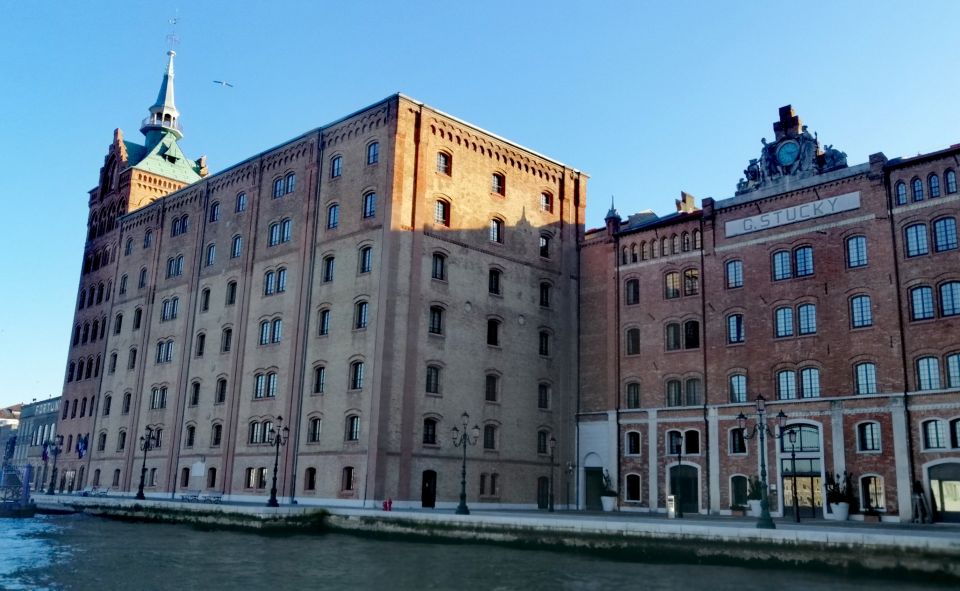
At about $146.14 per person for a 2-hour guided walk, this tour sits in the mid-to-higher range for Venice-area experiences. Here’s the value logic I’d use:
You’re paying for:
- A live interpretive guide (not just a self-guided route)
- The structure of walking through both sides of Giudecca
- Context that turns neighborhoods and buildings into something you can actually read
- A private group format, which can make the pace and Q&A more relaxed
What’s not included:
- The waterbus ticket to Giudecca (you buy it onboard)
So the price isn’t only for walking. It’s for the “meaning layer” the guide provides. If you like guided history with a practical pace, it can feel worth it. If you’re the type who hates structured tours and prefers pure drifting, you might compare this to DIY Giudecca time with a short list of spots.
Group size and pacing: a private group that keeps things flexible
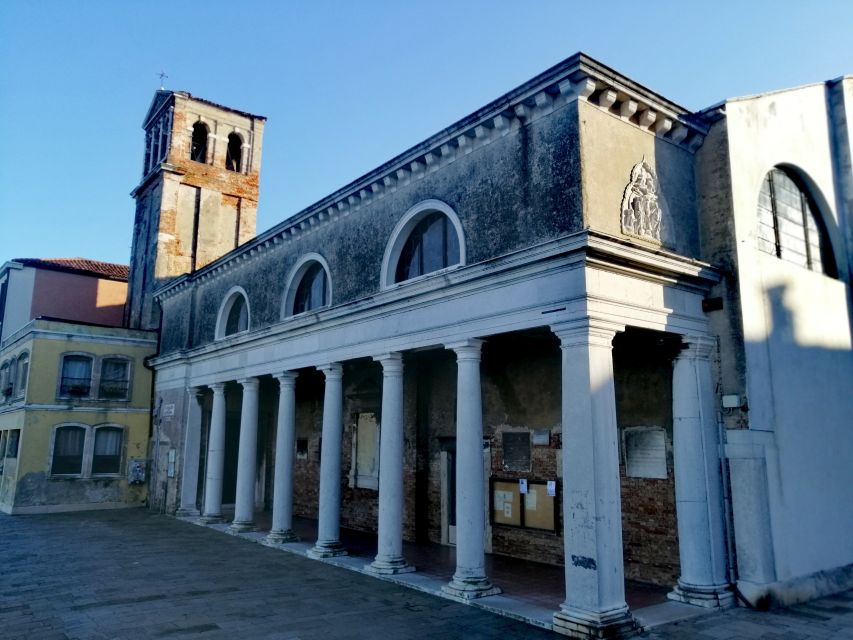
This is listed as a private group. That matters because Giudecca is best when you can slow down. A smaller group usually means fewer bottlenecks at photo points and a smoother rhythm when the guide explains something.
Still, you’re on foot for the set duration, and the route isn’t marketed for people who need wheelchair access. If you have any mobility limits, consider that before booking.
What to bring and how to get the most out of the walk
Keep it simple, but do it right. Bring:
- Comfortable walking shoes (you’ll cover the island on foot)
- A light layer for the canal breeze, especially once you’re on the water
- Sun protection if you’re visiting on a bright day
My best tip is mental, not gear: treat Giudecca like a “slow Venice.” Use the quay for quiet looking. Use the lagoon side for garden-and-gallery moments. If you try to rush every part like you’re doing a main-island checklist, you’ll miss why this tour exists.
Where the tour ends: back to your meeting point
The activity ends back at the meeting point—again at the Church of Saint Mary of the Rosary (Gesuati). That’s convenient because you don’t have to figure out a new endpoint or transfer plans right away.
Who should book this Giudecca walking tour
This is a good fit if you:
- Want a calmer Venice experience that still feels unmistakably Venetian
- Like art, but also want context for how that art connects to older buildings
- Prefer a guided walk where the guide explains what you’re seeing as you go
- Appreciate neighborhoods and everyday streets more than only major landmarks
It’s probably not the best choice if you need wheelchair access or have mobility constraints, since the tour is specifically noted as not suitable for wheelchair users.
Should you book this tour?
Yes—if you’re ready for Giudecca as a real place, not a quick stop. The strongest reason to book is the combo: waterbus views plus a guided walking route that covers both the Venice-facing quay and the garden-and-lagoon side. Add the guide approach from Valerio Coppo Detourist, and you get explanation, not just movement.
Skip it only if you prefer total independence or you can’t comfortably handle a walking-focused 2-hour experience. Otherwise, this is a smart way to spend part of your Venice trip outside the usual main-island crowd patterns.
FAQ
Where is the meeting point for the Giudecca walking tour?
You meet your guide in front of the Church of Saint Mary of the Rosary, also known as Gesuati.
How long is the tour?
The walking tour lasts 2 hours. Starting times vary, so check availability.
Is the waterbus included in the price?
No. The waterbus ticket to Giudecca is not included and you purchase it onboard.
Is this a private group tour?
Yes, it’s listed as a private group.
What languages are available for the live guide?
The tour offers live guidance in English, German, Italian, and Spanish.
Is the tour suitable for wheelchair users or limited mobility?
No. It is not suitable for people with mobility impairments and it is not suitable for wheelchair users.
Does the tour include a guide and walking components?
Yes. It includes a tour leader/nature and interpretive guide, plus the walking tour.
What is the cancellation policy?
Free cancellation is available up to 24 hours in advance for a full refund.