REVIEW · VENICE
Venice Palazzo Mocenigo: History of Textile, Costume and Perfume
Book on Viator →Operated by Weekend in Italy · Bookable on Viator
Venice has a way of surprising you in side streets, not main ones. Palazzo Mocenigo lets you connect the dots between Venetian clothing history and the role scent played in daily life and status. I like that it’s a self-guided museum in a real palazzo setting, so you can slow down where your eyes want to linger. I also like the perfume angle, which makes this more than a set of display cases. One drawback to plan for: a few visitors feel the museum’s presentation is lighter than they expected for the price, so set your expectations for a small, focused collection rather than a giant costume archive.
If you’re the type who loves details you can almost touch—fabrics, silhouettes, and the story behind what people wore and smelled—this is a great slot in your day. It runs about 1 to 3 hours, and the timed entry helps you avoid wasting time at the ticket window. Just note that you’re responsible for reading the information as it’s presented on-site (there can be QR-based info), so if you prefer printed explanations everywhere, come with patience.
In This Review
- Key things to know before you go
- Palazzo Mocenigo: a Venice museum built around what you wear and smell
- Your timing: 1 to 3 hours, plus entry-time choices that actually help
- Entering the palazzo: what you’ll be able to do on your ticket
- Textiles and costume galleries: the value is in the details
- Perfume in Venice: scent as craft, culture, and status
- Murano and Venetian artistry: how the rooms connect
- Where it fits in your Venice day (and how to get there)
- Price and value: is $18.52 a fair deal?
- Comfort, pacing, and what to expect from the on-site experience
- Should you book Palazzo Mocenigo?
- FAQ
- How long does the Palazzo Mocenigo museum visit take?
- Is this museum visit self-guided?
- What’s included in the ticket price?
- Are snacks or private transportation included?
- Where is Palazzo Mocenigo located in Venice?
- Do I need to book in advance?
- Do I get to choose my entry time?
- Is there an extra Venice access fee for day-trippers?
- When will I receive confirmation after booking?
- Can I cancel or change my booking?
Key things to know before you go
- Timed entry saves ticket-window time so you can get into the museum faster.
- Self-guided by design means you control the pace and how long you stay in each room.
- Textiles, costume, and perfume in one visit ties everyday life to craft and trade.
- A small palazzo experience: don’t expect a huge, room-after-room mega-museum.
- Quiet area of Venice (San Stae / Santa Croce): easier to step away from the heaviest crowds.
Palazzo Mocenigo: a Venice museum built around what you wear and smell
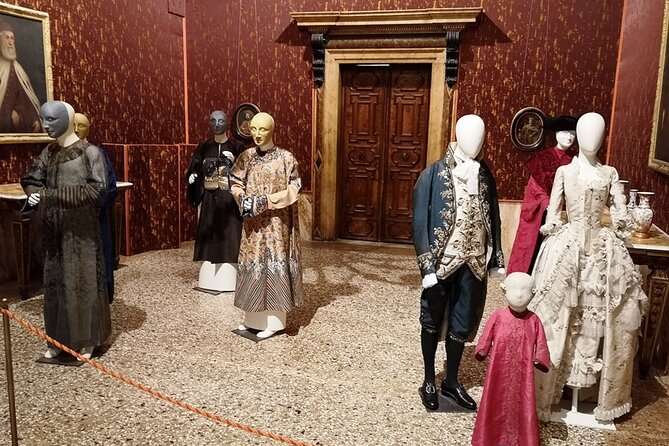
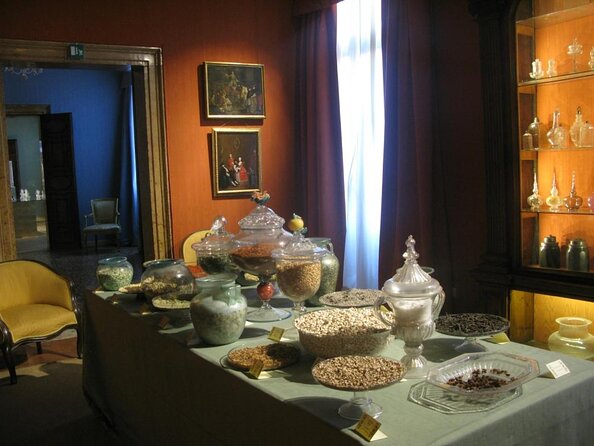
Palazzo Mocenigo is not trying to be a blockbuster museum. It’s built around three connected themes: textiles and costume, the craftsmanship behind clothing, and perfume—including why scent mattered in Venice.
What makes this setting work is the palazzo itself. The museum sits in Venice’s Santa Croce area, along the salizada of San Stae. You get the feel of stepping into a historic home-like space where displays can breathe. That matters, because costume museums work best when you’re not rushed. With this one, your visit is self-guided, so you can do the slow-looking that fabrics deserve.
The other strong part is that the story isn’t only about fashion as decoration. It’s about identity. Clothing shapes how you’re seen. Perfume shapes how you’re remembered. Put them together, and the museum gives you a more complete picture of Venetian life.
You can also read our reviews of more historical tours in Venice


Your timing: 1 to 3 hours, plus entry-time choices that actually help
This visit typically takes about 1 to 3 hours. That wide range is a hint: you can go quickly if you’re short on time, or you can take a longer route if you’re drawn to textiles or perfume demonstrations.
You’ll also have choice of entry times, which is a big deal in Venice. Most days, your schedule is a balancing act between boat routes, walking breaks, and meal timing. Timed entry lets you aim for a slot when the rest of your day is already under control—like after a long morning stroll and before the evening surge.
A practical tip: if you’re chasing a quieter visit, pick an off-peak slot when you can. The museum is known for being peaceful, and that tone is part of the value.
Entering the palazzo: what you’ll be able to do on your ticket
Your ticket includes entrance only, and the experience is presented as a self-guided visit. That means you won’t be locked into a group rhythm. Instead, you move through rooms at your own pace and stop where you want.
You should expect to spend time looking at a mix of display pieces—some highlighted prominently, others connected to broader themes. One review theme that keeps showing up is how people liked the layout of the rooms, which usually translates into fewer moments of feeling lost or forced to rush.
Also, the museum connects public displays to deeper research. It has a library specializing in this sector, and the bulk of the impressive textile collection is described as being available to scholars. For you, that means the museum visit is still rewarding even if you’re not doing research—just don’t assume every historic textile is out on the walls.
Textiles and costume galleries: the value is in the details
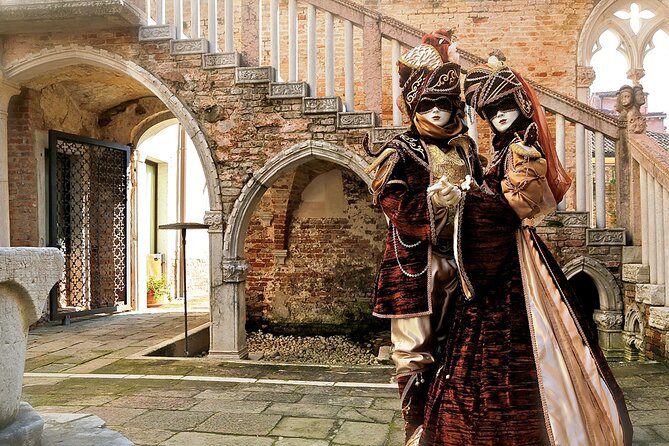
The museum’s textile and costume focus centers on rare and important pieces, with clothing dating back to the Baroque era. You’ll see how styles and materials changed over time, and you’ll start noticing how Venetian fashion isn’t just one look—it’s a series of shifts tied to taste, wealth, and culture.
One of the most praised aspects is how people respond to the costume displays themselves—especially the strong visual impact of period items like 18th-century waistcoats. Those pieces tend to reward close looking: fabric texture, trim, and shape are where the story lives.
Here’s a key way to think about it as you plan your expectations: this is not just a costume “showcase.” It’s a museum about the history of textile and clothing as part of Venetian identity. Even when the room feels small, the interpretation is meant to connect fashion to the broader world that produced it.
What I’d watch for: information presentation. Some visitors felt that explanatory material was not always as practical as they wanted, especially if you’re relying on QR codes. If you prefer printed labels you can read without phone hassle, plan to take a bit longer as you scan the on-site explanations.
Perfume in Venice: scent as craft, culture, and status
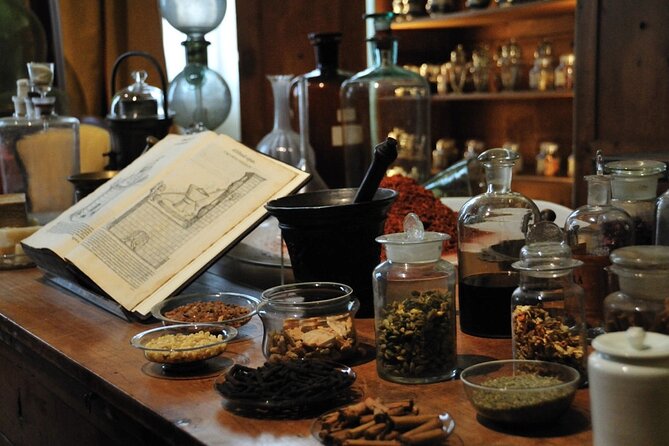
Perfume is the other half of the museum’s personality. The attraction is not only that you’ll learn about perfume history, but that this theme feels tied to Venetian life—where trade, luxury, and daily rituals often overlapped.
In reviews, the perfume portion stands out as both educational and fun. People described a laboratory-style perfume-making experience for kids and families, including a moment where they could smell different scents. That matters because perfume isn’t something you can fully understand from words alone. Smell is part of the lesson.
If you enjoy sensory history, this is where you’ll likely slow down. You get a sense of perfume as something crafted, not just something bought. And you get a real feel for why scent mattered in a city where social life and public image are constant themes.




Murano and Venetian artistry: how the rooms connect
Another thread in positive feedback is that visitors liked seeing how Venetian artistry shows up around the museum—mention of Murano in particular came up in comments about what you can notice during the visit. Even if it’s not the main headline of the museum, it helps reinforce the idea that these are not isolated objects. They’re part of a broader Venetian art ecosystem.
When a museum does this well, you come away with more than “I saw costumes.” You leave with a richer sense of the environment that supported clothing making and luxury culture.
Where it fits in your Venice day (and how to get there)
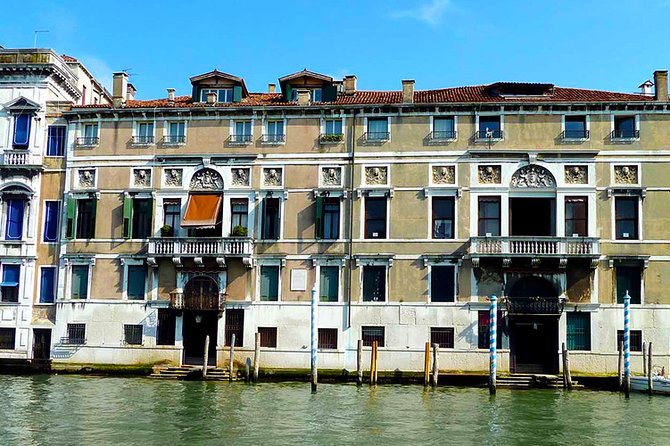
You’re in the San Stae / Santa Croce area, off the busiest tourist streams. That’s a plus if you want a museum break that doesn’t feel like another stop crammed into a loud queue.
It’s also described as near public transportation, which is useful because Venice walking can tax you faster than you expect. If you’ve been on your feet since morning, plan to use transit for the hop to the museum area, then walk the last portion as needed.
How to pair it with the rest of your day:
- If you’re already doing the calmer parts of Venice around Santa Croce, this makes an easy cultural break.
- If you’re only hitting the island’s most famous hotspots, schedule this for a time when you want a breather away from crowds.
Price and value: is $18.52 a fair deal?
The price is listed at $18.52 per person, with a note that this is commonly booked about 31 days in advance on average. That matters because timed entry works best when you reserve early enough to get a time slot that fits your plan.
So is it worth it? For me, the value comes down to what you want:
- If you love costume and textile details, and you enjoy perfume history as a sensory theme, the museum’s focus is a strong match. The self-guided pacing lets you get real time with the objects you care about.
- If you’re expecting wall-to-wall, highly expansive museum galleries like the big-ticket collections, you may feel the experience is too short or too focused for the cost. Some visitors explicitly questioned whether there were enough original clothing pieces on view relative to their expectations.
A smart way to avoid disappointment: treat it as a focused museum in a real palazzo. Think of it as quality-over-quantity, not as a marathon.
One more planning cost consideration: if you’re visiting Venice as a day trip from outside the city, there may be a €5 access fee on certain dates, with details and exemptions listed at https://cda.ve.it. That fee isn’t part of the museum ticket, but it can affect your overall budget.
Comfort, pacing, and what to expect from the on-site experience
The visit is designed for most travelers to participate, and the museum time window supports flexible pacing. You’re looking at about 1 to 3 hours, and because it’s self-guided, you can stop, read, and step back when you need a break.
A couple practical thoughts from how the museum is described and how people react to it:
- The experience tends to be calm and quiet, which can be ideal if you want a break from crowds.
- If you’re coming with kids, the perfume-related activities can turn this into a hands-on lesson rather than a purely visual one.
- If you’re relying heavily on interpretive material, be ready that explanations may sometimes be provided through QR codes instead of only printed placards. That’s workable, just don’t assume every detail will be at your fingertips in the format you prefer.
Also, bring basic museum stamina. Venice humidity and walking add up fast, and a museum break can either refresh you or just slow you down. Plan to do this at a point in the day where you’re ready to sit your feet down for a bit.
Should you book Palazzo Mocenigo?
Book it if you want a Venice museum that’s genuinely tied to everyday luxury—what people wore and how they presented themselves through scent. The combination of textiles/costume + perfume is unusual, and the self-guided pacing helps you actually enjoy the objects instead of being swept along.
Skip it (or at least reconsider) if you need a giant, multi-hour museum with a huge number of major costume pieces on constant display. If your main goal is seeing lots of original historical clothing from start to finish, you might find the presentation more selective than you hoped.
If you do book, aim for a time slot that fits your walking energy, and give yourself enough time to slow down. This is the kind of place where the best moments are the ones you take your time over—especially when scent and fabric are the focus.
FAQ
How long does the Palazzo Mocenigo museum visit take?
It’s listed as about 1 to 3 hours.
Is this museum visit self-guided?
Yes. You can explore at your own pace inside the museum.
What’s included in the ticket price?
The ticket includes entrance to the Palazzo Mocenigo Museum.
Are snacks or private transportation included?
No. Snacks and private transportation are not included.
Where is Palazzo Mocenigo located in Venice?
It’s in the Santa Croce district, along the salizada of San Stae.
Do I need to book in advance?
You can pre-book, and the experience is often booked about 31 days in advance on average. Timed entry helps you avoid wasting time at the ticket window.
Do I get to choose my entry time?
Yes. You have choice of entry times.
Is there an extra Venice access fee for day-trippers?
On certain dates, some visitors staying outside Venice who plan to visit for the day may need to pay a €5 access fee. Check https://cda.ve.it for details and exemptions.
When will I receive confirmation after booking?
You should receive confirmation within 48 hours of booking, subject to availability.
Can I cancel or change my booking?
No. The experience is non-refundable and cannot be changed.