REVIEW · VENICE
Venice: Natural History Museum Entry Ticket
Book on GetYourGuide →Operated by Venezia Unica by Vela Spa · Bookable on GetYourGuide
Dinosaurs in a Venetian palace is the surprise.
With this Natural History Museum entry ticket, you get a calm, family-friendly stop inside a 13th-century building right on the Grand Canal, with prehistoric stars like the Ouranosaurus skeleton and the Sarchosuchus imperator skull. It’s the kind of museum that makes the city feel wider, not louder.
I especially love the building itself. It’s palazzo-style drama, plus the canal setting makes even a simple arrival feel special. Inside, I also love the scale: you’re stepping into a collection of about 2 million objects, with both natural world specimens and prehistoric fossils that actually feel “big” instead of just displayed.
One thing to consider: parts of the museum lean old-school. There’s taxidermy, and some of it can be a bit intense for very small kids, especially if they don’t like animals behind glass. Also, not everything is guaranteed to be easy in English, so plan to use your phone for translation if you want deeper context.
In This Review
- Key things to know before you go
- Natural History Museum on the Grand Canal: your Venice “palazzo break”
- Tickets, hours, and the Venice Access Fee you might need
- How the museum is organized: what to see first (and what you can skip)
- The ground-floor collections: plants, animals, fossils, and human history
- Upstairs: Ouranosaurus, prehistoric crocodiles, and the fossil wow factor
- Sarchosuchus imperator: the skull that makes ancient predators feel real
- The library room, terrace, and quiet pauses inside Venice
- Time it right: how long you’ll need (and why it varies)
- Price and value: is $11 worth it in Venice?
- Should you book this Venice Natural History Museum ticket?
- FAQ
- How long should I plan to spend at the Natural History Museum?
- What are the museum’s opening hours?
- Where is the museum located?
- Is there a Venice Access Fee during some dates?
- Is the museum wheelchair accessible?
- Who gets free admission?
Key things to know before you go
- On the Grand Canal: prime photo spot, plus a scenic break from Venice’s foot traffic.
- A 13th-century palazzo: history of the building as part of the experience, not just the exhibits.
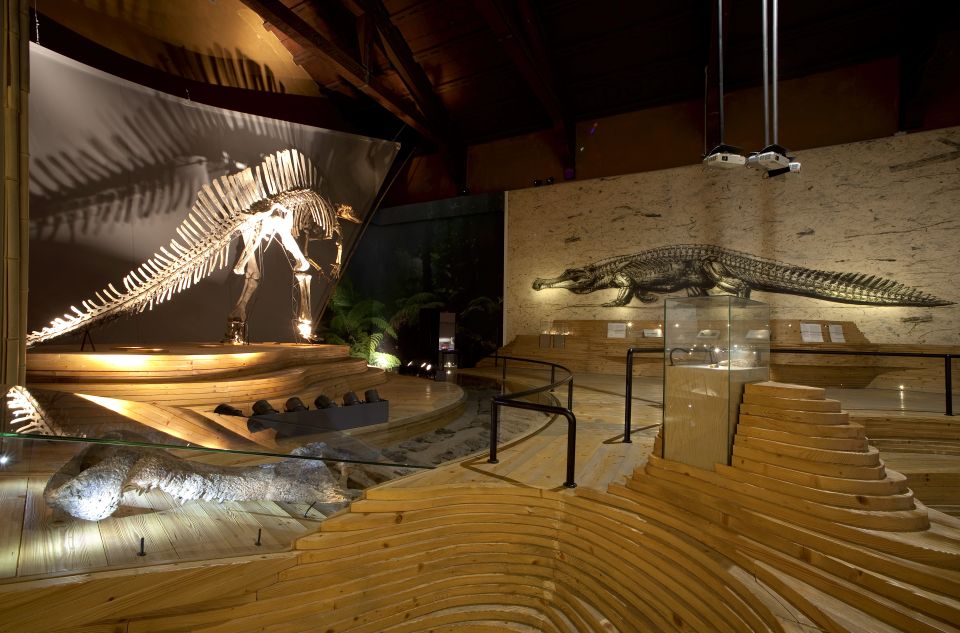
- Dinosaurs up close: including a 7m Ouranosaurus nigeriensis skeleton and prehistoric crocodiles.
- Sarchosuchus imperator skull: a standout fossil discovered in Africa.
- Library time: a room with over 40,000 books, which adds a slower, more curious pace.
- Family-friendly but taxidermy-heavy: bring kids who like animals; consider seating distance for sensitive viewers.
Natural History Museum on the Grand Canal: your Venice “palazzo break”
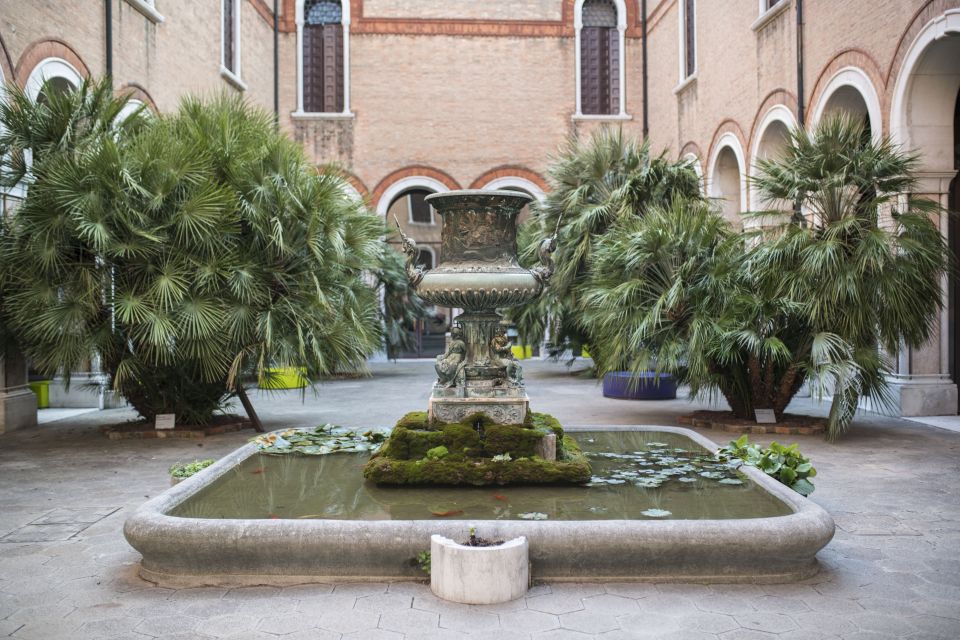
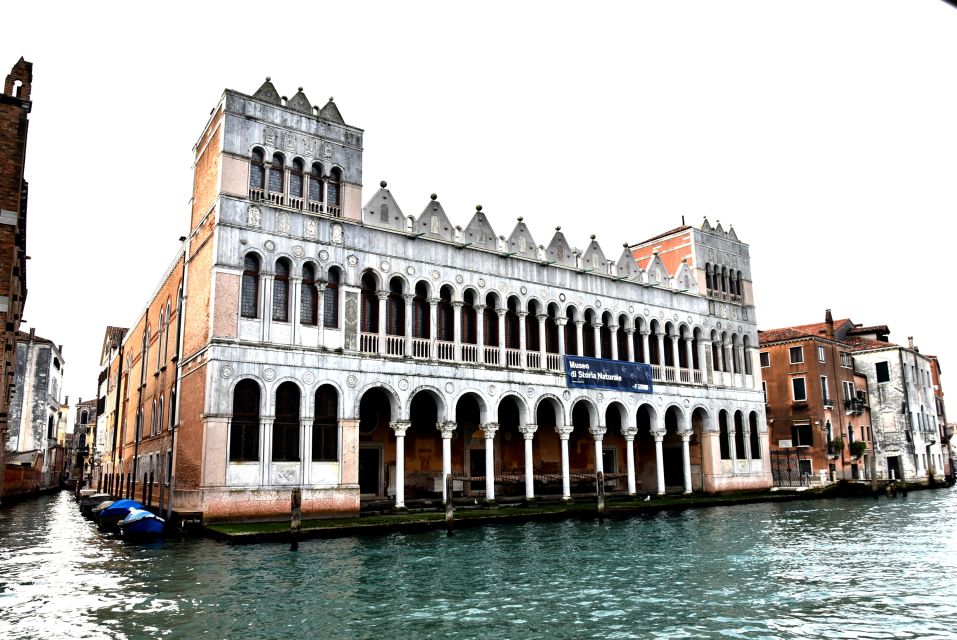
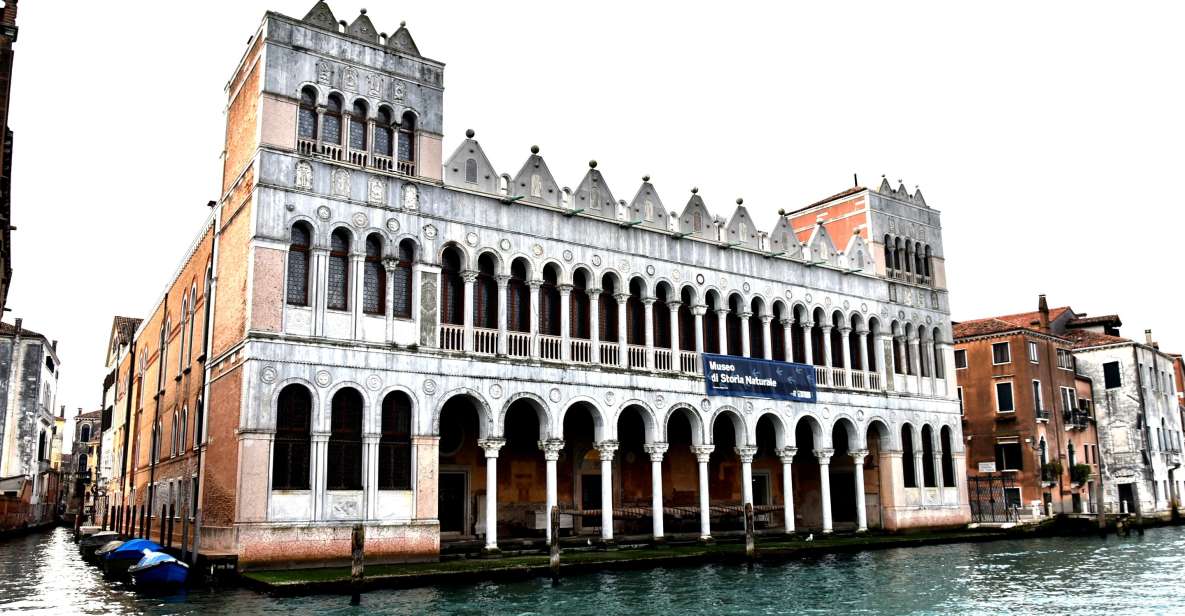
Venice has a way of turning your day into a loop of streets, bridges, and crowds. This museum interrupts that rhythm—in a good way. The Natural History Museum sits on the edge of the Grand Canal, so you get that classic canal-view feel right away, and you can frame photos with water, stone, and arches instead of just shopfronts.
The building matters. It’s described as a beautiful 13th-century setting, and that’s not just marketing fluff. You walk in and immediately feel like you’re stepping into a serious collection space, not a generic attraction box. Even before you reach the fossils, the rooms and layout create a slow “look longer” mood.
And it’s a sensible choice for a wide age range. Families tend to like it because it doesn’t require fast museum energy. If you’ve got a mix of ages, you can go at different speeds while still sharing the same highlights: dinosaurs for the kids, fossils and natural specimens for adults.
You can also read our reviews of more tours and experiences in Venice


Tickets, hours, and the Venice Access Fee you might need
This is an entry ticket to the Natural History Museum. It’s priced at about $11 per person for the experience time frame you select. The ticket is valid for one day, and you should check available start times before you go.
Two schedule facts can save you real frustration:
- The museum is closed on Monday.
- Hours change with the season:
- Until May 31: 9:00 AM to 5:00 PM, with last admission at 4:00 PM.
- From June 1: 10:00 AM to 6:00 PM, with last admission at 5:00 PM.
Also note a Venice-specific wrinkle. Between 18 April 2025 and 27 July 2025, an Access Fee is required for every visitor to Venice on certain days, with exemptions in some cases. If your trip falls inside that window, check the details on cda.ve.it and plan your timing and payment approach early.
Logically, I’d arrive with enough slack to get inside and settle. Don’t wait until the final hour if you can help it; the museum works best when you can wander room-to-room without sprinting.
How the museum is organized: what to see first (and what you can skip)
This ticket is admission-only. That means the “itinerary” is really your route through the museum. Still, it helps to know how the collections are staged.
A good strategy:
- Start with the big picture ground-floor sections first (natural world and collections).
- Then move up to the dinosaur and prehistoric highlights.
- Finish with the quieter spaces (like the library and outdoor calm if open).
The reason this order helps is simple: once you hit the dinosaurs, it’s easy to lose time and then feel rushed for the rest. If your group includes kids, they often want to linger at the prehistoric displays, so get the rest of the museum in while you still have energy.
And you do have permission to skip. One smart approach is to pick two or three room themes you care about most, then let the rest be a bonus. The museum is large in concept (about 2 million objects), but your personal highlight route can be short and satisfying.
The ground-floor collections: plants, animals, fossils, and human history
The museum covers natural history in a way that feels classic but thoughtfully presented. You can expect plants, animals, and fossils on display, with additional ethnographic collections included in the mix.
This part of the visit is where you can slow down. Instead of just chasing the “coolest” specimen, you’ll notice how the museum groups ideas: life forms, habitats, and how scientists classify what they find. That makes it a solid stop even if you’re not obsessed with dinosaurs.
You’ll also see ethnographic materials, which gives a wider lens on how people collected, documented, and interpreted knowledge. It adds variety when the prehistoric rooms start to dominate everyone’s attention.
If you like the “cabinet of curiosities” vibe, this museum leans in that direction. One of the quieter pleasures is how the displays feel themed—rooms set up to make you look, then look again.
Upstairs: Ouranosaurus, prehistoric crocodiles, and the fossil wow factor
The museum’s most popular attraction sits upstairs. Plan your energy for this section. This is where the headline specimens pull you in.
You can look for:
- Ouranosaurus nigeriensis, listed as more than 7 meters long
- Prehistoric crocodiles
- Dinosaur-related displays that focus on fossilized remains and reconstruction
The Ouranosaurus scale is the kind of detail that changes how you view the whole museum. When a skeleton stretches that far, it stops being a diagram and becomes an actual presence. It also frames the rest of the fossil collection—once you understand how large these animals were, the smaller specimens feel more connected instead of random.
This is also a strong section for kids, because it’s visually obvious. You don’t need to be a fossil expert to understand what you’re seeing. Even if you only catch a few major rooms, the dinosaur area gives the museum its “must-see” reputation.
If you want your group to move smoothly, do this: set a quick meetup plan before you enter the upstairs halls. It’s easy for adults to walk slower while kids stop for photos and back up for better angles.
You can also read our reviews of more historical tours in Venice





Sarchosuchus imperator: the skull that makes ancient predators feel real
The fossil highlight people talk about most is the skull of Sarchosuchus imperator, discovered in Africa. For many visitors, it’s the moment the museum feels less like an art gallery and more like a scientific story.
Skulls have a special power. They show shape and scale in a single glance. In this case, you’re not just looking at teeth and bone—you’re seeing how paleontologists interpret an animal’s presence from partial remains. That makes the display more than a “cool artifact.” It becomes a clue.
And it also pairs well with the crocodile and dinosaur themes. Even if your interests are split across ages (dinosaurs for one person, natural world for another), this centerpiece works as a shared conversation point.
The library room, terrace, and quiet pauses inside Venice
One of the best surprises in this museum is that it doesn’t only feel like a science hall. It also includes a library space with over 40,000 books. That detail might sound niche, but it’s actually a smart way to slow your brain down. After you’ve absorbed fossils and specimens, the library room adds a calmer, more reflective mood.
Then there’s the outdoor calm factor. Reviews mention a terrace and garden, plus an internal courtyard feeling. In a city where you’re often walking without a breather, having a place to reset your eyes matters. You can take a snack break, let kids cool down, and re-enter the next rooms with fresh attention.
This museum also works well on rainy days. The canal and stone setting can feel dramatic in bad weather, and the interior gives you something indoors that still feels Venetian, not trapped.
Time it right: how long you’ll need (and why it varies)
The experience is listed as 1 day, but your time inside the museum can be shorter or longer depending on your pace.
From practical visit-time cues:
- Some people find they can see it well in about 40–60 minutes.
- Others end up needing a bit more because they want to linger across multiple rooms.
I recommend budgeting 1.5 hours if you want a relaxed route with photos and dinosaur time. If your group has strong fossil fans, plan closer to 2 hours. If you’re traveling with small kids who burn out quickly, you can still enjoy it with a faster path: hit the upstairs dinosaur section first, then choose just a couple ground-floor areas.
Also consider this: the museum has a good shop for children, plus there are lockers for backpacks and toilets available. That stuff matters more than it sounds. It helps you stay in the museum longer without turning your outing into an errand parade.
Price and value: is $11 worth it in Venice?
In Venice, $11 sounds almost too good to be true, especially when so many attractions charge far more for far less time. Here, the value comes from two things.
First: scale. You’re walking through a museum with a collection of around 2 million historical objects, plus major fossil displays. That’s the kind of breadth that keeps the day interesting even if you only focus on one theme.
Second: the museum gives you variety. You’re not paying just for one hallway of dinosaurs. You also get natural world displays, fossils beyond dinosaurs, ethnographic collections, and that library room.
Add in that admission may be free for certain people, including children under 5, disabled visitors, and Venetian citizens/residents. Even if you don’t qualify for free entry, the regular ticket price feels like a rare case where the cost matches the time you get to spend.
If you’re the kind of traveler who likes low-stress sights—things that work for families, rain, and tight schedules—this ticket is a strong value.
Should you book this Venice Natural History Museum ticket?
Book it if:
- You want a quality indoor break from crowds and heat.
- Your group includes kids who will enjoy dinosaurs and prehistoric crocodiles.
- You like museums where you can wander at your own pace, without needing a guided script.
Skip it or rethink it if:
- Your priority is only modern, interactive experiences. This museum leans more classic, with specimens and room-by-room collections.
- Very young kids in your party dislike taxidermy or animal displays.
If you’re deciding between another quick Venice stop and something that lets you slow down, I’d pick this. You get serious fossil highlights, a dramatic canal-side palazzo setting, and a calm reset that feels different from just walking the streets again. For the money, it’s a smart use of one chunk of your day.
FAQ
How long should I plan to spend at the Natural History Museum?
You can often do it in about 40 to 60 minutes, but it also works well as a longer stop if you want to linger. Budget around 1.5 hours for a relaxed visit.
What are the museum’s opening hours?
It’s closed on Monday. Until May 31 it’s open 9:00 AM to 5:00 PM (last admission 4:00 PM). From June 1 it’s open 10:00 AM to 6:00 PM (last admission 5:00 PM).
Where is the museum located?
The museum is on the edge of the Grand Canal in Venice. Go to the main entrance and show your ticket on arrival.
Is there a Venice Access Fee during some dates?
Yes. Between 18 April 2025 and 27 July 2025, an Access Fee may be required on certain days, with exemptions. Check the official details at cda.ve.it for dates and methods.
Is the museum wheelchair accessible?
Yes, the venue is wheelchair accessible.
Who gets free admission?
Venetian citizens, residents, children under 5 years old, and disabled people get free admission.