REVIEW · VENICE
Venice: City Center Historical Guided Walking Tour
Book on GetYourGuide →Operated by CITY TOURS CO LTD · Bookable on GetYourGuide
One-hour Venice, neatly organized. You get the big sights, plus quieter lanes and a VR stop that makes the city feel older than it looks. St. Mark’s Square and the walk to Rialto Bridge are the two moments I love most because you see the landmarks, then you understand how the city works around the water. The one drawback to plan for is that the route moves on foot at a pace that may not work well if you need to walk very slowly.
What makes this tour more satisfying than the usual check-the-box circuit is the mix: public icons, side streets, and then a dedicated VR journey that brings old Venice into focus in one place. I also like that the guide is live and that you’ll hear stories in your chosen language, with audio support for larger groups. The other consideration is timing if you add the gondola, since there’s a gap between the walking tour and the ride, so you’ll want to stay nearby and keep your schedule flexible.
If you’re short on time but want a Venice orientation that feels human (not like a map app), this is a strong pick. Guides I’ve seen leading this include Ana, Natalia, Valentina, and Francesco—names you’ll spot in reviews, and each one seems to bring the stops to life with practical details, not just dates.
In This Review
- Key things to know before you go
- Why This Walk Gets You Past Venice’s Biggest Sights
- St. Mark’s Square and the Rialto Bridge Route That Makes It Click
- Teatro La Fenice: Opera-Power Without the Ticket Hassle
- Calli and Campi: The Narrow Streets That Change Everything
- VR in the Venice Gallery: Make the Past Make Sense
- Gondola Ride Add-On: Water-Level Venice, With a Timing Gap
- Price and What You’re Really Getting for About $14
- Group Size, Monolingual Guides, and How to Hear the Stories
- Weather, High Tides, and Why Venice Sometimes Needs a Plan B
- Who This Tour Suits Best (and Who Might Want a Different Option)
- Should You Book This Venice City Center Tour?
- FAQ
- How long is the Venice City Center Historical Guided Walking Tour?
- Is the gondola ride included?
- How long is the walking tour before the gondola ride, if I add it?
- What’s included besides the guided walking tour?
- Are monument entrance tickets included?
- Which languages are available for the live guide?
- Does the tour skip ticket lines?
- What happens if there are exceptionally high tides?
- Is there free cancellation?
- Is this tour suitable for people who walk slowly or have mobility issues?
- What’s the VR experience like?
Key things to know before you go
- St. Mark’s to Rialto with Grand Canal viewpoints: you’re guided straight to the angles that make photos look like postcards.
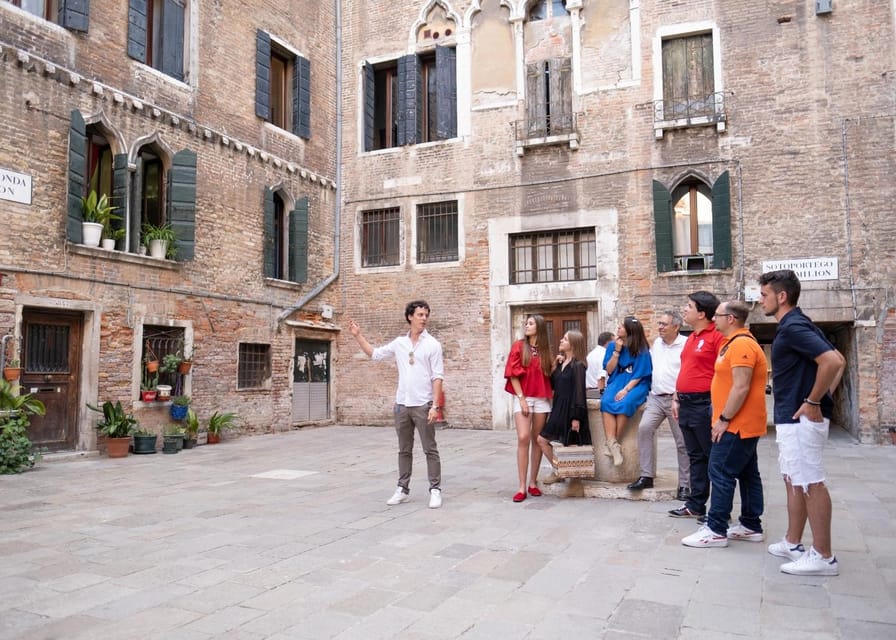
- Calli and campi, not just main streets: the tour focuses on Venice’s narrower lanes and small squares.
- Teatro La Fenice is a stop-in-story: you pass by one of the world’s famed opera houses and hear why it matters.
- VR in a dedicated gallery is included: you get a headset experience tied to St. Mark’s and canal life in earlier centuries.
- Optional gondola ride adds the water perspective: it’s a separate moment with a waiting gap.
- Walking pace may be too much for limited mobility: past guests note some people couldn’t keep up.
Why This Walk Gets You Past Venice’s Biggest Sights
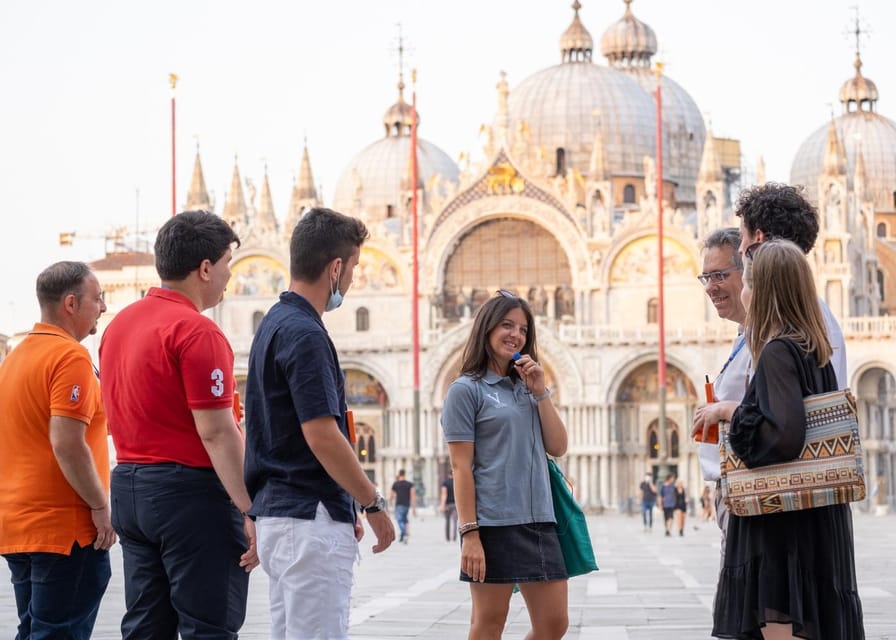
Venice can feel like sensory overload at first: crowds in one spot, then suddenly you’re turning into a quiet calli where a single storefront looks like it belongs to another era. This tour is built for that exact rhythm. You start where everyone goes—St. Mark’s area—then you move into the smaller lanes and hidden-feeling corners that make the city feel walkable instead of chaotic.
I like that the pacing matches the geography. You’re not just moving from one landmark to another; you’re moving through the logic of Venice—how squares connect to canals, how major views frame daily life, and how side streets let you see the city beyond the postcard route.
There’s also a “value stacking” effect here. For one booked time window, you’re getting guided storytelling, a VR session, and (if you choose it) a gondola ride. That combo matters in Venice, where a lot of experiences charge separately and still leave you feeling like you only saw one layer.
You can also read our reviews of more walking tours in Venice



St. Mark’s Square and the Rialto Bridge Route That Makes It Click
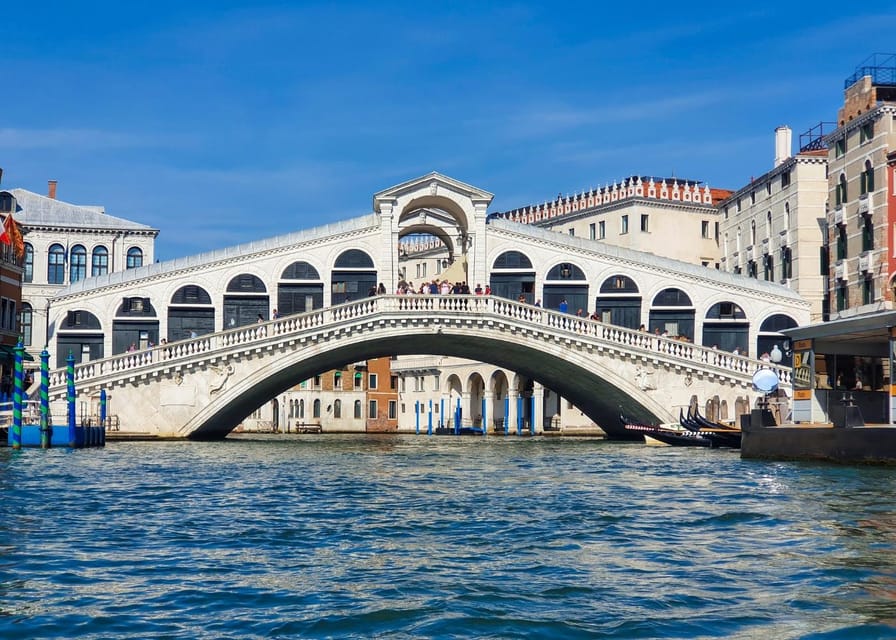
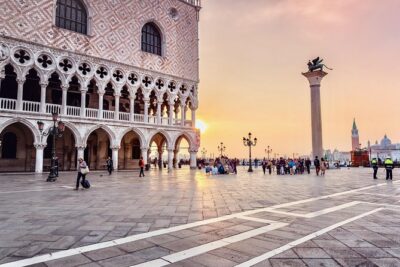
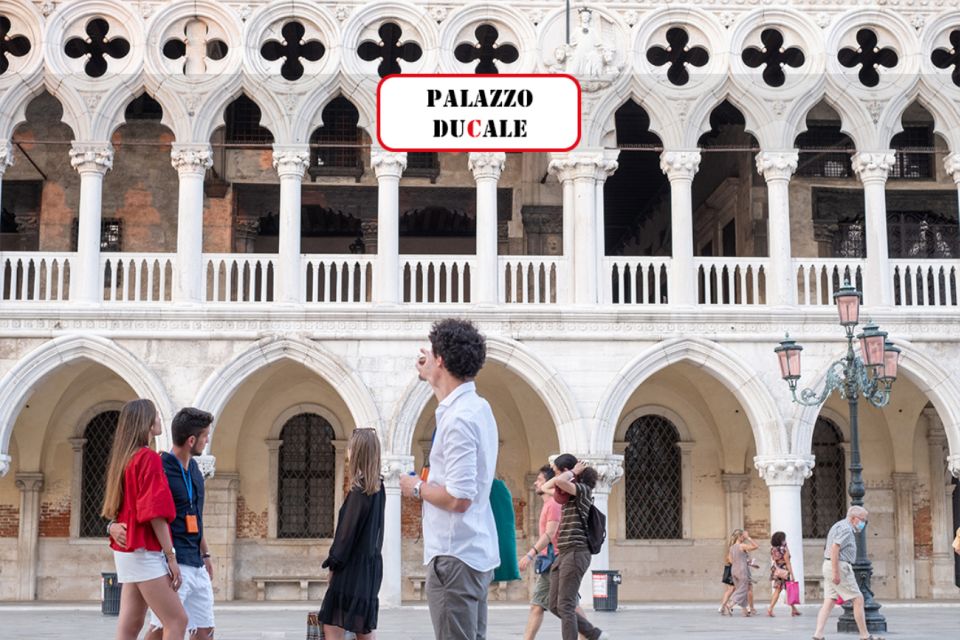
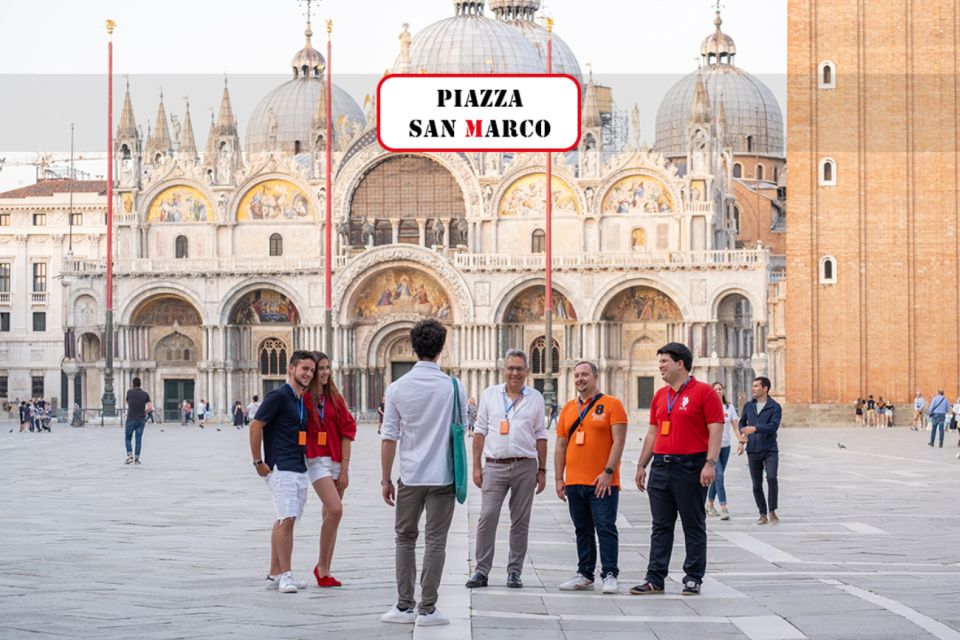
The walking core centers on the heart of Venice, built around two of the most important reference points: St. Mark’s Square and the Rialto Bridge area. In St. Mark’s, the tour helps you read the space—the grand facades, the way the square holds history in plain sight, and why it has always been a stage for major events.
Then comes Rialto, and this is where the walk starts to feel extra worthwhile. You’re led to the iconic Rialto Bridge with a panoramic view of the Grand Canal. Standing near the bridge is one of the quickest ways to grasp how Venice functioned: the canal wasn’t just scenery, it was a real lifeline for trade and movement.
One detail I really appreciate is the bridge story itself. The tour explains how the structure evolved, moving from an earlier wooden version to the stone masterpiece you see today. That change isn’t just engineering trivia—it’s a clue about how seriously Venice took durability in a watery world.
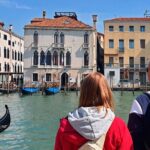
And yes, you’ll get time to pause for photos: shimmering water, gondolas gliding below, historic palaces lining the canal. The viewpoint is strong enough that you don’t need to be a “great photographer” to get great results—you just need to stop for a minute and look.
Teatro La Fenice: Opera-Power Without the Ticket Hassle
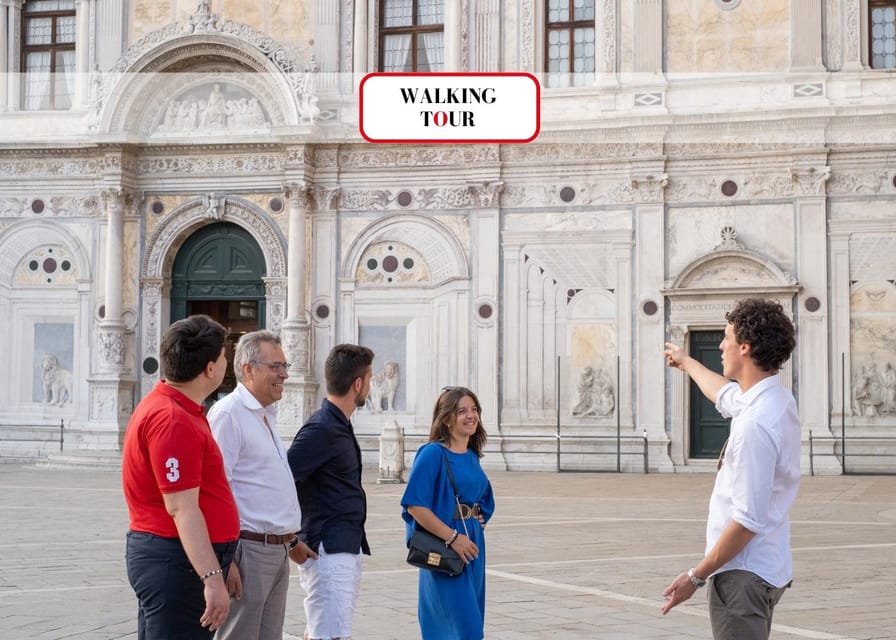
Not every tour actually takes you past Teatro La Fenice, even though it’s one of Venice’s most famous cultural symbols. Here, you get a guided pass-by that’s designed for context. You’re not sitting inside the theater, but you’re reminded that this city’s creativity isn’t limited to museums and churches.
The way the tour frames it is practical: La Fenice is presented as a sign of resilience and artistic excellence. That matters because Venice has always been a place where rebuilding is part of the story—after setbacks, disasters, and changing times.
If you want to go inside the opera house, you’d need monument or venue entrance tickets. Those entrances aren’t included, so plan on paying separately if that’s your goal. But even from outside, this kind of stop helps you connect the dots between daily life, major public squares, and the arts.
Calli and Campi: The Narrow Streets That Change Everything
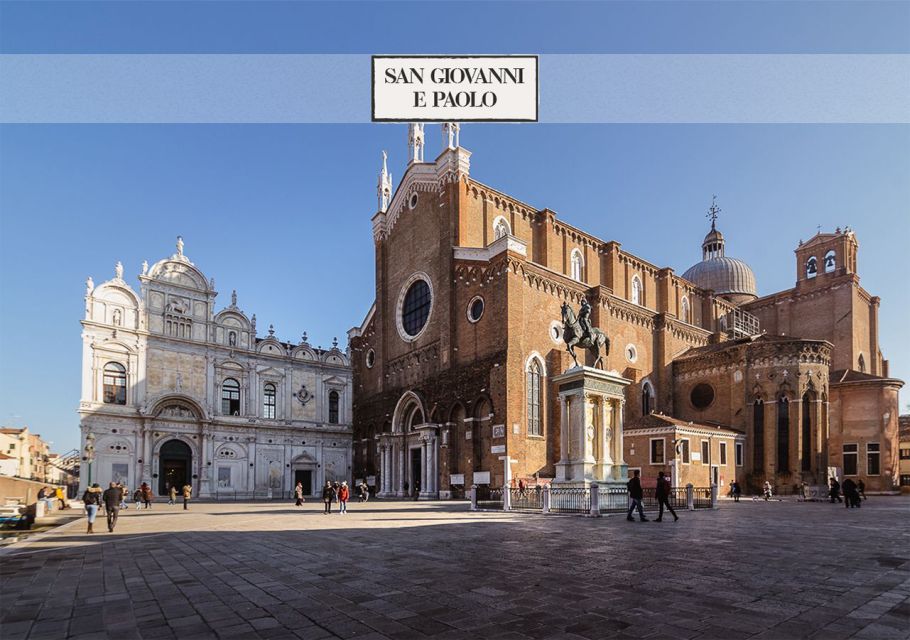
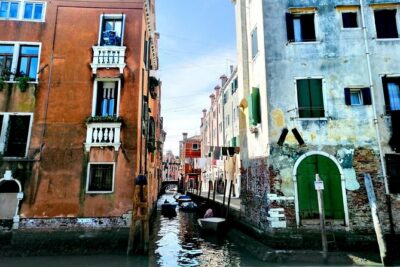
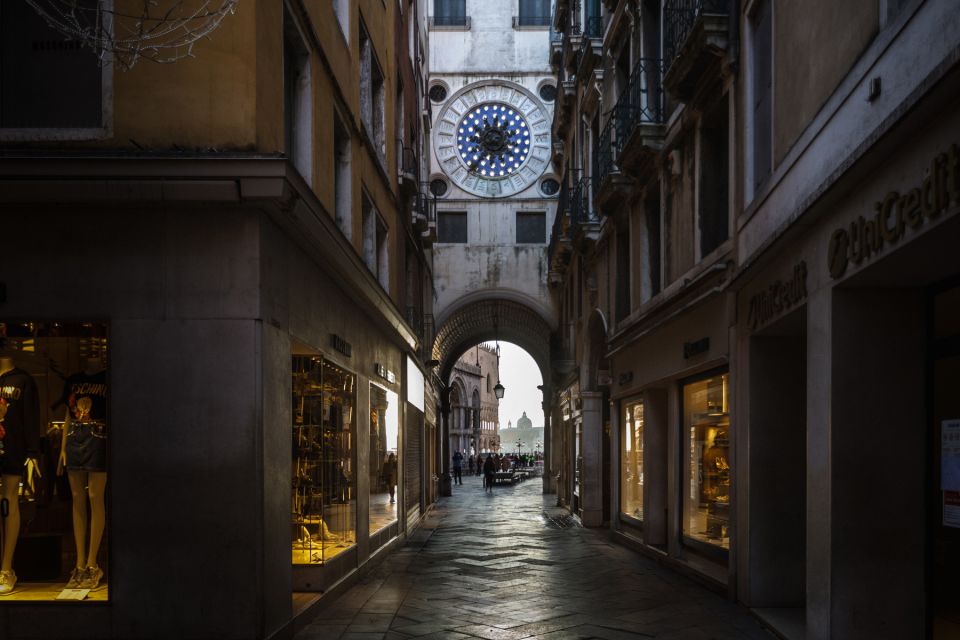
After the big sights, the tour shifts into the streets where Venice feels most like Venice—calli (narrow lanes) and campi (small open squares). This is where you start to understand why getting “off the main path” isn’t about finding a secret. It’s about seeing how people actually move through the city.
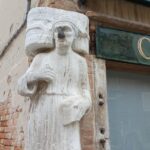
The difference feels immediate. Main streets demand you keep up with crowds. Calli slow you down. You notice details that you’d miss if you were rushing from one landmark to the next—little artistic touches, the shapes of buildings, and the way the city seems to fold inward around water.
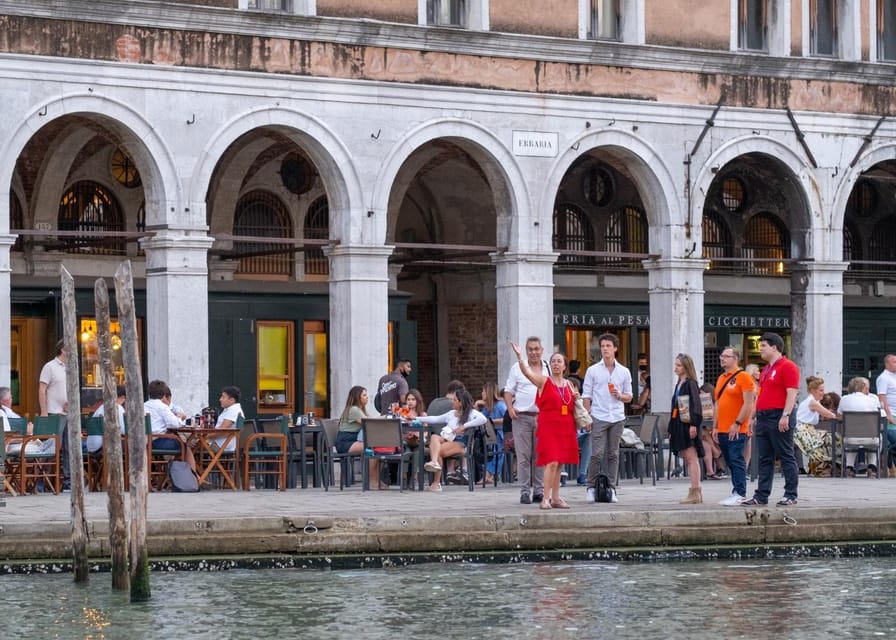
I also like that the route includes a social break. One review mentions dropping into a café for an interlude and even trying cichetta, plus a spritz stop. That kind of pause is useful on a practical level: it gives your feet a reset and lets you enjoy Venice without treating every minute like a photo session.
One important consideration: the walk is not built for limited mobility. A past guest noted that while the pace wasn’t described as “fast,” some people who walk slowly couldn’t keep up and dropped out because the schedule is tight and the guide has another group after you. If your walking range is limited, consider skipping or choosing a more flexible tour style.
VR in the Venice Gallery: Make the Past Make Sense
One of the smartest parts of this experience is that it doesn’t only rely on spoken stories. It includes a Venice Gallery: a unique VR journey through historic St. Mark’s Square. You go into a dedicated gallery setting and wear a headset to see parts of Piazza San Marco change through time, plus a sense of gliding along the Grand Canal where tradition and innovation meet.
This is great value for two reasons. First, Venice history can be overwhelming because the city looks “finished” to you. VR gives you a before-and-after feeling, so you understand what you’re looking at in the real streets. Second, it compresses context into a single stop, which is helpful if you only have a short window in town.
If you’ve ever felt like you need a museum to understand Venice, this is the middle ground. You’re still outside for the walking and views, but the VR helps you picture how it used to function—especially around the idea of water-centered life and how the public spaces evolved.
You can also read our reviews of more guided tours in Venice






Gondola Ride Add-On: Water-Level Venice, With a Timing Gap
If you select the gondola option, it’s included, but plan for the logistics. The tour notes a gap of time between the walking tour and the gondola ride. That means you won’t walk straight from Rialto or St. Mark’s into the gondola gondola line. You’ll have to stay aware of the schedule and be ready when they call the next segment.
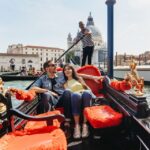
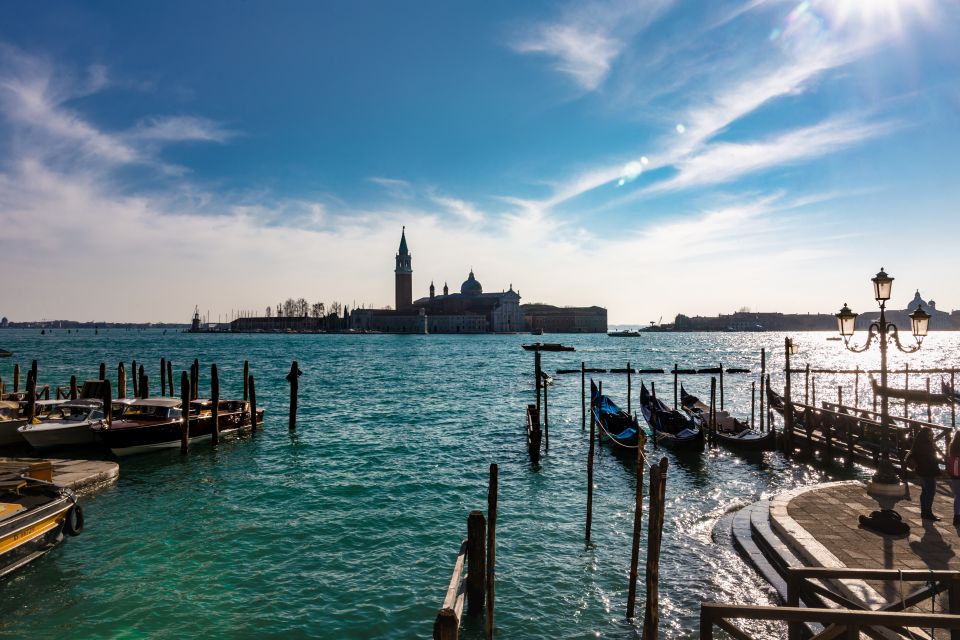
In terms of what to expect, the ride is the classic Venice move: seeing the city from the water. That changes everything. Streets that felt narrow from ground level become part of a wider canal system, and the viewpoints shift into an angle you can’t replicate with photos from bridges.
One of the most memorable moments from reviews happens when weather is dramatic. A guest described the gondola ride in mist and fog as surreal, like something from a movie. If fog rolls in, don’t automatically assume it will ruin your day—it can create a different mood and help the ride feel extra special.
If you’re trying to catch a brighter, clearer look, you may prefer taking your gondola earlier in the day. One review specifically suggests trying for daylight if you can, since it changes the feel of the water and reflections.
Price and What You’re Really Getting for About $14
At $14 per person, the tour is priced for people who want maximum orientation without paying full “day tour” money. The value comes from what’s bundled into the short duration: a qualified guide, a VR experience, and audio receiver devices for groups larger than ten people.
That last bit matters more than it sounds. Venice is noisy—wind, crowds, echoing stone. Audio receivers help you actually hear the guide instead of playing guess-the-story.
Also, skip-the-ticket-line is included. Since monument entrance fees aren’t included, you won’t avoid costs for churches or palaces you decide to enter on your own. But skipping lines for the included parts (like the gallery timing) can still save time, and time in Venice is a real currency.
If you do add the gondola, the value gets even stronger because gondola rides often feel like a separate “big expense” in most itineraries. Here, the walk gives you the background first—then the gondola pays off the perspective.
Group Size, Monolingual Guides, and How to Hear the Stories
This tour offers private or small groups, which is a big deal if you hate being pushed through Venice shoulder-to-shoulder. If you join a standard group, audio receivers kick in when there are more than ten people, which helps keep the tour understandable even when the group gets larger.
Language-wise, it’s described as monolingual. Translation isn’t being mixed mid-tour; instead, you choose among guides who speak German, French, English, Italian, or Spanish. That’s a plus if you want to feel like everything is consistent.
From reviews, I’ve seen guides like Ana, Natalia, Valentina, and Francesco lead tours and keep them engaging. Some guides lean into humor; others focus on structure and facts while still making them easy to remember. The best way to benefit is simple: ask one question at a good pause point—bridge mechanics, why St. Mark’s is laid out the way it is, or how Venice built water systems. Those are the kinds of details that make the city click fast.
Weather, High Tides, and Why Venice Sometimes Needs a Plan B
Venice doesn’t follow your schedule, and the tour is honest about it. The walking tour does not operate in cases of exceptionally high tides. If that happens, it can be postponed to the day after, or refunded otherwise.
So if you’re visiting during seasonal tide extremes, keep your plans flexible. Even without exceptional tides, weather changes the experience. One review mentions fog and still praises how the guide handled it while sharing history and the structure of Venice. Fog can soften the crowds and dull the glare; it won’t erase the architecture, and it can make the canal views feel more atmospheric.
Who This Tour Suits Best (and Who Might Want a Different Option)
You’ll probably love this tour if you:
- Want a short, high-impact orientation to Venice’s center
- Like walking between major sights and also prefer quieter lanes
- Appreciate a mix of city sightseeing plus a VR history stop
- Plan to add (or at least consider) a gondola ride for a water-level viewpoint
You might want to skip or choose something more flexible if:
- You need step-by-step pacing or struggle with walking for a sustained period
- You’re expecting monument entrances to be included (they aren’t)
- You dislike itinerary gaps, since there’s a stated break between walking and the gondola segment
Also, if you’re the type who wants to spend long stretches inside sites, remember this is built as a guided walk plus VR, not a “museum day.”
Should You Book This Venice City Center Tour?
Yes, if you want a smart first pass through Venice that doesn’t burn your whole day. The price is low, but you’re not only paying for movement between sights—you’re paying for interpretation: canal logic at Rialto, city-space meaning around St. Mark’s, and a VR layer that makes earlier centuries easier to picture.
I’d book it early in your trip if possible. That way, the stories and perspectives help you explore on your own afterward, armed with a better sense of where the city’s major spaces sit in relation to the water.
Book it with one caution: check your walking comfort. The pace can be too much for people who move slowly, and the schedule is tight, with groups waiting.
If your schedule allows flexibility for weather and (if you add it) the gondola timing gap, this is a strong value way to experience Venice’s center, not just its highlights.
FAQ
How long is the Venice City Center Historical Guided Walking Tour?
The duration is listed as 1 to 2.5 hours, depending on the starting time and the flow of your schedule.
Is the gondola ride included?
The gondola ride is included only if you select the gondola option. If you don’t add it, you’ll do the walking tour plus the included VR experience.
How long is the walking tour before the gondola ride, if I add it?
There’s a gap of time between the walking tour and the gondola ride, but the exact length of the gap isn’t specified.
What’s included besides the guided walking tour?
Included options list a guided tour with a qualified experienced guide, audio-receiver devices for groups with more than ten people, and a Venice Gallery VR journey through historic St. Mark’s Square.
Are monument entrance tickets included?
No. Entrance to monuments is not included.
Which languages are available for the live guide?
The live guide is offered in German, French, English, Italian, and Spanish, and the tour is described as monolingual.
Does the tour skip ticket lines?
Skip the ticket line is listed as included. Entrance to monuments is not included, so any separate sites you want to enter would still require their own tickets.
What happens if there are exceptionally high tides?
In cases of exceptionally high tides, the walking tour does not operate. It can be postponed to the day after, otherwise you receive a refund.
Is there free cancellation?
Yes. Free cancellation is listed up to 24 hours in advance for a full refund.
Is this tour suitable for people who walk slowly or have mobility issues?
Based on past guests’ comments, it may not be suitable if you can only walk slowly, since some people couldn’t keep up when the schedule was tight.
What’s the VR experience like?
The VR experience is described as a unique journey in a dedicated gallery, where you use a headset to see Piazza San Marco evolve through time and glide along the Grand Canal.