REVIEW · VENICE
Venice: Morning Walking Tour
Book on GetYourGuide →Operated by Gray Line Venice - Park Viaggi · Bookable on GetYourGuide
If Venice is your first stop, this morning walk is a smart way to start. You get a guided route through calli and squares with calm pacing, plus headsets so the story stays clear even when crowds creep in. It is also practical: you see key landmarks from the outside and learn what you are looking at before you explore on your own.
I love two things most. First, the personal headsets make a huge difference in Venice, where sound disappears fast once foot traffic thickens. Second, the tour leans into the early start, so you get a longer stretch before the densest surge of day-tour groups.
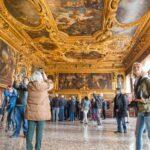
One drawback to plan for: this is an all-outside experience. You get explanations at the façades, but you do not go inside major sites, so if you were hoping for tickets and interiors, this tour may feel too “photo-and-story” rather than “see-every-room.”
In This Review
- Key things that make this tour worth your morning
- A morning route through Venice’s streets, not just its icons
- St. Mark’s without going inside: what you’ll actually learn
- Doge’s Palace, St. Mark’s Clocktower, and Procuratie exteriors
- Campo Santa Maria Formosa and San Giovanni e Paolo: doges at rest
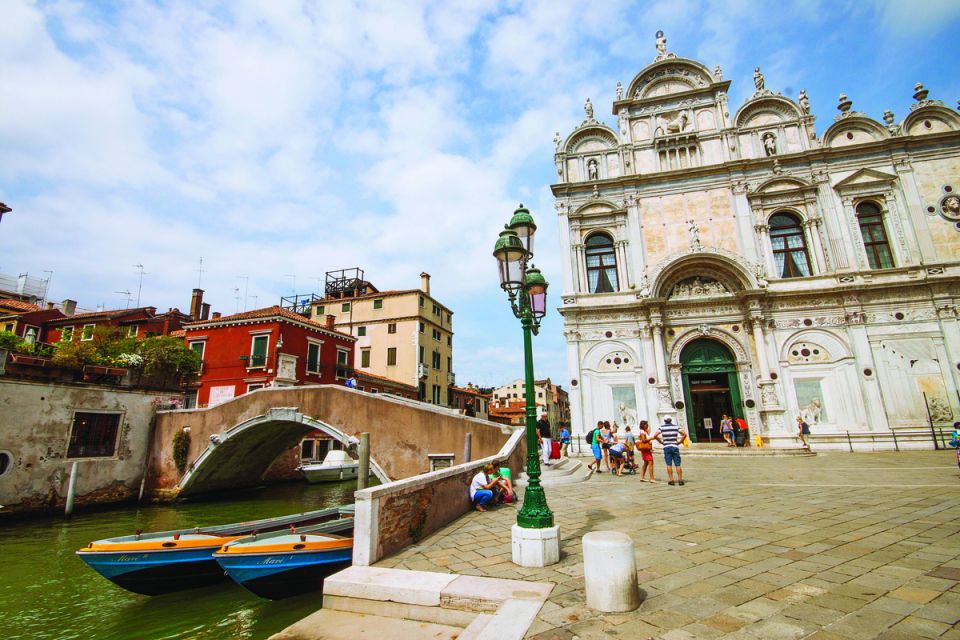
- Scuola Grande di San Marco: the Captains of Fortune story
- Teatro Malibran and the return through San Marco sestiere
- The Mercerie stroll: Venice’s historic shopping spine
- How long this tour really feels on your feet
- Value: is $29 per person a fair deal?
- When this tour fits best (and when it does not)
- My booking decision: should you book it?
- FAQ
- How long is the Venice Morning Walking Tour?
- Is entrance to St. Mark’s Basilica or other sites included?
- Are headsets provided?
- What languages are offered for the guide?
- Where do we meet?
- What should I bring, and is luggage allowed?
- Is the tour wheelchair accessible?
Key things that make this tour worth your morning
- Headsets included so you can actually hear the guide in crowds
- All outside only, with clear explanations of what you are seeing
- Doges’ burial church focus: San Giovanni e Paolo for doges laid to rest after the 15th century
- A route through St. Mark’s exteriors plus the Doge’s Palace and Procuratie area
- A short, energetic 1–1.5 hour format that works well on a first day
- Story stops at the Scuola Grande di San Marco tied to the Captains of Fortune
A morning route through Venice’s streets, not just its icons
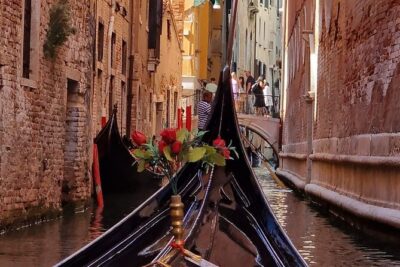
Venice can feel like one long postcard until you start walking it. This tour helps you connect the landmarks to the maze around them. You follow a guide through narrow calli (alleys), over bridges, and into small campo (squares) where the city’s daily rhythm actually happens. The goal is not to cram in ticketed attractions. It is to sharpen your eyes for Venice as a lived-in place with a very loud history.
The pacing is designed for a short time window: about 1 to 1.5 hours. That matters. In a city where you can lose an hour just finding your way to the next turn, a timed walk keeps you oriented without draining your morning. It also means you can layer this tour with your own sightseeing after, instead of replacing it.
And yes, the headsets are a big deal. More than once, Venice crowds make a guide’s voice sound like a distant echo. With personal audio, you can stay close to the action without playing guess-the-words.
You can also read our reviews of more walking tours in Venice



St. Mark’s without going inside: what you’ll actually learn
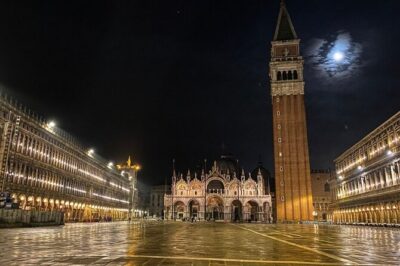
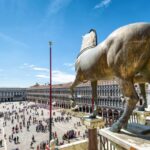
Your walk spends time around Piazza San Marco and the surrounding St. Mark’s area. Even though this is exterior-only, you are not just looking at postcard walls. The guide narrates what those famous buildings are, how power worked here, and why certain details matter.
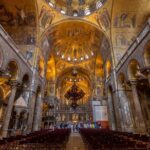
One early focus is St. Mark’s Basilica from the outside. Even if you do not step inside, the guide’s animated description helps you read the façades like a map. You start noticing how the city’s wealth and connections show up in the ornamentation and scale, not just the famous domes you might recognize from photos.
Then you move into the broader St. Mark’s zone where Venice’s political center starts to come into view. The guide also explains the function of the Doge’s Palace—what it meant to rule from here and how the building fit into the city’s governance. You will learn how to spot the logic behind the architecture: not random grandeur, but a statement of authority.
If you are short on time and still want context, this approach is great. You get the “why” behind the “wow.” The trade-off is simple: no interior access, so you won’t see the legendary rooms people line up for later in the day.
Doge’s Palace, St. Mark’s Clocktower, and Procuratie exteriors
This is where the walk turns from sightseeing to interpretation. You are guided through the Doge’s Palace area and across views that connect major landmarks that can otherwise feel disconnected when you are wandering solo.
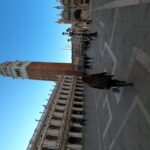
The St. Mark’s Clocktower is one of those spots where people tend to snap a photo and move on. With a guide, you get the story behind the place—how it functioned as a clock and symbol, and why it became a landmark in its own right. It is the kind of detail that changes the way you remember the square because you stop treating it like background.
You will also hear about the three connected Procuratie buildings. That specific detail is valuable because the Procuratie aren’t just pretty façades along the piazza. They represent how Venice organized space for public life and commerce around the most important civic setting. When you know what you are looking at, even a quick glance across the stones becomes more meaningful.
Practical note: the St. Mark’s area can be crowded. That is exactly why this tour’s early timing and headsets help. You keep your focus and do not have to strain to hear while people squeeze past.
Campo Santa Maria Formosa and San Giovanni e Paolo: doges at rest
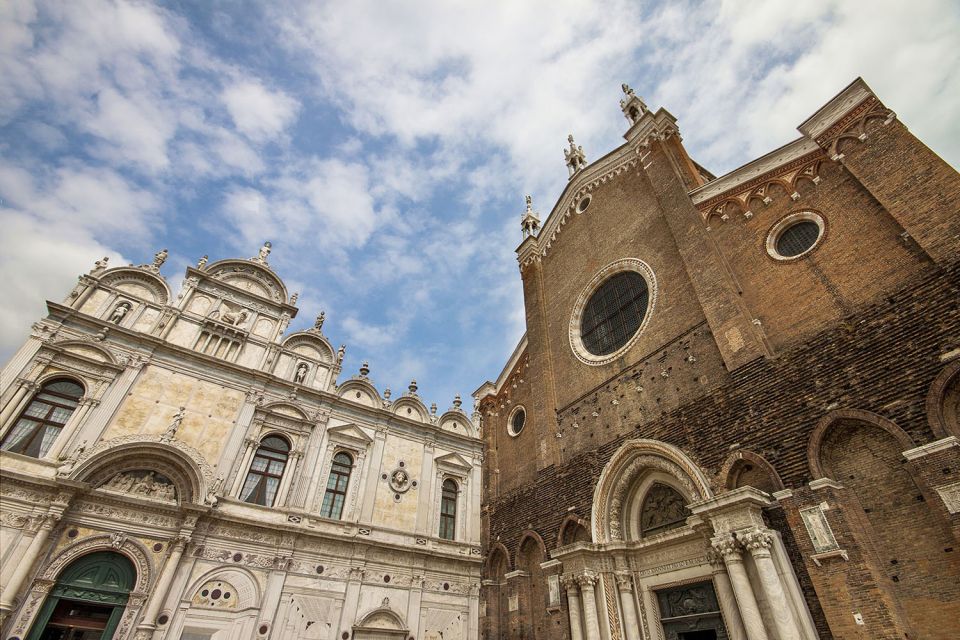
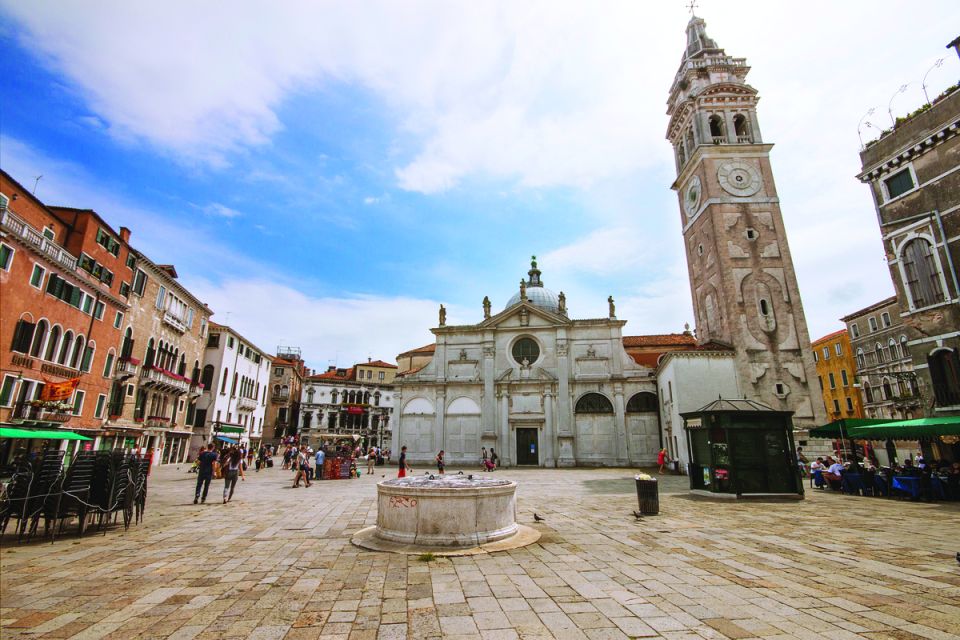
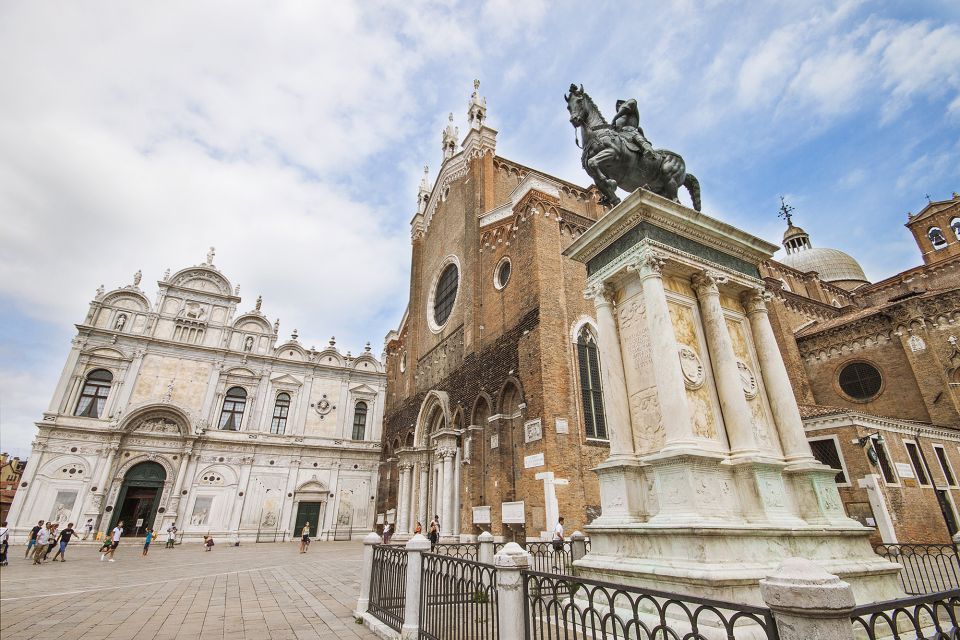
The route shifts from the most famous piazza toward a quieter kind of spectacle. One of the strongest points on the walk is Campo Santa Maria Formosa, where you see Basilica di San Giovanni e Paolo from the outside.
This stop has a very specific claim to fame: this is the church where all the doges of Venice were buried after the 15th century. That fact turns a church exterior into something more than architecture. It becomes a link to the city’s system of remembrance, status, and power. Even if you are not stepping inside, knowing what happened here makes the building feel less like scenery and more like a historical anchor.
If you have ever felt overwhelmed by the number of “important” buildings in Venice, this stop is a lifesaver. It gives you a single, clear idea: who was buried here and what it meant. You leave with a better sense of how Venice handled leadership—and how it used stone and ritual to keep memory alive.
A small consideration: because entrances are not included, you will not see any interiors, tomb details, or artworks up close. If your priorities include inside-access, you may want to pair this with a separate ticketed visit later.
Scuola Grande di San Marco: the Captains of Fortune story
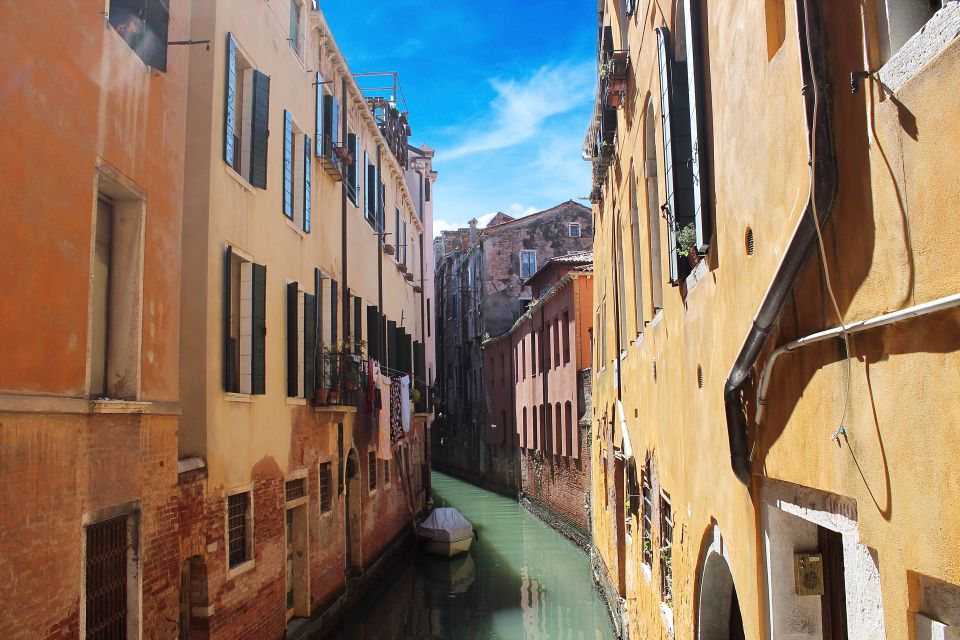
Next comes a stop that often surprises first-timers: Scuola Grande di San Marco (the Great School of Charity). Venice’s scuole are not as widely covered as palaces or basilicas, but they help explain how the city organized social life and responsibility.
Here, the guide connects the site to the Captains of Fortune. Even from outside, you get a sense that this was not charity in the vague, feel-good sense. It was structured, branded, and tied to the identity of powerful Venetian families. Once you hear that, you start spotting how many of Venice’s buildings were built to reflect belonging and obligation.
This kind of stop is one reason I like exterior-only tours when they are done well. The guide does the heavy lifting—translating what you see into the social system behind it. You walk away with the feeling that Venice is not only art and architecture, but a practical machine for civic life.
You can also read our reviews of more tours and experiences in Venice



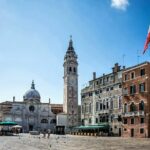
Teatro Malibran and the return through San Marco sestiere
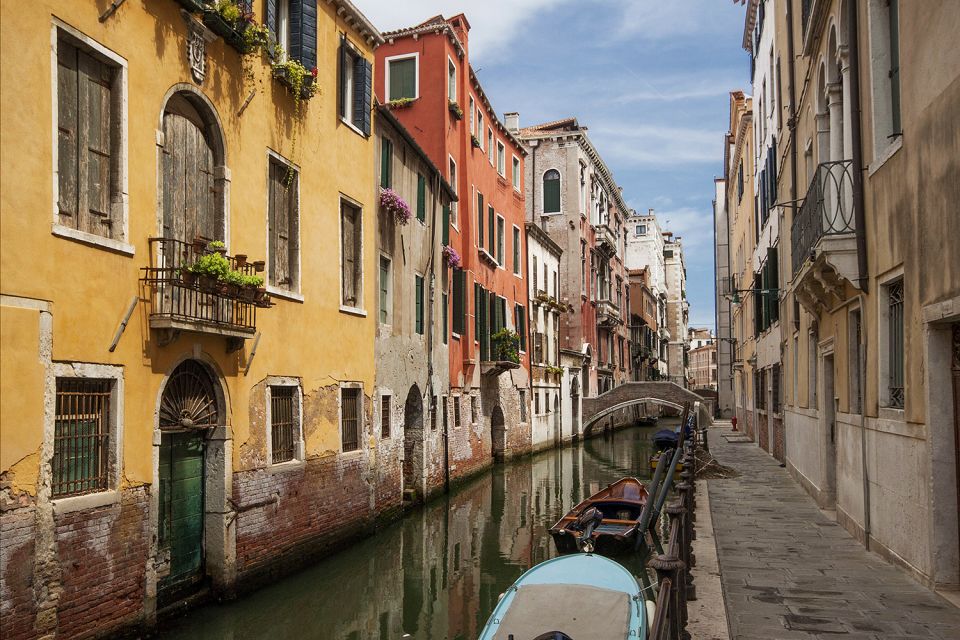
After the major landmark cluster, the walk threads back through the San Marco sestiere. This is one of those parts where the guide’s route choices matter. Instead of marching straight back, you get a blend of street scenes, architectural edges, and smaller moments that help Venice feel navigable.
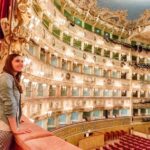
You also pass Teatro Malibran. Even if you are not catching a show, the theatre gives you another angle on Venetian culture: entertainment as a public institution, tied to the same neighborhoods and rhythms as politics and commerce.
If you want Venice to make sense as a whole city, not just a handful of icons, these middle-and-late stops help. You start to see how the city’s different worlds overlap: governance near St. Mark’s, social institutions nearby, and daily life spilling into the same streets you thought were only for tourists.
The Mercerie stroll: Venice’s historic shopping spine
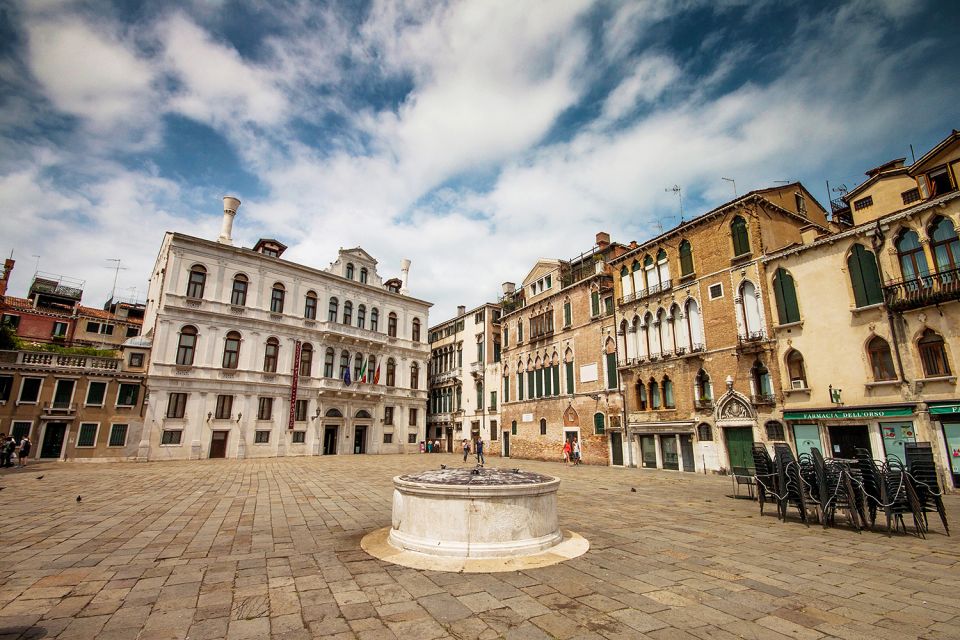
The walk finishes by heading along the Mercerie, the historic commercial heart of Venice between the Rialto Bridge and Piazza San Marco. This is a great “end on a warm, human note” segment because it feels like the city doing what it still does: trading, selling, strolling.
The guide frames the Mercerie as more than a shopping corridor. It is a street that historically served merchants and turned everyday movement into economic power. When you walk it with that lens, the street feels less like a retail strip and more like a living reminder of how Venice stayed wealthy.
If you want to shop, you will be positioned in the right zone. If you do not, you still gain something useful: the Mercerie is a strong orientation line. After this tour, you can use it like a mental ruler to understand where you are.
How long this tour really feels on your feet
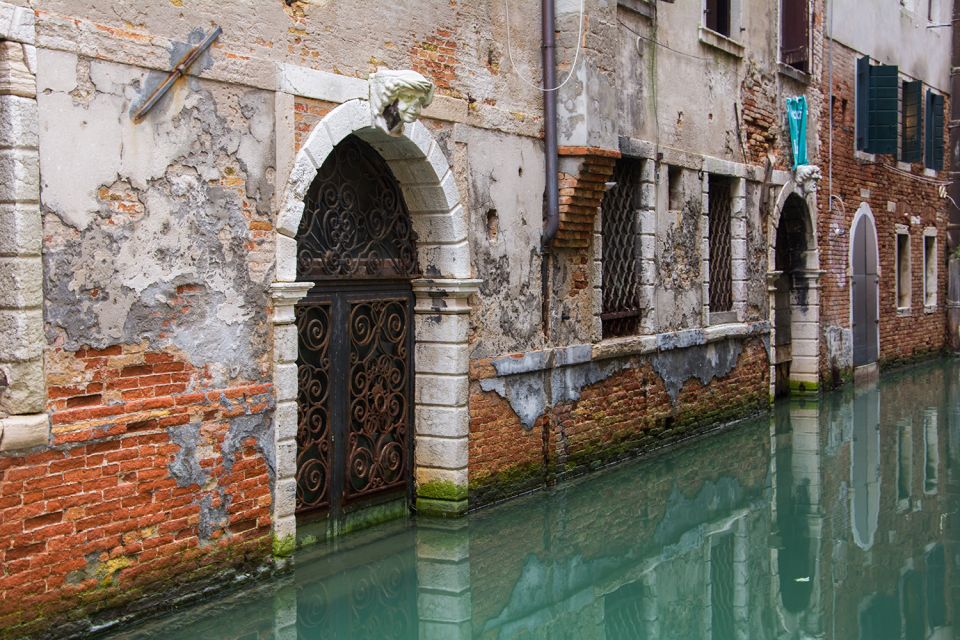
A 1 to 1.5 hour walk sounds easy—until you remember Venice is all stone and uneven steps. This tour keeps moving, but it is not designed to be a punishing hike. It is more like a guided orientation walk with stops for explanation.
That said, do wear comfortable shoes. Venice punishes sloppy footwear. Also be aware the tour is not suitable for wheelchair users, and it bans luggage or large bags. If you travel with only a small day bag, you are set.
Group size is kept fairly manageable in practice (one review referenced a group of about 20), which helps the guide keep everyone together. The headsets also reduce that stress of trying to hear over shoulders and bags.
Value: is $29 per person a fair deal?
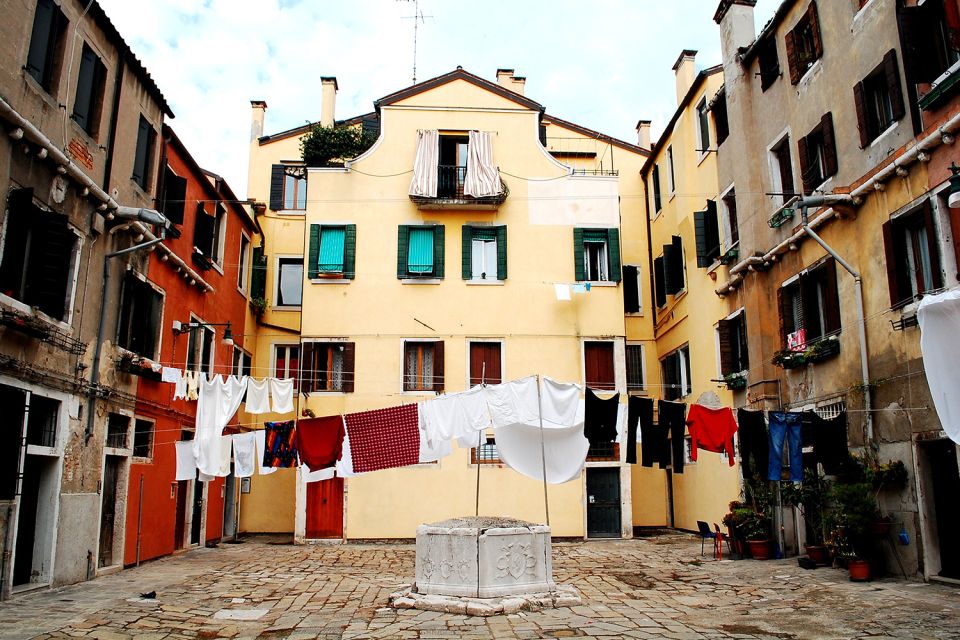
At $29 per person, this tour is positioned as an efficient intro rather than a ticketed sightseeing bargain. The value comes from what is included: a guide and personal headsets. Those two pieces do real work. You pay to hear the city explained in real time, not to walk past buildings while reading a brochure.
You should compare it to the alternatives:
- If you plan to visit interior sites anyway, this helps you get the “map” and context first.
- If you are only interested in exteriors and stories, the price still makes sense because you are getting guided interpretation without paying multiple entrance fees.
The main trade-off is that entrances are not included. So if your dream Venice day is mostly ticket lines and interior rooms, you may prefer a tour that covers specific entrances. But if your goal is to understand Venice quickly and then choose your own next steps, this one is a solid use of a morning.
When this tour fits best (and when it does not)
This walking tour works especially well if:
- It is your first day in Venice and you want quick orientation.
- You like history that explains why buildings exist, not only what they look like.
- You want to avoid the worst crowd levels by starting early.
It may not fit as well if:
- You want interior access to major sites (this tour stays outside).
- You need accessibility support for mobility constraints.
- You are traveling with large luggage you cannot store or manage on foot.
My booking decision: should you book it?
I would book it if you want a short, high-impact start to Venice—especially for the way the guide uses exteriors to teach the city’s political and social story. The headsets and the early timing are the kind of practical upgrades that make a big difference in a place where sound and crowds can derail a self-guided walk.
If you are the type who hates walking without entering places, then you might prefer a ticketed tour instead. But if you are happy with photos plus clear explanations, this is a good value way to get your bearings and understand what you are looking at before you wander off for the rest of your trip.
FAQ
How long is the Venice Morning Walking Tour?
It runs 1 to 1.5 hours. Starting times depend on availability.
Is entrance to St. Mark’s Basilica or other sites included?
No. The tour is outside only, with external explanations and no entrance fees included.
Are headsets provided?
Yes. The tour includes personal headsets so you can hear the guide clearly.
What languages are offered for the guide?
The live guide is available in French, English, Spanish, and German.
Where do we meet?
The meeting point may vary depending on the option booked, so check the specific option you select.
What should I bring, and is luggage allowed?
Bring comfortable shoes. Luggage or large bags are not allowed.
Is the tour wheelchair accessible?
No. It is not suitable for wheelchair users.