REVIEW · VENICE
Small Group Tour Historical and Charming Venice Jewish Ghetto
Book on Viator →Operated by Free Walk in Venice · Bookable on Viator
Venice’s Jewish history is closer than you think.
This smart small-group walk through Cannaregio shows you how Venice’s Jewish community lived in one of the world’s first ghettos, with stops in quieter corners instead of the usual postcard trail.
I especially liked two things. First, the guide’s mix of street-level details—hidden symbols, gates, gardens, and synagogue exteriors—makes the area feel readable, not like a lesson. Second, you get practical Venice know-how at the same time, including ideas for where to eat and drink after the walk.
One key consideration: this is not a museum visit and it doesn’t include going inside the synagogues. If you’re hoping for interior access, you’ll need to plan something else.
In This Review
- Key things you’ll notice on this Venice Jewish Ghetto tour
- Cannaregio After the Crowds: Why This Venice Jewish Ghetto Walk Works
- Meet at Campo San Geremia: Garden Details and a Venetian Family Story
- Fondamenta Cannaregio: A Real Canal Moment and the Gheto Vechio Edge
- Calle Ghetto Vecchio: Where the Word Ghetto Comes From
- Ghetto Ebraico: Hidden Synagogue Clues, Rules, and WWII Aftermath
- Campo di Ghetto Nuovo: Synagogue Exteriors and Merchant of Venice Atmosphere
- Fondamenta dei Ormesini: Wine, Gelato, or Coffee by the Water
- Price and What You Actually Get for $53.88
- Practical Tips That Make This Walk Easier
- Who Should Book This Tour (and Who Might Want a Different Option)
- Should You Book This Venice Jewish Ghetto Tour?
- FAQ
- How long is the Small Group Tour Historical and Charming Venice Jewish Ghetto?
- What does it cost?
- How many people are in the group?
- Does the tour include visiting museums or going inside the synagogues?
- Where does the tour start and end?
- Is there an extra Venice access fee for some visitors?
- What happens if the weather is bad?
Key things you’ll notice on this Venice Jewish Ghetto tour
- Campo San Geremia’s garden stop plus an unexpected story tied to a Venetian family
- Fondamenta Cannaregio for a real canal moment and a look at access points to the Gheto Vechio area
- Calle Ghetto Vecchio where the word ghetto is explained as Venetian in origin, not Italian
- Ghetto Ebraico with guidance on recognizing hidden synagogue details from the outside, plus WWII and Holocaust context
- Campo di Ghetto Nuovo for synagogue exteriors, plus legends with a Merchant of Venice atmosphere
- Fondamenta dei Ormesini to wrap up with bacaro wine, gelato, or Cannaregio coffee by the water, depending on the time, season, and age
Cannaregio After the Crowds: Why This Venice Jewish Ghetto Walk Works
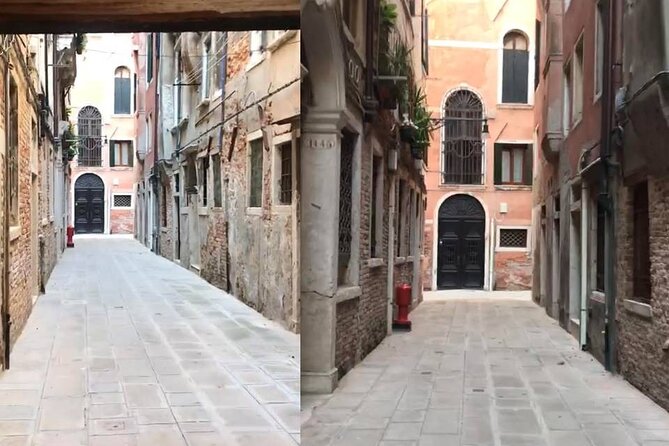
Venice has a way of making big stories feel distant. This tour fixes that. You walk through Cannaregio, where the pace slows down and the streets feel more like real neighborhoods than stages for photos.
The biggest value here is that you’re not just told dates. You’re shown what those dates changed in daily life: boundaries, rules, architecture clues, and the marks left behind by the Nazi deportations and the Holocaust. It’s history with street reference points—so you keep it after you leave.
At about 2 hours and capped at 10 travelers, the group stays human-sized. That matters in Venice, because small-group walking gives the guide room to answer questions and react to the flow of the street. You’re also given a mobile ticket, which makes the start simpler when you’re juggling vaporetto lines and foot traffic.
You can also read our reviews of more historical tours in Venice



Meet at Campo San Geremia: Garden Details and a Venetian Family Story
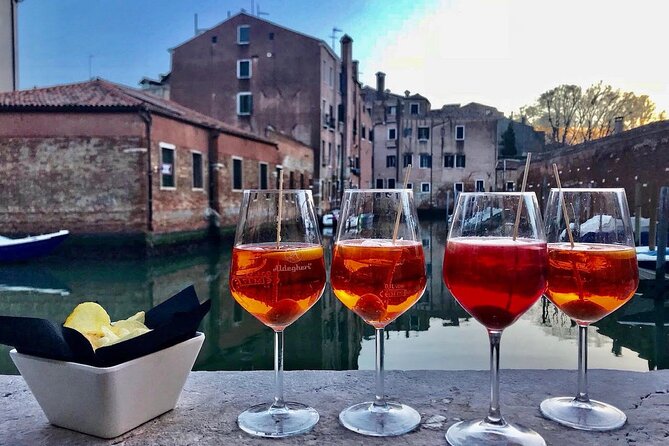
The tour starts at Campo San Geremia. This is a good opener because it sets you up to see Venice like a map, not like a blur.
One stop here focuses on a hidden garden and an unexpected story about a Venetian family. That’s the pattern of the whole experience: you’re not only learning about the Jewish ghetto as a concept—you’re learning how ordinary places in Venice carried community life. Even when the subject is heavy, the guide keeps it grounded in real spots you can picture later.
If you’re the type who likes to understand how people actually moved through the city, this beginning helps. You’ll start noticing the small “hinges” of Venice—fields, alleys, edges of buildings—that later connect to the ghetto boundaries and routes.
Fondamenta Cannaregio: A Real Canal Moment and the Gheto Vechio Edge
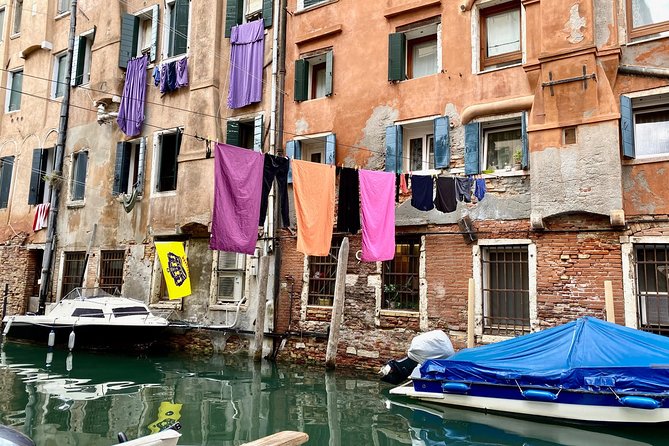
Next you head to Fondamenta Cannaregio, where the guide points out a canal view that feels especially “Venetian” (and not just a canal-channel for show). You’ll also get a sense of the entrances/exits connected to the Gheto Vechio area.
This is one of the smartest parts of the tour because it shifts you from reading about restrictions to understanding space. In a city like Venice, water lines aren’t just scenic—they can signal separation, access, and control.
The stop is short—about 15 minutes—but it’s paced so you can look around as you listen. That’s a big deal in Venice: if you’re stuck staring at a guide, you miss the architecture.
Calle Ghetto Vecchio: Where the Word Ghetto Comes From
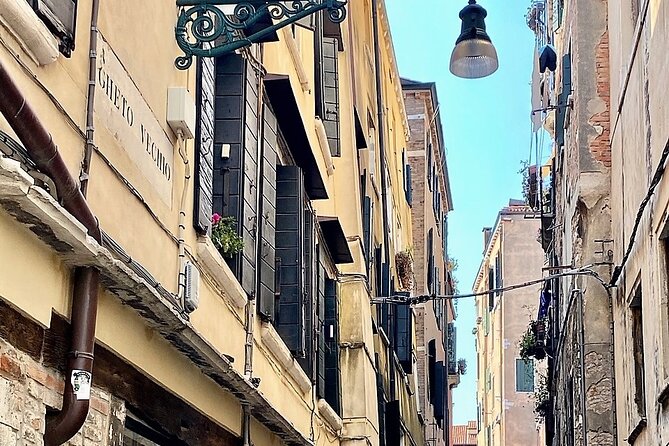
Then you walk to Calle Ghetto Vecchio, and you get the word origin story: the term ghetto is explained as Venetian (not Italian). It’s a small linguistic detail, but it helps your brain file the ghetto as something tied to how Venice governed itself, not as a generic label dropped from elsewhere.
The tour also uses the street to make you “practice seeing.” You’re taught how to think like a local reader—what to notice, what to connect, and how names can preserve history. That kind of guidance pays off later when the tour moves toward synagogue clues.
Ghetto Ebraico: Hidden Synagogue Clues, Rules, and WWII Aftermath
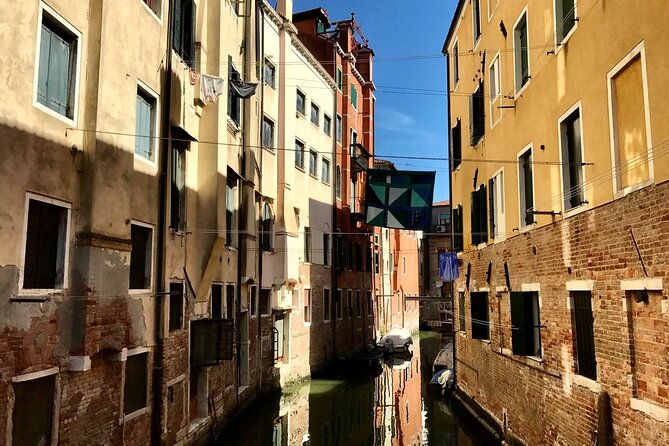
This is the emotional center of the walk: Ghetto Ebraico. Here, the tour shifts fully from sightseeing to understanding how a community survived under strict constraints.
You’ll hear about why the Serenissima Republic forced the Jewish community to live under rules, and—just as important—how they lived for centuries anyway. That balance matters. If all you get is oppression, Venice can feel like a museum. If all you get is survival, you lose the weight of what was imposed. This tour tries to keep both in view.
A practical note: the tour focuses on recognizing synagogue details from the outside rather than going inside. The guide helps you spot clues and hidden elements so you don’t feel lost when you’re later passing the same buildings on your own.
You’ll also get stories about how World War II affected Venice, including the tragedy of Nazi deportation and how the Holocaust left a deep mark on the city. This is handled in a way that’s informative without turning the walk into pure gloom.
If you’re sensitive to difficult history, I’d still say this is one of the better ways to handle it in Venice: you get context tied to physical places, not just abstract facts.






Campo di Ghetto Nuovo: Synagogue Exteriors and Merchant of Venice Atmosphere
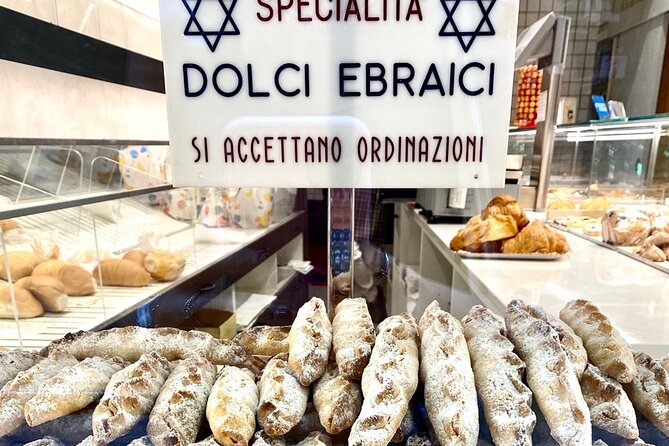
From Ghetto Ebraico, you move to Campo di Ghetto Nuovo. This stop leans into the visual side of the story: the guide points out incredible historical details and helps you spot synagogues from outside, along with their different stories and legends.
This portion also carries a “Merchant of Venice” mood—part of the way Venice literature and commerce echo through the area’s identity. It’s not a costume-history thing. It’s more like learning how Venice’s reputation and its communities became tangled up in each other over time.
You also get what I’d call interpretive ownership: the guide isn’t only giving facts; you’re being trained to recognize meaning. That’s what turns a quick stop into something you can recall on your next walk.
If you’re visiting on a day when you’re also planning other sights, I’d place this tour early or mid-day. It helps because it changes how you read the city. After this, you’ll notice boundaries, names, and architecture references faster elsewhere.
Fondamenta dei Ormesini: Wine, Gelato, or Coffee by the Water
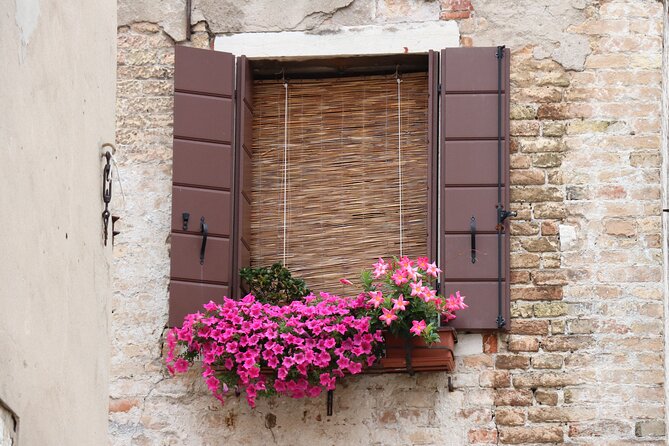
The tour ends at Fondamenta dei Ormesini. It’s a nice finish because it’s still about Venice, not just about closure.
Depending on the time, season, and age, you’ll have a choice of wrapping up with a glass of wine from a favorite bacaro, or the best gelato in town, or Cannaregio coffee. The key point isn’t the specific drink—it’s the spot’s social function. This fondamenta is described as a place where locals meet, relax, and eat together, and that’s exactly the feeling you want after a heavy-history walk.
If you’re trying to build a smart itinerary, this ending helps. You’re not stuck searching for a place to unwind right after a guided walk.
Price and What You Actually Get for $53.88
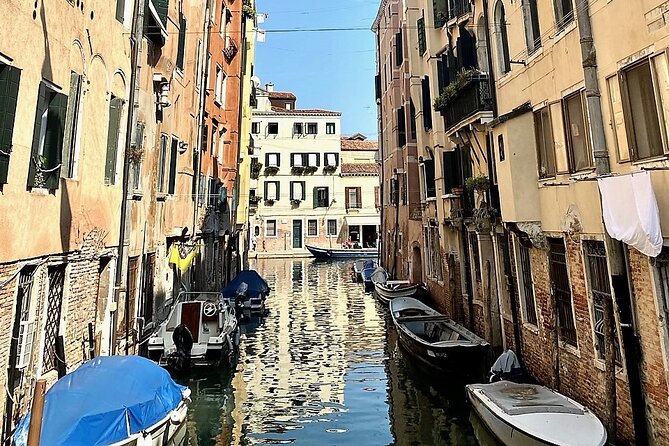
At $53.88 per person for about 2 hours, you’re paying for three things: a guide who connects history to place, a limited group size, and a focused route in Cannaregio.
What you’re not paying for is museum access. The tour specifically does not visit the museum or go inside synagogues during the walk (you can contact the provider for other options). For most people, that’s not a deal-breaker. In Venice’s ghetto area, the exterior details and street-level context can be more useful than an interior visit anyway—especially if you want to keep walking and exploring after.
Also worth noting: you should plan ahead. The average booking window is about 44 days. With a max group size of 10, reserve early if your dates are fixed.
Practical Tips That Make This Walk Easier
Here’s how to set yourself up for a smooth experience:
- Use the mobile ticket. Venice is easier when your phone is your checklist.
- Wear comfortable shoes. You’re walking in Venice neighborhoods, and the surfaces are rarely “museum smooth.”
- Bring a layer. Wind off the water can change the feel fast.
- Check the day’s Venice access rules if you’re staying outside the city center area. On certain dates, a €5 access fee may apply for day visitors who are not exempt.
- Expect good-weather dependence. If weather turns, the tour is offered a different date or a full refund.
And if you’re traveling with kids, there’s an upside. The provider notes that if children join, they have special material. Some guides also use light games during the walk, which can help younger attention spans.
Who Should Book This Tour (and Who Might Want a Different Option)
This is a strong choice for you if you:
- want Venice history tied to real neighborhoods instead of a checklist of monuments
- care about understanding the Jewish community’s story—with context and sensitivity
- like a small-group format that keeps questions alive
- enjoy learning “how to see” symbols and details on buildings
It’s less ideal if you:
- want guaranteed inside access to synagogues or a museum visit during the same walk
- prefer tours that skip heavy historical topics entirely
Should You Book This Venice Jewish Ghetto Tour?
I’d book it if you want a Venice experience that feels personal, not crowded, and that teaches you how the city shaped people—and how people shaped the city even under restrictions.
The best reasons to say yes are simple: the small group, the guide-led street reading of synagogue clues, and the way WWII and Holocaust context are woven into what you’re actually walking past. And the practical finish—wine/gelato/coffee by the water—makes the whole thing feel like a real day out, not just a history stop.
If you also want interior access to synagogues or a museum, contact the provider for add-ons. But even then, this walk is a high-value foundation: it gives you the map and the meaning so later visits land with much more impact.
FAQ
How long is the Small Group Tour Historical and Charming Venice Jewish Ghetto?
The tour lasts about 2 hours.
What does it cost?
The price is $53.88 per person.
How many people are in the group?
The tour has a maximum of 10 travelers.
Does the tour include visiting museums or going inside the synagogues?
No. This tour does not include museum visits or entering synagogues; it focuses on what you can see from the outside.
Where does the tour start and end?
It starts at Campo San Geremia, 30121 Venezia VE, Italy and ends at Fondamenta dei Ormesini, 30121 Venezia VE, Italy.
Is there an extra Venice access fee for some visitors?
On certain dates, some day visitors staying outside of Venice may need to pay a €5 access fee. Exemptions may apply, and you should check the linked guidance for the specific days.
What happens if the weather is bad?
If the tour is canceled due to poor weather, you’ll be offered a different date or a full refund.