REVIEW · VENICE
Murano: Glass Museum Entry Ticket
Book on GetYourGuide →Operated by Venezia Unica by Vela Spa · Bookable on GetYourGuide
Murano glass is easier to appreciate in person. This entry ticket gets you into the Glass Museum on Murano island, home to the largest historical collection of Murano glass in the world, and you can wander through it at your own tempo.
I like two things right away: you’re looking at 17th-century glasswork in context, and the museum’s glass techniques over the centuries are laid out so you can track how the craft evolved.
One heads-up: there’s no live guide included, so if you want a person to narrate what you’re seeing, you’ll be doing more reading on your own.
In This Review
- Key takeaways before you go
- Glass Museum on Murano: what your entry ticket really covers
- Why this $11 ticket can feel like a bargain
- What you’ll see: 17th-century glasswork and world-famous pieces
- Self-paced touring: how to plan your time on Murano
- Getting to Murano (and timing around Venice’s Access Fee)
- Practical tips to get more out of the museum
- Who this ticket suits (and who might want a different plan)
- Should you book the Murano Glass Museum entry ticket?
- FAQ
- How much is the Murano Glass Museum entry ticket?
- How long is the visit?
- Is a live guide included with the ticket?
- What’s included in the ticket?
- Is the visit self-paced?
- Do I need to check museum opening dates and times?
- What if I want to visit at a specific time?
- Is the museum wheelchair accessible?
- Is the ticket refundable or cancellable?
Key takeaways before you go
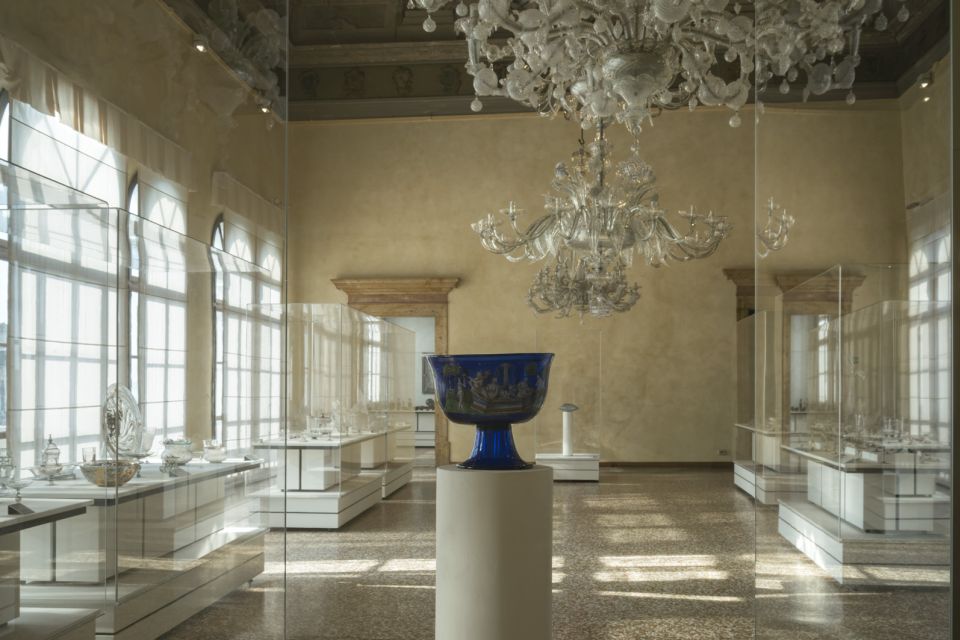
- Largest historical Murano glass collection: this isn’t a small showcase; it’s built to trace the art form.
- Chronological layout helps you follow the craft: you can retrace how Murano glass art developed over time.
- 17th-century pieces plus famous masterpieces: you get both early history and major standout works.
- Hands-on style of learning (via displays): you’ll pick up secrets of glass blowing and see striking finished objects.
- Self-paced visit: you can move quickly or linger, depending on your interest in Murano glass jewelry.
Glass Museum on Murano: what your entry ticket really covers
This is a simple deal, and that’s part of why it works. You’re buying entry to the Glass Museum on Murano, so you can focus on the collection without waiting for a group schedule. The activity is valid for one day, and you’ll want to check availability to match your preferred starting time window.
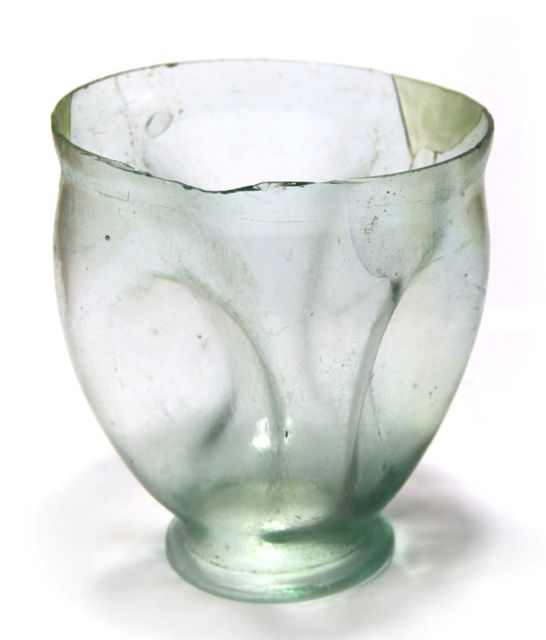
For most people, the big value is clarity: you’re not just looking at pretty glass. You’re learning how Murano glass became Murano glass, and how techniques changed as centuries passed. The museum emphasizes that kind of historical progression, and it’s especially appealing if you’re the type who notices details in jewelry—cut, color, thickness, and how light plays with the glass.
If you selected the option, your ticket can also include a 1-day public transport ticket. That matters because Murano is an island, and having transport sorted makes the day feel smoother.
You can also read our reviews of more tours and experiences in Venice



Why this $11 ticket can feel like a bargain
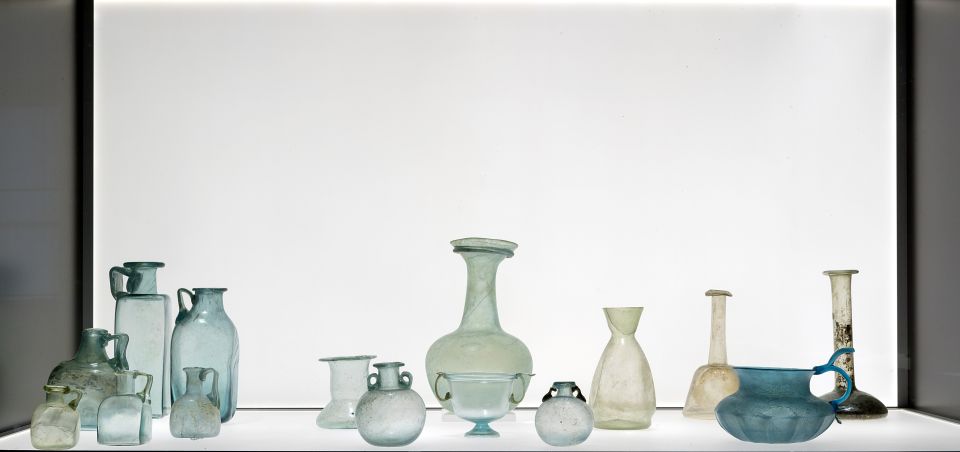
The price is about $11 per person, and for a museum centered on one specific tradition, that’s usually a good trade. You’re paying for access to a large, historical collection rather than a short temporary exhibit. The museum positions itself as the largest historical archive of Murano glass in the world, and the experience is built around that idea: you’re meant to walk through history.
Also, since the visit is self-paced, you get more control over time. If you’re hungry for detail, you can slow down and study pieces. If you’re mostly there for the wow factor, you can keep moving. That flexibility often makes a low-cost ticket feel like better value, because you aren’t locked into a rigid tour rhythm.
The only cost you should plan for beyond the ticket is anything Venice-related that can’t be baked into a Murano museum entry. One important one: the Venice Access Fee may apply during certain days (more on that below).
What you’ll see: 17th-century glasswork and world-famous pieces
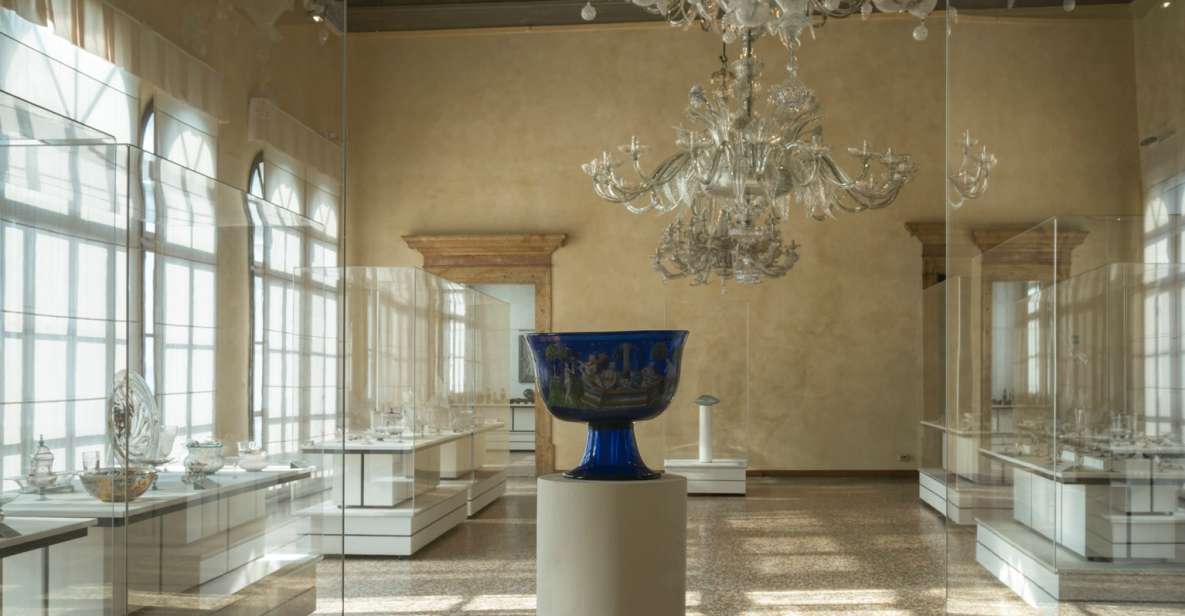
Inside, the museum’s main strength is how it organizes the story of the craft. The collection is presented chronologically, so you can retrace the history of Murano Glass Art instead of treating each object like a random pretty moment.
Here’s what that means in practice. You’ll encounter older styles and techniques first—especially 17th-century glasswork—and then you’ll move forward in time toward world-famous masterpieces. That order helps you notice changes in style and method. It also makes the museum feel like a “timeline,” not just a gallery.
The displays also focus on the process. You’ll see hints of the secrets of glass blowing, and you’ll be able to admire stunning glasswork as finished objects. For jewelry lovers, that’s the point: Murano glass jewelry isn’t only about decoration. It’s about technique—how the glass was shaped, colored, and handled so it stays crisp and reflective.
If you’re expecting a museum that just shows finished products with minimal context, you might be slightly disappointed. But if you like the idea of understanding where the techniques came from, the chronological structure does a lot of the teaching for you.
Self-paced touring: how to plan your time on Murano
This is not a guided program with a set narrative. You get a ticket and you explore at your own pace. That can be fantastic—especially if you hate feeling rushed in a museum—but it does mean you should plan how you’ll spend your time.
My practical suggestion: treat it like a “two-speed” visit.
- Speed one: do a quick walk to get the overall shape of the collection and identify the eras or styles that grab you.
- Speed two: go back and linger where you want to study technique, craftsmanship, and how the objects are displayed.
Even though the museum is designed as a historical walk, the visit can feel fairly quick for people who mainly want the highlights. The trick is deciding what you’re here for: a fast look at famous masterpieces, or a slower comparison of how glass blowing secrets show up in the objects.
Also, because it’s on Murano, you’re likely to pair the museum with time wandering the island. The entry ticket itself is the core. The rest is up to your energy level and interests.
Getting to Murano (and timing around Venice’s Access Fee)
The museum is on Murano island. If you bought the optional 1-day public transport ticket, that’s meant to help you handle the island transfer without scrambling for extra tickets mid-day.
Before you lock in your dates, check the museum’s own website for opening dates and times. The ticket is valid for one day, but you still need to confirm what day you’re actually visiting and whether your chosen starting time is available.
One timing issue deserves your attention if your trip overlaps the specified dates. Between 18 April 2025 and 27 July 2025, every visitor to Venice may be required to pay an Access Fee to the City of Venice, unless you qualify for an exemption. The payment method and exemptions are listed on cda.ve.it, so don’t rely on hearsay—verify it there before you go.
That Access Fee isn’t a small detail. It can affect the total day cost and how smoothly your arrival goes. If you’re planning a budget trip, this is the one thing I’d check early.
You can also read our reviews of more museum experiences in Venice





Practical tips to get more out of the museum
Since there’s no live guide, your payoff comes from how you look. Here are a few ways to make that work:
- Focus on the timeline cues. Since the collection is chronologically ordered, let the order guide you. Don’t just jump to the most famous pieces—use the layout to understand how styles evolved.
- Watch how the glass is presented. Even without a guide, you can learn by comparing objects side by side. Look for differences in texture, color, and how light moves through the glass.
- If you love Murano glass jewelry, pay extra attention to technique. The museum explicitly targets understanding Murano glass techniques over the centuries, and that connects directly to jewelry design and finishing.
- Give yourself enough quiet time. The museum is self-paced. If you feel like you’re skimming, slow down for a few sections. That’s where the historical story clicks.
Wheelchair accessibility is listed, which is a big plus if you need step-free or easier navigation. If you’re traveling with mobility needs, I’d still plan extra time so you can move comfortably at your pace.
Who this ticket suits (and who might want a different plan)
This is a strong match if:
- You’re obsessed with Murano glass jewelry and want to understand what you’re seeing.
- You like museum collections that are organized to teach you something through order and comparison.
- You prefer to go at your own speed instead of following a scripted route.
It might be less ideal if:
- You want a live guide to interpret the artworks and explain context in real time. Since the ticket doesn’t include a live guide, you’ll be relying on on-site information displays.
- You’re only interested in quick photo stops and don’t care much about technique or historical development.
Also, if your trip is centered on Venice itself and you’re short on time, Murano can still be a worthwhile detour. But think of it as a focused craft stop, not a generic sightseeing add-on.
Should you book the Murano Glass Museum entry ticket?
I think this ticket is worth booking if you want a structured look at Murano glass—especially the chronological story from early centuries to celebrated masterpieces. The price is low enough that you’re not taking a big financial risk, and the self-paced setup makes it easy to fit into a one-day Murano plan.
Book it if:
- You’re interested in how glass techniques evolved.
- You want time to study pieces without being rushed.
- You’re planning a day trip to Murano and want a museum centerpiece.
Consider holding off (or pairing with something guided) if:
- You strongly prefer a live guide to explain what you’re seeing.
- Your schedule is tight and you can’t easily verify opening times and starting availability.
If you do book, do two things that make the day smoother: check the museum’s opening dates/times on the museum website, and verify whether any Venice Access Fee applies to your travel dates on cda.ve.it.
FAQ
How much is the Murano Glass Museum entry ticket?
The price is listed as $11 per person.
How long is the visit?
The activity is described as valid for 1 day.
Is a live guide included with the ticket?
No. A live guide is not included.
What’s included in the ticket?
It includes entry tickets to the Glass Museum on Murano island. If you selected that option, it can also include a 1-day public transport ticket.
Is the visit self-paced?
Yes. You can explore the museum at your own pace.
Do I need to check museum opening dates and times?
Yes. The guidance is to check the museum website before you go to double-check opening dates and times.
What if I want to visit at a specific time?
Starting times depend on availability. The ticket is valid for 1 day, so you’ll want to check available starting times when booking.
Is the museum wheelchair accessible?
Yes, it is listed as wheelchair accessible.
Is the ticket refundable or cancellable?
No. The activity is non-refundable.