REVIEW · VENICE
Venice: Ghetto Highlights and Cannaregio Walking Tour
Book on GetYourGuide →Operated by Beatrice Baumgartner · Bookable on GetYourGuide
The first Jewish Ghetto is right under your feet. This 2-hour Venice walking tour moves fast through Jewish Ghetto history and then quietens down for Tintoretto and the Madonna dell’Orto area. If you like your history grounded in real streets (not just museum labels), this is a strong choice.
I especially love how the guide, Beatrice Baumgartner, tells the story with clear mapping and personal details, including accounts tied to a Holocaust survivor. I also like the practical pacing: you get a focused look at the ghetto, then a calmer walk through Cannaregio to the artist’s legacy, plus a stop for a kosher sweet at a family-run bakery.
The only real drawback to consider is that it’s a walking tour with some tight street sections, and the Madonna dell’Orto is not entered on the shared 2-hour option. If you’re hoping for a full inside church visit, you’ll want to choose accordingly.
In This Review
- Key Highlights
- First Ghetto Streets: Why This Walk Feels Different in Venice
- Getting Set: Where You Meet and How Long You Have
- Jewish Ghetto, Venice: How the Streets Carry the Past
- A Quick Inside Look at the Food Culture: Kosher Sweet at a Family Bakery
- Cannaregio After the Ghetto: The Shift to Art and Quiet Streets
- Madonna dell’Orto: Gothic Beauty from the Outside (and When You Can Go In)
- Tintoretto Stops You Can Feel: Tomb, Home/Workshop, and Legend
- The Bridge Surprise and a Boat Workshop View
- Where the Tour Ends: Campo Santa Sofia to Rialto (Easy Self-Guided Options)
- Price and Value: Does $64 Make Sense?
- Who Should Book This Tour (and Who Might Skip It)
- Should You Book This Tour?
- FAQ
- Is the Madonna dell’Orto Church entered on the shared 2-hour tour?
- What’s different about the 1-hour shared tour?
- Does the tour include food?
- Where do we meet?
- What languages is the tour guide?
- Do I need cash?
Key Highlights
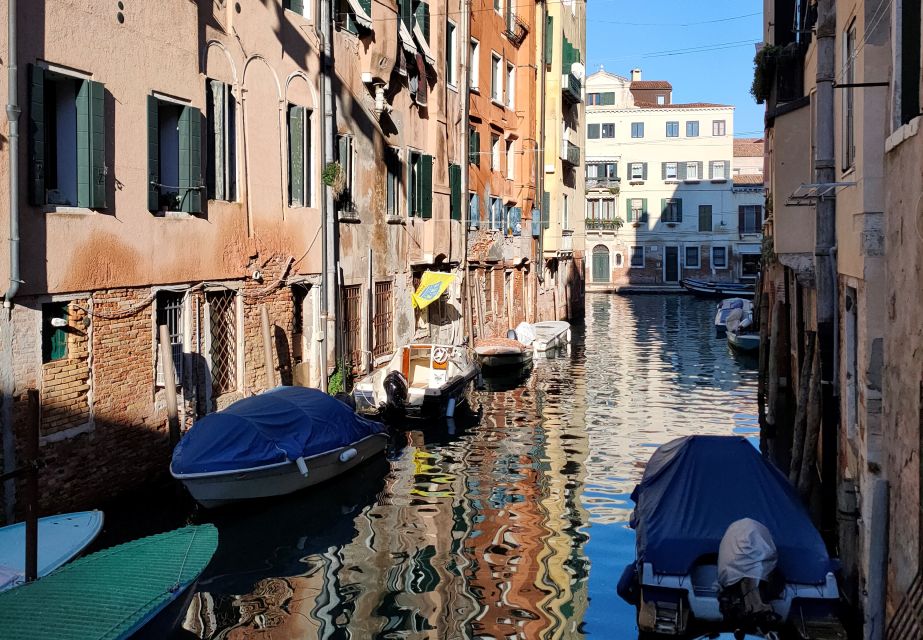
- Tintoretto’s home and workshop story with a Venetian legend mixed into the route
- Gothic Madonna dell’Orto area stop, visited from outside on the shared tour
- First-ever Ghetto in Venice explained through the streets you’re walking
- Boat workshop views plus the fun surprise of the only bridge without balustrade
- Kosher sweet stop at a family-run bakery, included in the price
First Ghetto Streets: Why This Walk Feels Different in Venice
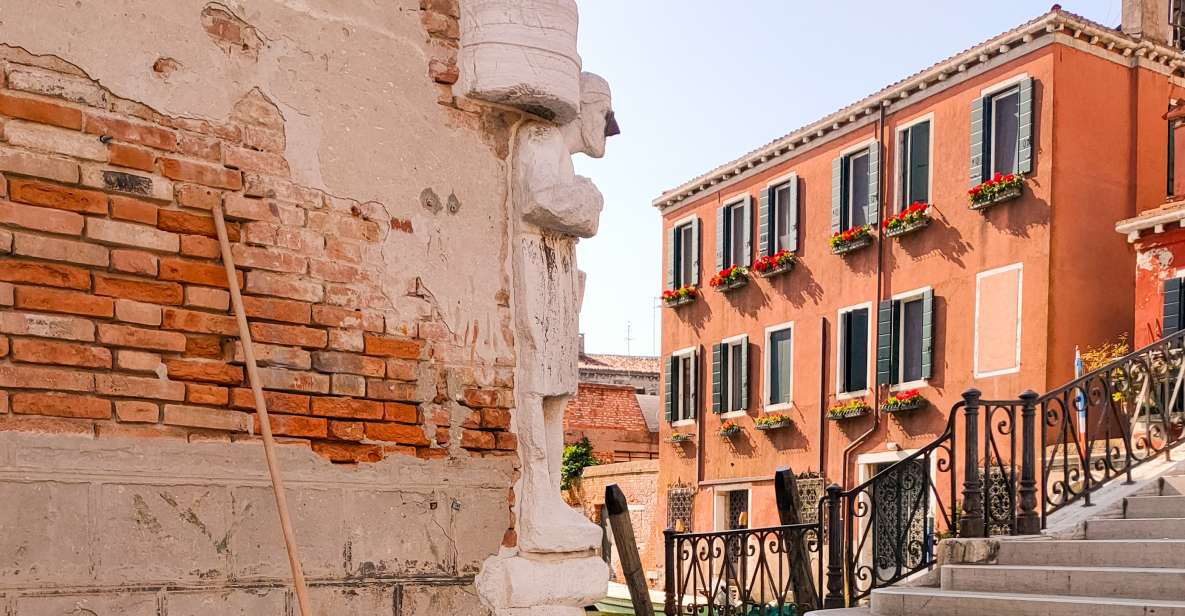
Venice has a way of turning history into something physical. Instead of feeling like facts on a page, you’re looking at the same kinds of street layouts people once navigated—alleys, small squares, and canal-adjacent corners that still shape how the city works.
This tour leans into that idea. You start with one of the most important places in Jewish history: the first ghetto in the world. Then you pivot into Cannaregio, where art history and local legends—especially around Tintoretto—add a second layer to the same neighborhood atmosphere.
It helps that the group is small (limited to 10). With a smaller crowd, you can actually hear the guide without constantly dodging around other voices, and the route stays manageable for a 2-hour time window.
You can also read our reviews of more walking tours in Venice



Getting Set: Where You Meet and How Long You Have
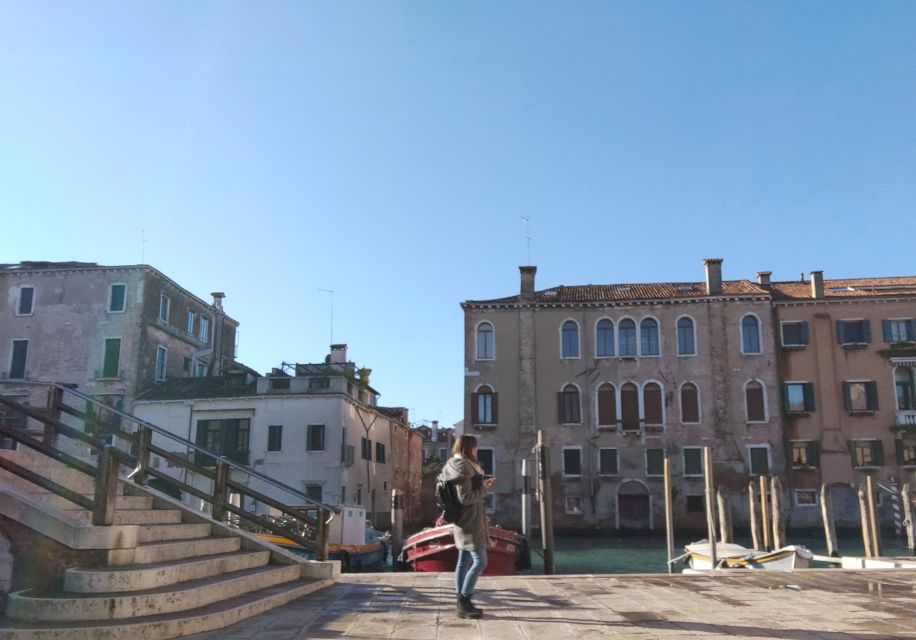
You’ll meet in front of Trattoria alla Palazzina. There are also nearby starting options listed at Rio Terà S. Leonardo (1510), so do check your exact meeting point on your booking confirmation so you don’t waste time hunting in the wrong canal-side lane.
The experience runs 2 hours. In that time, the guided focus is split so you get depth where it matters: the tour includes a short stop at the Madonna dell’Orto area (about 10 minutes) and a longer guided chunk in the Jewish Ghetto (about 40 minutes), with additional walking between points.
There’s also a 1-hour option, and it’s not just a shortened version of the same thing. The 1-hour shared tour stays in the ghetto area only, and it does not include Cannaregio’s Madonna dell’Orto segment, Tintoretto’s home/workshop area, or the other art-and-bridge stops.
One more practical note: this tour runs rain or shine, and you’ll be outside quite a bit. Come with good walking shoes, and be ready for Venice’s unpredictable weather.
Jewish Ghetto, Venice: How the Streets Carry the Past
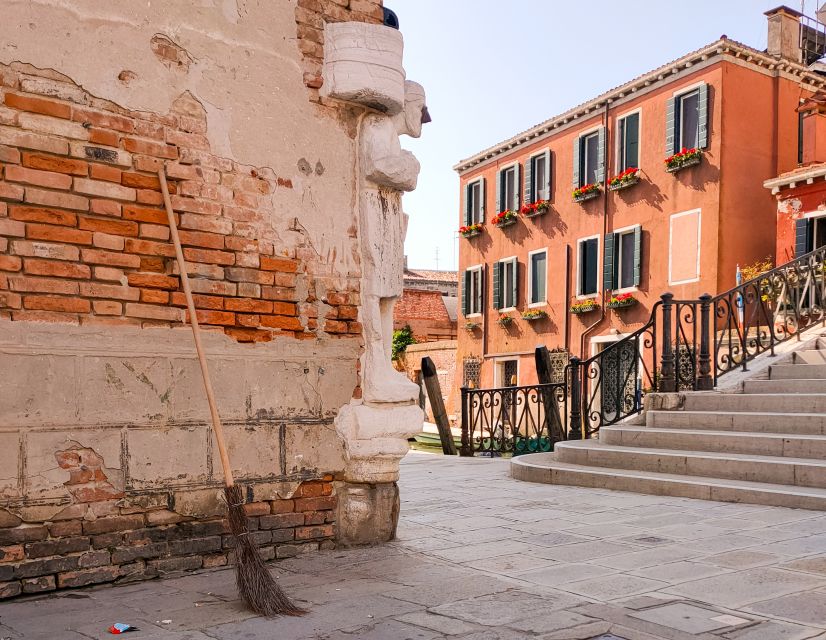
The heart of the tour is the guided walk through the former Jewish Ghetto area. This is where you learn why the word ghetto became globally important, and you’ll hear the background of Jewish life in Venice—along with what changed over time.
What makes this part work on the street is that the explanation is tied to where you are. The guide uses maps and pictures to help you place what you’re seeing, so you’re not just hearing a lecture while staring at brick walls.
A standout element is the personal dimension. Based on the kind of storytelling the guide is known for, you can expect accounts that include experiences connected to a Holocaust survivor. That personal thread doesn’t replace the historical framework—it adds weight to it, and it helps the ghetto feel like a living place rather than a distant label.
You’ll also get a sense of how the area looks today and how that present-day Venice shape overlays the older story. That contrast is one of the reasons this tour feels more meaningful than a standard “see the sights” walk.
A Quick Inside Look at the Food Culture: Kosher Sweet at a Family Bakery
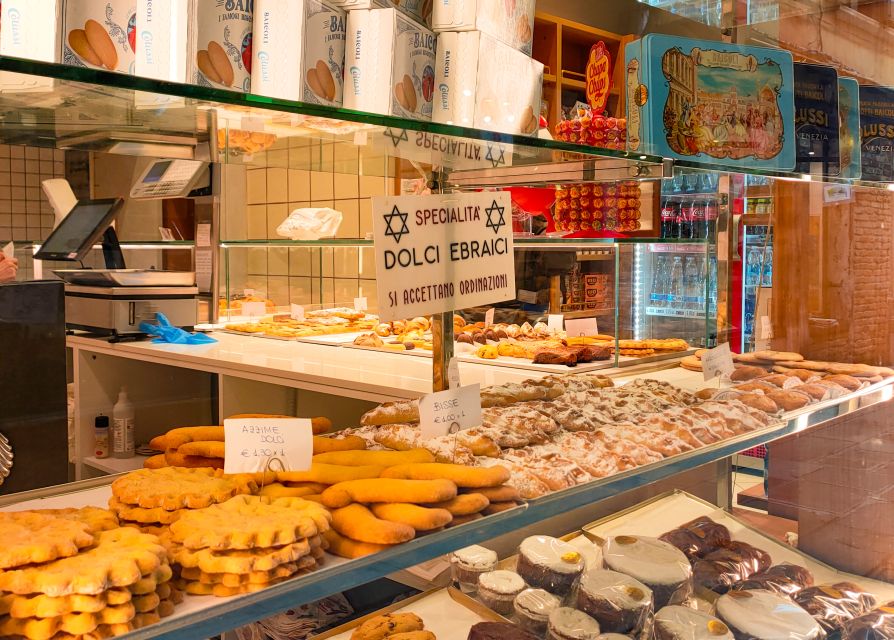
You’ll stop at a local kosher family-run bakery for a sweet (included, one per person). This is only about 10 minutes, so it’s not a long food detour, but it’s a smart one.
Why it matters: food stops work best when they’re tied to a real community, not when you just grab something random and move on. Here, the point is Jewish culinary culture in a way that feels connected to the neighborhood you’re walking through.
You’ll likely have time to ask the guide a question or two at this stop. If you’re curious about what you’re tasting or how Venetians see this side of their own history, this is the natural moment to ask.
Cannaregio After the Ghetto: The Shift to Art and Quiet Streets
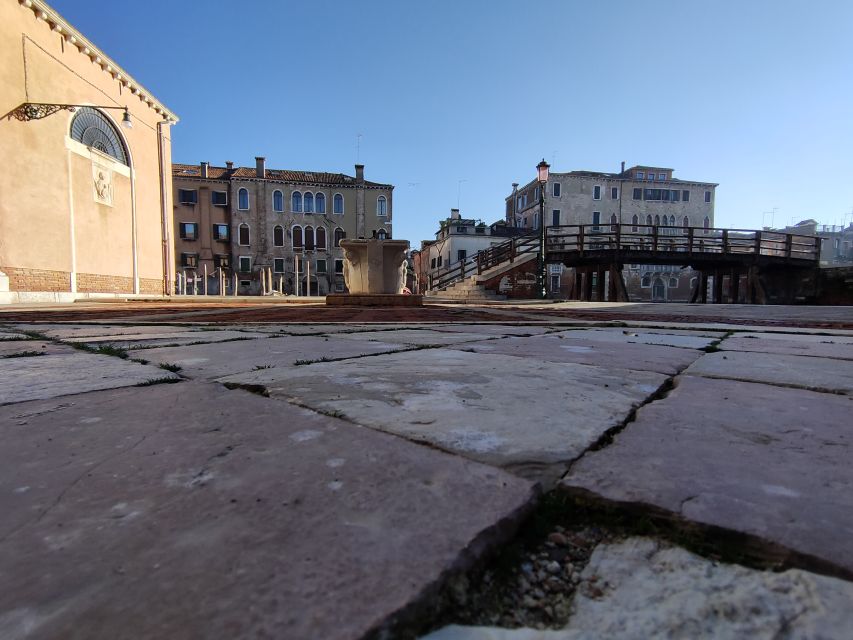
After the ghetto segment, the route transitions into Cannaregio. This is where the walking gets more relaxed and the mood changes, because the sights are tied to the Madonna dell’Orto area and Tintoretto.
The tour heads through quieter streets, not the loudest tourist corridors. That matters in Venice, because how you experience the city depends on how much time you spend in the in-between lanes.
The guide keeps the story moving, with references to Tintoretto’s world as you pass key external points. You’ll learn how the artist’s life connects to the neighborhood fabric—his home and workshop legacy—then you’ll see the route that leads you toward the church area.





Madonna dell’Orto: Gothic Beauty from the Outside (and When You Can Go In)
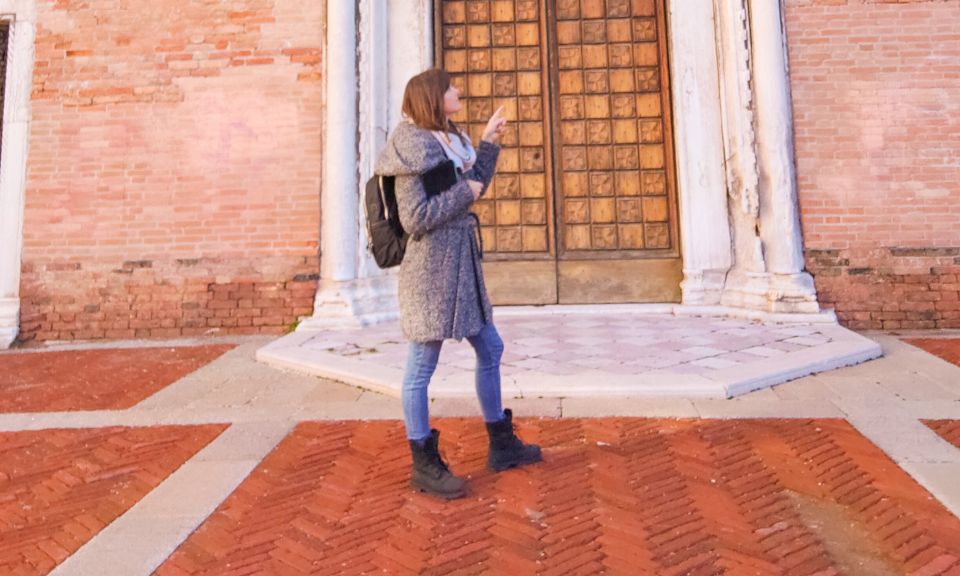
In the 2-hour shared group option, the Madonna dell’Orto Church is visited from outside only—no entry. The stop is guided (around 10 minutes), and you’ll get your bearings on the Gothic church presence without spending time inside.
That may sound like a downside, but it’s also a trade-off that protects the pacing. You get the art-and-history context and the street-to-church flow, then you keep moving toward Tintoretto-related viewpoints.
If you choose a private group 2-hour option, church entry may be possible, but it is not included. You’d need €3 per person in cash if you want to pay for admission, and appropriate clothing is required for the church.
For the 1-hour shared tour, there’s no Madonna dell’Orto stop at all. So if church architecture is part of your must-see list, make sure you’re choosing the 2-hour option.
Tintoretto Stops You Can Feel: Tomb, Home/Workshop, and Legend
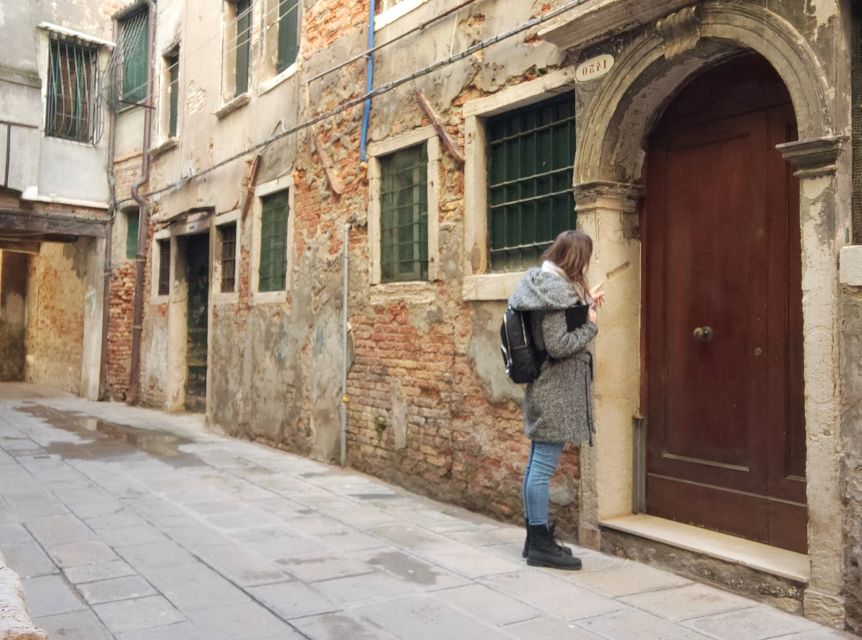
Tintoretto is the other big engine of this tour. You’ll visit his story points in the Madonna dell’Orto area, including the tomb and views tied to his significant artworks.
In the shared 2-hour experience, the artworks are visited only from outside. That’s still useful, because you’re learning where to look and why each connection matters. Even without entering buildings, you get a sense of what the artist’s presence meant in this neighborhood.
You’ll also hear a Venetian legend about Tintoretto while you’re looking at the places connected to his former life. The tour doesn’t treat art history like an exam. It ties the legend to the street reality, so you can remember what you saw based on the route.
And yes, you’ll pass the Casa del Tintoretto during the walk. You’re not stopping for a long photo session, but you’ll understand why that address matters when you see it.
If you love art but don’t want a full museum commitment, this is a good “artist grounded in place” kind of experience.
The Bridge Surprise and a Boat Workshop View
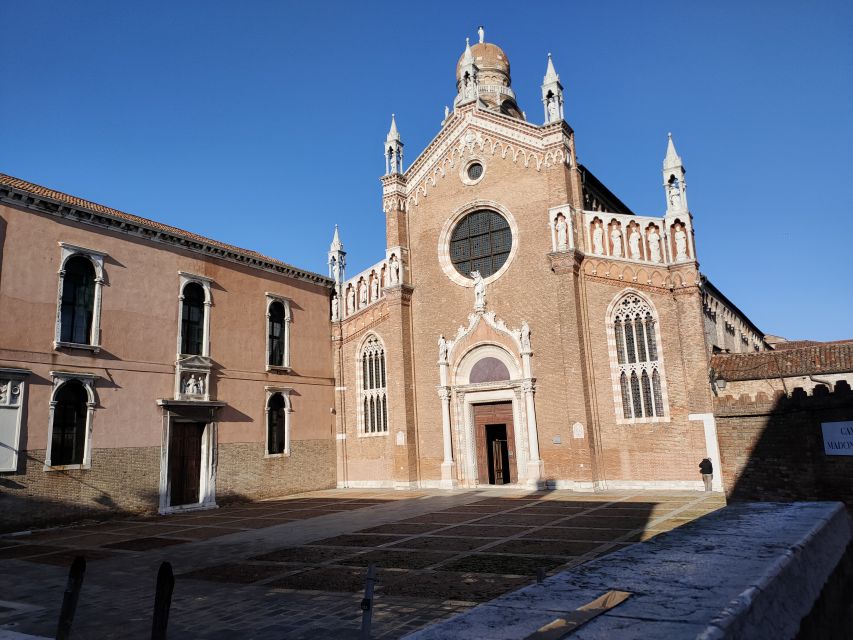
Venice rewards the curious. One of the more fun moments on the walk is spotting the only bridge without balustrade.
The tour also includes a viewpoint related to a former boat workshop. Even if you’re not a Venice engineering historian, the idea is clear: this was once a working city of crafts, not just a postcard city.
These two elements break up the heavier historical and art segments. They remind you that the people connected to the ghetto and the artists were also part of Venice’s day-to-day work culture—boats, trades, and daily movement.
Where the Tour Ends: Campo Santa Sofia to Rialto (Easy Self-Guided Options)
The walking tour ends at Campo Santa Sofia. From there, you can keep going on foot toward the Rialto Bridge and the Rialto fish market, or you can take a traditional gondola ferry depending on what you feel like doing next.
I like this ending point because it gives you flexibility. You can spend more time in the “tourist spotlight” area if that’s your plan, or you can head off and keep exploring at your own pace without being stuck in another guided group loop.
And if you still have energy, Campo Santa Sofia is a convenient place to reorient yourself before you decide your next move.
Price and Value: Does $64 Make Sense?
At $64 per person for 2 hours, the big value isn’t just the walking. It’s the combination of (1) guided context for a major historical site and (2) targeted art connections around Tintoretto, plus (3) the included kosher sweet.
Small group limits (up to 10) matter here. In a city where walking tours can feel chaotic, a smaller group helps the guide keep stories clear and keeps you from constantly losing the thread.
Also, you get more than a generic “see these buildings” format. The route includes specific story points: the first ghetto focus, the Madonna dell’Orto area guidance (even if outside-only), Tintoretto’s tomb and external artwork viewing cues, and even street curios like the balustrade-less bridge.
The one thing to watch is your expectations around church interior access. If inside access is a top priority, the shared 2-hour option won’t deliver it. That’s not a dealbreaker for most people, but it’s a key decision point when weighing value.
Who Should Book This Tour (and Who Might Skip It)
This tour is a strong match if you want:
- History that’s tied to real street geography, not just a timeline
- A clear introduction to the Jewish Ghetto in Venice
- A guided look at Tintoretto’s legacy connected to the Madonna dell’Orto area
- A small-group walk with room for questions
It’s not the best fit if:
- You have mobility challenges. It’s not suitable for people with mobility impairments or wheelchair users.
- You’re traveling with a lot of luggage. Large bags and luggage aren’t allowed, so pack light.
- You’re hoping for guaranteed Madonna dell’Orto interior access on the shared 2-hour option. That’s outside-only unless you go private and pay the separate admission.
Should You Book This Tour?
Yes, I’d book it if you want a smart 2-hour Venice plan that links history and art to the actual streets you’re walking. The storytelling approach—especially with a guide like Beatrice Baumgartner who is known for using maps/pictures and personal, human details—makes the walk feel like more than sightseeing.
I’d also treat it as a great starting point for Venice in this area. You finish at Campo Santa Sofia with an easy path to Rialto, so you don’t leave the experience stuck far from the city’s famous lanes.
If your must-have is entering the Madonna dell’Orto Church itself, choose your option carefully. Otherwise, the outside-only viewpoint still gives you the right context, and the rest of the route (Ghetto history, Tintoretto connections, bridge and boat workshop surprises, and the included kosher sweet) is what makes this worth your time.
FAQ
Is the Madonna dell’Orto Church entered on the shared 2-hour tour?
No. On the shared 2-hour option, you visit the Madonna dell’Orto from the outside only, without entering the church.
What’s different about the 1-hour shared tour?
The 1-hour option is limited to the Jewish Ghetto area only. It does not include Cannaregio’s Madonna dell’Orto area, Tintoretto’s home, the boat workshop view, or the bridge stop.
Does the tour include food?
Yes. The tour includes 1 sweet per person at a local kosher family-run bakery.
Where do we meet?
You meet in front of Trattoria alla Palazzina. There are also nearby listed starting options at Rio Terà S. Leonardo (1510), so confirm your exact meeting point on your booking.
What languages is the tour guide?
The live guide works in German and English.
Do I need cash?
Bring cash, since the tour information specifically notes cash as something to have with you.