REVIEW · VENICE
Venice: Doge’s Palace & St. Mark’s Basilica Tour
Book on GetYourGuide →Operated by Venetoinside - Insidecom · Bookable on GetYourGuide
Two landmarks, zero patience for lines. This tour packs Venice’s courtroom drama and its most famous church into one focused route, with skip-the-line access and an expert guide guiding you through the art and politics. I especially like the way it links the palace to the basilica so the whole city story clicks, and you get to see the Doge’s Palace interiors instead of just standing outside admiring the facades.
You’ll spend time in the palace’s grand spaces, then cross the Bridge of Sighs into the prison areas, and finally go up to St. Mark’s Basilica museum and the terrace for views over the square. The one thing to consider is the physical side: you need to climb several stairs for the museum and terrace, and the dress rules are strict for the basilica.
If you want a smart first-timer plan that still feels like real Venice (not just photos and rushing), this is a strong choice. It’s a shared tour, lasts about 3 hours overall, and the guided portion is around 2 hours, so expect a steady pace rather than a slow wander.
In This Review
- Key things to know before you go
- Meeting at Calle Larga de L’ascension: start with less stress
- Doge’s Palace access and what you’ll actually see inside
- The Bridge of Sighs and the prisons: where Venice turns darker
- St. Mark’s Basilica: naves at ground level, then the museum and terrace
- Original bronze horses and the art details you’ll miss alone
- Price and logistics: is $120.08 worth it?
- Dress rules and what to pack so you don’t get turned away
- Pace, group size, and how to get the most from a shared tour
- Who should book this Venice tour?
- Should you book this Doge’s Palace and St. Mark’s Basilica tour?
- FAQ
- How long is the Doge’s Palace and St. Mark’s Basilica tour?
- Where is the meeting point?
- Do I get skip-the-line tickets?
- Is the St. Mark’s Museum included?
- Is the St. Mark’s Terrace included?
- Are the Treasure and Pala d’Oro included?
- Is the tour suitable for people with mobility impairments?
Key things to know before you go
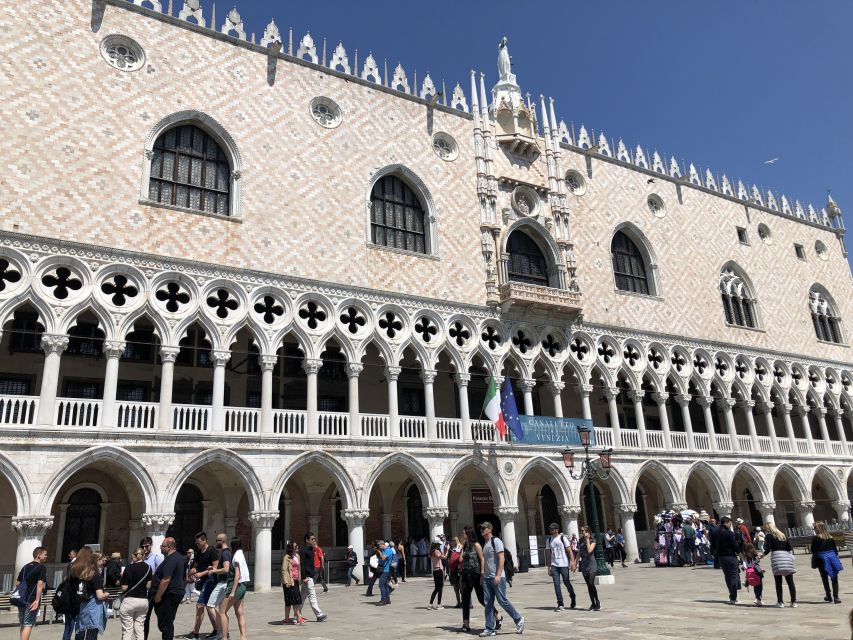
- Skip-the-line priority into both the Doge’s Palace and St. Mark’s Basilica so you can start seeing instead of queueing
- Bridge of Sighs and the New Prisons connected to the way Venice handled justice
- St. Mark’s Museum and Terrace included, giving you both indoor masterpieces and an above-square photo spot
- No backpacks and dress rules in place for basilica access, so pack and wear accordingly
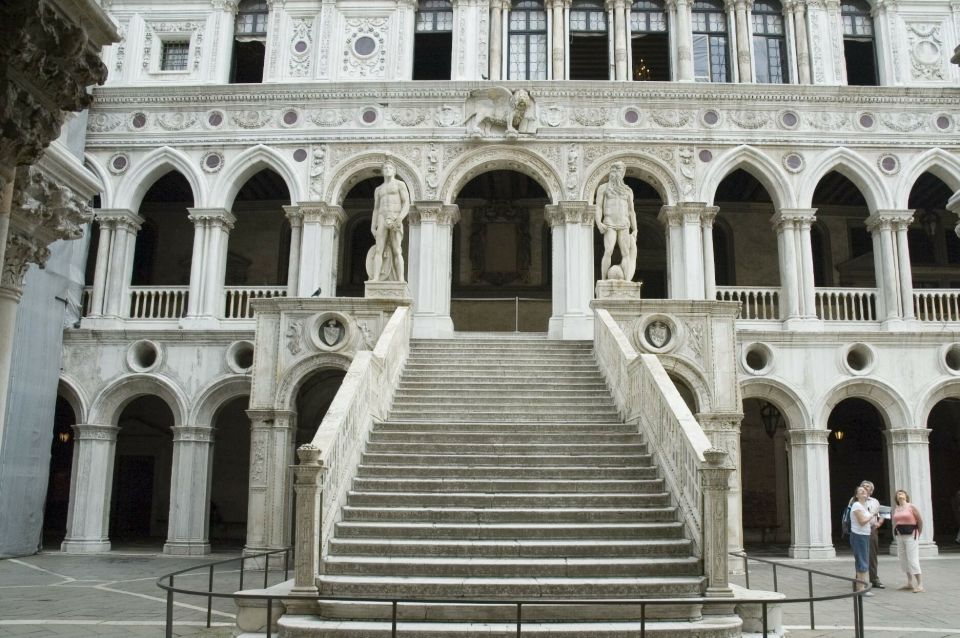
- Tintoretto and the palace staircases, including the Giants’ and Golden Staircases and The Paradise canvas, help you understand what you’re looking at
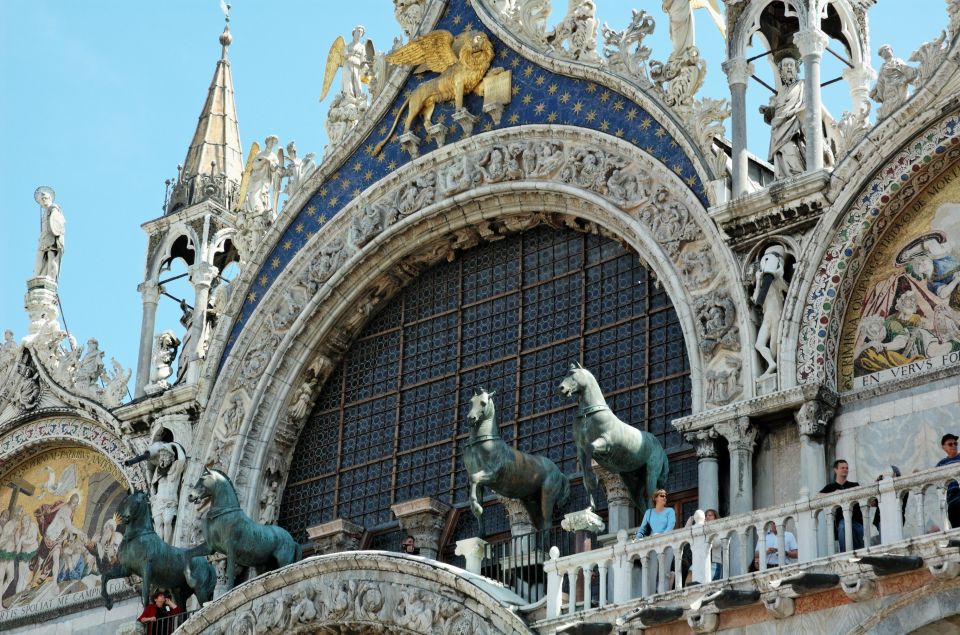
- Bronze horses up close, including the four original bronze horses that draw major attention in St. Mark’s
Meeting at Calle Larga de L’ascension: start with less stress
Your start point is Calle Larga de L’ascension, behind the Correr Museum, next to the post office. This matters because Venice is a maze of narrow calles, and when you’re not wasting 20 minutes locating a meetup, you feel calmer for the whole day.
Plan to arrive a few minutes early and keep your belongings simple. The basilica access rules include no backpacks, and the tour also doesn’t allow shorts or sleeveless shirts, so it’s worth being dressed correctly before you even reach the entry areas.
You can also read our reviews of more tours and experiences in Venice.

Doge’s Palace access and what you’ll actually see inside
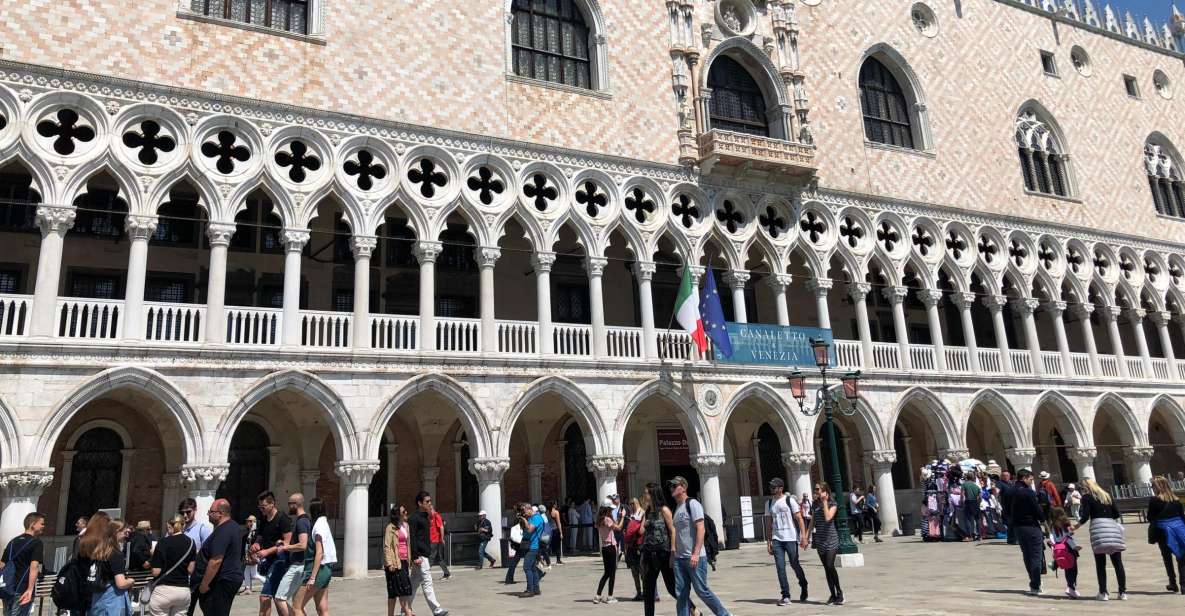
The big win here is how you get into the Doge’s Palace quickly with skip-the-line entry. Once inside, you’re not just watching your guide point; you’re moving through the spaces that shaped Venetian power, where magistrates worked and the Doge lived.
You’ll tour the palace with an emphasis on the highlights that most visitors miss when they only glance around. The Giants’ Staircase and the Golden Staircase are standout moments because they show Venice’s love of scale and drama, not just function. Your guide ties these visuals to who used the space and why the palace was built to project authority.
One of the most memorable art references in the palace portion is Jacopo Tintoretto’s The Paradise canvas. Even if you’re not an art specialist, it helps to have someone translate what you’re seeing into plain language—composition, symbolism, and why Venice commissioned work that looked like it belonged in heaven as much as in a courtroom.
And yes, the palace is also about movement and control. The tour route is designed so you experience how one area leads into another, building the story as you go.
The Bridge of Sighs and the prisons: where Venice turns darker
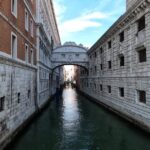
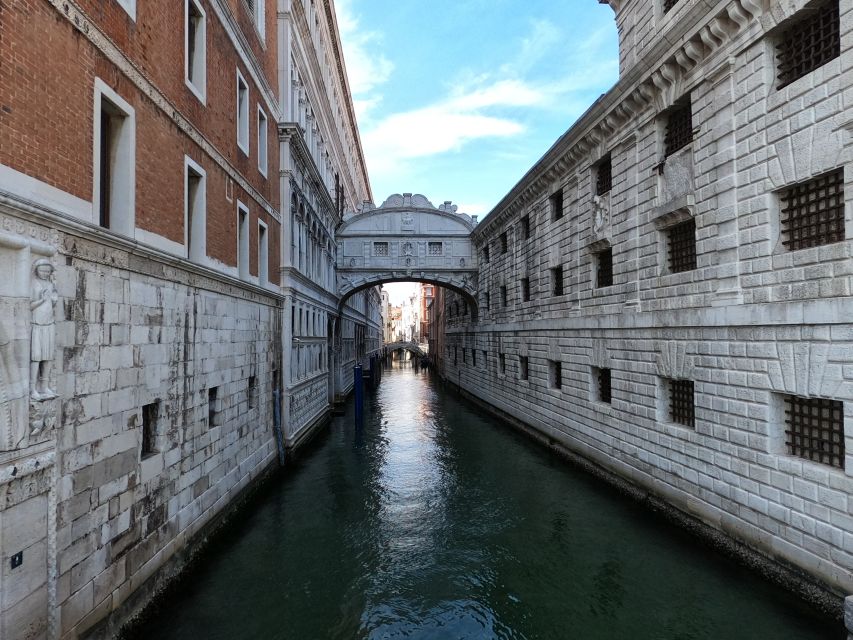
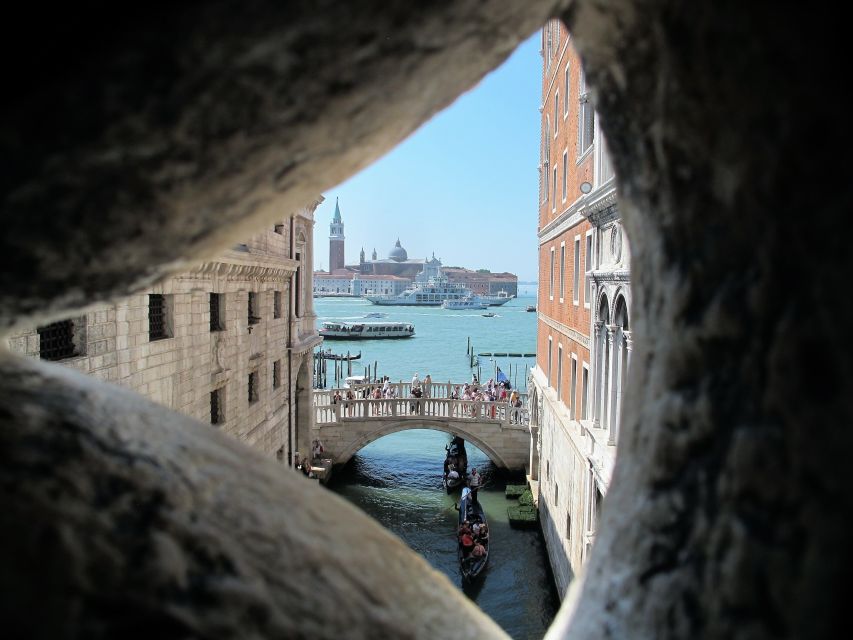
After the palace tour, you cross the Bridge of Sighs, which is famous for a reason. This is the point where the building stops being only impressive and starts feeling uneasy—because the bridge links authority to punishment.
You then visit the New Prisons, where criminals were detained during the time of the Serenissima, the Venetian Republic. The timing here usually sticks with people, because you’re going from grand stairs and bold artworks to cells and confinement, all while your guide explains how the system worked.
If you like architecture that has a mood, this part is worth treating like more than a photo stop. You’ll see how the palace’s authority extended into spaces designed to restrict people, not just impress them.
St. Mark’s Basilica: naves at ground level, then the museum and terrace
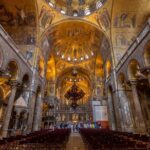
Next comes St. Mark’s Basilica, and the order is smart. You start with areas on the ground floor—the naves—so you get your first big visual impact before you move upward.
The tour includes skip-the-line entry to the basilica, plus access to the Museum and the terrace. That combination is useful because the basilica can feel overwhelming on your own. Indoors, a guide helps you place what you’re seeing in context, and then the terrace gives you a visual reset: Venice in all directions.
One practical note: to reach the museum and terrace, you climb several stairs. If stairs tire you quickly, this can be the hardest part of the day, even if you otherwise handle walking well.
When you’re on the terrace, the goal is not just selfies. It’s about understanding the layout of St. Mark’s Square from above, and how the basilica fits into the wider urban geometry. The view also makes the whole morning’s palace story feel more grounded—you’re connecting power to place.
Original bronze horses and the art details you’ll miss alone
The tour highlights the four original bronze horses, which are the kind of detail that seems small until you’re standing near them. They’re a strong example of how Venice collected art and prestige, and your guide’s job is to help you see what matters about the horses beyond their fame.
This isn’t a checklist tour where you only hear names. With key works like Tintoretto’s The Paradise and the palace staircases, the value is in understanding why these pieces mattered to Venetian identity. The same principle applies at St. Mark’s: you’re learning how to read surfaces, symbolism, and sacred design.
Even if your art taste is simple, having explanations can help you enjoy the basilica more on a return visit. It turns your brain from tourist mode into viewer mode.




Price and logistics: is $120.08 worth it?
At $120.08 per person, this isn’t a budget play. But you’re paying for three things that matter in Venice: access speed, expert guidance, and entry coverage that would otherwise cost time and effort to coordinate.
The skip-the-line tickets for both the Doge’s Palace and St. Mark’s Basilica are the most obvious value. In peak seasons, lines can eat your day, and waiting here is a real mood killer. When you move quickly between sights with a planned route, you get more actual seeing per hour.
Then there’s the guide. You’re covering the palace, including specific staircases and major art, plus the Bridge of Sighs and prisons, then switching to St. Mark’s naves, museum, and terrace. That’s a lot of content, and a good guide keeps it coherent. A short tour always involves some pace, and one common caution is that it can feel a bit rushed because there’s so much to cover—but in a city like Venice, a structured route is often what makes the day work.
Also note what’s not included: you don’t get entrance to the Treasure and Pala d’Oro. If those are your top priorities, you’ll need to plan separate time or a different ticket type for them. If they’re on your radar but not must-see, then this tour’s included museum and terrace access may be plenty.
Dress rules and what to pack so you don’t get turned away
This tour has real clothing constraints because St. Mark’s Basilica is strict about visitors. Shorts and sleeveless shirts aren’t allowed, and backpacks are not allowed for safety reasons.
A good on-the-ground strategy is to wear something that covers shoulders and upper legs even if the weather is warm. If you’re worried you won’t meet the rules, bring a light scarf or wrap you can quickly use for coverage. (Some visitors use a scarf or similar cover-up right before entry to solve the problem.)
And keep your daybag minimal. With no backpacks, you’ll want a small crossbody or something you can handle easily without security issues.
Pace, group size, and how to get the most from a shared tour
This is a shared tour, so you won’t be alone with your guide. That’s not automatically a downside; it’s often what keeps the pace smooth and the route organized. The tradeoff is that you’ll follow the group rhythm and may have fewer chances to linger in the most crowded spots.
If you’re the type who hates being rushed, adjust your expectations. The route covers both major sites and includes the museum and terrace, so there’s a steady cadence throughout. Think of it as a guided highlights sprint with enough context to make the places feel meaningful.
One underrated benefit of this structure: it often makes the next day’s sightseeing easier. You’ll have fresh names and relationships in your head, which helps you navigate other nearby sites in the area.
Who should book this Venice tour?
This tour fits best if you want:
- A high-efficiency day that hits two headline attractions without wasting time in queues
- Explanations that connect architecture, politics, and art rather than treating each stop as a random landmark
- Access to the St. Mark’s Museum and Terrace, not just the main church floor
- A route that includes the Bridge of Sighs and prisons, which changes the tone of your Venice story
It may be less ideal if:
- You’re not comfortable with stairs and longer indoor sections
- You plan to rely on a backpack or you haven’t dressed for basilica rules
- You specifically want the Treasure and Pala d’Oro as part of this day
Should you book this Doge’s Palace and St. Mark’s Basilica tour?
I’d book it if you’re in Venice for a limited time and you want the biggest emotional and visual contrast of the day: grand power at the Doge’s Palace, then the prison connection through the Bridge of Sighs, then a high-art reset at St. Mark’s Basilica with museum and terrace views.
I’d skip or rethink it if stairs are a problem for you or if the Treasure and Pala d’Oro are non-negotiable. In that case, build your plan around those specific interests first, then add this tour only if it still fits comfortably.
If you show up dressed correctly, keep your bag light, and go in ready for a focused route, this is a strong way to make Venice feel organized instead of chaotic.
FAQ
How long is the Doge’s Palace and St. Mark’s Basilica tour?
The activity is listed as 3 hours in total. The guided visiting time for the key sights is described as about 2 hours, with the full experience taking a bit longer.
Where is the meeting point?
Meet at Calle Larga de L’ascension, behind Correr Museum, next to the post office. A TURIVE staff member checks your voucher there.
Do I get skip-the-line tickets?
Yes. The tour includes skip-the-line entrance tickets for both the Doge’s Palace and St. Mark’s Basilica.
Is the St. Mark’s Museum included?
Yes. You get access to St. Mark’s Museum, and it’s included as part of the basilica portion.
Is the St. Mark’s Terrace included?
Yes. The tour includes access to St. Mark’s Terrace.
Are the Treasure and Pala d’Oro included?
No. Entrance to the Treasure and Pala d’Oro is not included.
Is the tour suitable for people with mobility impairments?
It isn’t recommended. To reach the St. Mark’s Museum and Terrace, you have to climb several stairs, and the tour is listed as not suitable for people with mobility impairments.