REVIEW · VENICE
Venice: Dorsoduro Guided Walking Tour
Book on GetYourGuide →Operated by Guydeez Tours · Bookable on GetYourGuide
Dorsoduro feels like Venice’s side-street life. I like how this walk routes you through Dorsoduro at a human pace, far from the biggest crush, while still hitting major highlights. I especially like the pairing of street-level Venice with big-architecture moments like Palazzo Zenobio degli Armeni. The one thing to consider is that the quality of explanation can vary by guide, so you’ll want a session with solid commentary in your language.
This is a simple format: a local guide, about 2 hours, and enough stops to see courtyards, lesser-known churches, and the island-view calm of San Giorgio. It’s also a good fit if you want local hangouts and practical pointers after the tour, not just photos.
In This Review
- Key points before you go
- Why Dorsoduro works so well for a first Venice detour
- Starting near Campo Santa Margherita: get your bearings without the big lines
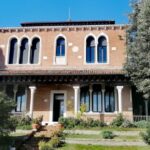
- Palazzo Zenobio degli Armeni: Baroque grandeur in a walkable package
- San Giorgio Maggiore and the island pause that resets your day
- Courtyards, street art, and lesser-known churches: what you learn by watching
- Local hangout tips: turning a 2-hour tour into a day plan
- Price and time: is $29 for 2 hours a good deal?
- Language, group style, and comfort factors that matter
- Who this Dorsoduro tour suits best
- Should you book this Venice Dorsoduro guided walking tour?
- FAQ
- How long is the Venice Dorsoduro guided walking tour?
- Where in Venice does the tour focus?
- What stops and sights are included?
- Is food or drinks included?
- What languages is the live guide available in?
- Is the tour wheelchair accessible?
- How does cancellation work?
Key points before you go
- Dorsoduro’s university-area streets: a calmer Venice angle with contemporary street art mixed in
- Palazzo Zenobio degli Armeni: Baroque architecture you can spot up close, not just read about
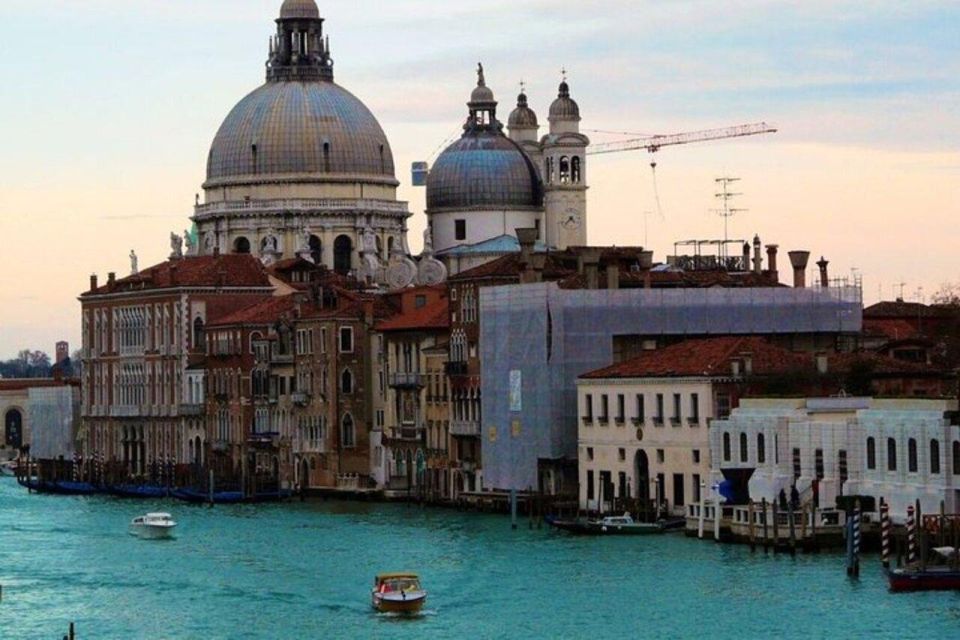
- San Giorgio Maggiore and island views: a built-in reset when the city gets loud
- Courtyards and smaller churches: the guide helps you notice details most people miss
- Local cafe and square recommendations: ideas you can use the same day
Why Dorsoduro works so well for a first Venice detour
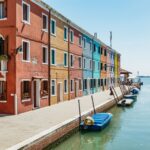
If Venice feels like one long highlight reel, Dorsoduro breaks that spell in the best way. You get a neighborhood that’s distinctly lived-in, with university energy and art on the walls, not just postcard facades. You’ll spend your walk around Campo Santa Margherita and the surrounding lanes, where the pace is slower and the streets feel more like you’re wandering with locals than touring with a crowd.
You’re also going to notice how Venice changes by neighborhood. The guide frames the district’s past while you walk, so it feels like you’re moving through layers rather than ticking off landmarks. And since this is only a 2-hour outing, it’s an easy add-on day plan when you’re juggling sights across islands.
You can also read our reviews of more walking tours in Venice

Starting near Campo Santa Margherita: get your bearings without the big lines
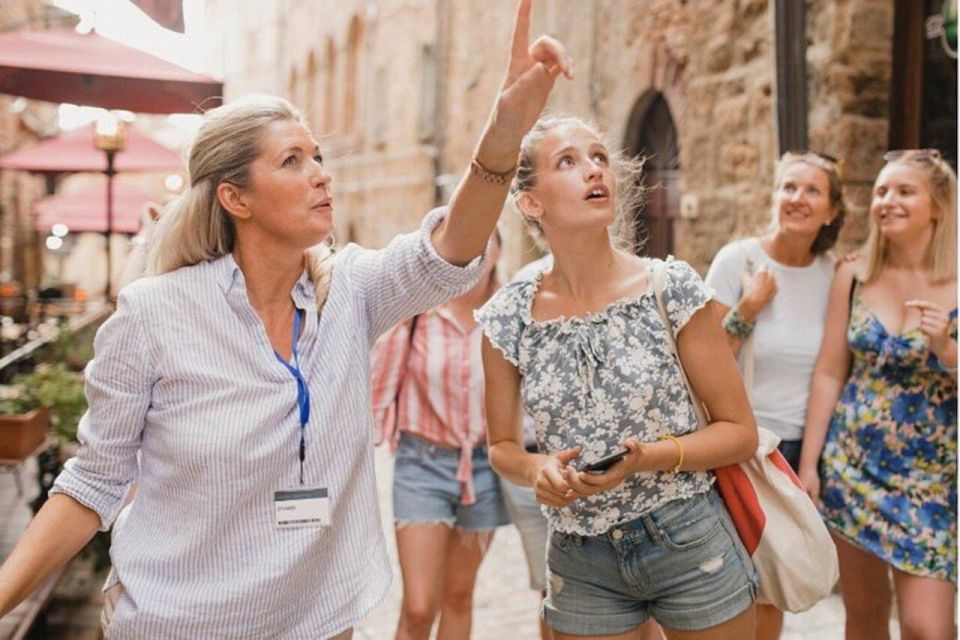
The tour kicks off in the Dorsoduro area, with Campo Santa Margherita acting like a mental compass. This matters because Venice is confusing on day one: you’ll turn a corner and suddenly you’re in a different world of canals and narrow streets. Starting in a real neighborhood helps you orient faster, because the surroundings make sense as you go.
Expect a steady walking rhythm with frequent “look here” moments. The guide uses the route to point out small visual clues—street art, building edges, and courtyard entrances—that connect to the larger story of how Venice works. If you’re prone to getting lost, this structure is a lifesaver.
A practical note: Venice sidewalks can be uneven, and courtyards may mean short stair steps depending on the exact spot. Wear shoes that handle cobblestones and turns, because your comfort will decide how much you enjoy the architecture.
Palazzo Zenobio degli Armeni: Baroque grandeur in a walkable package
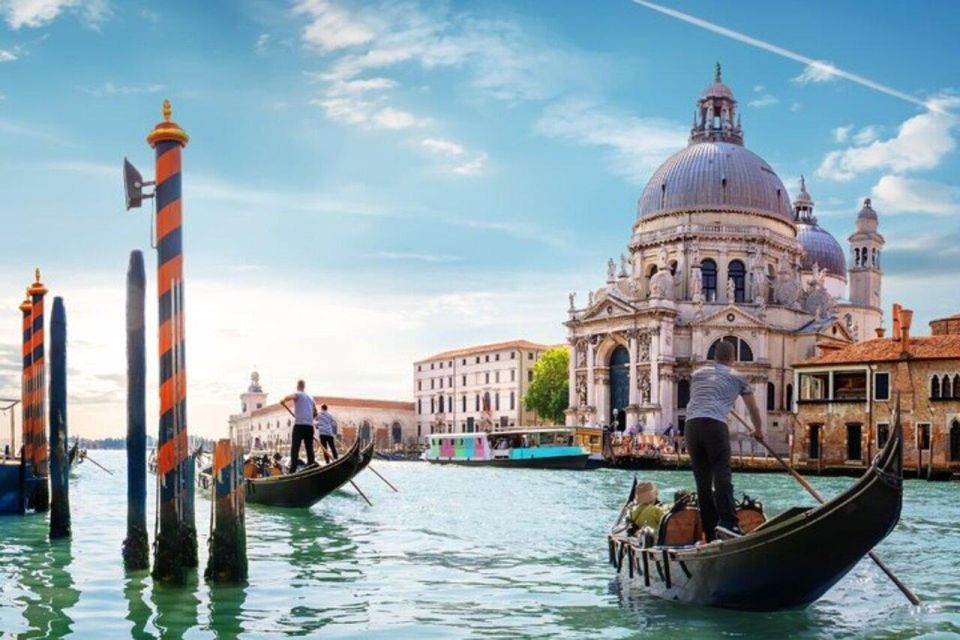
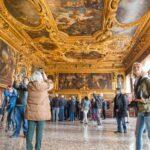
Palazzo Zenobio degli Armeni is the kind of stop that makes you slow down, even if you usually race from one photo spot to the next. This Baroque palace is famous for the way its details read when you’re close: the shapes, the ornamentation, and the craftsmanship start to make sense once you’re standing in the right spot.
What I like most is the format. You’re not just looking at a building from far away. You’re walking into the idea of a palace—what it was for, how it fits into its surroundings, and why it matters architecturally. That’s the difference between seeing a facade and actually understanding it.
One consideration: palaces like this can feel hit-or-miss depending on how much explanation you get. If your guide keeps it light on details, you may feel like you’re mostly outside, looking in. If your guide is strong, you’ll come away with clear talking points you can use later while wandering on your own.
San Giorgio Maggiore and the island pause that resets your day
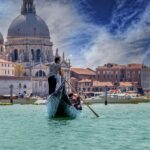
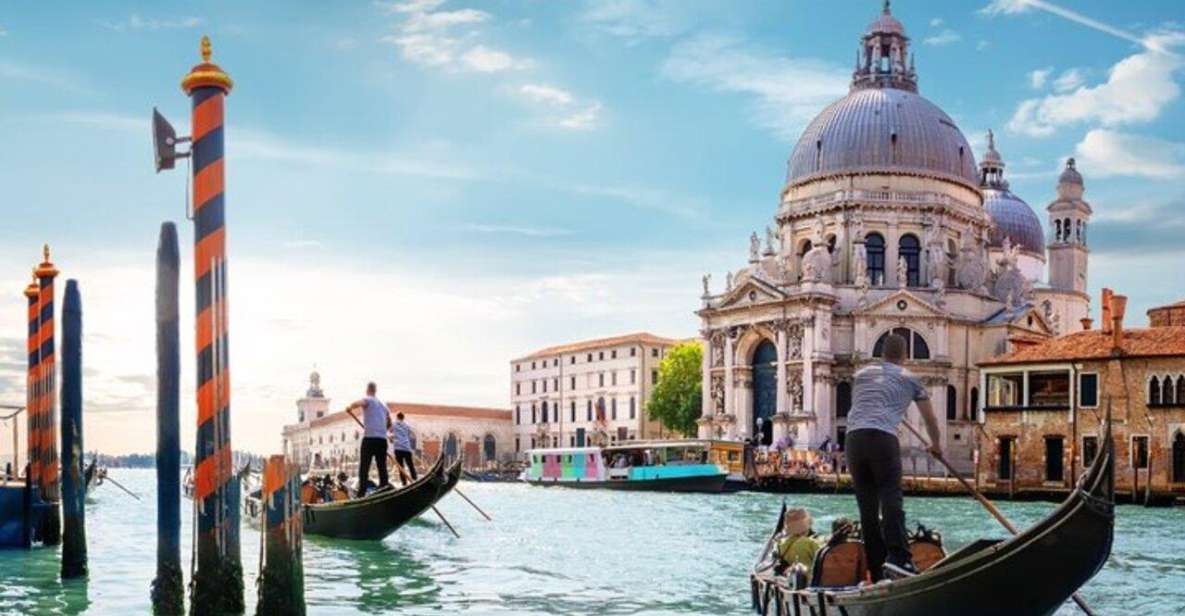
Then comes the San Giorgio side of the story, tied to San Giorgio Maggiore and the quiet retreat feel of San Giorgio Island. This part of the walk gives you breathing room from the busiest routes, and it also gives you a “why Venice is Venice” moment: water views, a wider sense of space, and the feeling that the city is built to look different from every angle.
You’ll want a camera ready, but also a couple minutes of patience. The best views are the ones you don’t rush. This is where the tour earns its keep: it uses the walk to get you to a viewpoint that feels like a reward, not just another sight.
Also, this section helps you understand Venice as a city of water in a more physical way. You see how the island perspective changes what you notice—structures, reflections, and the way sightlines open up.
Courtyards, street art, and lesser-known churches: what you learn by watching
A big reason to book a guided walk in Venice is that the city trains your eyes. Without context, you might treat courtyards and side doors like background. With a guide, they become clues: how people moved through spaces, how craft shows up in everyday places, and how neighborhoods evolve over time.
You can expect:
- Courtyard architecture that’s tucked away from the main street
- Lesser-known churches with different craftsmanship you wouldn’t necessarily seek out alone
- Street art that reflects the neighborhood’s present-day culture
Street art often gets dismissed as random decoration, but in places like Dorsoduro it can act like a timeline. It tells you what the neighborhood values right now. And the guide connects those contemporary touches to the area’s broader story, so you don’t feel like you’re looking at two separate Venices.
About churches: they can be visually similar until someone tells you what to look for. This tour is designed to help you notice those differences—materials, details, and the way each church fits the district.
You can also read our reviews of more guided tours in Venice


Local hangout tips: turning a 2-hour tour into a day plan
One of the most practical parts of this experience is what happens after the last stop. The guide shares insider suggestions for places locals favor—cozy cafes and picturesque squares—so you’re not stuck guessing what’s worth your time once you finish the walk.
This is where value shows up. A $29 tour can feel too small if it only delivers photos. Here, you’re buying direction. You get ideas you can follow immediately, plus a better sense of where to wander next inside Dorsoduro.
It’s also a morale booster. Venice can drain you with decision fatigue, especially when you’re choosing lunch and trying to avoid tourist-priced menus. A good recommendation takes that stress away.
Price and time: is $29 for 2 hours a good deal?
At around $29 per person for 2 hours, this sits in the “worth it if it guides your eyes” category. You’re not paying for a museum ticket or a meal included. You’re paying for route design and interpretation—someone to connect the street layout, architecture, and neighborhood culture into something coherent.
In that sense, the real value depends on the guide quality. The positive feedback focuses on guides who bring the city to life with history and personal touches. Names that have stood out include Nicoletta, Wayne, and Ornella, with multiple guests praising how these guides shared their love for Venice and offered strong recommendations after the tour.
The caution comes from one contrasting experience where the tour felt more like walking without meaningful explanation. So if you care a lot about commentary, choose your language option carefully and go in expecting a conversation, not just a procession.
Language, group style, and comfort factors that matter
This tour runs with a live guide in English, French, Spanish, or Italian. It’s also wheelchair accessible, and private group options are available, which can be a smart move if you’re traveling with limited mobility, a family group, or anyone who wants a slower pace.
Comfort still matters even when a tour is accessible. Bring comfortable shoes and weather-appropriate clothing. Venice weather can flip quickly, and your clothing choice will affect how long you enjoy the walk.
If you’re the type who likes questions, the private group option can be especially useful. For a short 2-hour outing, getting answers in real time can make every stop feel more tailored.
Who this Dorsoduro tour suits best
You’ll get the most from this experience if:
- You want Venice that feels more neighborhood than checklist
- You care about architecture, courtyards, and the story behind what you see
- You like street art and don’t want it treated as an afterthought
- You want a practical plan for cafes and squares right after the tour
It might be less ideal if you’re mostly chasing only the biggest famous landmarks with minimal walking. This is Dorsoduro-focused and meant to show another side of Venice, not to cover the whole city.
Also, if you strongly prefer highly detailed commentary all the way through, you’ll want to choose the language you’re most comfortable with and set expectations that the guide will do more than point. The format can land very differently depending on how the guide delivers.
Should you book this Venice Dorsoduro guided walking tour?
Yes, I’d book it if your goal is to understand Dorsoduro rather than just photograph it. The combination of Palazzo Zenobio degli Armeni, San Giorgio Maggiore/Island views, and the courtyard-and-church stops is a smart use of 2 hours, and the local cafe guidance is the kind of bonus that makes the tour pay off later in your day.
Skip it or reconsider if you know you’re disappointed by tours that feel like a walk with little explanation. This experience can be great when the guide brings strong context, and weaker when the commentary doesn’t land. If you care about learning as much as seeing, lean toward the sessions where language and interpretation feel solid.
If you’re staying in Venice for more than a couple days, this is a strong pick because it gives you a neighborhood base for wandering afterward.
FAQ
How long is the Venice Dorsoduro guided walking tour?
The tour lasts 2 hours.
Where in Venice does the tour focus?
It focuses on the Dorsoduro neighborhood, exploring streets around Campo Santa Margherita and nearby areas.
What stops and sights are included?
You’ll visit major Dorsoduro highlights such as Palazzo Zenobio degli Armeni and San Giorgio Maggiore, along with other lesser-known churches, courtyards, and local spots.
Is food or drinks included?
No. Food and drinks are not included.
What languages is the live guide available in?
The live guide is available in English, French, Spanish, and Italian.
Is the tour wheelchair accessible?
Yes, the tour is listed as wheelchair accessible.
How does cancellation work?
You can cancel up to 24 hours in advance for a full refund.