REVIEW · VENICE
3-hour Best of Venice Highlights Private Walking Tour
Book on Viator →Operated by Private Tours of Venice · Bookable on Viator
Venice makes sense fast with a pro guide. This private walk is led by a professional art historian, so you don’t just see sights—you understand why they matter.
I like two things right away: the stop-by-stop way you get your bearings around St Mark’s Square, and the time you spend at Rialto Bridge without feeling rushed. The guides I’ve heard named in this tour lineup—Valentina, Michaela, and Ivano—are praised for being upbeat, funny, and seriously informed.
One possible drawback: you do a lot of outdoor walking, and you must follow the strict dress code for churches and selected museums (no shorts, and knees plus shoulders covered).
In This Review
- Key things I’d pay attention to
- A 3-hour Venice reset: how this private walk pays off
- Where it starts and ends (and why that’s helpful)
- Piazza San Marco: using St Mark’s Square as your Venice map
- What you should watch for
- Campo Santa Maria Formosa: a quieter church field with a big origin story
- Why this stop works for first-timers
- Fondamenta Nove promenade: lagoon views that reset your perspective
- What you’re looking at (and why it’s cool)
- Basilica dei Santi Giovanni e Paolo and Colleoni statue: power in stone
- The Colleoni statue details worth knowing
- A practical note for your photos
- Ponte di Rialto: the skyline symbol and the old trading heart
- Why this stop is more than a photo break
- Managing crowds and time at Rialto
- Why the route beats a typical highlights walk
- The guide’s delivery style matters
- Price and value: what $350.91 per person gets you
- Who this price makes sense for
- One small reality check
- Practical matters: dress code, walking comfort, and the €5 access fee
- Dress code: do it before you leave your lodging
- Expect outdoor walking
- The Venice access fee: check before you plan your day
- If you’re booking early
- Who should book this private Venice highlights tour
- Should you book this tour?
- FAQ
- How long is the 3-hour Best of Venice Highlights private walking tour?
- What’s included in the tour price, and are there any admissions or meals?
- Is the tour private?
- Do I need to follow a dress code?
- Is there a Venice access fee on certain dates?
- Can I cancel for a full refund?
Key things I’d pay attention to
- Art historian guidance that connects buildings, statues, and Venice’s power systems to what you’re seeing.
- Private, only-your-group pacing, which makes it easier to slow down for photos, questions, or the stuff you care about most.
- An itinerary longer than the usual checklist, with real “look closer” moments instead of quick photo stops.
- Lagoon-and-island views at Fondamenta Nove, a nice break from the busiest central streets.
- Rialto in context, including why this bridge was once the only crossing across the Grand Canal.
- Dress code compliance matters, because Venice can refuse entry even on short itineraries.
A 3-hour Venice reset: how this private walk pays off
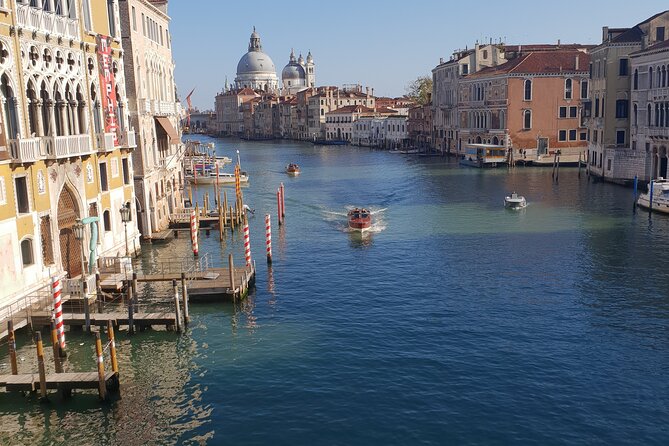
If Venice feels like a maze on day one, this is the kind of tour that helps your brain stop panicking. In just about three hours, you move through five high-impact areas and you leave with a mental map: where the money moved, where the power sat, and why the architecture looks the way it does.
What makes this tour a practical value is the mix of big-name sights with a guide who actually explains the “how” and “why.” You’re not just ticking boxes. You’re learning how the lagoon shaped the city, how religious and civic institutions left their marks, and how a single bridge can become the emotional center of an entire trading world.
And because it’s private, you’re not negotiating for attention. Your art historian guide can adjust the pace to your group, answer your questions, and point out details you’d normally miss while dodging crowds.
You can also read our reviews of more walking tours in Venice

Where it starts and ends (and why that’s helpful)
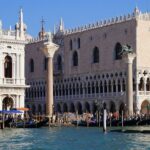
You meet in Piazza San Marco and the tour ends back at the meeting point. That matters because you’re anchored in Venice’s “reference point.” Even if you’ve never been before, St Mark’s Square gives you an orientation anchor for the rest of your day—especially if you want to wander afterward.
Also, you’ll get pickup and drop-off from designated meeting points, plus the tour is listed as outdoor walking. So plan on comfortable footwear and expect the route to be mostly at walking pace through pedestrian streets and plazas.
Piazza San Marco: using St Mark’s Square as your Venice map
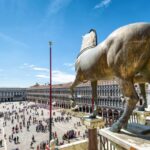
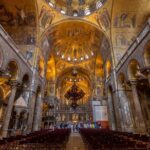
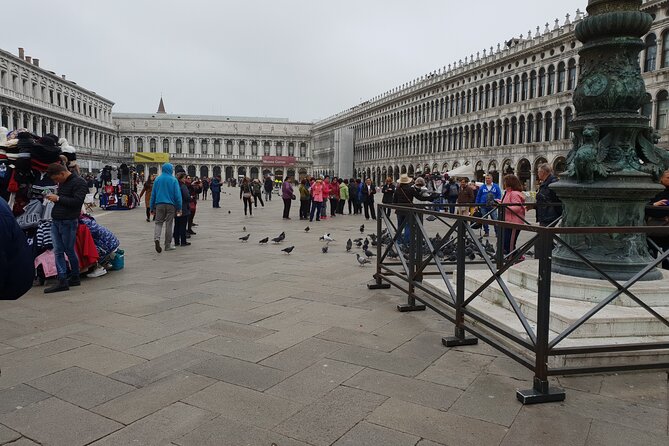
St Mark’s Square is the obvious first stop—and it works better as a first stop than as a late one. Early on, it helps you understand the city’s geometry. Later, after you’ve seen the surrounding districts, you start noticing how everything “points back” to the square’s civic and religious roles.
You’ll spend about 40 minutes here, and the focus isn’t only beauty. It’s reading the architecture like a visual language. Think of it as learning the punctuation marks of Venice: domes, facades, and the way the square signals authority.
What you should watch for
Even without being an architecture nerd, you can get a lot out of this stop if you pay attention to:
- Where ornament appears most heavily (often tied to status and patronage)
- How buildings frame sight lines across the square
- How the religious and civic meanings overlap in the same public space
If you’ve already seen St Mark’s on another day, it’s worth knowing that some guides are reported to customize priorities. The key idea: ask what you want emphasized and your guide can often steer the focus toward other “Venice you can’t Google” corners.
Campo Santa Maria Formosa: a quieter church field with a big origin story
Next comes Campo Santa Maria Formosa, a 30-minute stop that feels calmer than St Mark’s, but it’s not small in importance. This is where tradition ties the site to the early era of the lagoon’s church-building: it’s described as the first of the lagoon’s eight churches to be built.
That kind of detail matters because Venice didn’t grow like a normal land city. It grew through islands, water access, and institutions that could organize community life in a complicated environment.
You can also read our reviews of more private tours in Venice
Why this stop works for first-timers
This is the part of the tour that helps you stop thinking of Venice as only postcard scenes. In the square-and-church rhythm of Campo Santa Maria Formosa, you start noticing:
- how Venetian neighborhoods organize around public spaces
- why churches are more than religious buildings
- how the lagoon story shows up in the city’s layout
It’s also a good chance to catch your breath before the tour heads toward more open, view-based ground.
Fondamenta Nove promenade: lagoon views that reset your perspective
Then you shift to Fondamenta Nove, where the tour gives you about 30 minutes on a long promenade along the water.
This stop is valuable because it changes your visual angle. Venice isn’t just streets and facades. It’s also water routes, shifting edges of islands, and long views that explain why people built the city where they did.
What you’re looking at (and why it’s cool)
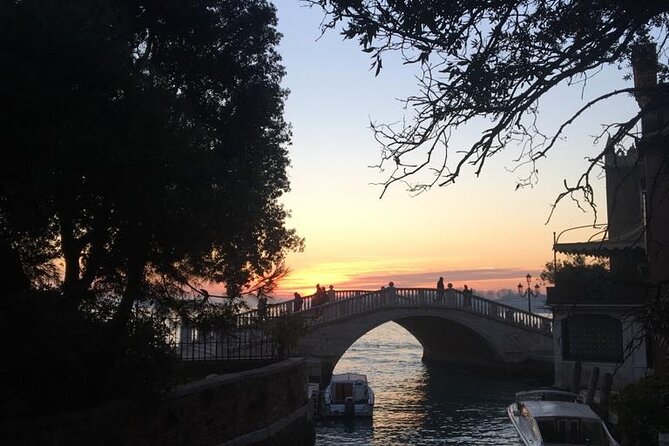
Fondamenta Nove is described as offering wonderful views across the North Lagoon Islands and Murano. That’s not just scenic. It’s practical context for how Venice functioned: trade, movement, and daily life were shaped by water, not highways.
If you tend to get “Venice overload,” this is one of the best moments to slow down. Stand, look, and let the guide’s explanation connect the water geography to the architecture you’ve already seen.
Basilica dei Santi Giovanni e Paolo and Colleoni statue: power in stone
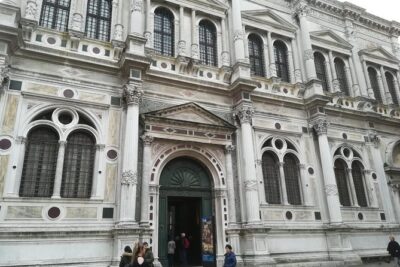
This is one of the most interesting stops on the walk because it layers several kinds of Venice meaning into a tight footprint. You’ll spend about 30 minutes at the Basilica dei Santi Giovanni e Paolo area, located in Campo San Giovanni e Paolo.
Here’s the big reason people love this part: you get religion, civic institutions, and political symbolism all in one cluster. The stop includes:
- the Church
- Scuola Grande di San Marco, one of the six Scuole Grandi
- the Majestic Hospital
- and the famous Equestrian statue of Bartolomeo Colleoni
The Colleoni statue details worth knowing
If there’s one “wow” detail you should not miss, it’s this: the Bartolomeo Colleoni statue is 4 meters tall and is described as the only monument of an actual person created during the time of the Serenissima. Even more specific, it’s also described as the first equestrian statue standing on three feet.
When your guide connects that to what the Serenissima valued—status, public display, and who was allowed to be remembered—you start seeing why this statue feels unusually powerful. It’s not random decoration. It’s messaging.
A practical note for your photos
Church areas can be crowded, and light changes quickly in Venice. If you’re photographing, it helps to ask your guide when to move—guides who know the space can steer you to better angles without wasting time.
Ponte di Rialto: the skyline symbol and the old trading heart
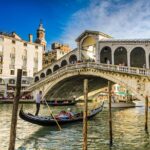
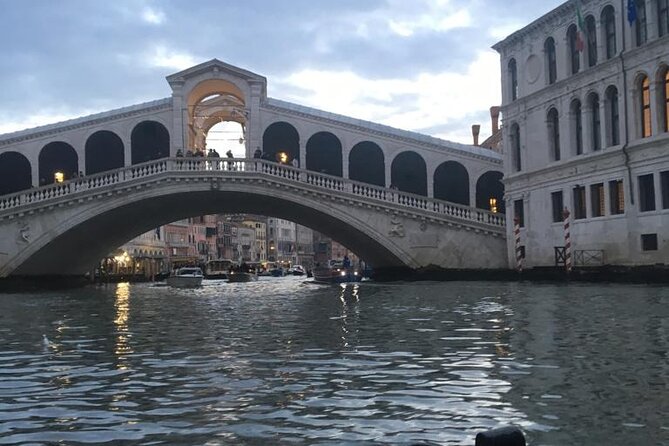
Finally, you get Rialto Bridge, with about one hour here. Rialto is Venice’s iconic skyline symbol and, historically, it mattered commercially and logistically.
The tour description includes a crucial context point: until the 19th century, Rialto was described as the only bridge connecting the two sides of the Grand Canal. That turns a bridge into more than a landmark. It becomes infrastructure that shaped how people and goods moved.
Why this stop is more than a photo break
A guide-led hour at Rialto is useful because you’re not just looking at the bridge—you’re learning to read the surrounding space as a trading hub. Your guide can point you toward:
- the geometry of the canal crossing
- how streets funnel toward the bridge
- why the area became the city’s commercial heartbeat
The stop is also described as a short walk from Marco Polo’s House. Even if you don’t go inside, it adds a human thread to the trade story. Venice’s wealth and influence weren’t imaginary—they were built by networks, and Polo’s name keeps showing up in that big narrative.
Managing crowds and time at Rialto
Rialto is popular, so expect foot traffic. The smart move is to let your guide set the pace at the start, then use the rest of your hour for a slower look once you understand what to notice.
Why the route beats a typical highlights walk
A lot of “highlights” tours feel like a slideshow: quick glance, quick move, quick goodbye. This one is different because it gives you enough time at each stop to understand what you’re looking at.
You also get a mix of:
- civic power (St Mark’s Square)
- lagoon-era religious grounding (Campo Santa Maria Formosa)
- water geography (Fondamenta Nove)
- institutional Venice (church + Scuole Grandi + hospital context)
- commercial infrastructure (Rialto Bridge)
That’s a smart pattern. It helps you see Venice as one connected system instead of five separate postcards.
The guide’s delivery style matters
From the named guides people have reported for this experience—Valentina, Michaela, Ivano—the consistent theme is that the explanations are not dry. People describe guides as funny, friendly, and professional, and at least some guides use visuals (like pictures) to make what they’re saying easier to follow.
When your guide can connect the big historical picture to small, understandable details, the whole walk stops feeling like a lecture and becomes a way to orient yourself fast.
Price and value: what $350.91 per person gets you
At $350.91 per person for a 3-hour private walking tour, the sticker price is not subtle. But private tours in Venice often cost more because the value is tied to expert guidance, not transportation.
Here’s what you’re paying for, based on what’s included:
- a local guide and a professional art historian guide
- local taxes
- pickup and drop-off from designated meeting points
- an outdoor walking tour paced for your group
And importantly: the stops list admission ticket free time at each point. So you’re not burning your budget on separate attraction entry fees for this specific route (though the tour itself does not include food or drinks).
Who this price makes sense for
This tour makes the most sense when you:
- want a structured orientation without building an itinerary from scratch
- care about architecture, monuments, and how Venice’s institutions worked
- prefer private attention over group logistics
It’s less of a bargain if your group only wants quick sightseeing with minimal explanation. If that’s your vibe, you might prefer a cheaper walking tour option and add museums later. But if you want your time to “click” into place, this is the kind of guided format that can justify the cost.
One small reality check
Even with a private route, Venice is still Venice: streets, crowds, and the occasional slowdown. The guide helps you make those minutes count by pointing you to what to notice first.
Practical matters: dress code, walking comfort, and the €5 access fee
There are a few details that can make or break the experience.
Dress code: do it before you leave your lodging
Places of worship and selected museums require a strict dress code: no shorts and no sleeveless tops. Knees and shoulders must be covered for both men and women. The guidance is clear that you may be refused entry if you don’t comply. So if your plan includes church stops, bring a light layer that covers your arms and legs.
Expect outdoor walking
This is an outdoor walking tour, so footwear is key. Even if the pace is manageable, Venice streets can be uneven, and you’ll want shoes that handle stone and cobbles.
The Venice access fee: check before you plan your day
There’s mention of a €5 access fee on certain dates for people staying outside Venice who are visiting for the day. You can check exact dates and exemptions at https://cda.ve.it. If you’re day-tripping, don’t assume your ticket covers it—read the local rules and plan accordingly.
If you’re booking early
The tour is described as commonly booked around 100 days in advance. In practice, that’s your sign that you should reserve sooner rather than later, especially if your dates are fixed and you want a specific departure time.
Who should book this private Venice highlights tour
This is a good fit if:
- you’re visiting for the first time and want a fast, guided orientation
- you like art, architecture, and monument symbolism (churches plus state-power vibes)
- you prefer a route designed for learning rather than just photos
- you value a guide who can tailor focus to your group’s questions and interests
It might be less ideal if:
- your group hates walking or needs lots of rest breaks
- you’ll struggle with the dress code rules
- you don’t want explanations and just want to roam independently
Should you book this tour?
Book it if you want your Venice day to feel organized, even when Venice is chaotic. The mix of St Mark’s, a quiet church field, a lagoon promenade, an institutional monument cluster, and Rialto makes it a strong “big-picture to close-up” arc.
Skip—or at least reconsider—if your group only wants casual sightseeing with zero structure. The price works best when you’ll actually use the art historian context to understand what you’re seeing.
FAQ
How long is the 3-hour Best of Venice Highlights private walking tour?
The tour lasts approximately 3 hours.
What’s included in the tour price, and are there any admissions or meals?
The tour includes a local guide, professional art historian guide, local taxes, and pickup and drop-off from designated meeting points. It’s an outdoor walking tour. Food and drinks are not included, and the listed stops show admission ticket free.
Is the tour private?
Yes. It’s listed as a private tour/activity, so only your group will participate.
Do I need to follow a dress code?
Yes. A dress code is required for places of worship and selected museums. No shorts or sleeveless tops, and knees and shoulders must be covered to avoid possible refused entry.
Is there a Venice access fee on certain dates?
On certain dates, some visitors staying outside Venice and visiting for the day may need to pay a €5 access fee. Details and exemptions are listed at https://cda.ve.it.
Can I cancel for a full refund?
Yes. Cancellation is free, and you can cancel up to 24 hours in advance for a full refund. If you cancel less than 24 hours before the start time, the amount paid is not refunded.