REVIEW · VENICE
Venice City Center Guided Walking Tour – Semi-Private 12ppl Max
Book on Viator →Operated by Babylon Tours Venice · Bookable on Viator
Venice can feel like a stampede. This tour slows things down with a semi-private group (12 max) and a route that trades some of the biggest crowds for local lanes and squares. I like that you get classic sights at a smart pace, then shift into neighborhoods where the city feels more like daily life than a theme park. One thing to consider: it is still a lot of walking on uneven streets and bridges, and it is not available for wheelchairs.
I especially like the way the guide connects what you see to what it means—starting around Piazza San Marco and moving toward the Ghetto Ebraico for cultural context you usually don’t get on quick sightseeing loops. The other big win is flexibility: with a small group, you can linger for photos and viewpoints without being herded. The possible drawback is simple: there are no hotel pickup or drop-off, so you’ll need to show up at the meeting point on your own.
In This Review
- Key points before you go
- Why a 12-Person Walk in Venice Feels Different
- Starting at St Mark’s Basilica Plaza: Get Your Bearings Fast
- Ponte di Rialto to San Giacomo di Rialto: Classic Views, Short Stops Done Right
- The Wooden Bridge Moment: Ponte de Chiodo and the Fun of Small Detours
- Palazzo Mastelli o del Cammello: A Camel Relief That Raises Questions
- Chiesa della Madonna dell’Orto: Gothic Quiet and Tintoretto-Linked Art
- Cannaregio: Where the City Feels Like It Lives
- Ghetto Ebraico: Jewish History and Culture With Context
- Ponte delle Guglie and San Geremia: A Strong Visual Finish
- Price and Value: What $61.88 Buys You in Venice
- What to Know So You Don’t Feel Rushed
- Should You Book This Semi-Private Venice City Center Tour?
- FAQ
- Where does the tour start and end?
- How long is the Venice City Center Guided Walking Tour?
- What is the group size limit?
- How much does it cost?
- What language is the tour offered in?
- Is the tour accessible for wheelchair users or those with walking disabilities?
- Is hotel pickup or drop-off included?
- Is this tour refundable if plans change?
Key points before you go
- 12-person max keeps the pace human and the guide easier to ask questions
- Quieter route choices through lesser-frequented alleys and local squares
- Ghetto Ebraico context for Jewish history and culture beyond standard guidebook notes
- Photo-friendly canal crossings including Ponte di Rialto and Ponte delle Guglie
- Church stops with real art focus, including work associated with Tintoretto at Madonna dell’Orto
- Professional guide + mobile ticket makes the tour feel organized even in busy Venice
Why a 12-Person Walk in Venice Feels Different
Venice rewards calm attention. In big groups, you get swept along and you miss the little spatial tricks of the city—how a canal view lands right after a corner, or how a square changes tone once you step away from the main drag. With a semi-private max of 12, you can actually take a breath, look up, and ask, where does this place fit into Venice’s story?
Another value point is the balance of “famous” and “useful.” You start at the most iconic center—St Mark’s area—so your bearings lock in fast. Then you work toward neighborhoods where locals meet for simple pleasures like cicchetti and spritz. That shift is not random; it’s the difference between seeing Venice and understanding how Venetians move through it.
Finally, this tour is built for moderate fitness. Venice sidewalks are uneven, and bridges add steps. You don’t need to be an athlete, but you should be comfortable walking for about 2 hours 30 minutes in historic terrain.
You can also read our reviews of more walking tours in Venice



Starting at St Mark’s Basilica Plaza: Get Your Bearings Fast
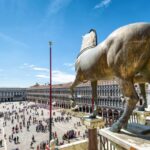
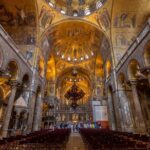
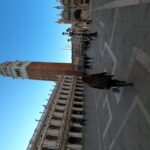
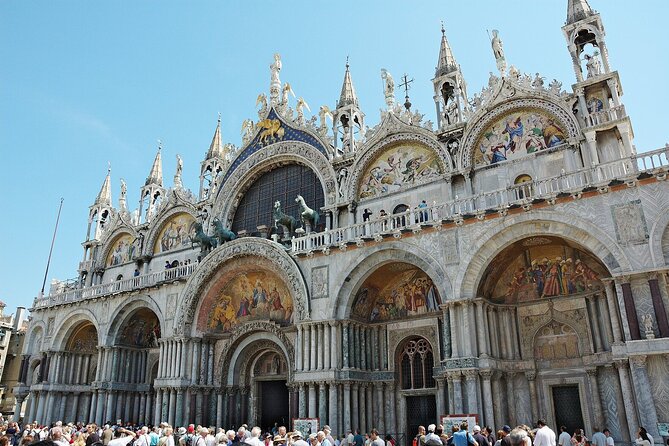
Your tour begins at Saint Mark’s Basilica, Piazza San Marco. This is the launch pad. Even if you’ve seen photos a hundred times, standing in this plaza gives you scale—how the buildings frame the space and how the area pulls in foot traffic from every direction.
Plan for a quick intro moment here. The stop is short, so think of it as orientation rather than a full sit-down tour. You’ll get the idea of why this square became the gravitational center of Venice, and the guide will set up what you’re about to see next: bridges, churches, and neighborhoods that connect back to the city’s center but feel less manufactured.
Ponte di Rialto to San Giacomo di Rialto: Classic Views, Short Stops Done Right
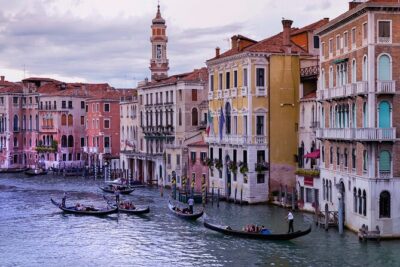
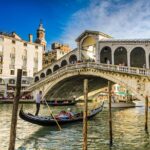
Next up is Ponte di Rialto. It’s famous for a reason: the bridge crosses the Grand Canal with enough drama to make you stop mid-step. The best part of having a guide is timing and direction. You’re not just standing somewhere random; you’re guided to where you can see the canal’s sweep and handle the crush without losing your morning.
Right after that, you’ll step into the area around Chiesa di San Giacomo di Rialto, where the mood shifts. Instead of the bridge’s landmark energy, you get something more human—church space plus market life nearby. It’s the kind of area where you can understand Venice as commerce and community, not just scenery.
A practical note: Rialto area crowding can be intense at peak times. The short stop style helps. You get to look, learn, and move before you feel trapped.
The Wooden Bridge Moment: Ponte de Chiodo and the Fun of Small Detours
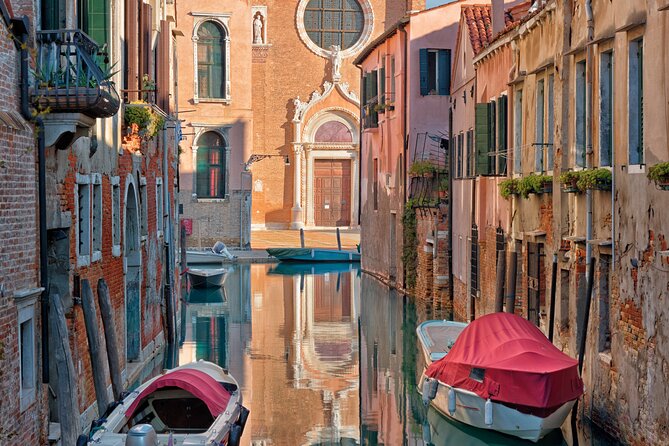
Then comes a turn you’ll appreciate if you like Venice’s smaller textures: Ponte de Chiodo. This is one of those crossings that doesn’t demand attention, but earns it once you’re there. A wooden bridge in a city known for stone and grand canal statements adds contrast—like switching from a loud room to a quieter one.
This is where the tour’s “local” goal starts to show. Less-frequented alleys and back lanes become the real stage. You’ll notice how the city’s canals guide movement and how narrow paths create little pockets of architecture and street life.
If you like photography, this is the kind of stop that’s underrated because it’s not plastered all over postcards. Yet it’s the sort of thing you’ll remember because it feels specific.
Palazzo Mastelli o del Cammello: A Camel Relief That Raises Questions
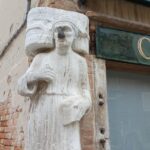
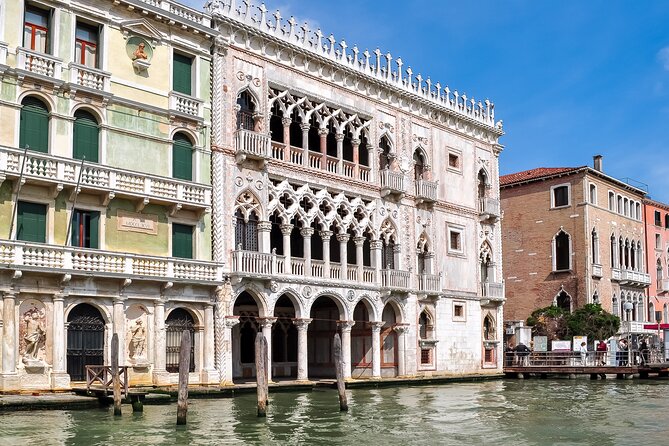
One standout stop is Palazzo Mastelli o del Cammello. The feature you’re looking for is a camel relief—an odd detail, and that’s exactly why it’s worth attention. Venice was built on trade, and symbols on buildings often point back to merchants, routes, and past occupations.
Even if you don’t love art history, I find this kind of landmark detail makes the city click. You start asking, why a camel? What kind of story did merchants want to signal? The guide helps connect the sign to the broader mercantile past, so it’s not just a quirky photo moment.
This is also where a small group helps. If you want an extra minute to look closely at carved details, you usually get it. In a large group, you’d barely glance before moving on.
You can also read our reviews of more guided tours in Venice



Chiesa della Madonna dell’Orto: Gothic Quiet and Tintoretto-Linked Art
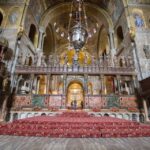
Next is Chiesa della Madonna dell’Orto, known as a serene Gothic church with standout art, including masterpieces associated with Tintoretto. Churches in Venice can feel like museums, but this one is particularly good for a guided stop because it gives you a framework: what you should notice first, and how the art connects to the space around it.
The main value here is pacing. You’re not stuck in a long worship-level visit, but you’re also not rushed through. You get enough time to locate the artwork and understand what makes the church special within Venice’s wider art scene.
If you’re short on time in Venice, this stop is a smart use of it. Instead of trying to master every church on your own, you get a focused look at one that’s worth it.
Cannaregio: Where the City Feels Like It Lives
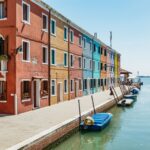
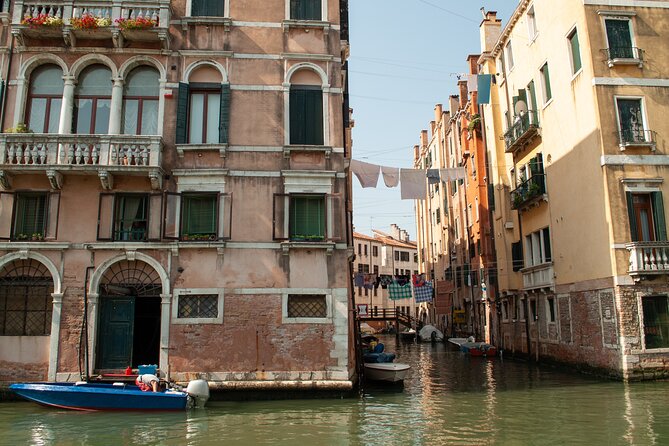
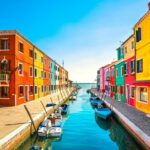
After the churches, the tour shifts toward Cannaregio, a district that feels more like what you came for: everyday Venice. This is where Venetians spend time. You’ll see the canals and streets that keep their daily rhythm, and you get the feeling of a city that doesn’t stop just because tourists show up.
What I like about this segment is that it makes Venice feel real, not just impressive. You can walk through without feeling like you’re passing through a single curated corridor. The guide also uses the neighborhood to explain how Venice’s spaces support daily habits—small gatherings, local routines, and that distinctive “street life” that happens around food and drink.
Also, Cannaregio is a good breather before the emotional gravity of the Ghetto.
Ghetto Ebraico: Jewish History and Culture With Context
The next stop is the Ghetto Ebraico, a historically significant area tied to Jewish heritage. This part of the tour matters because it provides cultural and historical context you’re unlikely to pick up from sight-only sightseeing.
In practical terms, you’ll move through the area with the guide’s framing so you understand why certain places and institutions mattered. This is the difference between walking past a label and grasping how a community shaped Venice’s social and cultural landscape over time.
Emotionally, it’s also a moment to slow down. The guide doesn’t just point at buildings; the goal is understanding. If you’re the type who likes history but hates dry lectures, this section is still usually manageable because you’re learning while walking through the real streets and looking at the places involved—synagogues and local sites connected with the museum area.
Ponte delle Guglie and San Geremia: A Strong Visual Finish
You’ll cross Ponte delle guglie, a stone bridge decorated with distinctive obelisks. Bridges are perfect tour anchors in Venice: they’re visual, they structure your movement, and they give you a “chapter break” between neighborhoods. Here, the obelisks add personality, turning a canal crossing into a memorable stop rather than a simple transition.
From there, you reach the endpoint area at Campo San Geremia, where the tour finishes at Chiesa dei Santi Geremia e Lucia. This square is lively and locally focused, with the church taking up the center of the frame. I like that the tour ends in a place where you can keep living in Venice after the guide leaves—you’re not dumped back in the busiest hub.
Price and Value: What $61.88 Buys You in Venice
At $61.88 per person for about 2.5 hours, you’re paying for more than directions. You’re paying for (1) a professional guide, (2) a semi-private format capped at 12 people, and (3) a route designed to reduce dead time in the worst crush zones.
The value gets better when you notice the stop list: the tour includes key sight areas where listed admission is free. That doesn’t mean Venice is cheap everywhere, but it helps keep your cost predictable during the walk.
The other “value” factor is the route itself. A standard Venice walk can bounce between the same three photo spots and call it a day. This one invests time in lesser-known bridges, a camel relief palace, and a church tied to Tintoretto. If you care about seeing Venice as a lived-in city—with Jewish heritage context included—this format earns its price.
What to Know So You Don’t Feel Rushed
A few real-world tips will make this smoother:
- Plan to arrive at Piazza San Marco with extra buffer time. The meeting point is near public transit, but Venice streets can slow you down.
- Wear shoes that handle uneven stones and bridge steps. Even with a moderate pace, you’ll feel the terrain by hour two.
- Bring a light layer. Venice weather can flip fast, especially near open canal spaces.
- If you’re photo-focused, aim to ask the guide where the best angles are before everyone crowds in.
Also, the tour is in English, so if that’s your language comfort zone, you’ll get the full explanation without guesswork.
Should You Book This Semi-Private Venice City Center Tour?
Book it if you want Venice with structure but not stiffness. The 12-person max, the blend of St Mark’s and Rialto with quieter detours, and the inclusion of Ghetto Ebraico context make it a strong option if you’ve already seen or plan to see the big-ticket sites but want more meaning behind them.
Skip it if you need wheelchair access, or if your mobility is limited. This tour is not available for wheelchairs, and it’s designed for a moderate walking level. Also, if you hate the idea of churches during your sightseeing, this may feel like more culture stops than you want.
If you’re deciding between a crowded highlights walk and something that trades speed for understanding, I’d lean toward this one. It’s paced for curiosity, and the route gives you a Venice that feels less like a checklist and more like a city you can actually sense.
FAQ
Where does the tour start and end?
The tour starts at Saint Mark’s Basilica in Piazza San Marco and ends at Campo San Geremia (near Chiesa dei Santi Geremia e Lucia).
How long is the Venice City Center Guided Walking Tour?
It runs about 2 hours 30 minutes.
What is the group size limit?
The tour is semi-private with a maximum of 12 guests.
How much does it cost?
The price is $61.88 per person.
What language is the tour offered in?
The tour is offered in English.
Is the tour accessible for wheelchair users or those with walking disabilities?
No. The tour is not available for those with walking disabilities or using a wheelchair.
Is hotel pickup or drop-off included?
No. The tour does not include hotel pickup or drop-off. You’ll need to meet at the start location and finish at the end location.
Is this tour refundable if plans change?
Yes. There is free cancellation, and you must cancel at least 24 hours in advance for a full refund.