REVIEW · VENICE
Easy Grappa Tasting in Venice
Book on GetYourGuide →Operated by Slow Travel · Bookable on GetYourGuide
A short grappa tasting is a surprisingly smart stop. This one is tightly focused: you taste three grappa styles and learn the history and production methods from a guide like Jessie, right in a spirits shop in Venice. I especially like how the tasting is structured, so you can connect what you smell and taste to what happens during production. The only real drawback is the time is brief, so you’ll want to come with curiosity (not a long wandering pace).
You’ll be in a small group of up to 8, so questions land fast. Plus, the meeting point is super convenient: it’s a quick walk from San Marco Square, and you end back where you started. If you’re hoping for a sit-down, slow-drink experience or a full deep history lecture, this format won’t feel that long.
In This Review
- Why This Grappa Tasting Feels Worth Your $14 in Venice
- Key Moments That Make the Tasting Memorable
- Meeting at Poli Grappa: The Easy San Marco Walk-In
- The 30-Minute Flight: Three Grappa Styles, Clear Differences
- 1) Young Grappa: Fresh, Unaged Character
- 2) Barrique-Aged Grappa: Oak Wood and Added Complexity
- 3) Naturally Infused Grappa: Flavor from Natural Ingredients
- What Jessie Teaches: History, Production Methods, and Better Tasting Notes
- Stop for Browsing: Buying What You Actually Like
- Price and Value: Why $14 Can Be a Smart Use of Time
- Who Should Book This Grappa Experience (and Who Should Skip It)
- Quick Planning Tips Before You Go
- Should You Book? My Take on the Best Use of Your Day
- FAQ
- How long is the grappa tasting?
- How many grappa types do you taste?
- Where is the meeting point in Venice?
- Is the tour offered in English?
- What’s the group size?
- Do you need to be a certain age to join?
- Is this activity suitable for everyone?
Why This Grappa Tasting Feels Worth Your $14 in Venice
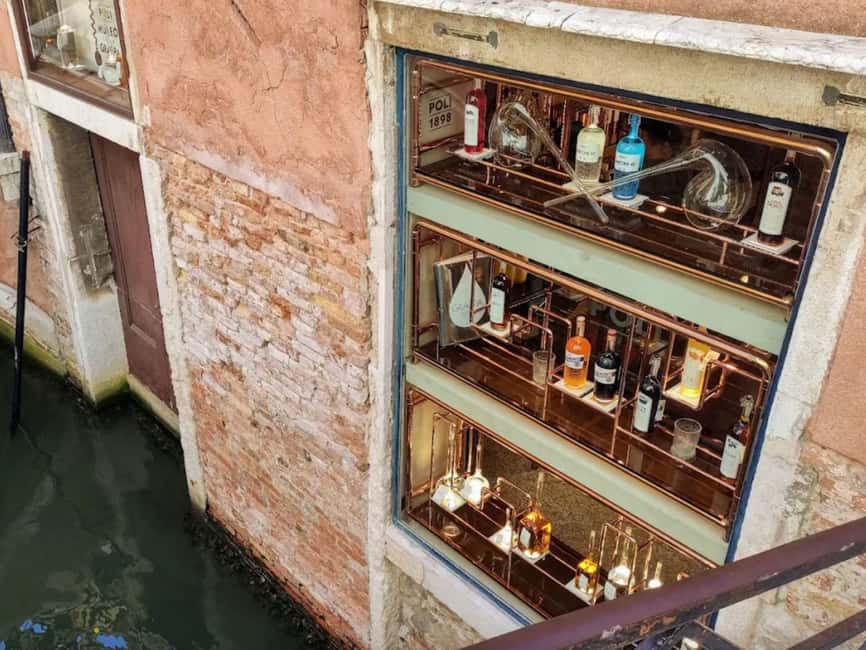
For $14, you’re buying a focused intro with actual comparisons. You’re not just sampling three cups of alcohol and hoping it sticks. You’re guided through young grappa, barrique-aged grappa, and a naturally infused style, and then you learn how those differences show up in the glass.
That matters in Venice, where time is often the limiting factor. A 30-minute tasting gives you a compact “Aha” moment you can carry into your next aperitivo conversation—especially if you like understanding what you’re drinking instead of guessing.
Key Moments That Make the Tasting Memorable
- Young grappa tasting that spotlights fresh, unaged character
- Barrique-aged grappa where oak wood changes aroma and taste over time
- Naturally infused grappa that shows how ingredients can shift flavor notes
- Jessie’s guided explanation of production methods and what to notice in each pour
- Small-group format (max 8) that keeps it interactive, not lecture-only
- A shop stop with time to browse so you can compare what you loved to what you might buy
You can also read our reviews of more food & drink experiences in Venice



Meeting at Poli Grappa: The Easy San Marco Walk-In
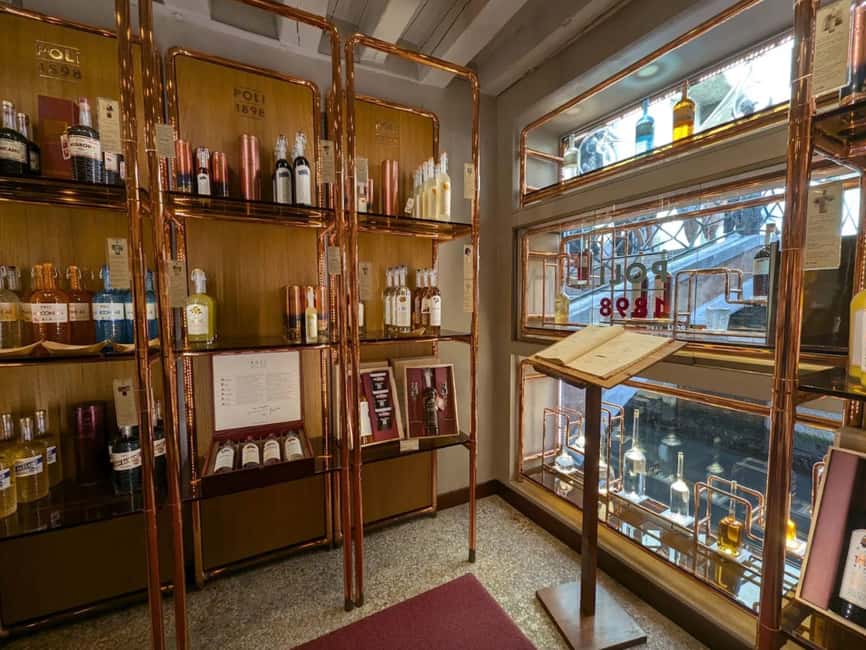
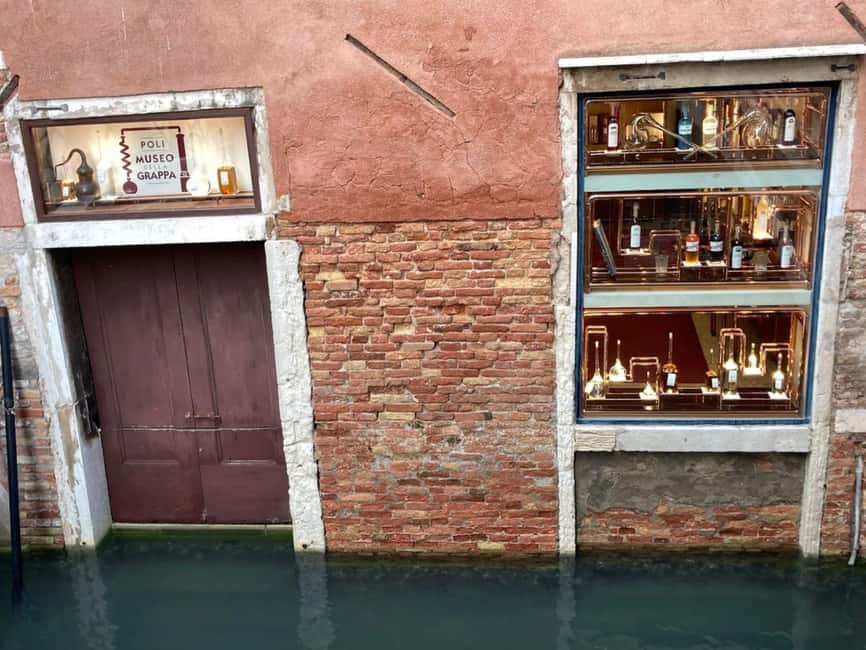
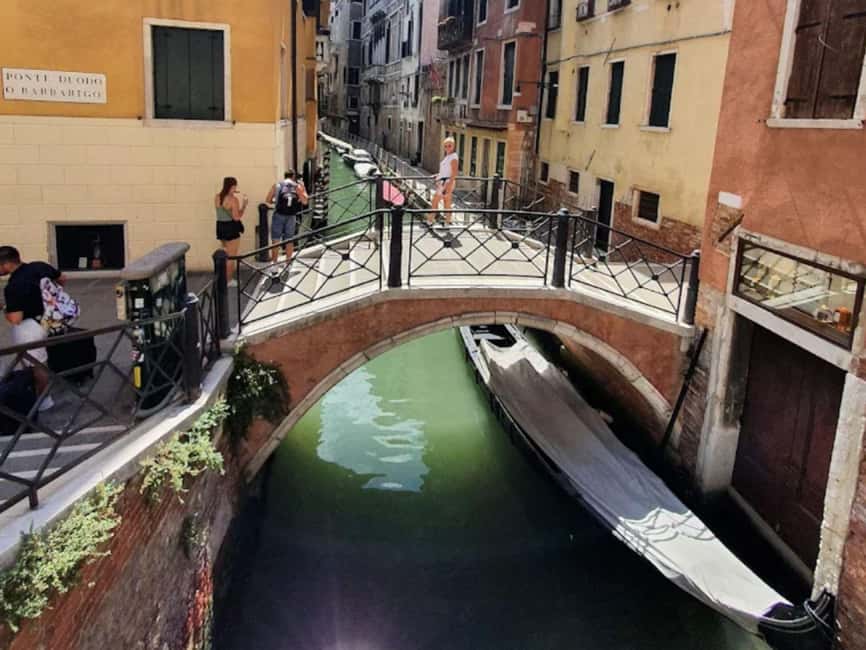
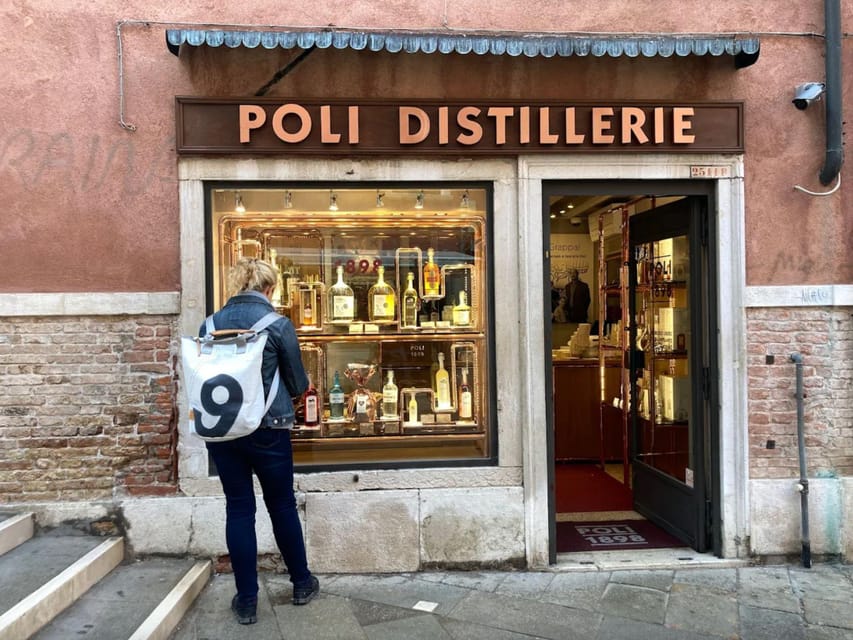
You’ll meet in Venice city center at Poli Grappa. The location is about 3 minutes on foot from San Marco Square, which is a big deal. If your day already includes St. Mark’s Basilica area crowds, this tour gives you a clean way to fit something thoughtful into a packed itinerary without complicated transport plans.
Since you also finish back at Poli Grappa, you avoid that “now I need to find my way again” feeling. It’s one of those small logistics wins that makes the experience feel calmer.
One practical note: plan for comfortable shoes. Venice streets can be uneven, and you’ll likely be standing while you listen and taste.
The 30-Minute Flight: Three Grappa Styles, Clear Differences
The experience centers on tasting three distinct grappa types. You’ll move through them with guidance, and you’ll also get tasting notes so you know what to look for next time you see grappa on a menu.
1) Young Grappa: Fresh, Unaged Character
Young grappa is the baseline. This is the style that shows the “essence of the grapes,” since it’s not aged in the way older spirits are. In tasting terms, this is where you typically notice the more immediate, straightforward fruit and spirit character, with less influence from wood.
Why this is useful: if you like this first pour, it gives you a direction for what you’ll probably enjoy later—whether that’s crisp and lively grappa styles or those with more mellow complexity.
2) Barrique-Aged Grappa: Oak Wood and Added Complexity
Next comes barrique-aged grappa. The key idea here is time in barriques, where oak wood adds aromatic and taste profiles. Even without overthinking it, you can usually feel the difference: aging tends to round edges and layer flavors.
This is the moment where many people shift from “tasting” into “noticing.” The guide can point out how the aroma changes and how the mouthfeel and finish evolve compared with the young pour.
Why you’ll probably remember this one: aged spirits often feel more structured, and it helps you understand why grappa isn’t just a quick shot after dinner.




3) Naturally Infused Grappa: Flavor from Natural Ingredients
The third pour is naturally infused grappa. Instead of relying on aging alone, this style gets a twist from natural ingredients, which changes the flavor profile in a different way.
The value here is contrast. After tasting young and barrique-aged grappa, you’re already trained to detect baseline grappa character. Then the infused style shows how ingredients can reshape what you perceive—so you can separate grape spirit traits from added flavor direction.
If you’ve never had infused spirits before, this is often the most fun glass of the session because it feels playful while still being tied to production choices.
What Jessie Teaches: History, Production Methods, and Better Tasting Notes
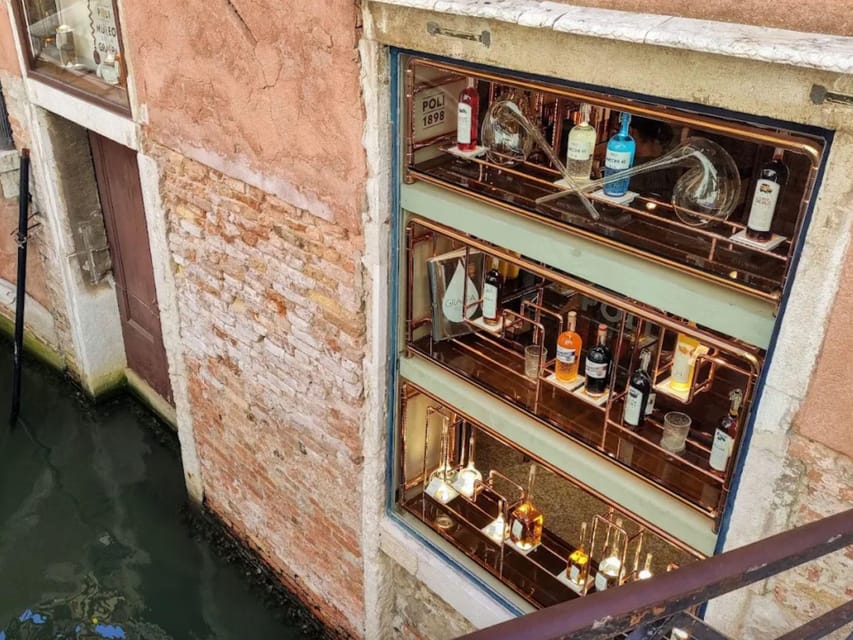
The real “tour” part isn’t just the pours. It’s the way the staff connects each grappa style to what’s happening behind the scenes—history and production methods—so you don’t leave with three tastes you can’t describe.
Jessie’s explanations are a standout in the experience. The guidance is clear enough that you’re not just told to taste. You’re coached to notice. That’s why the tasting feels educational without turning into a school lecture.
Here’s what you get from that guidance, based on what’s emphasized during the session:
- how production methods influence taste (especially when you compare young vs barrique-aged)
- what tasting notes to focus on for each style
- how grape varieties come into play, since the guide covers grape types used for the products
- what makes naturally infused grappa different in a practical, sensory way
If you want to be more selective, the experience can accommodate focus requests—like sticking mainly to young grappa or barrique-aged grappa, or focusing on infused liqueurs. That flexibility helps if you already know which style you’re most excited about.
Stop for Browsing: Buying What You Actually Like
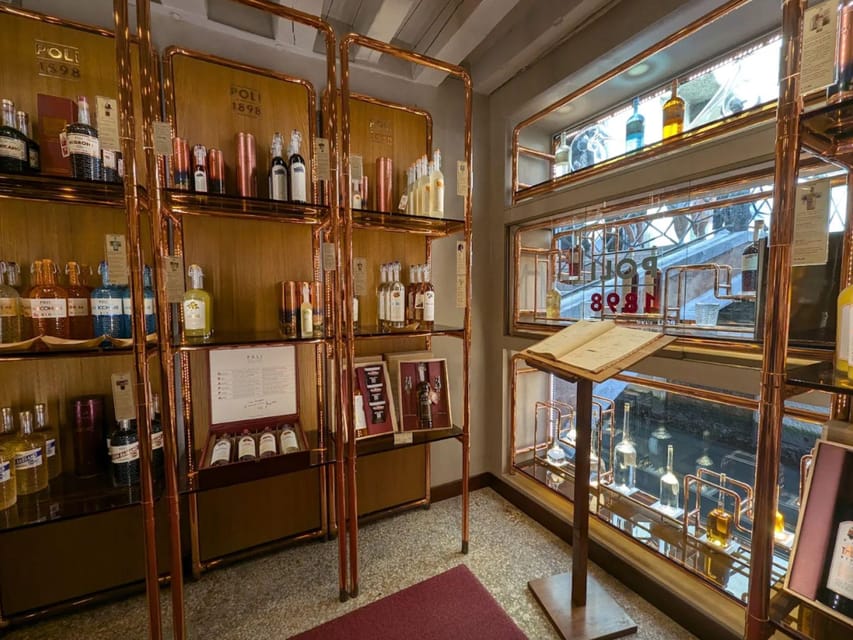
There’s also time in the shop for visiting and shopping. This is where a tasting becomes more than a temporary treat.
Instead of buying blind, you can:
- check bottles for the exact style you enjoyed (young, barrique-aged, or infused)
- look for how they’re presented and named
- ask questions about what to try next, using your own tasting impressions
This is especially useful in Venice, where you may see multiple grappa brands in gift-shop windows. A short tasting gives you a personal reference point. You’ll shop smarter because your palate has already been trained for 30 minutes.
One heads-up: the stop description includes the idea of a whiskey tasting in addition to shopping. The core activity is the 3-type grappa tasting, so if you’re traveling with tight expectations, it’s worth double-checking what’s included on your specific date.
Price and Value: Why $14 Can Be a Smart Use of Time
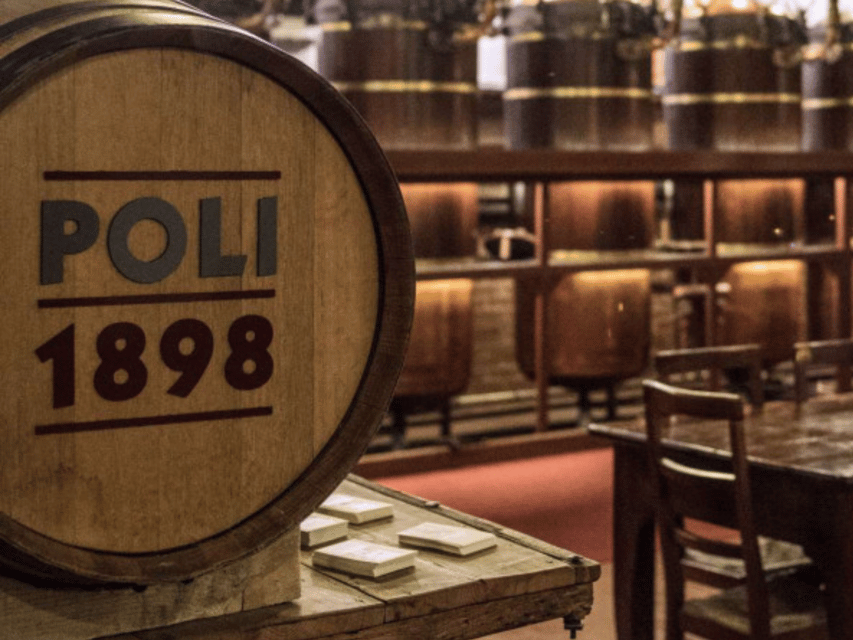
At $14 per person for a 30-minute guided tasting, the value comes from three things working together:
1) You get structured variety (three styles, not one)
2) You get explanation (history and production methods, plus tasting notes)
3) You get a small group (up to 8), which keeps the guide’s attention usable
Venice doesn’t hand out “cheap and meaningful” experiences easily. This one earns its price because it’s not just sampling. It’s a mini lesson that makes your next grappa encounter easier, whether that’s in a bar menu or a store.
If you’re the type who enjoys understanding the difference between drinks—aged vs unaged, wood influence vs infusion—this price feels fair.
Who Should Book This Grappa Experience (and Who Should Skip It)
This tasting is a strong fit if:
- you want a short, high-impact activity near San Marco
- you like food-and-drink experiences with explanations
- you enjoy comparisons (young vs barrique-aged vs naturally infused)
- you prefer small groups over crowded tastings
Skip it if:
- you’re under 18 (age verification is required)
- you’re pregnant (the activity is not suitable)
- you want a meal, since meals are not included
Also, if you’re sensitive to alcohol tastings, come with a plan. This is a tasting session, so expect to drink enough to actually notice differences.
Quick Planning Tips Before You Go
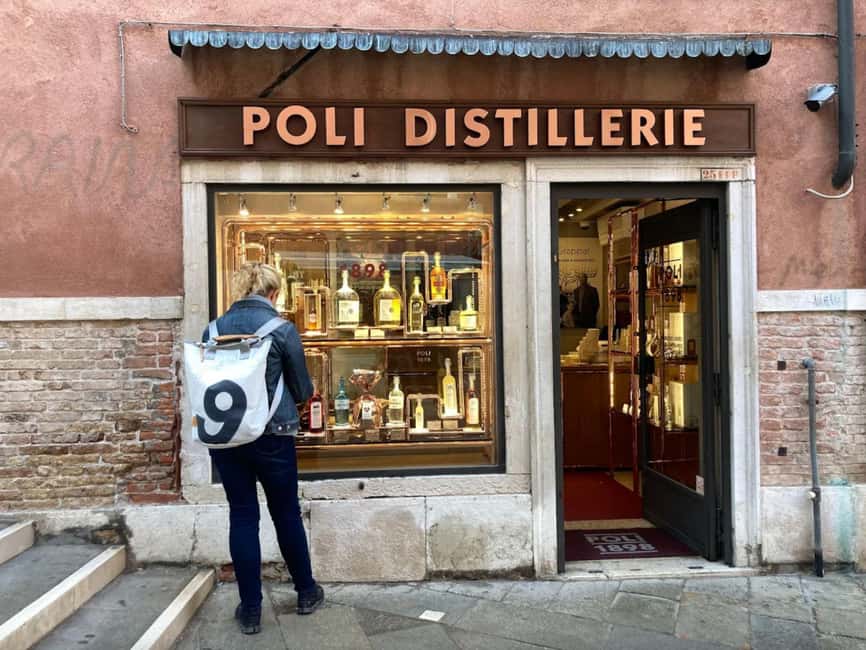
- Plan on about 30 minutes of tasting time.
- Expect the guide to speak in English and Italian, depending on the session.
- Bring comfortable shoes for uneven Venice walking.
- If you want a specific focus (young only, barrique-aged only, or infused), request it.
Should You Book? My Take on the Best Use of Your Day
Yes, I’d book it if you want a compact Venice stop that teaches you something real. The combination of three contrasting grappa styles and guide-led tasting notes makes it more memorable than a casual pour in a bar.
It’s also a great “between big sights” activity. When your day includes St. Mark’s area wandering and you’re craving something calmer and more personal, a 30-minute tasting fits nicely.
Only hold off if you need a longer format or you’re looking for food-pairing, a full museum-level history lesson, or anything that feels like a half-day event. For that, you’ll want something bigger than this.
FAQ
How long is the grappa tasting?
The tasting session lasts approximately 30 minutes.
How many grappa types do you taste?
You’ll taste three types of grappa: young, barrique-aged, and naturally infused.
Where is the meeting point in Venice?
You meet at Poli Grappa in Venice city center. It’s about a 3-minute walk from San Marco Square.
Is the tour offered in English?
Yes. The guide offers English and Italian.
What’s the group size?
It’s a small group limited to 8 participants.
Do you need to be a certain age to join?
Yes. Participants must be at least 18 years old, and ID is required for age verification.
Is this activity suitable for everyone?
It’s not suitable for children under 18 and not suitable for pregnant women.