REVIEW · VENICE
Venice Bacaro Food Tour: Eat and Drink like a Venetian
Book on Viator →Operated by Do Eat Better Experience · Bookable on Viator
This is the snack tour Venice deserves. You’ll bounce between locals’ bacari and taverns with a small group, tasting drinks and cicchetti in the Cannaregio area while you learn how Venetians eat and socialize. You can choose the late-morning lunch option or the early evening dinner option, so it fits your day instead of swallowing it.
What I love most is the small group size (about 10 people, with a maximum of 12) and how that keeps the tour personal. I also like the pacing: you’re not stuck at one restaurant for hours—you move through multiple stops, with at least four aperitivo-style drink-and-snack moments plus a sweet finish. One drawback to plan for: some servings are in tight spots and you may stand outside while you eat, depending on the venue and where the group fits.
In This Review
- Key things to know before you go
- Bacaro Basics: Why this 3.5-hour food walk feels so Venice
- Price and value: what $83.44 really buys you
- Route on foot: from Bartolomeo Colleoni to Campo S.S. Apostoli
- Stop 1: Basilica dei Santi Giovanni e Paolo (where the story starts)
- Stop 2: Calle de la Testa and the cicchetti + ombrà di vino moment
- Stop 3: Calle de la Malvasia at a historic osteria in an alley
- Stop 4: Calle de la Bissa and mozzarella in carrozza
- Stop 5: Salizada del Pistor for fresh, seasonal cicchetti
- Stop 6: Salizada San Giovanni Grisostomo for artisan gelato
- The menu you’ll actually taste: spritz, prosecco, cicchetti, and more
- Cannaregio aperitivo logic: why you feel full (but not wrecked)
- Guides can make or break it: pay attention to who’s hosting
- Practical advice: how to eat smarter on a Venice bacaro crawl
- Who should book this tour—and who might not love it
- Should you book the Venice Bacaro Food Tour?
- FAQ
- How long is the Venice Bacaro Food Tour?
- How many people are in the group?
- What’s included in the price?
- Where does the tour start and end?
- Can I participate if I have severe food allergies?
- How much drinking is involved, and is there an age limit?
- What happens if weather is poor?
Key things to know before you go
- Small group, big attention: limited to around 10 (max 12), so questions don’t get lost.
- A bacaro-style format: lots of short tastes, not one big plated meal.
- Cannaregio focus: at least four aperitivo stops in this neighborhood, away from the busiest foot traffic.
- Proper Venetian classics: spritz, prosecco, cicchetti, mozzarella in carrozza, and baccalà mantecato show up.
- End with gelato: you’ll cap the tour with artisan gelato at the last stop.
- Good walking time: moderate fitness helps, and you’ll be moving between alleys and squares.
Bacaro Basics: Why this 3.5-hour food walk feels so Venice
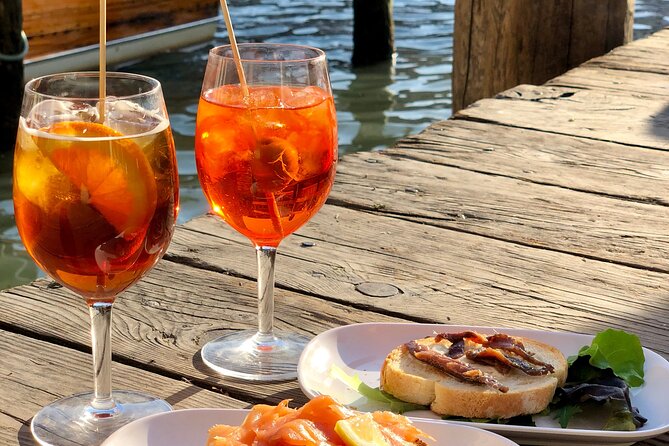
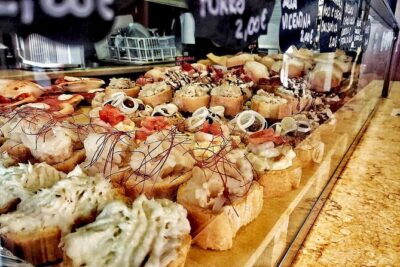
Venice can be tricky for food, especially if you only hit sit-down restaurants. Bacari are different. They’re casual, social, and built for snacking—small plates called cicchetti, plus the aperitivo drinks that keep things flowing.
That’s exactly why this tour works. You’re learning the rhythm of the city: arrive hungry, order like a local, take quick tastes, and let the walk connect the dots. The tour is also long enough (about 3 hours 30 minutes) to feel like a real experience, not a rushed “checklist” stop.
And because the group stays small, the guide can talk you through what you’re eating without turning the whole evening into a lecture. If your guide happens to be one of the favorites people mention—Beatrice, Emma, Nicola, or Marina—you’re likely to get lots of practical context and an easygoing vibe.
You can also read our reviews of more food & drink experiences in Venice



Price and value: what $83.44 really buys you
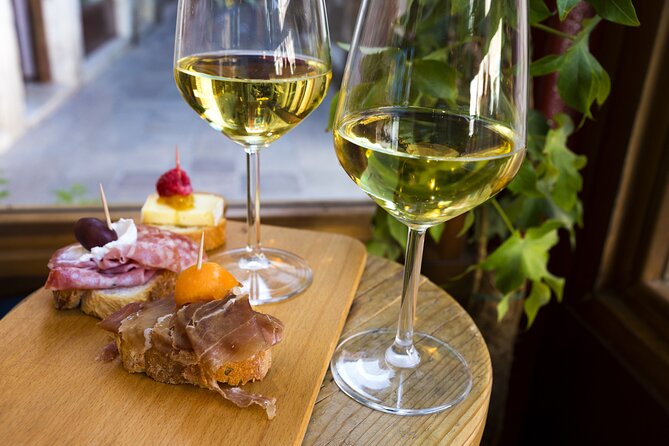
$83.44 is not cheap, but it also isn’t “just a tour.” This experience is built around included food and alcoholic beverages, plus water. You’re getting multiple tastings across several venues, not a single meal that costs a lot because of one location.
Here’s how that value shows up in real life:
- You’re paying for access to places you might not find on your own, especially the alleyway spots where bacari culture lives.
- You’re paying for structure so you don’t guess what to order. The tour includes the classics—spritz, prosecco, cicchetti, mozzarella in carrozza, and baccalà mantecato—and you taste them across different spots.
- You’re paying for pacing and timing. Each stop is about 30 minutes, so you can nibble, drink, and move before you feel stuffed—or bored.
If you’re the type who likes to sample more than one neighborhood or you’re new to Venetian snacking, this pricing makes sense. If you only want one sit-down meal, you might feel it’s more than you need.
Route on foot: from Bartolomeo Colleoni to Campo S.S. Apostoli
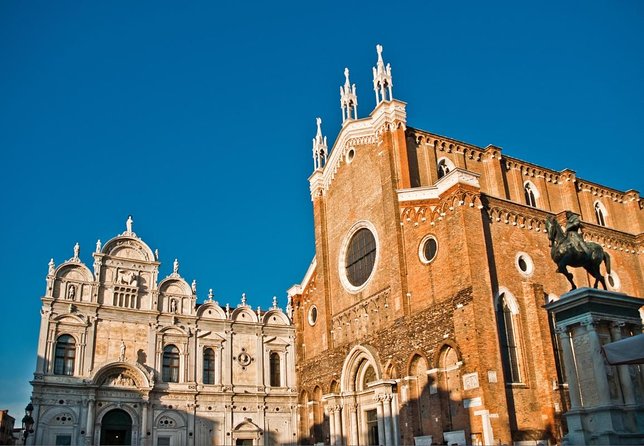
The tour starts at the equestrian statue of Bartolomeo Colleoni and ends at Campo S.S. Apostoli. That matters because Venice’s best experience often comes from connecting “micro-maps” on foot—church squares, quiet streets, and canal-side pockets—rather than riding everywhere.
You’ll do enough walking to feel like you’re moving through real neighborhoods. The tour asks for moderate physical fitness, and you should expect a mix of paved streets, narrow lanes, and some standing while you eat and drink. If you already know you hate standing or your feet get cranky fast, plan for breaks afterward.
Good news: the tour is listed as near public transportation, so if you need to adjust your day, it’s not an island with no escape route.
Stop 1: Basilica dei Santi Giovanni e Paolo (where the story starts)
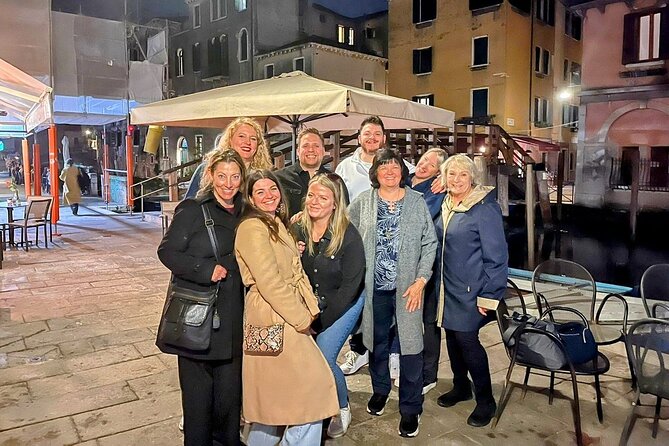
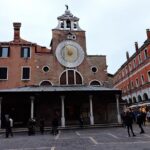
Your first meeting point is the Basilica dei Santi Giovanni e Paolo, a Gothic church in one of Venice’s pretty squares. You’ll meet your local food expert here, then spend about 30 minutes on-site.
This start does two smart things. First, it gives you a clear “baseline” for the tour so you know you’re going to focus on the city’s food culture, not just random bites. Second, it places you near an area that feels historic and local—so your later stops make sense as part of a living neighborhood.
Also, the admission ticket here is listed as free, which keeps the experience focused on eating rather than paying extra for sight time.
Stop 2: Calle de la Testa and the cicchetti + ombrà di vino moment
From there you head along Calle de la Testa to a cozy, authentic tavern known for cicchetti. This is your first real “order and eat” stop, and it sets the tone.
You’ll get traditional flavors served with a modern twist, paired with a classic Venetian drink: omb r à di vino. In Venice terms, this is about grabbing a small pour of wine—often the house style—so you can snack and keep moving.
What to watch for: the tour is designed for quick tastes. Don’t plan to “take your time” like you would at a restaurant table. Think of this stop as your training wheels. Once you feel the rhythm, the rest of the evening gets easier.
You can also read our reviews of more tours and experiences in Venice


Stop 3: Calle de la Malvasia at a historic osteria in an alley
Next you go to Calle de la Malvasia for a historic osteria—the kind that lives in a charming alley and feels like it belongs to regulars, not tourists.
Again, the focus is on cicchetti, plus the atmosphere of tavern life. This stop is where you really start noticing what makes bacari culture work: the food is small, the conversation is real, and the “meal” is made from multiple moments.
The practical upside: since the tour keeps tasting-focused, you don’t have to decide on one huge dish. If you’re the kind of eater who likes variety (or you can’t choose one favorite), this is ideal.
The only caution: as with many Venetian small venues, seating can be limited. If you’re sensitive to that, it helps to arrive with a flexible mindset—standing is part of the format.
Stop 4: Calle de la Bissa and mozzarella in carrozza
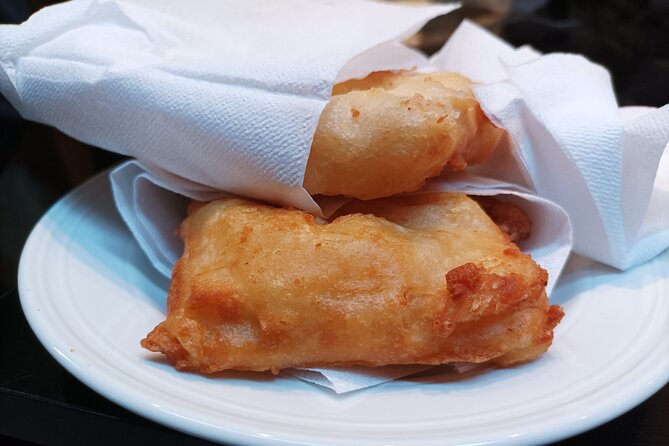
In Calle de la Bissa, you’ll hit one of the most famous rosticcerie on the route. Here you taste mozzarella in carrozza, a beloved Venetian comfort food.
It’s easy to love for one reason: it’s crispy and gooey at the same time. The classic concept is breaded mozzarella, usually served as a snack, so it fits the bacaro style perfectly. This stop is also your transition from “wine and cicchetti” into “proper comfort bite,” without the heaviness of a full entrée.
If you want to understand how Venetian snacking hits different than a typical Italian meal, pay attention here. The snack foods are doing a lot of work—satisfying cravings while still keeping the pace moving.
Stop 5: Salizada del Pistor for fresh, seasonal cicchetti
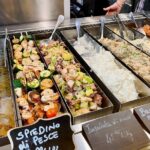
Your next stop is along Salizada del Pistor, at a local bar where each cicchetto is made with fresh, seasonal ingredients. This one is about energy and everyday life.
This is also one of the smartest stops for first-timers. You’re not just tasting food—you’re learning what the neighborhood looks like when people actually go out for an aperitivo. The guide is there to translate what you see: what to order, how to think about the portions, and how locals treat the snack as part of the social day.
A small practical tip: since this is a drink-and-snack style stop, avoid slowing down your group. Venice lanes can get congested, and you’ll want to keep your place in line for the next venue.
Stop 6: Salizada San Giovanni Grisostomo for artisan gelato
The final food moment is at Salizada San Giovanni Grisostomo, a famous ice cream shop. You’ll taste artisan gelato, with classic and innovative flavors made with fresh local ingredients.
This last stop is perfect because it balances the earlier savory bites and alcohol. Gelato doesn’t feel like an afterthought. It’s designed as a finish—something sweet you can enjoy without fighting the salt and crispness of earlier cicchetti.
Expect this stop to feel a bit more leisurely than the tavern stands, since gelato shops tend to handle groups differently. Still, you’re in Venice—short lines and quick tastes are normal.
The menu you’ll actually taste: spritz, prosecco, cicchetti, and more
The tour’s sample menu gives you a clear idea of what you’re in for. Here are the highlights and what they mean for your palate:
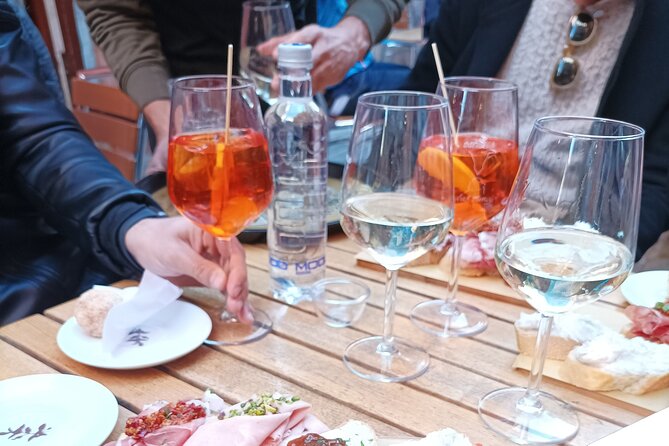
- Spritz: a refreshing cocktail associated with the 1920s, typically mixing Aperol with sparkling wine and water. This is a classic start because it cuts through food and keeps the pace light.
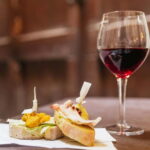
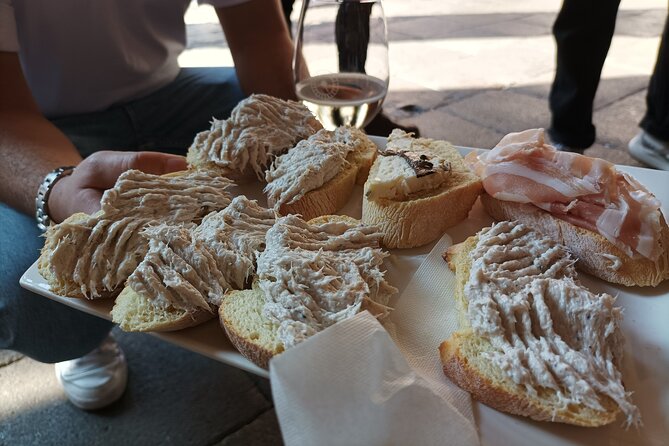
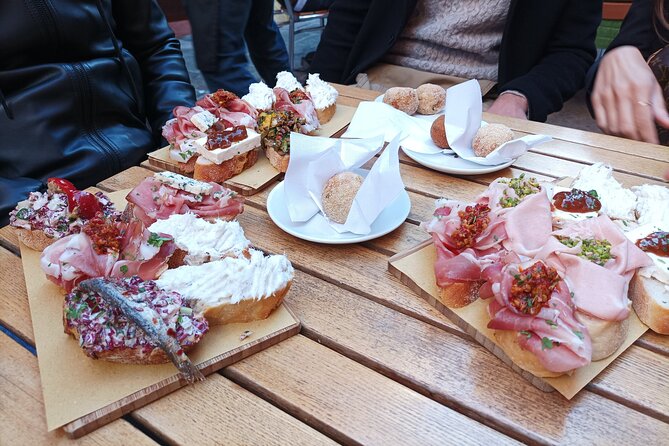
- Cicchetti: toasted artisan bread with toppings inspired by lagoon flavors—things like sardines, cold cuts, and veggie balls. You’ll likely see the “Venice sandwich” idea in several forms.
- Mozzarella in carrozza: crispy breaded mozzarella snack. It’s comfort food, but sized for a walk-and-eat tour.
- Prosecco: a local sparkling wine meant for social sipping—often the second wave of your drinks.
- Baccalà mantecato cicchetto: creamy cod spread on crisp bread. It’s one of Venice’s most recognizable flavors, and it works as a salty, satisfying contrast to sweeter snacks.
- Artisan gelato: classic and inventive flavors to end the night clean.
One note I’d emphasize: you shouldn’t treat this as a diet-friendly activity. The strength of the tour is that it’s built to get you tasting. I suggest showing up hungry and planning to keep dinner light afterward.
Cannaregio aperitivo logic: why you feel full (but not wrecked)
A good bacaro tour keeps you satisfied without overloading. This one does that with stop timing and variety. Each stop lasts about 30 minutes, so you’re never stuck through one long sitting. You rotate between savory bites and drinks, then close with gelato.
The drink component isn’t just decoration. Aperitivo drinks like spritz and prosecco change how the food tastes. They also help you enjoy the social side of bacaro culture—standing near the bar, talking with your group, and getting into the “this is normal here” mindset.
I also like that alcohol is included alongside water. It helps you pace yourself and stay comfortable during the walking parts.
Guides can make or break it: pay attention to who’s hosting
The tour is led by an English-speaking local guide (with the possibility of Italian as well). And in the reviews people consistently mention a “personality + knowledge” combo—guides who explain not only what you eat, but why it fits Venetian life.
Names that come up often include Beatrice, Emma, Nicola, Marina, Levyann, Letizia, and Latizia. Even if you don’t get the same guide, use this as a cue: pick a tour time when you’ll be ready to chat and ask questions, because the best value comes from interacting, not just tasting.
If you want to maximize your experience, come with a small appetite for stories: how locals order, how bacari work, and what to look for when you return on your own.
Practical advice: how to eat smarter on a Venice bacaro crawl
Here’s how I’d set yourself up for success:
- Skip a heavy breakfast if you’re doing the lunch or early dinner tour. One guide tip people repeat is to not eat too much beforehand. You’ll want the space.
- Go with the included bites first. The tour is designed for a sequence. If you start ordering extra on your own right away, you can throw off the pacing.
- Be ready for standing. Some venues may have limited seating. If you’re fine with that, you’ll enjoy the atmosphere more.
- Ask what to try next. The guide’s job is to keep you eating like a local, not like a panicked tourist.
- Plan for a light final meal. After multiple tastings plus gelato, a big dinner isn’t usually the move.
Who should book this tour—and who might not love it
This is a great fit if you:
- want to understand Venice through food culture, not just landmarks
- enjoy trying several dishes in small portions
- like aperitivo-style drinking and social eating
- prefer a small-group experience instead of a crowd scene
You might want to skip it (or choose another option) if you:
- have severe or life-threatening food allergies, since the tour notes you can’t participate with those
- get uncomfortable with standing or tight spaces
- don’t want alcohol as part of the experience (minimum drinking age is 18, and alcoholic beverages are included)
Also, bring a realistic expectation: it’s a walking-and-snacking tour, not a sit-down feast.
Should you book the Venice Bacaro Food Tour?
Yes, I’d book it if you want a true Venetian food day built around bacari rhythm. The value is strong because you’re getting multiple included drinks and bites across several venues, plus a gelato finish—without the stress of figuring out what to order or where to go.
Skip it only if your ideal Venice day is all museums and long dinners, or if you know you’ll struggle with standing in small spaces. If you’re flexible, hungry, and open to tasting your way through neighborhoods, this one delivers.
If you can, pick the time slot that best matches your energy—late morning for an easier lunch vibe, or early evening if you want the city to feel awake while you snack.
FAQ
How long is the Venice Bacaro Food Tour?
It runs about 3 hours 30 minutes (approximately).
How many people are in the group?
The experience is capped at a small group size, with a maximum of 12 travelers (and it’s described as limited to 10 to keep it personal).
What’s included in the price?
You’ll get meals at least at four aperitivo stops, alcoholic beverages, water, and an English-speaking local tour guide.
Where does the tour start and end?
It starts at the equestrian statue of Bartolomeo Colleoni and ends at Campo S.S. Apostoli.
Can I participate if I have severe food allergies?
No. The tour notes that guests with severe or life-threatening food allergies can’t participate for safety reasons.
How much drinking is involved, and is there an age limit?
Alcoholic beverages are included, and the tour lists a minimum drinking age of 18.
What happens if weather is poor?
This experience requires good weather. If it’s canceled due to poor weather, you’ll be offered a different date or a full refund.