REVIEW · VENICE
Friendinvenice Cannaregio &Jewish Heritage- private tour
Book on Viator →Operated by Friend in Venice Private Tours · Bookable on Viator
Venice has a quieter side. In Cannaregio, you get a private, story-led walk that links everyday neighborhood life to the Ghetto Ebraico and even Tintoretto’s home. It’s the kind of route that helps you understand how Venice worked beyond the postcard squares.
I love that this is a true private tour (your group only), with a guide who can shape the experience to what you care about. I also like the mix of stops: you’re not stuck in one museum setting—you move from canalside customs to the Ghetto’s hard rules, then finish at Casa del Tintoretto.
One thing to consider: the Tintoretto stop is short—about 10 minutes—so if you’re a serious art-hours person, you may want to add extra time elsewhere on your own.
In This Review
- Key highlights worth choosing this route for
- Why Cannaregio makes the Jewish history feel real
- The 3-hour flow: what you’ll do and why it works
- Stop 1: Cannaregio’s canals, bacari, and lagoon rowing vibe
- Stop 2: The Venetian Ghetto Ebraico and the 1516 decree
- Stop 3: Casa del Tintoretto on Fondamenta dei Mori
- How much is it really worth at $162.31 per person?
- Pickup, tickets, and the small logistics that affect your day
- Who this tour suits best (and who might want something different)
- Should you book this Cannaregio & Jewish Heritage private tour?
- FAQ
- FAQ
- How long is the FriendinVenice Cannaregio & Jewish Heritage tour?
- Is this a private tour?
- What language is the tour offered in?
- Does the tour include hotel pickup?
- What stops are included in the itinerary?
- Are admission tickets included?
- Are there multiple start times available?
- Is there any extra access fee I should know about?
- What is the cancellation policy?
Key highlights worth choosing this route for

- Private group time: only your group joins, so questions and pacing feel natural
- Hotel pickup in Venice: meet off any hotel, then head straight into the neighborhood
- Cannaregio as lived-in Venice: bacari, kids playing, and Voga Veneta culture (not a staged theme park)
- The Ghetto explained with dates: including the Republic’s March 29, 1516 decree
- Tintoretto’s house details in context: Gothic façade, the Hercules club statue tradition, and more of his work
- English-language guide with multiple start times to fit your day
Why Cannaregio makes the Jewish history feel real
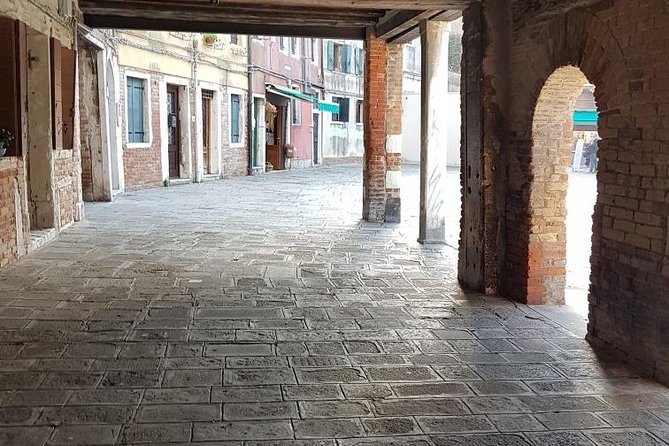
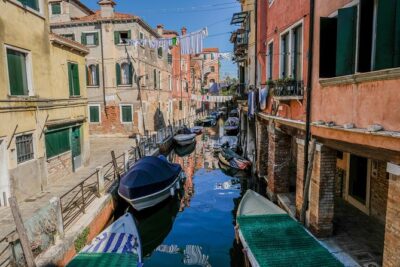
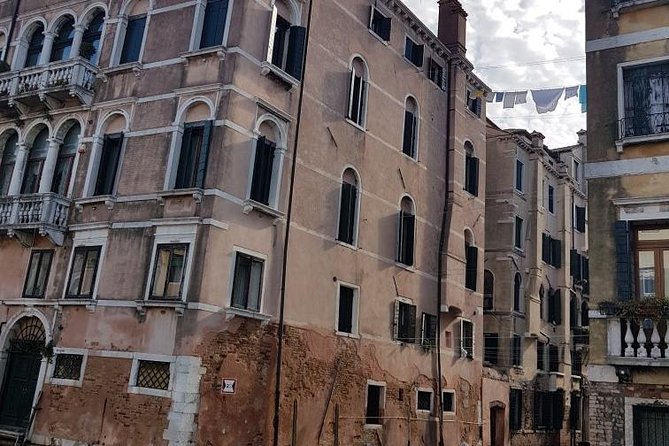
If you picture Venice as just canals and grand façades, Cannaregio is the gentle correction. This sestieri sits apart from the classic rush, and it carries the texture of day-to-day life. You’re guided through a part of the city that still shows remnants of older rhythms: local cafés (bacari), children at play, and even the rowing culture tied to the Venetian lagoon.
A good guide makes this geography matter. Cannaregio is said to have taken its name from an ancient reed marsh, and that’s exactly the kind of detail that changes how you read the streets. When you understand the area’s origins, the neighborhoods stop feeling random.
And since the tour specifically traces Jewish Heritage through Venice’s own systems—residency rules, economic pressure, and faith protection—you don’t only learn facts. You see how those facts would have shaped where people walked, shopped, worked, and prayed.
You can also read our reviews of more private tours in Venice

The 3-hour flow: what you’ll do and why it works
This tour runs about 3 hours with three main stops. The best part is the order. You start with Cannaregio’s living neighborhood context, then move into the Ghetto for the historical turning point, and finally connect the day to the artistic world through Tintoretto’s house.
Here’s the rhythm you can expect:
- Stop 1: Cannaregio (~2 hours) — outside walking and neighborhood storytelling
- Stop 2: Ghetto Ebraico (~1 hour) — focused history of the Venetian Jewish community
- Stop 3: Casa del Tintoretto (~10 minutes) — a compact, detail-rich art stop
The stops are paced so you’re not exhausted by “too much information,” yet you still get enough time for each setting to feel distinct.
Stop 1: Cannaregio’s canals, bacari, and lagoon rowing vibe
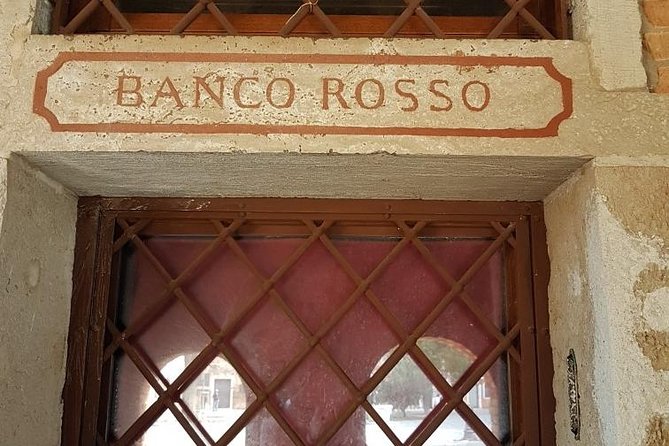
Cannaregio is the heart of the route, and about two hours go into understanding why it still feels Venetian in a way the main tourist lanes don’t. The walking portion is built around the idea that respectful visitors can still notice traditions that survived modern crowds.
You’ll spend time spotting small signals of local life, including:
- bacari culture, the kind locals use like a living room
- kids playing in a way that feels integrated with the street
- Voga Veneta, the traditional Venetian rowing practice
- rowing associations tied to lagoon life, including setups near Campo Sant’Alvise
There’s also a practical, Venice-specific angle here. The rowing associations use facilities near the canals and lagoon zones where the waters can be calmer, with less disruptive motor boat traffic. In plain terms: this is how Venice’s water culture makes room for traditions that require quieter conditions.
Two small travel notes help you enjoy this stop more:
- Wear shoes you can trust for uneven paths—Cannaregio is not flat and it’s not “smooth museum ground.”
- If you care about photography, ask your guide before you set up too long in one spot. The tour’s whole point is being a respectful observer.
Stop 2: The Venetian Ghetto Ebraico and the 1516 decree
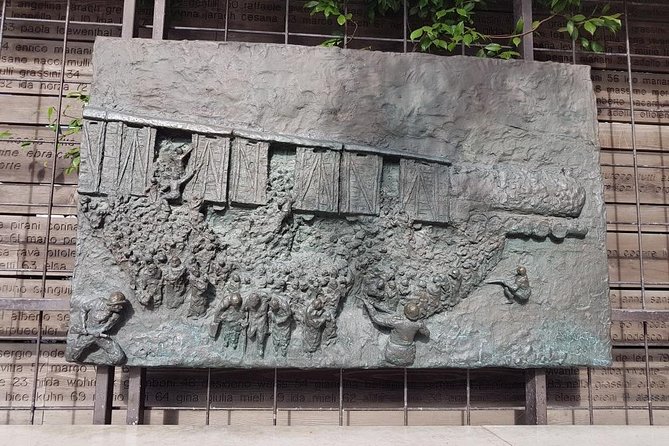
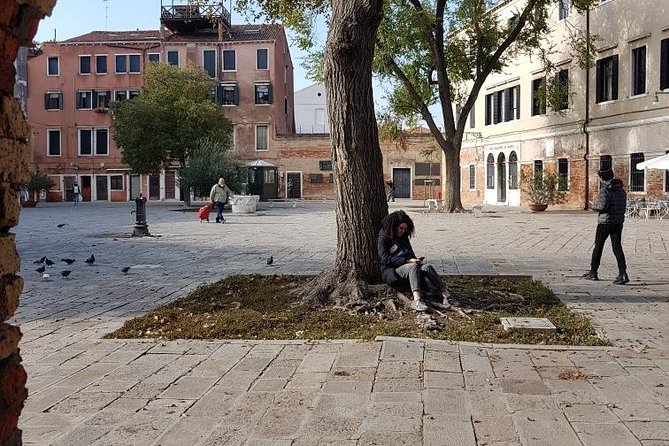
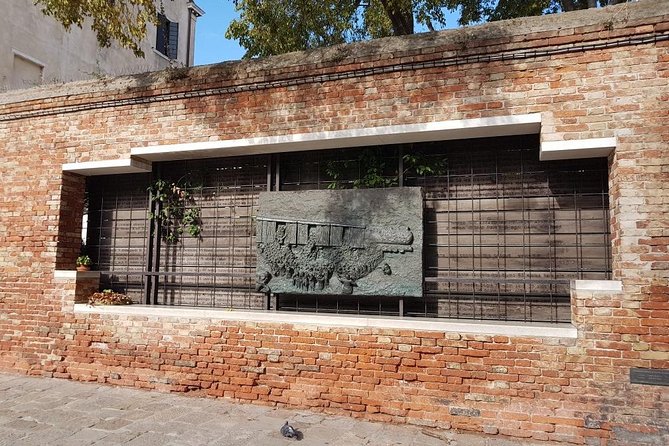
Then you shift gears. The Ghetto Ebraico stop is about one hour, and it’s where the tour turns into history with real consequences.
You learn that Jewish presence in Venice grew over time, even though there were cycles of permission and prohibition. By March 29, 1516, the Republic found it necessary to enact a decree to manage and organize the community’s presence in the city.
The guide explains how this management worked:
- Jews were required to live in an area of Venice connected to old foundries, known in Venetian as geti
- They had to wear a sign of identification
- They were involved in managing pawnshops under rates set by the Serenissima
- Rules were harsh and restrictive, even as they were balanced by something important: the community gained freedom to practice faith and protection in case of war
That mix matters. You’re not only learning “history as tragedy.” You’re learning how the Venetian government structured daily life through residency zones, economic rules, and identity markers—while still claiming an exchange of protection for compliance.
If you’re the kind of traveler who likes understanding systems, not just dates, this stop will click. It also helps that the tour keeps you moving through the space with context, so it’s easier to connect what you see on the street to what those laws would have meant.
Stop 3: Casa del Tintoretto on Fondamenta dei Mori
The final stop is brief—about 10 minutes—but it’s packed with visual cues. Tintoretto’s house sits in Cannaregio along the Fondamenta dei Mori, not far from Campo dei Mori.
The building itself gives you instant “Venice character.” It’s described as:
- 15th-century Gothic style
- tall and narrow
- a notable three-light window on the first noble floor
- a façade with a commemorative plaque
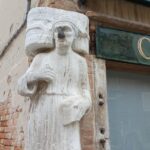
Then come the façade details that make this more than a quick sightseeing glance. There’s a small marble statue of Hercules with a club, with tradition saying Tintoretto himself placed it on the building. A few meters left of the entrance, you’ll also see an Arab statue. Together, these figures complete a series of four that begins in Campo dei Mori.
What I like about this stop is how it links an artist to place. Even though you’re only there for a short time, the guide connects Tintoretto’s life in this house (Venice, 1519–1594) to his broader Venice footprint.
You also get reminders of where else his work lives in the city, including:
- the Scuola Grande di San Rocco, where he painted for about 25 years (1563–1588)
- the Gallerie dell’Accademia
- Il Paradiso, often described as the largest canvas of its kind in the world, measuring about 170 square meters, still visible at Palazzo Ducale in the Sala del Maggior Consiglio entrance area
And if you like “follow the thread” art stories, you’ll appreciate the note that traces of frescoes on some palaces have largely disappeared now, while his burial remains are held at the Church of the Madonna dell’Orto.
You can also read our reviews of more historical tours in Venice





How much is it really worth at $162.31 per person?
At $162.31 per person for about 3 hours, the value mostly comes from three things you can feel on the street:
- It’s private: no sharing your guide with strangers, so questions don’t get cut short.
- You cover multiple layers in one walk: neighborhood life in Cannaregio, the Ghetto’s governing rules, then an art stop tied to a major Venetian painter.
- You get a guided narrative rather than just a self-guided checklist. That narrative is especially important for the Ghetto segment, where dates and rules can otherwise blur together.
The tour also offers group discounts, which can make a difference if you’re traveling with friends or family and you want the private format without doubling the cost.
Timing matters too. You can pick from multiple start times, and pickup is offered from any hotel in Venice, which saves energy in a city where every extra water taxi or long walk can add up fast.
Pickup, tickets, and the small logistics that affect your day

This tour is built for an easy start. Your meeting begins in Venezia, and the tour ends in Cannaregio (postal code 30121). Pickup is available from off any hotel in Venice, which is one of the biggest quality-of-life perks in Cannaregio, where navigating on your own can cost time.
You’ll also have a mobile ticket, and the tour is offered in English.
Two practical notes you should know:
- On certain dates, some day visitors staying outside Venice may need to pay a €5 access fee.
- The experience is listed as near public transportation, so if you don’t want pickup, you should still find a workable route to the meeting area.
Service animals are allowed, too—handy if you travel with one.
Who this tour suits best (and who might want something different)
This is a smart choice if you:
- want a personal guide rather than a crowd setting
- care about Jewish heritage in Venice and want the historical “how” (rules, decrees, identity markers)
- like seeing Venice beyond the main thoroughfares, with time in Cannaregio’s daily feel
- appreciate art context, even if you’re not trying to turn the day into a museum marathon
It may be less ideal if you want a deep, hour-by-hour exploration of Tintoretto. The Casa del Tintoretto visit is short by design, so art lovers who crave longer viewing might pair this with a separate art stop later.
If your day is tight, though, this tour is efficient: it balances civic history, neighborhood texture, and an artist’s home in one compact loop.
Should you book this Cannaregio & Jewish Heritage private tour?
Book it if you want a Venice day that feels human. The structure works: you start with lived-in Cannaregio, then you get the Ghetto Ebraico story with clear dates and policies, and you end with Tintoretto’s house details that connect art to street-level Venice.
It’s also a great fit for travelers who don’t just want highlights—they want meaning. If you’re the type who likes to understand how governments shaped real lives, you’ll walk away with a stronger sense of how Venice functioned, not just how it looked.
FAQ
FAQ
How long is the FriendinVenice Cannaregio & Jewish Heritage tour?
The tour lasts about 3 hours.
Is this a private tour?
Yes. It’s private, so only your group participates.
What language is the tour offered in?
The tour is offered in English.
Does the tour include hotel pickup?
Yes. Pickup is offered from any hotel in Venice.
What stops are included in the itinerary?
The tour includes Cannaregio, the Ghetto Ebraico, and Casa del Tintoretto.
Are admission tickets included?
Yes. Admission is listed as included for the Ghetto Ebraico and Casa del Tintoretto. The Cannaregio portion is listed with admission ticket free.
Are there multiple start times available?
Yes. The tour offers multiple start times to suit your schedule.
Is there any extra access fee I should know about?
On certain dates, some travelers staying outside Venice who plan to visit for the day may need to pay a €5 access fee.
What is the cancellation policy?
Free cancellation is available up to 24 hours in advance for a full refund.