REVIEW · VENICE
Venice: Pasta and Tiramisu Cooking Class at a Local’s Home
Book on GetYourGuide →Operated by Cesarine · Bookable on GetYourGuide
Fresh pasta in a real Venetian kitchen.
This experience is interesting because you’re learning hands-on pasta making and building classic tiramisu in a local family home, not a studio. I love that you get guided technique (rolling, shaping, layering) and then you actually eat what you make, with wine at the table. The one thing to consider is that it’s held inside a private home, so the setting feels casual and personal, and you’ll need to be patient with timing as the class moves at a human pace.
In This Review
- Key Things That Make This Class Worth Your Time
- A Venice Home-Cooking Class, Not a Factory Workshop
- What You’ll Make: Two Pastas and a Classic Tiramisu
- The Start: Aperitivo, Then Into the Dough
- Rolling Fresh Pasta Dough by Hand (The Real Skill)
- Shaping Two Traditional Pastas Like You Mean It
- Tiramisu That Actually Slices: Layers, Not Chaos
- Eating the Results: Wine, Prosecco, and a Host Table
- Price and Value in Venice (Where Location Is the Product)
- Practical Tips: How to Plan Your Timing and Set Yourself Up
- Who This Suits Best (And When to Skip It)
- Should You Book This Venice Pasta and Tiramisu Class?
- FAQ
- How many people are in the class?
- Where does the class take place?
- What do I make during the class?
- Are drinks included?
- Can the class accommodate dietary requirements?
- Do I get hotel pickup or drop-off?
Key Things That Make This Class Worth Your Time
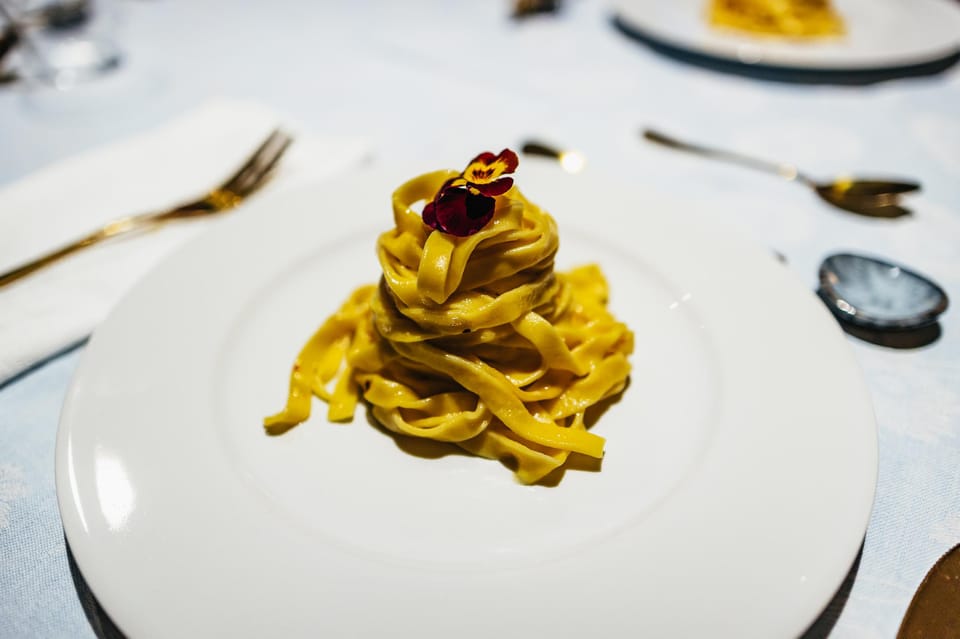
Hands-on cooking for a small group (limited to 8) so you’re not watching from the sidelines.
Two traditional pasta shapes plus tiramisu, with step-by-step instruction in an Italian home.
Aperitivo first, typically prosecco and snacks, so you start relaxed instead of rushed.
Wine with dinner and coffee after, turning the session into a proper meal.
Family-style teaching, sometimes even including English support from an Italian instructor.
A Venice Home-Cooking Class, Not a Factory Workshop
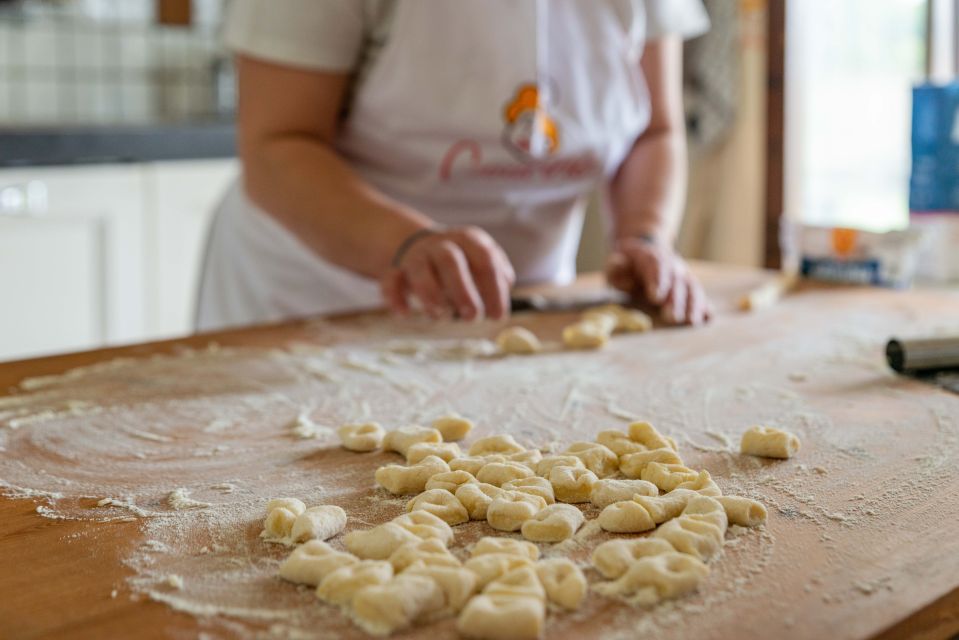
Venice has a way of turning everything into a queue: queues for museums, lines for gondolas, waiting for a table. This class flips the script. You’re invited into someone’s everyday world, where the focus is on food, technique, and conversation.
What I like most is the balance between doing and understanding. You’ll learn why fresh dough behaves the way it does, how to handle it without tearing, and what the right consistency should feel like. Then you get to use that knowledge immediately. It’s not just cooking for the camera; it’s cooking for dinner.
The second strong point is that it’s a small group experience. With limited participants, you can ask questions without the instructor disappearing every time someone wants help. And because it’s in a home, the pace tends to feel more like joining friends than attending a timed performance.
One practical heads-up: you might expect a strict “3-hour clock,” but cooking takes time. Even with a set duration, some hosts tend to linger over the aperitivo, the teaching, and the meal. Build in a little buffer before your next plan.
You can also read our reviews of more cooking classes in Venice

What You’ll Make: Two Pastas and a Classic Tiramisu
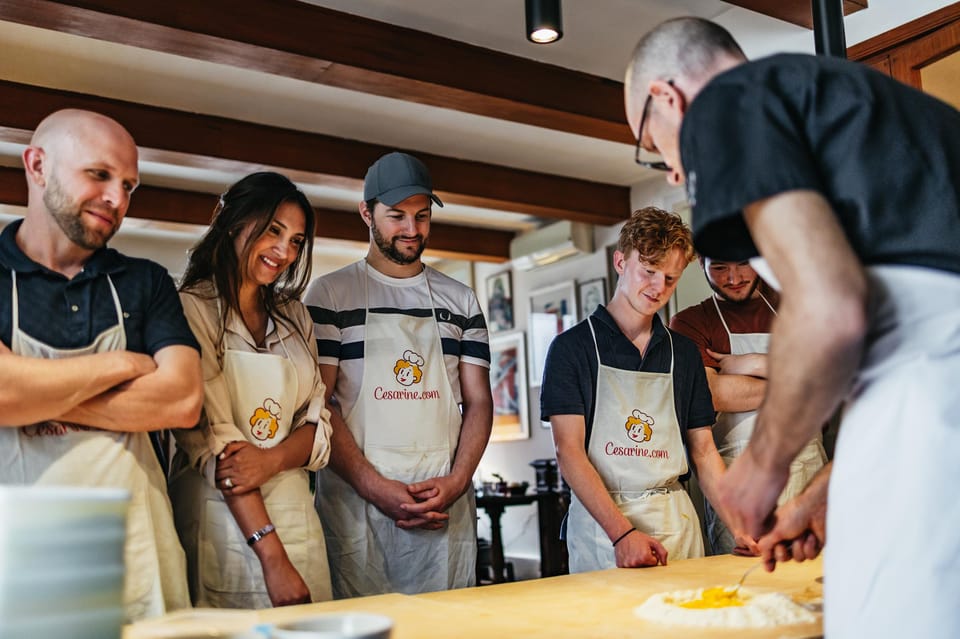
This is a pasta-and-dessert course centered on two things people associate with Italian comfort food. First, you’ll make two traditional pasta shapes. The exact varieties depend on the host and the class plan, but the core skill set is consistent: making fresh dough from scratch, then shaping pasta in the traditional way the recipe books call for.
Second, you’ll construct tiramisu, layer by layer, using classic methods rather than shortcut assembly. You’ll learn how to bring together the components so the final texture lands right: creamy, sliceable, and not watery.
From past classes run by instructors such as Anna, Barbara, Giulia, Rosa & Angela, Francesco, Nadine, Charlotta, and others, the pasta line-up can vary (for example, you may see ravioli-style shapes or other regional cuts). But the teaching approach stays the same: hands-on practice with guidance, followed by tasting what you make.
The Start: Aperitivo, Then Into the Dough
The session typically begins at 10:00 AM or 5:00 PM, with flexibility if you request another start time in advance. You’ll be greeted in the home and usually start with an Italian aperitivo: prosecco and snacks. Think of this as your warm-up. You get time to settle in, meet the host, and get a sense of how the afternoon or evening will flow.
Then you move into the main work: fresh dough.
You should expect:
- A quick explanation of the dough process and how to judge texture by feel
- Demonstration before you start working
- Time for you to roll and shape so you’re not just standing near the counter
The instructor is Italian-English, so if your Italian is rusty, you won’t be stuck guessing. This matters in a cooking class, because the most important instructions are often about texture and timing, not vocabulary.
Rolling Fresh Pasta Dough by Hand (The Real Skill)
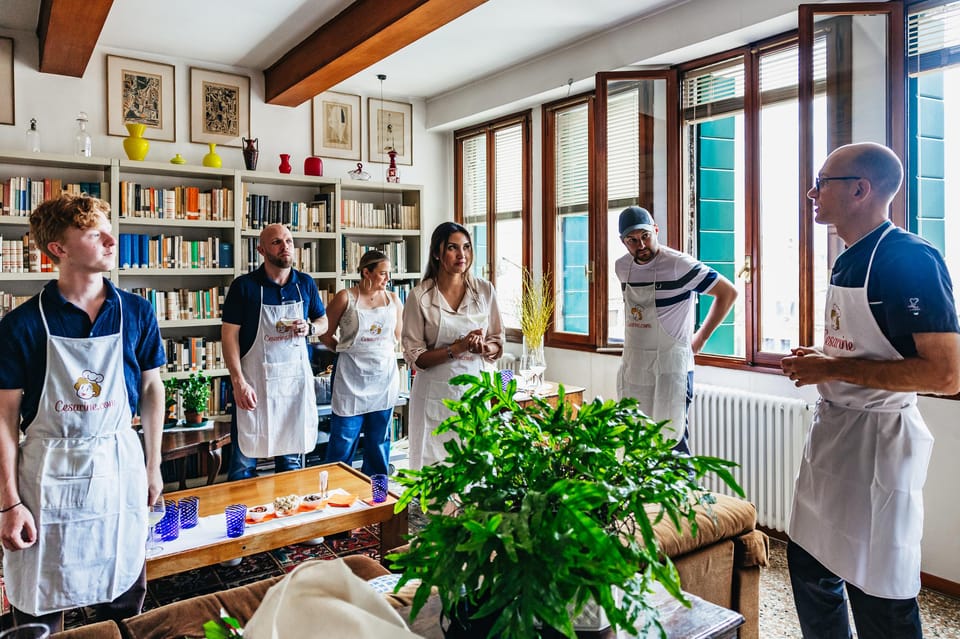
Fresh pasta is one of those things people assume is either hard or mysterious. In a good class, it stops being mysterious fast.
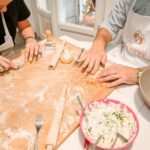
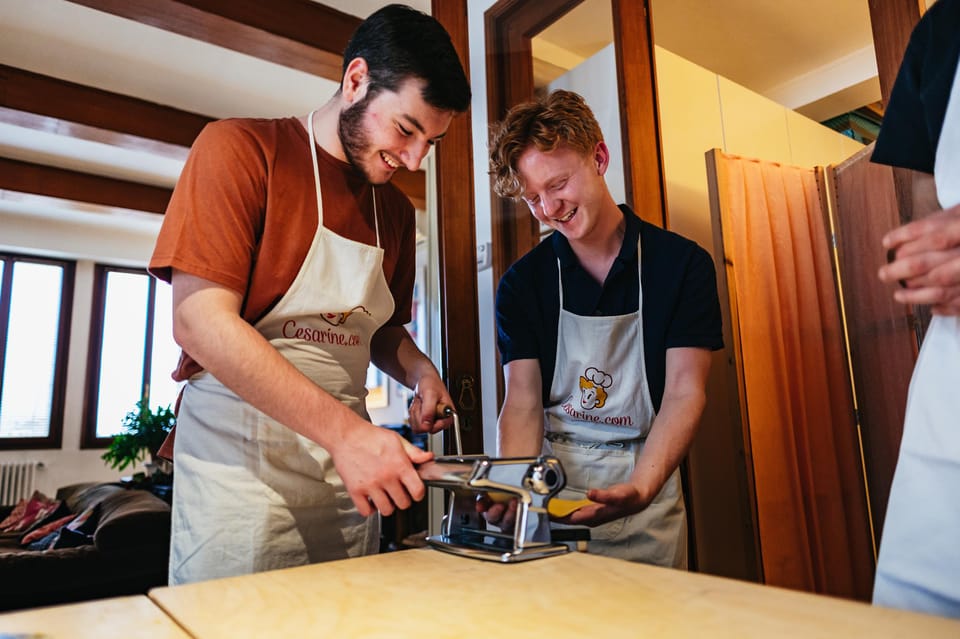
You’ll learn how to roll dough by hand and build the kind of thinness that works for the pasta shapes you’re making. The “secret” is not a magic ingredient. It’s how you manage pressure, thickness, and patience. You’re taught to work the dough without over-flouring it into stubbornness, and without rushing it into tears.
Here’s why this part is valuable even after your trip ends:
- When you learn the feel of the dough, you can adjust when your ingredients or climate differ at home.
- You’ll understand why certain shapes demand thinner sheets, and why cutting and shaping isn’t just aesthetics.
In small classes, the instructor can correct your technique while you’re working. That’s the difference between reading a recipe and actually getting your hands in the process.
Also, because this happens in a real home kitchen, you might see small, personal details that make it feel like a genuine family setup. One host had a calm household cat that stayed unbothered during the cooking. You probably shouldn’t plan on entertaining wildlife, but it adds to the sense that this is domestic cooking, not a performance space.
Shaping Two Traditional Pastas Like You Mean It
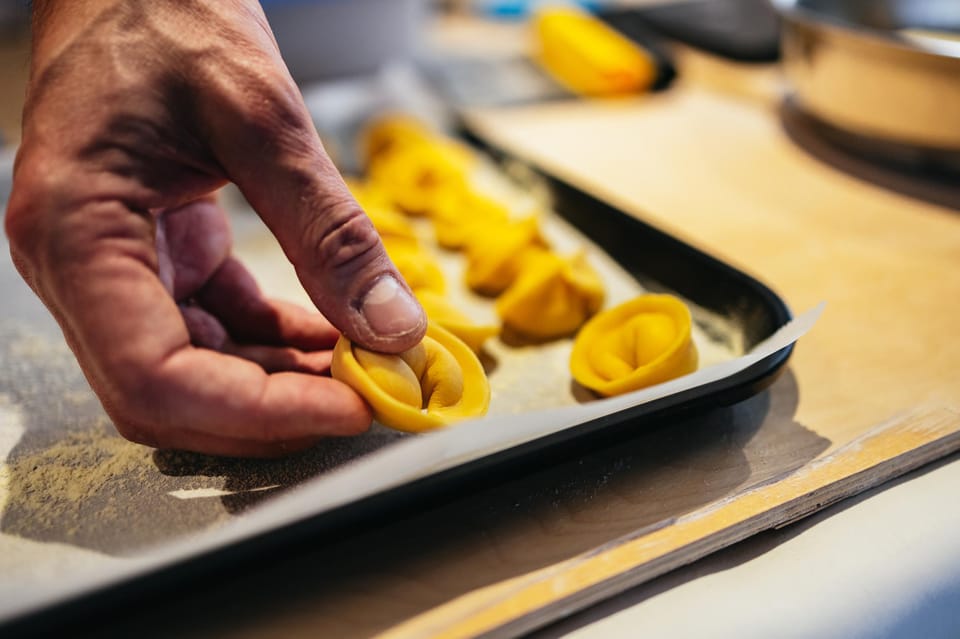
Once the dough is ready, the class shifts to shaping. This is where instruction becomes more hands-on: you’ll create two pasta shapes using directions from family cookbooks.
Even if the exact shapes vary, you’ll practice the same thinking:
- How to form the dough so it keeps its structure
- How to handle edges and seams so the pasta holds up
- How to avoid the common mistakes that lead to misshapen results or uneven texture
A nice part of the format is that you don’t just watch. One class style is demonstration first, then you take turns at each step. That approach is repeatedly praised because you’re learning the sequence, not just one isolated skill.
And because you’re in a small group, you can actually compare your method to others in real time. It’s a practical way to catch issues early, like dough thickness differences or how much filling (if making filled pasta) is right for your shape.
You can also read our reviews of more tours and experiences in Venice


Tiramisu That Actually Slices: Layers, Not Chaos
Tiramisu sounds straightforward until you make it and realize the challenge is control. In this class, you learn how to construct and form the layers so the dessert ends up with that classic, melt-in-the-mouth texture.
The focus is on the method:
- building the structure correctly
- getting the balance right so it isn’t too loose
- understanding how the layers work together
This is one reason tiramisu classes can be either disappointing or amazing. The amazing ones teach you what to watch for. You’re not just assembling a jar of components. You’re learning technique.
If you’re curious about dietary needs, know this: the experience can cater to different requirements, confirmed directly with the provider after booking. And in one case, a host (Anna) adjusted the entire menu due to a lactose problem. That’s a good sign of flexibility, but still treat it as something you should confirm ahead of time so the host can plan.
Eating the Results: Wine, Prosecco, and a Host Table
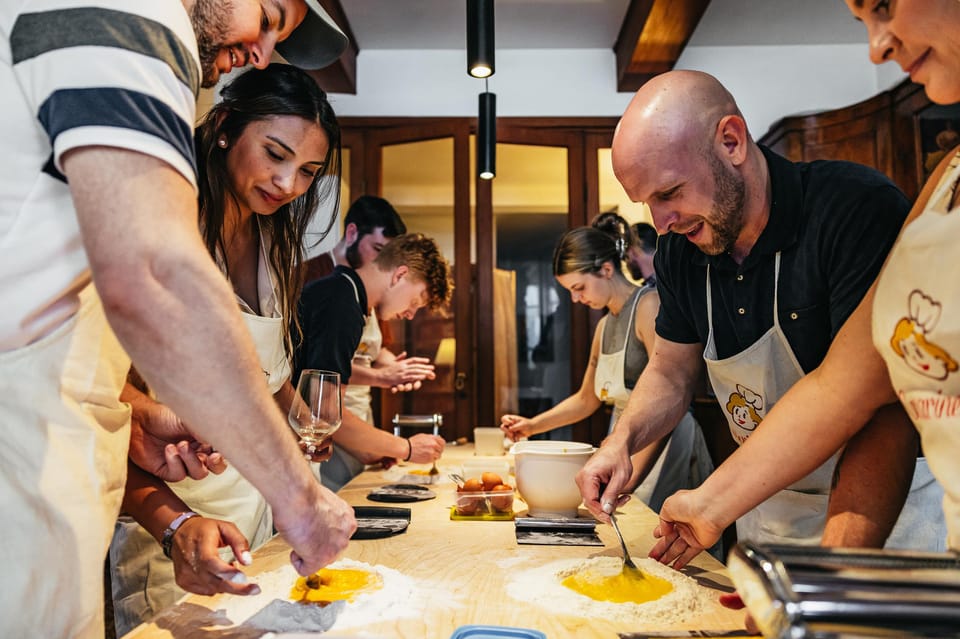
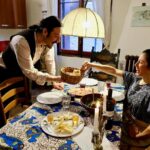
The payoff is the meal. You’ll dine with your host family and enjoy the dishes you made. Beverages include water, wines, and coffee, plus that initial prosecco aperitivo and snacks.
Why this matters: in many cooking classes, you cook and then eat something else. Here, the food is the point. You get to taste the pasta and tiramisu while everything is still fresh and at its best.
It also helps you connect with the host beyond food. The class includes stories about local culture and cuisine. That’s the human part you can’t get from a cookbook.
In a few classrooms led by different hosts—people like Nico or Rosa & Angela—the vibe is described as friendly and welcoming, like meeting people rather than attending a lesson. Your mileage depends on your group chemistry, but the format is designed to keep it warm.
Price and Value in Venice (Where Location Is the Product)
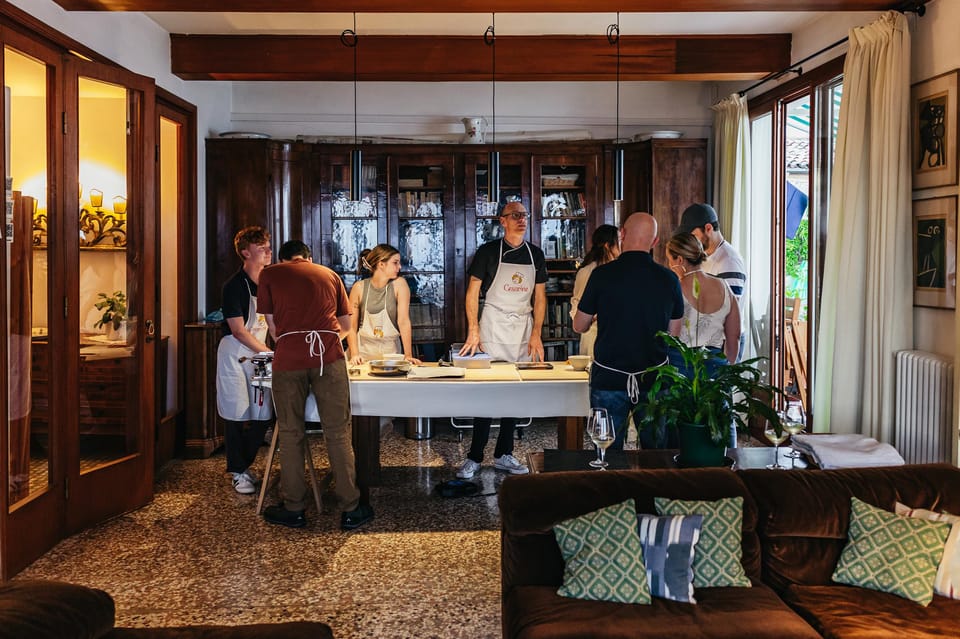
At $215.24 per person for a roughly 3-hour experience (plus time variability), you’re paying for more than ingredients. You’re paying for:
- private-home access
- a small group format (up to 8 participants)
- instruction from an Italian-English host
- wine and aperitivo (prosecco and snacks)
- the full meal outcome you eat at the end
Is it cheap? No. Venice doesn’t do cheap, and cooking classes in private homes cost more than cooking classes in big venues. The value comes from learning real technique and getting a full sit-down experience, not just a demo.
If you compare it to the price of a good dinner for two plus a paid activity, the numbers start to look less shocking. Especially because you’re leaving with skills you can actually repeat: pasta dough handling and tiramisu layering are both teachable at home.
If your priority is crowds, lines, and famous landmarks, this might not be your best use of time. But if you want an authentic Venice evening you can talk about later—where your hands were involved—this is a strong pick.
Practical Tips: How to Plan Your Timing and Set Yourself Up
First: plan around the start time. Expect either 10:00 AM or 5:00 PM, with some flexibility if you request changes in advance.
Second: give yourself breathing room afterward. Even though the class is listed as 3 hours, cooking and eating can run long, and many hosts keep the table conversation going. If you have a reservation or a show right after, consider moving it later or building a buffer.
Third: bring a learn-it attitude. You don’t need to be a “food person” to enjoy this. But do arrive ready to get your hands working. You’ll have a better time if you’re okay making small imperfect shapes that get corrected as you go.
Fourth: dietary needs should be confirmed early. The experience can cater to different dietary requirements, but that confirmation happens directly with the provider after booking. If you have lactose intolerance or other restrictions, ask for what you need rather than assuming it will magically be handled.
Fifth: remember it’s a private home. The exact address is shared only after booking for privacy. That’s normal here, but it means you’ll want to double-check the meeting instructions when they arrive.
Who This Suits Best (And When to Skip It)
This class fits you if:
- you want hands-on learning in Venice
- you like small-group settings
- you want to eat dinner that you made, with wine
- you care about technique (dough feel, shaping, tiramisu layering)
It may not be ideal if:
- you need a very rigid, clockwork schedule
- you hate intimate settings in private homes
- you’re only looking for a quick photo-and-leave activity
If you’re traveling solo, it can still work well because small groups keep the interaction real. If you’re with a couple, it’s also a great choice. Many groups end up bonding with the other guests because you’re all working at the same pace.
Should You Book This Venice Pasta and Tiramisu Class?
I think you should book if your Venice goal is to experience Italy through everyday skills: fresh pasta technique and classic tiramisu method, taught in a local home with wine and a proper meal. The small group limit and the home-table dining are the standout value drivers here.
Hold off if you only have time for a fast, low-effort activity, or if your schedule is too tight to absorb a cooking-and-eating timeline. Also, if you’re very sensitive to dietary accommodations not being fully planned, message the provider early with specifics.
If you’re the type who enjoys learning how things work, not just watching them, this is the kind of Venice experience that sticks.
FAQ
How many people are in the class?
The group is small, limited to 8 participants.
Where does the class take place?
It takes place in a local family’s home in Venice. For privacy, you receive the full address only after booking, along with meeting instructions.
What do I make during the class?
You make two traditional pasta shapes and a tiramisu dessert.
Are drinks included?
Yes. The experience includes water, wines, and coffee, plus an Italian aperitivo with prosecco and snacks.
Can the class accommodate dietary requirements?
Yes, it can cater to different dietary requirements, but you need to confirm details directly with the activity provider after booking.
Do I get hotel pickup or drop-off?
No. Hotel pickup and drop-off are not included.