REVIEW · VENICE
Venice: Carnival Mask Workshop
Book on GetYourGuide →Operated by CITY TOURS CO LTD · Bookable on GetYourGuide
Making a mask by hand feels better than buying one. In Venice’s Carnival spirit, you get a guided paper-mâché mask painting session with real artisan craft knowledge built in. The best part is leaving with something you truly made, not a souvenir that looks like everyone else’s.
The main trade-off is time: it’s just 1 hour, so if you want ultra-fine detail, you’ll need to pick your design and colors thoughtfully.
In This Review
- Key Things You’ll Notice Right Away
- Venice Carnival Mask Workshop: What This Experience Is Really Like
- Price and Value: Is $91 Worth an Hour of Painting?
- Location Near San Marco and the Prison-Museum Setting
- The Workshop Flow: From Mask Choice to Finished Keepsake
- Carnival Traditions You’ll Hear While You Paint
- The Painting Method: Practical Tips That Make a Difference
- Supplies Included: What You Won’t Have to Worry About
- Timing: How 1 Hour Works for Most People
- Who This Workshop Suits Best (and Who Should Rethink It)
- What You Take Home: Your Own Venice Mask (Now the Real Fun Begins)
- Tips to Get a Better Mask Without Stress
- Should You Book This Venice Carnival Mask Workshop?
- FAQ
- How long is the Venice Carnival Mask Workshop?
- What is included in the class?
- Where do I meet for the workshop?
- What languages does the instructor speak?
- Are pets allowed during the workshop?
- Is this workshop wheelchair accessible?
Key Things You’ll Notice Right Away
- You choose the mask style before you paint, so you control the look from the start.
- A real artisan guides the steps, including how to place color and finish details cleanly.
- Paints, supplies, an apron, and the mask are included, so you can show up ready to create.
- The session mixes craft and Carnival context, with plenty of stories about why Venetians wore masks.
- Some hosts work inside the prison-museum area near San Marco, which adds an extra Venice-weird-and-wonderful setting.
Venice Carnival Mask Workshop: What This Experience Is Really Like
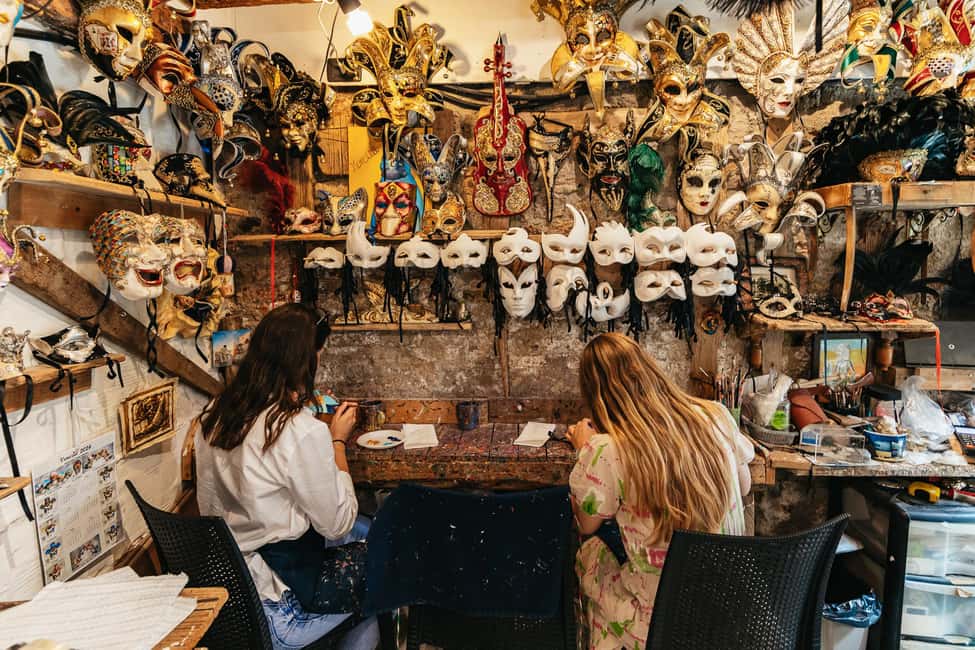
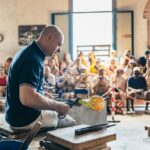
This is one of those Venice activities that turns the city’s famous theater into something practical. Instead of just watching Carnival from the sidelines, you sit down at a worktable and paint a mask the Venetian way—layer by layer, with technique you can actually use.
It’s also a great value type of activity. For one flat price, you get the mask base, the tools, and guidance. That matters in Venice, where “craft experiences” can sometimes mean you pay extra for basics you expected to be included.
And yes, the end result is meant to be taken home. That changes the mood. You’re not just passing through for a photo; you’re making an object you’ll keep.
You can also read our reviews of more tours and experiences in Venice
Price and Value: Is $91 Worth an Hour of Painting?
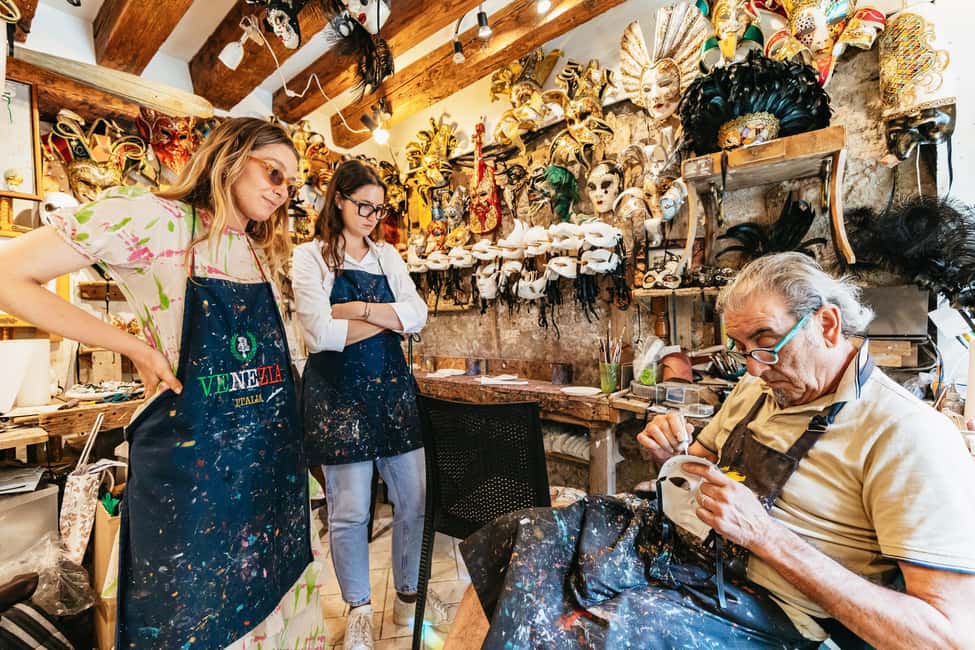
$91 per person for a 1-hour class sounds simple, but the value comes from what you’re not paying separately. Your supplies (paints and everything needed), an apron, and the paper-mâché mask are included, so you’re not stuck upgrading your “kit” mid-session.
You’re also paying for instruction quality. The workshop is led by a Venetian artisan, and the teaching style tends to be hands-on: choosing a mask form, learning how to block in color, then adding finishing touches. The craft work shows. Even if your design isn’t perfect, your mask will look like it came from a real studio, not a quick craft stand.
The one price-related caution: if you’re expecting a super long, slow-art experience, the time box is real. This is fast enough to keep energy high, but short enough that you’ll want to commit to a design plan before the first paint hits the brush.
Location Near San Marco and the Prison-Museum Setting
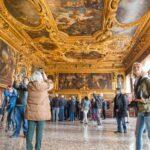
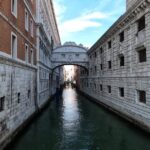
This workshop runs in Veneto, Italy, with a meeting point that can vary by booking option. In practice, many people find it near the San Marco area, often in or connected to a museum/prison complex near Doge’s Palace.
That setting matters more than you’d think. A craft studio inside an older institutional space makes the experience feel properly Venetian: part theater, part secrecy, part history. One reason this stands out is that you’re working in an atmosphere that supports the mood of Carnival—masks, anonymity, and performance are not abstract themes here.
If you’re using the workshop as a block in your Venice day, plan around the central area so you’re not sprinting across the city. Venice walking is part of the deal, but you don’t want sore feet during your painting session.
The Workshop Flow: From Mask Choice to Finished Keepsake
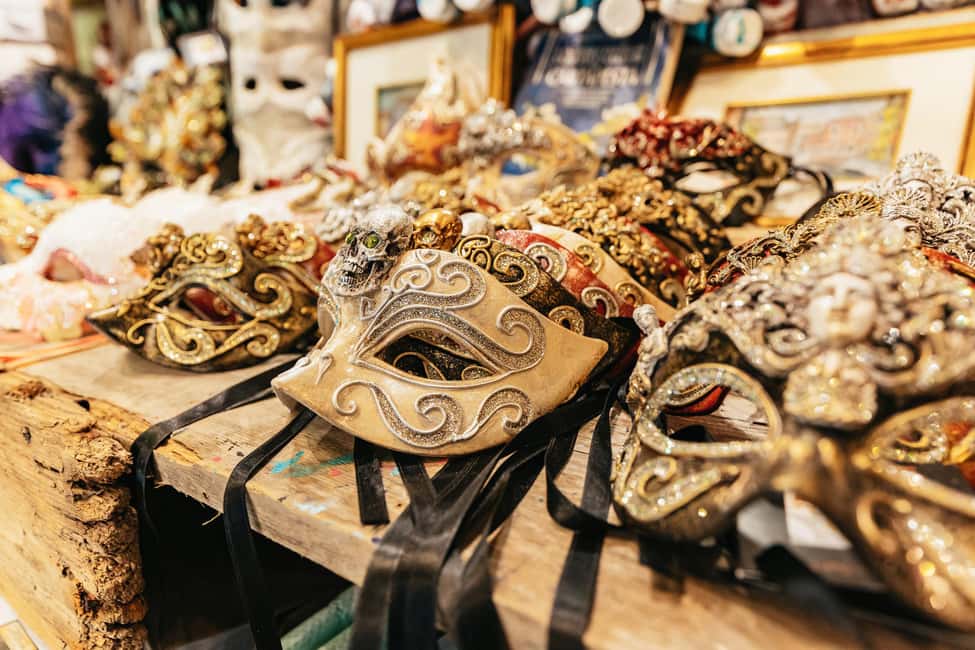
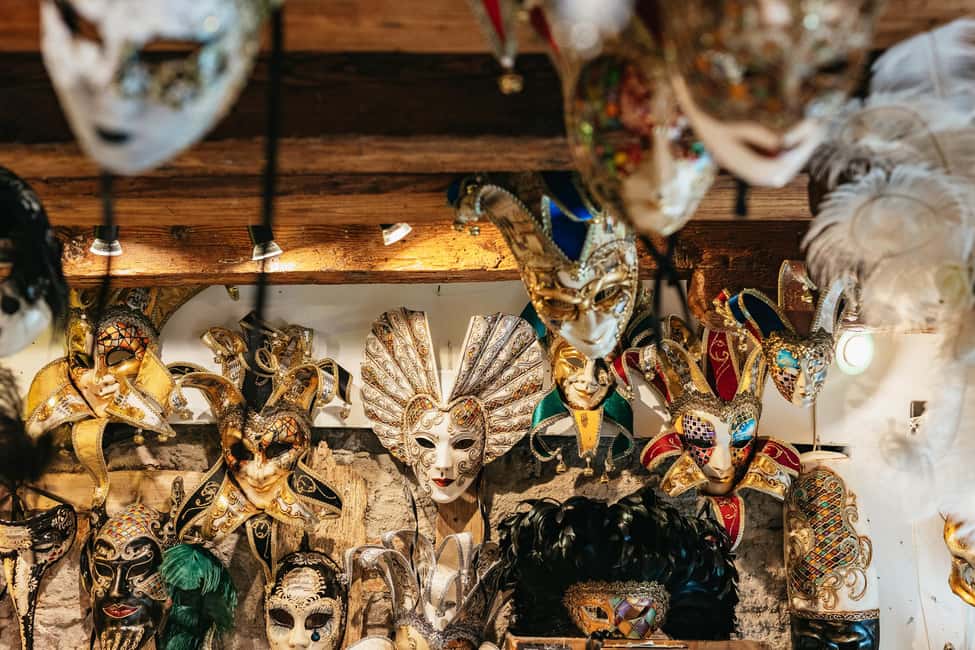
You’ll start with the core decision: selecting a mask to decorate. The studio typically has a range of Venetian styles, and the shape you pick influences everything—where the color goes, how you add detail, and how “complete” it looks by the end.
Then comes the instruction rhythm. The common pattern is:
- listening to a quick Carnival-and-mask overview
- getting guidance on how to approach the design
- painting your mask in stages with the instructor nearby
Depending on the host and your group, you might also see a short pause for drying between steps. Some artisans use a heater to speed drying, and they’ll often guide you toward clean color boundaries using light pencil sections before you commit with paint.
Finally, you add the finishing details. That’s where the mask starts to look less like a craft project and more like a Venetian object. Finishing work can include delicate lines, small decorative accents, and extra texture options like glitter and 3-D-style paints (exact materials vary by session, but you can expect a mix of standard paints plus sparkle and dimensional effects).
At the end, you take your mask home. That’s the big payoff: a personal souvenir that isn’t mass-produced.
Carnival Traditions You’ll Hear While You Paint
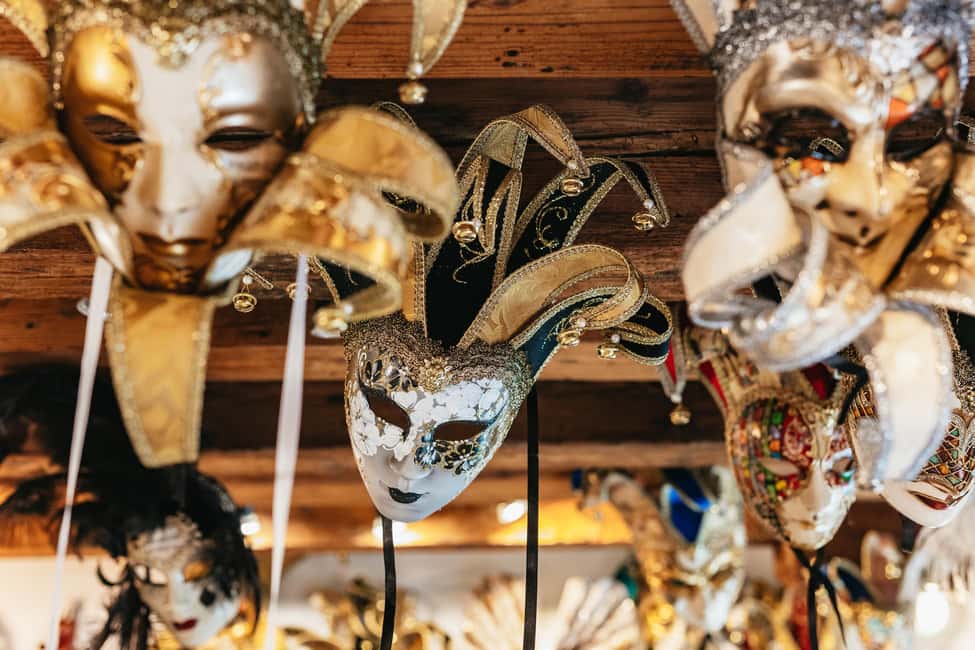
This class isn’t just painting. The best versions of it include a real explanation of why Venice masks mattered.
You can expect stories about Carnival in Venice and the way masks were used in earlier centuries. Themes that come up again and again in the teaching style include anonymity and social performance—how a mask could let people step into a different identity, for a night, a season, or a role in public life.
What I like about this is the balance. You’re not stuck in a lecture. You’re painting while someone connects the techniques you’re using to the cultural reasons masks were worn. That’s why the history feels practical rather than “museum-only.”
You’ll also learn how to decorate paper-mâché masks using methods that align with what you’re seeing across Venice—different styles, different color logic, and different finishing conventions.


The Painting Method: Practical Tips That Make a Difference
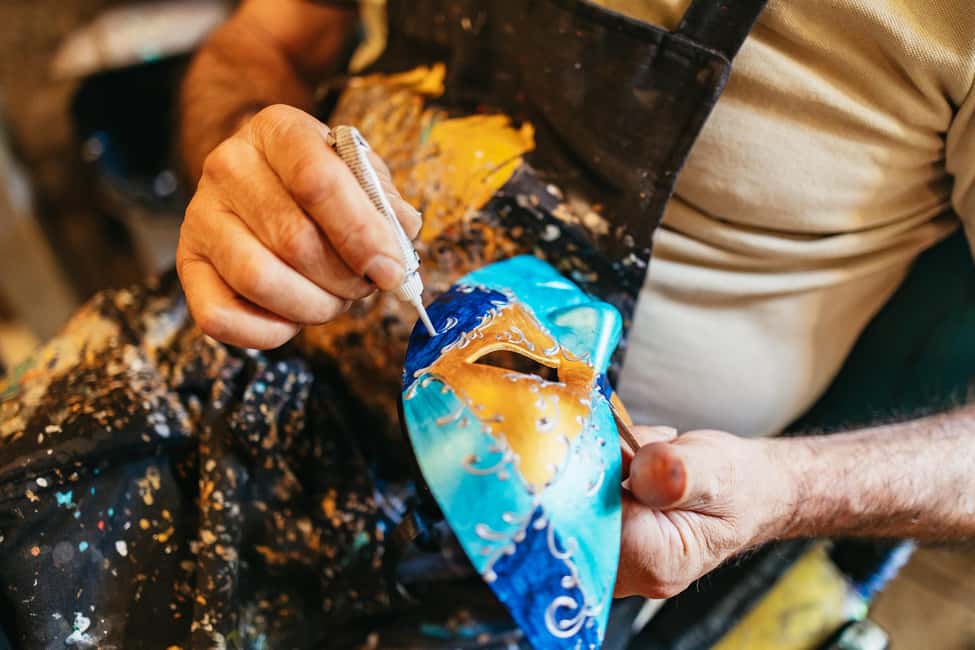
This is the part you’ll remember later when you look at your mask and think, okay, that turned out well. The instructor’s guidance tends to focus on process, not just art talk.
A few practical things to expect:
- Mask layout first: you’ll usually get help planning where colors go before you paint heavily.
- Color blocking: it’s often easier (and cleaner) to paint in sections rather than trying to freestyle everything at once.
- Layering and drying: many hosts guide you through at least two painting passes, with drying in between.
- Finishing details: the last stage is where line work and decorative accents get attention.
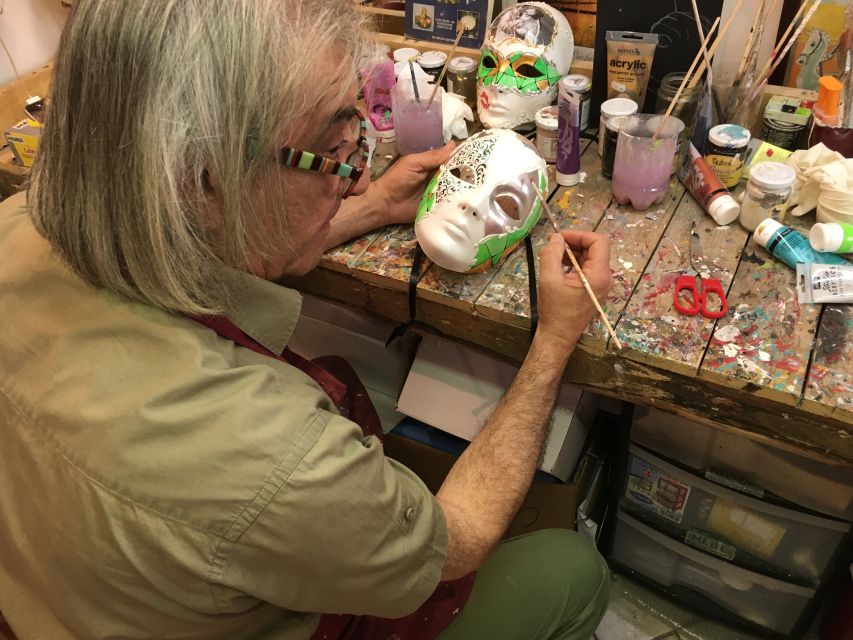
Different artisans have their own style. Some hosts you might encounter include names like Giorgio, Nicolo, Francesco, Petra, and others, and the teaching approach stays friendly but skill-driven. You’ll see the same theme: patient instruction that still pushes you toward a strong final result.
If you’re worried you’re not an artist, good news: the setup is designed for first-timers. You choose from existing mask forms, you get supplies and guidance, and you work step-by-step instead of being handed a blank canvas.
Supplies Included: What You Won’t Have to Worry About
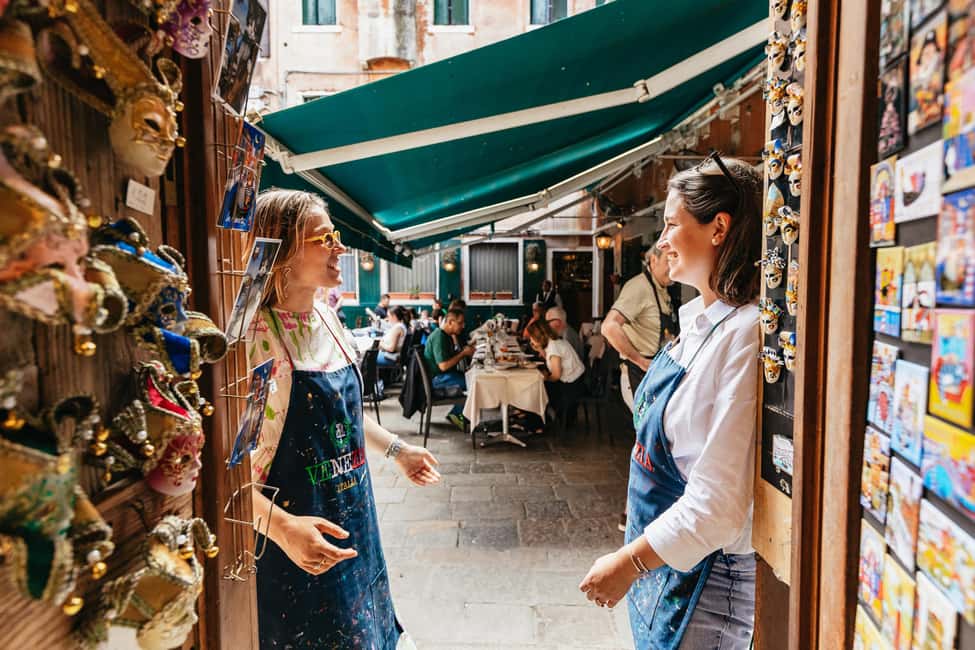
You’re provided with the basics that usually make or break a workshop:
- class instruction for decorating a paper-mâché mask
- all necessary paints and supplies
- a mask to take home
- an apron
That means you’re not hunting for paint markers or figuring out what kind of brush works. You also avoid the common Venice workshop frustration where the “included materials” end up being only partial.
One more small-but-real tip: since painting clothes matters, wear something you’re okay getting splashes on. The workshop suggests appropriate clothing for painting, and that’s exactly the right attitude.
Timing: How 1 Hour Works for Most People
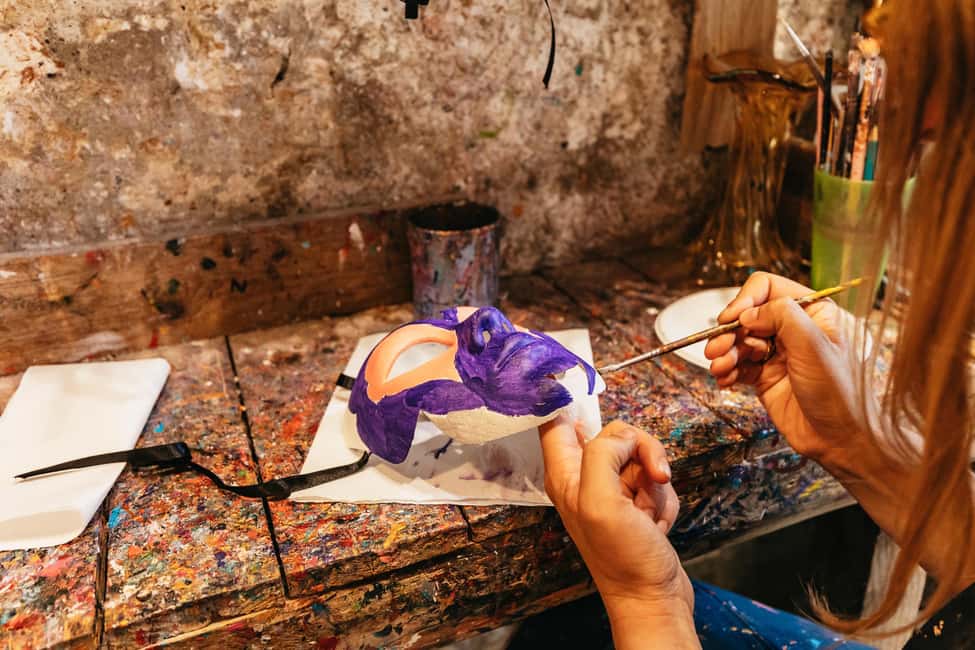
The duration is 1 hour. For a craft experience, that’s actually a sweet spot because it keeps the session focused.
The drawback is obvious: you won’t have unlimited time for complex designs. If you want lots of micro-detail, you’ll need to keep your design plan realistic—choose a mask style that suits your comfort level and go bold on a few color areas rather than trying to decorate every inch.
That said, some sessions may run a bit longer, especially if you also get a quick look at nearby exhibits in the museum/prison setting. If your schedule is tight, still plan as if you’ll need the full hour and then some walking time around the area.
Who This Workshop Suits Best (and Who Should Rethink It)
This works well if you want a hands-on Venice memory.
Great fits:
- couples looking for a creative date with a keepsake
- families with kids who enjoy making things (the class format is guided and includes supplies)
- anyone who likes craft technique more than souvenir shopping
- travelers who want something different from the standard Venice check-list
Consider rethinking if:
- you need an activity designed for limited walking or wheelchair use, because it’s not fully accessible for wheelchair users or those with walking difficulties
- you’re looking for a purely passive experience (this is a hands-on mask painting workshop)
- you want something super elaborate that takes hours to perfect
What You Take Home: Your Own Venice Mask (Now the Real Fun Begins)
Your finished mask is the souvenir. It’s not just “a nice thing you made.” It’s an object that shows your choices: the mask style you picked and the colors and finishes you applied.
That takes the souvenir category out of the disposable zone. You can display it at home, bring it to a costume party later, or even gift it to someone as a very personal Venice story.
To keep it looking good after you leave, treat it like you would any painted craft: avoid smashing it in a crowded bag, and let it settle before you pack. The class provides the painting and finishing steps, but after that, your handling matters.
Tips to Get a Better Mask Without Stress
If you want your session to go smoothly, do these simple things:
- pick a design you can complete in one hour; don’t aim for a fully painted “masterpiece” that needs forever
- choose 3–5 strong colors instead of trying to use every shade
- wear paint-friendly clothing and bring calm expectations
- ask questions early if you’re unsure about where to place colors
Also, be flexible about the exact mask options. Some hosts have multiple traditional styles on hand, and what’s available can vary. If you’re hunting a specific form you saw displayed elsewhere, you might find it’s not always on the table—so keep an open mind once you arrive.
Should You Book This Venice Carnival Mask Workshop?
Yes, if you want a Venice activity with a real creative outcome. This is one of the best ways to connect with Carnival beyond costumes and photos, because you learn technique while you paint and you take home a finished piece.
I’d book it if:
- you like guided hands-on activities
- you want a unique keepsake that doesn’t feel generic
- you’re in the San Marco area and want a creative pause in the middle of sightseeing
I’d skip it if:
- you’re very short on time and can’t spare a full hour
- you need high accessibility support
- you’re only shopping for a quick, cheap souvenir and don’t care about the making part
If you do book, plan your day so you can arrive unhurried, choose a mask you actually love, and paint like you mean it. The result will feel like Venice—made by you.
FAQ
How long is the Venice Carnival Mask Workshop?
The duration is 1 hour.
What is included in the class?
You get the class in decorating a paper-mâché mask, all necessary paints and supplies, a mask to take home, and an apron.
Where do I meet for the workshop?
The meeting point may vary depending on the option booked.
What languages does the instructor speak?
The instructor can teach in Spanish, Italian, English, and French.
Are pets allowed during the workshop?
No, pets are not allowed.
Is this workshop wheelchair accessible?
No. The tour is unfortunately not fully accessible for wheelchair users or those with walking difficulties.