REVIEW · VENICE
Create Your Glass Artwork: Private Lesson With Local Artisan
Book on GetYourGuide →Operated by CITY TOURS CO LTD · Bookable on GetYourGuide
Hot glass, real craft, and your own keepsake. I like that this is a private lesson with Massimiliano Caldarone, step-by-step, not a distant show. I also love that you take home what you make, plus you get a 10% discount in his shop. One thing to plan for: the workshop is not fully accessible for wheelchair users or people with walking disabilities, and you can’t bring pets or large bags into the space.
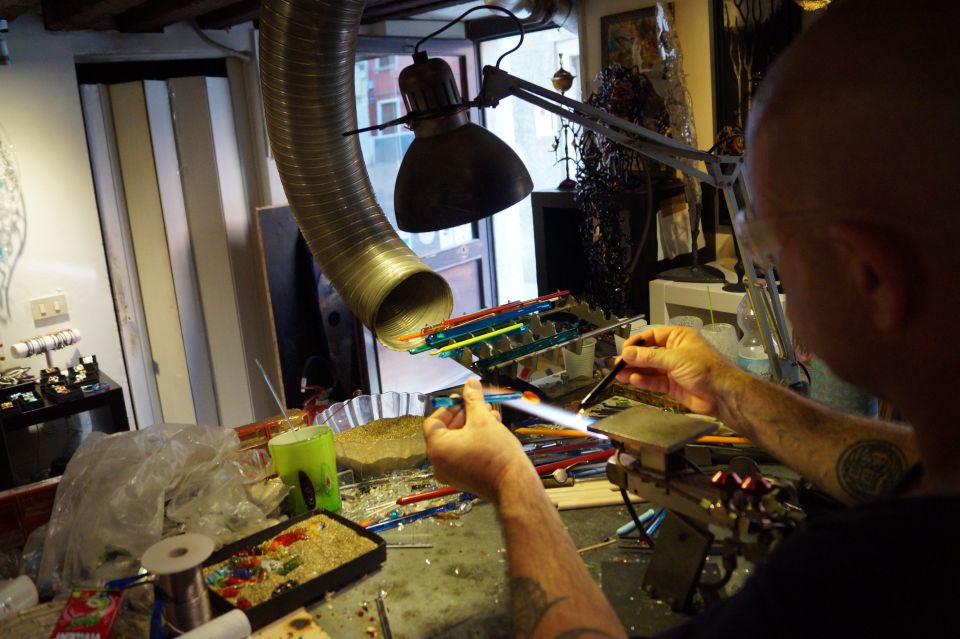
This class is built for people who want to understand Murano-style glass in practical terms. You’ll work with materials using lamp heat, hear the stories and secrets behind the process, and watch the master create more complex pieces while you learn what’s happening and why. With 75 minutes and a small, focused setting, it’s a great break from museums—especially if you’re trying glass for the first time or you’re shopping in Murano soon after.
In This Review
- Key reasons this workshop scores so high
- Massimiliano Caldarone’s workshop in Venice: a practical start
- What you actually do in 75 minutes (and what you’ll learn)
- Price and value in Venice: $93 for glass that lasts
- The small-group reality: private doesn’t mean cramped chaos
- Taking your glass home: what to buy and how the discount helps
- Who this class is best for (and who should skip it)
- Should you book this glass lesson with Massimiliano Caldarone?
- FAQ
- How long is the private glass lesson?
- Where do I meet for the workshop?
- What language is the lesson taught in?
- What do I take home after the class?
- Is the class suitable for wheelchair users?
- How much does it cost?
Key reasons this workshop scores so high
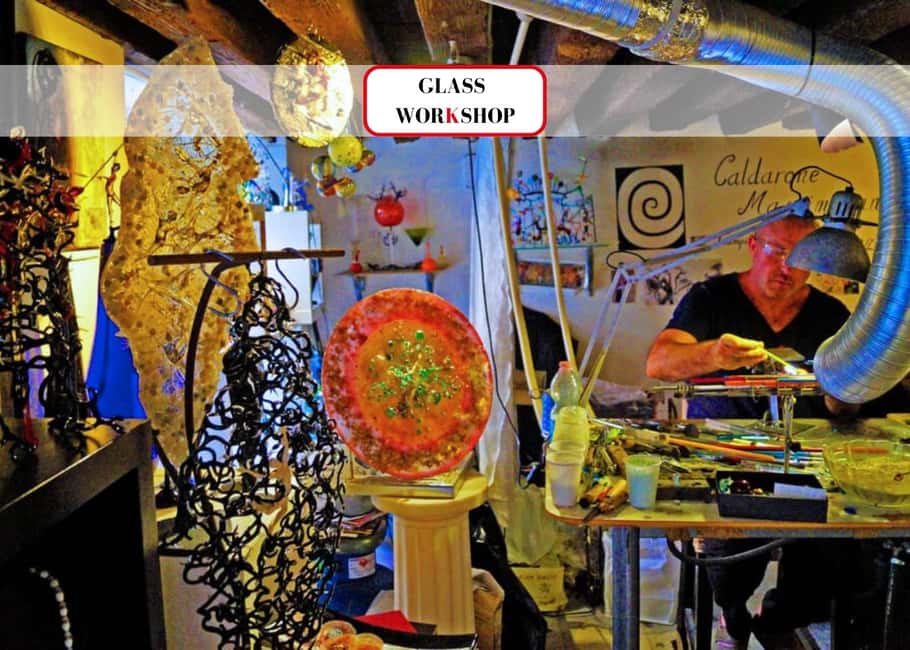
- Private attention from Massimiliano Caldarone: you get guided help the whole way, not just a quick demo.
- Hands-on Murano techniques with lamp heat: you see colors, timing, and form in the moment.
- A take-home glass souvenir: your piece becomes wearable or display-worthy art.
- Safety guidance while working with fire: the process is taught with control, not chaos.
- A built-in shop bonus: you leave with a 10% discount on his artworks.
- A small workshop feel: the studio atmosphere stays intimate, which helps beginners relax.
Massimiliano Caldarone’s workshop in Venice: a practical start
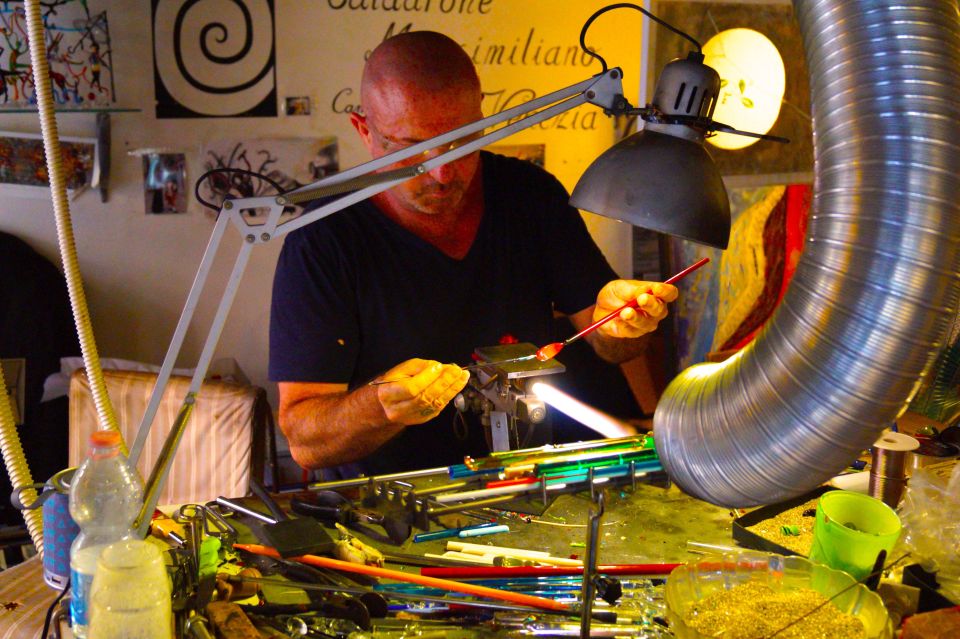
The meeting point is Bottega Artistica Massimiliano Caldarone, Campiello Widmann già Biri, 5419B, Venezia. This part matters: campielli (squares) and narrow calli (streets) can be confusing on your first day, so I’d give yourself a little extra walking time before class. Venice rewards the calm approach.
This is also a working studio, not a big visitor center. The rules are simple and very “shop life”: no pets and no luggage or large bags. That’s not just bureaucracy—it helps keep the workspace safe and uncluttered, since you’ll be close to hot glass and tools. Wear clothes you’re comfortable in. You don’t need to dress like a chemist, but you should be ready to sit, lean in, and focus for the full session.
One more practical note: you must be 18+. If you’re traveling as a family, this one isn’t set up for kids or teen classes. And since it’s not fully accessible for wheelchair users or people with walking disabilities, you’ll want to think about stairs, tight space, and your own mobility before booking.
The lesson can be in Spanish, English, French, or Italian. If your Italian is rusty, that’s fine. You’ll still get the technical side of the craft and the cultural context; the main goal is that you understand what you’re doing and why.
You can also read our reviews of more private tours in Venice


What you actually do in 75 minutes (and what you’ll learn)
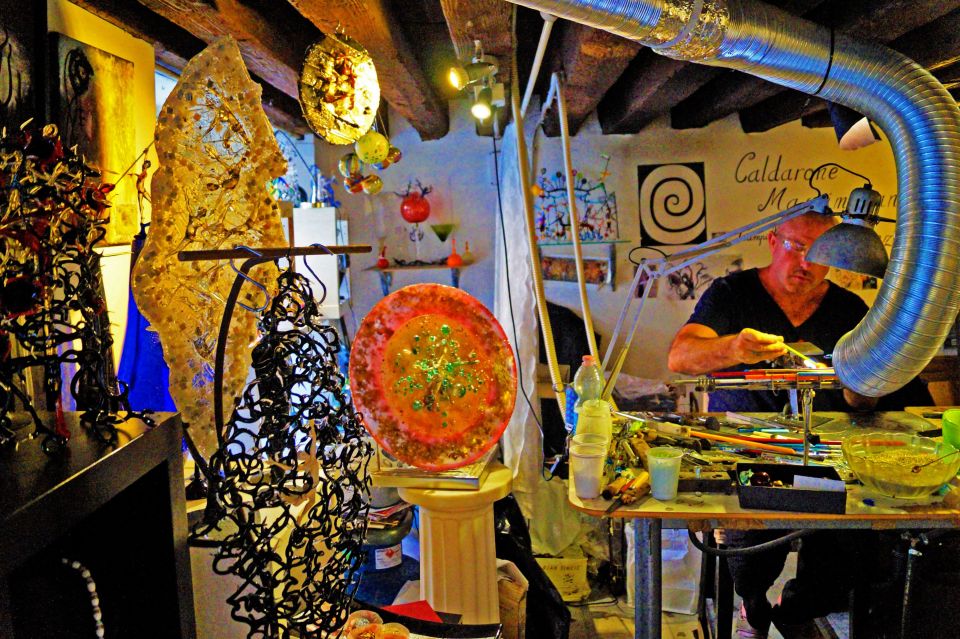
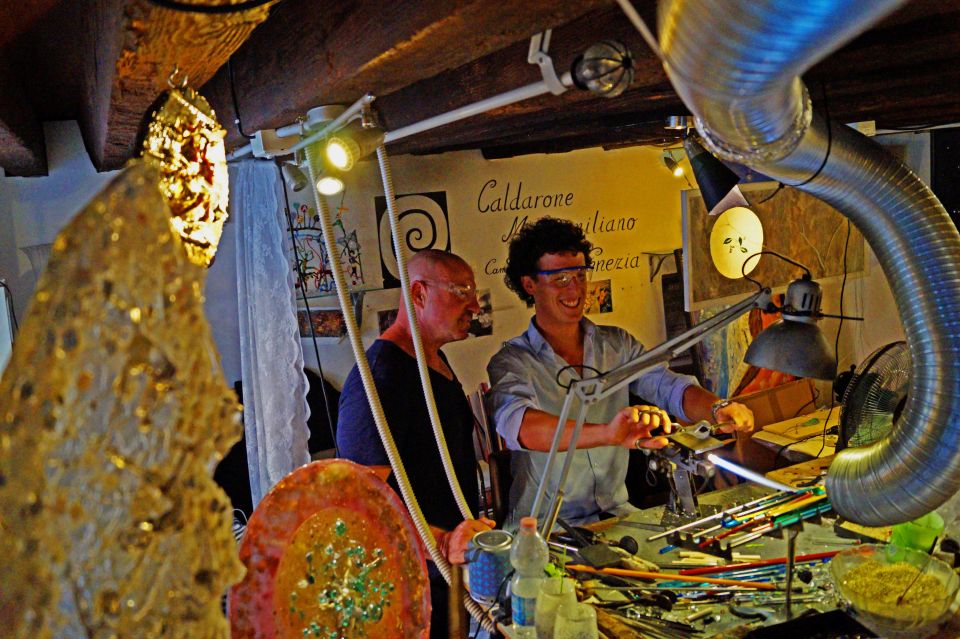
The headline promise is clear: you’ll create a personal glass artwork using old Murano techniques, guided step-by-step by the artisan. In real terms, that means you don’t just watch. You’ll participate while Massimiliano explains the process, the logic behind each step, and the small details that separate a flat blob from something you’re proud to take home.
Most sessions follow a rhythm like this:
- Story + setup first: Murano glass background and the secrets of the craft, delivered in a way that helps you visualize what happens when glass is heated and shaped.
- Watching the master work: you see more complex glassmaking demonstrated right in front of you, so you can connect theory to motion.
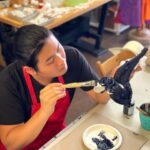
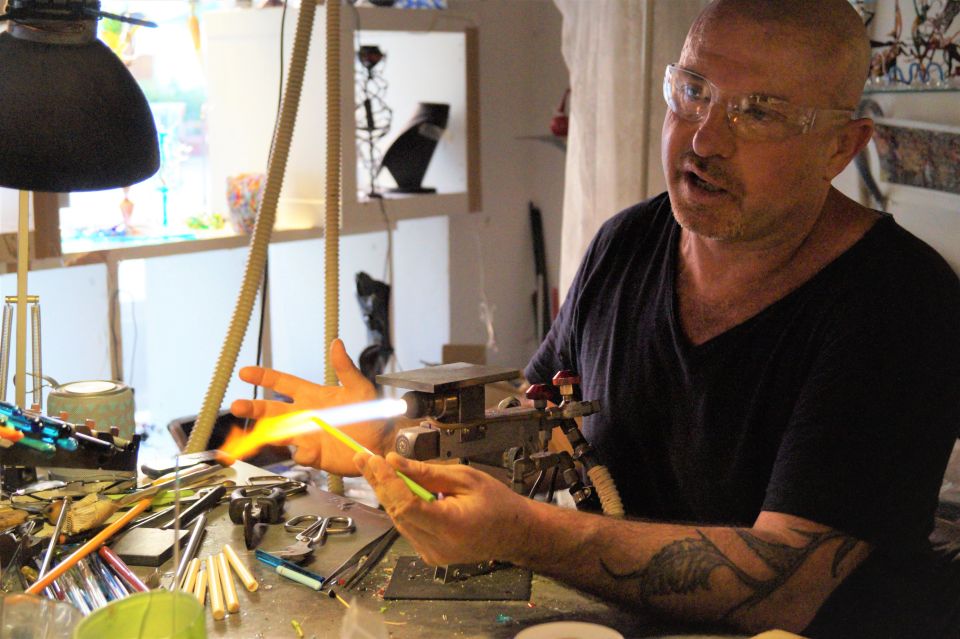
- Your turn at the materials: you make your own piece with the lamp heat method, with help whenever you need it.
- A finishing moment: you leave with your creation as a souvenir, plus the option to shop his work with the discount.
A key point is the mix of teaching styles. You get history and context, yes, but it’s tied to action. When you’re shaping glass, the story isn’t just background reading. It’s explaining why artisans repeat certain steps, why timing matters, and why the final look is the result of careful control.
Even if you’re a complete beginner, this kind of class works because it’s designed around correction. The instructor stays close, watches what you’re doing, and adjusts the next move. That’s why the outcome tends to feel satisfying: you’re not “guessing” your way through a craft.
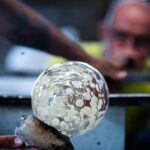
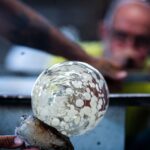
The session also includes a more advanced demonstration piece you can watch him craft. Depending on the timing of your class, you might see different styles—one highlight that comes up in the studio is how he can form sculptural forms like jellyfish or other artistic shapes. The point isn’t the exact motif. It’s the skill you get to witness up close.
Price and value in Venice: $93 for glass that lasts
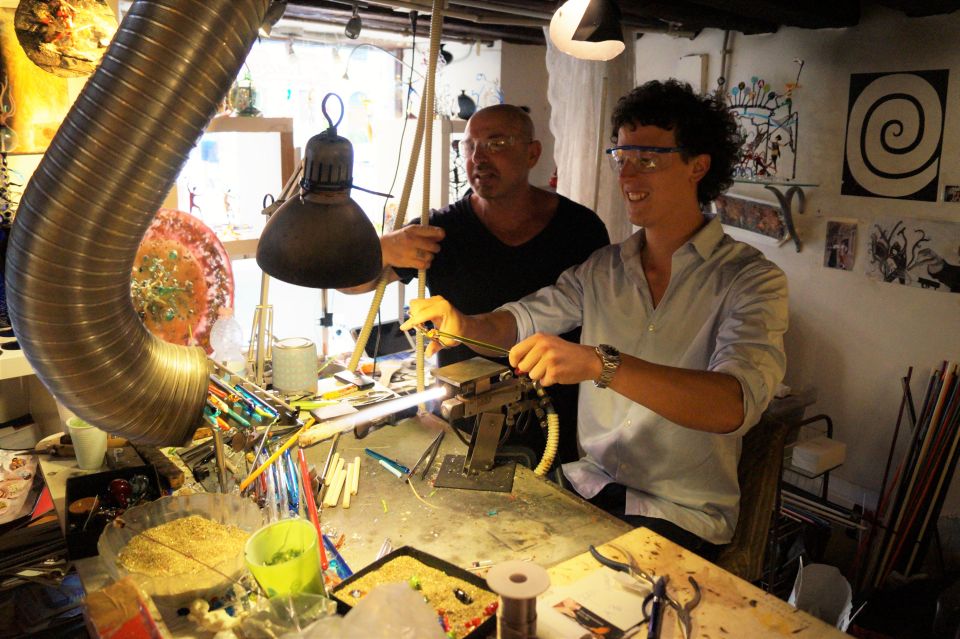
Let’s talk money plainly. At $93 per person for a 75-minute private lesson, this isn’t the cheapest activity in Venice. But it’s priced like a working craft experience with a real artisan—meaning you’re paying for hands-on teaching, materials, and the fact that the workshop time belongs to you.
Here’s where the value stacks up:
- You’re not only getting a demo; you’re making something yourself.
- The class includes working items and your glass creation as a souvenir.
- You get a 10% discount on the artist’s artworks in the shop, which can offset the cost if you’re tempted by finished pieces.
In other words, the price isn’t just for entertainment. It’s for a skill transfer and a keepsake. If you’ve done a museum visit and thought, I’d rather do something than just look, this is the kind of stop that feels “worth it.”
Also, consider the timing. Seventy-five minutes is long enough to learn and make something real, but short enough to fit into a day of walking. Venice days are busy; this gives you a concentrated experience without consuming your whole afternoon.
The small-group reality: private doesn’t mean cramped chaos
This is a private group class, and the studio setup supports that. The room is described as very small and intimate, which is exactly what you want for learning hot-glass basics. There’s less waiting time, fewer distractions, and more attention on what you’re doing.
For you, the benefit is simple: you’re less likely to feel lost. Beginners often worry that they’ll slow the group down. In a tiny workshop, that worry drops away because instruction is built for the person in front of you.
You also feel it in how the session is paced. Instead of rushing you through a “try it once” gimmick, the instructor guides you during the making steps. The teaching style lands as calm and practical. You get answers as questions come up, and you can ask without feeling like you’re interrupting a script.
You should also expect hands-on work with safety in mind. Glassmaking is not a passive craft. The instructor demonstrates how to handle the process safely, then helps you practice. That matters even if you’ve never worked with anything hot before. You’ll spend your time learning the basics rather than fighting uncertainty.
Taking your glass home: what to buy and how the discount helps
Your finished piece is included. That’s the big “okay, that’s why I paid for this” part. You’re not leaving with a photo and a vague souvenir. You leave with what you made, and that becomes a story you can actually carry.
During the class, you’ll also see more professional works by the artist, and many people end up wanting to bring home something that’s more detailed or sculptural than what you can make in a single session. The built-in 10% discount is there for a reason: once you’ve watched how intricate the craft can be, it’s easier to justify buying a finished piece.
If you’re the type who likes your souvenirs to have a backstory, this is your kind of stop. The glass item doesn’t just represent Venice as a postcard; it represents a skill you tried with a working Venetian master.
Practical tip: keep your packaging plan in mind. The rules say no large bags into the workshop, but once you leave, treat the glass like fragile art. Bring a small, sturdy way to transport it (and don’t cram it into a crowded tote).
You can also read our reviews of more tours and experiences in Venice
Who this class is best for (and who should skip it)
This workshop is ideal if you:
- Want a hands-on Venice experience that isn’t another museum hour.
- Are curious about Murano-style glass techniques and want the cultural context, not just the result.
- Like intimate dates or small-group activities where you can talk and ask questions.
- Want a beginner-friendly activity where instruction keeps you from flailing.
It’s also great if you plan to shop Murano glass afterward. Learning the process first helps you understand what you’re looking at. You’ll notice technique in finished pieces instead of just admiring color.
Skip it if:
- You need wheelchair access or you struggle with uneven floors or tight workshop space.
- You’re traveling with large luggage or you want to bring a lot of stuff in with you.
- You’re under 18.
And one more consideration that can be overlooked: because it’s a real studio and the class is focused, it’s not the best choice if you want a long, wandering sightseeing experience. Think of it as a scheduled craft appointment. Show up ready to learn, then enjoy Venice after.
Should you book this glass lesson with Massimiliano Caldarone?
If you want a Venice experience that feels personal, creative, and grounded in real craft, I think this one is a strong pick. The private format, the step-by-step guidance, and the fact that you take home what you make create a payoff that’s hard to match in a city full of beautiful things.
Book it if you like:
- learning by doing,
- meeting a master artisan,
- and bringing home a souvenir with actual meaning.
Don’t book it if accessibility is a concern for you, or if you need to travel with large bags. Also be honest about your expectations: this is not mass-market glass blowing. It’s teaching you how to create a piece within the time, with lamp-based technique and expert support.
If you’re planning your Venice day and you want one stop that turns your time into a story you’ll keep, this is an excellent choice.
FAQ
How long is the private glass lesson?
The lesson lasts 75 minutes.
Where do I meet for the workshop?
Meet at Bottega Artistica Massimiliano Caldarone, Campiello Widmann già Biri, 5419B, Venezia.
What language is the lesson taught in?
The instructor can teach in English, Italian, Spanish, or French.
What do I take home after the class?
You’ll take home your glass creation as a souvenir.
Is the class suitable for wheelchair users?
No. The activity is not fully accessible for wheelchair users or people with walking disabilities.
How much does it cost?
The price is $93 per person.