REVIEW · VENICE
Lio Piccolo: Flamingos & Birdwatching Bike Tour in the Lagoon
Book on Viator →Operated by deTourist Venice Valerio Coppo · Bookable on Viator
Venice, with flamingos on your route. This 5-hour bike tour turns the Venetian Lagoon into a real-world birdwalk, with a guide and capped small group energy. I also like the big promise here: wintering flamingos and other lagoon birds in an area most people never get to see up close.
What makes it especially useful is the mix of cycling and bird-focused stops, so you’re not just watching from a distance—you’re learning how the lagoon works. The one consideration: the tour needs good weather, and windy lagoon edges can make the ride feel cooler than you expect.
In This Review
- Key things I’d mark on your map
- Getting from Venice to the lagoon: Fondamente Nove to Treporti
- Bike choices at Treporti: city, tandem, or e-bike for extra €20
- Lio Piccolo flamingos: why winter birds feel so close
- More than flamingos: ducks, herons, cormorants, and mudflat clues
- Via delle Mesole and Al Notturno: cycling views you can actually read
- Price and value: what you’re really paying for
- Best time to go, what to bring, and how to get better sightings
- Who should book this Venice bike-and-bird tour
- Should you book Lio Piccolo Flamingos & Birdwatching by Bike?
- FAQ
- How long is the Lio Piccolo flamingos and birdwatching bike tour?
- What’s included in the price?
- Do I need to pay for the water bus?
- Are e-bikes included?
- What kinds of birds can I expect to see?
- Can I cancel if the weather is bad?
Key things I’d mark on your map
- Small group cap (listed as up to 10, often run as a tight group) means less crowd noise and more time to look.
- Guided lagoon birdwatching with a nature and interpretive guide so you know what you’re seeing.
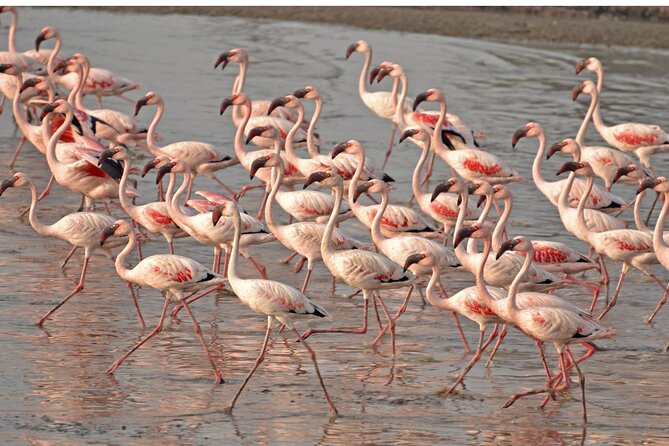
- Lio Piccolo flamingo country where wintering birds can be confident and frequent in shallow waters.
- Bike options include tandem and city bikes, plus e-bikes for an extra cost.
- Real lagoon terrain like mudflats, canals, sand banks, and fishing valleys—perfect for spotting wading birds.
- Species variety goals: you’re set up to look for ducks, herons, cormorants, and shorebirds as well as flamingos.
Getting from Venice to the lagoon: Fondamente Nove to Treporti
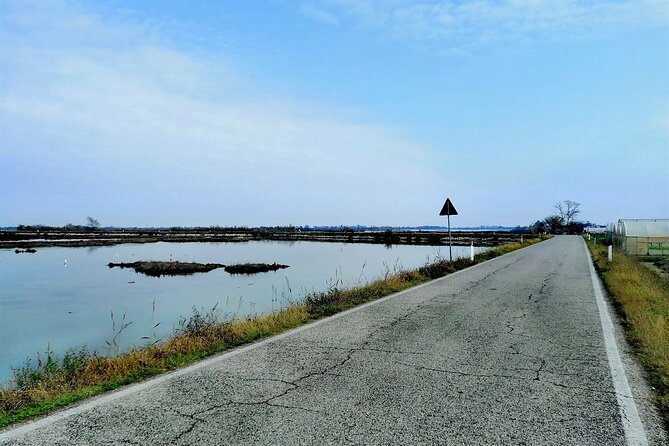
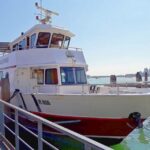
You start in Venice at Fondamente Nove, then get sent north by water bus through the lagoon. This short transfer matters more than it sounds. First, it gets you out of the city’s noise fast. Second, it gives you a moving “preview” of what the lagoon is like—channels, islands, and that wide-sky feeling you don’t get when you’re only in streets and canals.
You’ll then land at Treporti, where bikes are waiting. This is the moment the tour switches from sightseeing to rhythm: you stop listening for street directions and start listening for birds—plus you get control over your pace. That’s a big deal in birdwatching. If you’re always rushing to keep up with traffic, you miss the best moments.
English is the working language on this tour, and it’s designed to be practical for most people (this isn’t a hardcore cycling day). Still, you should expect a ride focused on nature viewing rather than covering huge distances.
You can also read our reviews of more cycling tours in Venice
Bike choices at Treporti: city, tandem, or e-bike for extra €20
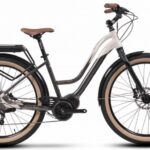
At Treporti, you pick your ride: city bike, tandem, or an e-bike option. The bike rental is included, which keeps the planning simple. The e-bike is listed as an extra rental cost of about €20, booked and ready for you.
Here’s how I’d choose based on what you care about:
- If your priority is comfort and smooth handling, go with a city bike. You’ll spend most of your time stopping, looking, and listening, not sprinting.
- If you like sharing the experience and staying close, take the tandem. It also tends to make the group feel more “together” because you’re physically synced.
- If you want less effort (or you’re traveling light and don’t want to worry about stamina), the e-bike is an easy upgrade.
One more practical note: because this tour is about lagoon edges and wetland terrain, you’ll likely want shoes you don’t mind getting a little dusty. This is not a fashion show ride.
Lio Piccolo flamingos: why winter birds feel so close
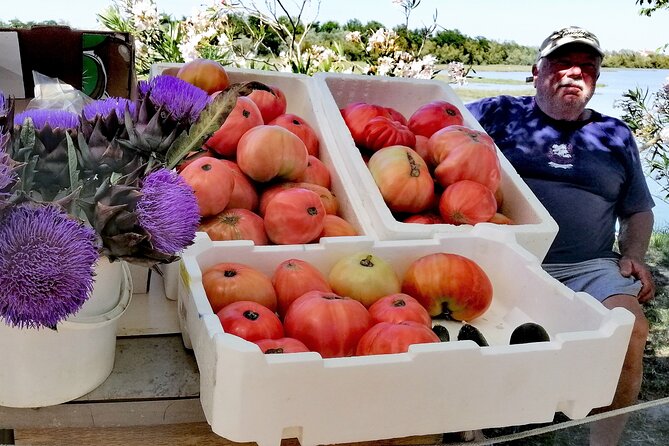
The star section is Lio Piccolo, where your timing is built around flamingo behavior. Lio Piccolo isn’t just a name on a map. It’s a feeding habitat. These wading birds have been wintering here for over a decade, and the counts in winter are huge—more than 8,000 flamingos are described as wintering in the lagoon, with many staying through the year.
The tour framing is smart: it sets you up to see the birds as part of a system, not a one-off photo moment. Flamingos spend time in shallows and muddy waters. The guide can explain why they’re comfortable there—filter feeding with their beaks, plus the way fish-farm shallows (called valli da pesca) create predictable feeding conditions.
If you care about more than selfies, you’ll enjoy this stop because you’re looking with intent. The best bird moments are often the quiet ones: a bird lifting its head, a group shifting position, or a wader stepping into a quieter channel.
More than flamingos: ducks, herons, cormorants, and mudflat clues
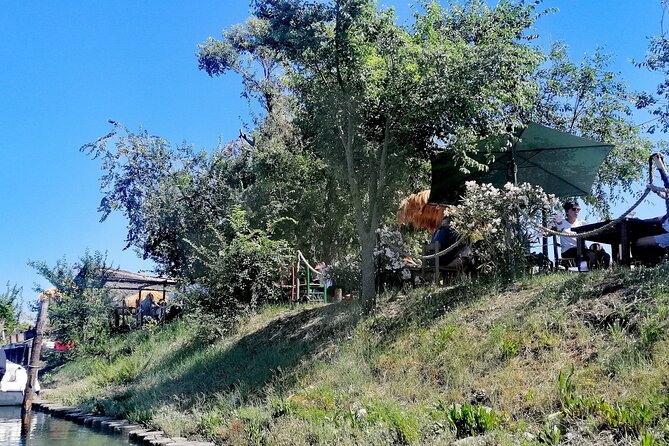
The second Lio Piccolo stop expands the focus from flamingos to the wider bird scene. The lagoon is described as hosting around 300 species connected to tides, marsh land, and the sea. That kind of variety is exactly why a guided approach helps: you learn how to interpret habitat.
As you cycle, you’re positioned to spot ducks and waders, plus birds like herons and seagulls. The tour also points out that cormorants can be seen here, with references to birds arriving from places such as Poland, Sweden, and Denmark. That’s the fun of lagoon birdwatching in a place like this: you’re watching movement in real time, even if the birds you see are local residents.
One of the best details I picked up from real-life birding on this route is the value of being equipped to see details. A past group brought binoculars, and it made a noticeable difference in what they could identify—everything from waders and stilt-like birds to herons and gulls. If you don’t own binoculars, you can still enjoy the day, but I’d strongly consider bringing them. Even basic binoculars help you go from spotting shapes to recognizing species.
You may also notice specific plants and salt-marsh edges. One strong example from a winter sighting list included sea lavender (Strandflieder/Meerlavendel). It’s not just scenery—it’s a clue that you’re in real salt-marsh habitat, which often lines up with bird activity.
Via delle Mesole and Al Notturno: cycling views you can actually read
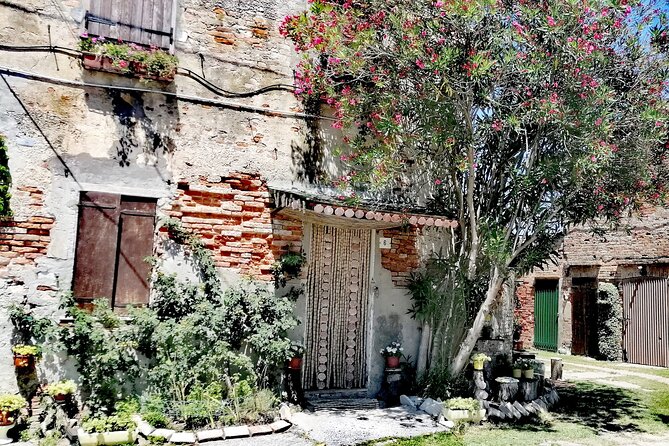
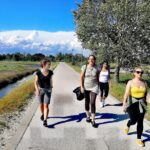
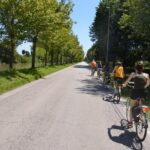
After the bird-focused stops, the tour shifts gears again with more time cycling through varied lagoon terrain. Via delle Mesole is where the route becomes a visual lesson. You’re riding along a mix of water and land textures: canals, sand banks, mudflats, and fishing valleys. You also pass sand dunes and vegetable patches.
This part can feel like a reset for your eyes. You’ve been staring at birds, then suddenly your guide is pointing out “why the shape of the ground matters.” Mudflats attract different species than deeper channels. Sand banks change how birds move and where they rest. Fishing valleys can concentrate activity because the habitat is consistent.
Then you reach Al Notturno, which is more about the “why” behind the landscape than just what you see. The tour explains how three elements coexist here: land, fresh water, and salt water. Having that context changes your ride. You stop thinking of the lagoon as one feature and start treating it like a set of overlapping habitats.
And you get a final nature-and-interpretation angle as you pedal under the guide’s direction. This isn’t a lecture with no view. It’s the kind of explanation that makes your next bird look easier, because you know what to search for.

Price and value: what you’re really paying for
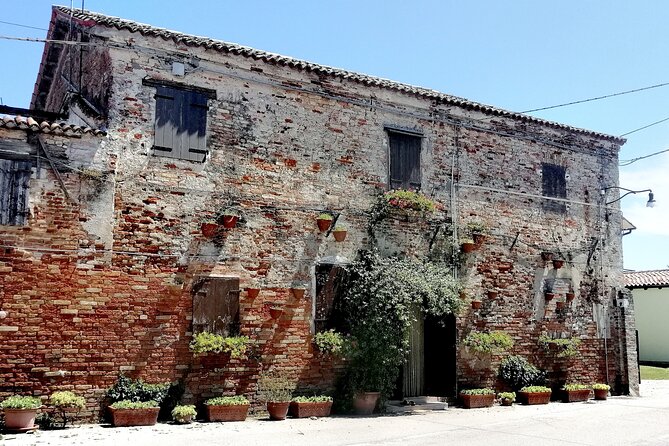
At $203.07 per person for about 5 hours, this tour isn’t the cheapest Venice day. But the value math is pretty clear when you break down what’s included:
- Bike rental is included. That’s a real cost you’d pay separately if you tried to DIY.
- You get a tour leader and an interpretive/nature guide. In birdwatching, guidance often means you spot more and understand more, not just that someone points.
- The group is capped tightly (up to 10, and often run as a smaller cap). Less crowding can matter a lot in wetlands where viewing space is limited.
What’s not included:
- The water bus ticket to Punta Sabbioni (listed as €9.50 per person for daily passes you can ask about). This is part of how you get out of Venice efficiently.
- Gratuities (at your discretion).
- If you want an e-bike, budget the extra ~€20 rental.
So who is it good value for? If you care about birds and you want a structured route that gets you to the right lagoon areas without stress, it’s a strong option. If your priority is walking-only Venice highlights or you don’t care about birding at all, you might find it pricey for what’s essentially a nature ride.
Best time to go, what to bring, and how to get better sightings
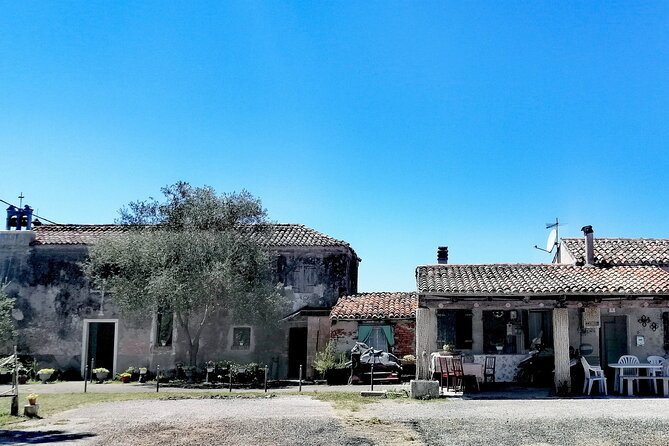
You don’t control bird behavior, but you can control your comfort and your sighting potential.
- Binoculars help. A prior group’s detailed species list came from close observation, and the mention of binoculars lined up with that result. If you have them, bring them.
- Dress for wind. Lagoon air can chill you faster than you expect. Even in decent weather, it can feel cool once you’re riding.
- Have a light rain plan. The tour requires good weather. If conditions aren’t right, you’ll be offered a different date or a refund. Still, packing a compact layer is smart.
Timing can affect what you see, too. Flamingos and other birds are a major draw in winter, and the tour is clearly built around that seasonal reality. But even outside peak conditions, wetlands tend to stay interesting because birds keep using the habitat.
Who should book this Venice bike-and-bird tour
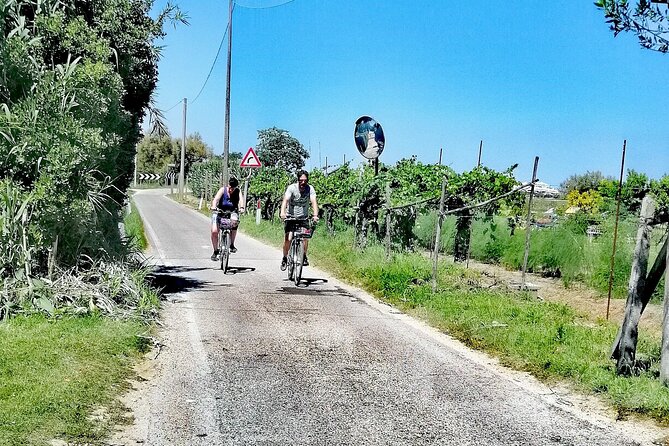
This tour fits best if you:
- Love birdwatching or want to try it with a guide.
- Prefer nature time outside the city’s crowds.
- Want a small-group day where the schedule is built around looking, not rushing.
- Are open to the idea that Venice is more than streets and gondolas—it’s a whole water system.
It may feel less perfect if you:
- Want guaranteed flamingo views regardless of weather and season. Birdlife is never a sure thing, and the tour itself notes it depends on good weather.
- Plan to spend most of the day taking photos from far away without stopping. This route is designed for active watching and short viewing windows.
Should you book Lio Piccolo Flamingos & Birdwatching by Bike?
If you’re choosing between another Venice walking plan and a nature-focused day, I’d lean toward booking this if birds are even a little bit your thing. The mix of small group, an actual nature/interpretive guide, and the targeted Lio Piccolo stops makes the day feel purposeful. Plus, you’ll leave with a sense of how the lagoon works—why the birds are where they are—rather than just a set of quick sightings.
My simple decision rule: if you can bring binoculars and you’re willing to ride with the weather, book it. If you’re going to be cold, impatient, or you hate being outside, you might want a more city-based option.
FAQ
How long is the Lio Piccolo flamingos and birdwatching bike tour?
It runs for about 5 hours.
What’s included in the price?
Bike rental and a tour leader/nature and interpretive guide are included.
Do I need to pay for the water bus?
Yes. The water bus ticket to Punta Sabbioni is not included. Daily passes are available and the listed price is €9.50 per person.
Are e-bikes included?
E-bikes are available, but they are listed as an additional rental cost of around €20, paid as a rental expense.
What kinds of birds can I expect to see?
The tour is designed for lagoon birdwatching, including flamingos, ducks, herons, wading birds, and other species associated with tides and marsh areas.
Can I cancel if the weather is bad?
The experience requires good weather. If it’s canceled due to poor weather, you’ll be offered a different date or a full refund.