REVIEW · VENICE
Ancient Venice and its spices: cooking class and market tour
Book on GetYourGuide →Operated by The Venetian silk route · Bookable on GetYourGuide
Some Venice tours skim the surface; this one cooks.
In just 3 hours, you get a hands-on look at how Venice bought flavors from around the world, then you taste and cook from those ideas in an old house setting. I love how the Rialto market stroll turns shopping into story-time, and I love that the class is built around spices you can actually notice in the food, not vague “Mediterranean flavors.” One possible drawback: because it’s part tasting-heavy meal time and part cooking, it’s not ideal for everyone with certain health conditions or for very young kids.
You’ll meet in front of Caffè Vergnano 1882, then head to the Mercato di Rialto with your host, and finish back near Campo Santa Maria Formosa. The vibe is equal parts food, costume-era atmosphere, and practical cooking—no stiff lecture, just plenty of eating and a real sense of why these ingredients mattered in Venice.
In This Review
- Key things to know before you go
- Meeting at Caffè Vergnano 1882: quick, easy start
- Rialto Market: where spices become real
- The short walk: shifting gears from street to home
- Inside the ancient house: candles, tricorne, and spice stories
- Cooking and tasting: what you’ll actually do
- Food and drinks in Venice: a long, satisfying session
- The stories you’ll hear (and why they matter)
- Who should book, and who should skip
- Price and value: what you’re really getting
- Should you book Ancient Venice and its spices?
- FAQ
- How long is the Ancient Venice and its spices experience?
- Where do we meet?
- Is the tour private or shared?
- What language is the instructor?
- Is it focused on both the market and cooking?
- Can I request a specific taste or tell them about allergies?
- Is there any ticket line to wait in?
- What’s the cancellation policy?
Key things to know before you go
- Meet your host at Caffè Vergnano 1882 right outside the door, then walk straight into the Rialto area.
- Mercato di Rialto is the real starting ingredient: you’ll shop, sightsee, and taste as you go.
- You move on foot (10 minutes) from the market area to the home kitchen for the cooking portion.
- The cooking lesson is spice-first, with ingredients and stories tied to Venice’s trading past.
- Food and drinks aren’t an afterthought—you’ll be eating across the full session, not just sampling.
- This is a private group experience in English, led by Massimo.
Meeting at Caffè Vergnano 1882: quick, easy start
Your morning (or afternoon) begins at street level, outside Caffè Vergnano 1882. The meeting point is simple: just stand in front of the café door and look for your host and group.
Why this works well: you’re not sent wandering for a “tour office” or trying to decode a meeting app message. It’s also a good anchor point because the Rialto side of Venice is easy to get turned around in—starting at a recognizable café helps you get your bearings fast.
From there, you head toward the market area for the first major stop.
You can also read our reviews of more shopping tours in Venice
Rialto Market: where spices become real
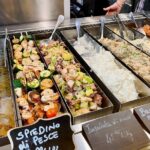
The first big block is about 1 hour at Mercato di Rialto. This isn’t framed as a checklist of sights; it’s framed as food knowledge in motion.
You’ll do three things at once:
- Visit and sightseeing, with time to look around.
- Shopping, so you can see how ingredients are chosen in a working market.
- Food focus, so the market isn’t just scenery.
What makes this part especially valuable is the connection to Venice’s trading identity. Venice wasn’t isolated—it was a hub. And your host weaves in the idea that “spices” in Venice weren’t just seasonings; they were part of the city’s global contact. Expect to hear spice names that sound like they came from old trading charts: saffron, pepper, anise, and cardamom (and others). You’ll start recognizing them not only as flavors, but as historical “characters.”
If you like food markets but get bored when they’re treated like tourist photos, you’ll probably enjoy this more. The pace is designed for tasting, choosing, and asking questions—not for rushing to the next landmark.
The short walk: shifting gears from street to home
After Rialto, you take a 10-minute on-foot transfer. It’s not a long commute, but it matters. That small change of setting is what flips the mood from “watch Venice trade” to “cook Venice at the table.”
You also get a photo stop in Venice, plus a cocktail/spirits and dessert moment before the main meal section takes over. The timing here keeps the energy up while you transition into the cooking environment.
One practical note: Venice walking adds up. Even with short segments, wear comfortable shoes. You’ll be on your feet enough that your legs will thank you later.
Inside the ancient house: candles, tricorne, and spice stories
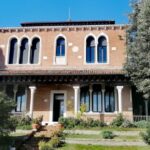
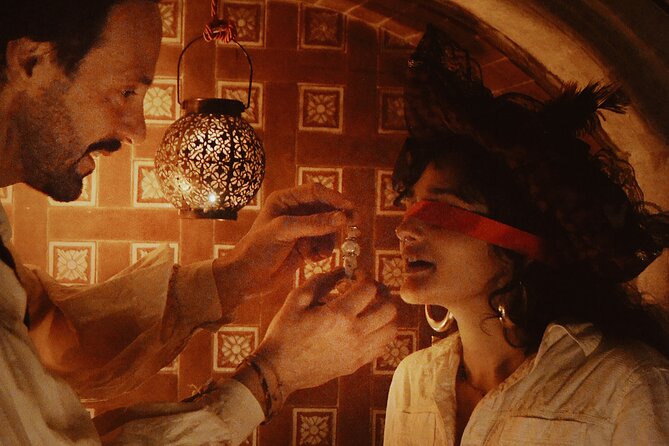
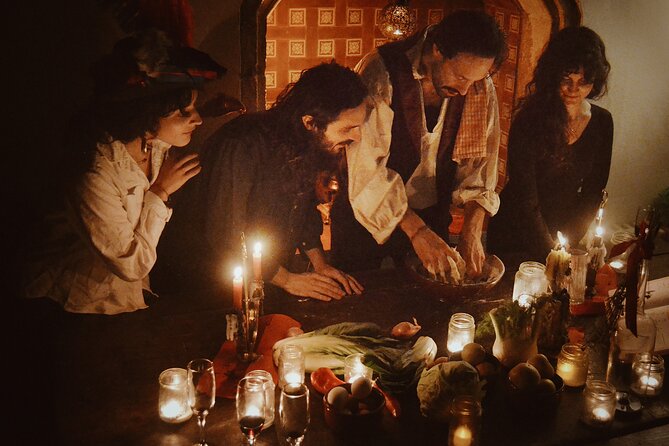
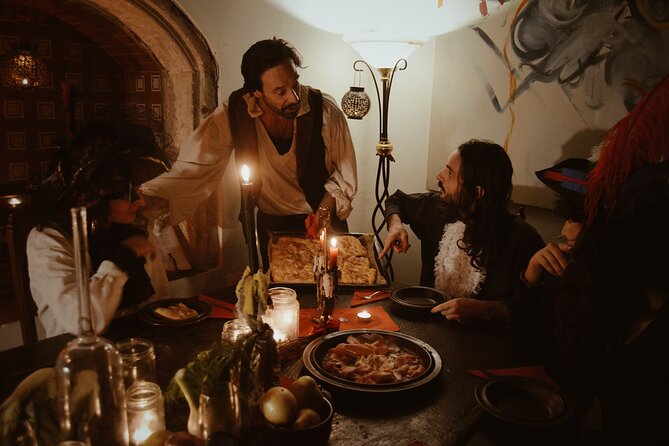
The heart of the experience is in the host’s home, where you’re greeted into an atmosphere built for the theme: candles, tricorne, old recipes—a way to make the history feel physical rather than theoretical.
Here’s what I think you’re really paying for: the way the cooking lesson turns spices into a story you can taste. The class is designed around ancient Venetian dishes linked to figures like Marco Polo and Casanova—with a touch of innovation in how the host presents the flavors.
You’ll talk through spice roles—what each one does in the dish, and why those ingredients made sense in Venice. The idea of an old “spice route” gets turned into something you can recognize at the stove: warm, aromatic, and often sweet-spiced notes that don’t feel out of place in a lagoon-city cuisine.
And yes, this is also where the hospitality shows up. In the feedback, people highlight how warmly the host welcomes you—like you’ve been invited to cook with a friend, not processed as a customer.
Cooking and tasting: what you’ll actually do
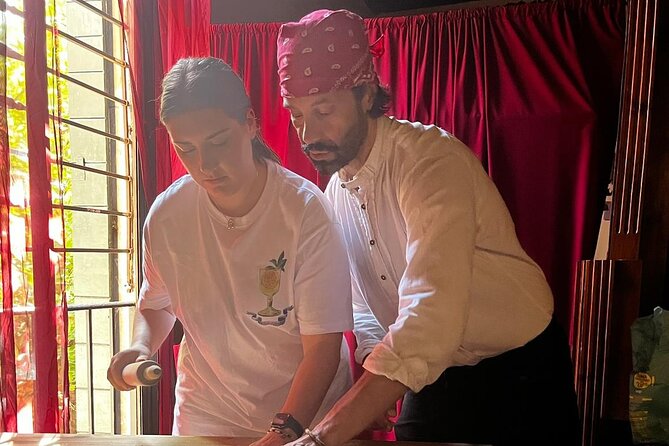
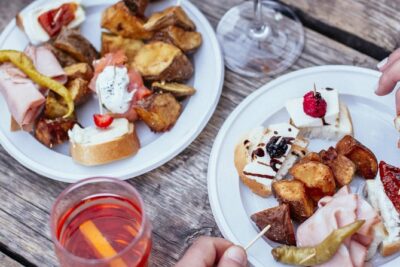
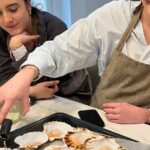
This isn’t a “stand and watch” class. The session includes cooking and food tasting, and it runs long enough for multiple courses and multiple tastes, not just one plated highlight.
Based on what people describe, you can expect a meal structure where the spices aren’t hidden. They show up in the choices and in the final flavors, which makes the experience more memorable than a standard cooking tour where everyone forgets the ingredient names by dessert.
A couple of concrete examples that have stood out:
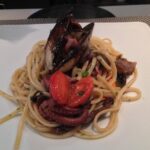
- Handmade pasta with ancient flour
- A sauce featuring wild mushrooms
- Spice notes described with nutmeg and cinnamon
- A finish that can include grappa and espresso, paired with conversation and shared tasting
If you’re someone who wants to recreate things at home, this is one of those rare tours where you leave with a clearer idea of why a dish tastes the way it does. It’s not just “follow the recipe.” It’s “understand the spice logic.”
Also worth noting: the host asks you about what you prefer to taste and whether you have allergies. That’s not a throwaway line. In the experience feedback, someone specifically mentioned how kindly an allergy request was handled.
You can also read our reviews of more tours and experiences in Venice

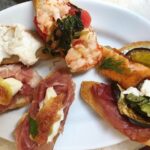
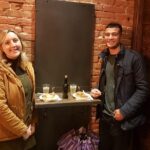
Food and drinks in Venice: a long, satisfying session
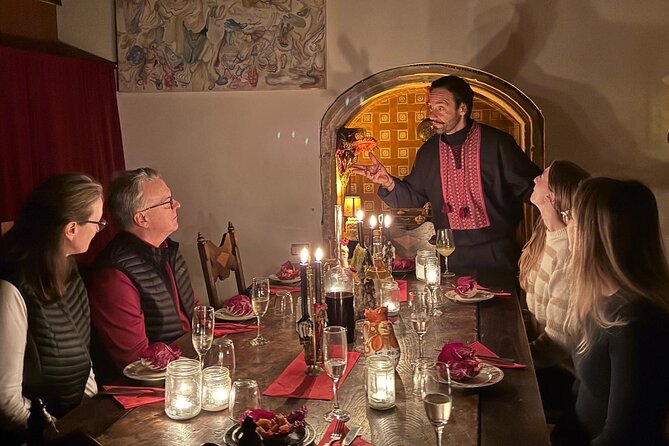
One of the best parts of this tour is that it doesn’t treat food like a sidebar. During the Venice portion, you’re set up for a full eating experience that includes a cocktail, spirits, dessert, lunch/dinner elements, and wine tasting, plus the cooking lesson and food tastings.
So plan your day around it. If you’re the type who likes to keep evenings open for bars and wandering, this tour can still work—but you’ll want to go in hungry, not with a late lunch already planned.
The value angle here is simple: instead of paying for a short “demo,” you’re paying for a complete meal arc. You get the market knowledge, then you get the table experience. That’s why people call it a favorite activity in Venice, not just a fun afternoon.
The stories you’ll hear (and why they matter)
Spice tours can be either:
1) a fun ingredient parade, or
2) a historical explanation with no emotional payoff.
This one leans toward the first but uses history to make the flavors stick.
You’ll hear curious Venice stories tied to merchants and the city’s connections. The details matter less as trivia and more as memory hooks. When you taste something spiced and aromatic, it’s easier to remember the ingredient—and the role it plays—if you also heard why it traveled to Venice in the first place.
Figures like Casanova aren’t just name-dropping here. They help shape the tone of the meal—playful, a little theatrical, and centered on eating well. And Marco Polo helps connect Venice to a global ingredient imagination.
It’s history you can taste. That’s the point.
Who should book, and who should skip
This is a private group tour in English, and it’s designed for adults and older teens rather than toddlers or anyone needing special medical accommodations.
It’s not suitable for:
- Children under 2 years
- Babies under 1 year
- Wheelchair users
- People with epilepsy
- People with diabetes
- People with high blood pressure
- People over 70 years
If you’re in the “not suitable” list, it’s best to pass. You’ll enjoy Venice more with a tour that fits your needs safely.
Who it suits best:
- Food lovers who like why as much as what
- Anyone who enjoys market walks
- Travelers who want a Venice experience that feels like a real home-table moment (not a factory meal)
- People comfortable with active walking for short segments in old streets
Price and value: what you’re really getting
No price is listed here, so I can’t compare to a specific competitor. But I can help you judge value by what’s included.
You’re paying for a blend that usually costs more separately:
- Market time with shopping and tasting
- Private guiding (not a big group scramble)
- Cooking + food tasting
- A long meal arc with drinks, dessert, and wine tasting components
- A structured theme built around spices with historical stories
If you want only one thing—either a market tour or a cooking class—this might feel like too much. But if you want the full Venice food chain (market → kitchen → table), this is one of the more coherent formats I’ve seen.
Should you book Ancient Venice and its spices?
If you’re the kind of traveler who likes Venice beyond photos—if you want the market to lead into the kitchen and the kitchen to lead into a meal you’ll actually remember—then yes, book it. The biggest strength is the way the experience links spices you can name to Venice’s trading past, then lets you taste that idea through courses and cooking.
I’d skip it if you:
- need wheelchair access (this isn’t suitable),
- are in the medical categories listed as not suitable,
- or you’re traveling with very young children.
If you can handle short walks and you’re excited to eat, ask questions, and cook with spice-focused guidance in a private setting, this one fits.
FAQ
How long is the Ancient Venice and its spices experience?
It lasts about 3 hours.
Where do we meet?
You meet just in front of the door of Caffè Vergnano 1882.
Is the tour private or shared?
It’s a private group experience.
What language is the instructor?
The instructor speaks English.
Is it focused on both the market and cooking?
Yes. You visit Mercato di Rialto first, then you go on foot to the cooking and tasting portion.
Can I request a specific taste or tell them about allergies?
Yes. The host asks what you prefer to taste and you can share allergy needs.
Is there any ticket line to wait in?
No, it says you can skip the ticket line.
What’s the cancellation policy?
It offers free cancellation up to 24 hours in advance for a full refund.