REVIEW · VENICE
Glass Lampwork Workshop and Walking in Murano
Book on Viator →Operated by deTourist Venice Valerio Coppo · Bookable on Viator
Murano hits different. You get glassmaking history, a church walk, and time with artisans without the usual rush. This is led by Valerio, a Murano local guide, and it’s built for people who want the island, not just a photo stop.
Two things I really like about this tour: you get hands-on lampwork through a local artist (with an optional paid making session), and you spend real time on Murano with a focused mix of glass factories and churches. It also helps that the group stays small—max 15—so the day feels personal instead of conveyor-belt.
The main thing to factor in is cost creep: the tour includes a showroom visit and an artisan session, but the actual bead-making workshop is optional and costs €30 on site. Also, you’ll want to plan time and budget if you decide to enter any church areas beyond what’s handled on the tour.
In This Review
- Key things to know before you go
- Murano Glass Beyond the Usual Checklist
- Starting at Faro di Murano and Getting the Flow Right
- The Glass Factory Stops: Showrooms With Real Context
- Walking Murano’s Churches: More Than Pretty Interiors
- The Hands-On Moment: Lampwork With Monica (Optional €30)
- Why the Tour Feels Local (Not Like a Shopping Sprint)
- Timing, Pace, and What to Bring
- Price and Value: What You’re Really Paying For
- Who Should Book This Tour
- Should You Book This Glass Lampwork and Murano Walk?
- FAQ
- FAQ
- How long is the Murano glass and walking tour?
- What is the price per person?
- Is the tour in English?
- How many people are in the group?
- What glass experience is included?
- Can I make a glass bead on the tour?
- Which churches are part of the walk?
- What is special about the Duomo stop?
- Where do we meet, and where does the tour end?
- What’s included in the tour price besides the sights?
Key things to know before you go
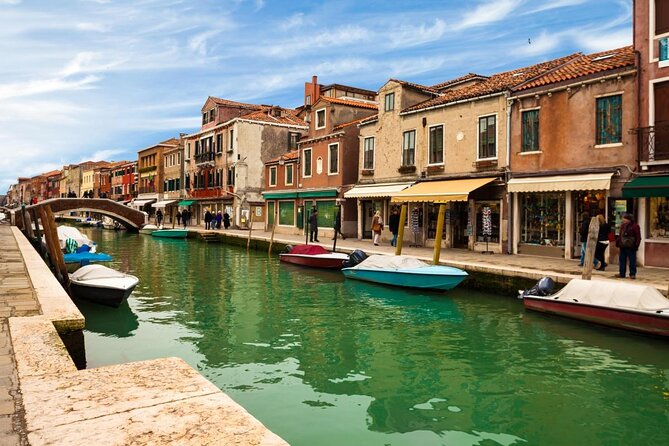
- Small-group size (max 15) keeps the walking pace friendly and questions easy to answer
- Valerio’s Murano perspective turns glassmaking from a product into a lived local craft
- Oldest glass-factory showroom (active since 1295) gives context before you try the modern process
- Church stops include Byzantine-style 12th-century mosaics at the Duomo di Murano Santi Maria e Donato
- Optional lampwork bead making (€30 on site) lets you decide how hands-on you want to be
Murano Glass Beyond the Usual Checklist
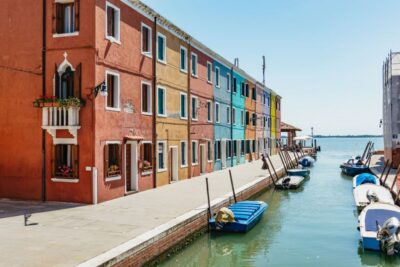
Most Venice visitors treat Murano like a single stop: step off the boat, peek at glass, buy a souvenir, step back on. This tour tries to fix that. It connects glassmaking to daily life on the island, with walking time that feels like you’re moving through neighborhoods, not just a showroom route.
You’ll also get a nice balance of “craft” and “place.” The glass is the headline, sure, but the church walk matters. Murano’s churches anchor the island’s identity, and the mix helps you understand why Murano’s art and architecture grew alongside its trade.
And yes, you’ll see glass in action at the factories. What makes this different is the sequence: you’re not thrown straight into a shop window. You start with context, you walk the island’s key sights, and only then do you get your hands on lampwork (if you choose the paid workshop).
You can also read our reviews of more walking tours in Venice

Starting at Faro di Murano and Getting the Flow Right
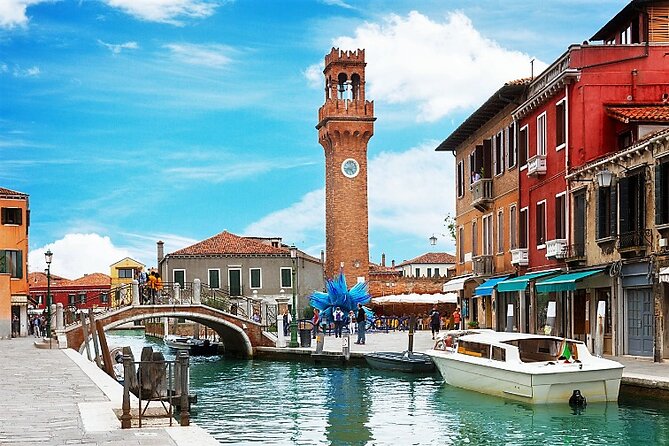
You meet at Faro di Murano, on Fondamenta Piave F. M. It’s a clear, real-world meeting spot that makes it easier to actually show up on time (which, in Venice, is half the battle).
The tour is about 2 hours. That short window is one reason it works: you’ll experience more than a quick glass stop, but you won’t lose your whole day to transport and waiting around. The tradeoff is that you’ll need to keep your pace. This isn’t a long, meandering day-trip.
You’ll also be walking on Murano for part of the time, and the tour includes church visits. Wear shoes you’re comfortable in for uneven ground and indoor/outdoor transitions. If you’re planning lunch right after, build in enough time for your hands-on creation to settle (more on that later).
The Glass Factory Stops: Showrooms With Real Context
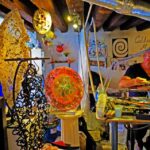
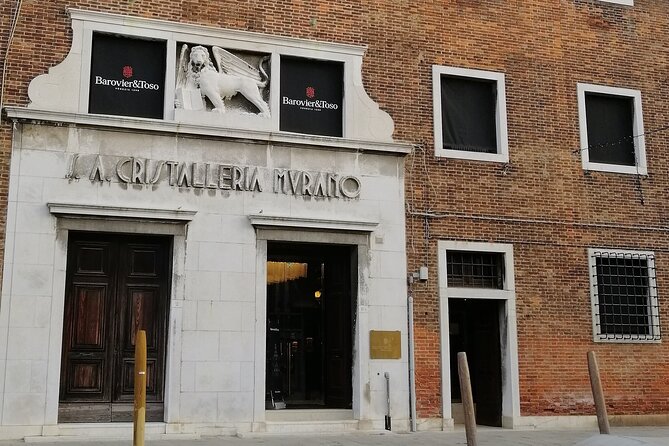
The tour includes a visit to a glass artisan and a showroom of the oldest glass factory in the world, active since 1295. That’s a big claim, and you’ll feel why when you’re inside and the guide ties the present to the past.
Here’s how to make the most of the showroom time: don’t just look at finished items. Pay attention to the process behind them—the way tradition and contemporary design share the same space. The guide’s job is to help you spot what has stayed consistent in Murano’s glassmaking culture, even as styles change.
You’ll also visit Palazzo Barovier & Toso. This matters because it places famous names and craft lineage into a building context, not just a retail display. Think of it as a “this is how Murano became Murano” setup before the walking and workshop moments.
One more practical note: showrooms often move quickly because groups have schedules. That’s why the small group size is a quiet advantage. With fewer people, you’re more likely to get explanations instead of standing in the back while everyone streams past.
Walking Murano’s Churches: More Than Pretty Interiors
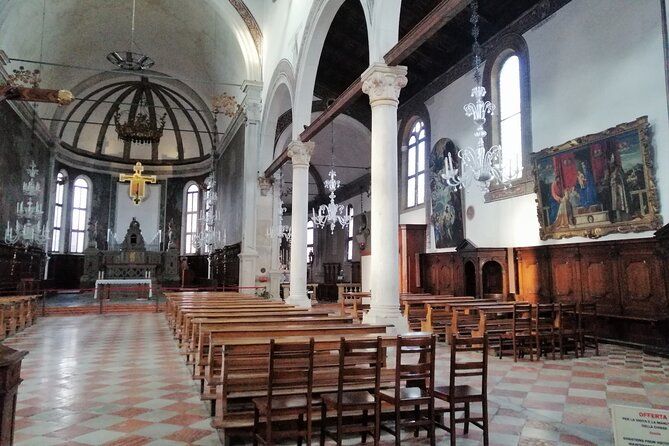
The walking part is genuinely useful. Murano’s churches are not just scenic breaks—they’re where you see the island’s long-term identity in stone, mosaics, and design details.
Your church circuit includes:
- Chiesa di San Pietro Martire
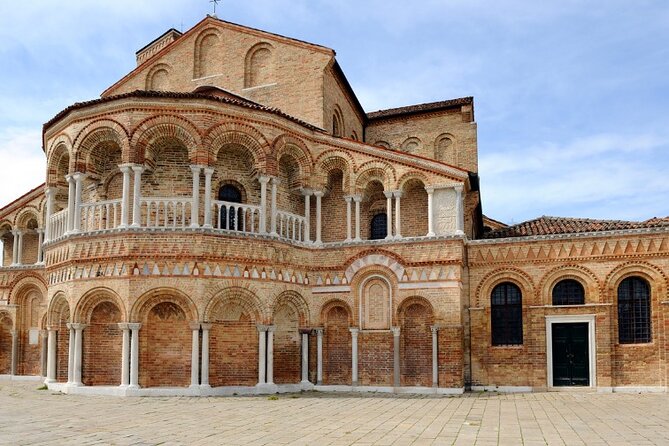
- Duomo di Murano Santi Maria e Donato
- Chiesa di Santa Maria degli Angeli
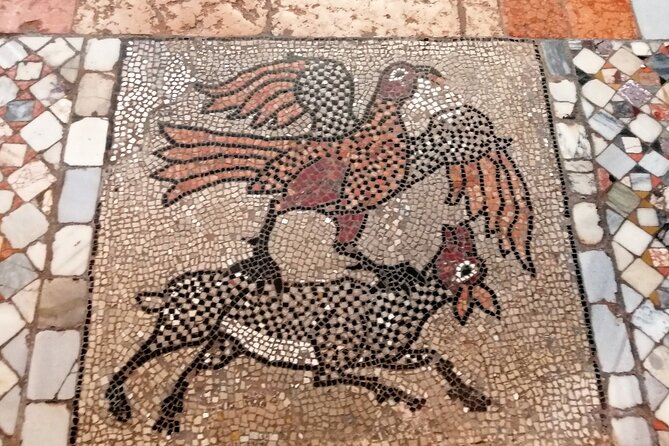
The standout here is the Duomo di Murano Santi Maria e Donato, where you’ll see Byzantine-style 12th-century mosaics. If you care about art history even a little, this is the “slow down and look” moment. Mosaics reward patience, and the tour format gives you a chance to actually focus instead of snapping a picture and moving on.
A possible drawback: churches can involve extra time spent moving between spaces and entrances, so keep your expectations realistic. This tour is structured, not endless. If you’re the type who wants to wander for an hour solo inside every church, you may feel the schedule a bit.
The Hands-On Moment: Lampwork With Monica (Optional €30)
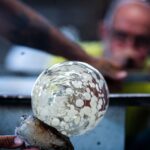
The real memory-maker on this tour is the lampwork experience. Murano glassmaking has several paths, and the tour aims to highlight one of the oldest techniques: lampwork.
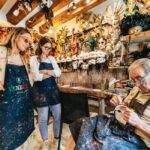
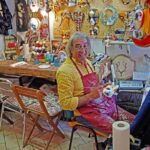
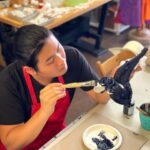
You’ll have a workshop experience led by a local artist, and you can create your own Venetian bead. The key detail: the hands-on bead-making workshop is listed as optional and costs €30 paid on site. The tour includes the visit to the artisan (either glass lampwork or glass blowing, depending on how it’s run).
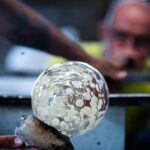
If you’re deciding whether to pay the €30, here’s my practical advice: if you like making things, choose it. A manufactured souvenir feels nice. A bead you helped shape feels like a story you can wear. And this one comes with extra payoff because you’ll likely get to watch the technique and understand how small changes affect the final look.
It’s also worth planning for timing. Your bead won’t be ready instantly in your hands in the way a typical craft might be. One review tip I’d strongly agree with: plan a little time afterward for lunch nearby so your bead can cool properly. You don’t want to rush off and then realize you’re stuck waiting while everyone else heads out.
For kids and creative adults, this part is often the highlight. The teaching style matters, and the guide-to-artisan pairing here is a strength. The workshop is run by Monica, and she’s known for being a supportive, hands-on teacher.
You can also read our reviews of more tours and experiences in Venice
Why the Tour Feels Local (Not Like a Shopping Sprint)
This tour’s value isn’t just the sites—it’s the way the day is framed. Instead of treating glass as a product you’re sold, it’s treated as an ongoing craft. The guide, Valerio, is a Murano local, and that local perspective shows up in the details: how glass factories operate, how Murano fits into the lagoon economy, and where visitors often miss the small daily rhythms of the island.
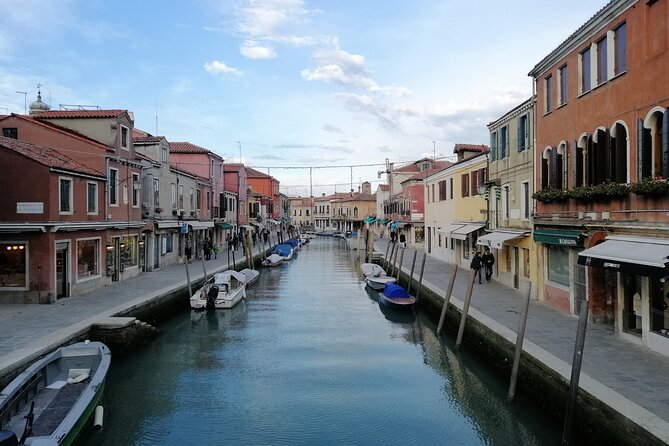
I also like that the tour doesn’t try to cram in every famous Murano stop. That’s one reason it can walk you through areas away from the most touristic feel. You’ll see enough of the island’s character to understand why people have lived with this craft for generations.
And it’s not just about glass. The guide also shares practical ideas like where to eat and what to try around Murano and Venice. That turns the tour into a setup for the rest of your day, not a standalone event.
Timing, Pace, and What to Bring
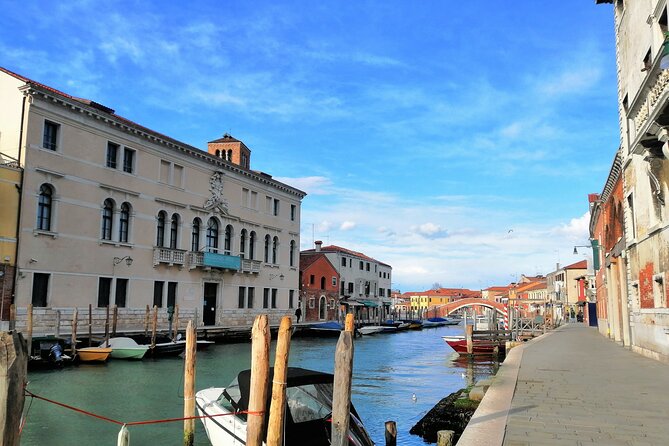
With an approximately 2-hour runtime, you should treat this like a compact island experience. You’re going to move between stops, spend time indoors where needed, and then hit the workshop moment if you choose the optional add-on.
Bring:
- Comfortable walking shoes
- A small bottle of water (especially if you go on warmer days)
- A phone that can handle pictures and navigation after the tour
- Cash or card ready for the €30 on-site option, if you want the bead-making
If you’re very sensitive to timing, note that any church content plus factory visits means indoor schedules and transitions can feel tight. On the other hand, if you hate being rushed, the small-group format and the guide’s pacing are built to prevent that full-speed, no-questions chaos.
Also keep one Venice-day detail in mind: if you’re staying outside Venice and visiting for the day, you may need to pay a €5 access fee on certain dates. Check the rules tied to the day you’re going, and plan for it so it doesn’t surprise you.
Price and Value: What You’re Really Paying For
At $92.92 per person for about 2 hours, this isn’t the cheapest option in Venice. But glassmaking tours can be expensive for one obvious reason: you’re paying for access and time with real artisans in real places, not just a guide who points at a window.
Here’s how I think about the price/value balance:
- You’re getting a guided Murano walking experience plus structured stops at glass-related sites.
- You get an included visit to the showroom at the oldest active glass factory (since 1295).
- You also get an included visit to a glass artisan where you’ll see lampwork or glass blowing.
- The one extra cost—€30 on site—is optional. You choose how hands-on you want to go.
In other words, you’re not forced into spending more to have a good tour. But if you want the full “I made this” souvenir, you should expect to budget the add-on.
Who Should Book This Tour
This tour is a strong fit if you:
- Want Murano beyond the quick glass shop circuit
- Like hands-on crafts but want the choice (not pressure)
- Prefer a small group experience with a guide who knows the island
- Enjoy churches and art details, not just factory floors
It’s especially good for families. The bead-making experience works well for kids because it’s tactile and visual. Even if you don’t do the €30 workshop, watching the process can still be engaging.
If you hate walking, this may be only partly for you. You will walk enough that you’ll want decent shoes. But it’s not an all-day trek.
Should You Book This Glass Lampwork and Murano Walk?
If you’re choosing between a “glass stop” and an actual Murano experience, I’d book this one. The combination of Valerio’s local guidance, factory context, and church visits makes the island feel whole. Add the lampwork option and you get a souvenir with real meaning, not just a bag to carry.
Book it if:
- You want a small-group, thoughtfully paced Murano day
- You care about seeing how glassmaking fits into Murano’s culture
- You’ll likely take the €30 option to make your own bead
Skip it if:
- You only want the cheapest possible Murano outing
- You don’t want any on-site extra fees, even if the main tour content is included
- You prefer long independent time in museums and churches over guided structure
FAQ
FAQ
How long is the Murano glass and walking tour?
The tour is approximately 2 hours.
What is the price per person?
The price is $92.92 per person.
Is the tour in English?
Yes, it is offered in English.
How many people are in the group?
The maximum group size is 15 travelers.
What glass experience is included?
The tour includes a visit to a glass artisan for glass lampwork or glass blowing.
Can I make a glass bead on the tour?
You can take part in an optional hands-on lampwork workshop to create a Venetian bead. It costs €30 and is paid on site.
Which churches are part of the walk?
The tour includes Chiesa di San Pietro Martire, Duomo di Murano Santi Maria e Donato, and Chiesa di Santa Maria degli Angeli.
What is special about the Duomo stop?
The Duomo di Murano Santi Maria e Donato includes Byzantine-style 12th-century mosaics.
Where do we meet, and where does the tour end?
You meet at Faro di Murano, Fondamenta Piave F. M., 30141 Venezia VE, Italy, and the tour ends back at the meeting point.
What’s included in the tour price besides the sights?
You get a tour leader and nature and interpretive guide, plus the glass artisan visit and a visit to the showroom of the oldest glass factory in the world.