REVIEW · VENICE
Venice Walking Tour and Gondola Ride
Book on Viator →Operated by ROMAETRAVEL · Bookable on Viator
One early idea: this tour is made for first-timers. You get a guided stroll through Venice’s biggest icons, then a traditional gondola ride that slows everything down. I especially like how the stops are grouped around St Mark’s Square so you can see the city’s power center and its bridges without getting lost. One real consideration: the walking pace can feel brisk, so you’ll want sturdy shoes and patience with crowds.
I also love the human touch. In the guide feedback, names like Julian and Elisabeth show up for being engaged and making sure the gondola part actually happens smoothly. Still, if you prefer lots of long pauses for questions, you might wish for more time to stand still and soak it in.
In This Review
- Key Things That Make This Tour Worth It
- Santa Lucia to St Mark’s: Starting Smart in a City Built for Detours
- Canal Grande First: Seeing Venice’s Main Waterway Like a Local
- St Mark’s Square: The Center of Venetian Public Life
- Campanile and the Clock Tower Area: Quick Stops That Teach You What to Notice
- Ponte dei Sospiri and Rialto: Two Bridges With Very Different Personalities
- Ponte dei Sospiri
- Ponte di Rialto
- Doge’s Palace and La Fenice: Big Names, Tickets You’ll Decide On
- The Gondola Ride: The Slow Part (And Why It Matters)
- Walking, Crowds, and Where This Tour Fits Your Style
- Price and Value: Is $185.38 Fair for a Gondola + Guided Walk?
- Quick Practical Tips Before You Go
- Should You Book This Venice Walking Tour With Gondola?
- FAQ
- What’s included in the tour price?
- How long is the Venice walking tour and gondola ride?
- Where do I meet the guide?
- Is a gondola ride definitely part of the experience?
- Do I need tickets for attractions like Doge’s Palace and the Campanile?
- What group size should I expect?
- Is there an extra Venice access fee?
Key Things That Make This Tour Worth It
- Santa Lucia start: you begin near the train station, then work your way toward St Mark’s.
- Small group size: max 14 per the tour feature, with a maximum of 8 travelers listed for the activity.
- Gondola is included: you’re not left scrambling for tickets once you reach the right corner of Venice.
- The bridge run: you’ll pass the Ponte dei Sospiri and cross over at Rialto Bridge.
- Guided context, not just photos: stories connect sights like Doge’s Palace and the clock tower to what Venice was built to do.
- Mobile tickets: easier day-of entry and less fuss on busy streets.
Santa Lucia to St Mark’s: Starting Smart in a City Built for Detours
Venice rewards people who start with a plan, and this tour gives you one. You meet at Stazione di Venezia Santa Lucia, which is a big deal if you’re arriving by train. It means you don’t waste your first hour hunting for a meeting point you can barely find under a blur of signage and canal views.
From there, you’re walking through the city’s most recognizable layout. Venice is basically a puzzle of canals and footbridges, so even “simple” routes feel like a small adventure. Since this is about three hours, the structure matters: it’s long enough to feel meaningful, but not so long that your legs turn into limp noodles before the gondola.
The pacing is the main thing to think about. A couple of reviews flagged a “running” feel or lots of moving through crowds. That doesn’t mean it’s chaotic, but it does mean you should be comfortable keeping up and listening while you walk. If you want a slow, wandering Venice day, this may not be the match.
You can also read our reviews of more walking tours in Venice

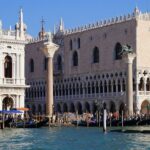

Canal Grande First: Seeing Venice’s Main Waterway Like a Local
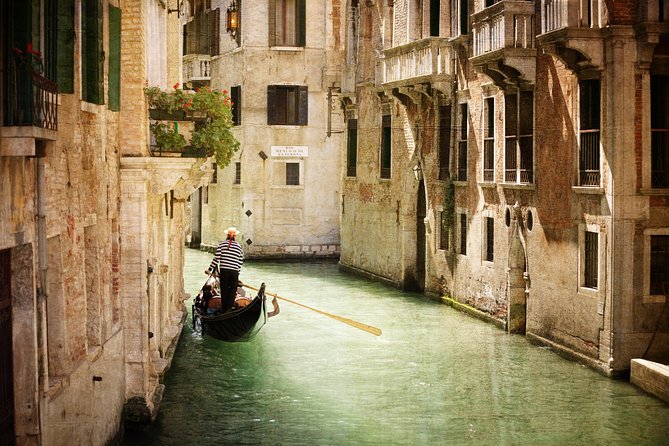
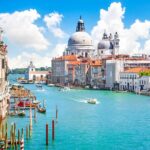
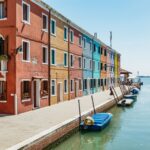
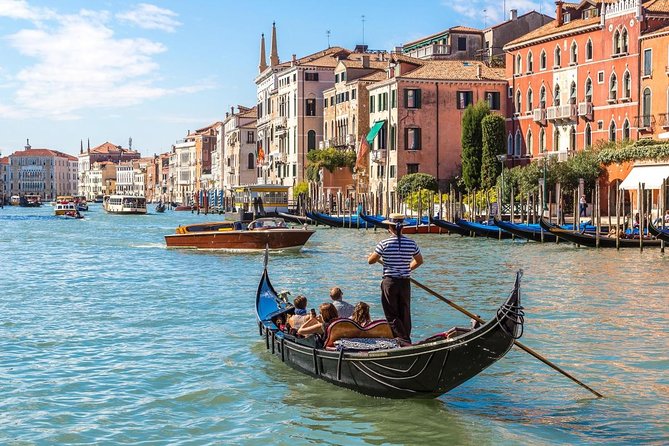
One early stop focuses on the Canal Grande, Venice’s big central “street.” It’s not just pretty from the banks; it’s also how the city is organized. The canal splits the city center into two parts, and the whole idea is that Venice grew along the water routes, long before car-friendly roads existed.
What I like about leading with this is that it sets your mental map fast. When you understand the canal’s role—running through central districts and stretching between the areas near Santa Lucia and San Marco—everything you see later starts clicking into place.
Practical note: the Canal Grande area can be packed, so expect standing near other people with the same idea. Bring your best “patient photographer” attitude for a few minutes. You’ll likely get your best views by positioning yourself when the group pauses rather than trying to sidestep every time a boat passes.
St Mark’s Square: The Center of Venetian Public Life
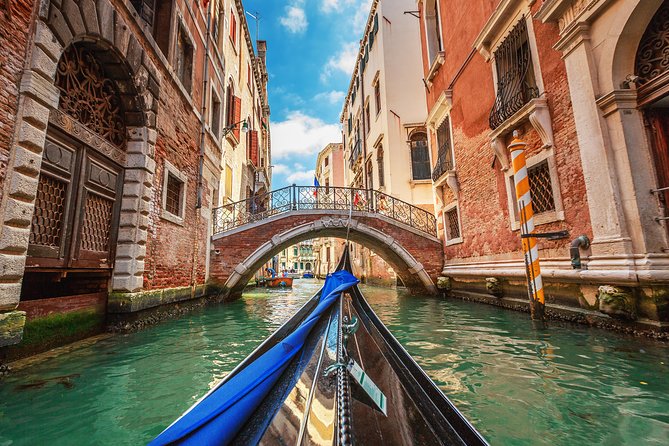
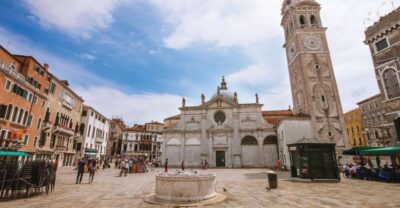
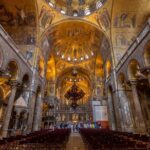
Next you move into Piazza San Marco, the famous square people usually mean when they say St Mark’s. Here’s the useful thing: this isn’t just scenery. It’s where Venetian social, religious, and political life was centered, and it still feels like the city’s stage.
This tour includes time around the square, which is helpful because the square can be visually overwhelming. You get enough minutes to look up at the buildings, notice the human flow, and understand why this spot mattered. Even if you’ve seen photos, it’s worth standing there long enough to clock the scale.
One small timing thing: the square is open and exposed, so weather matters. If it’s hot, plan for sun and slow down your own pace while the group keeps moving. If it’s rainy, keep an eye on where your guide is standing and don’t get separated by umbrella chaos.
Campanile and the Clock Tower Area: Quick Stops That Teach You What to Notice
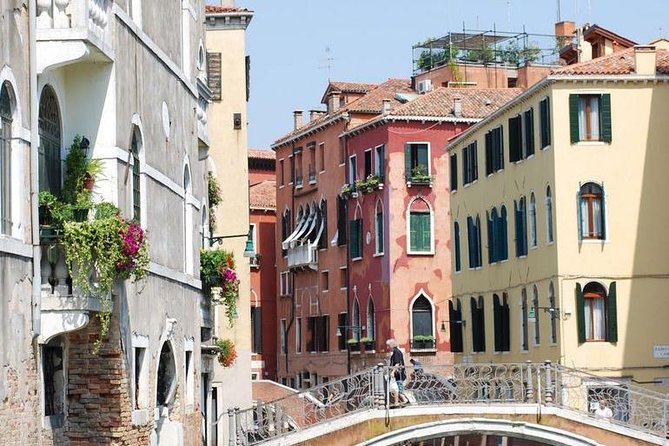
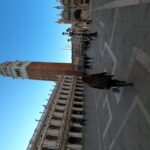
The tour then touches two key St Mark’s landmarks near the main sights: the Campanile di San Marco area and the Torre dell’Orologio (the clock tower).
I like these stops because they help you read the architecture. The Campanile connects visually to the Basilica di San Marco, and the clock tower sits at the north side of the square near the Merceria entrance. Even if you don’t go inside, it trains your eye for the layout around the square and the way Venice uses timepieces, facades, and vertical landmarks to direct attention.
Heads-up: the clock tower and campanile entries are listed as not included, so if you decide to go in, you’ll need to pay admission separately. For some people, that’s a perfect add-on. For others, the best choice is to enjoy the exterior views and use the time to keep the flow to the bridges and gondola.
Ponte dei Sospiri and Rialto: Two Bridges With Very Different Personalities
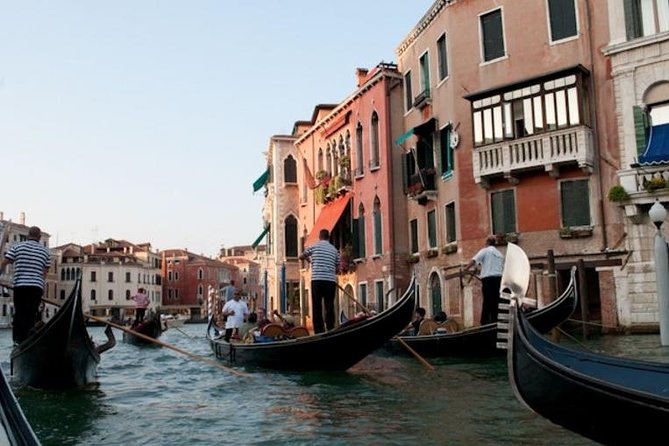
If you like Venice for its drama, this is where you get it.




Ponte dei Sospiri
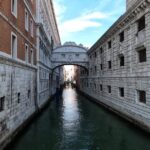
The Ponte dei Sospiri (Bridge of Sighs) is covered and connects Palazzo Ducale to the new prison areas. The detail that it runs through separated corridors is the kind of fact that makes the bridge feel more than postcard material. It tells you this was a working city with institutions, not just a romantic maze.
You’ll get time here to look at the bridge itself and understand why it became such a legend. Just remember: this bridge is famous, so it’s also busy.
Ponte di Rialto
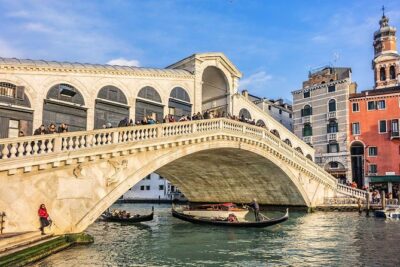
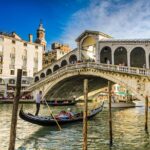
Then you hit Rialto Bridge, the oldest of the four Grand Canal bridges. It has been rebuilt multiple times since earlier wooden versions, and the structure you see today dates to 1591. This stop is a good reality-check about Venice: even the “classic” parts weren’t built once and left alone. They were maintained, rebuilt, and adapted.
If you’re the type who loves design history, Rialto scratches that itch without requiring you to buy a ticket. You can spend your time reading the bridge from where the crowd lets you, rather than chasing an impossible empty viewpoint.
Doge’s Palace and La Fenice: Big Names, Tickets You’ll Decide On
This tour brings you near Doge’s Palace, a Venetian Gothic landmark that served as the home of the Doge and later became a museum. The key practical point is that admission is not included, so you’ll decide whether to pay for entry based on your interests and how you’re feeling after the walking.
I like having it on the route because you can see the exterior and understand what you’re looking at. If you do go in, you’ll likely feel you’re getting the full “why” behind Venice’s power structure.
Then there’s Teatro La Fenice, one of Italy’s major opera houses. Again, the entry ticket is not included, but the stop is still useful. It reminds you Venice wasn’t only about politics and trade. Culture mattered too, especially in the 19th century when famous premieres took place here.
Should you enter? If opera history is your thing and you’re comfortable paying extra, it can be worth it. If you want to keep the energy for the gondola, you might skip interior time and use the guided storytelling outside.
The Gondola Ride: The Slow Part (And Why It Matters)
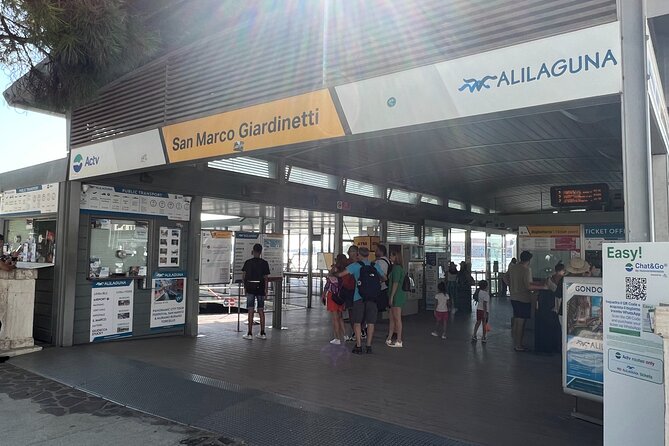
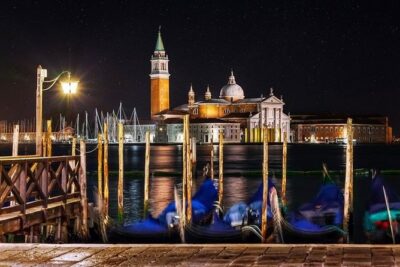
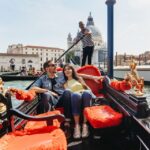
The gondola is the reason many people book this tour, and it’s the right kind of payoff. The ride is included and described as a traditional Venetian gondola system that’s been part of the city for around 1,500 years. Even if you’ve done gondolas elsewhere, Venice’s classic style still feels like the city’s language.
What makes this work is timing and support. In the guide feedback, Julian is praised for making sure the group actually gets to the gondola and then returns to finish the tour. Elisabeth is also mentioned for making the experience clearer and more enjoyable. That matters because Venice logistics can turn messy fast once crowds pile into narrow lanes.
A couple of reviews also point out that the singing gondola feature may not always be available, and one review mentioned a microphone issue. So if “song in the background” is a must-have for you, keep expectations flexible. The core gondola ride itself is the consistent part you’re paying for.
Pro tip: during the ride, resist the urge to document every second. Look at the walls, the windows, and the canal edges. Gondola time is short, and the best experience is letting the city slide past at a slower speed.
Walking, Crowds, and Where This Tour Fits Your Style
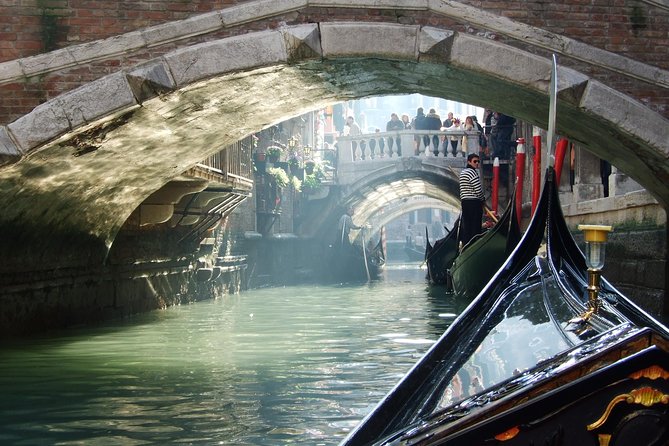
Venice walking tours are never gentle, but this one is built around big, central sights. That’s a plus if you’re visiting for the first time and want the major landmarks in one organized arc. It’s also a plus if you don’t want to plan gondola logistics yourself.
The main challenge is crowd density. St Mark’s and the bridge corridors get packed. Since the tour is guided and small-group focused, you’ll spend more time listening than charting your route. But listening takes effort when you’re moving and weaving.
This tour tends to suit:
- First-timers who want maximum recognition in a short window
- Couples and friends who enjoy walking but like having a gondola planned
- People who appreciate a guide’s stories tied to what they see
- Anyone who wants a structured “Venice intro” without buying a stack of separate city tickets up front
It might not suit you if:
- You want long, quiet stops and slow strolling
- You dislike keeping pace in tight crowds
- You’re very sensitive to sound issues (one review mentioned microphone interference)
Price and Value: Is $185.38 Fair for a Gondola + Guided Walk?
At $185.38 per person for about 3 hours, you’re paying for two things: a guided route and the included gondola ride. This is not cheap, but Venice is not cheap, and gondolas are one of the few experiences here where the price actually reflects time, labor, and logistics.
You should also weigh what’s not included. Several major sights have admission not included: the Campanile di San Marco area, the clock tower, Doge’s Palace, and Teatro La Fenice. That means the cost is more about the guided flow and the gondola than about fully covered museum tickets.
So where’s the value?
- If you were going to do St Mark’s anyway, the guide helps you see it with context instead of just a photo hunt.
- If you were worried about timing for the gondola, the included ride reduces hassle.
- The small group size (listed as up to 14, and also capped at 8 for this activity) generally keeps the experience more manageable than a large-coach shuffle.
If you’re the type who hates paying for tours, this may feel steep. If you want a clear plan, it’s closer to a “buy time and reduce stress” purchase.
Quick Practical Tips Before You Go
These are the details that help you enjoy the experience even if crowds are high.
Wear comfortable shoes. You’ll be walking through cobblestones and tight lanes, and there aren’t long breaks built into the flow. Bring a light layer if the weather is changing, since Venice can feel windy near open areas.
You’ll start at Santa Lucia, so arrive in time to find the group without rushing. One review complained about missing the gondola due to confusion about where to meet, so give yourself buffer time and confirm details when you book.
Also note the day-tripper €5 access fee that may apply if you’re staying outside Venice on certain dates. If you’re affected, it’s best to know before you go so you don’t get surprised at entry.
Should You Book This Venice Walking Tour With Gondola?
I’d book it if you want an organized Venice introduction: St Mark’s Square, signature bridges like Ponte dei Sospiri and Rialto Bridge, and an included gondola ride without doing the planning yourself.
I’d think twice if you hate brisk walking, need lots of slow time to read every plaque, or require guaranteed add-ons like singing gondolas. The tour’s strongest part is the guide support and getting you from the big landmarks to the gondola on time.
If you’re on a first visit and want “classic Venice” without guesswork, this is a solid choice.
FAQ
What’s included in the tour price?
The tour includes a guided tour and a traditional gondola ride. It also specifies a small group experience.
How long is the Venice walking tour and gondola ride?
The duration is listed as about 3 hours.
Where do I meet the guide?
The meeting point is Stazione di Venezia Santa Lucia, address 30121 Venice, Metropolitan City of Venice, Italy. The tour ends back at the meeting point.
Is a gondola ride definitely part of the experience?
Yes. A traditional gondola ride is included in the tour features.
Do I need tickets for attractions like Doge’s Palace and the Campanile?
Some sights are listed as not included for admission, including Campanile di San Marco, Torre dell’Orologio, Doge’s Palace, and Teatro La Fenice. The stops at places like Piazza San Marco, Ponte dei Sospiri, and Ponte di Rialto are listed as free for admission.
What group size should I expect?
The tour feature says a small group limited to maximum of 14 people. The activity details also list a maximum of 8 travelers.
Is there an extra Venice access fee?
On certain dates, day visitors staying outside of Venice may need to pay a €5 access fee. The info and exemptions are pointed to the official site link provided with the tour details.