REVIEW · VENICE
Lido Bike Tour: With a Local on the Island of Cinema
Book on Viator →Operated by deTourist Venice Valerio Coppo · Bookable on Viator
Lido by bike is a smart way to escape Venice. This tour gives you a shortcut through Lido with a local leader, and it ties the island to the story of the Venice Film Festival and the old celebrity hotels. I also like that the ride is planned to avoid busy roads, using forest reserves, canals, and quieter coastal stretches.
One thing to plan for: the route can include rougher paths and at least a bit of sand, so the wrong tires can make things feel bumpier than you want.
You’ll spend about 4.5 hours moving at a practical pace, with stops kept short so the day stays fun instead of turning into a lecture. It’s also a small-group tour (max 10), which matters because you get a better shot at matching the bike ride to your comfort level.
In This Review
- Key things I’d bookmark before you go
- Why Lido by Bike Feels Like a Reset from Venice
- Santa Maria Elisabetta Start: Bikes, Timing, and Pace
- Cemetery to Sea Ceremony: Lido’s Quiet Corners
- Film-Festival Connections at the Grand Hotels and Palazzo del Cinema
- Murazzi, Alberoni Dunes, and Malamocco’s Fishing Village
- Poveglia and the Lagoon Islands: Quarantine, Leprosy, and Monastery
- Ausonia Hungaria and the Lido You Finish Still Thinking About
- Should You Book This Lido Bike Tour?
- FAQ
- How long is the Lido Bike Tour?
- Where does the tour start?
- What language is the tour offered in?
- Is the bicycle included in the tour price?
- How big is the group?
- Is there an admission fee for the stops?
- Is the tour physically demanding?
- FAQ
- What weather conditions are required?
- Can I get a refund if I cancel?
Key things I’d bookmark before you go
- A local-led “island of cinema” route that connects real places to the Film Festival era
- Free entry listed for each stop, so you’re not stacking extra admissions on top
- Avoiding traffic by using quieter inland paths, canals, and lagoon edges
- Bike options from city bikes to fat tires and e-bikes, booked ahead for you
- Lagoon-island contrasts in one afternoon, from historic cemeteries to Poveglia’s quarantine past
Why Lido by Bike Feels Like a Reset from Venice
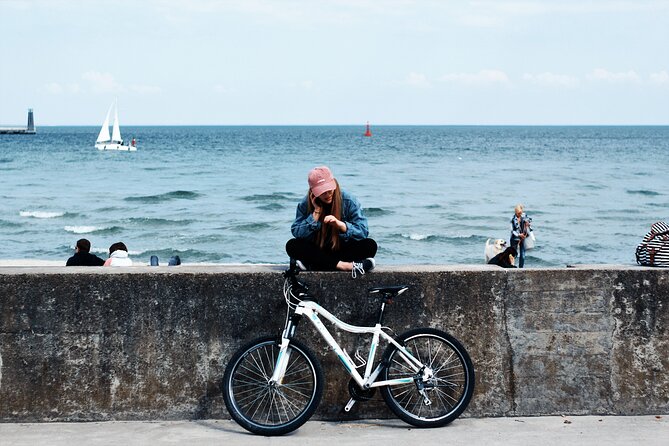
Venice can be nonstop, even when you think you found a side street. Lido flips the mood fast. Instead of weaving through crowds and bridges, you pedal along the lagoon edge and down calmer corridors where the island feels more like a place locals actually use.
The best part for me is the mix of Lido’s identities in one outing: cinema-world glamour by historic hotels, then quiet nature stops by dunes and canals. You also get the island’s darker chapters without it becoming grim. Cimitero Ebraico (the old Jewish cemetery) is peaceful now, but the design details still show how layered the site is. Then the route turns to Poveglia and other lagoon islands, where the stories range from quarantine to medical isolation—history you can see, not just read.
This isn’t a speed tour. You’re out in fresh air for hours, but the stops are short and purposeful. That’s what makes it a good value: you buy guided context, not a long sit-down schedule.
You can also read our reviews of more cycling tours in Venice

Santa Maria Elisabetta Start: Bikes, Timing, and Pace
You meet at Santa Maria Elisabetta on Lido (30126 Venice). That’s a useful start point because it’s on the water-side of the island, so you’re not doing a long uphill “how do I get to the tour?” hunt.
The tour runs about 4 hours 30 minutes, and it’s offered in English. It’s also limited to 10 travelers, which is a big deal if you don’t want to feel like a number. Short stops mean you’re not trapped waiting while everyone else catches up.
Here’s the money detail you should factor in: the tour price covers the nature and interpretive guide plus help with arranging rental bikes if needed, but the bicycle itself isn’t included. Bikes are available at different rental levels, and you choose your style up front:
- city bike: €10
- tandem: €20
- e-bike: €20
- fat bike: €18
- e-fat bike: €30
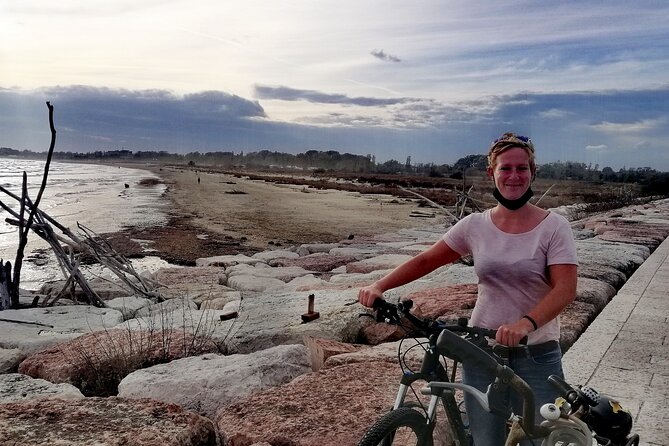
If you’re unsure, lean toward fat tires for comfort on rougher bits. One review tip was very specific: there can be a sandy stretch, and wider tires help absorb bumps. You can always dismount and walk a sandy section, but good tires cut down on the hassle.
Finally, plan for weather. This experience requires good weather, and if conditions are poor, you’ll be offered a different date or a full refund.
Cemetery to Sea Ceremony: Lido’s Quiet Corners

Stop 1 is your launch point: Lido di Venezia, with bike rental set for you. Once you’re rolling, the route starts teaching you how Lido works—small streets, water views, and the sense that you’re moving along edges rather than inside a city grid.
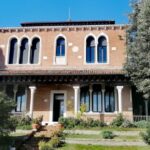
Stop 2: Cimitero Ebraico. Today it’s a quiet garden, but it was Venice’s main Jewish cemetery from 1386 until the 18th century. From the gate, you can spot tomb designs that range from Venetian gothic to Ottoman-influenced styles. This is one of the spots where a guide really helps, because you learn what you’re looking at instead of just passing through.
Stop 3: Chiesa Di San Nicolo Al Lido. This church ties into a traditional Venetian ritual: the Sposalizio del Mare, or Marriage of the Sea. The idea was to symbolize Venice’s maritime dominion. Even if you’re not into ceremony history, it adds meaning to what you’re doing that day—riding the island’s sea-facing story.
A practical note: these two stops are short, but they slow your eyes down in a good way. They’re also a nice break from cycling tempo without turning the afternoon into a long indoor schedule.
Film-Festival Connections at the Grand Hotels and Palazzo del Cinema
Stop 4: Faro di San Nicolò. After riding through a protected natural zone, you continue along an old pier between the sea and the harbor mouth. The lighthouse area is a viewing payoff: you see the coastline and the outlines of the Grand Hotel des Bains and Hotel Excelsior in the distance. This is where the tour starts to feel like more than scenery—it becomes a map of film-era Venice.
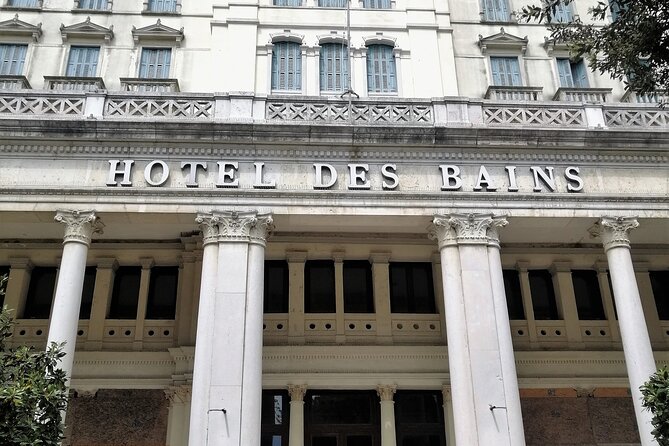
Stop 5: Grand Hotel des Bains. This was a former luxury hotel built in 1900, designed to attract wealthy tourists. It’s also remembered for Thomas Mann’s stay in 1911. If you know the film legacy of Lido, you’ll recognize the connection to movies associated with the island—stories like Death in Venice and other internationally known productions. Even without any movie knowledge, you’ll likely appreciate the architecture logic: Lido was positioned as a fashionable stage.
Stop 6: Ristorante Mostra Del Cinema. This is tied to the Venice Film Festival rhythm, which is held in late August or early September. Screenings take place in the historic Palazzo del Cinema, and the guide context helps you place what’s normally a world-famous venue into everyday island geography. Hotel Excelsior (1908) is mentioned as a typical host for producers and actors during the festival, which makes the whole area feel like a real network rather than isolated landmarks.
If you care about cinema history, this section is the heart of the tour. If you don’t, it still works because you’re pairing big names with physical places you can point to while you ride.
Murazzi, Alberoni Dunes, and Malamocco’s Fishing Village
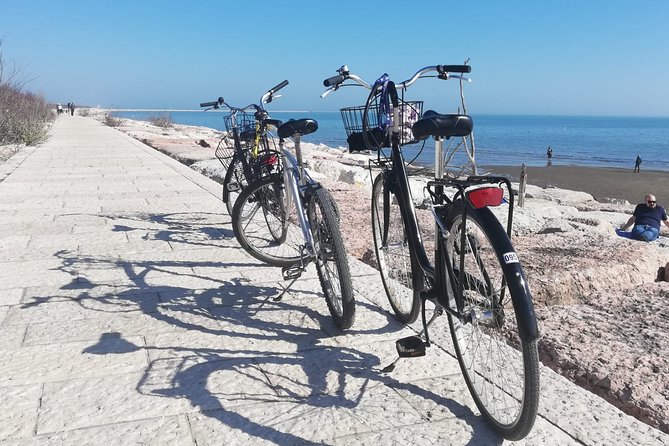
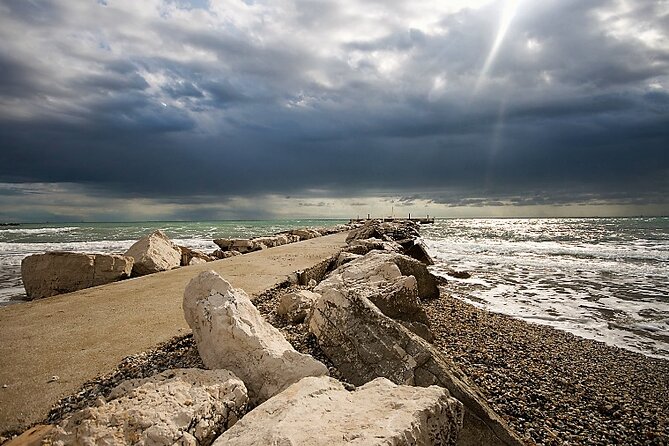
Stop 7: Murazzi Free beach. The tour route gets wilder here. You bike along the Murazzi, a historic breakwater engineered in the 18th century to protect the lagoon from high seas. The fun is that you’re cycling beside a purpose-built sea wall that still matters. You also get coastal views while the island keeps a more relaxed pace than central Venice.
Stop 8: L’Oasi delle Dune Alberoni. This is a natural beach area with a maritime pine forest leading down to Lido’s wilder shoreline. The dune fields are described as inspiring for poets like Shelley and Byron, and what you’ll likely notice in person is the feeling of space. It’s often quieter, with birds as the main audience, and just occasional wind sports when conditions are right.
Stop 9: Malamocco. This is the “idyllic fishing village” contrast. From the beach you enter the town, passing over Ponte di Borgo, and you explore canals and calli at a calmer scale. Instead of a dense maze, Malamocco feels like a miniature Venice—just a few churches and a Gothic palazzo. It’s a good relief after the more dramatic lagoon-story stops ahead.
This section is a value boost because it combines natural variety and human scale. You’re not choosing between beaches and culture—you’re getting both.

Poveglia and the Lagoon Islands: Quarantine, Leprosy, and Monastery
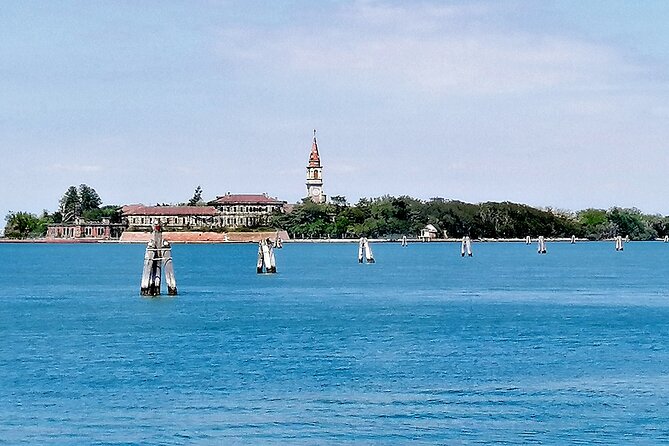
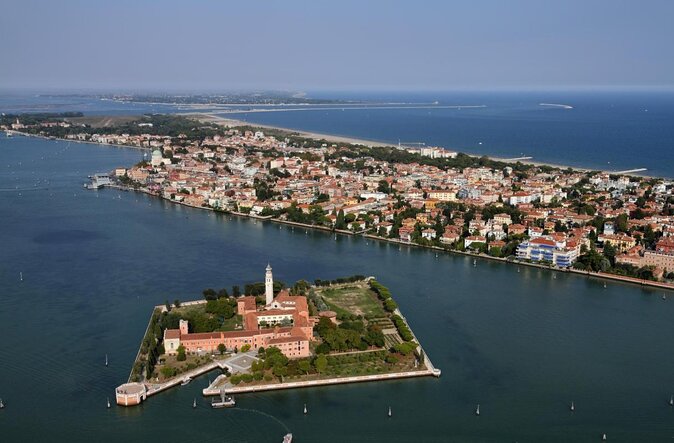
Stop 10: Poveglia. This is where the tour turns more atmospheric. You continue on the lagoon side and get views of Lazzaretto Vecchio. The island was used starting in 1776 as a quarantine station for people with the plague and other diseases. Later, it became a mental hospital, then closed in 1968. Because of that, Poveglia shows up in paranormal-themed media, but the factual backbone is what matters here: it’s a real place shaped by fear, medicine, and isolation.
Stop 11: Lazzaretto Vecchio. The ride keeps the lagoon perspective, and this stop expands the medical-story timeline. Lazzaretto Vecchio housed a hospital caring for people during plague epidemics between 1403 and 1630, then it served as a leprosarium. Later it was used as a military post. It’s one of those stops where your guide’s explanations change how you read the island—less “spooky story,” more “how societies handled outbreaks.”
Stop 12: San Lazzaro degli Armeni. This island focuses less on quarantine fear and more on communal life and religious tradition. It has a monastery of the Mekhitarists, an Armenian Catholic congregation, since 1717. You’re still on the lagoon circuit, but the tone shifts. The day becomes less about dread and more about how the Venetian world included many communities.
This trio of stops works best if you’re okay with a heavier theme. If your idea of a vacation is only sun and glamour, you might find this portion a lot. But if you want the whole Lido picture—especially the parts that explain why lagoon islands were so important—this is where the tour earns its name.
Ausonia Hungaria and the Lido You Finish Still Thinking About
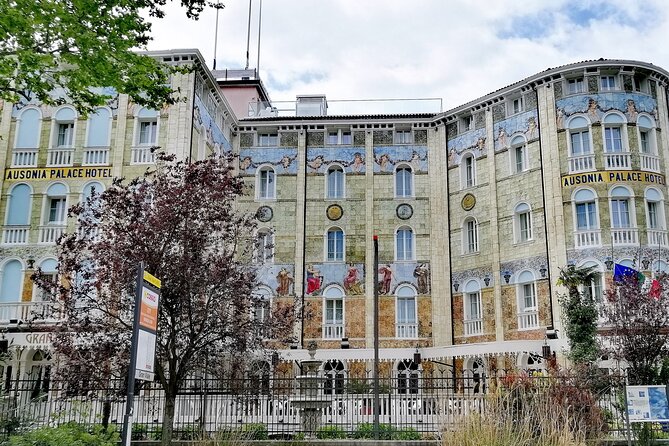
Stop 13: Grande Albergo Ausonia Hungaria. The tour ends with another luxury-timeline marker: Hotel Ausonia & Hungaria (built in 1913). The standout detail here is the ceramic tiles on the main facade, recently renovated. It’s a reminder that Lido wasn’t just beaches and quiet—luxury tourism was a core part of the island’s identity a century ago.
Finishing back at the meeting point keeps things simple. You don’t have to figure out transport or the last leg; you just wrap the day, adjust your seat soreness, and process all the different Lido moods you just rode through.
One more small but useful detail from participant feedback: the guide often stays informative even after the main route ends, with a relaxed chat moment where you can ask what to do next on your own.
Should You Book This Lido Bike Tour?
Book it if you want a guided, small-group ride that mixes film-festival connections with real quiet Lido corners: cemetery peace, dunes, fishing village scale, and lagoon-island history. It’s also a great fit if you’d rather be moving than stuck waiting in crowds, because the route is built to reduce the “Venice traffic feeling.”
Consider skipping (or upgrading your bike choice) if you know you’re sensitive to rough or sandy terrain. Ask for wider tires ahead of time, especially if you want comfort without dismounting.
Given the price and the mix of sites, I think the value comes from the guide doing the “connect the dots” work—how a lighthouse view links to hotels, how the lagoon islands connect to Venice’s medical history, and how the festival era sits on top of everyday island geography.
FAQ
How long is the Lido Bike Tour?
It lasts about 4 hours 30 minutes.
Where does the tour start?
You meet at Santa Maria Elisabetta, 30126 Venice, Metropolitan City of Venice, Italy.
What language is the tour offered in?
The tour is offered in English.
Is the bicycle included in the tour price?
Bike rental is not included. The tour helps organize the bike rental if needed, and you choose your bike type at rental prices (city bike €10, tandem €20, e-bike €20, fat bike €18, e-fat bike €30).
How big is the group?
The tour has a maximum of 10 travelers.
Is there an admission fee for the stops?
The stops listed are marked as free admission (ticket free) in the tour information.
Is the tour physically demanding?
The tour requires a moderate physical fitness level, since you’ll be cycling for the duration with multiple short stops.
FAQ
What weather conditions are required?
The experience requires good weather. If it’s canceled due to poor weather, you’ll be offered a different date or a full refund.
Can I get a refund if I cancel?
Yes. You can cancel up to 24 hours in advance for a full refund. If you cancel less than 24 hours before the start time, you won’t receive a refund.