REVIEW · VENICE
Venice Private Walking Tour
Book on Viator →Operated by Travelling Italy · Bookable on Viator
Venice on foot feels like learning a maze. This private tour helps you get your bearings fast with a smart 2-hour route and a real local guide. I like that you can pick a start time that fits your day, then keep a relaxed pace while you ask questions as you go.
The second thing I love is the focus on major landmarks plus the in-between Venice moments. You’ll stop at Rialto, then hit St Mark’s Basilica and the Doge’s Palace area, but you also get Campo San Zulian, where daily life still shows up.
One possible drawback: several key indoor stops require tickets that are not included, so you may want to plan a little time and budgeting for entrances.
In This Review
- Key highlights worth caring about
- Organizing Venice in two hours without rushing
- Rialto Bridge: the Grand Canal’s oldest crossing to start strong
- Teatro La Fenice: why an opera house belongs on a walking tour
- Campo San Zulian: the ticket-free square where daily life leaks in
- St Mark’s Square and Basilica: where Venice shows its power
- Palazzo Ducale: Venetian Gothic and the Doge’s story
- Ponte dei Sospiri: the Bridge of Sighs in context
- Guides make the difference: pacing, crowd-smart advice, and useful directions
- Price and value: what you’re actually paying for
- How to choose your start time and manage crowds
- Who this tour suits best
- Quick practical checklist before you go
- Should you book this Venice private walking tour?
- FAQ
- How long is the Venice Private Walking Tour?
- How much does the tour cost?
- Is this tour private?
- Is pickup included, and where does it come from?
- What language is the tour offered in?
- Are tickets included for every stop?
- Where does the tour start and end?
- Do I choose the start time?
- Is there a mobile ticket?
- Can I cancel for a refund?
Key highlights worth caring about
- 100% private, 2 hours, light-to-moderate walking so the route feels manageable instead of a sprint
- Hotel pickup in Venice City Centre saves time when you have luggage or jet lag
- A guide who works like a local, including examples like Rossella, Michele, Emanuele, and Lucrenzia
- Rialto Bridge + Campo San Zulian are ticket-free, which helps you keep costs predictable
- You can choose your start time, useful for matching Venice crowds and your schedule
- Grand Canal to the prison corridor with Ponte dei Sospiri built in 1600 and tied directly to Doge’s Palace
Organizing Venice in two hours without rushing
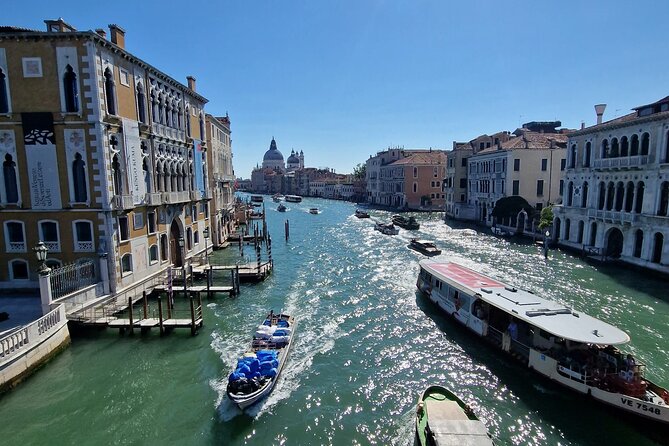
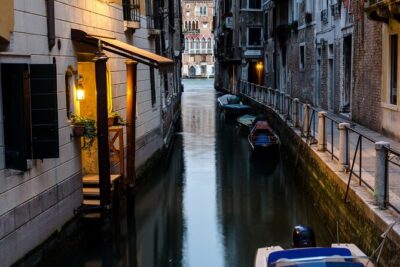
Venice can make even confident travelers feel a bit lost. This tour is built to fight that feeling. You get a set route with six stops, each carved out for about 20 minutes, so you’re not wandering for hours just to find your first big viewpoint. Since it’s private, your guide can adjust questions and timing around your group’s speed.
What really makes this work is the balance. You start with iconic sights people come to see, then you step sideways into everyday Venice. That matters, because the city’s famous buildings can start to blur together unless someone helps you connect what you’re looking at to how Venetians actually lived.
You’ll also like the practical setup: the experience is in English, you can request pickup from a central Venice hotel, and you’ll receive a mobile ticket. If you’re traveling with limited time, that combination can be a big value.
You can also read our reviews of more walking tours in Venice



Rialto Bridge: the Grand Canal’s oldest crossing to start strong
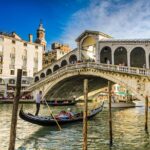
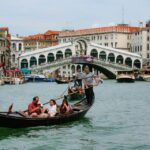
The tour begins at Ponte di Rialto, the oldest of the four bridges spanning the Grand Canal. Even if you’ve seen photos, standing near the bridge does something different. The canal pulls your eyes in every direction, and it’s a good place to reset your mental map of the city.
This stop is ticket-free, which is handy early in the day. You can use those first minutes to get oriented: what direction you’re facing, where the water traffic moves, and how the streets channel people toward the main sights.
Why I like this start: it’s visually powerful and historically specific. You’re not starting with a random viewpoint. You start at a crossing that’s directly tied to Venice’s most famous water route.
Teatro La Fenice: why an opera house belongs on a walking tour
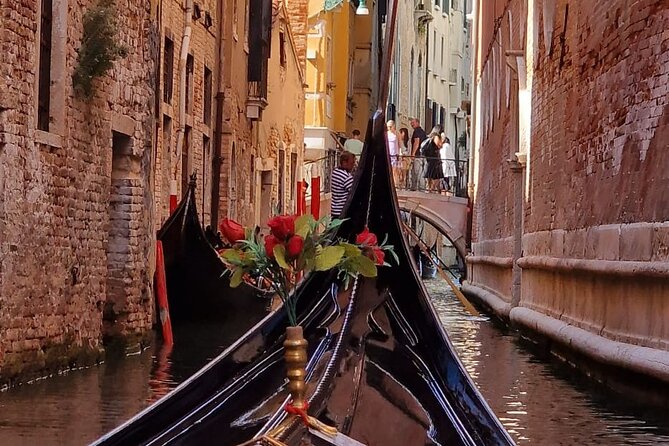
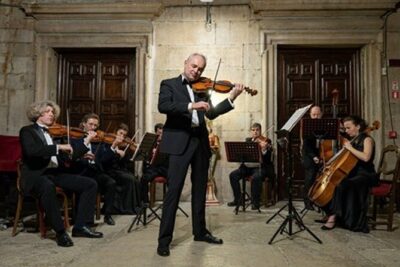
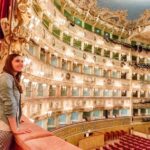
Next you’ll head to Teatro La Fenice, Venice’s historic opera house. The tour keeps it focused rather than academic. You learn why this building matters in the story of Italian theatre and opera, including that La Fenice became a place for many notable operatic premieres.
The big names are part of the point: Rossini, Bellini, Donizetti, and Verdi show up when you understand how 19th-century opera shaped reputation and culture. If you like music, this stop gives you a different lens for Venice. If you don’t, it still helps to know that the city built a stage big enough for world-class composers and major premieres.
One practical note: admission is not included here. So treat this as a guided exterior and orientation moment unless you decide to add the ticket on top of the tour.
Campo San Zulian: the ticket-free square where daily life leaks in
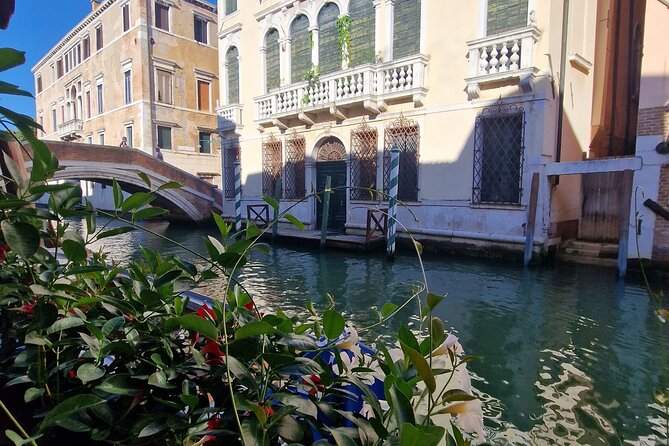
Then comes a change of pace at Campo San Zulian, a medieval gathering place. The tour frames it well: this square once held markets and festivals and functioned as everyday Venice between bigger showplaces.
This stop is also free, which makes it a low-stress moment in the itinerary. You can sit, look at the facades, and pay attention to how the square feels compared to the big-crowd zones nearby. The name links to Saint Julian the Hospitaller, and you’ll see why the area mattered as a route between Rialto and St. Mark’s Square.
What I find valuable here is that Campo San Zulian stops you from turning Venice into a checklist. It’s not about getting one perfect photo. It’s about understanding that Venetians have always used public space for daily gathering, commerce, and community.
St Mark’s Square and Basilica: where Venice shows its power
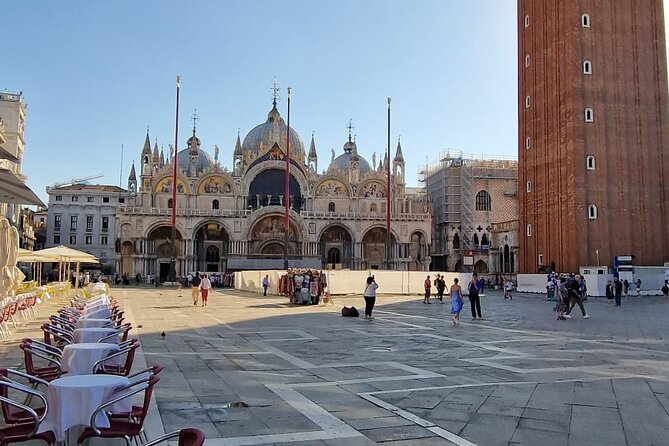
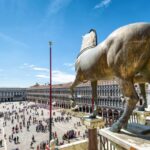
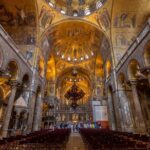
After Campo San Zulian, you reach St Mark’s Basilica, in Piazza San Marco, the principal public square of Venice. The area is famous for a reason, but the tour helps you read it like more than a backdrop.
You learn that the Basilica is dedicated to and holds the relics of Saint Mark the Evangelist, the patron saint of the city. That religious detail isn’t a trivia scrap. It helps explain why St Mark’s is treated like the heart of the city and not just another church.
Admission is not included for the Basilica, so you’ll want to decide in advance whether you’ll add entry. Even without tickets, this stop gives you a sense of scale and symbolism that you can feel immediately.
If you’re trying to prioritize your time, aim to use this portion to absorb the square’s layout: where people naturally flow, which views open from the edges, and how the Basilica fits into the bigger civic space around it.
You can also read our reviews of more private tours in Venice


Palazzo Ducale: Venetian Gothic and the Doge’s story
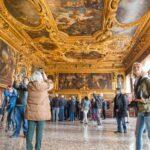
The tour then moves to Palazzo Ducale, the Doge’s Palace. This is one of those Venice landmarks where the details matter. You’re told it’s Venetian Gothic style, and you learn that it was the residence of the Doge of Venice, the supreme authority of the former Republic of Venice.
Construction details help here: built in 1340 and extended and modified in later centuries. You also learn that it became a museum in 1923, which explains why you can treat the palace as both a monument and a curated visit area later if you choose.
Admission is not included. Still, as a walking-tour stop, it’s extremely useful. The guide can point out the kind of power that lived inside those walls, and why the building’s role connects to places you’ll see right after—especially Ponte dei Sospiri.
If you want the most out of this stop, don’t rush past the palace frontage. Take a minute to notice how the building dominates the space. Venice’s “wow” is often about scale and design choices stacked on top of each other.
Ponte dei Sospiri: the Bridge of Sighs in context
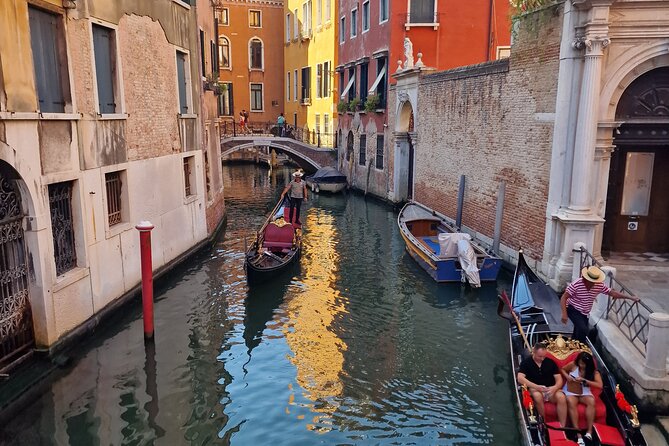
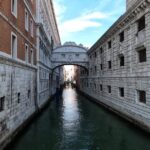
Finally, you reach Ponte dei Sospiri, the Bridge of Sighs. This one has a built-in story, because the bridge is enclosed and made of white limestone, with windows and stone bars. It passes over the Rio di Palazzo and connects the New Prison to the interrogation rooms in the Doge’s Palace.
The tour also connects it to its designers: it was built in 1600 by Antonio Contino. You even get the family link—Contino’s uncle, Antonio da Ponte, designed the Rialto Bridge. That kind of connection is exactly what makes a walking route feel like a guided narrative instead of a string of monuments.
Admission isn’t included, but you don’t need tickets to appreciate what the bridge symbolizes. It’s a physical shortcut between authority and confinement. Seeing it after Palazzo Ducale makes the whole complex feel like one system.
Guides make the difference: pacing, crowd-smart advice, and useful directions
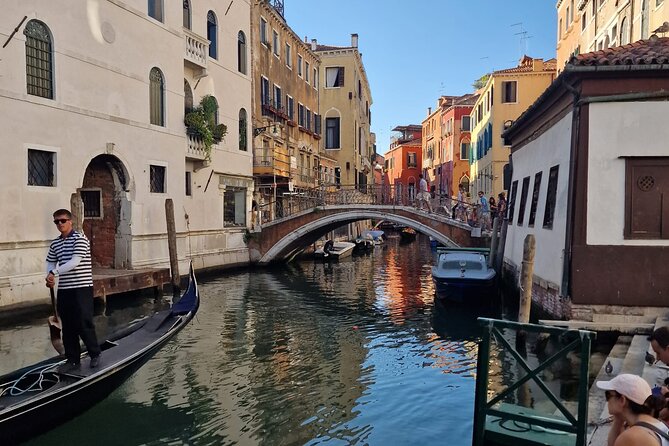
A big reason this tour scores high is the guide talent. In the notes you’ll see names like Rossella, Michele, Emanuele, and Lucrenzia, and the pattern is consistent: they don’t just recite facts. They help you move through the city with confidence.
For example, Michele took an early morning tour approach for his group and focused on lesser-seen parts of Venice, with a clear strategy for avoiding crowds. That’s a smart idea if you’re sensitive to shoulder-to-shoulder walking or you want calmer photos.
Rossella is repeatedly praised for a clear overview of St Mark’s, Doge Palace, and the wider feel of Venice. Lucrenzia gets credit for being very helpful and informative. Emanuele stands out for adding practical suggestions for where to eat. That’s the kind of extra that turns a landmark tour into a trip-planning tool.
So when you book, think about what you need from your guide: crowd-smart timing, clear storytelling, or real-life direction for food and pacing. The structure of the tour supports all three.
Price and value: what you’re actually paying for
At $162.40 per person, this is not the cheapest way to see Venice. But it’s also not priced like a luxury driver day. The value comes from the combination of things you’d otherwise have to piece together yourself:
- Private tour (just your group), which is great if you’re traveling as a couple, family, or small group that wants control
- Hotel pickup from Venice City Centre, which saves time and reduces stress
- A licensed local guide who can connect multiple stops into a single route
- A smart mix of ticket-free stops (Rialto Bridge and Campo San Zulian) and guided landmark stops where you can decide on entry
Two hours can sound short until you remember the geography. Venice routes aren’t like grid-city walks. You’re dealing with canals, bridges, and turns that can steal time. This tour protects you from that uncertainty.
Also, it’s often booked about 30 days in advance, on average. If your dates are tight or you want a specific start time, earlier booking is a good move.
How to choose your start time and manage crowds
The tour lets you choose a start time that fits your Venice vacation schedule. I’d take that seriously. In Venice, start time isn’t a tiny detail. It changes the feel of the day.
If you prefer calmer streets and easier photos, consider mornings. In practice, Michele’s early morning experience is a strong example of how timing can help you move through Venice with less friction. If you prefer a slower rhythm and don’t mind busier moments, a later start can still work because the route is private and guided.
Light-to-moderate walking at your own pace is the target. That makes it reasonable for many visitors, but you should still plan for cobblestones and bridge transitions. Bring shoes you can trust.
Who this tour suits best
This is a strong match if you want a guided plan that still lets you ask questions and keep your pace. It also works well if you like mixing major sights with a slice of everyday Venice at a square like Campo San Zulian.
It’s especially good for:
- Couples and small groups who hate feeling herded
- Travelers who want a local guide to connect landmarks rather than just point and smile
- Anyone with limited time who still wants multiple key sights in one clean loop
It might be less ideal if you want long, deep interior visits inside multiple buildings. Since admissions for several major stops are not included, you may find yourself wanting extra time to do everything inside. In that case, consider treating the tour as the guide-led orientation layer, then adding separate ticketed visits after.
Quick practical checklist before you go
You’ll want to think about a few basics so the day feels easy:
- Wear comfortable shoes for walking through narrow streets and across bridges.
- If you care about interiors, decide ahead of time where you’ll want tickets, since some stops do not include admission.
- If you want pickup, make sure your hotel is in central Venice since pickup is from Venice City Centre.
- If you’re sensitive to crowds, lean into the start time option.
Should you book this Venice private walking tour?
If you want a fast way to understand Venice without feeling lost, I think this is a smart booking. The private format, hotel pickup, English guide, and the way the route connects Rialto to St Mark’s to Doge’s Palace and the Bridge of Sighs make it a practical choice.
I’d book it if your goal is a guided highlights loop plus at least one real-feeling square stop at Campo San Zulian. It’s also a good pick if you care about getting helpful direction for your day, not just viewing points.
I’d hesitate only if you already plan to spend most of your time deep inside museums and churches and you want those entrances fully handled. Since several admissions are not included, you’d likely need extra planning to do everything the same day.
FAQ
How long is the Venice Private Walking Tour?
It lasts about 2 hours.
How much does the tour cost?
The price is $162.40 per person.
Is this tour private?
Yes. It is a private tour/activity, so only your group participates.
Is pickup included, and where does it come from?
Pickup is offered from your hotel in Venice City Centre.
What language is the tour offered in?
The tour is offered in English.
Are tickets included for every stop?
No. Admission tickets are free at Ponte di Rialto and Campo San Zulian, while Teatro La Fenice, St Mark’s Basilica, Palazzo Ducale, and Ponte dei Sospiri list admission as not included.
Where does the tour start and end?
It starts at Rialto Bridge (Ponte de Rialto, 30100 Venezia VE, Italy) and ends at Arsenale di Venezia (Campo de la Tana, 2169, 30122 Venezia VE, Italy).
Do I choose the start time?
Yes. You can choose a start time to match your Venice schedule.
Is there a mobile ticket?
Yes. A mobile ticket is included.
Can I cancel for a refund?
You can cancel for a full refund up to 24 hours in advance of the experience’s start time.