REVIEW · VENICE
Venice: Must-See Attractions Walking Tour
Book on GetYourGuide →Operated by Guydeez Tours · Bookable on GetYourGuide
Venice can feel like a maze, so I love tours that help you choose the turns. This private 3-hour walk focuses on the big sights plus the neighborhoods in between, with a guide who can route you toward architecture, local history, or Renaissance art. I especially like the way the tour loops through classic icons without turning it into a checklist, and you also get a stop at a traditional bar. One drawback to plan for: you’re still walking a lot in tight streets, so comfortable shoes matter.
The other thing I like: this tour is truly private, and that means your guide can keep shifting the pace and stops to what you care about. In the guide lineups people rave about, names like Cecelia, Sneh, Farid, Nazarena, Karen, and Fredo show up again and again for being energetic, patient, and helpful with what to do after you leave. If you’re expecting included food and drinks, note that the bar stop is part of the experience, but meals are not included.
Quick take: what makes this walk worth your time
- A private guide you can steer toward the Venice you want—history, architecture, or art
- Rialto Bridge + Mercato di Rialto for the first-hit Venice experience, up close
- Churches and squares that explain the city, not just pose for photos
- Cannaregio time to see Venice beyond the main postcard stretches
- La Fenice, Santa Maria della Salute, and the canal-area landmarks in one efficient loop
- A traditional Venetian bar stop for wine and appetizers you can enjoy on your own tab
In This Review
- Starting at Campo San Luca: Why the meeting point matters
- Rialto Bridge and Mercato di Rialto: First hits and real atmosphere
- Frari, Campo San Bortolomio, and Madonna dell’Orto: Churches that break up the walking
- Cannaregio Quarter: Venice without the loudest spotlight
- Teatro La Fenice to Palazzo Contarini del Bovolo: Culture stops that keep the pace moving
- Santa Maria della Salute and San Zaccaria: Finishing with landmark momentum
- The traditional bar stop: Wine and appetizers, with a simple heads-up
- Price and value: Is $41 per person worth it?
- What you should pack and how to walk smarter
- Best fit: who this tour suits (and who should choose differently)
- Should you book this Venice walking tour?
- FAQ
- Where does the tour start and where do we end?
- How long is the tour?
- Is this tour private, and can the route be tailored?
- What languages are available for the live guide?
- Is the bar stop with wine and appetizers included in the price?
- Is the tour wheelchair accessible, and what should I bring?
Starting at Campo San Luca: Why the meeting point matters
You begin at Campo S. Luca, 4473 and end back there, which is a big deal in Venice. With a clear start and finish, you don’t waste energy figuring out where the tour disappears once you’ve seen the highlights.
From that first square, your route gets you moving quickly into the city’s web of lanes and bridges. The “private” part matters because you’re not stuck behind a crowd that moves on one fixed rhythm. If you want more time asking questions or slowing down for details, this format is built for that.
Rialto Bridge and Mercato di Rialto: First hits and real atmosphere

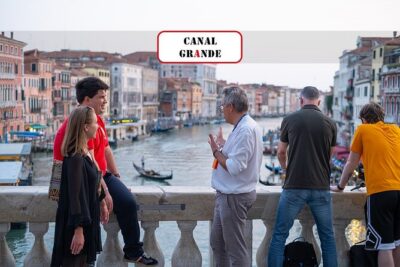
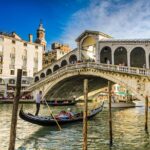
The tour takes you to Rialto Bridge for a guided moment that’s all about getting your bearings. Rialto is one of those Venice centers where the city’s identity shows up fast—water views, bridges, and the sense that everything funnels through here.
Then you head to Mercato di Rialto (Rialto Fish Market). This stop is great because it adds the daily-life layer, not just the famous photo angle. Even if you’re not shopping, the market setting helps you understand how people live around the sights you came to see.
Practical note: markets and bridge areas can be busy, so keep a bit of patience for crowds as you move through. The benefit is that you’re with a guide, so you spend less time lost and more time looking at the right things.
You can also read our reviews of more walking tours in Venice

Frari, Campo San Bortolomio, and Madonna dell’Orto: Churches that break up the walking
Next up is Basilica dei Frari, Venice, a smart stop because it shifts you from streets and views to a more reflective side of the city. A guided visit here gives you a way to connect what you’re seeing with the bigger story of Venice—who built these spaces and why they mattered.
You then pass through Campo san Bortolomio and stop at Madonna dell’Orto. These in-between stops work well because Venice isn’t only grand monuments. Squares and neighborhood churches help you feel the city’s everyday structure—the way locals move, gather, and worship in the same layers that tourists rush through.
If you’re the type who likes context while walking, this portion is a good fit. You’ll also likely appreciate the flexibility: your guide can slow down at the sites you’re most interested in and skim lightly over what you’re less excited by.
Cannaregio Quarter: Venice without the loudest spotlight

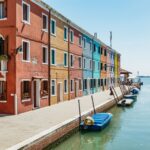
After the central sights, the route moves into Cannaregio. This is the moment where Venice starts to feel less like an attraction and more like a lived-in city. The streets often feel narrower and more local, which can be a welcome change after busy landmark zones.
This is also one of those segments where a good guide makes a visible difference. In feedback tied to this kind of tour format, guides like Karen and Fredo get praised for pointing out the practical Venice stuff—how to orient yourself and what areas make sense to revisit later.
Consider what you want from your trip: if you want postcard Venice and quiet Venice in the same day, Cannaregio is a strong middle anchor. If you only want the absolute biggest monuments, you may be tempted to skip ahead—but then you miss the shift that makes the tour feel complete.
Teatro La Fenice to Palazzo Contarini del Bovolo: Culture stops that keep the pace moving
You’ll visit Teatro La Fenice, then continue to Palazzo Contarini del Bovolo. These are stops that help Venice feel like more than stone and canals. The goal here is not just to see a building, but to understand why it lives in the city’s imagination.
What I like about adding theater-and-palace type stops into a walking loop is timing. You get the big walking legs early, then you reach sites where you can pause, reset, and re-center your attention. It breaks up the “constant forward motion” that can make Venice tiring.
In a private tour, your guide can also adjust the emphasis. If you’re more into architecture, you’ll likely get more focus on how these places fit into the city’s layout and identity. If you prefer stories and local history, you can steer the conversation that way.
Santa Maria della Salute and San Zaccaria: Finishing with landmark momentum
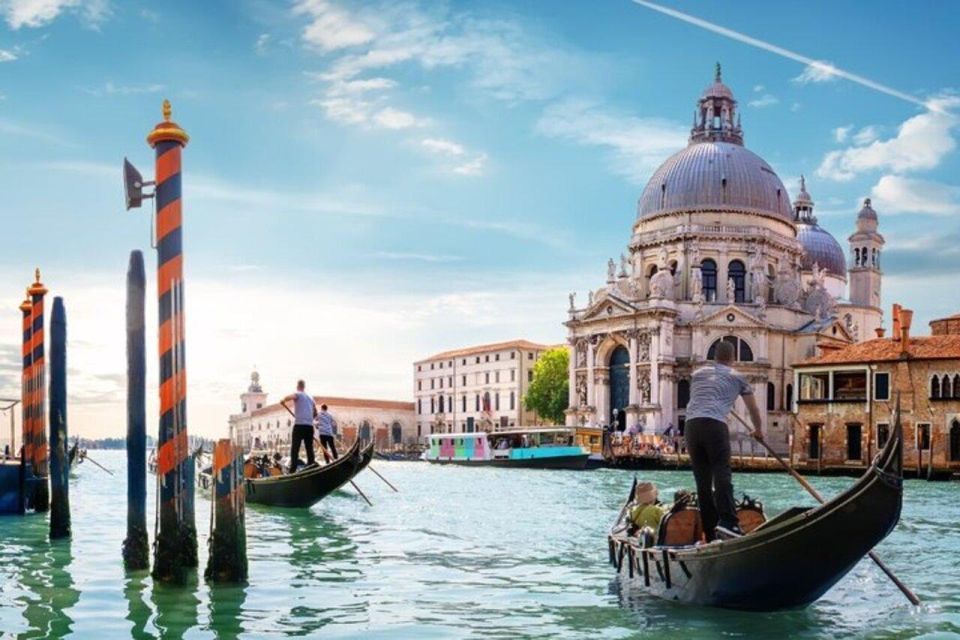
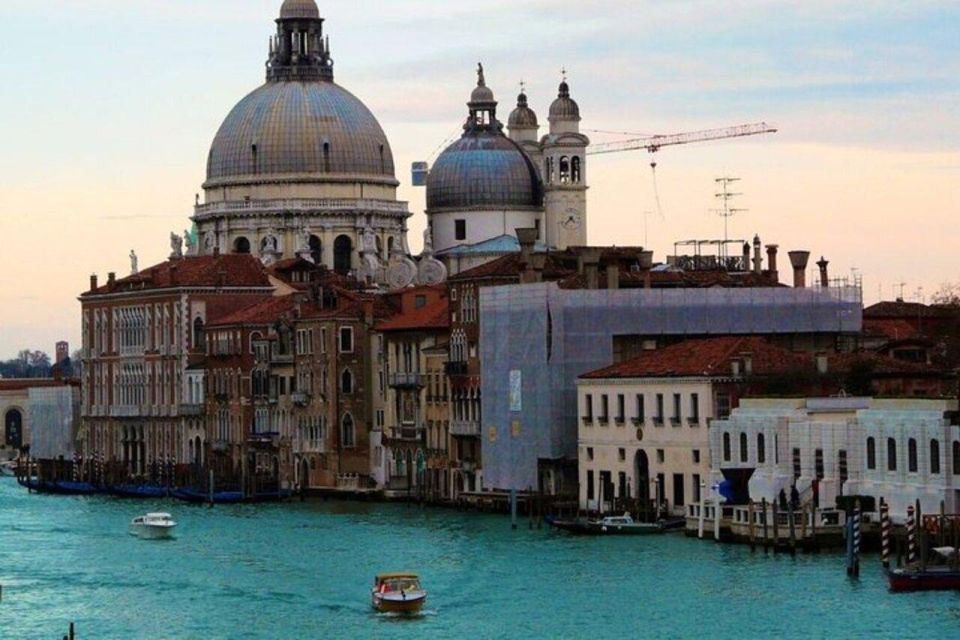
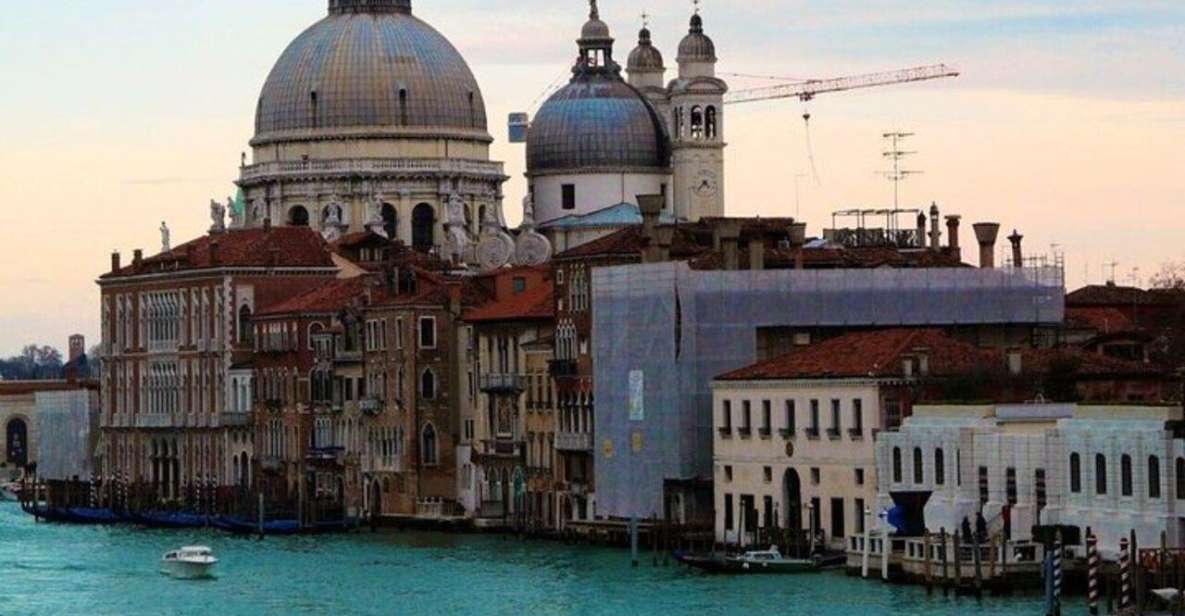
The route includes Santa Maria della Salute and later San Zaccaria. These are both ideal endgame stops because they’re easy to remember once you’ve seen them, and they help tie together the city’s religious and civic energy.
You also get a final canal-crossing moment with Ponte dell’Accademia. Bridges are Venice’s natural way to stitch neighborhoods together, and this one helps you understand the city as a network—not a single straight line of sights.
If you’re visiting for the first time, this part of the walk helps you build a mental map. You end where you started—Campo S. Luca—so you can transition to dinner or a gondola plan without feeling like you’re stranded on the wrong side of the city.


The traditional bar stop: Wine and appetizers, with a simple heads-up
A highlight of the tour is the stop at a traditional Venetian bar to enjoy wine and appetizers. This is a very Venice kind of break: you’re tasting the culture, not just collecting sights.
Here’s the important budget reality: food and drinks are not included. That means you should treat this as an add-on you’ll pay for during the stop, not a fully covered meal. If you want to control spending, you can still enjoy the social break while keeping an eye on what you order.
This bar stop is also a nice emotional reset after churches and walking-heavy segments. You get a chance to sit, regroup, and ask your guide what to do next—especially if you’re planning a second day in Venice and want it to feel more personal.
Price and value: Is $41 per person worth it?
At $41 per person for a 3-hour private guided walking tour, the value comes from two things: time efficiency and guide quality. In Venice, “wasting” time has a cost because you can’t always see progress from street to street. A private guide helps you move toward the right stops without second-guessing.
You also get included help with booking tickets for attractions when needed. That’s not flashy, but it matters. Ticket lines and last-minute scheduling can eat up the small vacation window you’ve got.
The most important value point: the tour is designed to be tailored to your interests. If you care about architecture, local history, or Renaissance art, that flexibility can make the $41 feel like a bargain. If you only want a super-fast highlights hit, the customization may mean you’re spending more time on what your guide thinks you’ll enjoy.
What you should pack and how to walk smarter
Venice is a footwear test. Bring comfortable shoes—no exceptions. Even “easy” walking routes involve uneven stone and lots of foot-to-foot contact, so your choice of shoes will shape how much you enjoy the day.
Also, plan for the fact that you’ll be out for about 3 hours. Bring a bit of water if you’re sensitive to heat or long walks, and consider a light layer if you tend to feel cold near the water.
If you want photos, Venice gives you plenty. Just don’t let photo stops turn into a slowdown. The guide can point out where it’s worth pausing so you don’t waste time trying to find the best angles on your own.
Best fit: who this tour suits (and who should choose differently)
This is a strong pick if you:
- Want private guidance in Venice instead of a group shuffle
- Are short on time and want a mix of major sights + neighborhood streets
- Like context while walking, especially around churches and landmark buildings
- Want your route shaped around your interests, not someone else’s priorities
It’s less ideal if you:
- Hate walking or have limited stamina for cobblestones and stairs
- Only want quick, photo-first stops and don’t care about explanations
- Expect meals or drinks to be included throughout the bar stop
Should you book this Venice walking tour?
I’d book it if you’re coming to Venice for the first time or you want a structured day that still feels flexible. The private format, the range of stops—from Rialto and the market to Cannaregio and the canal-area landmarks—and the ability to tailor the route make it a solid value.
It’s also a smart choice if you want a guide who can help you plan the rest of your trip. In feedback, guides such as Cecelia, Sneh, Farid, Nazarena, Karen, and Fredo are consistently praised for being friendly, engaging, and willing to answer questions rather than just reciting facts.
FAQ
Where does the tour start and where do we end?
The tour starts at Campo S. Luca, 4473, and returns back to Campo S. Luca.
How long is the tour?
The tour lasts 3 hours.
Is this tour private, and can the route be tailored?
Yes. It’s a private guided walking tour, and the itinerary can be tailored to fit what you’re most interested in, such as architecture, local history, or Renaissance art.
What languages are available for the live guide?
Live guides are available in French, Spanish, Italian, and English.
Is the bar stop with wine and appetizers included in the price?
The tour includes a stop at a traditional Venetian bar where you can enjoy wine and appetizers, but food and drinks are not included.
Is the tour wheelchair accessible, and what should I bring?
The tour is wheelchair accessible. You should bring comfortable shoes for the walking.