REVIEW · VENICE
Venice: La Fenice Theater Tour
Book on GetYourGuide →Operated by Barcelona Exp · Bookable on GetYourGuide
Teatro La Fenice is where Venice’s drama turns into music. I love how the tour makes the theater’s Phoenix comeback story feel tangible through its spaces, and I love getting a guided look at the auditorium where legendary premieres happened and sound carries. For $77, you’re paying for an expert walkthrough of a major opera house, not just a quick photo stop.
The main catch: this is a shared tour and it’s not suitable for wheelchair users, so you’ll want to handle crowds and indoor movement comfortably. If you’re hoping for a slow, private, totally accessible experience, this one may feel a bit tight.
In This Review
- Key Things You’ll Notice on This La Fenice Tour
- Finding Teatro La Fenice Fast: Campo San Fantin Setup
- What You’ll See Inside: Phoenix Story, Opulence, and the Fire-Rebuild Reality
- The Main Stops: Guided Walk Through the Theater’s Grand Spaces
- Rossini and Bellini Premiere Stories You’ll Hear Live
- Sitting in the Auditorium: Where the Acoustics Matter
- Modern Opera Connections: Stravinsky and Britten on the Same Stage
- Price and Value: Is $77 Worth 1 Hour Inside La Fenice?
- Pace, Group Size, and Practical Timing in Venice
- Language, Guide Style, and What “Well Paced” Really Means
- Who Should Book This Teatro La Fenice Tour (and Who Might Skip)
- Should You Book La Fenice?
- FAQ
- How long is the Teatro La Fenice tour?
- What is the price per person?
- Where do I meet for the tour?
- Is entrance to the theater included?
- Is the tour in English?
- Is transportation from my hotel included?
- What should I bring, and can I cancel?
- Is the tour suitable for wheelchair users?
- What happens if there are no places for last-minute bookings?
Key Things You’ll Notice on This La Fenice Tour
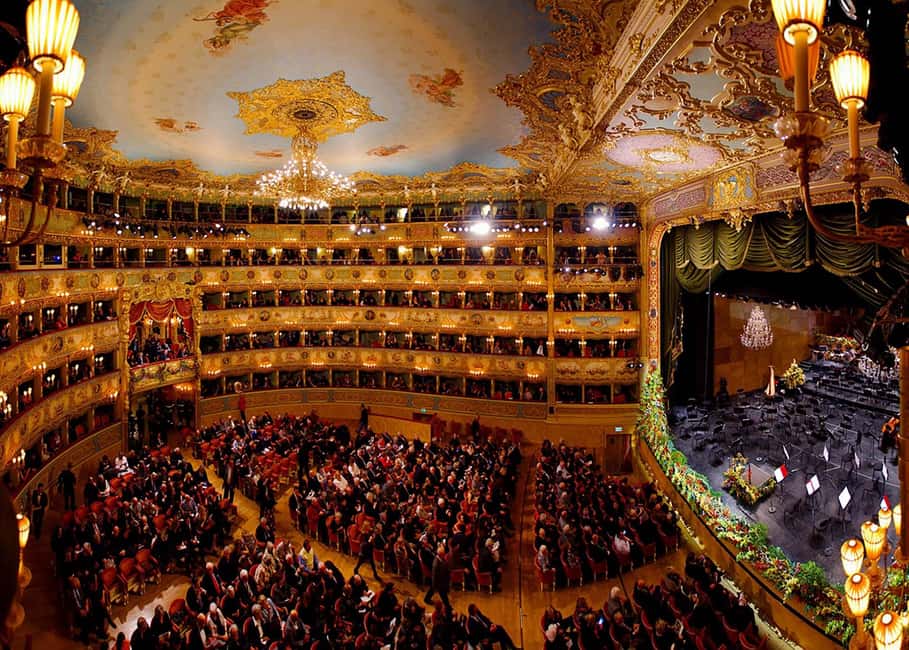
- Campo San Fantin start point: meet right by Teatro La Fenice, and the explanation begins inside.
- Phoenix-from-the-ashes storytelling: fires in 1836 and 1996 are part of what the guide connects to the building you’re seeing.
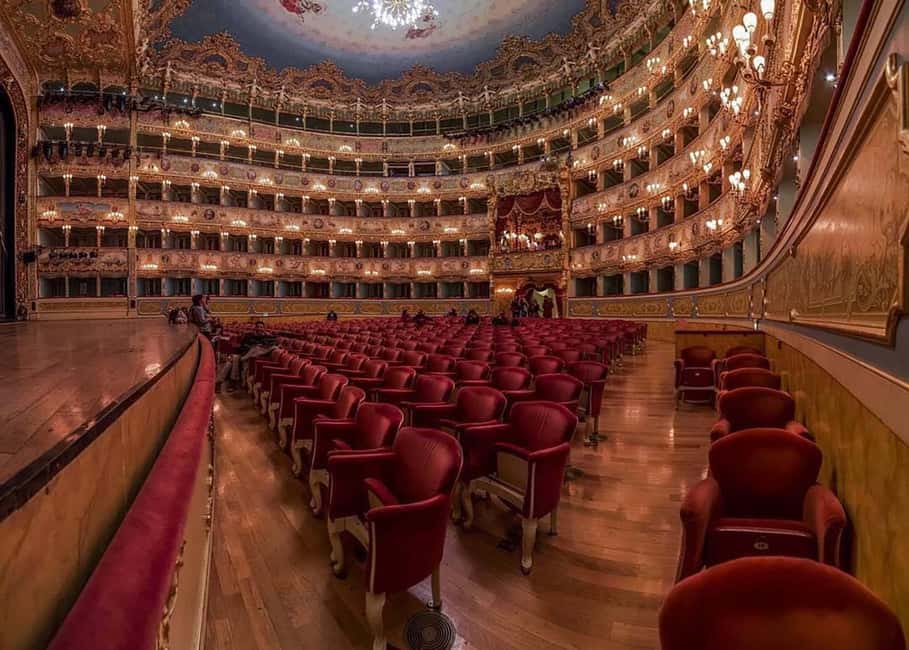
- Opulent interior first, plain exterior outside: gilding, red velvet seating, and a chandelier set the tone fast.
- You sit where opera happens: the stop in the grand auditorium is designed around the theater’s famous acoustics.
- Premiere lore across eras: Rossini and Bellini sit alongside modern works like Stravinsky and Britten.
Finding Teatro La Fenice Fast: Campo San Fantin Setup
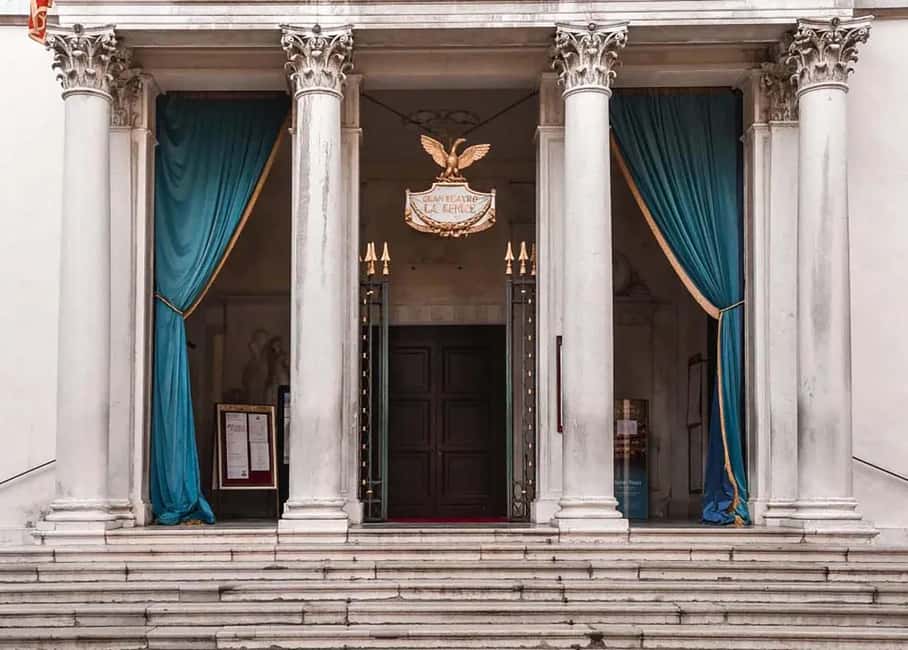
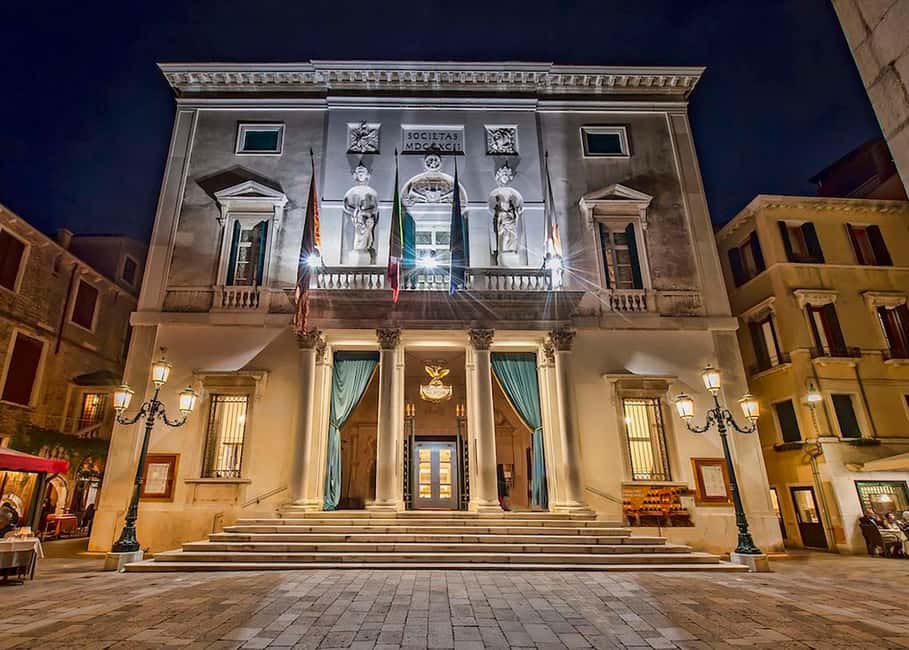
You’ll meet at Campo San Fantin, at the entrance of Teatro La Fenice. The good news is you don’t waste time hunting around Venice for a secret door or confusing “look for the flag” nonsense. Also, the most important part happens inside: the tour explanation takes place after you’re in the theater, not during the walk there.
This matters because Venice can feel like a maze when you’re on a schedule. If you arrive a few minutes early, you get your bearings, settle in, and avoid that last-minute scramble that always adds stress to a short tour. The tour is shared, so you’ll be moving with a small group rather than gliding solo.
Practical tip: bring an ID card or passport. You don’t want to discover that requirement five minutes before you’re ushered in.
You can also read our reviews of more tours and experiences in Venice.

What You’ll See Inside: Phoenix Story, Opulence, and the Fire-Rebuild Reality
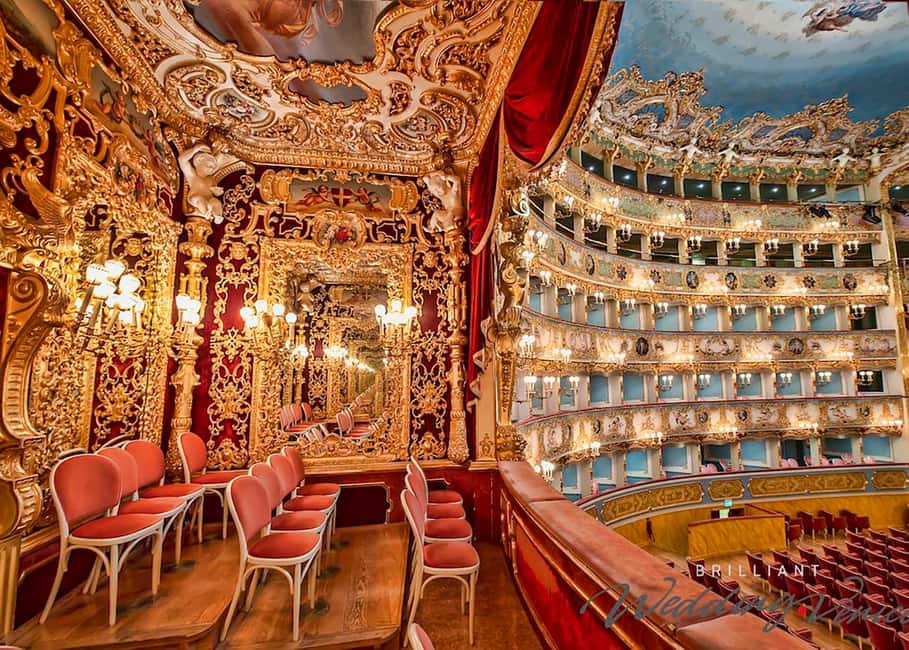
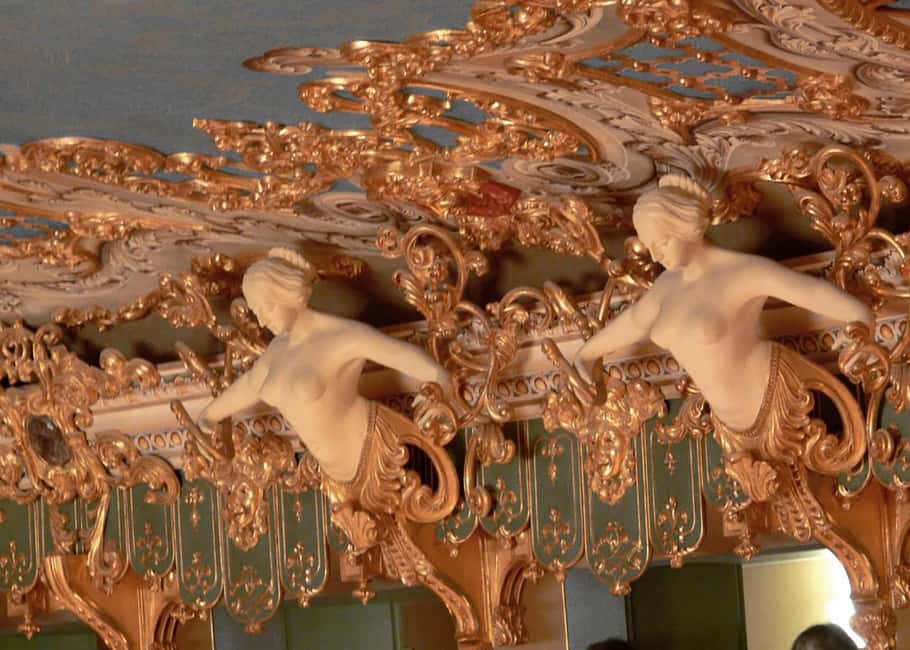
La Fenice is one of those places where the outside looks surprisingly modest, then the moment you cross the threshold the tone changes completely. Inside, you’re met with gilded details, red velvet seating, and a grand chandelier overhead. It’s the kind of room that makes you lower your voice without being told.
The guide’s story anchors all that decoration in something real: the meaning of the name La Fenice, which translates to The Phoenix. The theater has had a hard life, with fires destroying it twice—first in 1836 and again in 1996—followed by major reconstructions. The guide connects those setbacks to why the building feels so determined and dramatic. You’re not just looking at “pretty rooms”; you’re seeing a symbol of recovery that keeps returning.
There’s a subtle payoff here: once you understand how often the theater has been rebuilt, the opulence feels less like pure luxury and more like an act of commitment. Venice is famous for beauty, but La Fenice adds a different flavor—beauty that survived.
The Main Stops: Guided Walk Through the Theater’s Grand Spaces
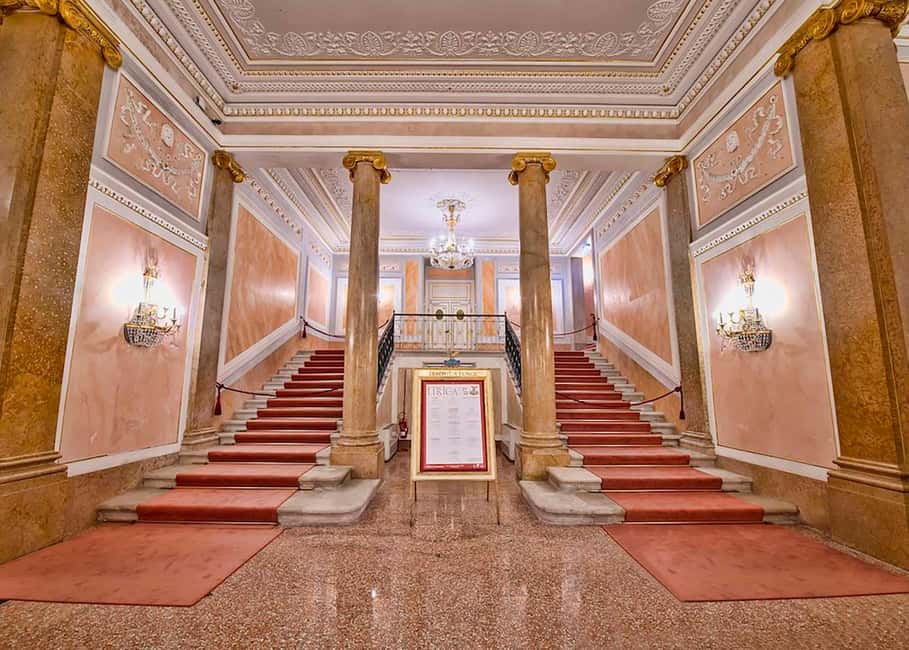
This is a 1-hour experience, so the pacing stays focused. You’ll have time for a proper guided look at the theater’s major interior areas—especially the parts that explain what makes La Fenice work as an opera house, not just a landmark.
Expect the guide to shape your visit around three things:
- How the theater evolved after repeated fires
- Why certain design choices matter (especially for sound and sightlines)
- Which premieres took place on this stage
The tour also includes behind-the-scenes insights into daily operations. The specifics aren’t spelled out for you ahead of time, but the intent is clear: you’ll learn how this place functions as an active theater, not a museum that only exists for daytime viewing.
Because it’s only an hour, don’t expect a long, every-corner architectural dissertation. Instead, think of it as a high-quality “orientation + meaning” tour. You’ll walk away with context that makes any opera performance you attend (if you add one later) feel much more connected to the room you’re in.
Rossini and Bellini Premiere Stories You’ll Hear Live
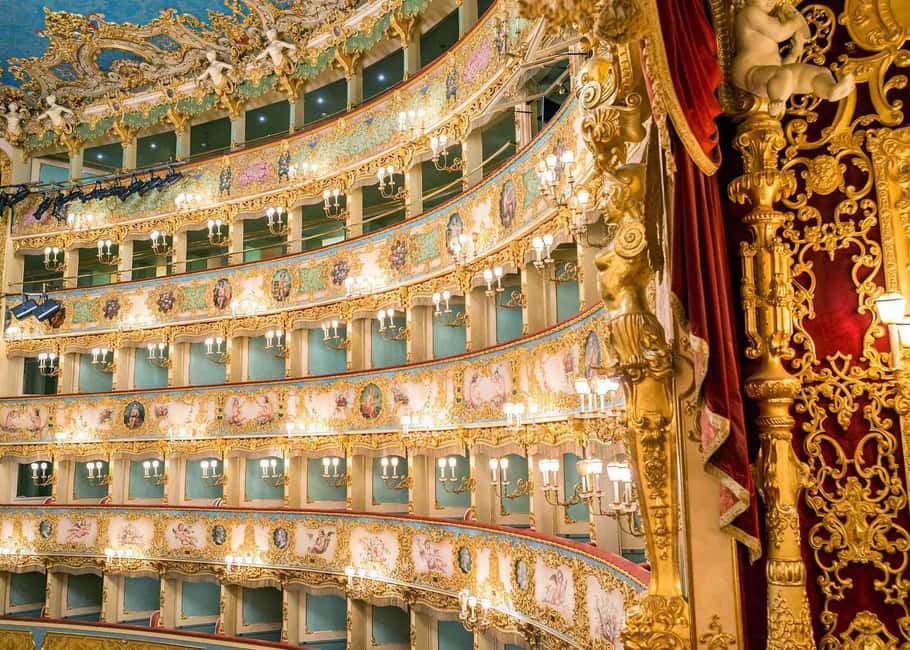
One of the reasons I like this tour is that it gives you a sense of who turned this stage into a big deal. La Fenice opened in 1792, and the guide frames it as a center for major opera premieres.
You’ll hear about composers whose names still carry weight today, especially Rossini and Bellini. Rossini’s operas listed in the tour story include Tancredi, Sigismondo, and Semiramide. For Bellini, the guide focuses on I Capuleti e i Montecchi and Beatrice di Tenda.
What makes this more than trivia is how the guide uses those premieres to explain the theater’s reputation. La Fenice wasn’t just staging music; it was helping define what opera sounded and looked like in its era. You start to notice the theater as a machine for performance—designed to make dramatic ideas audible and visible.
If your interest is music history, this section gives you names you can connect to the building itself. And if your interest is purely atmosphere, it still works, because it tells you why the interior feels so intentional.
Sitting in the Auditorium: Where the Acoustics Matter
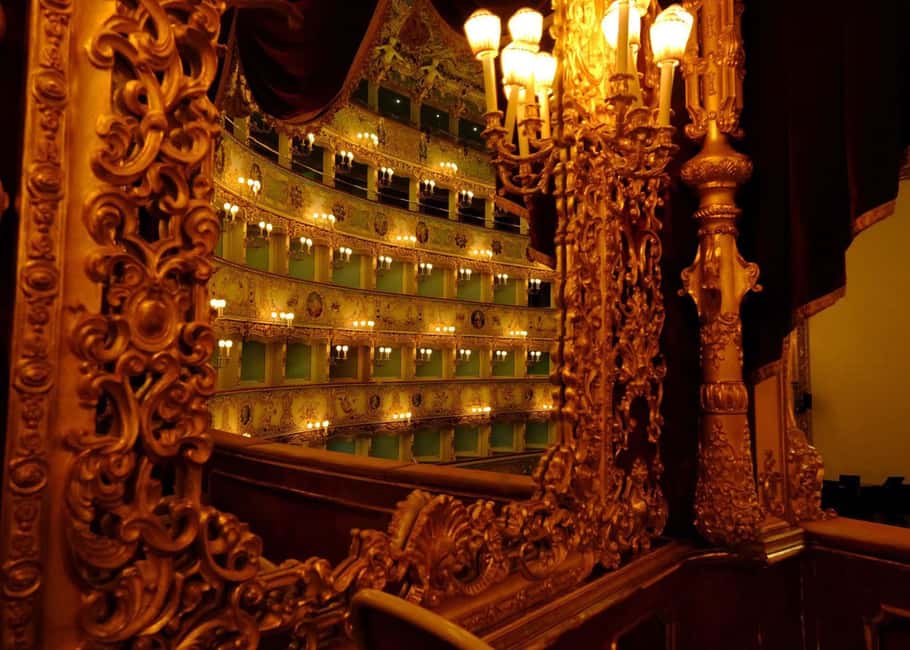
This is the moment that makes the tour stand out. You get the chance to sit in the auditorium, which seats over 1,000 people and is known for excellent acoustics. The guide points you toward the reality of why people obsess over La Fenice: sound isn’t an accident here. It’s built into the room.
You’ll also hear the kind of scale that turns an opera into a full-bodied event. The tour describes a setup around a 98-piece orchestra and a 66-member chorus. That’s a lot of performers, but the point is not the numbers for their own sake. It’s what those numbers mean in practice: the theater is tuned to carry voices and music in a way that makes performances feel unified.
Here’s the practical takeaway for your visit: even if you don’t attend an evening performance, the auditorium stop changes how you view the whole building. You’ll leave understanding why La Fenice is famous beyond its decoration.




Modern Opera Connections: Stravinsky and Britten on the Same Stage
A smart touch of this tour is that it doesn’t treat La Fenice like a forever-locked chapter of the past. The guide also brings you into more modern opera with examples from the 20th century.
You’ll hear about world premieres connected to Stravinsky’s The Rake’s Progress and Britten’s The Turn of the Screw. Again, don’t think of this as a random “modern works” plug. It’s part of the bigger message: La Fenice keeps evolving while still protecting the prestige it earned through earlier premieres.
This is especially useful if you’re deciding whether to attend an opera while you’re in Venice. After this tour, you’ll understand that the theater’s identity isn’t only about old-school composers. It’s about performance culture that keeps going.
Price and Value: Is $77 Worth 1 Hour Inside La Fenice?
At $77 per person for about 1 hour, you’re paying for three specific things:
- A professional, live English guide
- Entrance to the theater
- A focused run of explanation tied to major premieres and how the building works
What you’re not paying for is a long multi-stop itinerary across Venice. So if you’re comparing against full-day sightseeing tours, this is short. But if your time in Venice is tight and you want one top-tier cultural stop explained well, this price starts to make sense.
The key value here is the combination: entrance + expert context + a seat in the auditorium. If you’re the kind of traveler who gets more out of understanding than just photographing, this tour often feels like a better use of time than “wandering into another grand building” without a guide.
Pace, Group Size, and Practical Timing in Venice
This is a shared tour. That usually means you’ll experience a steady group pace and you may have less flexibility to linger in every decorative corner. Because you’re inside an active, high-demand space, the hour is designed to move efficiently.
One piece of advice I’d give you: don’t stack tours too tightly the same day. The tour info recommends avoiding booking multiple tours with close times, and that’s good sense in Venice. Streets are crowded, and getting from one site to another can take longer than you expect.
If you book a slot and later realize you want a more flexible schedule, the free cancellation policy and reserve-now style can help. Just don’t treat Venice like you can time travel—give yourself breathing room.
Language, Guide Style, and What “Well Paced” Really Means
The tour is English and led by a live guide. From the way guides are described, the most praised elements are solid instruction and good pacing—so you’re not stuck listening to a long monologue, and you’re not rushed through the important parts.
You’ll also get the sense that the guide talks like an opera fan with a job, not like a museum placard. One guide name that comes up is Alberto, known for deep detail and a calm, well paced flow. Another guide described the experience as excellent and joyful, which fits the overall vibe: clear, human, and focused on helping you understand what you’re seeing.
If you’re worried about being bored by “the basics,” don’t. The tour is built around stories of premieres and the building’s design logic—so even if you’re not an opera superfan, you’ll still pick up meaningful context.
Who Should Book This Teatro La Fenice Tour (and Who Might Skip)
This tour is a great match if you want:
- A guided look at a top opera house with real context
- Stories that connect famous composers to specific spaces
- Time-efficient culture for a Venice day
It may not be the best choice if you need:
- Wheelchair accessibility (it’s listed as not suitable)
- A fully private experience (it’s shared)
- Plenty of free time to wander independently inside the theater
One more thing: if you’re pairing this with other Venice plans, remember the tour length is about one hour. That’s perfect for fitting into a packed schedule, but it does mean you should arrive ready to pay attention. This isn’t a “sit and snack and stroll” kind of activity.
Should You Book La Fenice?
I’d book this if you want a Venice stop that feels like more than sightseeing. You’ll see opulence, learn why the theater keeps being rebuilt, and sit in an auditorium tied to major opera premieres. The big win is context: you leave knowing what to listen for, even if you don’t attend a show on the same trip.
Skip it if you’re mainly looking for long free time, full accessibility for mobility needs, or a less structured experience. Also skip it if your schedule is so packed that you can’t realistically make a one-hour meeting point on time.
If your gut says you’ll enjoy opera stories and want the theater explained by someone who actually understands it, this is a smart use of one of your Venice hours.
FAQ
How long is the Teatro La Fenice tour?
The tour lasts 1 hour.
What is the price per person?
It costs $77 per person.
Where do I meet for the tour?
Meet at Campo San Fantin, at the entrance of Teatro La Fenice.
Is entrance to the theater included?
Yes. Entrance to the theater is included, along with a professional guide.
Is the tour in English?
Yes, the live tour guide speaks English.
Is transportation from my hotel included?
No. Transportation from/to the hotel is not included.
What should I bring, and can I cancel?
Bring a passport or ID card. You can cancel up to 24 hours in advance for a full refund, and you can also reserve now and pay later.
Is the tour suitable for wheelchair users?
No. The tour is not suitable for wheelchair users.
What happens if there are no places for last-minute bookings?
If places are limited for same-day or next-day booking, you may be placed on the day following the booked date.