REVIEW · VENICE
Venice: Jewish Ghetto Walking Tour with Synagogue Visits
Book on GetYourGuide →Operated by Walks In Europe · Bookable on GetYourGuide
Venice’s Jewish Ghetto hits you differently. In just 2 hours, you’ll walk Cannaregio’s quiet lanes and hear the story of a quarter shaped by rules, resilience, and everyday life. The biggest reason this tour feels special is the synagogue access arranged through the Jewish Museum, plus the guide who ties the neighborhood to the wider history of Venice.
I love how the tour slows you down in the places people usually rush past—Campo del Ghetto spaces and the tight-knit streets between Ghetto Vecchio and Ghetto Nuovo. I also like that it’s more than buildings: you’ll learn how the community shaped Venice’s social, economic, and cultural life, from the Renaissance to modern times.
One thing to consider: synagogue access and what’s open can change. The Jewish Museum itself is closed for visits because it’s under restoration, and on Fridays the Levantine Synagogue visit isn’t included.
In This Review
- Key highlights you’ll actually feel on this tour
- Where the Venice you know turns into a quieter, sharper story
- Meeting at Campo di Ghetto Nuovo (and why it matters)
- Walking the Old and New Ghetto: streets that explain rules and daily life
- You’ll notice how “vertical” living shaped the neighborhood
- You’ll learn the quarter’s role in Venice’s bigger systems
- The tour’s framing stays respectful and grounded
- Campo del Ghetto: where stories sound different in a quiet square
- Spanish Synagogue visit: modest exterior, vivid interior symbolism
- Levantine Synagogue visit: another tradition, same thread of history
- Why this tour feels like more than a checklist (it’s about context)
- Price and value: is $105 fair for a 2-hour ghetto walk plus synagogue entry?
- Timing and pacing: how you’ll experience 2 hours in real life
- Practical tips: what to bring, what to wear, and how to get the most
- Clothing and comfort
- Questions are welcome
- Weather matters
- Restrictions
- Who should book this tour, and who might skip it
- Should you book the Venice Jewish Ghetto walking tour with synagogue visits?
Key highlights you’ll actually feel on this tour
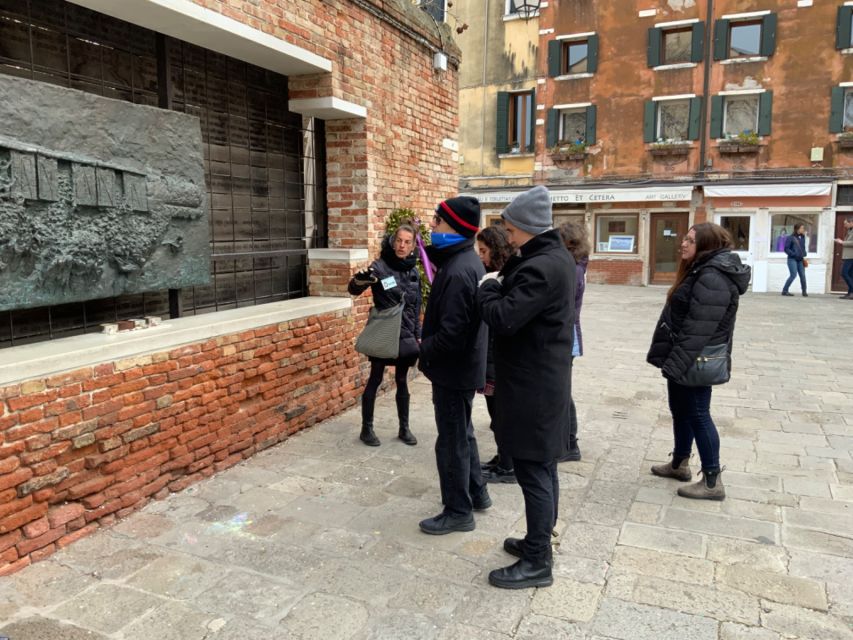
- Cannaregio focus: you’ll spend your time where the Jewish quarter’s history lives, not just near the postcard bridges.
- Old and New Ghetto walking route: you’ll move through Ghetto Vecchio and Ghetto Nuovo and see how the quarter developed.
- Synagogues behind modest exteriors: the Spanish and Levantine Synagogues are often missed unless you have the right access.
- Sephardic and Ashkenazi influences: you’ll hear how different traditions shaped what you see inside.
- Guides who handle questions well: in recent experiences, guides like Claire, Martina, and Silvia are praised for clear explanations and patience with group questions.
Where the Venice you know turns into a quieter, sharper story
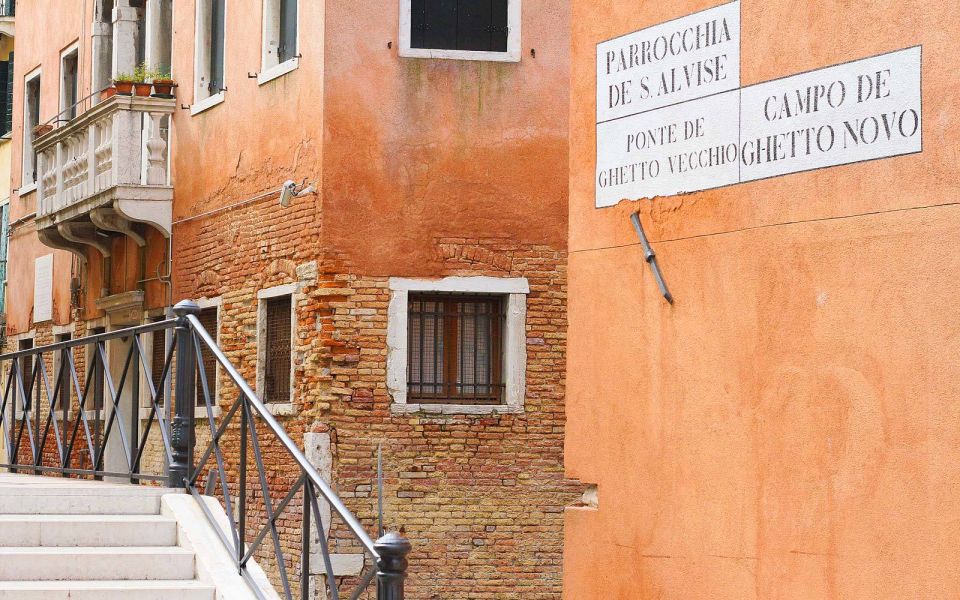
If you’ve only seen Venice from the main canals and big squares, the Jewish Ghetto can feel like a different city. That’s not just because the streets are narrower or the buildings are tall. It’s because the neighborhood was built under restriction, yet Jewish life still expanded within those limits—through community, commerce, education, ritual, and mutual support.
This is why the tour works: you don’t just hear facts. You connect the “why” to the “where.” The guide helps you understand how a confined space could still shape Venice, and how later generations kept cultural threads alive. And you get that feeling early, right around Campo di Ghetto Nuovo, where the walk begins.
You can also read our reviews of more walking tours in Venice



Meeting at Campo di Ghetto Nuovo (and why it matters)
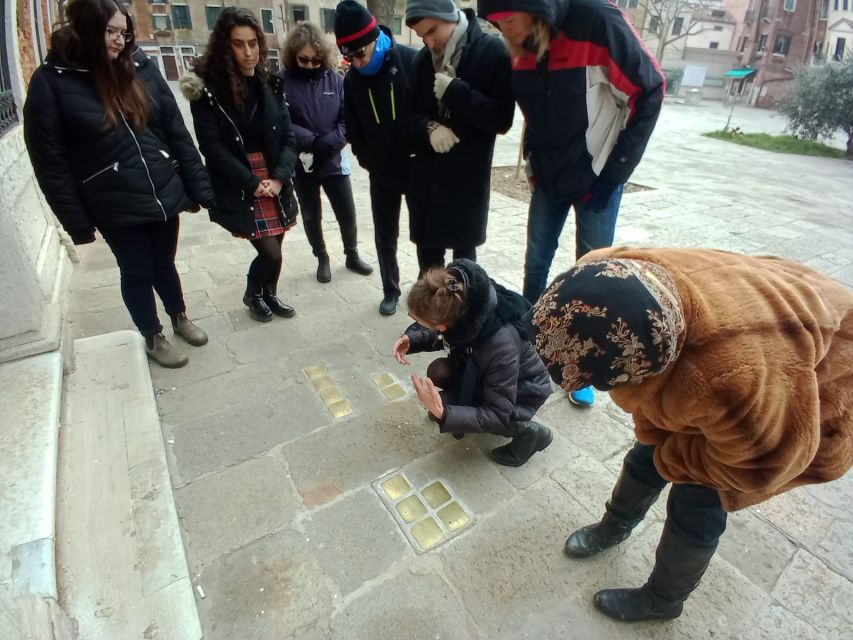
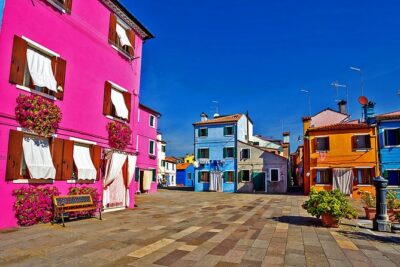
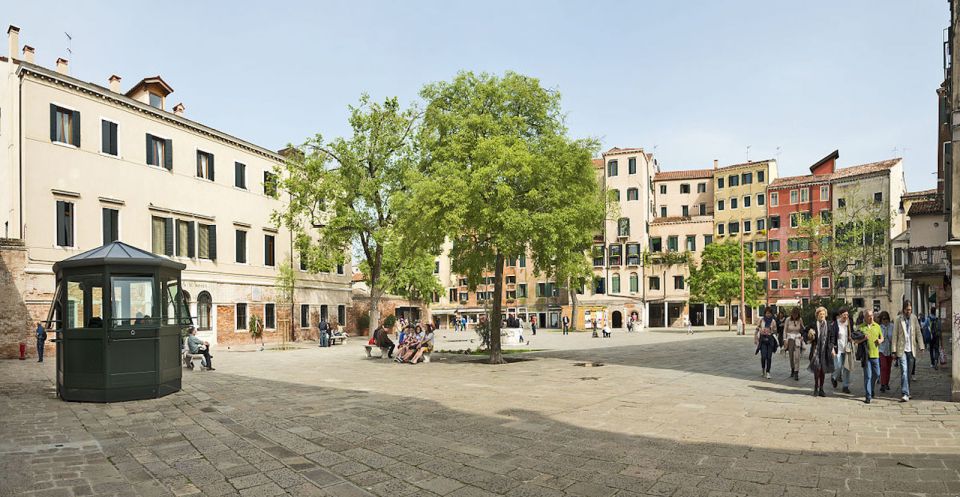
You’ll meet at Campo di Ghetto Nuovo. Look for the big square and, in the center, a black drinking fountain. Your guide waits there, so it’s easy to find the start point once you know what to look for.
Why I like this setup: the meeting place is already part of the story. You’re not being “shuttled” into history from somewhere else—you start in the neighborhood itself. Also, the tour is only 2 hours, so the faster you’re oriented, the more time you have for the real moments: the street scale, the details on facades, and the context the guide brings.
Practical note: arrive 5–10 minutes early. Once the tour starts, it isn’t possible to join partway through.
Walking the Old and New Ghetto: streets that explain rules and daily life
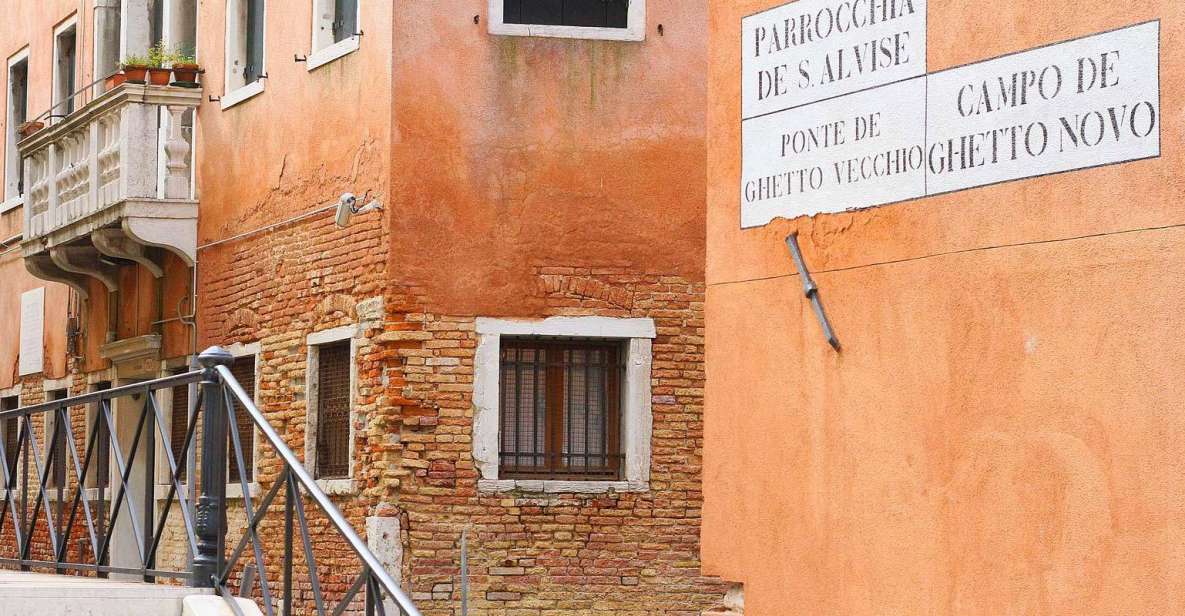
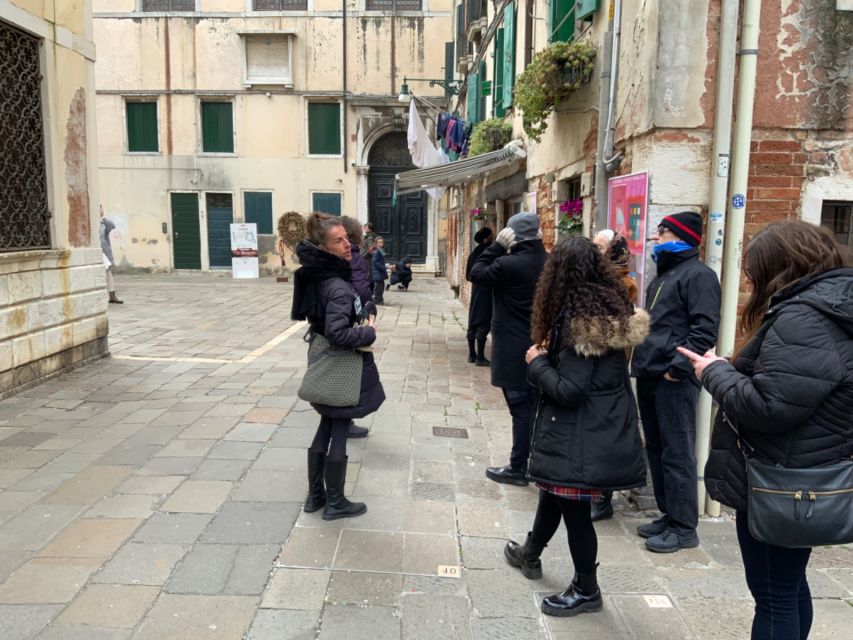
You’ll walk with a local guide through key parts of the quarter, typically covering Ghetto Nuovo and Ghetto Vecchio. The pacing is leisurely enough to keep the route human—short segments, then time to hear what you’re looking at.
Here’s what makes the walking portion more than a stroll:
You’ll notice how “vertical” living shaped the neighborhood
The ghetto is known for its unusually tall buildings packed closely together. When the guide points out those sightlines and building heights, you get a physical sense of restriction. It’s one thing to read about confinement. It’s another to stand in a tight street and realize how space had to be stacked.
You’ll learn the quarter’s role in Venice’s bigger systems
The best guides don’t treat this as a standalone history. You’ll hear how Jewish life intertwined with Venice’s social, economic, and cultural fabric. That gives you a fuller understanding of how the city worked overall—because Venice wasn’t separate neighborhoods with separate lives. It was connected, even when rights were limited.






The tour’s framing stays respectful and grounded
In past experiences, guides have even set expectations that the tour is historical rather than religious. That matters if you’re expecting a liturgy-style visit. You’ll still see sacred spaces, but the emphasis is on context, meaning, and how people lived.
Campo del Ghetto: where stories sound different in a quiet square
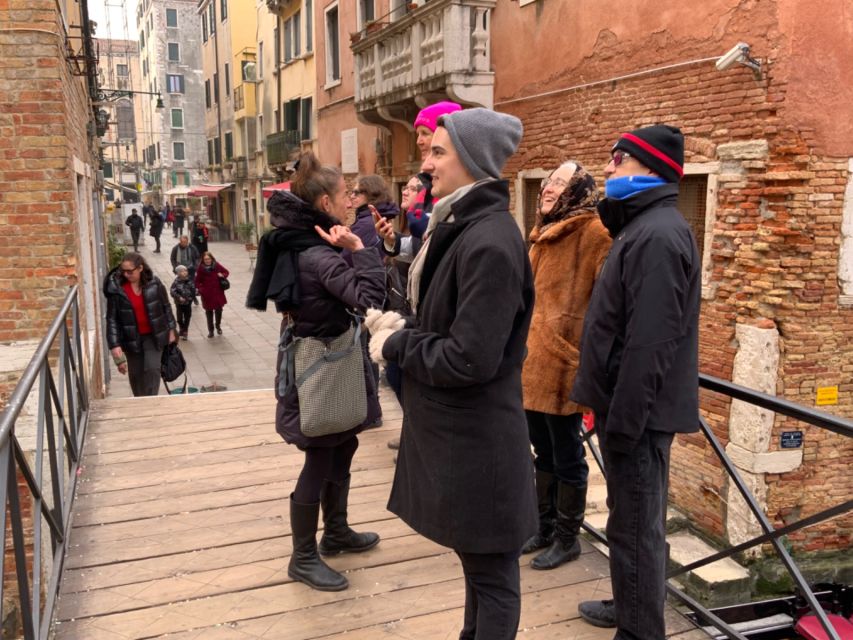
Some tours race from one landmark to the next. This one gives you time in the smaller spaces—especially the Campo di Ghetto Nuovo area and the neighborhood squares along the way.
Why that’s worth your time: squares are where you can feel the rhythm of daily life. When the guide discusses how the community developed under constraint, it’s easier to picture real routines—meetings, commerce, learning, holidays, and ordinary conversation—because you’re not stuck walking past everything at canal speed.
Also, Venice’s big sights can drain your patience. Spending time in quieter corners helps you reset. You’ll probably find you can focus on details: street texture, the scale of doorways, and how the neighborhood’s layout shapes movement.
Spanish Synagogue visit: modest exterior, vivid interior symbolism
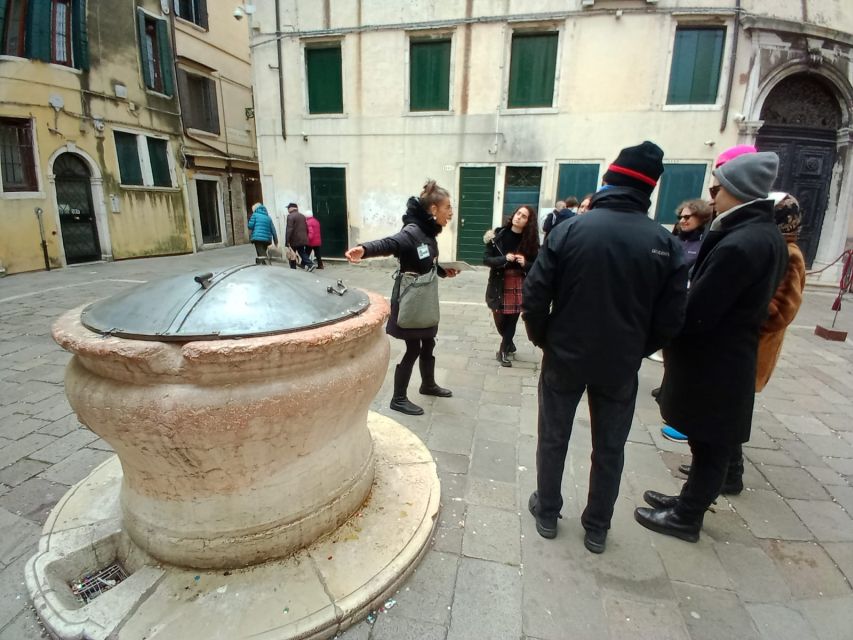
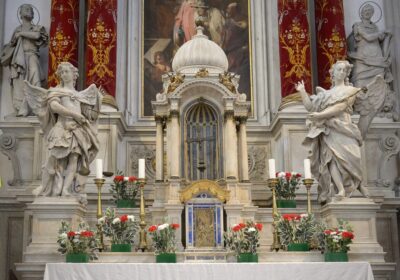
At some point during the walk, you’ll enter the Spanish Synagogue (Venice) for a guided visit. The big surprise is that these sites can look understated from the outside—then reveal meaningful layers inside.
What to expect during the visit:
- A guided explanation of architectural features and what they communicate.
- Context about religious significance and the traditions tied to the space.
- Discussion of how Sephardic and Ashkenazi influences helped shape what you see.
Dress rule for this part is important: in the synagogues, both men and women must wear clothing that covers the belly, shoulders, and knees. If you show up in shorts and a sleeveless top, you may be caught scrambling. Plan ahead and you’ll enjoy the visit more.
One more practical thought: synagogue visits are calmer than outdoor walking, so you’ll want your phone ready for notes, but not for nonstop photos. Keep your attention on what the guide is pointing out.
Levantine Synagogue visit: another tradition, same thread of history
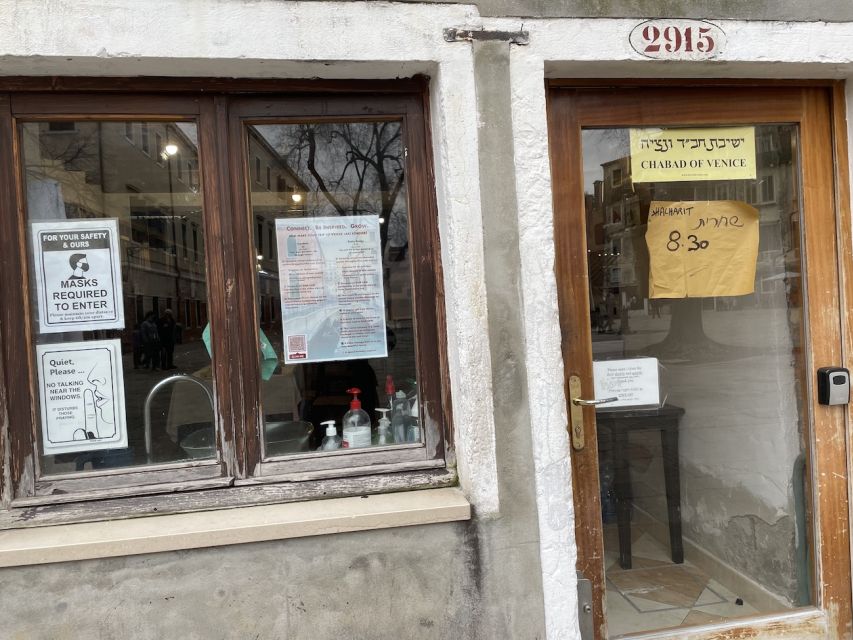
Next you’ll visit the Levantine Synagogue (for most days). This stop follows the same respectful, guided approach: explanation of key features, what they mean, and how the different traditions influenced the community.
A key consideration: on Fridays, the Levantine Synagogue visit isn’t included. If you’re planning your trip around a specific weekday, double-check your schedule so your expectations match what’s available.
Also, treat this as a “listen carefully” moment. The value here is interpretive—understanding symbolism and tradition, not just ticking off a site.
Why this tour feels like more than a checklist (it’s about context)
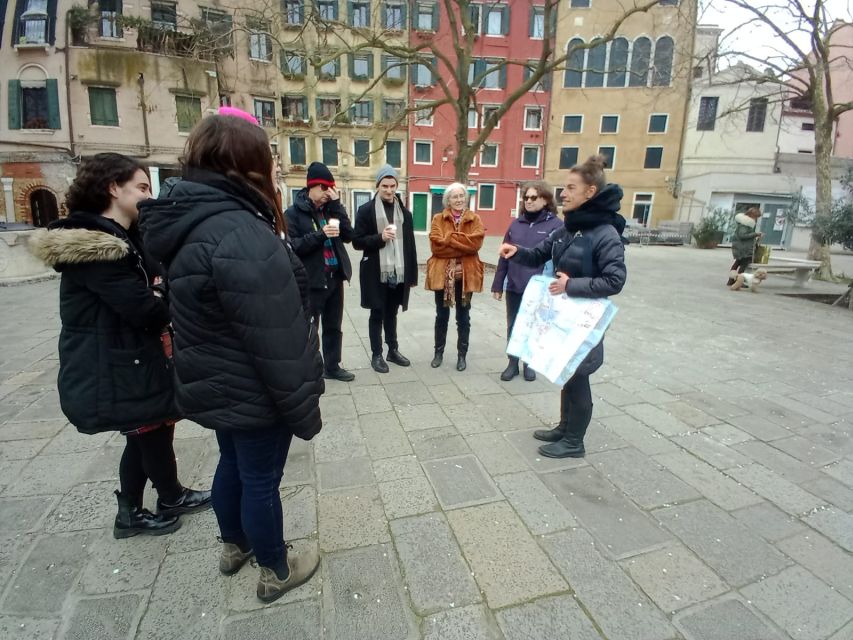
Many Venice tours do history like wallpaper: a few dates, a few names, and you’re on to the next stop. This one tends to work differently because it connects the neighborhood’s physical layout to the lived experience.
You’re hearing how the community shaped Venice over centuries, and how identity and tradition continued even when space and rights were restricted. That blend—place + story—makes the 2 hours feel like an actual narrative, not a random walk with a lecture attached.
And the guide quality seems to matter a lot. In the feedback you’ll see recurring praise for guides such as Claire, Martina, and Silvia: energetic delivery, strong storytelling, and a willingness to answer questions. Some guides are also credited with adapting when someone in the group walks slower or when weather turns unpleasant.
Price and value: is $105 fair for a 2-hour ghetto walk plus synagogue entry?
At $105 per person for a 2-hour experience, this isn’t a budget “quick hit.” You’re paying for three things that typically cost money and effort in Venice:
- A professional local guide for the full route
- Guided synagogue entry to spaces arranged through the Jewish Museum
- A focused route in Cannaregio and the ghetto, rather than a long loop through the most crowded areas
If you only wanted street-level history, there are cheaper walking options. The value here is the synagogue access plus guided interpretation in a short timeframe. That combination can be worth it when you want depth without spending half a day.
Small-group or private options are also available, which can help if you prefer a quieter pace or want more room for questions.
Timing and pacing: how you’ll experience 2 hours in real life
This is built as a compact walking tour, with short guided walks between major points and then time inside synagogues. That structure helps because Venice is slow unless you’re moving with purpose—crossing bridges, navigating narrow passages, and dealing with crowds.
In practice, the guides are praised for keeping things moving without feeling rushed, plus being mindful about rain and group needs. One reason people rate the experience so highly is simple: the pacing matches the content. You’re not stuck listening while the guide sprints ahead; you’re not standing around either.
Plan your day like this: treat the tour as a main activity, then allow time for a relaxed lunch afterward. The ghetto has kosher food options nearby, and having the neighborhood context before you eat makes the meal feel tied to the place.
Practical tips: what to bring, what to wear, and how to get the most
Here’s how to make your day smoother.
Clothing and comfort
Synagogues require coverage of belly, shoulders, and knees for both men and women. Bring layers if you’re unsure. Also wear comfortable shoes—this is a walking route in Venice.
Questions are welcome
Many guide reviews highlight that questions don’t get brushed off. If you’re curious about how Venetian society worked, how traditions evolved, or why certain architectural details matter, ask. The best tours don’t just tell you; they teach you how to look.
Weather matters
Venice can turn quickly. In some experiences, guides have handled rain with extra care. Still, bring a small umbrella or a light rain layer so the route stays pleasant.
Restrictions
No weapons or sharp objects are allowed for the tour. It sounds obvious, but it’s worth noting for anyone carrying tools or unusual items.
Who should book this tour, and who might skip it
This experience is a strong fit if you want:
- A focused Venice neighborhood walk in Cannaregio
- Synagogue visits with guided interpretation (Spanish Synagogue and Levantine Synagogue, where available)
- A historical lens on Jewish life, with stories of daily routines and community resilience
It may not be the best choice if:
- You use a wheelchair or have mobility impairments. This tour isn’t suitable for wheelchair users or those with mobility impairments.
- You need to visit the Jewish Museum itself during your trip. The Jewish Museum is closed for visits because it’s under restoration, so you won’t get an interior museum visit here.
Also note: this isn’t a “try to memorize dates” kind of outing. It’s more about understanding how place and people connect.
Should you book the Venice Jewish Ghetto walking tour with synagogue visits?
Yes—if your goal is to see Venice through a different lens and you want access that most visitors never get. The biggest selling point is the guided synagogue access arranged through the Jewish Museum, plus a route that makes the ghetto feel real, not abstract.
Book it especially if you like tours where you can ask questions and get answers that connect architecture to lived experience. Guides such as Claire and Martina have been repeatedly praised for energy, clarity, and empathy toward the subject.
Consider a different option if you’re traveling on a Friday and you specifically want the Levantine Synagogue included, or if your mobility needs make walking uncomfortable.
If you want Venice with meaning—and not just photos—this is a very solid choice.