REVIEW · VENICE
Venice: City Wonders Group Walking Tour with a Local Expert
Book on GetYourGuide →Operated by Pink Umbrella Tours · Bookable on GetYourGuide
Venice makes more sense on foot. This 2-hour small-group walk lines up the city’s biggest sights with real local context, so you understand what you’re seeing and why it matters. The one catch: it’s outdoor and there are no entrances included, so you’re there for views and explanations, not ticketed stops.
I really like the English-speaking local expert angle here. Guides such as Gianmarco, Daisy, Denise, Fosca, and Sophia focus on practical stories about daily life in Venice, plus answers to the questions you’ll have once you start walking the canals and alleys yourself.
In This Review
- Key reasons this works
- Where You Start at Campiello dei Squellini (Dorsoduro)
- How a 2-Hour Venice Walk Gives You Bearings Fast
- Rialto Bridge and the Grand Canal Crossing
- Dorsoduro Streets: Sestiere Life and a Less-Obvious Venice
- San Pantalon and Basilica dei santi Giovanni e Paolo: What You’ll Learn Without Tickets
- St. Mark’s Square: Understanding the Symbol Before You Wander
- Local Expert Storytelling (and Why It’s Often the Best Part)
- Price and Value: $41 for a Guided Venice Orientation
- Practical Tips Before You Step Into Venice
- Should You Book This Venice Walking Tour?
- FAQ
- How long is the Venice walking tour?
- What sights will we see?
- Is the tour inside or outdoors?
- Is this a small group?
- Is an entrance fee included for churches or attractions?
- Where is the meeting point?
- What time should I arrive?
- Is the tour accessible for wheelchair users?
- What languages are available?
Key reasons this works
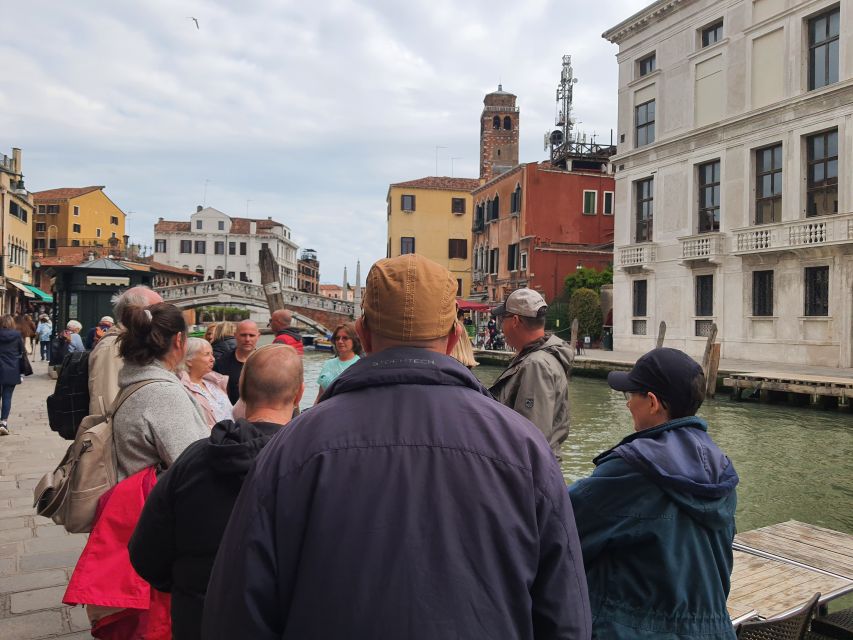
- Small-group pace (max 15–20) keeps it conversational, not chaotic.
- You hit major anchors like Rialto Bridge and St. Mark’s Square in one stretch of walking.
- The route includes Dorsoduro and standout churches you can appreciate from street level.
- Guides add real life context, not just stone-and-date facts, with plenty of Q&A.
- It’s a good “first-day footing” plan because it gives you a mental map fast.
Where You Start at Campiello dei Squellini (Dorsoduro)
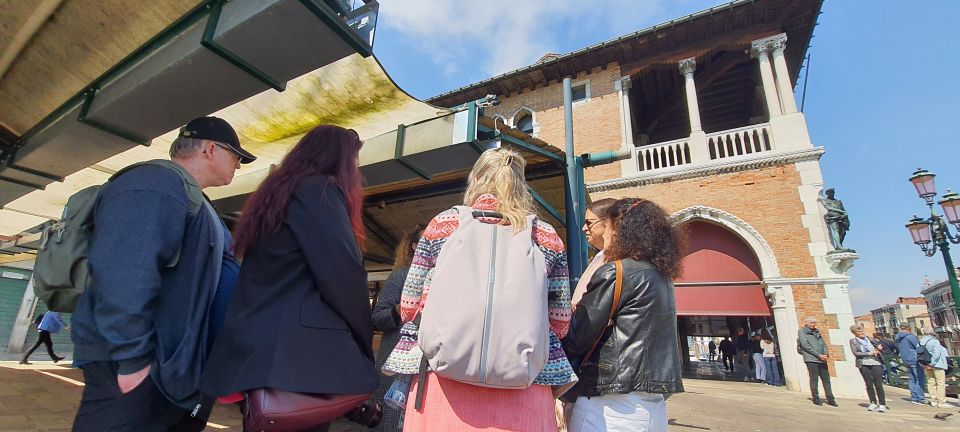
The meeting point is Campiello dei Squellini, near Ca’ Foscari University in the Dorsoduro district, by the coloured wall. This part matters more than you might think, because the tour can’t wait long: arrive about 10 minutes early, and don’t plan on joining late.
If you’re coming on foot from St. Mark’s Square, one helpful clue from the ground is that it’s roughly a 20-minute walk to the meeting point. Give yourself cushion, especially if your first stop in Venice is always the hardest one to find.
Also, this is an outdoor walk with no extra stops added along the way. I’d bring a bottle of water. You’ll thank yourself once you’ve been walking in salt-air Venice for a bit.
You can also read our reviews of more walking tours in Venice



How a 2-Hour Venice Walk Gives You Bearings Fast
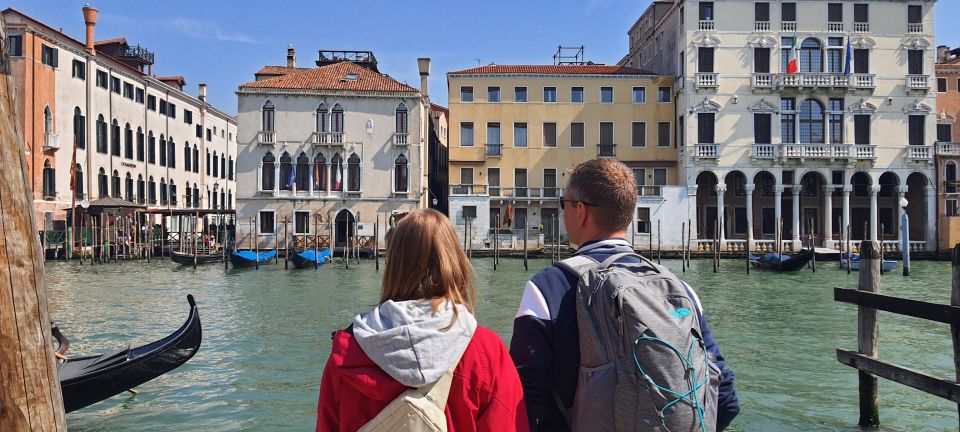
At 2 hours long, this tour is built for short stays and first-time visits. You get a compact overview of the city center without spending your whole day threading canals one wrong turn at a time.
You’ll be walking around key areas and learning what to notice: architecture details, neighborhood differences, and how the city developed as a “city on water.” That context helps you stop treating Venice like a postcard set and start seeing it as a functioning place where people live.
Group size is kept to 15–20, and that’s a big deal in Venice. With fewer people, guides can slow down when someone asks a question, and you’re less likely to get swept along like a passenger in a crowd.
One more practical point: since no entrances are included, you’ll want to mentally switch from “visiting buildings” to “observing buildings.” You’ll still learn a lot, but you won’t be paying to go inside as part of this specific plan.
Rialto Bridge and the Grand Canal Crossing
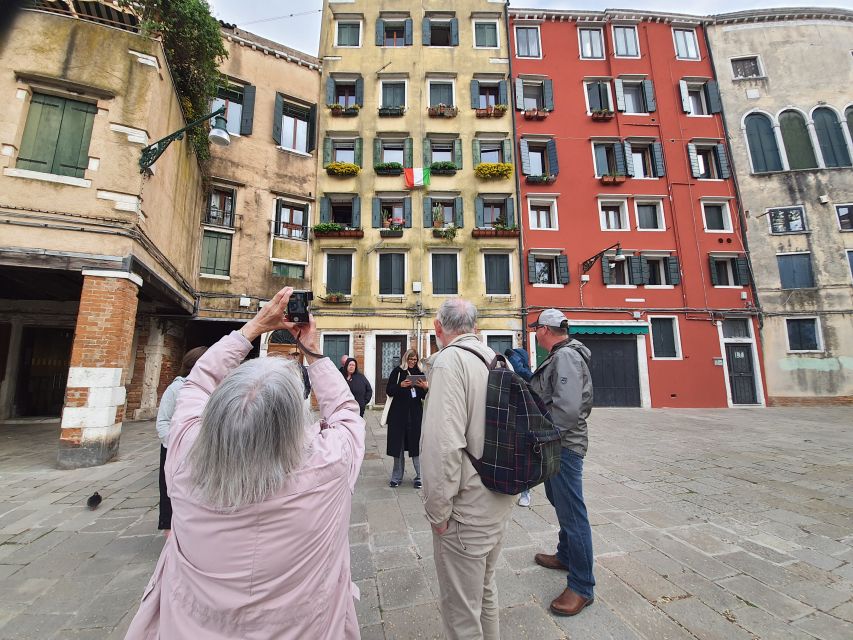
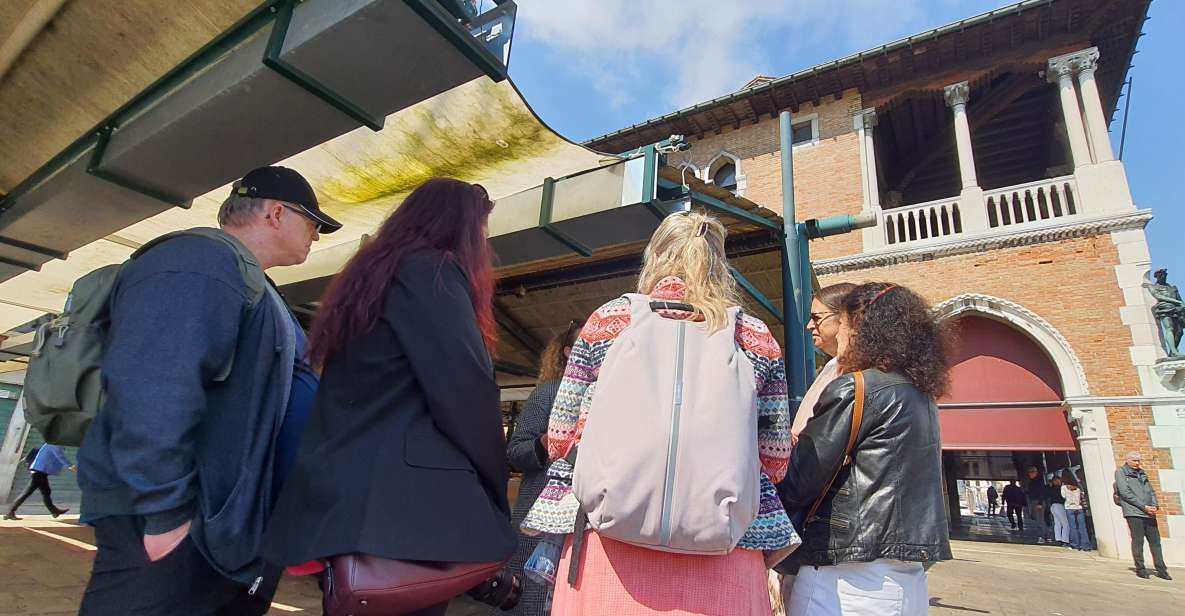
This tour’s headline moment is the iconic Rialto Bridge and the crossing of the Grand Canal. It’s the kind of scene where, even if you’ve seen photos a hundred times, you suddenly get the scale of Venice.
Rialto isn’t just a bridge. It’s a visual junction where the city’s waterfront logic becomes obvious. Standing near it gives you a strong sense of where major foot traffic funnels, and you can better understand why the surrounding streets developed the way they did.
And since this is a guided walk, you’re not just looking at the bridge—you’re learning what you should focus on while you’re there. That’s the difference between taking pictures and building a real understanding of the city.
The main consideration here is the usual Venice reality: crowds and narrow passages. Having a guide helps you move more smoothly, but you’ll still feel the energy of a famous area.
Dorsoduro Streets: Sestiere Life and a Less-Obvious Venice
Your route includes the sestiere of Dorsoduro, starting from the university-area neighborhood. That’s a smart choice because Dorsoduro has a different feel than the most over-photographed lanes near the main squares.
On this walk, you’re not only touring landmarks. Guides also bring in how Venice works for the people who live there—how daily routines fit with canals, the pressures locals deal with, and why certain neighborhoods feel different from one another.
This is where the “small-group” size starts paying off. In a bigger crowd, you miss the nuance. Here, you’re more likely to hear the kinds of details that change how you see Venice as you keep walking after the tour ends.
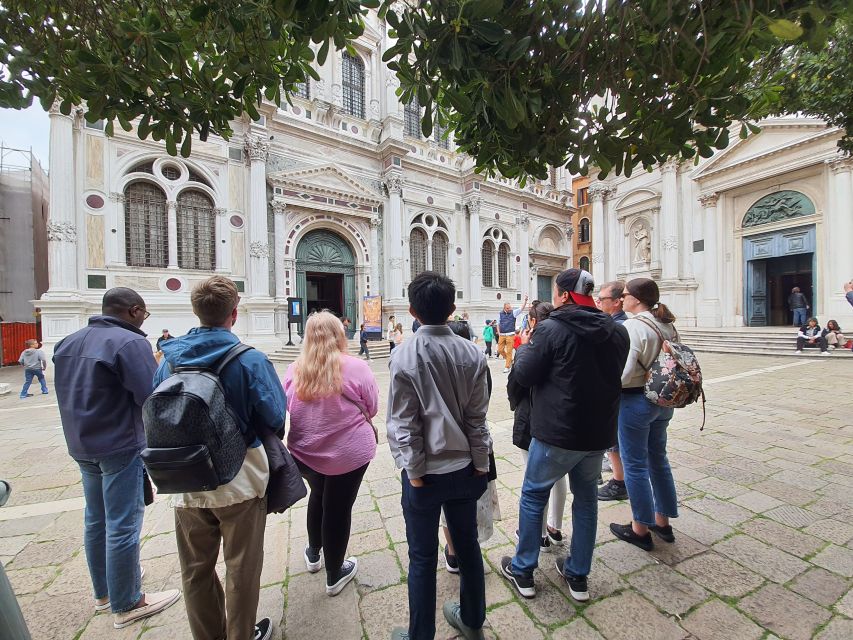
You’ll also pass churches such as San Pantalon and the Basilica dei santi Giovanni e Paolo. Since entrances aren’t included, think of these as moments to read the city: look at façades, notice architectural styles, and listen for what the guide explains about their role in Venetian life.
San Pantalon and Basilica dei santi Giovanni e Paolo: What You’ll Learn Without Tickets
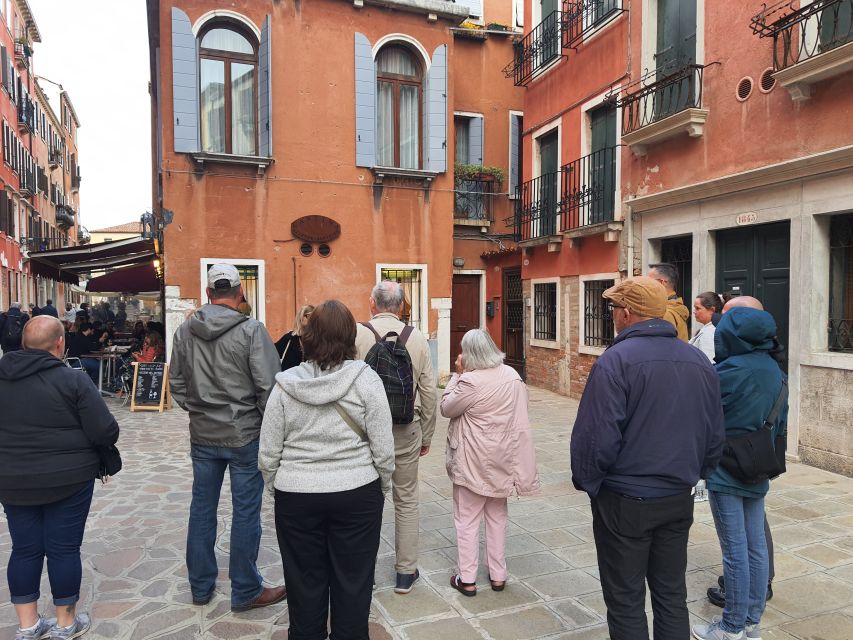
The tour includes church highlights, even though no entrance fees are part of the package. That can sound limiting, but it actually works well for a short, 2-hour overview.
Street-level viewing is surprisingly educational when you know what to look for. A good guide turns the façades into clues—why certain elements are there, what a building’s prominence meant, and how faith and civic life blended in Venice.
The Basilica dei santi Giovanni e Paolo (often referred to as one of the major churches in the city) is especially helpful for orientation. When you learn how it fits into the larger Venice story, St. Mark’s Square later doesn’t feel so random.
Just keep expectations aligned: you’ll come away with context and visual recognition. If you want interior access, you’ll need to plan separate visits later with the right tickets.
You can also read our reviews of more city tours in Venice




St. Mark’s Square: Understanding the Symbol Before You Wander
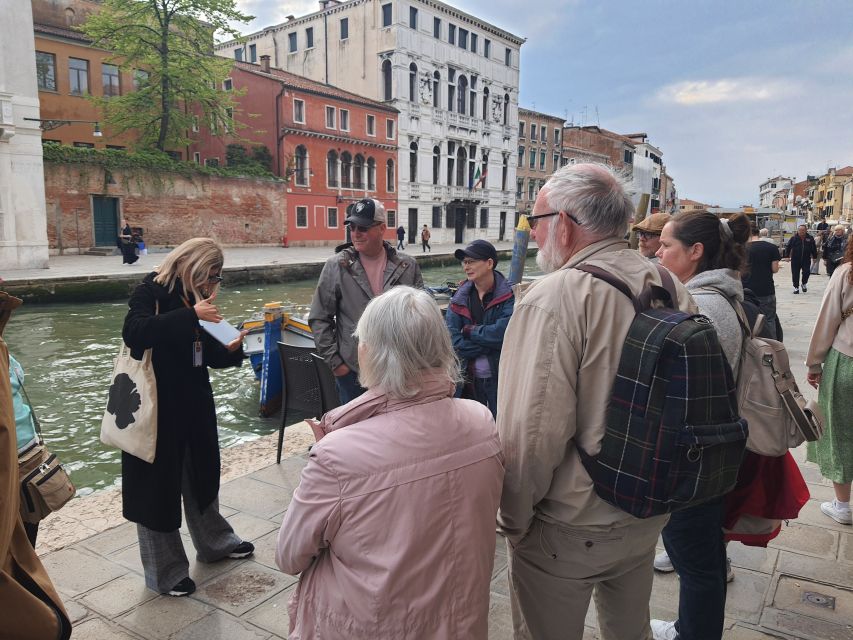
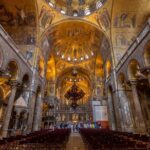
The walk ends by bringing you to St. Mark’s Square, one of Venice’s most important symbols. This is the place where Venice becomes instantly recognizable in every direction—pigeons, architecture, and that unmistakable open-space feel.
The real value of a guide here is pacing. St. Mark’s Square can overwhelm your senses fast. With a structured walk, you get the history and meaning first, then your eyes know what to do.
You’ll hear explanations about what makes the square special and why it has endured as a focal point. That turns a quick stop into a real stop, and it makes the square feel less like a stage set.
Also, you’re getting a practical advantage: after learning where you are and what surrounds you, you’ll find it easier to choose your next walk on your own.
Local Expert Storytelling (and Why It’s Often the Best Part)
One of the most praised aspects of this tour is the local expert factor. Different guides were mentioned by name—Gianmarco for humor and helpful answers, Daisy for friendly clarity and less-touristy angles, and Denise for a mix of history and everyday local knowledge.
Some guides also focus on how tourists can move smarter through Venice. One example from the on-the-ground tips shared during the walk includes a warning about pickpockets and how they tend to work. That kind of practical prep doesn’t replace common sense, but it helps you stay alert where you might otherwise relax.
You may also get food recommendations at the end. That’s useful because Venice’s best meals are often tied to neighborhoods, timing, and where you’re walking from—not just the famous spots.
And the best part is that guides seem set up for questions. The tour style encourages interaction, so you’re not stuck listening to a monologue while Venice keeps moving around you.
Price and Value: $41 for a Guided Venice Orientation
At about $41 per person for a 2-hour walk, this is positioned as value pricing. The price includes an English-speaking local expert and the guided walking experience, with a group capped at 15–20.
To judge value, look at what’s included and what isn’t. Included: the expert guide, an outdoor walking route, and pick up from the meeting point (not hotel pickup). Not included: entrance fees, plus food and drinks.
That’s a good deal if your goal is to learn the city and get your bearings, not to stack paid entry tickets. If you’re planning to do separate attractions later anyway, having this as your first orientation can help you choose smarter routes and avoid spending time lost.
One more value angle: Venice can eat time. When you only have one or two days, a well-run guided walk is cheaper than spending those hours backtracking.
Practical Tips Before You Step Into Venice
Venice is a walking city, but it’s also a planning city. Here’s what you can do to make the tour feel smooth instead of stressful.
First: bring water. The tour is outdoor, and you’re told it’s not possible to add stops. Even in mild weather, walking in Venice can add up faster than you expect.
Second: arrive on time. They won’t wait more than 5 minutes, and you can’t join once the tour has started. I’d rather be early in Venice than late in Venice.
Third: wear shoes you’d trust on uneven ground. You’re moving through streets and campi (small squares), and the pace is meant to keep the route flowing.
Finally: it’s not suitable for wheelchair users, so check alternatives if mobility is an issue.
Should You Book This Venice Walking Tour?
Book it if you want a fast, guided orientation that helps you understand Venice while you’re still forming your mental map. The small-group size, the English-speaking local expert, and the focus on key sights like Rialto Bridge and St. Mark’s Square make this a strong “first-day” option.
Skip it or adjust expectations if you’re hoping for ticketed church interiors or museums. This is a no-entrance format, so it’s best as context-building and navigation help, not a replacement for attraction entry fees.
If you’re short on time, or you’d rather spend your energy learning what you’re seeing instead of wandering to figure it out, this walk is easy to recommend.
FAQ
How long is the Venice walking tour?
The tour lasts 2 hours.
What sights will we see?
You’ll see major highlights including Rialto Bridge (and cross the Grand Canal), St. Mark’s Square, and parts of the Dorsoduro district, plus churches such as San Pantalon and Basilica dei santi Giovanni e Paolo.
Is the tour inside or outdoors?
It’s an outdoor walking tour.
Is this a small group?
Yes. The group is limited to a maximum of about 15–20 people.
Is an entrance fee included for churches or attractions?
No. Entrance fees are not included, and no entrances are included.
Where is the meeting point?
The meeting point is Campiello dei Squellini, near Ca’ Foscari University in the Dorsoduro district, by the coloured wall.
What time should I arrive?
Please reach the meeting point 10 minutes before the tour. The guide cannot wait more than 5 minutes.
Is the tour accessible for wheelchair users?
This experience is not suitable for wheelchair users.
What languages are available?
The tour is offered with an English-speaking guide.