REVIEW · VENICE
Secret Gardens of Venice Walking Tour
Book on Viator →Operated by deTourist Venice Valerio Coppo · Bookable on Viator
In This Review
- Secret Gardens of Venice Walking Tour Review
- Why this tour works so well in Venice
- A calmer side of Venice: gardens from Cannaregio to Castello
- Your guide matters: Valerio Coppo and the small-group rhythm
- Route and timing: how 2 hours fits real-life Venice
- Stop 1 in Cannaregio: the nun community garden with fruit trees
- Stop 2: Parco Villa Groggia and its performing-arts side
- Stop 3: Giardini Savorgnan and the noble-family garden story
- Stop 4: Rio della Misericordia, a real garden center with seasonal choices
- Stop 5: Spazio Thetis, a modern art garden facing the northern lagoon
- Stop 6: Giardino delle Vergini all’Arsenale and the view of docks and walls
- Price and value: what $111.03 buys you (and why it’s not just a walk)
- What you should bring (so the gardens stay enjoyable)
- The €5 Venice access fee: when it might affect your day
- Should you book this Secret Gardens tour?
- FAQ
- What is the duration of the Secret Gardens of Venice Walking Tour?
- How much does the tour cost?
- Where does the tour start and end?
- What language is the tour offered in?
- How many people are in the group?
- Are tickets to the gardens included?
- How many stops are included in the itinerary?
- Does the tour run in bad weather?
- Is the Venice €5 access fee ever required for this tour?
- Is there free cancellation?
- Are mobile tickets used and is public transport nearby?
Secret Gardens of Venice Walking Tour Review
Venice is loud. This tour gets quiet fast.
I like that it’s built around private access to garden spaces you usually can’t enter, and I also like the way it mixes old Venice with plants and people rather than just stone and street names. The only drawback to flag up front: it’s weather-dependent, so if the sky turns rough you may need to switch dates or lose the momentum.
One more reason this feels like a smarter Venice plan: the tour is led by Valerio Coppo, a licensed guide who’s deeply local (including the kind of answers that come from being born in Venice). With a maximum of 15 travelers and a relaxed 2-hour pace, you’re not sprinting through alleyways while trying to read signs. If you want a break from crowds while still seeing real parts of the city, this is a strong pick.
Why this tour works so well in Venice
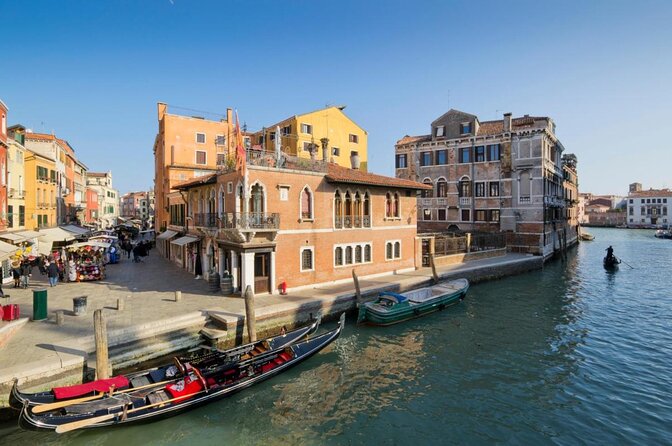
- Small group size (up to 15) keeps it calm and easier to hear your guide.
- Access to private gardens turns this from a photo walk into something actually different.
- Cannaregio to Castello routing gives you a broader slice of Venice than one neighborhood.
- Plant-focused stops (including a seasonal garden center) make the whole experience feel alive.
- Modern art meets lagoon views at Spazio Thetis and Giardino delle Vergini all’Arsenale adds variety.
- Licensed guide plus nature/interpretive guidance means you get context, not just directions.
You can also read our reviews of more walking tours in Venice



A calmer side of Venice: gardens from Cannaregio to Castello
This tour is basically your anti-crowd prescription. Venice can feel like one long queue, especially around the big-name sights. Here, the route is designed to lead you away from the loudest streets and into garden interiors and side spaces where you can finally slow down.
You also get a sense of how Venice lives beyond canals. Gardens in this city aren’t just decorative. They’re a kind of microclimate and community space—places where fruit trees, pergolas, and careful plant choices soften the urban density.
The big value is that you’re not just looking at greenery from behind a wall. You’re stepping into places that are closed or restricted for most people.
Your guide matters: Valerio Coppo and the small-group rhythm
The experience is run by deTourist Venice, with Valerio Coppo as the guide. He’s described as personable and knowledgeable, and he’s also local enough to answer a wide range of questions about what you’re seeing. That matters more than you’d think: Venice rewards curiosity, but only if someone helps you connect the dots quickly.
The group size (max 15) changes the feel of the walk. In a big group, gardens become something you pass through. In a smaller group, you can take a breath, ask a question, and actually enjoy the garden as a place—not just a stop on a map.
The tour is offered in English, and it’s designed for most travelers. Service animals are allowed, and the start/end area is near public transportation (helpful if you’re mixing the tour with other plans around Venice).
Route and timing: how 2 hours fits real-life Venice
Expect about 2 hours total. The tour’s structure is very practical: one longer garden visit, then several shorter stops so you don’t burn out.
A typical rhythm looks like this:
- One main garden stop lasts about 30 minutes
- The remaining stops run about 15 minutes each
The walking pace is meant to feel relaxed, but you are still walking through Venice. If you’re the type who hates sore feet, wear comfortable shoes. If you’re the type who loves taking your time, you’ll love that the pacing gives you time to notice details.
You’ll start at Casa di Riposo Cottolengo (C. del Magazzen, 3539, 30121 Venezia) and end near the railway station area in Venice, specifically around Venezia Santa Lucia. That ending point is handy because it makes it easier to connect to trains, airport transfers, or your next evening plan.
Stop 1 in Cannaregio: the nun community garden with fruit trees
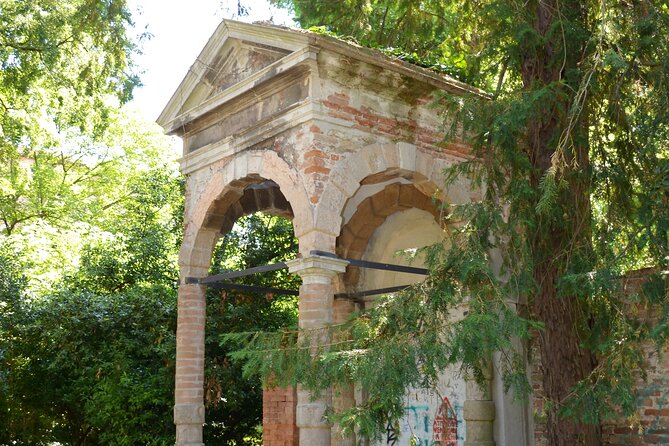
Your first major hit is in Cannaregio at a hidden garden belonging to a community of nuns. They open their doors for the tour, which instantly makes this feel more intimate than a typical sightseeing stop.
What you’re likely to notice right away:
- Fruit trees
- Walking under flowered pergolas
- A mix of plants described as mystic in spirit (think more poetic than scientific)
This kind of access is the heart of why the tour exists. Gardens like this are not a casual attraction. They’re lived spaces—so the atmosphere is calmer, and the visit feels respectful rather than like you’re trespassing for a selfie.
One practical consideration: since it’s a special access situation, the group experience matters. Go in ready to listen and behave as part of a quiet environment. It’s not the kind of stop where you want to talk loudly or wander off to the side.






Stop 2: Parco Villa Groggia and its performing-arts side
From there, the tour shifts into a lesser-known green area: Parco Villa Groggia. This is designed as a quieter pause, with the bonus of a theatre atmosphere nearby.
The angle here is less about secret-rule access and more about variety. You’re seeing how Venice keeps cultural life close to outdoor space. The park is also positioned as a place for relaxing strolls, which helps the tour feel balanced after that first, more ceremonial garden visit.
Because this stop is about “green time” more than strict garden architecture, it works well if you want to reset your brain halfway through a Venice trip.
Stop 3: Giardini Savorgnan and the noble-family garden story
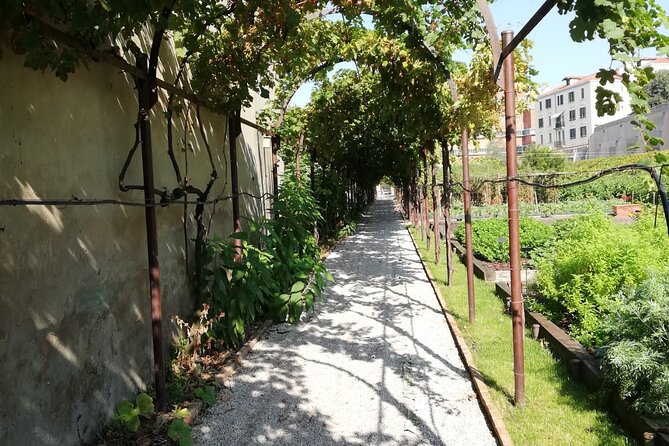
Next is Giardini Savorgnan, another hidden park in the Cannaregio area. This one carries a specific social history: it was the secret garden of noble families surrounding their larger houses.
The value for you is context. Venice gardens often have a backstory, and this stop gives you a lens on why these spaces existed in the first place. They weren’t just for beauty; they were for private life, social status, and controlled access to nature.
Time here is shorter (about 15 minutes), so treat it like a focused walk. If you’re the type who loves reading every plaque, you might want to spend a little extra attention per corner rather than sprinting forward.
Stop 4: Rio della Misericordia, a real garden center with seasonal choices
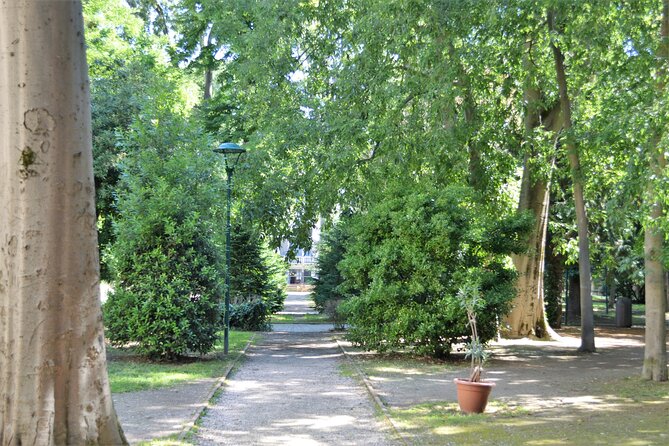
Then you hit something different and very practical: Rio della Misericordia. This is described as a garden center in a hidden corner of Venice—one where Venetians pick plants for the city’s seasonal colors.
This stop is memorable because it connects gardening to everyday Venice:
- Geraniums and surfinias for summer
- Cyclamen for the foggier winter
That seasonal plant logic helps the whole tour feel grounded. It’s not just about picturesque greenery; it’s about how Venice treats plants as part of its weather rhythms.
Even if you’re not shopping, this is a great stop for people who like to understand how a place actually functions. It gives you a Venice detail you can carry home.
Stop 5: Spazio Thetis, a modern art garden facing the northern lagoon
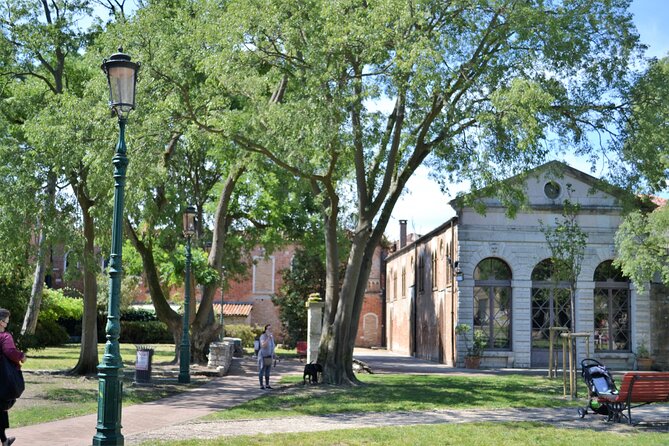
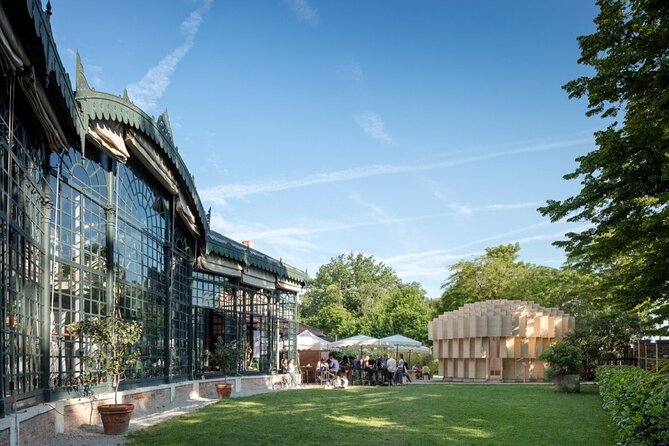
After Cannaregio, the tour keeps moving toward greener, less-traveled corners. Spazio Thetis is described as a hidden oasis with several modern art sculptures, set in an off-the-beaten-path area facing the northern lagoon.
This is the moment where the tour stops being only “traditional garden” and becomes “Venice as a living mix of art and nature.” If you enjoy modern work but rarely find it in tourist routes, this stop may be your favorite curveball.
Time is about 15 minutes, so it’s more about noticing impressions than trying to analyze every detail. Still, it’s a strong contrast to the more classic garden spaces earlier in the tour.
If you’re visiting in winter, remember lagoon air can feel sharper. A light layer is a good idea so you can enjoy the sculpture views without rushing.
Stop 6: Giardino delle Vergini all’Arsenale and the view of docks and walls
The final stop is Giardino delle Vergini all’Arsenale, described as something close to poetry made into a garden. The big draw is the view—toward the Arsenale docks and walls.
This is a smart ending. You start with quiet and plants, then you finish with a feeling of Venice’s working side. The Arsenale area has a strong historical presence, but the garden angle makes it less intimidating and more human-sized.
If you like taking a step back at the end of a walk, this stop gives you that chance. It’s also a good last-photo moment because you get both garden framing and the bigger, structural setting beyond it.
Price and value: what $111.03 buys you (and why it’s not just a walk)
The price is listed at $111.03 per person, and the tour runs around two hours. On paper, that can sound like a lot for a “walking tour.” But here’s what makes the math make sense.
You’re paying for:
- a licensed tour guide plus nature and interpretive guidance
- entrance ticketing and access to private gardens
- a small group (max 15) that actually supports a garden visit
- multiple distinct garden spaces, including places that are closed-off to most visitors
Gardens like the nun community garden and the other private spaces are the real cost drivers. These aren’t casual “walk up and look around” places. They’re access-based experiences, and you’re getting it all within a short Venice window—perfect for travelers who only have a day or two.
Also, the tour is reported as booked about 50 days in advance on average. That’s a hint to book early if you want a specific date, especially during busy seasons.
What you should bring (so the gardens stay enjoyable)
You’re walking around Venice for roughly 2 hours, with several garden stops. So go prepared like you’re doing a short city hike.
Useful basics:
- comfortable walking shoes
- weather-appropriate layers (this is a good-weather-dependent experience)
- your mobile ticket (the tour uses mobile tickets)
A small but important note: most travelers can participate, and service animals are allowed. If you have mobility concerns, you’ll want to consider your walking tolerance, since the route includes multiple stops and streets.
The €5 Venice access fee: when it might affect your day
Venice sometimes requires a daily access fee for people staying outside the city who visit for the day. Your tour information notes that, on certain dates, you may be required to pay a €5 access fee if you’re staying outside Venice for day touring.
The good news: the details (including exemptions and which days apply) are handled by the city. Check https://cda.ve.it so you don’t get surprised.
Should you book this Secret Gardens tour?
I think this is a smart book if you want a Venice experience that feels quieter, more personal, and more plant-focused than the usual sightseeing circuit. It’s especially good for you if:
- you’re craving calm in the middle of a crowded city
- you like gardens with stories, not just views
- you want private access to places closed to typical foot traffic
- you appreciate a local guide like Valerio Coppo who can connect what you’re seeing to Venice life
I’d hesitate only if you’re expecting a long, elaborate walking tour covering major monuments start-to-finish. This is intentionally short and garden-centered. If your goal is pure landmark sightseeing, you’ll probably want to pair this with something more architectural.
FAQ
What is the duration of the Secret Gardens of Venice Walking Tour?
It runs for about 2 hours.
How much does the tour cost?
The price is $111.03 per person.
Where does the tour start and end?
The tour starts at Casa di Riposo Cottolengo on C. del Magazzen, 3539, 30121 Venezia, and it ends close to the railway station in Venice, near Venezia Santa Lucia.
What language is the tour offered in?
The tour is offered in English.
How many people are in the group?
The maximum group size is 15 travelers.
Are tickets to the gardens included?
Yes. The tour includes entrance ticket and access to private gardens. One main garden stop includes an admission ticket, while several other stops are free.
How many stops are included in the itinerary?
There are six stops: Cannaregio (nun community garden), Parco Villa Groggia, Giardini Savorgnan, Rio della Misericordia, Spazio Thetis, and Giardino delle Vergini all’Arsenale.
Does the tour run in bad weather?
The tour requires good weather. If canceled due to poor weather, you’ll be offered a different date or a full refund.
Is the Venice €5 access fee ever required for this tour?
On certain dates, day visitors staying outside Venice may be required to pay a €5 access fee. Check https://cda.ve.it for which days apply and exemptions.
Is there free cancellation?
Yes. You can cancel up to 24 hours in advance for a full refund. After that, the amount paid is not refunded.
Are mobile tickets used and is public transport nearby?
Yes, it uses a mobile ticket, and the meeting area is near public transportation.