REVIEW · VENICE
Venice Small Group Walking Tour of Most-Famous Sites &Attractions
Book on Viator →Operated by Private Tours of Venice · Bookable on Viator
Venice hits fast, especially with a local route. I like the Dorsoduro-to-St. Mark’s flow for first-timers, and I like that the small-group feel keeps the pace friendly and questions welcome. One thing to consider: it’s short, so you’ll spend plenty of time on your feet and you won’t linger long at photo stops.
This is a practical “see the big sights, plus a few quieter corners” walk. You start at Campiello dei Squelini and end in Piazza San Marco, so you finish right where you’ll likely want to keep exploring on your own. The big value is getting a local’s route in a city that can swallow your time fast if you wander without a plan.
From the guides named in feedback, the tone sounds consistently upbeat and story-driven, with people calling out names like Valentina, Flavia, Irena, Daisy, Denise, and Annelise. Expect the kind of tour where you get wayfinding help and little Venice details to notice later. Just keep your expectations realistic: some groups want deeper explanation or more entry into buildings, and a 2-hour walk can’t satisfy every style.
In This Review
- Key highlights at a glance
- What You’re Really Buying in a 2-Hour Venice Walk
- Starting in Dorsoduro: Campiello dei Squelini and the Colored Wall
- Ponte di Rialto: The 20-Minute Bridge Everyone Wants a Photo Of
- Basilica dei Santi Giovanni e Paolo: Monuments, Meaning, and Likely Outside Viewing
- Piazza San Marco as Your Finish Line (Not Your Starting Point)
- Campo San Polo: A Bigger Campi Place to Reset
- Price and Value: Is $48.39 a Good Deal?
- Small Group Reality: Up to 20, But Still Watch the Pace
- Which Stops and Guide Styles Fit Your Travel Style
- How to Plan Your Day Around the Dorsoduro to St. Mark’s Route
- Should You Book This Venice Small Group Walking Tour?
- FAQ
- How long is the Venice small group walking tour?
- How much does the tour cost?
- Where does the tour start and where does it end?
- Is the tour in English?
- What stops are included during the walk?
- Are admissions included for the listed stops?
- Does the tour include food or drinks?
- What group size should I expect?
- Do I need to pay a Venice access fee?
- Can kids join, and are service animals allowed?
- Is there a private guide option?
Key highlights at a glance
- A quick route that links Rialto, major churches, and real campi (squares)
- Small group size (max 20) with an English-speaking local expert
- A Dorsoduro start for a gentler entry into the tourist crunch
- End at St. Mark’s Square so you can branch out immediately
- Free-to-view listed stops, plus practical ideas for what to do next
- Possible €5 Venice access fee on some dates for people coming in for the day
What You’re Really Buying in a 2-Hour Venice Walk
At about 2 hours, this tour is designed for the “first full day in Venice” job: help you learn how the city is laid out, what to look at, and what matters at street level. For $48.39 per person, you’re paying for an English guide and a plan that stops you from zigzagging in the wrong directions while crowds surge.
The format also matters. With a cap of 20 people, it’s not a giant bus-to-bus stampede. You’ll still be moving—Venice is slow by nature—but the group size is small enough that a good guide can keep everyone together.
One extra practical touch: you get a mobile ticket, and you’re told the guide meets you at a specific point. That sounds basic, but in Venice, “meet me somewhere near…” is how tours get messy. Here, you start at Sestiere Dorsoduro, 2766, and the walk ends in Piazza San Marco.
You can also read our reviews of more walking tours in Venice



Starting in Dorsoduro: Campiello dei Squelini and the Colored Wall
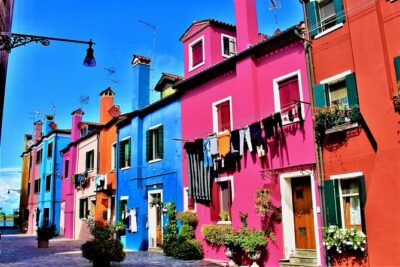
Your tour begins in Campiello dei Squelini in Dorsoduro, at Sestiere Dorsoduro, 2766. The meeting cue is very specific: look for the guide by the coloured wall. That’s great for anxiety-prone arrivals, because you’re not hunting for a vague flag in a maze of alleys.
Dorsoduro is a smart starting choice. It’s closer to the “lived-in Venice” feeling than the densest core, and it gives you a chance to get your bearings before you hit the postcard bottlenecks. Even if you’ve studied Venice on maps, your first few turns are where the city either clicks or stays confusing—starting in a campiello helps.
What to expect here: a quick orientation, a first set of Venice details, and then you’re off. There isn’t time for a big detour or a slow coffee stop. If you want a tour that feels more like a stroll with frequent pauses to sit down, you may find this one a bit standing-heavy.
Ponte di Rialto: The 20-Minute Bridge Everyone Wants a Photo Of
Next is Ponte di Rialto, arguably the most famous romantic bridge in Italy. You get about 20 minutes here, which is enough time to look at the views, understand why the bridge matters, and grab a few photos without feeling like you’re watching the moment from the back row.
The real value of a guided stop at Rialto is crowd strategy. Without help, you end up photographing the same angle as everyone else or waiting too long at the busiest edges. A good guide will help you find workable viewing positions and keep you moving so the group doesn’t get tangled.
A practical consideration: Rialto is crowded, and the tour timing is tight. Some people mention that the route can feel photo-rushed if you’re trying to stop, frame shots carefully, and then catch up with the group. If photography is your main mission, be ready to move quickly between shots.
Basilica dei Santi Giovanni e Paolo: Monuments, Meaning, and Likely Outside Viewing
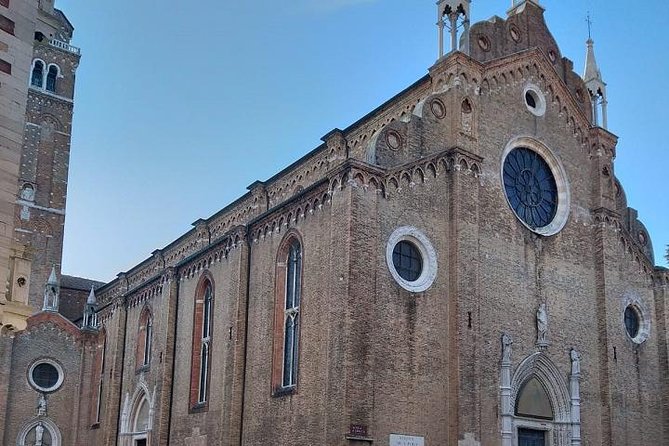
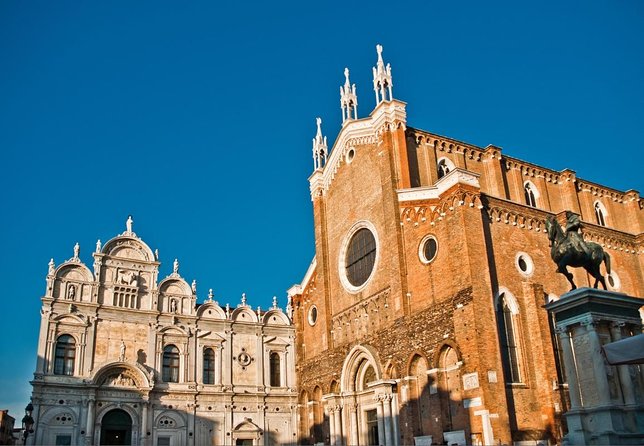
The walk then heads to Basilica Dei Santi Giovanni E Paolo, with about 10 minutes on site. This stop is described as an important Venice area surrounded by monuments, and that’s exactly the kind of moment that helps you understand what the city prizes beyond the Instagram icons.
In reviews, there’s a common theme for this kind of stop: you may not spend time inside. One comment notes a group didn’t enter the church even when it was part of the starting area on their tour. So for planning purposes, treat these religious stops as mostly exterior viewing and street-level context unless you’re told otherwise at your departure.
Still, that doesn’t make it pointless. A short guided pause at a landmark church can shift your perspective fast. You start noticing architectural choices, how space is used, and why certain areas became important.
Piazza San Marco as Your Finish Line (Not Your Starting Point)
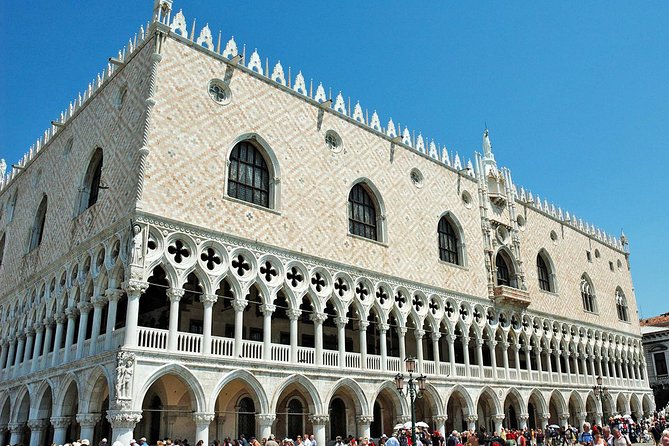
Piazza San Marco is the final stop, with about 10 minutes. Finishing here is smart because it’s the best kind of “arrive-ready” moment: you’ll end in the place where you can immediately choose your next steps—more walking, a museum visit nearby, or simply wandering until the square clicks.
But 10 minutes also means you won’t get the slow, detailed square tour you might dream of. Some people in feedback specifically wished for more explanation at the piazza, while others loved the overview style. That tells you what to decide beforehand.
If you want a quick orientation and a nudge on what to notice next, this finish works well. If you want someone to break down every building, every symbol, and every corner in depth, you may want a longer walking tour or a private option so you can linger where you care most.
One more planning note: if you were hoping for a stop related to Marco Polo’s house, make your expectations flexible. A review mentions that Marco Polo’s house wasn’t included on their route, even though it’s a common Venice curiosity.



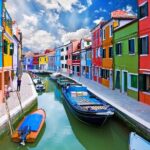
Campo San Polo: A Bigger Campi Place to Reset
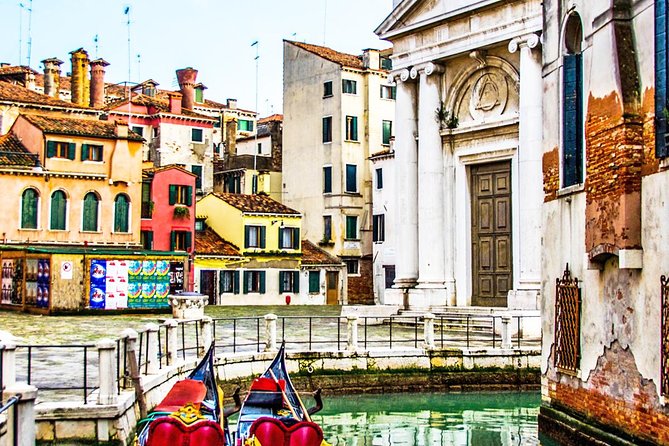
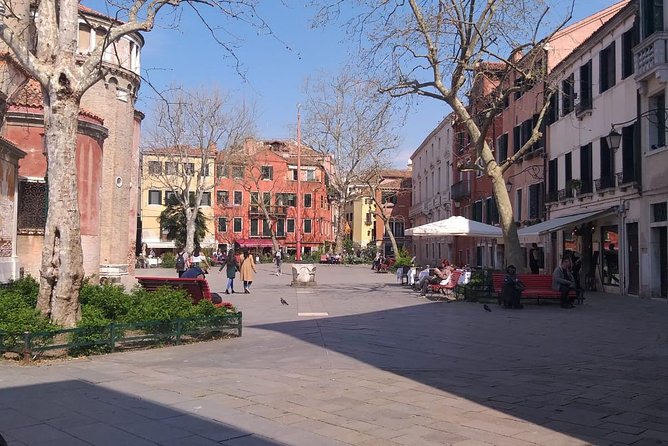
After Rialto, the route continues toward Campo San Polo, described as another camp among the biggest ones in Venice, with about 20 minutes here. This is the kind of stop that can make your tour feel more “Venice” and less “checklist.”
Campi like San Polo are where you see everyday rhythm. Even without going into buildings, you get a sense of how people flow around open spaces, how daily movement shapes the city, and how Venetians use squares as social and practical hubs.
It’s also a helpful pacing tool. After busy Rialto energy, a larger camp can feel like a breather. You get more time than the basilica stop, and it can make your overall route feel less rushed if your guide keeps the group moving without constant stopping-and-starting.
Price and Value: Is $48.39 a Good Deal?
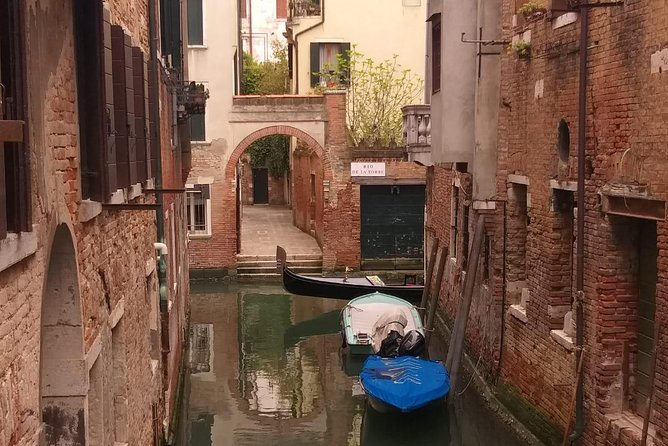
For a $48.39 price tag, you’re not paying for museum tickets or a long guided programming block. You’re paying for a local guide’s route, timing, and interpretation over a 2-hour walk.
Here’s what makes the value feel strong:
- You get an English-speaking local expert and small-group handling.
- The stops listed are free to access (each stop notes free admission).
- The tour ends at St. Mark’s Square, which reduces your “now what” stress at the end of sightseeing.
Where the value can feel weaker:
- If your expectation is lots of interior visits, this isn’t built as an entry-heavy tour.
- If you crave deep, detailed explanations on every stop, some guides may deliver more overview-style storytelling, and the short time can feel limiting.
My best advice for judging value: think of this as Venice 101 by foot. If that’s your goal, the price makes sense. If you want a thick book’s worth of facts per site, you might want a longer or private format.
Small Group Reality: Up to 20, But Still Watch the Pace
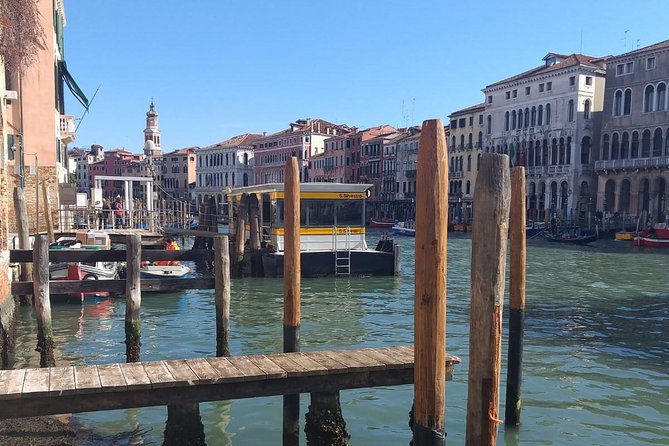
The tour caps at 20 travelers, and that size seems to land in the “manageable” range for most people. Many comments praise the experience as enjoyable, informative, and easy to follow, with guides described as fun, friendly, and engaging.
A couple of practical cautions show up too:
- Some people note groups felt large for the audio setup they experienced.
- Others mention lots of standing and limited time to take photos calmly.
What helps you handle this? Treat the tour like a moving orientation walk. If you want to slow down for photos, do it strategically: step out for a shot, then rejoin quickly. And if you know you’re sensitive to standing time, wear comfortable shoes and plan for a rest break after you finish at St. Mark’s.
Also, on at least one occasion, a reviewer mentions the tour used an FM device and headphones so everyone could hear. That’s not guaranteed from the tour summary, but it’s a good sign when it’s available.
Which Stops and Guide Styles Fit Your Travel Style
This tour can feel perfect for:
- First-time Venice visits who want a structured route.
- People who like stories tied to places, not just facts.
- Families who appreciate an energetic guide and an easy walk length.
Some named guides show up in feedback with a pattern: guides like Valentina, Flavia, Irena, Daisy, Denise, and Annelise are repeatedly described as approachable and strong at answering questions and keeping people engaged.
If you’re a serious history-and-architecture deep diver, read this as a heads-up. One review says the explanations felt shallow at times and that the pacing didn’t allow much square-level detail. In other words: this tour is an overview with highlights and street-level context, not a full academic seminar.
How to Plan Your Day Around the Dorsoduro to St. Mark’s Route
Because the end point is Piazza San Marco, you can plan your next block of time as an open-ended choose-your-own-adventure. You’ll be close to the city’s biggest monuments, and you’ll know the basic geography after the walk.
If you’re trying to avoid chaos, do this:
- Arrive early enough to find Campiello dei Squelini without sprinting.
- Assume you’ll be outside most of the time.
- Keep your expectations aligned with short stops: 10 to 20 minutes is quick by design.
If the city looks too crowded on your chosen day, you can also use the tour as your “map lesson,” then go back later to linger where you liked the feel most.
Should You Book This Venice Small Group Walking Tour?
Book it if you want a first-day-friendly overview that links major sights with a couple of calmer campi along the way. The route is efficient, the guide role is central, and the ending at St. Mark’s Square is a smart payoff.
Skip it or upgrade your expectations if you mainly want interior visits, long explanations, or a slower photo-focused stroll. Also consider private options if you know you prefer a more tailored pace.
If you’re deciding between a casual wander and a planned walk, pick this. Venice is too easy to get turned around in, and this tour gives you a clean starting structure that makes the rest of your day easier.
FAQ
How long is the Venice small group walking tour?
It runs for about 2 hours.
How much does the tour cost?
The price is $48.39 per person.
Where does the tour start and where does it end?
It starts at Campiello dei Squelini in Dorsoduro and ends at Piazza San Marco.
Is the tour in English?
Yes, it’s offered in English.
What stops are included during the walk?
The tour includes Campiello dei Squelini, Ponte di Rialto, Basilica Dei Santi Giovanni e Paolo, Piazza San Marco, and Campo San Polo.
Are admissions included for the listed stops?
The stops listed show free admission for the included stops.
Does the tour include food or drinks?
No. Food and drinks are not included.
What group size should I expect?
The experience has a maximum of 20 travelers.
Do I need to pay a Venice access fee?
On certain dates, people staying outside Venice and visiting for the day may need to pay a €5 access fee. The details and exemptions are provided on the linked page in the tour information.
Can kids join, and are service animals allowed?
Children must be accompanied by an adult. Service animals are allowed.
Is there a private guide option?
The experience can be a small group or a private guide, but a private guide is only included if you select the private tour option.