REVIEW · VENICE
Venice for First-Timers: Essential Private Tour
Book on Viator →Operated by deTourist Venice Valerio Coppo · Bookable on Viator
Venice has a secret language: water. This private 2-hour introduction connects the lagoon to the city’s day-to-day reality, from the MOSE flood defenses to the rules behind acqua alta. I like that it’s limited to eight travelers, so you can ask real questions, and I like the way Valerio Coppo explains the science without turning it into a lecture. One consideration: you’re covering big ideas in a short walk, so if you want lots of free time for sightseeing stops on your own, you’ll need to plan extra time after.
You’ll start by understanding how Venice got its survival tools from the sea—then you’ll move into the “why” of high water: tides, wind, pressure, and lunar timing. You’ll also get human context, from the historic aqua granda event to the flood-linked strain that showed up again in 2019.
At $185.85 per person, it’s not a budget outing. Still, the price starts to make sense if you’re traveling as a small group, care about learning fast, and want local guidance from someone who shows the city’s patterns instead of only naming landmarks.
In This Review
- Key points to know before you go
- A private Venice start that explains the city’s water system
- Laguna di Venezia: how the Republic of Venice shaped the lagoon
- MOSE and the lagoon’s connections: tides aren’t random in Venice
- Acqua alta, explained without the usual myths
- Why 80 cm can still mean dry feet—and 140 cm changes everything
- Historic aqua granda: what a single extreme day changed
- Lido di Venezia and Campo Santa Maria Formosa: 2019 as a warning signal
- Valerio Coppo’s guide style: clear answers, local texture, and kid-friendly energy
- Price and value for first-timers (and small groups)
- Planning your day around the 2-hour pace
- Should you book this Venice for First-Timers private tour?
- FAQ
- Is this a private tour?
- How long does the Venice for First-Timers tour take?
- How many people are in the group?
- Is pickup available?
- What language is the tour in?
- Are admission tickets included?
- Do I need to pay the Venice €5 access fee?
- Is there a mobile ticket?
- Are service animals allowed?
- What’s the cancellation policy?
Key points to know before you go
- MOSE explained in plain language: what it is, why it matters, and how it fits into a bigger water system.
- Acqua alta thresholds that actually help you plan: you’ll learn the 80 cm limit and what changes at higher levels.
- Small group size: capped at eight, which keeps the pace friendly and question-friendly.
- A “not just rain” lesson: you’ll get the factors that matter most—lunar/astronomical tides plus wind and low pressure.
- Modern examples, not just old stories: 2019 events are tied back to changing conditions and pressure on the city.
- Valerio’s local, family-friendly vibe: multiple bookings highlight his enthusiasm, good English, and great energy for kids.
A private Venice start that explains the city’s water system
Most first-timer plans in Venice focus on views: canals, bridges, churches, and that photo you want on the first day. This tour takes a different route—starting with how Venice works when water changes its mind.
You’ll learn to read Venice like a local: where the lagoon connects to the Adriatic Sea, why tides matter, and why “high water” isn’t one simple cause. That matters because in Venice, weather and timing can change how comfortable your day feels fast.
This is a private tour/activity, so it’s only your group out there. The guide is a licensed professional, and the language is English, which helps you keep up even when the topic turns technical.
You can also read our reviews of more private tours in Venice
Laguna di Venezia: how the Republic of Venice shaped the lagoon
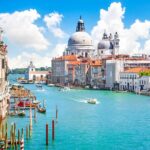
Your first stop zooms out and then jumps across centuries. You’ll get a guided look at how the lagoon was shaped by the Republic of Venice—using huge sea barriers and reshaping rivers while trying to keep the lagoon’s fragile balance intact.
What I like about starting here: it frames everything else. If you understand that Venice didn’t just “happen” on water but actively engineered its environment, you’ll interpret later flood discussions with way more clarity.
It also sets expectations for the rest of the walk. When the tour turns to MOSE and acqua alta, you’ll already have the mental model: Venice depends on a complicated relationship with the sea.
Possible drawback: the explanations are focused and packed. You’ll be listening to big concepts early, so if you need a slower warm-up, plan to take breaks on your own later.
MOSE and the lagoon’s connections: tides aren’t random in Venice
Next you’ll focus on how the lagoon moves water in and out of the Adriatic Sea through three port inlets. This cyclical exchange is not just geography trivia—it’s how the ecosystem stays balanced over time.
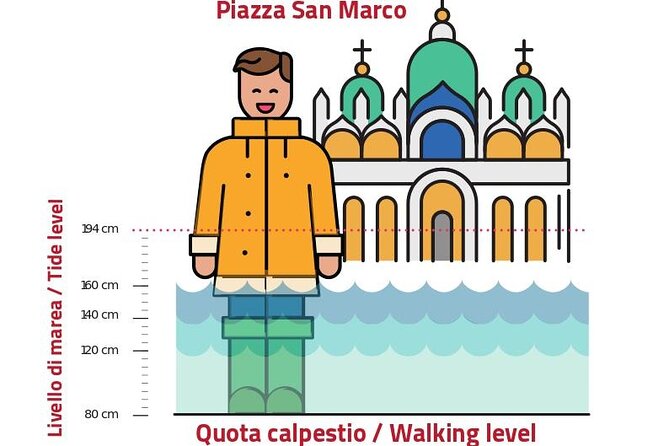
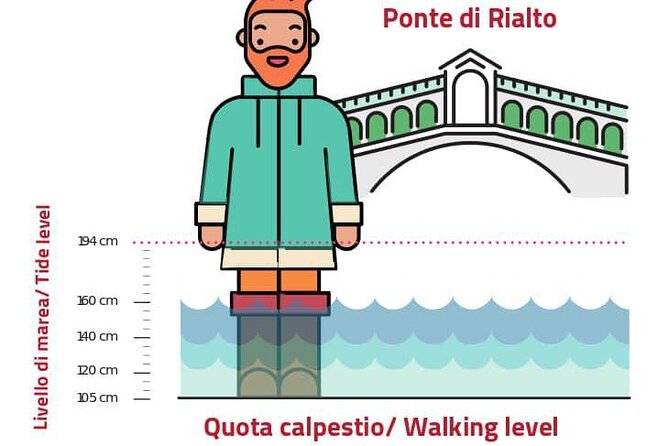
Here’s a practical takeaway you’ll remember: Venice only gets into true “acqua alta” territory when the water exceeds about 80 cm. Below that line, Venice can often cope. Above it, the city starts dealing with flooding as a real daily factor, not a rare oddity.
Even if you never plan to measure water levels yourself, learning the threshold changes how you think. You stop treating floods as a vague bad-weather surprise and start seeing them as a predictable pattern—until conditions stack up.
Acqua alta, explained without the usual myths
One of the best parts is the tour’s focus on cause. You’ll learn the complicated mix that leads to acqua alta and what makes some flood conditions predictable while others are harder to foresee.
This is where the guide’s structure really helps. You’ll hear why rain is not the main driver in the way many people assume. Instead, the biggest roles come from lunar phases and astronomical tides, plus real-world factors like strong winds and low pressure.
I like this approach because it saves you from overreacting to what you see on the street level. In Venice, the sky you’re looking at can be misleading. The water behavior can be controlled more by timing and atmospheric shifts than by simple rain in your immediate moment.
If you’re the type who likes to understand the “why” behind local rules, this section is a payoff.
Why 80 cm can still mean dry feet—and 140 cm changes everything
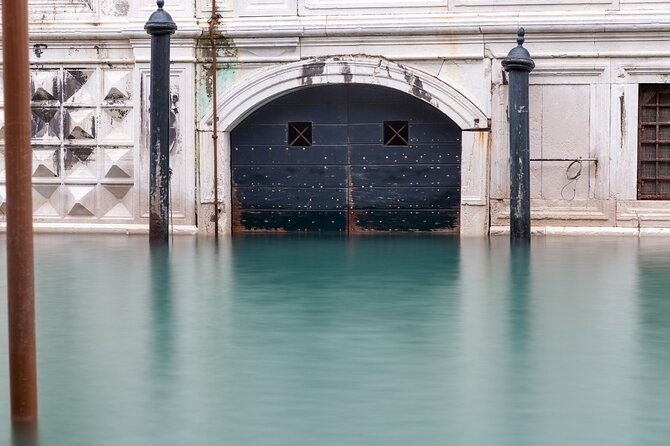
At some point you’ll get a question many first-timers ask: if the threshold is 80 cm, why do some areas seem less affected?
This stop tackles that directly. You’ll be explained how, at around 80 cm, your feet may stay dry in certain places, while higher levels—around 140 cm—can hit the city much harder. The key isn’t only the number; it’s also how water interacts with streets, steps, and the city’s layout.
This is the kind of detail that actually helps you plan. It means you can’t only think in broad terms like High water today. You have to think in terms of where the water rises and how it moves through Venice’s built environment.
If you’re filming, walking, or picking a neighborhood for dinner, that context can make your day feel smoother.

Historic aqua granda: what a single extreme day changed
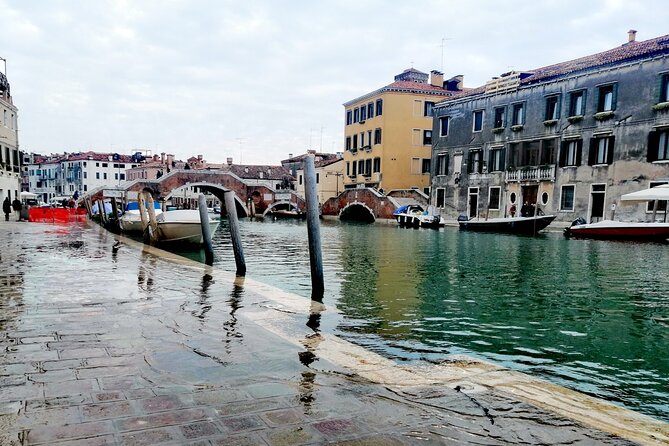
Then the tour pulls you into the human story. You’ll get a return to the 1960s, when a tragic event—linked to an exceptional wave of bad weather—became known as aqua granda.
The tide reached the highest peak ever recorded in history, and you’ll learn how that event influenced the city’s development and the lives of residents in the decades that followed.
I like including this kind of story because it prevents the science from feeling sterile. Venice’s flood reality isn’t just engineering and weather reports; it shapes where people live, how they adapt, and how the city plans for risk.
It’s also a good reminder for first-timers: when you talk about today’s flooding and defense systems, you’re really standing on top of long-term responses.
Lido di Venezia and Campo Santa Maria Formosa: 2019 as a warning signal
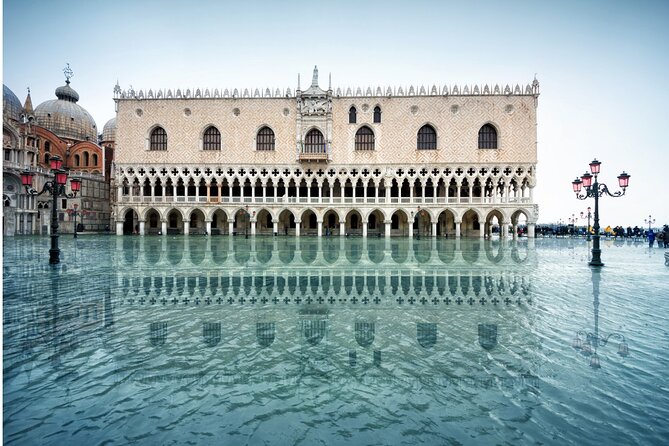
The tour doesn’t stop in the past. You’ll move into the story of 2019, when Venice saw similar conditions and the public conversation made it clear that natural events are increasingly linked with wider climate change and the strain of over-tourism.
You’ll visit places heavily impacted during those moments, including Lido di Venezia and Campo Santa Maria Formosa. The tour connects what you see today to what happened then, which gives your walking route more meaning than “this is a pretty square.”
A practical note: these areas can be part of day-visitor flows. If you’re sensitive to crowds, keep your energy for the tour and then choose quieter meal times afterward.
Valerio Coppo’s guide style: clear answers, local texture, and kid-friendly energy
A tour can have great content and still feel generic. What sets this one apart is the way Valerio Coppo brings it to life—energetic, local, and able to keep multiple ages engaged.
Many experiences highlight that he’s friendly and enthusiastic, with very good English that keeps the explanations clear. You’ll also get practical pointers for your remaining days in Venice—where to eat, what to try, and how to keep exploring without falling into only the most obvious tourist loops.
And yes, the guide’s style works for families. Several groups mention kids (including ages around 7 to 12) and how he adjusted the experience so it stayed fun while still informative. That balance matters if you’re trying to keep everyone interested without turning it into a school assignment.
With only up to eight travelers, you’re not stuck listening for two hours straight. You have time for questions, and the pacing feels more like walking with a local who’s explaining Venice’s operating system.
Price and value for first-timers (and small groups)
At $185.85 per person, the cost is higher than standard public walking tours. The big value argument here is personalization.
You’re buying:
- a private experience with your group only
- a licensed guide in English
- a focused theme that helps you understand Venice fast, especially as a first-timer
- a small group cap (eight travelers) that keeps interactions easy
There’s also a subtle value advantage: the stops involve free admission tickets at each segment. That means you’re paying for the guiding and education rather than for a string of entry fees.
If you’re traveling with a partner or friends, private tours like this can become a smart way to get more value than the price tag suggests. You won’t just walk through Venice—you’ll build a working understanding that helps you navigate streets, choose routes, and interpret conditions.
The other “value” factor is timing. This sort of tour often gets booked ahead (around 70 days in advance on average), so planning early can reduce stress once your dates are locked.
Planning your day around the 2-hour pace
This experience runs about 2 hours. That’s short enough to fit early in your trip, which is ideal if you want your second day to feel more intuitive.
Because the tour is focused on water systems and flood causes, you might not linger on every landmark detail the way a general sightseeing tour would. Instead, you’ll leave with a better understanding of why the city’s layout behaves the way it does under changing conditions.
I’d treat it like your Venice briefing session. After that, you can choose which churches, viewpoints, and neighborhoods feel worth your extra time.
You’ll also find it convenient that pickup is offered and the tour is near public transportation. A mobile ticket is provided, which helps if you’re juggling other timed plans.
Should you book this Venice for First-Timers private tour?
If you’re a first-timer and you want more than photos—if you want to understand how Venice survives the lagoon—you should strongly consider booking.
This is especially a good fit if:
- you’re curious about MOSE, acqua alta, and how tides and weather patterns actually work
- you want a small group and a guide you can ask questions to
- you’re traveling with kids and want the tour to stay engaging
- you prefer local guidance that comes with practical food and route tips
If you already know you want a slow, landmark-heavy afternoon and you’re not interested in flood science, this might feel too concept-driven. But for most first-timers, it’s a high-leverage way to start, because it gives you a framework for everything else you’ll see.
FAQ
Is this a private tour?
Yes. It’s listed as a private tour/activity, so only your group participates.
How long does the Venice for First-Timers tour take?
It runs for about 2 hours (approximately).
How many people are in the group?
The tour is limited to eight travelers, which keeps time for questions.
Is pickup available?
Pickup is offered.
What language is the tour in?
The tour is offered in English.
Are admission tickets included?
Admission tickets are listed as free for the tour stops.
Do I need to pay the Venice €5 access fee?
On certain dates, day visitors staying outside Venice may need to pay a €5 access fee. You’ll need to check applicable dates and exemptions at https://cda.ve.it.
Is there a mobile ticket?
Yes, a mobile ticket is included.
Are service animals allowed?
Service animals are allowed.
What’s the cancellation policy?
Free cancellation is available up to 24 hours in advance for a full refund.