REVIEW · VENICE
Small-Group Walking Tour of the Jewish Ghetto in Venice
Book on Viator →Bookable on Viator
A ghetto walk changes how you see Venice. This small-group tour focuses on the Jewish Ghetto in Cannaregio, with guide Lucia Bondetti connecting street corners to centuries of life, rules, and resilience.
What I like most is the balance of history plus everyday details—you don’t just learn dates, you learn what it felt like to live here. I also like the pacing: about 2 hours with time to ask questions in a group of up to 12.
One thing to consider: interior synagogue visits and any museum stops aren’t part of this walk, so you’ll rely on Lucia’s guidance for how to visit them on your own.
In This Review
- Key highlights worth your time
- Venice’s Jewish Ghetto is in Cannaregio, and the walk explains why
- Meeting at Campo San Geremia: start with the right context
- The green spaces at the edges: the story begins before the walls
- Cannaregio streets and the ghetto’s three-part timeline
- What you do see: street details, hidden corners, and “how to look”
- Fondamenta Dei Ormesini: the neighborhood from the water’s edge
- The food-and-art moment: recipes, biscuits, and a creative layer
- Synagogues and museums: plan a follow-up if you want interiors
- Timing, route pacing, and what 2 hours feels like
- Small-group size (max 12) and why it matters here
- Price and value: why $71.35 can be more than a walking tour
- Logistics you should check before you go
- Who this tour is best for (and who might want something lighter)
- Should you book this Jewish Ghetto walking tour?
- FAQ
- Is the tour offered in English?
- How long is the Jewish Ghetto walking tour?
- Where do you start and where do you end?
- Is the synagogue or museum interior visit included?
- How many people are in the group?
- What if the weather is bad?
- Is there an access fee for people staying outside Venice?
Key highlights worth your time
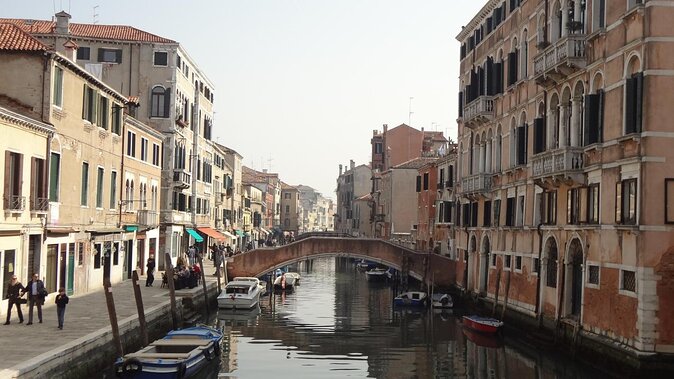
- Lucia Bondetti’s local training gives context that goes beyond the usual postcard version of Venice
- Three Ghettos in one walk so you can understand how the area evolved
- Frequent, short stops for meaning (symbols, plaques, and small clues in the streets)
- Fondamenta Dei Ormesini for a look at day-to-day Cannaregio life at the water
- Food and culture stop including Jewish recipes, special biscuits, and an art stop in the area
- Small-group size (max 12) so the route stays calm and questions don’t get lost
Venice’s Jewish Ghetto is in Cannaregio, and the walk explains why
Venice’s Jewish story isn’t a side note. It’s built into the city’s layout, its politics, and how Venetians thought about trade and order. Walking through the Cannaregio quarter gives you the geography you need: narrow lanes, overlooked corners, and those lagoon-facing views that make Venice feel both timeless and strangely specific.
This tour keeps the focus where it belongs—on the Jewish community’s experience before the ghetto, how the ghetto system worked, and what changed over time. You’re also not just absorbing history at a distance. The route is designed to help you notice small physical details—street corners, markers, and the feel of a neighborhood once shaped by separation.
You can also read our reviews of more walking tours in Venice



Meeting at Campo San Geremia: start with the right context
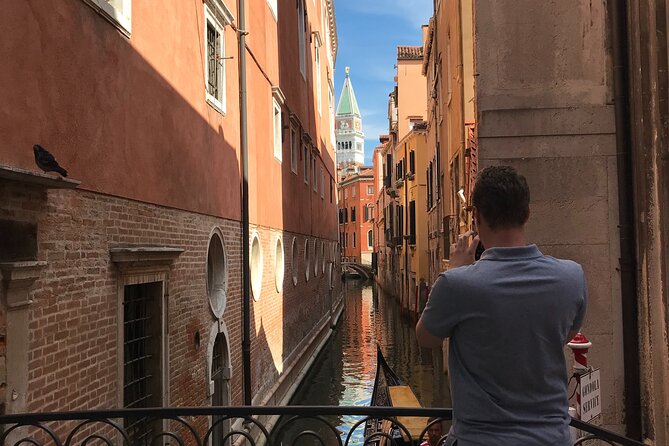
You meet at Campo San Geremia (30121 Venezia VE). It’s a practical start point, and it also sets the tone: an authentic Venetian campo first, then you move into the quieter parts of the story.
A major strength here is that the tour doesn’t dump facts and hope you keep up. Lucia frames the “why” before you enter the ghetto area—so when you do step into the neighborhood described as three distinct ghettos, you’re not just walking from landmark to landmark. You’re tracing how Venice created the first ghetto system in the world and how that decision reshaped daily life.
If you’re the type who likes to connect architecture to history—this is your approach.
The green spaces at the edges: the story begins before the walls
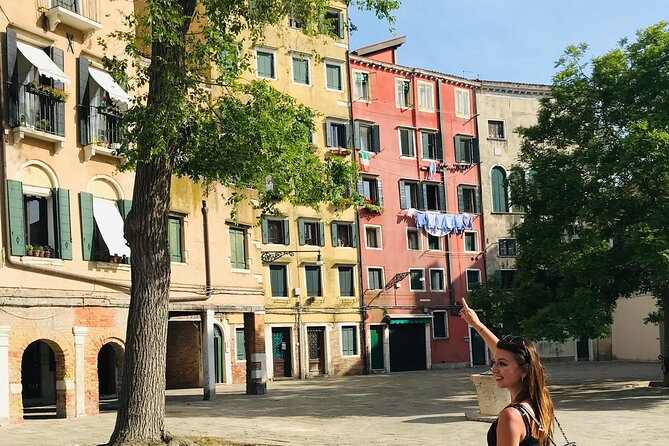
Early on, the walk includes a green area near the entrance zone. That might sound like a pause, but it actually matters. It helps you understand what the area looked like and how people lived there before the ghetto era tightened the world around them.
This is also where Lucia’s style shows: she points out the kind of details you’d normally walk past. You get explanations for the origins of terms connected to the ghetto system—plus the historical forces that led Venice to put the Jewish community into a restricted quarter.
Think of it as mental warm-up. You’ll understand the later streets more because you saw this “before” moment.
Cannaregio streets and the ghetto’s three-part timeline

The heart of the experience is the walk through Ghetto Ebraico, where you trace the area through its different phases. The tour is built around the idea that Venice had three ghettos, not one simple place.
As you move, Lucia connects:
- how the community lived within restrictions
- what Venetians controlled (and why)
- the social and cultural effects of being separated in a city that also relied on Jewish residents for trade and skills
You’ll also get curiosity-style storytelling—like the origin of the word ghetto, a look at which Doge was in power at the time, and how specific symbols and clues were used or remembered. There’s even a pop-culture thread you can recognize if you’ve read or heard about The Merchant of Venice by Shakespeare, tied back to what was going on on the ground in Venice.
This section can feel a bit lecture-like if you expect a fast sightseeing sprint. But if you want the route to “make sense,” those explanations are the point.
What you do see: street details, hidden corners, and “how to look”
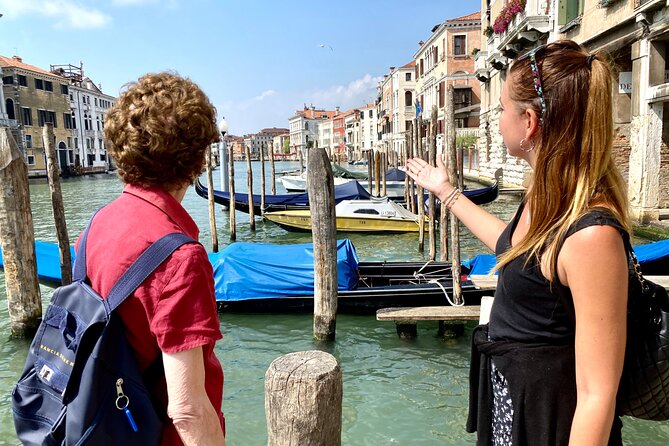
A big reason this walk lands so well for first-timers is that you’re not only shown buildings. You learn how to look at the neighborhood as evidence.
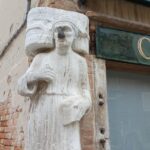
Lucia points out details in plaques, sculpture elements, and even small things like trees and street markers—then connects them back to the people who lived here, the rules they faced, and how the city’s attitude toward the Jewish community shaped daily routines.
You’ll also be shown hidden synagogue locations and details—but without going inside. Lucia doesn’t just mention where things are. She explains what you’re seeing and how you can visit properly if you want to add interior time later.






Fondamenta Dei Ormesini: the neighborhood from the water’s edge
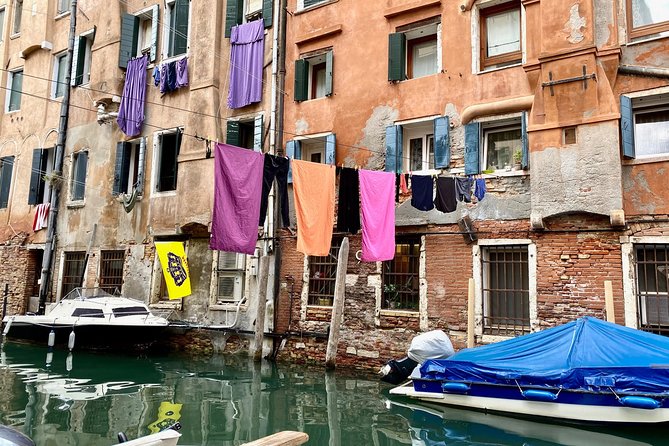
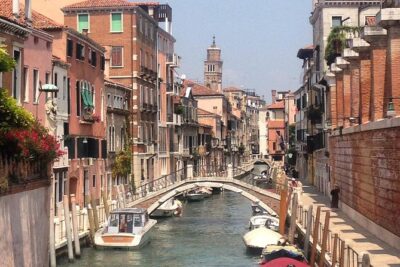
The tour ends at Fondamenta dei Ormesini (near where you can continue exploring along the canal and lagoon-facing edge). This part is one of the most useful for your overall Venice understanding because it pulls you out of “history mode” and back into how Cannaregio feels today.
Fondamenta Dei Ormesini is a good place to notice:
- everyday local rhythms
- the calm of a less-touristed Venice corner
- how the neighborhood’s geography still shapes how people move and gather
It’s a nice final reset after the darker and heavier context of the ghetto system. You’re left with a Venice you can actually picture beyond museum walls.
The food-and-art moment: recipes, biscuits, and a creative layer
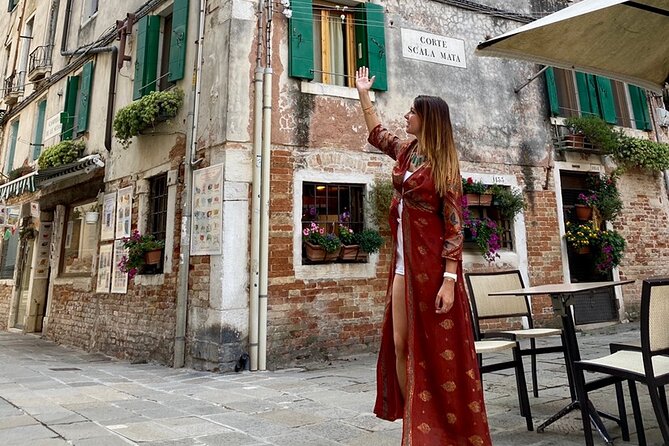
This walk isn’t only about regulations and restrictions. You also get a cultural angle through local Jewish culinary references and artistic stops.
Late in the route, you’ll spend a short time on Jewish recipes associated with the ghetto, including special biscuits made in the area. You’ll also see an art gallery in the neighborhood, connected to how contemporary creators live and work in the same streets where historical life unfolded.
From a visitor’s perspective, this is smart. It prevents the tour from feeling like you’re only reading about the past. Even in a place shaped by confinement, people kept traditions alive and created new cultural forms.
Synagogues and museums: plan a follow-up if you want interiors
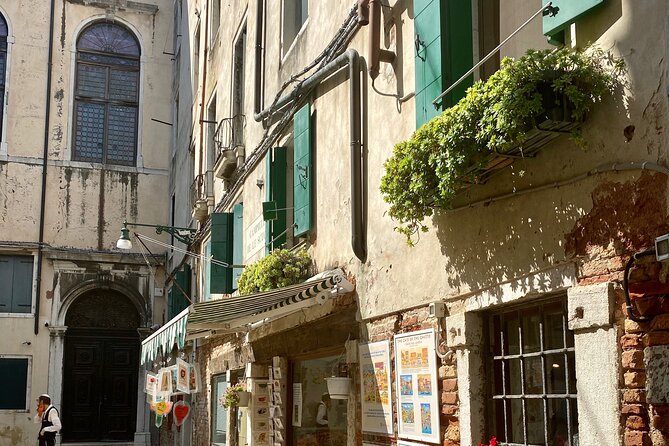
Here’s the trade-off you should know upfront: this tour does not include interior visits to the synagogues or a museum inside.
That doesn’t mean you’re left without guidance. Lucia provides detailed information on how to visit them, and she points out important features of what you’ll see from the outside. If synagogues are a must for your trip, I’d plan a follow-up visit on a different time window, ideally when you can take your time inside.
If you want a single “do it all” ticket that covers interiors, this walk may feel incomplete. But if your goal is to understand the area first—this tour is a strong foundation.
Timing, route pacing, and what 2 hours feels like
The tour runs about 2 hours and includes multiple short segments—around 15 minutes for certain areas and longer time around the ghetto walk itself. The structure is intentional: it keeps explanations frequent enough that the story stays connected to the streets you’re standing on.
So don’t expect a rapid stroll with minimal stops. You’ll pause, listen, and then move again, and the stops help you notice small clues. If you’re traveling with teens or family members, this can still work well because it turns history into a set of guided observations rather than a long uninterrupted talk.
The walking pace is manageable for most people, especially since it’s a small-group format.
Small-group size (max 12) and why it matters here
With a maximum group size of 12, questions stay part of the experience rather than a side activity. That’s a big deal on a topic like this, because people often want clarification about names, dates, how restrictions were enforced, or how Venice’s institutions functioned.
A smaller group also tends to keep the route calmer, and it makes it easier for Lucia to adjust to what you find most interesting—whether that’s daily life, historical policies, or cultural connections.
Price and value: why $71.35 can be more than a walking tour
At $71.35 per person for roughly 2 hours, you’re paying for more than movement through Venice. You’re paying for specialized, local guidance—Lucia is trained by the Jewish Community and Rabbi, and the tour is built around context you can’t easily piece together from a generic map.
When I evaluate value for a guided experience, I look at three things:
- How well the guide connects facts to what you physically see
- How much time you get with a real expert
- Whether it helps you plan the rest of your trip
This tour scores well on all three. The ghetto is dense with meaning, and the tour helps you interpret it rather than just pass by it. It also sets you up to make smarter decisions about synagogue or museum visits later.
Also, since this is offered in English with a mobile ticket, it’s easy to organize.
Logistics you should check before you go
A few practical notes can save headaches:
- You’ll start at Campo San Geremia and end at Fondamenta dei Ormesini. Plan for an easy continuation afterward along the canals.
- It’s near public transportation, which helps in Venice where routes can twist.
- Service animals are allowed, and most travelers can participate.
- The tour needs good weather. If conditions aren’t right, you’ll be offered a different date or a full refund.
- There can be a €5 access fee on certain dates for many visitors staying outside Venice for the day. Exemptions may apply. Check the city access details before you go, especially if you’re planning a same-day arrival.
Who this tour is best for (and who might want something lighter)
This is a great match if you:
- want a guided sense of place in the Jewish Ghetto, not just a list of sights
- enjoy story-based history with explanations attached to streets and symbols
- care about understanding how Venice’s systems affected real daily life
If you’re looking for an airy, quick overview of Venice with minimal pauses, you may find the pacing more stops-and-story than fast sightseeing. And if synagogues and museums are your top priority, you’ll probably want to pair this with a separate interior visit.
Should you book this Jewish Ghetto walking tour?
I’d book it if your Venice time is limited and you want the Jewish Ghetto to make sense the moment you walk into it. The combination of Lucia Bondetti’s training, the focus on three ghettos, and the way the route ends at Fondamenta Dei Ormesini makes the experience feel complete—even though interiors aren’t included.
I’d think twice only if you strongly prefer a fast, view-first tour or if you need a one-ticket plan for synagogue interiors. For most people who want depth without getting lost, this is one of the most meaningful ways to spend two hours in Venice.
FAQ
Is the tour offered in English?
Yes. The tour is offered in English.
How long is the Jewish Ghetto walking tour?
It lasts about 2 hours (approx.).
Where do you start and where do you end?
You start at Campo San Geremia, 30121 Venezia VE, Italy and end at Fondamenta dei Ormesini, 30121 Venezia VE, Italy.
Is the synagogue or museum interior visit included?
No. Interior visits to synagogues are not included, but the guide provides detailed information about how to visit.
How many people are in the group?
The tour has a maximum of 12 travelers, which keeps it small-group.
What if the weather is bad?
This tour requires good weather. If it’s canceled due to poor weather, you’ll be offered a different date or a full refund.
Is there an access fee for people staying outside Venice?
On certain dates, many travelers staying outside Venice who visit for the day may need to pay a €5 access fee (exemptions may apply). Check the city access page for which days apply.