REVIEW · VENICE
Immersive Beauty: A Tailored Private Tour of the Doge’s Palace
Book on Viator →Operated by deTourist Venice Valerio Coppo · Bookable on Viator
A trip to the Doge’s Palace can feel like a blur. This private tour gives you fast-track entry right away, then slows down the story with a guide who can tailor what you focus on. I like how it pairs the big sights with the reasoning behind them, from St. Mark’s Square to the rooms where Venice ran its government.
Two things I especially like: first, you get to see the palace’s key ceremonial spaces (Scala dei Giganti, Scala d’Oro, and the main council chambers) without spending all your energy fighting lines. Second, you also get the darker, human side—justice systems, anonymous accusations, and the path to the prisons—explained in plain language. One possible drawback: the palace is huge, and with a 2-hour schedule plus many stops, you’ll want to accept that you won’t linger equally in every room.
Fast-track start at Piazza San Marco so you begin before the worst crowd pressure hits.
Tailored itinerary based on your interests and how much time you want for art vs. politics.
Signature Doge’s Palace moments including Scala dei Giganti, Scala d’Oro, and the Loggia views.
Power meets procedure with chambers tied to councils, voting, and state control.
The Compass Room and anonymous denunciations gives justice a very specific Venetian flavor.
Bridge of Sighs plus New Prisons adds a storyline ending, not just a photo stop.
In This Review
- Why This Doge’s Palace Private Tour Feels Like a Backstage Pass
- Price, Tickets, and the Reality of a 2-Hour Plan
- Meeting at Caffè Florian: The Right Start for St. Mark’s Daydreaming
- Piazza San Marco Stop: Context Before You Step Into Power
- Inside Palazzo Ducale: The Scala dei Giganti and the Courtyard First
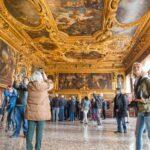
- Loggia Views and the Golden Staircase: Opulence With Purpose
- Atrio Quadrato and the Four Doors Room: How Daily Power Worked
- Anticollegio, Council Centers, and the Routine of Governance
- The Compass Room: Justice, Espionage, and the Anonymous Window
- Armory and Courts: Military Power and Civil Justice
- Art Stops That Actually Matter: Guariento and the Picture Gallery
- Ponte dei Sospiri and the New Prisons: The Story Turns Dark
- Best-Fit Travelers: Who Will Enjoy This Most
- Should You Book? My Take on Value for Palazzo Ducale
- FAQ
- Where does the tour start?
- How long is the Doge’s Palace private tour?
- Is this a private tour?
- Is the tour in English?
- Is skip-the-line entry included?
- Are Doge’s Palace entrance tickets included?
- How are tickets delivered?
- Can the itinerary be customized?
- Is the guide licensed?
- Is it good for families?
Why This Doge’s Palace Private Tour Feels Like a Backstage Pass
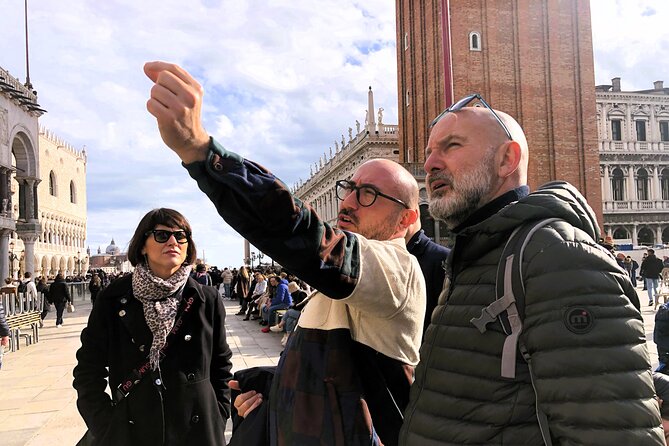
If you’ve ever walked into a major museum and thought, I’m seeing everything but understanding nothing, this is the fix. The tour is private, so you’re not stuck following a rigid group pace while you’re trying to read the palace with your eyes and your brain at the same time.
The best part is that it starts in the right place—Piazza San Marco—and then moves into the palace with momentum. Your licensed guide (Valerio Coppo is the name that shows up often) ties the art, architecture, and political power together so rooms stop feeling like separate boxes on a map.
You’ll also appreciate the practical tone. This tour doesn’t just point out what’s pretty. It explains why Venice built things the way it did, and how those rooms shaped decisions that affected real lives.
Price, Tickets, and the Reality of a 2-Hour Plan
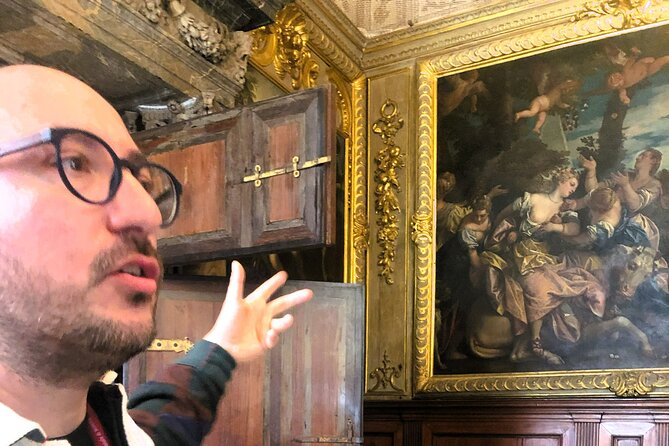
At $185.43 per person for about 2 hours, you’re paying for time efficiency, a licensed guide, and help managing entry. The tour lists skip-the-line ticket support at the best possible rate, and it includes a mobile ticket option, which is genuinely useful when you’re juggling a busy day in Venice.
One key detail: entrance tickets to the Doge’s Palace are not included in the price. That means your total cost will be higher once you add palace admission, and the exact amount depends on the ticket type (families, seniors, youth, students can have special fares). If you’re budgeting, don’t wait until the last minute—plan for the additional admission.
Because the stop list is long, the pacing is structured. Many segments are around 5 minutes, with a couple of longer moments near the Bridge of Sighs and the New Prisons. That’s great if you want the big highlights and the main storyline. If you’re the type who wants to stare at one ceiling for 20 minutes, you may wish you had more time—or plan to return on another day.
You can also read our reviews of more private tours in Venice



Meeting at Caffè Florian: The Right Start for St. Mark’s Daydreaming
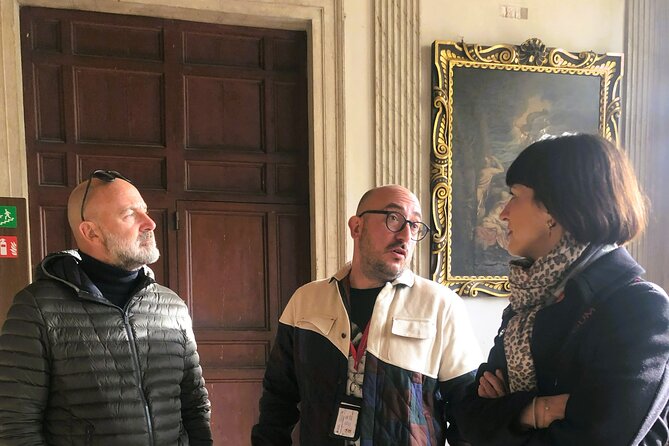
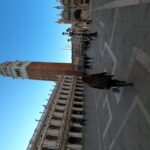
You meet at Caffè Florian, Piazza San Marco 57. That’s not just a convenient landmark—it’s a smart beginning because St. Mark’s Square is where Venice’s image gets displayed at full volume.
From there, your guide sets the stage fast: what the square means, how it developed, what architectural landmarks signal, and what kinds of events shaped public life over centuries. You don’t need to be an architecture buff to get value here; the guide frames it so the palace feels like the political engine behind the beauty you’re standing in.
The tour ends back at the same meeting point. This helps a lot in Venice, where “getting home” can become a puzzle if your timing slips.
Piazza San Marco Stop: Context Before You Step Into Power
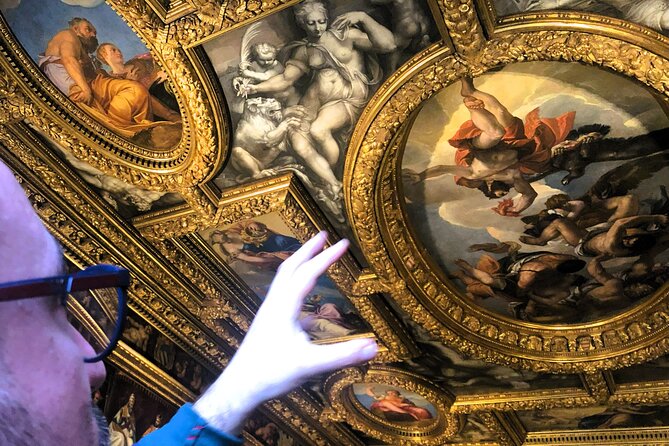
Before you enter the palace, you get a quick orientation at St. Mark’s Place. This is a small stop—about 5 minutes—but it matters.
Here’s what you’re really doing: you’re learning the logic of the place. St. Mark’s isn’t just scenic. It’s tied to how Venice wanted to look, how it gathered people, and how authority presented itself. When you later stand in court and council spaces, those earlier explanations help you notice details that you’d otherwise miss.
Also, arriving at the start gives you better odds of enjoying the square without feeling like you’re already late. The “crowd pressure” in Venice is real, and a fast start changes your mood.
Inside Palazzo Ducale: The Scala dei Giganti and the Courtyard First
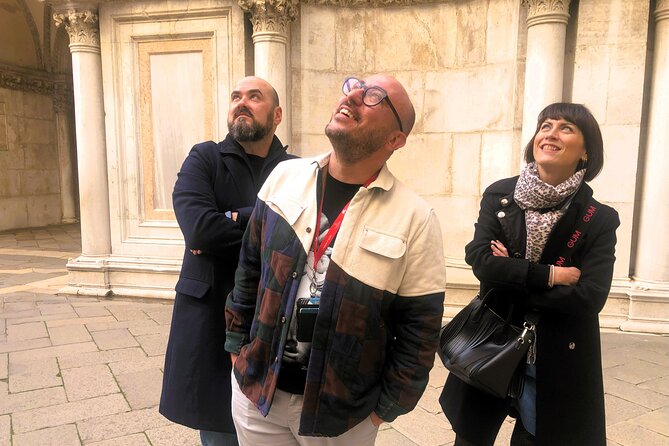
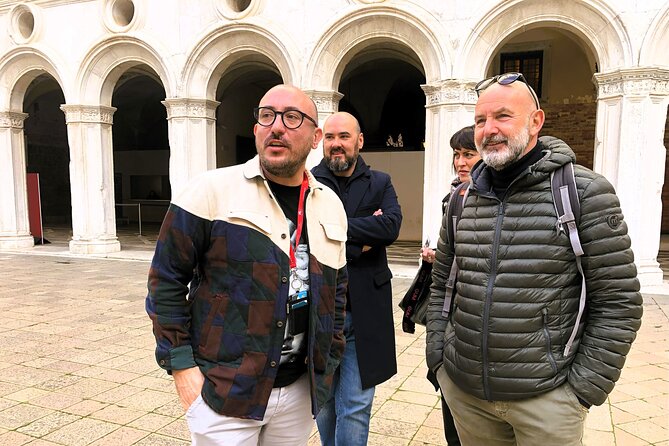
The first real palace moment is the internal courtyard, where you’ll see the Scala dei Giganti di Palazzo Ducale. This imposing staircase is the kind of thing that photographs well, but it’s even better when someone explains the symbols and messages embedded in the sculpture and design.
This stop is also a mental reset: you’re no longer in an open square with views everywhere. You’re now inside Venice’s power structure, where every architectural statement has a job.
A practical note: palace entry tickets aren’t included, but the tour helps with skip-the-line support. That means less waiting, more time looking, and less standing around while your group grows impatient.
Loggia Views and the Golden Staircase: Opulence With Purpose
Next you move through the palace spaces that people usually rush through. First comes the Loggia, an open gallery with arches where you can see St. Mark’s Basilica and the square below.
Then you ascend the Scala d’Oro (Golden Staircase). This is pure drama: a dazzling climb that reflects Doge-level prestige. What makes it worthwhile is that your guide doesn’t treat it like a decorative hallway. The explanation connects the artwork and design choices to the authority of the rulers.
If you’re sensitive to heights or lots of stairs, take it slow on the way up. The tour is designed for most travelers, but it’s still a staircase-heavy palace. Comfortable shoes are a must.




Atrio Quadrato and the Four Doors Room: How Daily Power Worked
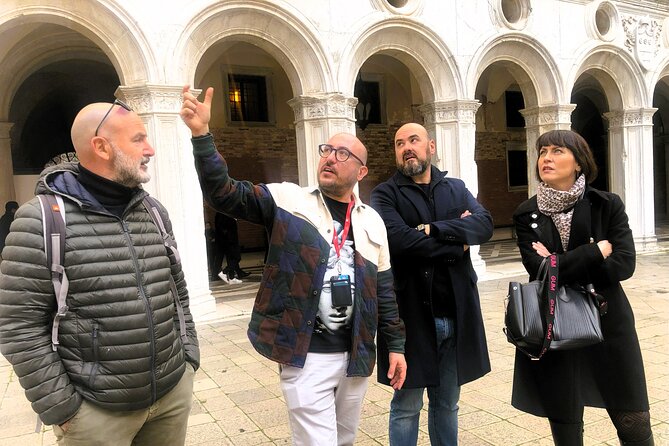
After the big visual moments, the tour shifts into the spaces that feel more like the palace’s working world.
You enter the Atrio Quadrato, a square-shaped atrium surrounded by striking architecture. Even with a short stop, it helps to understand why a space like this exists. It’s a transition zone—where movement, meetings, and public-facing life can line up with the more formal chambers.
Then you visit the Sala delle Quattro Porte (the four doors room). The emphasis here is political. Your guide connects the artwork and layout to the diplomatic and decision-making world where consequences weren’t theoretical.
This is where the “tailored” part becomes real. If you care about politics, governance, and strategy, you’ll get more out of these procedural spaces. If you prefer art, you still get enough context to see what you’re looking at.
Anticollegio, Council Centers, and the Routine of Governance
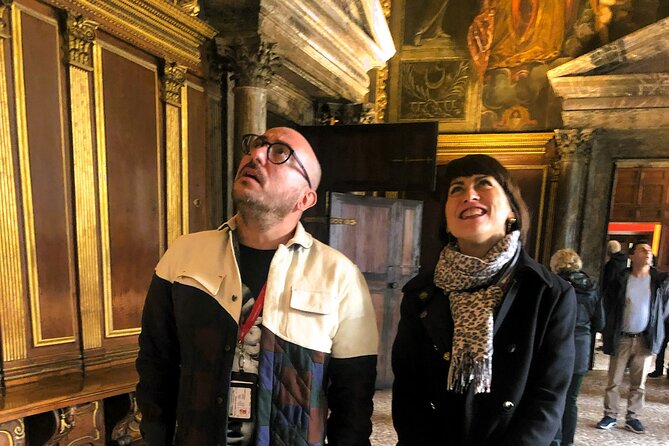
You continue to the Sala dell’Anticollegio, an antechamber with notable artwork, including artists mentioned such as Tintoretto and Veronese. Even if you only recognize a couple of Venetian painters, this stop adds a layer of culture to the politics—Venice wasn’t only about rules. It was about how rules were displayed and justified.
Then the tour moves into the heart of the Republic’s power:
- Sala del Collegio (Council Chamber), where the political decision-making drama played out.
- Senato (Senate), where state matters were discussed.
- Consiglio dei Dieci (Council of Ten), focused on stability and order.
These aren’t abstract labels. With a guide explaining the system, you start to see how a city-state could manage big issues across an empire-like network. Your eyes also learn the “language” of the rooms—what feels ceremonial, what feels administrative, and what feels like control.
The Compass Room: Justice, Espionage, and the Anonymous Window
The Sala della Bussola (Compass Room) is one of the most memorable parts of the tour. It’s tied to justice and espionage, and the name comes from the small window used for anonymous accusations.
This is a heavy topic, but the guide handles it in a way that makes the mechanism understandable. You’ll learn how anonymous denunciations were part of maintaining order, and why that mattered in a state obsessed with stability.
If your interest leans toward intrigue—spies, propaganda, political pressure—this stop gives you something concrete to picture. It’s also a good counterpoint to the palace’s polished beauty. Venice could look elegant and still operate with sharp tools.
Armory and Courts: Military Power and Civil Justice
Next, you move to the Armeria (Armoury), which shows the military side of the Venetian Republic. The guide’s narration connects battles and alliances to Venice’s maritime defense needs. That helps you understand why the Republic invested in instruments of power—not just speeches and paintings.
Then come justice spaces, including the Sala della Quarantia Civil Vecchia, symbolizing Venice’s justice system. It’s a reminder that the palace wasn’t only about ruling. It was also about adjudicating disputes and enforcing order.
Even if you don’t want politics to be your main travel theme, these rooms make sense of the Republic as a working machine.
Art Stops That Actually Matter: Guariento and the Picture Gallery
The tour doesn’t treat art as wallpaper. You’ll see the Sala del Guariento and then the Quadreria (Picture Gallery).
The point of the art stops isn’t just seeing famous works—it’s understanding what art was doing inside government spaces. Your guide helps you connect paintings to how Venice presented itself during its golden age, and why art lived alongside governance.
If you love art but don’t want a pure art lecture, this balance is a win. You get context without losing momentum.
Ponte dei Sospiri and the New Prisons: The Story Turns Dark
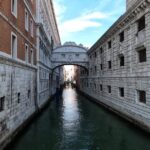
After the council-and-culture phase, the tour takes a darker turn with Ponte dei Sospiri (Bridge of Sighs). You’ll hear the stories connected to prisoners who crossed it, plus the tension between romantic legend and historical reality.
Then you head to Palazzo Delle Prigioni Nuove (New Prisons). This is where the tour ends its arc: the justice system you heard about earlier becomes something real, with explanations about prisoners and how the judicial process worked.
A practical thought: this portion can feel emotionally heavy compared to the staircase and galleries. If you’re traveling with kids or you prefer lighter themes, you might ask your guide to balance the tone. The guide can adjust the narration style, including for younger visitors—one account mentions Valerio shifting the talk between children and adults, and even weaving in recurring interests like Greek and Roman mythology.
Best-Fit Travelers: Who Will Enjoy This Most
This tour fits best if you want three things at the same time:
- Big-name architecture and art
- Clear explanations of power and governance
- A plan that keeps you moving without feeling rushed by logistics
You’ll especially enjoy it if you’ve ever felt overwhelmed in Venice. A private guide helps you focus and avoid wandering without context. And because the itinerary can be customized, you can put more weight on the parts that matter to you—political intrigue, art, or the justice/prison thread.
If you hate stairs, long walking, or heavy political stories, you might find the pace and subject matter intense for 2 hours. Still, the tour is built around short stop windows, so you can mentally adjust and stay engaged.
Should You Book? My Take on Value for Palazzo Ducale
If you can budget for the palace admission on top of the $185.43 per person tour price, I think this is a strong choice. The value is in your time and understanding: you’re paying for fast entry support, a licensed guide, and the ability to grasp the palace as a political system—not just a set of rooms.
Skip-the-line help is important in Venice, and it’s especially important at the Doge’s Palace, where crowds can drain your patience. The private format is also a big deal: you can ask questions, get pacing adjusted, and connect your interests to what you’re seeing.
I’d book it if you want the highlights plus the story behind them. I wouldn’t book it if you want a long, slow “walk up and down until it sinks in” visit. For that, you’ll likely need a second visit or a longer guided option.
FAQ
Where does the tour start?
It starts at Caffè Florian, Piazza San Marco 57, 30124 Venezia VE, Italy.
How long is the Doge’s Palace private tour?
It runs for about 2 hours.
Is this a private tour?
Yes. It’s a private tour/activity, and only your group participates.
Is the tour in English?
Yes, it’s offered in English.
Is skip-the-line entry included?
The tour highlights fast-track entry, and it also offers assistance in purchasing skip-the-line tickets at the best possible rate.
Are Doge’s Palace entrance tickets included?
No. Entrance tickets to the Doge’s Palace are not included, and special fares may apply for families, seniors, youth, and students.
How are tickets delivered?
You get a mobile ticket.
Can the itinerary be customized?
Yes. The tour offers flexible customization based on your preferences.
Is the guide licensed?
The tour includes a local top-rated licensed tour guide.
Is it good for families?
You’ll likely find it workable for families since it can adapt to children and adults, but the tour includes many palace rooms and stairs, so it may be best for children who can handle a structured 2-hour visit.