REVIEW · VENICE
FriendInVenice: Experience the True Venice with a Private Tour
Book on Viator →Operated by Friend in Venice Private Tours · Bookable on Viator
Venice feels like a maze until someone shows you the shortcuts. This private 2-hour walk with FriendInVenice gets you moving through the islands, bridges, and famous sights with local guidance and real-world know-how. I especially like that it’s designed for your first day, so you can get your bearings fast and keep exploring afterward.
Two things I like a lot: you’ll get practical Venice skills like how Venetians order a wine or espresso, and you’ll see big names like St. Mark’s Square and Rialto without the typical rush. The guide also brings in off-the-beaten paths so the city doesn’t feel like one giant photo line.
One thing to keep in mind: it’s a walking tour, and the historical stories come with a specific Venetian point of view. If you’re expecting every detail to match what you’ve read elsewhere, you may notice differences.
In This Review
- Key things to know before you go
- Why a 2-Hour Private Walk Works So Well in Venice
- Opening the Secret Door: Getting Oriented Before You Wander
- Markets and the Fish Market Stop: See Venice Through Daily Routine
- How to Order Wine or Espresso in Real Venetian Bars
- Cicchetti and Bacari Stops: Eating Without Guesswork
- Walking the Big Sights: St. Mark’s Square, Frari, San Marco, and Rialto
- Grand Canal Moment: Gondola Crossing Explained From a Ferry Landing
- Quiet Neighborhoods Where Venetians Live, Away From the Congestion
- The Guide Factor: Names Like Nadia, Vilma, Linda, and Nahdia
- Extra Value: Recommendations for Dinner and Art Routes
- Price and Logistics: Is $139.08 Per Person Worth It?
- Should You Book FriendInVenice?
- FAQ
- Is this tour private?
- How long is the FriendInVenice private walk?
- What language is the tour offered in?
- Is pickup included?
- Is there an access fee to enter Venice?
- What is the cancellation policy?
Key things to know before you go
- Private and customizable: your route and pace can be adjusted to your interests
- Native guide mindset: navigation tips that help you move around Venice like a local
- Food-stop education: how to order drinks and what to expect at a bacaro
- Markets and everyday life: including the fish market and local routines
- Famous sights plus quieter areas: St. Mark’s, Frari, San Marco, Rialto, and less-crowded neighborhoods
- Ends near Rialto Bridge: an easy launch point for your next wander
Why a 2-Hour Private Walk Works So Well in Venice
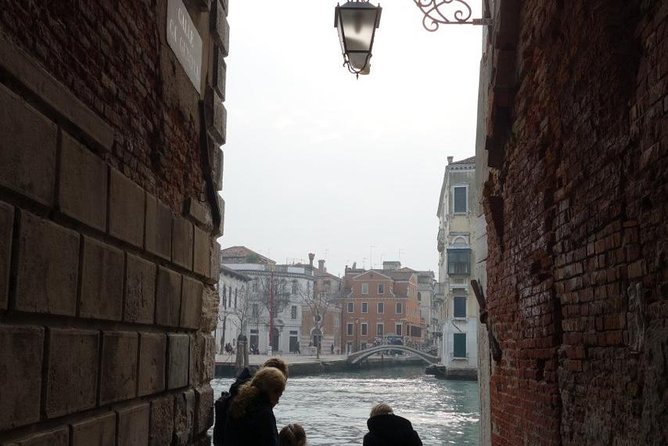
Venice is all angles and water. Streets curve, bridges connect tiny islands, and the city changes fast depending on which side of a canal you’re on. A 2-hour private walk is a smart way to kick things off because it teaches you the logic of the place, not just the postcards.
This is also a good value format for the Venice first-timer. At this length, you’re not committing to an all-day schedule, but you are getting enough context to understand what you’re looking at. And because it’s private, you’re not stuck moving at someone else’s speed.
You can also read our reviews of more private tours in Venice


Opening the Secret Door: Getting Oriented Before You Wander
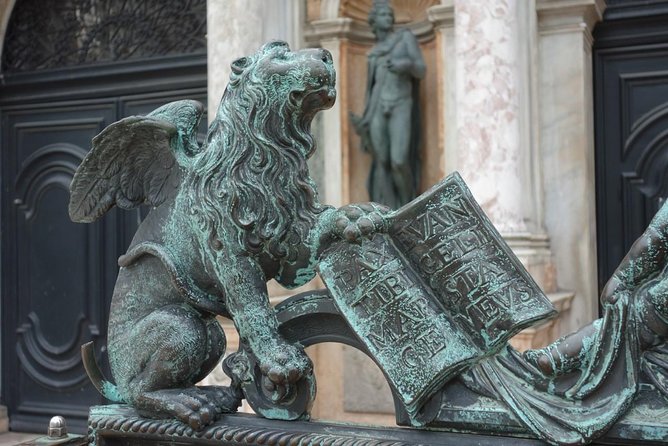
The tour’s starting idea is simple: you need a local’s map in your head, even before you have a map on your phone. You’ll begin in Venice and work toward Rialto Bridge as the walk unfolds, with a native Venetian guide explaining how the city is laid out and how Venetians used to live, and still live.
Expect plenty of “how to think about Venice” moments. You’ll hear how bridges and narrow streets shape daily movement, and you’ll get used to the rhythm of crossing canals and choosing which routes avoid congestion. One practical result is confidence: after a tour like this, you’re more likely to explore beyond the most crowded areas without getting turned around.
Markets and the Fish Market Stop: See Venice Through Daily Routine
One of the tour’s best traits is that it doesn’t treat Venice like a museum. You’ll visit markets, including the fish market, and you’ll learn what these spaces are like in everyday life. Markets are where Venice still feels functional, not staged.
This stop is also useful for your broader trip. Once you’ve seen how locals shop and eat, you’ll better understand why certain neighborhoods feel busy at particular times and calm at others. You’ll also pick up context that makes later museum visits and architecture details feel connected to real people, not just art objects.
How to Order Wine or Espresso in Real Venetian Bars
Food in Venice is often less about menus and more about knowing the routine. The guide teaches you how to order a glass of wine or an espresso, which may sound small, but it removes a lot of friction on your first day.
This is the kind of tip that changes how you travel. Instead of staring at a bar counter wondering what to say, you’ll have a script and the confidence to order. It also helps you step into the culture of the bacaro—the traditional Venetian bar for quick bites and drinks.
Cicchetti and Bacari Stops: Eating Without Guesswork
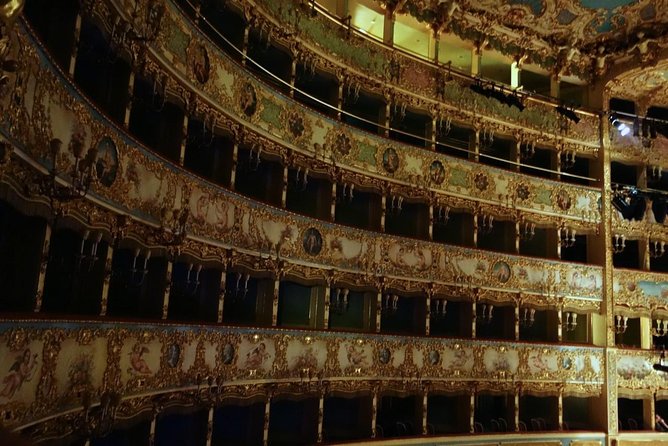
You’ll make time for snacks that fit how Venetians actually graze. The tour includes stops for cicchetti (small bites) and also mentions a sandwich in a local bacaro setting. You also get a break for a cappuccino at a charming cafe along the way.
Here’s why this matters: in Venice, eating can become either an easy win or an awkward slog. A guided food rhythm helps you choose places that match the moment and keep you from wandering into tourist traps that are just trying to sell dinner as a performance.
If you like travel that includes real local habits, these stops are a highlight. And if you’re traveling with someone who wants food guidance without a formal restaurant reservation, this format fits nicely.





Walking the Big Sights: St. Mark’s Square, Frari, San Marco, and Rialto
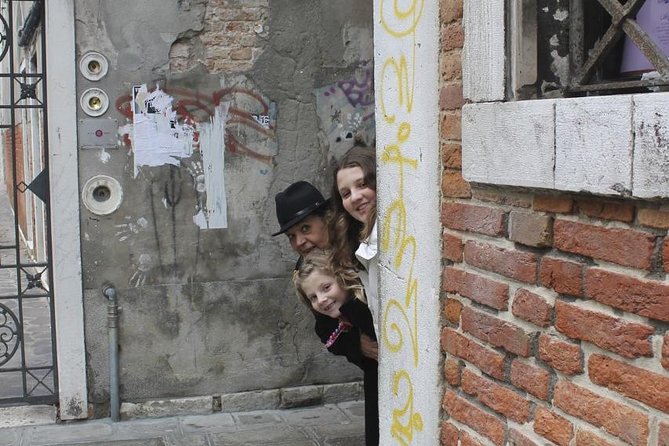
Yes, you will see famous Venice. The route includes St. Mark’s Square, Frari, San Marco, and Rialto. The best part isn’t just that you check boxes—it’s how the guide frames what you see.
A native guide typically points out construction details and historical consequences in plain language. Even if you’re not a history person, these cues help you notice why a building looks the way it does and why certain areas feel important. It’s also a practical setup: once you understand the layout around St. Mark’s and Rialto, you’ll move more easily to nearby sights on your own.
The walk is designed to balance the big landmarks with smaller, easier-to-miss places. That’s where your photos improve too, because you’re learning what to look for beyond the main squares.
Grand Canal Moment: Gondola Crossing Explained From a Ferry Landing
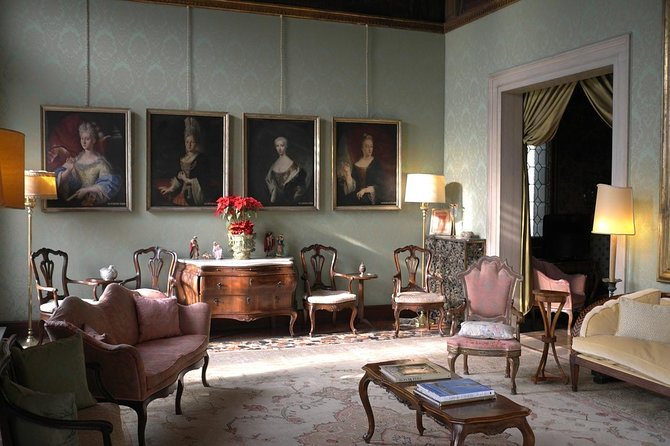
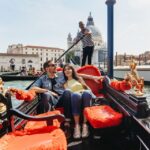
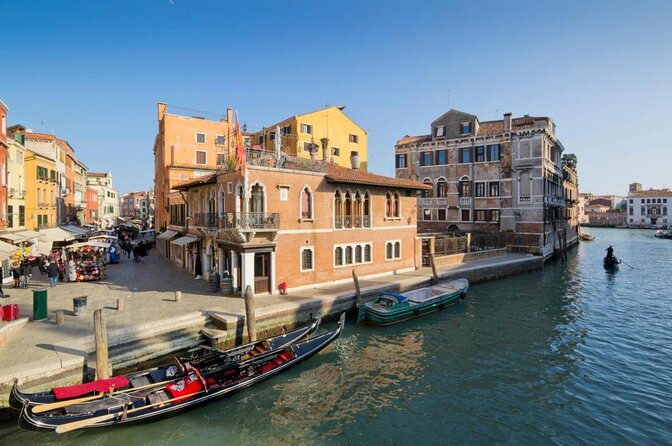
Venice’s canals are the city’s highways, and water movement is part of local life. The tour description includes a ferry landing moment where you’ll learn about crossing the Grand Canal and even how gondola crossings are done, with the local-style detail of standing up mentioned.
I wouldn’t treat this as a full gondola ride promise based on the info provided. Instead, think of it as a guided explanation tied to where boats and routes actually operate. It’s the kind of perspective that makes the Grand Canal feel less like scenery and more like infrastructure.
Quiet Neighborhoods Where Venetians Live, Away From the Congestion
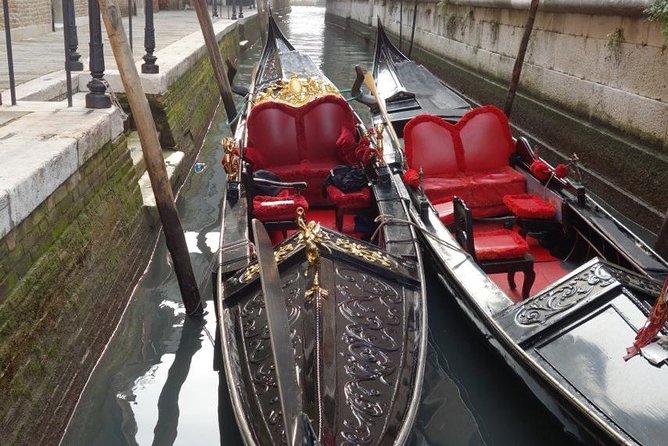
One of the strongest themes from the tour’s reputation is that it goes beyond the obvious crowds. You’ll visit less-traveled areas where Venetians live, specifically away from the congestion of the St. Mark’s zone.
This matters on two levels:
1) It helps you see a more honest Venice, one that feels lived-in rather than constantly managed for visitors.
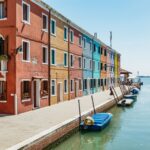
2) It makes the walk more enjoyable. Venice is beautiful, but crowd density can drain your attention for details. Quieter streets give you that headspace to notice architecture, doorways, bridges, and canal views.
If your ideal Venice includes back streets, alleys, and slower walking, this is the part of the tour that tends to stick in memory.
The Guide Factor: Names Like Nadia, Vilma, Linda, and Nahdia
The tour is run by a native Venetian guide, and the guides named in past experiences include Nadia, Vilma, Linda, and Nahdia. The common thread in the feedback is warmth and care, plus a focus on explaining things clearly and adjusting to your needs.
You may also notice that accents can vary. One experience mentioned that the guide’s Italian accent could be harder to catch at times, but the guide was willing to explain again. If you’re the type who relaxes when you can ask follow-up questions, you’ll likely get along well.
Also, the guide may tailor the route to your preferences and time constraints. Several people highlighted that the tour can be adjusted to your requests, including advice for what to do next.
Extra Value: Recommendations for Dinner and Art Routes
A tour like this doesn’t just end when you hit the final street. You’ll also get suggestions for additional itineraries to see the best works of art, plus restaurants and notable or hidden sights.
This is practical. Venice is packed. Without a plan, you’ll waste time bouncing between areas that don’t connect well. With a local guide’s “next steps,” you can shape the rest of your day—especially if you’re trying to balance St. Mark’s energy with calmer areas.
If you enjoy having a friend in town (minus the awkward texting), this kind of planning help is one of the biggest reasons to book a private orientation walk.
Price and Logistics: Is $139.08 Per Person Worth It?
At $139.08 per person for about 2 hours, this isn’t a budget stroll. But it’s priced like a real private experience: native guide time, route management, and targeted stops (markets, bacari basics, and major landmarks).
Where the value really shows up is in what you avoid:
- You avoid hours of wandering without direction
- You avoid awkward ordering moments
- You avoid missing the quieter areas you’d otherwise skip
A couple logistics notes to plan around:
- Pickup is offered, but pickup details are to be agreed, so don’t assume it’s automatic.
- You’ll receive a mobile ticket.
- The tour is in English.
- The walk starts in Venice (meeting point listed as Venezia) and ends at Ponte de Rialto / Rialto Bridge.
One more important item: if you’re visiting Venice as a day tripper and staying outside Venice, you may have to pay a €5 access fee on certain dates. You can check the current schedule at https://cda.ve.it.
Should You Book FriendInVenice?
Book it if you want a first-day Venice reset: orientation, practical local skills, and a route that mixes famous sights with quieter neighborhoods. It’s also a strong choice if you hate being stuck in the crowd and want to feel more confident wandering on your own afterward.
Think twice if you dislike walking for 2 hours in Venice’s uneven surfaces and tight lanes, or if you need an absolute, one-version-only historical narrative. The guide’s perspective may differ from what you’ve learned elsewhere, which can be totally fine for most people, but it’s worth knowing.
If you’re traveling with someone who appreciates careful, friendly guidance—especially first-time visitors—this format is a great match.
FAQ
Is this tour private?
Yes. It’s a private tour/activity, meaning only your group participates.
How long is the FriendInVenice private walk?
The tour lasts about 2 hours.
What language is the tour offered in?
The experience is offered in English.
Is pickup included?
Pickup is offered, but the pickup details are to be agreed.
Is there an access fee to enter Venice?
On certain dates, some day visitors staying outside of Venice may need to pay a €5 access fee. Details and exemptions are listed at https://cda.ve.it.
What is the cancellation policy?
You can cancel for a full refund up to 24 hours in advance of the experience start time. If you cancel less than 24 hours before, the amount paid is not refunded.