REVIEW · VENICE
Bacaro Tour Unblended: A Pure Venice Foodie Experience
Book on Viator →Operated by myvenicexperience · Bookable on Viator
Venice tastes different on a bacari crawl. I like that this tour is led by a food-and-wine specialist who teaches the local ritual, not just the menu, and I also like the four bacari back-street route that helps you feel the city’s rhythm. One possible drawback: you do a fair bit of walking on quiet alleys, so it is best if you are comfortable on your feet.
What makes this stand out is how much language and local context you get along the way. You’ll learn why Venetians call certain snacks cicchetti (and why you should not default to the word tapas) and you’ll pick up terms tied to the wine culture, like ombra for a glass of wine.
This is a focused 2-hour experience with a convenient start near public transport, meeting at Campo San Bortolomio and finishing near Rialto. If you want a smooth intro to Venice food culture without wasting time on the big, obvious stops, this is the kind of plan that makes solo exploring easier afterward.
In This Review
- Key things that make this bacari tour a standout
- Why four bacari beats a single restaurant stop
- The guide experience: food-and-wine expertise with a local lens
- The tasting plan: 5 cicchetti, 4 wine glasses, and prosecco
- Stop-by-stop: back streets to four bacari (and what each part is for)
- Start area: Campo San Bortolomio as your first Venice cue
- Bacaro 1: learning the cicchetti and wine language
- Bacari 2-4: a walking route that keeps things lively
- The local market add-on (morning tours): where ingredients start
- OMBRA, prosecco, and the social rules of wine-bar culture
- Where you end near Rialto: Campo dell’Erbaria and next-step plans
- Price and value: is $114.13 for two hours worth it?
- Who should book this Venice bacari tour
- Should you book Bacaro Tour Unblended?
- FAQ
- How long is the Bacaro Tour Unblended?
- What is included in the price?
- What food and drinks will I taste?
- Where do I meet, and where does the tour end?
- Is the tour private and offered in English?
- Do I need to pay a Venice access fee?
- Can I cancel for a full refund?
Key things that make this bacari tour a standout
- A guide who connects food, wine, and local culture so the tastings mean more than the flavors alone
- Back-streets plus four bacari to help you find spots you might otherwise walk past
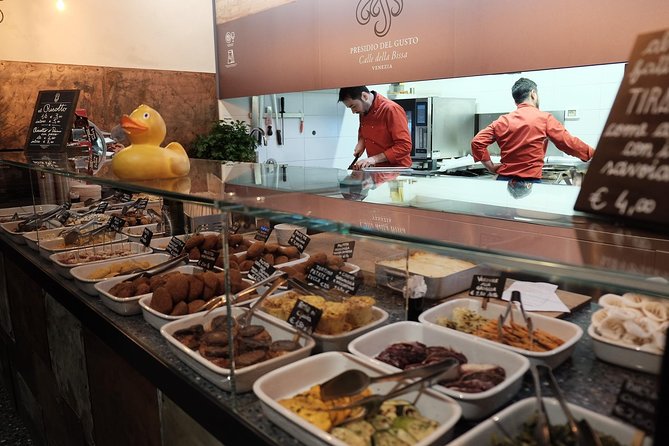
- 9 tastings total built around 5 cicchetti and 4 glasses of wine, plus prosecco
- Market time on the morning option when you can see the fish, fruit, and vegetables behind the cicchetti
- Central meeting points near Rialto so you can keep your day easy after the tour
- Strong guide praise in reviews, including names like Ellie, Elisabetta, Donnie, and Elizabeth
Why four bacari beats a single restaurant stop
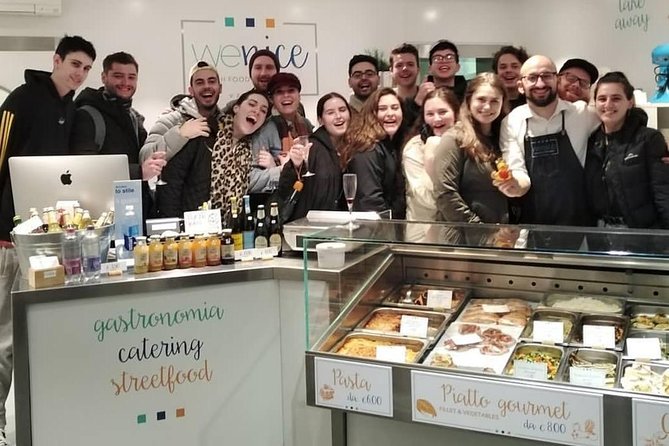
A Venice food tour can go two ways. Either you sit in one place and eat a lot, or you move through the city and pick up how Venetians actually do it day to day.
This plan leans hard into the second option. You walk from one bacaro to the next on quiet alleys, so you get both the food and the setting that makes it feel real. It also helps you understand the layout of the area around Rialto, which makes later wandering far less stressful.
I also like that the tour is built as an introduction. By the end, you’re not just full—you’re better equipped to choose where to go next without defaulting to the most crowded tourist counters.
You can also read our reviews of more tours and experiences in Venice


The guide experience: food-and-wine expertise with a local lens
The tour’s engine is the guide. You get a local food-and-wine specialist who leads the tastings and shares context about recipes, history, and the characteristics of what you’re eating and drinking.
In the reviews, guides such as Ellie, Elisabetta, Donnie, and Elizabeth show up repeatedly for being both personable and detailed. That matters because bacari culture is partly about what you’re tasting and partly about what you’re supposed to notice while you’re there.
You’ll also hear explanations that help you decode the experience fast. For example, the tour specifically covers why cicchetti is not just another word for tapas, and it teaches what ombra means when you order or talk about wine.
One more thing I like: the guide focuses on the social element of bacari wine bars. That turns the tour from a checklist into something closer to watching locals practice a ritual.
The tasting plan: 5 cicchetti, 4 wine glasses, and prosecco
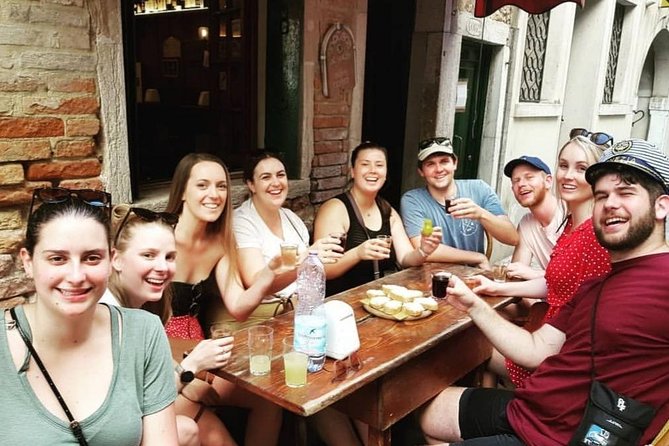
This is not a buffet-style tour. It’s structured tastings, with enough variety to understand the range, but not so much food that you feel stuffed and sluggish.
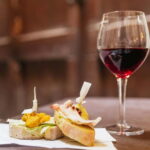
Across four different bacari, you’ll taste 5 traditional cicchetti and drink 4 glasses of wine. Prosecco is also part of the mix, and the tour includes it as part of the overall experience, not as an afterthought.
You can expect guidance on more than just flavor. The tastings come with information on recipes and characteristics, so you get a clearer idea of what makes one cicchetto different from another and why the wines fit the moments you’re eating in.
Also, the drinks are part of the learning. You will hear the local terms and how Venetians talk about wine, which makes it easier when you order later on your own.
Stop-by-stop: back streets to four bacari (and what each part is for)
Start area: Campo San Bortolomio as your first Venice cue
You begin at Campo San Bortolomio, a central meeting point that keeps logistics simple. Starting near public transport is a real advantage in Venice, where every detour costs time.
From the start, the tone is set: you’re going into Venice’s back-streets rather than staying on the main parade routes. That early choice shapes the whole tour, because it gets you into the scale and feel of the city right away.



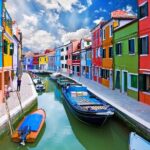
Bacaro 1: learning the cicchetti and wine language
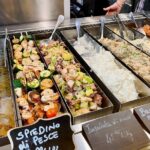
Your first stop is where you get the basics in a practical way. You’ll learn about cicchetti and taste them, with the guide explaining why the word tapas isn’t the best match for what you’re seeing in Venetian wine bars.
This part also works as your calibration. Once you understand the terms and the style, the next tastings land better, because you’re not guessing what the tour is trying to teach.
Bacari 2-4: a walking route that keeps things lively
Then you move along quiet alleys between the next bacari. The walking matters because it gives you time to absorb the setting and build comfort with the neighborhood layout.
Between the different spots, you’ll taste more cicchetti and continue with the wine glasses. The guide also keeps the story going, so the stops don’t feel like random eating appointments.
The best kind of food tour makes you look at Venice differently afterward. This one tends to do that because you end up in places you might have walked past without realizing what they were for.
The local market add-on (morning tours): where ingredients start
During the morning tour, there’s an extra visit to the local market, focused on fish plus fruits and vegetables.
This is valuable because it connects the ingredients to what you’re tasting later. Even if you’re not analyzing culinary technique, seeing the raw inputs makes the cicchetti feel more grounded in day-to-day Venice.
It also adds variety to the timing. Instead of only eating your way through the city, you get a short look at where the food starts.
If you’re the type of traveler who likes a bit of food sourcing, this market segment can be a highlight. If markets aren’t your thing, it still works as context, since it’s clearly tied to the tour tastings.
OMBRA, prosecco, and the social rules of wine-bar culture
One reason I like tours that teach local language is that it changes your confidence on arrival. Here, the tour specifically covers ombra as a glass of wine, so you’re not just eating—you’re learning how to talk about what you’re drinking.
The social element also gets attention. Bacari are not formal dining rooms, and that difference is part of the point of the experience.
You’ll get wine across the four stops, including prosecco, and you’ll be taught what you’re drinking in the context of the place. When you understand what the drink name means locally, your order becomes smoother later.
In reviews, the prosecco gets standout praise, so it’s worth leaning into it instead of treating it like a quick sip. A good guide will pace it so you can actually notice the differences.
Where you end near Rialto: Campo dell’Erbaria and next-step plans
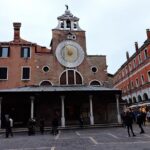
The tour finishes at Campo dell’Erbaria, a lively square close to the Rialto bridge on the market side.
This is a smart ending point because it puts you back in an area where you can keep exploring without a long reposition. You’ve got options for the rest of the day, and you finish knowing more about what to look for in bacari.
Even better: after walking back-streets with a guide, you’ll likely feel more comfortable choosing your next stop. That is one of the most practical outcomes of this tour.
Price and value: is $114.13 for two hours worth it?
At $114.13 per person, the price sits in the mid-range for Venice food experiences. The value comes from three things you actually get for that money: a local guide, multiple tastings across several bacari, and a built-in walking route that covers more than one venue.
You’re not just paying for bites and drinks. You’re paying for the ability to decode what you’re seeing—why cicchetti is its own category, why ombra is the word to know, and how the guide explains recipes and characteristics.
The tour is also listed as having a ticket-free admission, and it includes snacks plus local wine and cicchetti. That helps control the total cost compared with experiences where drinks or food feel like add-ons.
If you compare it to paying individually for several tastings at random, the guidance and pacing become the real savings. You also avoid the common issue in Venice: spending time searching for places that don’t match what you want.
Who should book this Venice bacari tour
This tour fits best if you want a food experience with local context, not just eating. I’d especially recommend it if you are curious about cicchetti, want to learn bacari wine terms like ombra, and want a guided walk that helps you get bearings around Rialto.
It also makes sense for first-timers to Venice. The plan is designed to give you confidence to keep exploring afterward and avoid only sticking to the most obvious tourist routes.
If you have mobility limits, the walking between spots is the big consideration. The tour lasts about 2 hours, but it does involve moving through back-streets and quiet alleys.
If you’re traveling with a group and want a private setup, this is offered as a private tour/activity, only for your group.
Should you book Bacaro Tour Unblended?
Book it if you want a clear, guided entry into Venetian food-and-wine culture. You’ll get a specialist guide, tastings across multiple bacari, and enough local language to make future orders feel easier.
Skip it or think twice if walking on uneven Venice paths is a problem for you. Also, if you only want one sit-down meal and zero walking, this format may feel like more movement than you want.
If you are aiming for an authentic, practical Venice experience that helps you explore on your own afterward, this one is a strong match—especially with guide names like Ellie, Elisabetta, Donnie, and Elizabeth earning such consistent praise.
FAQ
How long is the Bacaro Tour Unblended?
The tour runs about 2 hours.
What is included in the price?
It includes a local guide specialized in food and wine experiences and snacks: local wine and cicchetti.
What food and drinks will I taste?
You’ll taste 5 traditional cicchetti and drink 4 glasses of wine, with prosecco included as well.
Where do I meet, and where does the tour end?
You meet at Campo San Bortolomio and end at Campo San Giacomo di Rialto.
Is the tour private and offered in English?
Yes. It is a private tour/activity for your group, and it is offered in English.
Do I need to pay a Venice access fee?
On certain dates, some day visitors staying outside Venice may need to pay a €5 access fee. The exact days and exemptions are listed at https://cda.ve.it.
Can I cancel for a full refund?
Yes, you can cancel for a full refund if you cancel up to 24 hours in advance of the experience start time. If you cancel less than 24 hours before, the amount paid is not refunded.