REVIEW · VENICE
Venice: Private Cannaregio and Jewish Quarter Tour
Book on GetYourGuide →Operated by Venice Events srl · Bookable on GetYourGuide
Venice turns quiet in Cannaregio. This private tour is a smart way to connect Tintoretto’s real-world sites with the Venice Jewish Ghetto story, guided by an expert in Jewish history. I like how you get to see famous art locations plus the lived-in, human side of Venice in just two hours, even though you should budget for extra entrance fees at Madonna dell’Orto and for any optional museum or synagogue visits.
You’ll also get that small-group feel (limited to 6), which helps with questions and keeps the pace comfortable. One thing to consider: entrance fees for Madonna dell’Orto Church (and optional Jewish Museum/synagogues) are not included, so plan a little extra if you want the full art-and-history combo.
In This Review
- Key highlights worth planning for
- Cannaregio and the Jewish Quarter: a Venice you can actually picture
- Tintoretto’s Venice in Madonna dell’Orto and Sant’Alvise
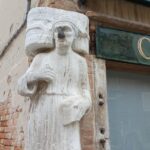
- Campo dei Mori, Arab merchants, and the feel of old streets
- Walking the Ghetto’s boundaries: 14th-century origins to today
- Itinerary walkthrough: where you’ll go, what you’ll notice, and what’s worth slowing down for
- Stop 1: Campo San Bortolomio (meeting point near Rialto)
- Stop 2: Campo dei Mori (guided walk and neighborhood stories)
- Stop 3: Madonna dell’Orto (Tintoretto’s church, burial, and masterpieces)
- Stop 4: Sant’Alvise Church (another guided landmark stop)
- Stop 5: Jewish Ghetto, Venice (guided crossing and community life)
- Stop 6: Finish near Ghetto Ebraico (and where you can go next)
- Money and value: what $150.10 buys you for two hours
- Timing, footwear, and meeting point tips near Rialto
- Optional add-ons: Jewish Museum, synagogues, and the Lido cemetery
- What the guide gets right (and why you’ll feel it in your shoes)
- Who this tour suits best
- Should you book this private tour of Cannaregio and the Jewish Quarter?
- FAQ
- How long is the Venice Cannaregio and Jewish Quarter tour?
- How large is the group?
- Where do we meet the guide?
- What languages are offered for the live guide?
- What are the main stops on the tour?
- Is the Madonna dell’Orto Church entrance fee included?
- Are the Jewish Museum and synagogue entrance fees included?
- Does the tour run on Saturdays?
- Is the tour wheelchair accessible?
- Can I cancel for a full refund or pay later?
Key highlights worth planning for
- Tintoretto’s trail in Cannaregio: learn how he fits into this neighborhood and why the church stop matters
- Madonna dell’Orto as Tintoretto’s church: see the stop tied to his burial and major masterpieces
- Campo dei Mori and the merchant-story backdrop: streets linked to past Arab merchants give texture to your walk
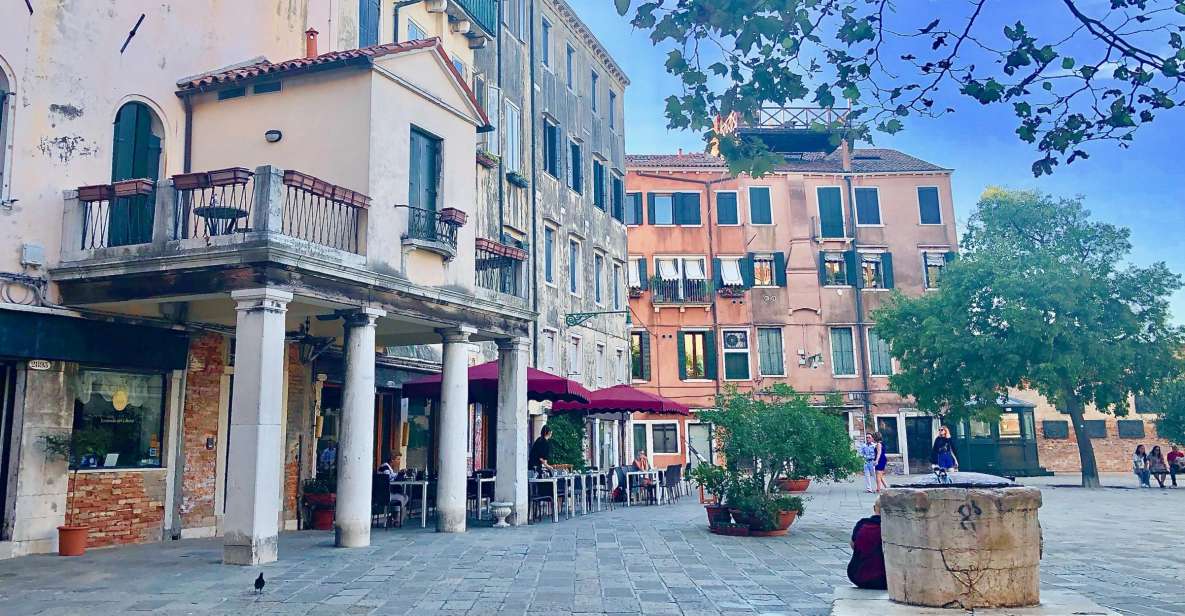
- The Jewish Ghetto, from 14th-century roots to 1516: cross into the “island within an island” and understand the rules
- Kosher shops and synagogues in use today: the tour focuses on both history and living community life
- Guides who bring the city down to earth: Clementia and Sergio are cited for passion, clarity, and helpfulness
Cannaregio and the Jewish Quarter: a Venice you can actually picture
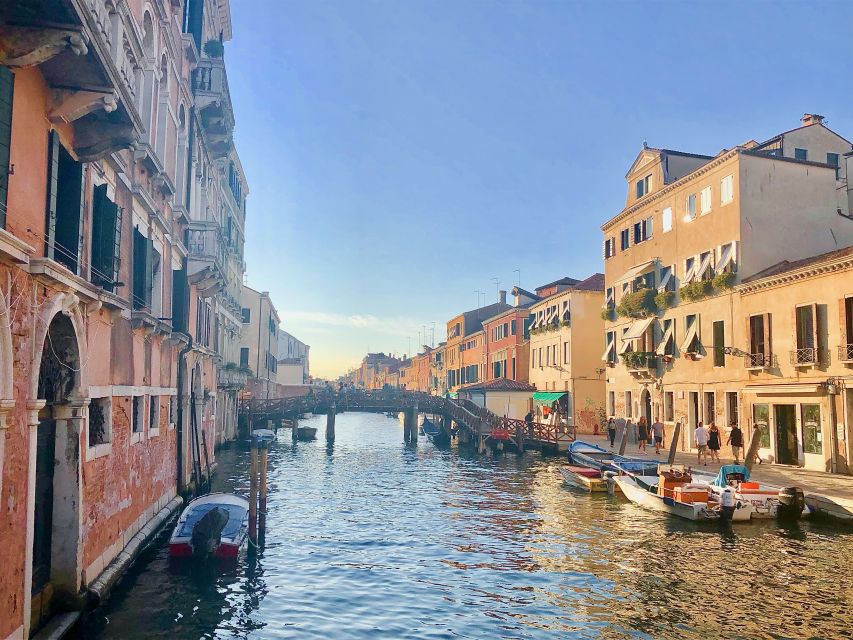
If Venice is a movie, Cannaregio is where the plot deepens. This tour takes you off the usual shine of St. Mark’s and into neighborhoods where you’ll notice quieter architecture, older street names, and the kind of everyday details that make a city feel real.
Two things I especially like: first, the Tintoretto angle connects art to place, not just to a postcard. Second, the Jewish Ghetto portion is guided by someone who explains what happened and what life looked like inside the boundaries, then brings you to how people live there now.
The route is also a good “timing match.” Two hours is long enough to learn meaningful context, but short enough that you don’t end up huffing along Venice canals like it’s a forced march.
You can also read our reviews of more private tours in Venice



Tintoretto’s Venice in Madonna dell’Orto and Sant’Alvise
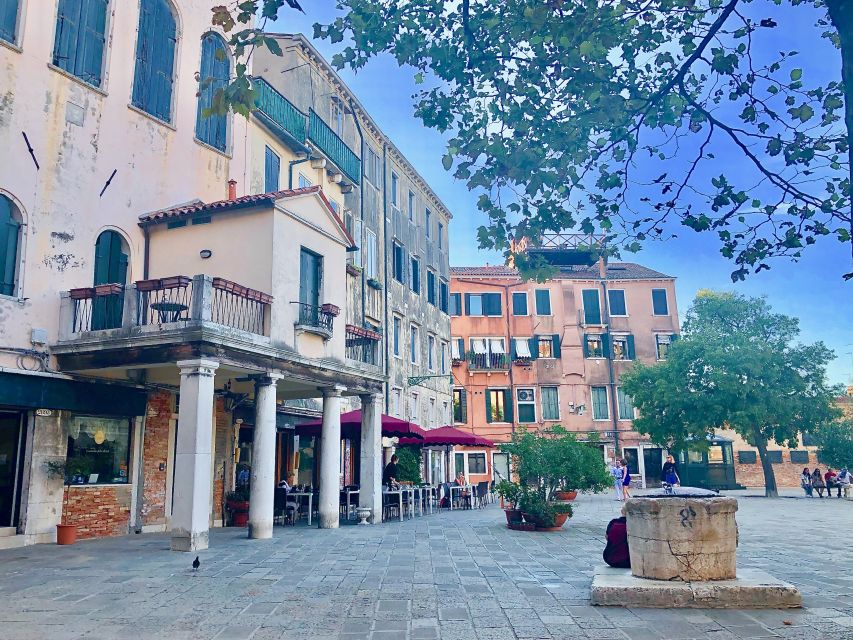
Tintoretto fans should pay attention here, because the tour is built around his locations. You’ll start moving through Cannaregio’s architecture and stories, then the focus sharpens at Madonna dell’Orto.
Madonna dell’Orto is often called Tintoretto’s church, and that nickname isn’t just marketing. This stop is tied to where Tintoretto is buried, and the church holds a spectacular collection of his masterpieces. Translation for your trip planning: if you care about Renaissance art, this is one of those moments where the “why” is as important as the “what.”
After that, you continue with Sant’Alvise Church as another guided landmark stop. Even if you’re not chasing every single artist detail, church interiors and facades in Venice tend to tell you something about wealth, patronage, and taste over time. In a short tour, Sant’Alvise helps widen the lens beyond Tintoretto alone.
Practical note: entrance fees for Madonna dell’Orto Church are not included, so you’ll want to bring cash/card for that moment. The good news is the tour includes skip-the-ticket-line service, which can help you avoid wasting time when you arrive.
Campo dei Mori, Arab merchants, and the feel of old streets
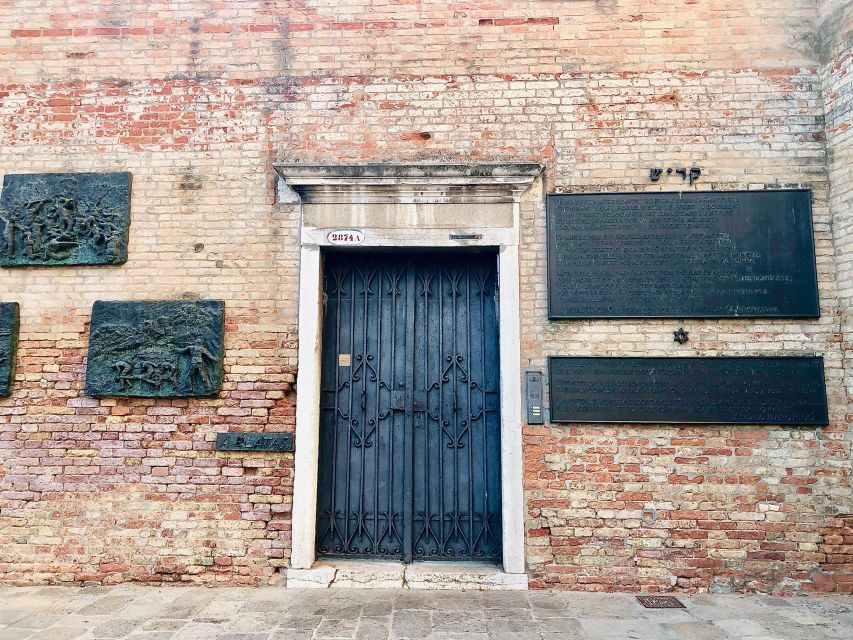
Before you hit the ghetto, you’ll get a distinctly different Venice mood. You visit Campo dei Mori, where the setting connects to stories of houses linked to past Arab merchants.
That merchant history matters because it changes how you read the neighborhood. Instead of thinking of Venice as just one cultural “layer,” you start seeing it as a trading crossroads where communities and influences moved through the city’s waterways and streets. The guide also points out palace facades and local details as you walk, so you’re not just following a list of stops.
You also get views over the northern lagoon in the walk. Those moments are easy to overlook if you’re rushing, but on a two-hour tour they’re worth slowing down for. A view helps you re-orient—especially in a city where streets, canals, and turning points can make you forget where you are.
Walking the Ghetto’s boundaries: 14th-century origins to today
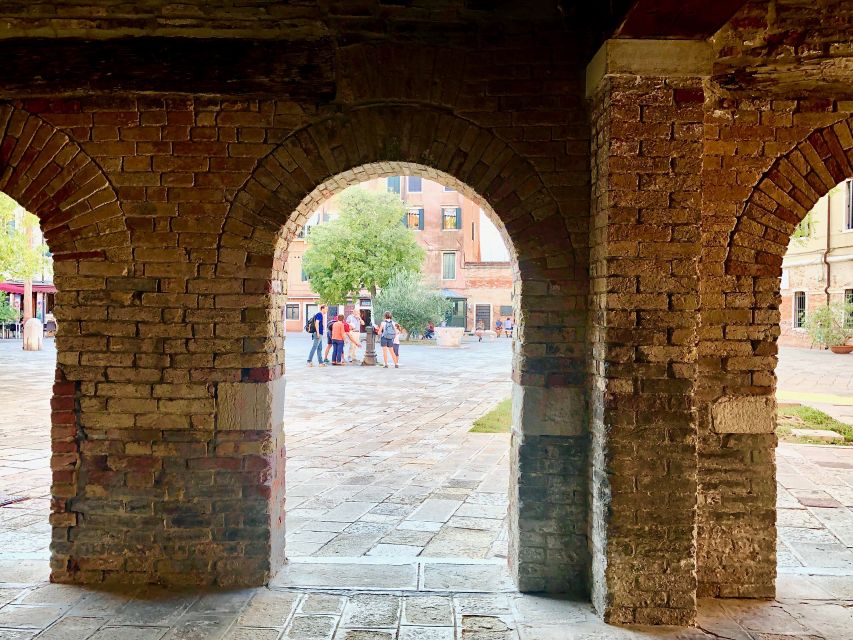
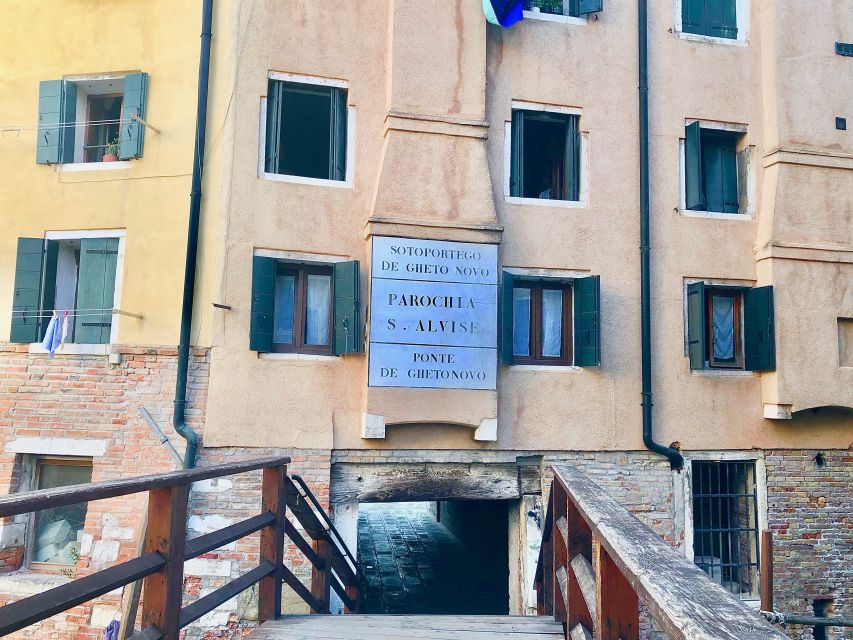
The Jewish Ghetto portion is the heart of the experience. You’ll walk there with your guide and cross into the area by one of the three bridges, which gives you a physical sense of separation—an important detail when you’re learning about how life was reorganized by law and policy.
The story starts long before the high-profile headlines. The ghetto dates back to the early 14th century, and in 1516 the Senate approved moving Jews into a closed area within the city. That “step back in time” concept isn’t just poetic. You’ll learn how the complicated history shaped the daily rhythms of community life.
The guide is the real multiplier here. This is a Jewish-history-focused specialist tour, so you’re not hearing generic background. You get explanations you can actually use: how the community lived over the centuries, and how it functions today.
And you’ll see what’s still active. Expect to notice kosher shops, restaurants, a library, and synagogues where services take place now. For me, that’s what turns a historical neighborhood from a museum-like setting into something alive. You’re walking through the echoes of the past, but you’re also seeing present-day Venice.
Itinerary walkthrough: where you’ll go, what you’ll notice, and what’s worth slowing down for
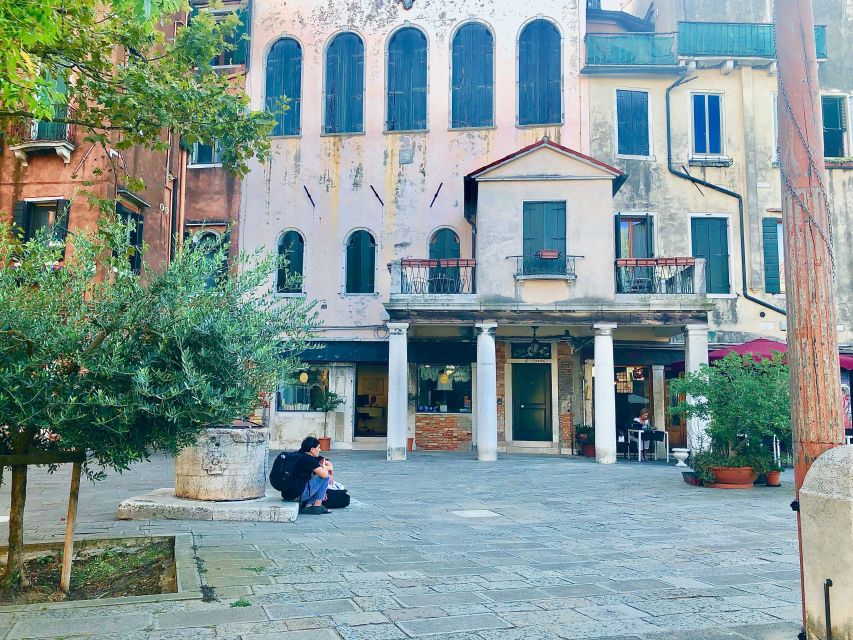
Here’s how the flow usually feels, from the first meeting minute to the end around Ghetto Ebraico.

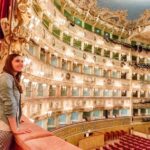
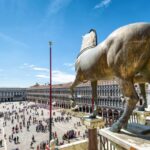



Stop 1: Campo San Bortolomio (meeting point near Rialto)
You meet at Campo San Bortolomio, in front of the statue of Goldoni. The area is about a one-minute walk from the Rialto bridge, so it’s convenient even if you’re staying near the center.
Plan to arrive 15 minutes early. In Venice, a few minutes can mean crossing from the correct calle to the wrong one, and you don’t want to start your tour stressed.
Stop 2: Campo dei Mori (guided walk and neighborhood stories)
At Campo dei Mori, your guide leads you through the details you’d likely skip on your own. You’ll hear about the architecture and street-level history tied to houses of past Arab merchants, plus you’ll get some of the “place reading” that makes the rest of the tour easier.
This is a great time to ask questions. If you’re curious about how Venice’s neighborhoods evolved, this is where the guide’s explanations start giving you a framework.
Stop 3: Madonna dell’Orto (Tintoretto’s church, burial, and masterpieces)
This is the stop where the Tintoretto theme becomes concrete. You’ll do a guided visit at Madonna dell’Orto, a church often referred to as Tintoretto’s church due to both his burial here and the remarkable collection of his masterpieces.
If you’re art-focused, give this stop your full attention. If you’re not, still go slow. Even without “art vocabulary,” the guide’s connection-making helps you understand why these works matter and why this location is special.
Stop 4: Sant’Alvise Church (another guided landmark stop)
Next comes Sant’Alvise Church. It’s another moment to look closely at Venice’s religious architecture and feel the atmosphere of the neighborhood beyond the headline sites.
This stop also helps break up the walk so the ghetto entry doesn’t feel like you’re rushing nonstop. Use the time to reset—Venice walking adds up fast.
Stop 5: Jewish Ghetto, Venice (guided crossing and community life)
You then head toward the Jewish Ghetto. As you enter, your guide ties the physical act of crossing a bridge to the historical boundary-making of 1516.
Once you’re inside, you’ll learn the story of the “island within an island,” then see signs of community life today: kosher food options, shops, a library, and synagogues where services happen.
Stop 6: Finish near Ghetto Ebraico (and where you can go next)
The tour ends around Ghetto Ebraico. The overall activity description also indicates it finishes back at the meeting point, so the safest planning approach is to think of the ending as “near the ghetto area,” with a route back afterward.
Either way, you’ll be in a perfect position to continue on independently if you want.
Money and value: what $150.10 buys you for two hours
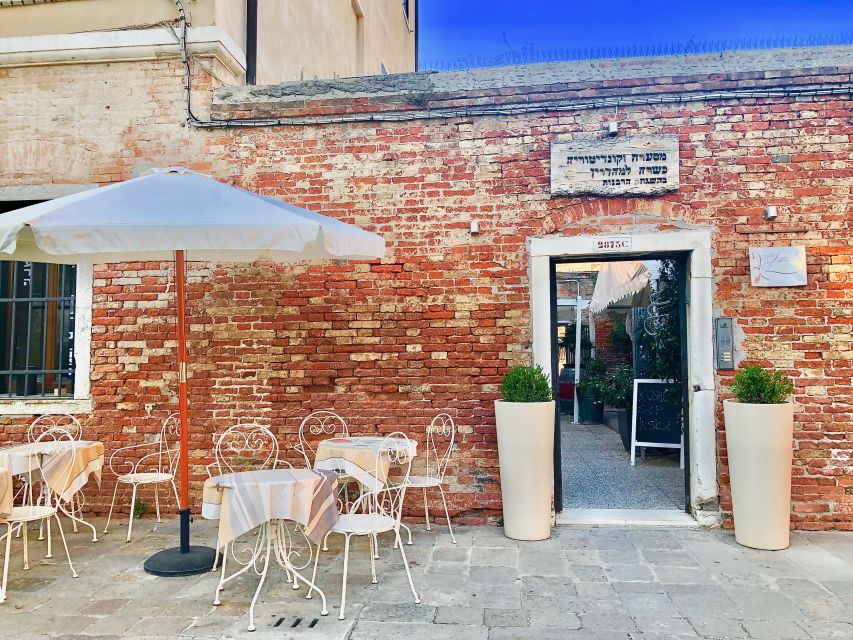
At $150.10 per person for a 2-hour private walking tour, the price makes sense if you compare it to two things: 1) paying for a guide to interpret the space, and 2) paying for your time-saving advantage in a city where finding context can be harder than finding a landmark.
What you’re paying for here is not just “someone walking with you.” The tour includes an expert guide specializing in Jewish history, and it bundles together two major themes—Tintoretto and the Jewish Ghetto—without you needing to plan separate days or self-guided research marathons.
Value is also tied to group size. With a maximum of 6 participants, you get a more conversational pace than the standard big-bus approach. That matters for a topic as complex as this one, where questions are often part of understanding what you’re seeing.
Budget for entrance fees though. Madonna dell’Orto isn’t included, and if you want the Jewish Museum and synagogues afterward, those entry tickets are separate. Think of the ticket costs as your “choose-your-depth” add-on, not as a surprise.
Timing, footwear, and meeting point tips near Rialto
This is a walking tour and it is not wheelchair accessible, so plan accordingly if mobility is an issue.
Also note that the tour does not take place on Saturdays. The synagogues and most shops in the area close that day, so if you’re in Venice on a Saturday, you’ll need a different plan for ghetto-area exploration.
Meeting logistics are straightforward but matter. You meet at Campo San Bortolomio and should arrive 15 minutes early. The guide will have a sign with your name, which helps if you’re meeting in a busy square.
If you’re the kind of traveler who likes to have a safety net, the activity details include emergency contact numbers (office and mobile). That’s comforting in a city where your phone battery can die at the worst possible time.
Optional add-ons: Jewish Museum, synagogues, and the Lido cemetery
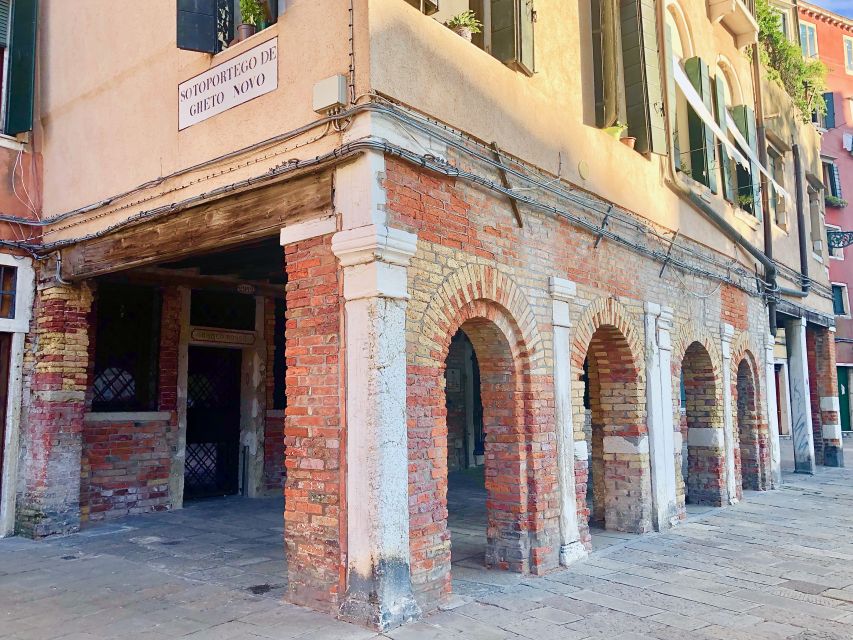
The tour sets you up for deeper independent exploration. After the walking portion, it’s possible to visit the Jewish Museum and synagogues separately, but entrance fees apply for those visits.
If you want an extra layer of atmosphere and a more reflective tone, consider the old Jewish cemetery on the Lido of Venice. It’s described as abandoned in the 18th century, and notable writers—Goethe, Byron, and Shelley—were said to be fascinated by its melancholy beauty. Even if you’re not usually a cemetery person, this is the kind of stop that can make the broader history feel more personal.
What the guide gets right (and why you’ll feel it in your shoes)
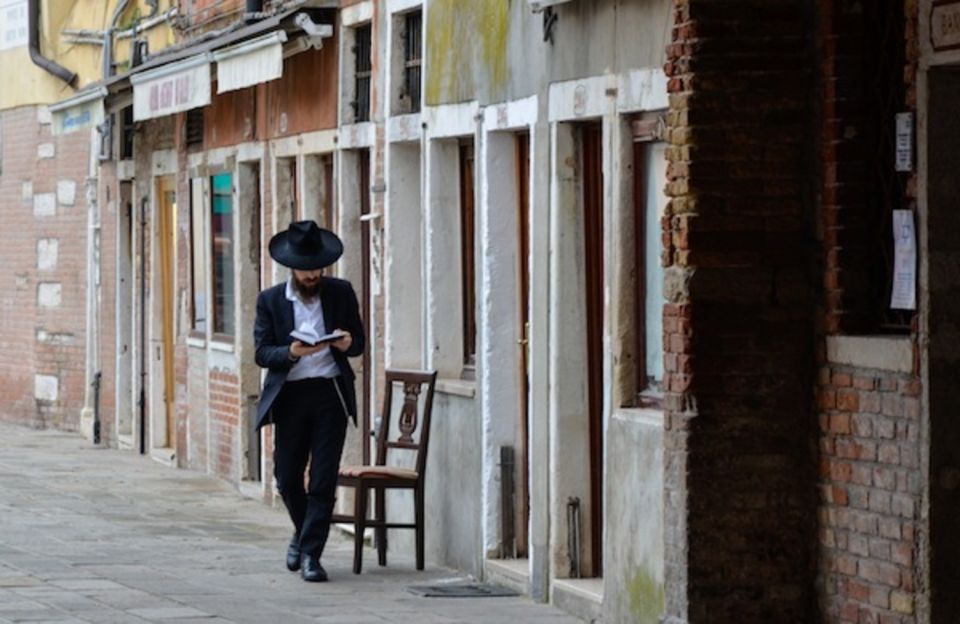
The strongest praise tied to this tour is the guide quality. I’ve seen names like Clementia and Sergio highlighted for passion and clear storytelling.
That matters because this area needs context. The ghetto story includes policy decisions, community life, and centuries of change. Without a guide, it can become a set of stops you photograph and then forget the next day. With a good guide, you remember the logic of the place.
Another helpful point: guides have gone beyond the script by helping with practical needs like train ticket questions (including buying and validating). That kind of real-world assistance is rare, and it’s the sort of small support that can save you time later.
Who this tour suits best
This works especially well if you want:
- A focused two-hour day plan that still covers two big topics
- Art interest, particularly if you’re a Tintoretto fan
- Jewish history context delivered by a specialist guide
- A small-group pace that lets you ask questions
If you’re the type who likes to wander alone, you can still see this area independently. But you’ll be choosing between “freedom” and “interpretation.” This tour leans hard toward interpretation, which is usually what makes the experience stick.
Should you book this private tour of Cannaregio and the Jewish Quarter?
I’d book it if you want a smart, efficient way to understand what you’re looking at—especially at Madonna dell’Orto and inside the ghetto boundaries. The combination of Tintoretto landmarks plus Jewish history guidance is hard to recreate in a casual self-walk without doing extra homework.
I’d think twice if you’re trying to keep costs ultra-low, since entrance fees for Madonna dell’Orto and any optional museum/synagogue visits are extra. Also, if your trip lands on a Saturday, remember the tour doesn’t run that day, and many local sites close.
FAQ
How long is the Venice Cannaregio and Jewish Quarter tour?
The tour lasts 2 hours.
How large is the group?
It’s a small group limited to 6 participants.
Where do we meet the guide?
You meet at Campo San Bortolomio, in front of the statue of Goldoni (a 1-minute walk from the Rialto bridge). The address is Campo San Bortolomio, Rialto 5282, 30124, Venice, Italy.
What languages are offered for the live guide?
The guide speaks Spanish, English, German, Italian, and French.
What are the main stops on the tour?
Stops include Campo San Bortolomio, Campo dei Mori, Madonna dell’Orto, Sant’Alvise Church, and the Jewish Ghetto. It finishes at Ghetto Ebraico.
Is the Madonna dell’Orto Church entrance fee included?
No. Entrance fees to Madonna dell’Orto Church are not included.
Are the Jewish Museum and synagogue entrance fees included?
No. Optional visits to the Jewish Museum and synagogue are possible, but entrance fees must be paid separately.
Does the tour run on Saturdays?
No. The walking tour does not take place on Saturdays, and synagogues and most shops in the area are closed.
Is the tour wheelchair accessible?
No, it is not wheelchair accessible.
Can I cancel for a full refund or pay later?
Yes. You can cancel up to 24 hours in advance for a full refund, and you can reserve now and pay later.