Venice is too big for a scattershot day. This tour keeps you moving through the classics like the Rialto Bridge and the Doge’s Palace area, while a good local guide tries to sprinkle in quieter streets and real-city context, not just postcard lines. I also like the built-in focus on explanations and advice you can use right away, like where to eat and how to get your bearings. One drawback to consider: if you’re hunting for lots of true detours into lesser-visited spots, the loop can feel a bit more “highlights-first” than you hoped.
You get a 2-hour walking format that’s meant to be paced for people, with photo stops and comfortable restroom breaks. And if you choose the private option, you’re not stuck with a rigid script—you can shape the route and pace around what you care about most.
It can vary a bit depending on the guide. In the reviews, I saw praise for guides like Fabio (very friendly, with strong recommendations) and Maria (helpful with navigating Venice from different angles and adapting to timing), plus Ouisem for precise commentary. In one case, a guest was disappointed because the guide didn’t send promised follow-up info—so I’d suggest you ask what kind of post-tour info you should expect, if any.
In This Review
- Key Points Before You Go
- How This 2-Hour Venice Walk Actually Helps You
- Meeting at Campo S. Bortolomio Near Carlo Osvaldo Goldoni
- Rialto Bridge: The View, the Function, and the Stories
- Teatro La Fenice: Why an Opera House Matters in Real Life
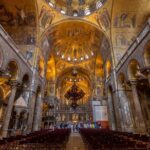
- St. Mark’s Basilica: What You’ll Learn in the Lines
- Doge’s Palace and the Bridge of Sighs: Power Meets Poetry
- Venetian Arsenal: A Different Venice Angle
- What You Get for $29: Value That Depends on Your Guide
- Tips to Get More From the Walk (Without Overthinking It)
- Who Should Book This Tour?
- Should You Book This Guided Venice Highlights Walk?
- FAQ
- How long is the Venice guided walking tour?
- Where does the tour start?
- What are the main sights included?
- Is food and drink included?
- What languages are the guides available in?
- Is this tour wheelchair accessible?
- Can I choose a private tour?
- Do you help with booking tickets?
- What is the cancellation policy?
Key Points Before You Go
- A tight loop of major sights in just 2 hours including Rialto, Teatro La Fenice, St. Mark’s Basilica, Doge’s Palace, the Bridge of Sighs, and the Venetian Arsenal area
- Practical guidance beyond monuments like getting your bearings and being pointed to places to eat (when your guide is on it)
- Photo stops and planned restroom breaks so the walk stays enjoyable instead of turning into a sprint
- Private and customizable option if you want the tour to match your pace and interests
- Multiple languages and wheelchair access make it easier to join without stress about communication or mobility
- Expect more highlights than deep side-alleys unless you specifically ask your guide to steer you off the busiest paths
How This 2-Hour Venice Walk Actually Helps You
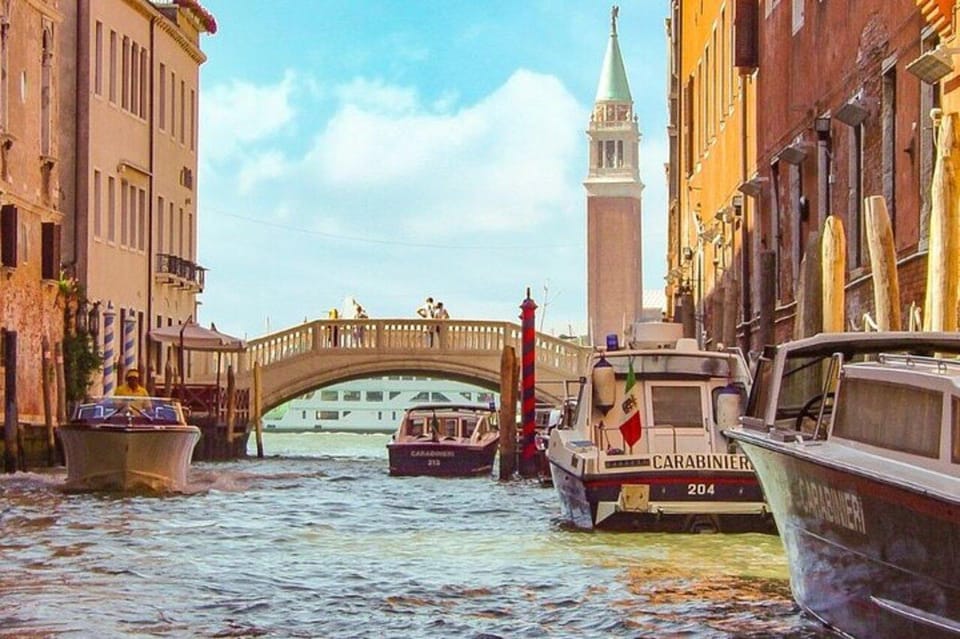
Venice can overwhelm you in minutes. The streets twist, the crowds spike, and every corner looks like it belongs in a movie. This tour works because it’s designed as a focused walk rather than a full-day marathon.
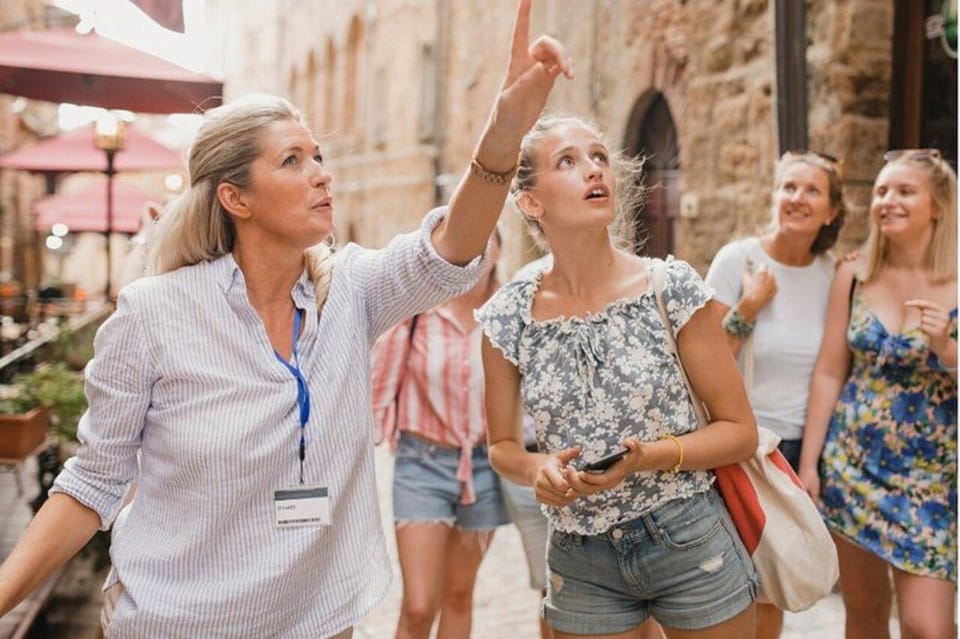
I like that the experience is guided and structured around major landmarks, because that saves you the time of figuring out what’s worth your energy on your first visit. You also get built-in chances to ask questions at the moments when your brain is already engaged—right when you’re standing in front of the place. That’s when answers stick.
The other reason this format is good value is simple: you’re paying for the guide’s local context. Reviews call out guides being friendly and helpful with getting oriented, and some guides even point you toward where to eat. That kind of advice can easily be worth more than the cost of the tour if it helps you avoid tourist-trap meals and pick something genuinely convenient.
You can also read our reviews of more walking tours in Venice



Meeting at Campo S. Bortolomio Near Carlo Osvaldo Goldoni
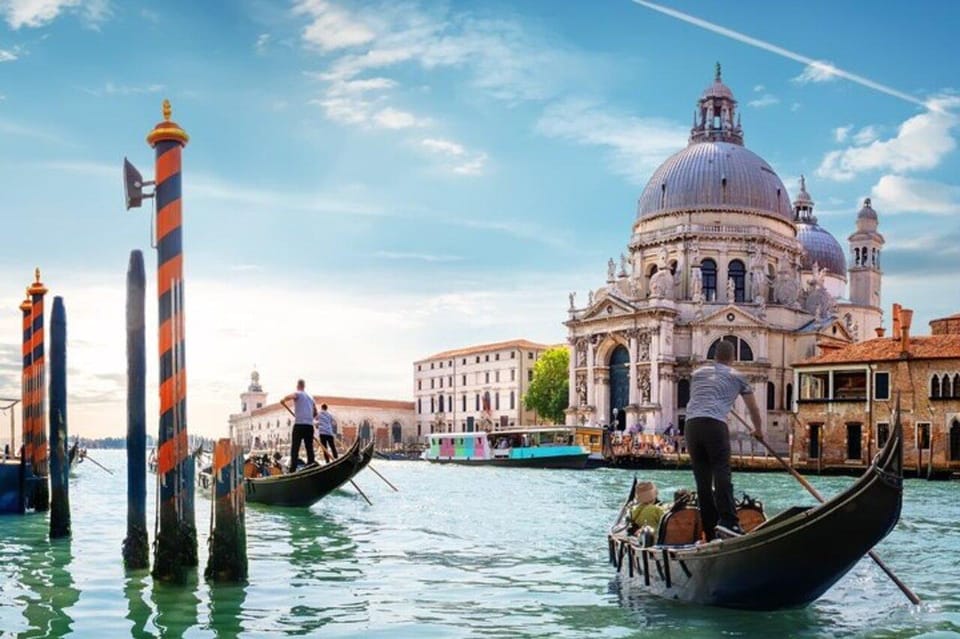
Your tour starts at Campo S. Bortolomio, 5313, near the Carlo Osvaldo Goldoni statue. I like this because it keeps you from starting in a chaos zone far from everything. You’ll begin the walk with the guide already setting the tone and steering your orientation early.
This matters in Venice. The fastest way to have a bad day is to waste time walking in circles while everyone else already knows where the action is. Having a guide at the start helps you build a mental map quickly—what connects to what, which directions to choose next, and how the big landmarks relate to each other.
One more practical note: bring comfortable shoes. Two hours sounds short, but Venice is all uneven paving and constant turning. If you’re not used to walking on stone and bridges, you’ll feel it by the second hour.
Rialto Bridge: The View, the Function, and the Stories

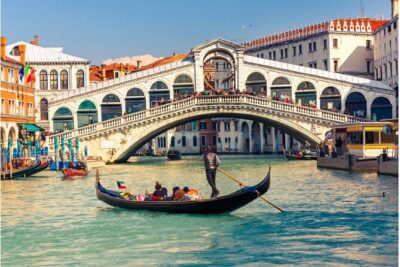
Rialto Bridge is the obvious first stop for a reason: it’s a visual anchor and a historical checkpoint rolled into one. Standing here with a guide can change how you see it. You’re not just taking a photo—you’re learning why it matters and how Venice’s layout influenced daily movement.
What I’d expect from a good guide at this moment:
- A quick framework for the area so you can understand what you’ll see next
- Context that connects the bridge to the city’s larger system
- Time to take pictures without feeling rushed
The trade-off is also clear. Rialto is always crowded, so you may spend some time shoulder-to-shoulder with other visitors. Your best bet is to watch how your guide handles spacing—some guides time movement to keep the flow smooth, while others get stuck in the densest spots.
If you’re looking for “quiet Venice,” this isn’t that stop. It’s the launch pad.
Teatro La Fenice: Why an Opera House Matters in Real Life
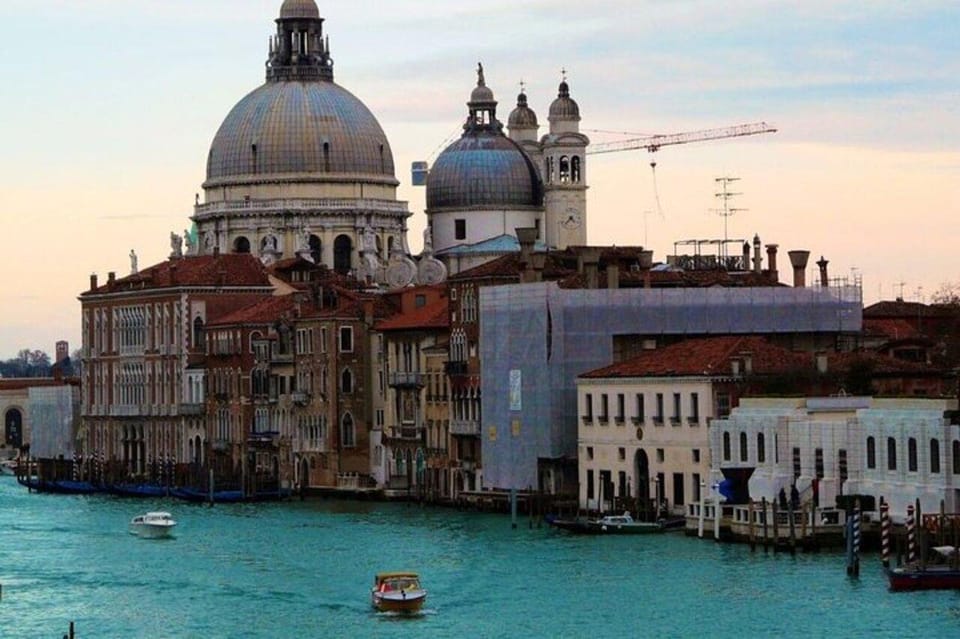
Next up is Teatro La Fenice, a landmark that can feel like background noise if you don’t know how to read it. With a guide, you start seeing the theater as more than architecture. You understand why it’s tied to Venice’s identity and public life.
This stop is valuable because it broadens the tour beyond churches and palaces. Venice wasn’t only about religion and government—it was also about culture, spectacle, and civic pride. Teatro La Fenice helps you connect those dots without needing to become an opera expert.
Two practical benefits here:
- It breaks up the “crowd intensity” from the bridge area
- It gives you a different kind of story to carry into the next stops
A possible drawback? If you don’t care about opera or theater at all, you might find this chapter lighter than the rest. Still, even a casual interest can pay off when your guide ties it back to Venice as a living city, not just a museum.
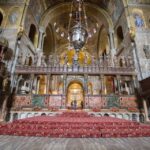
St. Mark’s Basilica: What You’ll Learn in the Lines
St. Mark’s Basilica is one of those places where people rush in for the wow factor, then leave with a blur of details. A guided stop helps you slow down mentally so you can actually register what you’re seeing.
Your guide will cover the cultural significance of the Basilica and explain what makes it important to Venice’s story. That’s what changes the visit: you start noticing patterns and themes instead of just reacting to scale and decoration.
Photo-wise, you’ll likely get the chance to capture the classic views. In Venice, that’s half the job. But the more useful half is when the guide helps you understand what you’re photographing so the pictures mean something later.
One consideration: St. Mark’s is a magnet. Even with a guide, you’ll need patience. If you’re sensitive to crowds, lean on your guide for the pacing—when they ask you to pause, it’s often to help you avoid the worst congestion.
You can also read our reviews of more guided tours in Venice



Doge’s Palace and the Bridge of Sighs: Power Meets Poetry
Doge’s Palace is where Venice’s political life shows up in stone. The guide’s job here is crucial, because the building is so packed with meaning that it’s easy to feel lost. With explanations, you can connect the palace to the governance system and the city’s identity.
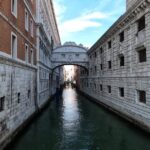
Then you move toward the Bridge of Sighs, which is both dramatic and symbolic. It’s the kind of stop that can become a cliché if you don’t get context. But when your guide explains what it represents and how it fits the palace story, it becomes more than a photo spot—it becomes a key to how the city worked.
Why this pairing works well in one walking section:
- Doge’s Palace sets the rules of the story (power and institutions)
- Bridge of Sighs gives you the emotional and narrative punch line
The one drawback to be aware of: these are popular areas, so expect lines and crowds. The tour is only 2 hours, so you don’t get the luxury of wandering slowly. Instead, your time is steered for maximum coverage, which is usually great on a first pass through Venice.
Venetian Arsenal: A Different Venice Angle
The final major highlight is the Venetian Arsenal. This is where the tour’s value can surprise you. If your Venice experience is mostly churches and grand façades, the Arsenal adds a new angle: Venice as a city built on industry and maritime power.
Your guide will bring the area to life with stories and explanations. I like this ending because it makes the whole tour feel more complete. You finish not only seeing what Venice looks like, but also understanding why it mattered in practical terms.
One caution: the Arsenal stop may feel different from the rest of the route. It’s not a single-icon photo moment the same way St. Mark’s is. Instead, it rewards attention to details and the guide’s framing. If you ask questions, you’ll likely get more out of it.
Also, because this is near the end of a short tour, you’ll want to keep your energy up. If you’re the type who runs out of stamina after the busiest sights, use the restroom breaks when offered and take the short photo moments instead of trying to maximize every single angle.
What You Get for $29: Value That Depends on Your Guide
At $29 per person for a 2-hour walking experience, you’re mostly paying for two things:
1) access to a real person who knows how to interpret Venice quickly
2) help getting oriented so you can keep exploring after the tour
That’s why the guide quality matters. In reviews, Fabio was praised for being friendly and for showing guests where to eat. Maria received credit for helping people understand Venice from different points of view and adapting to schedules. Ouisem got shout-outs for precise commentary, and some guests simply described the guide as super.
On the other hand, one review criticized the experience for not seeing many lesser-known areas and another guest felt disappointed about promised information not being shared after. Those comments don’t mean the tour is bad—they mean your expectations should match the format. This is highlights-forward, with “unknown areas and venues” as a bonus when time and pacing allow.
A smart move before you start: tell your guide what you care about in one sentence. If you want more side streets, say it early. If you want less time in crowds, say it early. For the private option, customization is explicitly available, which is where you can really steer the experience.
Tips to Get More From the Walk (Without Overthinking It)
Here’s how to make this tour pay off, even if you’ve seen Venice photos for years.
First: come ready to ask questions. The tour ends with a chance to engage and deepen your understanding of Venice’s past and present. Use that time. Ask what you should see next on your own, and ask what to avoid if crowds get intense.
Second: use the photo opportunities strategically. Your guide will likely create moments to stop and capture views against Venetian splendor. Don’t try to shoot everything from the same angle. Take a few photos, then turn your attention back to what the guide is saying.
Third: plan your footwear like it’s a small adventure. Comfortable shoes aren’t optional here. The pacing is walking heavy, and Venice paving can be unforgiving.
Finally: if you’re hoping for written follow-up info, ask about it at the start. One review mentioned disappointment when promised info wasn’t sent. You don’t need to assume it will happen; just clarify what you’ll receive during or after the tour.
Who Should Book This Tour?
This guided walk is a strong fit if:
- You want a first-visit Venice plan that covers major sights in a short time
- You appreciate explanations and local advice, not just sightseeing snapshots
- You’d rather ask questions than wander without a map
- You prefer a structured 2-hour format with restroom breaks built in
Consider another option if:
- You mainly want small, quiet streets and off-the-beaten-path wandering for its own sake
- You’re the kind of traveler who wants deep time in one site rather than coverage across multiple landmarks
The private option is especially good for people who have specific interests, different pacing needs, or want to reduce the group feel. It’s also a good choice if you want your guide’s advice focused on your next steps.
Should You Book This Guided Venice Highlights Walk?
Yes, I’d book it if you want a fast, guided “big picture” Venice that helps you hit the major landmarks while still getting practical orientation for the rest of your trip. At $29, the price makes sense when the guide helps you understand what you’re looking at and gives you usable tips like where to eat and how to navigate efficiently.
Book it with realistic expectations: it’s a short route built around famous stops, with lesser-known moments added when possible. If you want that side-street experience, bring your interests to your guide early.
FAQ
How long is the Venice guided walking tour?
The tour lasts 2 hours.
Where does the tour start?
Meet your guide near the Carlo Osvaldo Goldoni statue in Campo S. Bortolomio, 5313.
What are the main sights included?
The tour includes Rialto Bridge, Teatro La Fenice, St. Mark’s Basilica, Doge’s Palace, the Bridge of Sighs, and the Venetian Arsenal.
Is food and drink included?
No. Food and drinks are not included.
What languages are the guides available in?
The live guide is available in English, French, Italian, and Spanish.
Is this tour wheelchair accessible?
Yes, it is wheelchair accessible.
Can I choose a private tour?
Yes. Private group options are available, and private tours can be customized.
Do you help with booking tickets?
Yes. The team can help you book tickets for the desired visits.
What is the cancellation policy?
You can cancel up to 24 hours in advance for a full refund.