REVIEW · VENICE
Venice: 1-Hour The Doge’s Palace Tour
Book on GetYourGuide →Operated by Venice Events srl · Bookable on GetYourGuide
One glance at the palace and you get why Venice mattered. This Doge’s Palace tour is built to move fast through the political heart of the Republic, with expert guidance, major sights, and a clear route that ends at the prisons. Two things I really like: you skip the ticket line and you get the full story arc, from the halls of power to the cells. One thing to consider is pacing—if crowds or timing make you feel rushed, you’ll want to arrive early and go in with a plan.
You start in Piazza San Marco area, then step inside to see the Golden Staircase and the rooms where the Doge and council ruled. The Bridge of Sighs stop ties the art and architecture to something more human: what happened to people after their last view of Venice. The potential drawback: it’s not for anyone who needs step-free access, and there are baggage limits inside the palace.
In This Review
- Key points before you go
- Why this 1–2 hour Doge’s Palace plan makes sense in St. Mark’s Square
- Meeting at Calle larga de l’Ascension: the small details that prevent stress
- Skip the ticket line: what you gain (and what you still should expect)
- First inside: the courtyard and Golden Staircase moments you’ll remember
- Sala del Maggior Consiglio: the Hall of the Great Council in real life
- Tintoretto’s largest oil painting: art as political messaging
- The Bridge of Sighs: why Byron’s line still shapes the tour
- Prison visit and the route to Carta Gate: the story gets darker
- What’s included: museum access you can actually use
- Timing, high tides, and why your plan should be flexible
- Languages and guide style: what works best for you
- Who this Doge’s Palace tour suits best (and who might want another plan)
- Should you book this 1-Hour The Doge’s Palace Tour?
- FAQ
- Where is the meeting point?
- How early do I need to check in?
- How long is the tour?
- Do you really skip the ticket line?
- What languages are the live guides available in?
- Is the tour wheelchair accessible?
- Are backpacks or luggage allowed inside?
- What happens if it rains or if there are high tides?
Key points before you go
- Skip-the-line entry at Doge’s Palace saves real time in St. Mark’s Square
- Golden Staircase + state rooms give you the power-and-prestige story quickly
- Tintoretto’s huge oil painting is a highlight you’ll want to see up close
- Bridge of Sighs to the new prisons connects Venice’s politics to its punishment system
- Often small groups can make the guide feel more like a conversation than a lecture
- Finish at Carta Gate and decide if you want to keep exploring afterward
Why this 1–2 hour Doge’s Palace plan makes sense in St. Mark’s Square
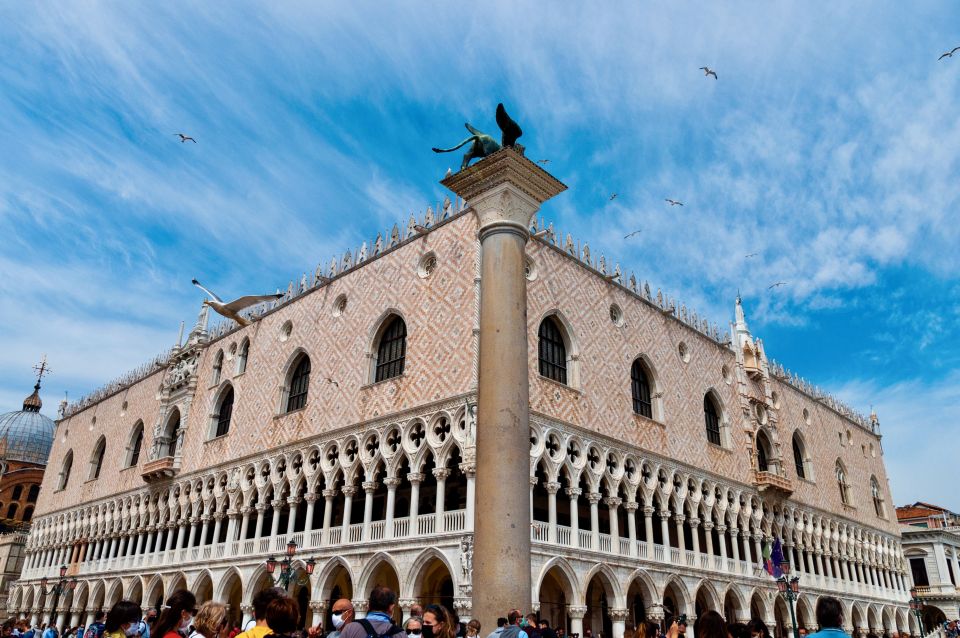
If you only have a short window in Venice, Doge’s Palace can feel like a big ask. This tour is sized for that reality—about 1 to 2 hours—so you get the essentials without spending your whole day in a ticket queue. It’s also practical: you start near Piazza San Marco, where the palace dominates the scene, and the route is designed to keep you moving.
The big value here is context. Doge’s Palace isn’t just a pretty building with famous paintings; it was the command center of a state. A guided visit helps you connect the architecture, the ceremonial spaces, and the prison side, so you’re not just collecting sights—you’re understanding the system.
You can also read our reviews of more tours and experiences in Venice



Meeting at Calle larga de l’Ascension: the small details that prevent stress
The meeting point is 15 minutes before your scheduled start time at Calle larga de l’Ascension (behind the Correr Museum), on the side opposite St. Mark’s Basilica. Look for the TURIVE assistant next to the post office San Marco. Using that as your anchor helps, because the palace area is full of turns that look the same when you’re squeezed by crowds.
Bring the basics and leave the extras. No luggage or large bags are allowed, and backpacks aren’t permitted inside the palace. That matters because Venice trips often tempt you to carry everything—water, camera gear, extra layers. For this one, travel light and plan on buying a drink after you’re inside if you need it.
Also note the tour operates rain or shine, so a compact rain layer is worth it. And if high tides are an issue, your plan can shift.
Skip the ticket line: what you gain (and what you still should expect)
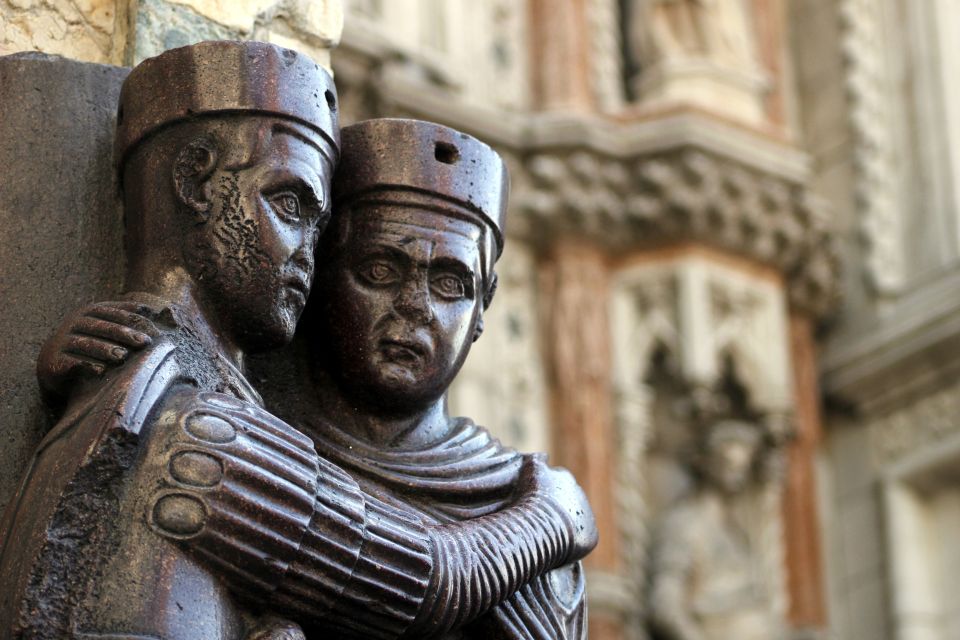
“Skip the line” is more than marketing in a place like this. Doge’s Palace is a magnet, especially in peak hours, and a reserved entry route means you spend less time standing and more time looking. The tour includes skip-the-line entrance to the palace, plus admission fees for the palace and the St. Mark’s Square Museum network (including the Correr Museum, Biblioteca Marciana, and Archaeological Museum).
Even with skip-the-line access, you’re still entering a historic complex with security checks and crowd flow. The smartest move is to show up early enough to stay calm. That 15-minute check-in window isn’t busywork—it’s your buffer.
First inside: the courtyard and Golden Staircase moments you’ll remember
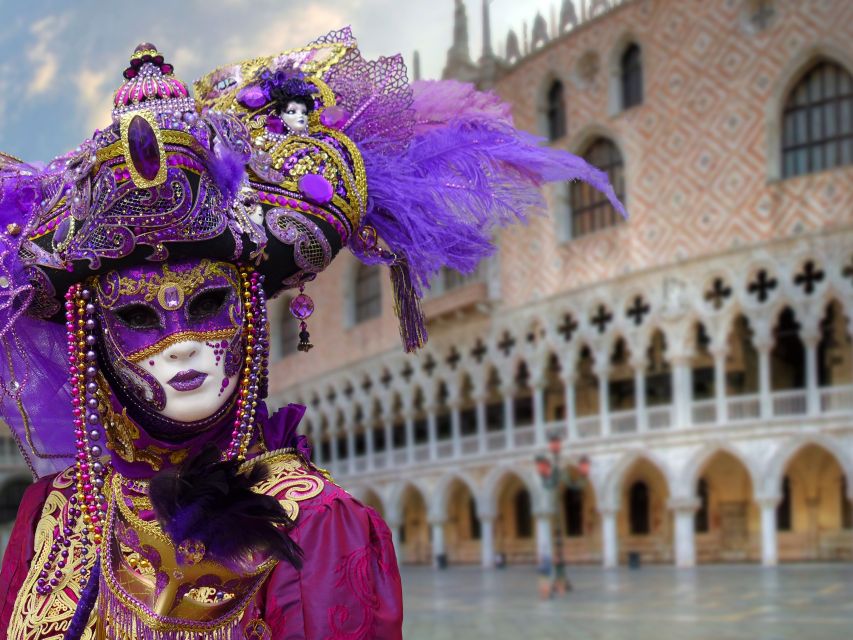
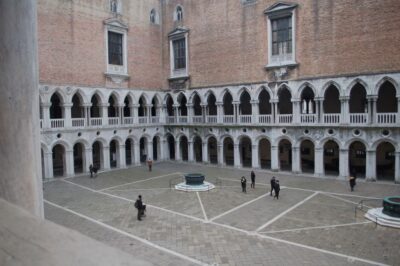
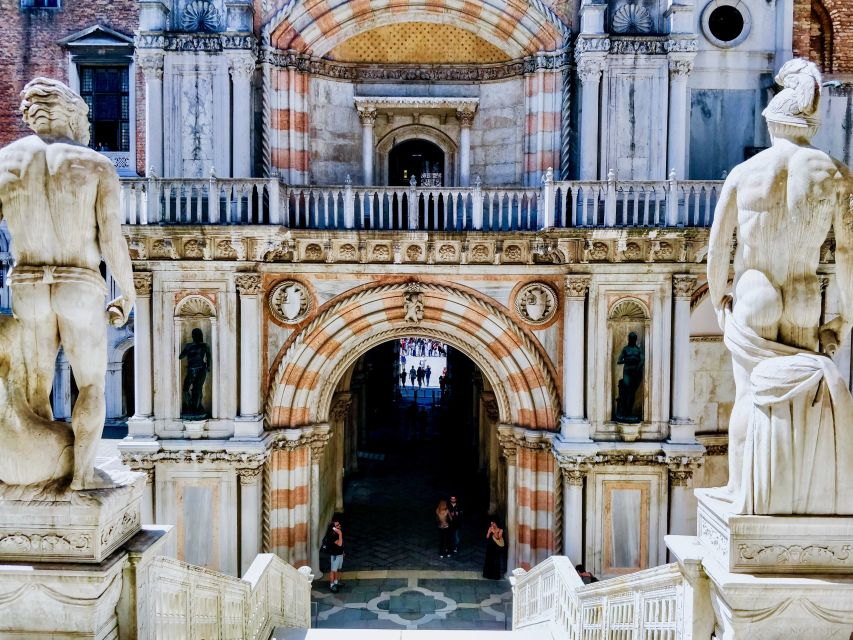
Once you’re past the entry, you start with a classic Venice wow factor: the courtyard and the Golden Staircase area. This is where the palace shows off its idea of power—color, detail, and design that signals authority before you even reach the meeting halls.
The staircase is called Golden for a reason: it’s the kind of place where your eyes keep moving, and it helps set the tone for the rest of the visit. You’re not just seeing where people sat; you’re seeing how they wanted to look and feel while ruling.
If you love architecture, this is a strong opening segment. If you’re more interested in stories, it still works because the guide can connect this grandeur to how the Venetian Republic projected control.
Sala del Maggior Consiglio: the Hall of the Great Council in real life
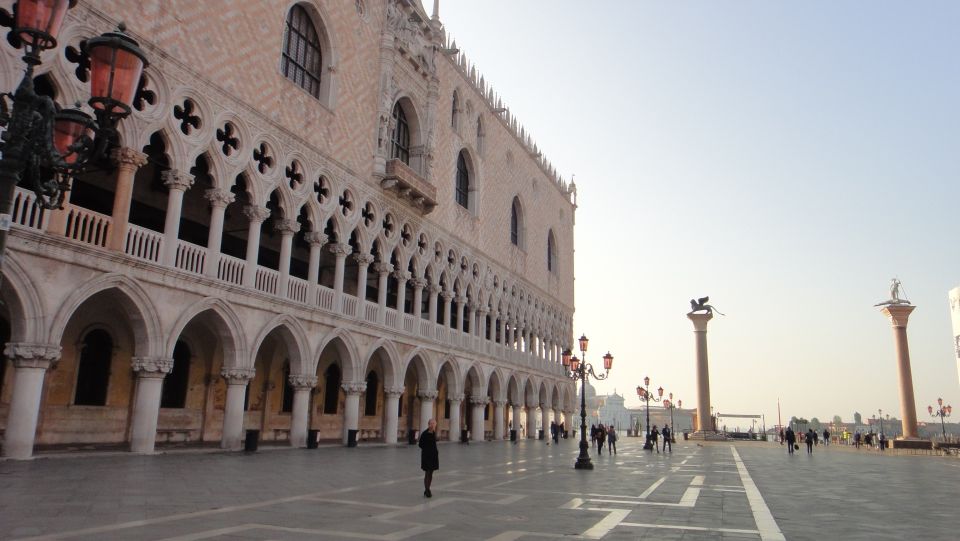
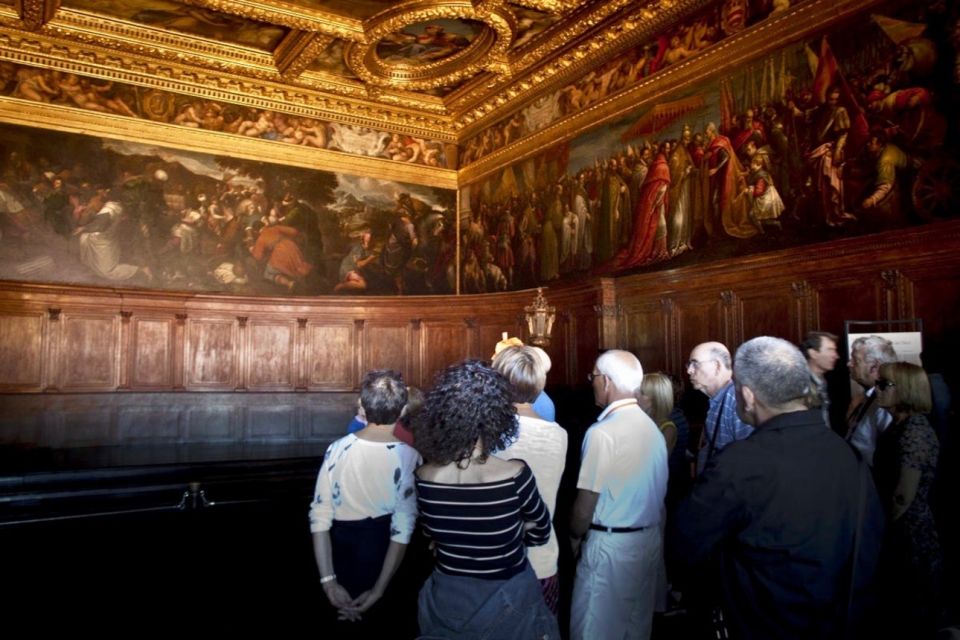
The tour includes time in the Sala del Maggior Consiglio, the Hall of the Great Council. This is one of those spaces that can feel overwhelming if you enter cold. The council chamber wasn’t built for quiet contemplation—it was a stage for decision-making, legitimacy, and public image.
Standing there with guidance turns the room into something more logical. You start to understand why power in Venice looked ceremonial, and how the council’s space shaped politics. The result is that your visit stops being a checklist and becomes a sense of how the system operated.
One practical note: the palace is large and you’ll be on your feet for short sections at a time. Wear comfortable shoes—this is not the time for fashion sneakers with zero support.




Tintoretto’s largest oil painting: art as political messaging
A major highlight is Tintoretto’s world’s largest oil painting, included in the palace visit route. It’s easy to think of art as decoration, but in a place like this, paintings were part of the state’s voice. The setting matters: you’re seeing Renaissance art embedded in spaces built for governance.
This tour gives you the chance to appreciate the painting with your guide’s framing, not just by reading a label. You’ll also benefit from the sheer scale—this is the kind of work where the details make more sense once you know what you’re looking at.
If you’re an art fan, don’t rush your viewing here. Pause, look up and scan, then let the guide explain what the painting is communicating. If you’re not an art fan, treat it like a story tool: art is how the palace educated and impressed people.
The Bridge of Sighs: why Byron’s line still shapes the tour
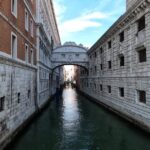
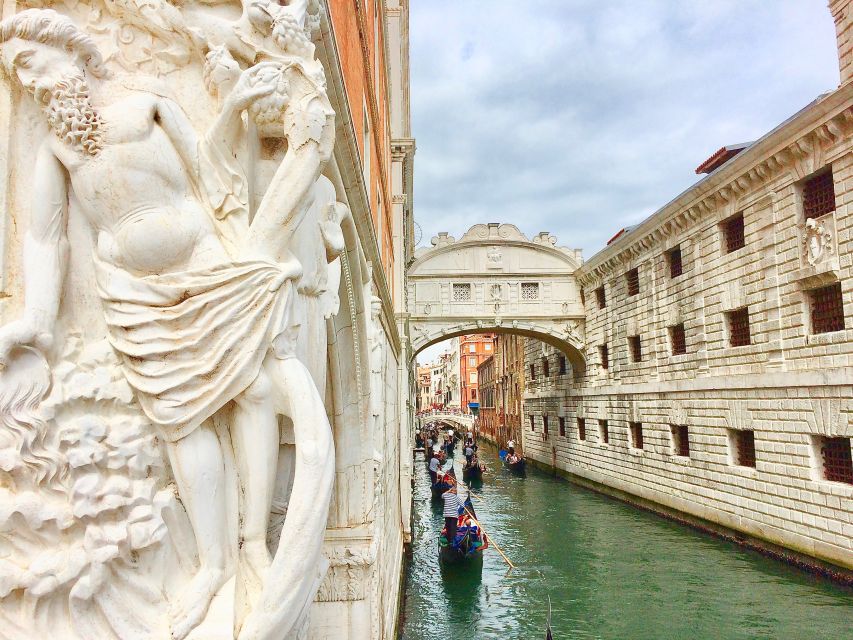
Then comes the Bridge of Sighs, linking the public/political areas to the prison side. The tour explains the name’s origin through Lord Byron, who associated the bridge with a final look at Venice before imprisonment.
That framing is useful because it turns the bridge into more than a photo spot. You start thinking about sight, movement, and control—how someone’s last view could be part of the punishment system’s psychological weight. It’s also one of the easiest “aha” moments in the whole visit because you can see the passage connecting two worlds.
If you like symbolism, this stop gives it to you fast. If you don’t, it still works because it’s a literal connection between rooms and consequences.
Prison visit and the route to Carta Gate: the story gets darker
After the bridge, you reach the prisons of the Doge’s Palace. This is where the tour’s narrative payoff happens: from decorated halls of rule to spaces meant to confine. The guide helps you connect what you learned in the council areas to the reality of detention.
The tour concludes in the courtyard of the Doge’s Palace, with the stated finish point at Carta Gate. That exit matters if you plan to keep walking afterward. You’ll want to have your next activity in mind, since leaving the palace area puts you right back into St. Mark’s Square circulation.
One tip based on how the palace ticket access can work: if you’re not done with the art and architecture, you may be able to keep exploring beyond the guided portion as long as you stay within the palace’s rules and areas. The main idea is simple—don’t assume the guided time is the only time you can look.
What’s included: museum access you can actually use
The tour includes admission fees not just for the palace, but also for major St. Mark’s Square Museums such as the Correr Museum, Biblioteca Marciana, and the Archaeological Museum. That’s value because it gives you a way to spread your interest over the rest of your day (or even the next one, depending on the museum access terms).
You’ll especially like this if you’re the type who needs a second pass to fully absorb a site. A well-placed recommendation from an earlier experience: the Correr Museum access can extend to the next day, making it easier to fit in without squeezing your Venice schedule to the minute.
So even though the guided part is short, the ticket can turn into a longer mini-program if you’re strategic.
Timing, high tides, and why your plan should be flexible
This tour runs rain or shine, but high tides can affect operations. Venice isn’t always predictable, and the palace area is sometimes impacted. If you’re traveling at a time when acqua alta is possible, consider keeping a bit of cushion in your schedule.
Also, be aware of the tour’s tight format. The palace is big, and when multiple guided groups move through, you may feel a little compressed. If that worries you, build in a buffer by arriving early and staying ready to stand, listen, and move.
The good news: the design of the tour is meant to help you get the core highlights without getting lost in details that aren’t essential to the story.
Languages and guide style: what works best for you
The live guide is available in English, French, German, or Italian. That matters because Doge’s Palace is loaded with names, functions, and political nuance. Listening in a language you’re comfortable with makes the whole experience click faster.
One guide style that tends to work well is clear, history-focused explanation with energy. For example, Loredana has been described as passionate and easy to follow, and a smaller group experience (around six people) can make questions and pacing feel more natural. You can’t count on group size every time, but the tour’s structure often supports an attentive feel.
If you’re someone who likes to ask quick questions, go with a group language you’re confident in—you’ll get more out of the time you have.
Who this Doge’s Palace tour suits best (and who might want another plan)
This is a strong choice if you want:
- A high-impact Doge’s Palace visit without committing half a day
- The key chain of sights: Doge’s Palace halls → Golden Staircase → council room → Tintoretto → Bridge of Sighs → prisons
- A guide who helps you connect art and politics
It’s not the best fit if you:
- Need wheelchair access (the tour is not wheelchair accessible)
- Plan to carry a backpack or large bag (these aren’t allowed inside)
For families and first-timers, the route is straightforward. For history fans, the council and prison pairing gives you something more meaningful than a standard palace stroll.
Should you book this 1-Hour The Doge’s Palace Tour?
I’d book it if your priority is value-per-hour and you want the palace story in a route that actually makes sense. At $79 per person for an entry-skip guided visit, the price feels fair when you consider you’re getting expert commentary plus admission to the palace and the St. Mark’s Square museum network.
Skip this one if you already know you need a slow, self-paced museum day, or if you’re traveling with mobility limitations or carry-on baggage that you can’t reduce. Doge’s Palace is too tight and important to visit in a way that stresses you out.
For most people doing Venice smart and time-aware, this tour hits the sweet spot: less queue time, more story time, and a finale that turns the palace into a real place with real consequences.
FAQ
Where is the meeting point?
You meet at Calle larga de l’Ascension (behind the Correr Museum, on the opposite side of St. Mark’s Basilica). The guide or assistant is listed as a TURIVE assistant next to the post office San Marco, about 15 minutes before the tour start.
How early do I need to check in?
Check in is 15 minutes prior to your booked tour start time.
How long is the tour?
The duration is listed as 1 to 2 hours.
Do you really skip the ticket line?
Yes. The tour includes skip-the-line entrance to the Doge’s Palace.
What languages are the live guides available in?
Live commentary is offered in English, French, German, Spanish, or Italian.
Is the tour wheelchair accessible?
No. This activity is not wheelchair accessible.
Are backpacks or luggage allowed inside?
No. Backpacks are not allowed inside the Doge’s Palace, and luggage or large bags are also not allowed.
What happens if it rains or if there are high tides?
The tour operates rain or shine. It may be affected in case of high tides.