Venice feels different when you skip the main drag. This 2-hour walk trades long lines for quiet neighborhoods and street-level stories you won’t get from a quick stop at Rialto. You’ll connect daily life today with the city’s big turning points, from the word ghetto to how locals moved around by canal.
What I like most is the focus on going where people actually live. You’ll get a feel for Cannaregio’s calm canals and footbridges, then move into Venice’s Jewish Quarter with context you can carry through the rest of your trip. I also really appreciate the “small group” setup, with a cap of 15, so questions feel normal, not rushed.
One watch-out: this is still a walking tour with multiple short stops, and it can include longer story moments. If you’re craving nonstop motion, plan to bring patience for talk breaks and stick your feet ready for Venetian walking surfaces.
In This Review
- Quick hits before you start
- Why this “real Venice” route works
- Campo San Geremia: the calmer opening and its funny backstory
- Cannaregio’s footbridges and quiet canals
- Ghetto Ebraico: where the word ghetto starts
- Chiesa della Madonna dell’Orto: Tintoretto and the original floor idea
- Palazzo Mastelli del Cammello: the “Camel House” legend
- Squero dei Muti: seeing gondola history in plain sight
- Ponte Chiodo: the Republic’s original bridge connection
- Rialto Bridge and the Grand Canal story finish
- Campo San Giacomo di Rialto and the old trade heartbeat
- Price and value: what $47.16 buys you
- Guides, pace, and what to expect from the talking parts
- Who should book this walk
- Logistics that can make or break your morning
- Should you book The Real Hidden Venice?
- FAQ
- Where does The Real Hidden Venice tour start?
- Where does the tour end?
- How long is the tour?
- How big are the groups?
- Is the tour offered in English?
- Are any entrances included?
- What’s included in the price?
- Do I need a mobile ticket?
- Is there an access fee to Venice on certain dates?
- What if the weather is bad?
- Is this tour suitable for kids?
Quick hits before you start
- 15 max travelers (and private option), so your guide can answer questions without shouting
- Cannaregio to the Ghetto by footbridges, including a quick stop at the Rialto area finish
- A mix of famous and overlooked sights, from Rialto Bridge to the Squero dei Muti gondola workshops
- You’ll see art and architecture touchpoints, like the church of Madonna dell’Orto and the “Camel House” palace
- Ends near Ponte di Rialto, so you’re positioned to keep exploring right away
Why this “real Venice” route works
Venice can be either magical or exhausting, depending on where you spend your hours. This tour is built around a simple idea: start in calmer areas, learn how the city runs, then end at one of the most famous places so you can re-enter the scene with better understanding.
The route leans local in a way that matters. You’re not only admiring buildings. You’re learning how districts connect, why certain neighborhoods formed where they did, and how daily routines shaped Venice long before today’s cruise schedules.
And because you’re capped at 15 people, the stories land better. In a small group, your guide can point out details, explain why something matters, and keep the pace from turning into a shuffle through photo spots.
You can also read our reviews of more tours and experiences in Venice.
Campo San Geremia: the calmer opening and its funny backstory
The tour begins at Campo San Geremia, a picturesque square in Cannaregio. You get your first taste of the tour’s tone here: friendly, story-first, and focused on place.
Campo San Geremia might look like any “campo” on a map, but the guide is there to tell you its unusual, comic history. That does two useful things. First, it helps you stop treating Venice as one long postcard. Second, it gets you thinking about how Venice neighborhoods built their own identities—right in the middle of daily life.
Time here is short, about five minutes, so don’t expect lingering. Instead, treat this as your warm-up: listen, look around, and get your bearings before you cross into the more connected canal crossings.
Cannaregio’s footbridges and quiet canals
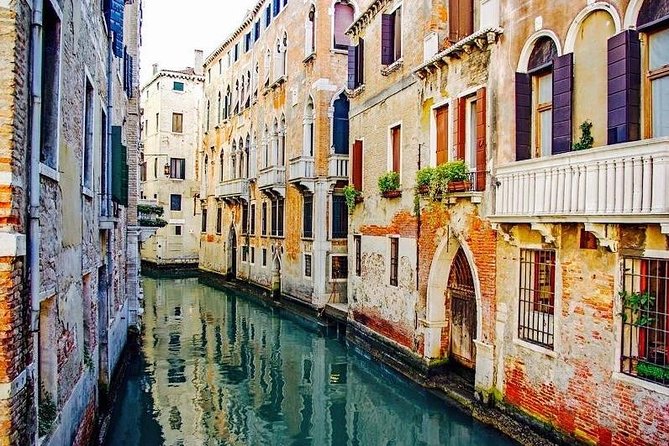
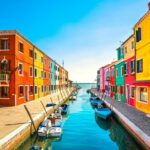
Once you leave the square, you’ll cross Cannaregio’s tranquil foot bridges. This is one of the best ways to experience Venice without getting swept into the busiest corridors. Bridges in Venice aren’t just shortcuts; they’re part of how people navigate the city at human speed.
The tour then spends about 30 minutes in Cannaregio. You get a chance to breathe, absorb canal views, and notice how the district feels more lived-in than tourist-packed. If you like photographing canals without a wall of bodies in every frame, this is where you’ll feel the payoff.
Practical tip: Venice streets can twist, and canal sightlines can trick your sense of direction. The small-group walking pace makes it easier to keep track of where you are as the route shifts from calm lanes to more historically significant ground.
Ghetto Ebraico: where the word ghetto starts
Next up is the Jewish Quarter (Ghetto Ebraico). The tour’s framing here is important: you’ll hear about the origin of the term “ghetto,” and you’ll explore this area with context rather than just sightseeing.
Time is about 15 minutes, so it’s not a deep academic seminar. But the guide’s job is to help you understand why this district matters in Venice’s story, and why that history still shows up in the city’s built environment and cultural memory.
This is also a place where the atmosphere can shift as you walk in. You’ll be near the church of the Madonna dell’Orto, and the tour uses that proximity to connect history with art and faith in one compact sequence.
Consideration: because this segment is meaningful, the guide may spend extra time explaining it. If you’re tired from travel, bring water and expect a bit more “listen closely” time than you would on a lighter photo-only stroll.
Chiesa della Madonna dell’Orto: Tintoretto and the original floor idea
The tour includes a stop at Chiesa della Madonna dell’Orto. The church is known for Tintoretto paintings, and the route also includes a look at the original floor of Venice in front of the church.
In the itinerary, admission to this stop is marked as not included, which means you may have to pay separately if you want to go inside. Still, even the exterior and the street-level details can be worth it if you like the texture of old Venice.
Why this stop works: it connects art to place. Venice isn’t just canals and facades. It’s also churches, patronage, and artists whose work became part of neighborhood identity. When your guide points out what to look for, the architecture starts to make sense fast.


Palazzo Mastelli del Cammello: the “Camel House” legend
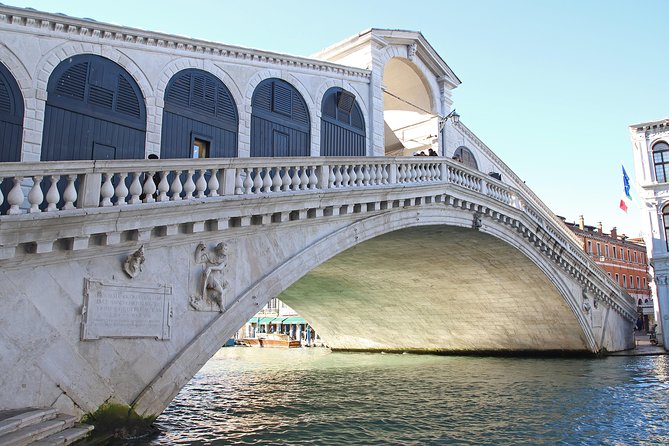
Then comes one of those Venice details you’d probably walk past without a guide. You’ll stop at Palazzo Mastelli del Cammello, a palace with a facade nickname: Camel House.
The tour gives you the legend behind that nickname, and that’s what makes this stop more than a quick exterior photo. Venice is full of buildings with stories attached, but you often only catch those stories if someone connects the physical look to the cultural reason it earned its name.
Time is very short here, about five minutes, so treat it as a quick satisfaction: you learn the story, notice the facade with fresh eyes, and move on.
Squero dei Muti: seeing gondola history in plain sight
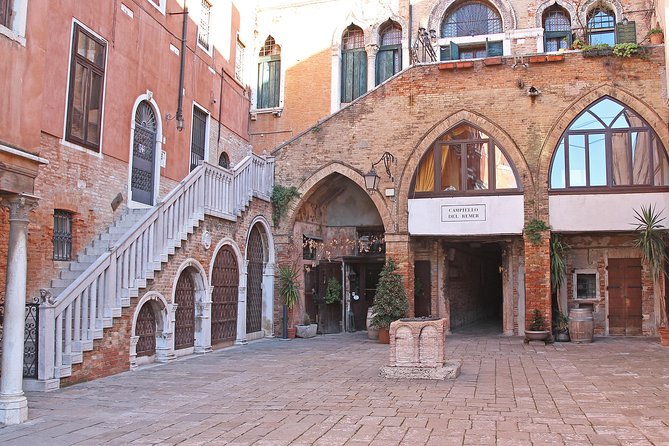
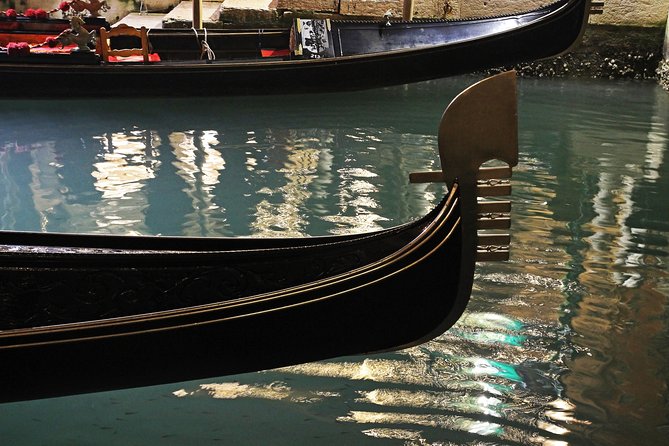
Next is Squero dei Muti, an old gondola factory. Even if you’ve seen gondolas before, it’s different seeing where they were traditionally made and maintained.
This stop lasts about five minutes. That brevity is intentional: it gives you a landmark moment without dragging the tour down. If you’re a design or craft person, you’ll likely enjoy how Venice’s water life is embedded in everyday infrastructure.
Small-photo tip: squeros and canal-adjacent workshops can be visually busy, so keep your camera handy but let the guide speak first. You’ll understand what you’re looking at sooner, which usually leads to better photos.
Ponte Chiodo: the Republic’s original bridge connection
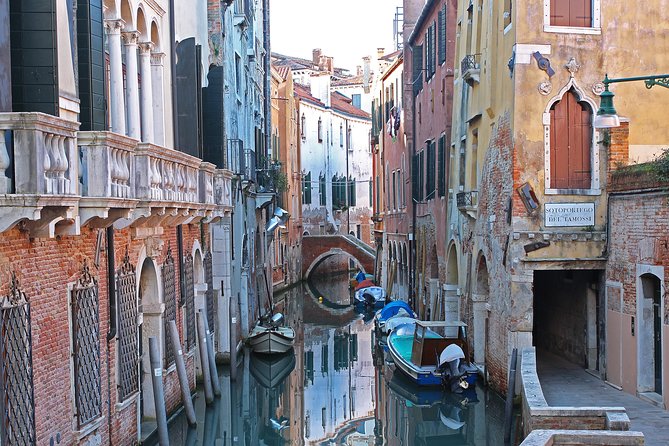
You’ll also see Ponte Chiodo, described as the original bridge of the Venetian Republic. It’s another “quick but meaningful” stop—about five minutes—meant to connect a bridge you can see right now to a story about how the city used to function.
Bridges in Venice are like punctuation. They mark transitions between districts, routines, and eras. When you know what a bridge represents, it stops being scenery and starts being navigation history.
If you enjoy architecture and urban planning, this is the kind of stop that quietly makes your later wandering more rewarding.
Rialto Bridge and the Grand Canal story finish
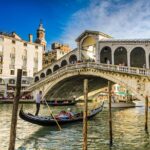
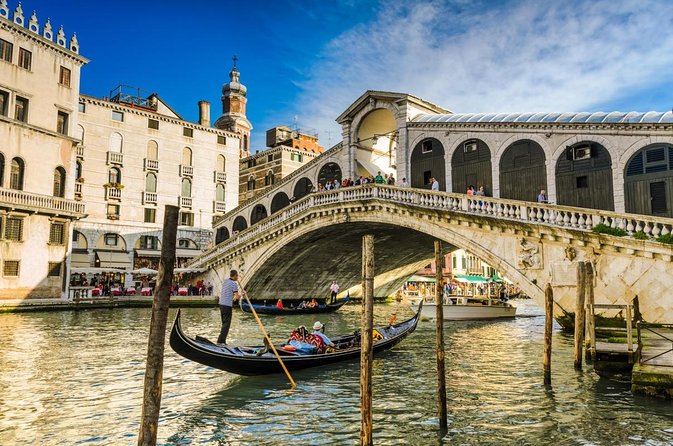
The route ends near Ponte di Rialto, with time to appreciate it. Rialto gets center stage for a reason: it’s one of Venice’s star landmarks, and your guide brings its 16th-century landmark background into focus.
This segment is about 15 minutes at Rialto Bridge. You’ll hear stories tied to the bridge’s traditions and legends, including the fact that it’s described as the first bridge built on the Grand Canal.
Even if you’ve seen Rialto on a previous trip, the payoff here is understanding what you’re looking at. Rialto is busy because it’s central. Once you know how it fits into Venice’s trade and civic history, it becomes more interesting than just crowds and souvenirs.
Campo San Giacomo di Rialto and the old trade heartbeat
After Rialto, the tour continues through the Rialto area with two more stops that help you feel the city’s pulse.
First: Campo San Giacomo di Rialto, described as the first lived island of Venice. Time is about 10 minutes. That’s not long, but it’s enough to set the “Venice started here” framing that turns a plaza into a historical anchor.
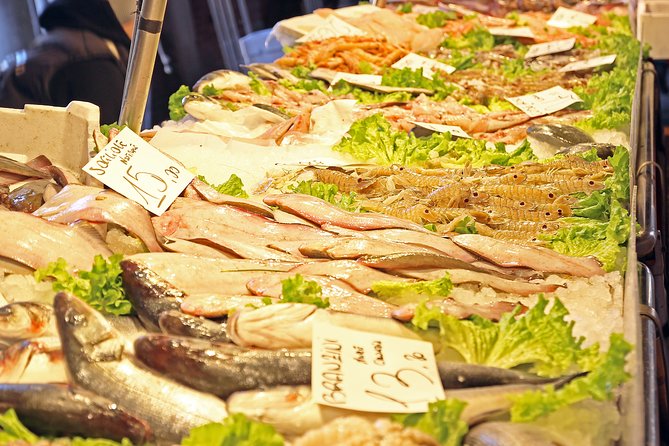
Second: Mercato di Rialto, the old trade center of the Venetian Republic. This takes about 15 minutes and is one of the most practical “how Venice worked” points on the walk. Trade shaped everything—streets, buildings, power. You’ll feel that logic as you look around.
If your plan is to keep exploring afterward, ending with these stops is smart. You’ll have a story thread in your head as you wander.
Price and value: what $47.16 buys you
At $47.16 per person, this is not a budget-only bargain, but it also isn’t priced like a full-day tour. You’re paying for a local guide, walking time (about two hours), and included items like a city map per person and local taxes.
The best value angle is the small group size. With a maximum of 15 people, your time doesn’t disappear into waiting. And because the tour connects lesser-known spots with a major landmark finish, you don’t waste your limited visit hours on only one side of Venice.
Look at it this way: you’re paying to convert “I walked past that” into “I understood why it’s there.” In a city where districts feel like separate worlds, that translation is the real product.
Guides, pace, and what to expect from the talking parts
The guides you might meet vary by date, but the approach shows up consistently in how people describe their experience. Guides like Mateo, Giovanni, Nico, Sebastian/Sebastiano, Georgia, Michelle, Thomas, and Nick are named in past groups, and the common theme is clear: they make history feel connected to today’s Venice.
You may also get extra practical recommendations at the end. Some guides have shared advice for lunch spots, and one guide even helped people figure out how to reach Murano by ferry after the tour.
Pace matters. Most stops are short, but the tour includes story blocks—especially around the Ghetto history. In one case, people felt the group stood too long for the amount of walking and the group couldn’t hear well. Your best move is simple: pick a spot near your guide when you stop, and don’t tune out just because the group is clustered.
Who should book this walk
This tour is a strong fit if you want:
- A first or second-day orientation to Venice that isn’t limited to St. Mark’s or Doge’s Palace
- Quiet canals and side streets instead of only the busiest corridors
- A guide to connect big history to small details like facade nicknames and old bridge meanings
It may be less ideal if you:
- Hate any historical discussion and just want fast photos
- Are extremely time-crunched and prefer a very short highlights loop
- Need step-free routing (the tour only says moderate physical fitness is required; it doesn’t claim full accessibility)
Also, it’s offered in English, and it’s a good choice if you want a real conversation rather than a lecture you can’t ask questions about.
Logistics that can make or break your morning
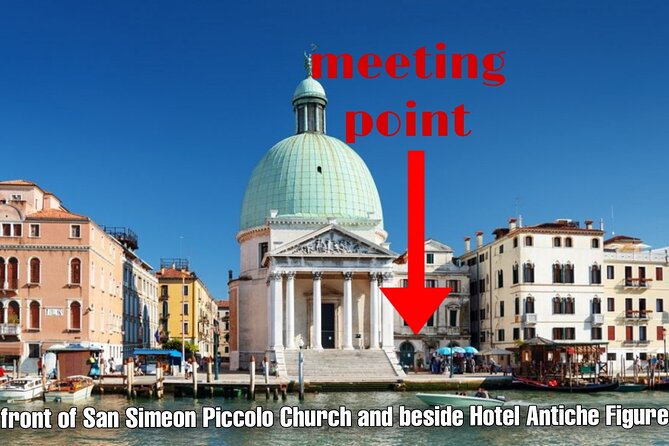
Start point is Hotel Antiche Figure in Santa Croce, near the Santa Lucia train station area, and the tour pickup is listed as in front of that hotel (check the booking notes carefully). The tour ends near Rialto Bridge, so you can immediately continue your day in the Rialto area.
You’ll get a mobile ticket and a city map, which is handy because Venice turns quickly. Bring the map out after the tour ends, not just at the start.
One more practical Venice detail: on certain dates, people staying outside Venice who are visiting for the day may need to pay a €5 access fee. You can check eligibility and dates at the official city page listed in the tour details.
Should you book The Real Hidden Venice?
If you want value that feels like real local time, I’d say yes. This tour is designed for people who like stories, enjoy walking, and want Venice beyond the obvious pins on the map. The route makes smart use of your limited hours by pairing quiet Cannaregio moments with the big-crowd finale at Rialto Bridge, so you leave both informed and well-positioned.
I’d especially book it if:
- You want a small-group experience that supports questions
- You care about the “why” behind places, not just the “what”
- You’re curious about the Jewish Quarter and Venice’s trade-and-republic history
Skip it if your top priority is pure speed and you’re not interested in stopping for explanations, or if you know you’ll struggle with the physical demands of a two-hour walk on Venetian surfaces. Otherwise, this is a solid way to see quieter Venice and still end at the landmark you’ll be hearing about all day.
FAQ
Where does The Real Hidden Venice tour start?
The tour starts at Hotel Antiche Figure, Santa Croce, 687 Fondamenta San Simeon Piccolo, near the Santa Lucia train station area.
Where does the tour end?
The tour ends near Rialto Bridge (Ponte de Rialto).
How long is the tour?
It’s approximately 2 hours walking.
How big are the groups?
The tour has a maximum of 15 travelers for the group option (and there is also a private group option).
Is the tour offered in English?
Yes, it is offered in English.
Are any entrances included?
Most stops are listed as free. Admission for Chiesa della Madonna dell’Orto is not included, so you may need to pay there if you want to go inside.
What’s included in the price?
Included items are a local guide, 1 city map per person, local taxes, and the walking tour time. Pickup is listed as in front of Hotel Antiche Figure per the booking info.
Do I need a mobile ticket?
Yes, the tour uses a mobile ticket.
Is there an access fee to Venice on certain dates?
Possibly. On certain dates, day visitors staying outside Venice may have to pay a €5 access fee. The tour lists the official city page to check dates and exemptions.
What if the weather is bad?
The experience requires good weather. If it’s canceled due to poor weather, you’ll be offered another date or a full refund.
Is this tour suitable for kids?
Children must be accompanied by an adult, and the tour recommends a moderate physical fitness level because it’s a walking route.