REVIEW · VENICE
Private Visit to Murano Glass Factory – Master Glassmaker – Unique Pieces
Book on Viator →Operated by Davide Accompagnatore Turistico - Real Local - Venice Boat Tours · Bookable on Viator
Venice asks you to move, and this tour gives you a very good reason to do it. You’ll travel by boat to Murano, get a guided look at how glass is made, and watch a master glassmaker work with glowing molten material. I like that it mixes classic craftsmanship with a real Venice route, not just a stop inside a shop. I also like that the pace is short enough for tight schedules, yet it still includes the hands-on magic moment.
The big thing to consider is the showroom side of the experience. You’ll likely be shown high-end pieces, and some people feel that the sales energy can get a bit intense if you’re not planning to buy. If you go in with a clear budget and the attitude of just enjoy the art, you’ll probably be fine.
In This Review
- Key highlights at a glance
- Murano glass, minus the usual junk-shop feeling
- Fondamente Nove start point and the cemetery-canal story
- Cruising Murano: the short island ring you can actually enjoy
- Inside the furnace visit: sand to finished glass
- The glass-blowing demonstration: where the craft becomes real
- Prosecco aperitif and the realistic water-day timing
- The showroom visit: how to enjoy it without feeling cornered
- Davide’s local approach and why it helps in Venice
- Price and value: what $48.12 really covers
- Who this tour is best for (and who should skip it)
- Practical tips before you go
- Should you book this Murano glass factory master visit?
- FAQ
- How long is the Murano glass factory tour?
- Is this a private tour?
- Where do I meet the tour?
- What language is the tour offered in?
- Is the boat ride included?
- Is prosecco included?
- Is there a showroom stop?
- Are there toilets on the boat?
- Is there an access fee for people staying outside Venice?
- What happens if the weather is bad?
Key highlights at a glance
- Private group experience: only your group participates, so you’re not stuck with strangers’ plans.
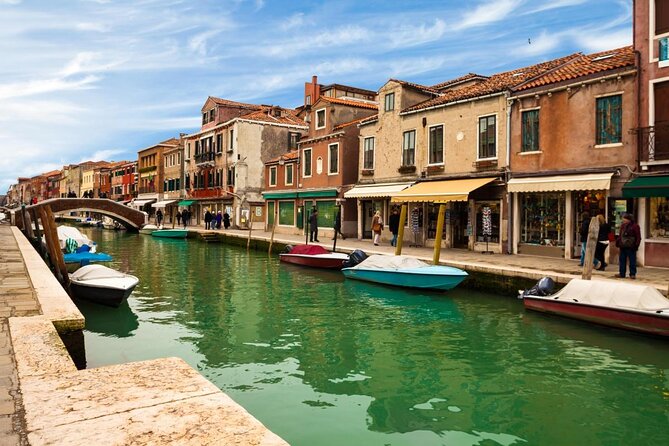
- Murano by boat: the trip starts at Fondamente Nove and includes a scenic circumnavigation portion.
- Furnace and glass-making process: from sand to finished works, with a guided walkthrough.
- Glass-blowing demonstration: you get to see intricate technique up close.
- Aperitif included: the Murano departure includes an aperitif with a complimentary glass of prosecco.
- Expect showroom time: there’s a gallery visit where prices are… let’s say, not souvenir-tier.
Murano glass, minus the usual junk-shop feeling
Venice has a lot of glass for sale. The tricky part is separating real craftsmanship from copycat display stock. This experience is built around visiting a factory environment—where glass is actually made—so you’re not only staring at finished objects behind glass counters.
You’ll also get a guide layer to the visit. That matters, because Murano glass isn’t just pretty shapes. It has a process, tools, heat control, and timing that explains why the results look the way they do. When you understand that basic workflow, even the most expensive pieces start to make emotional sense (and not just financial sense).
You can also read our reviews of more private tours in Venice
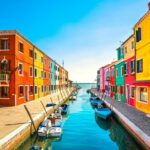

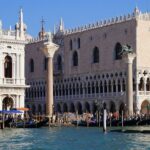
Fondamente Nove start point and the cemetery-canal story
You meet at Fondamente Nove (5039, 30121 Venice). From there, you’re off on the water right away. That’s a plus if you’re trying to do Venice efficiently: you’re not wandering across islands to find the right doorway.
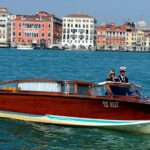
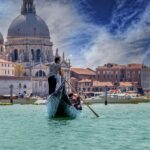
Before Murano, you have a passage in the opposite canal where your guide tells the story of the Venice cemetery. It’s a quick detour, but it gives context to the way the city uses water for everything—movement, access, and even memory. It also makes the start feel less like a generic transfer and more like a mini introduction to Venice beyond the postcard lanes.
Cruising Murano: the short island ring you can actually enjoy
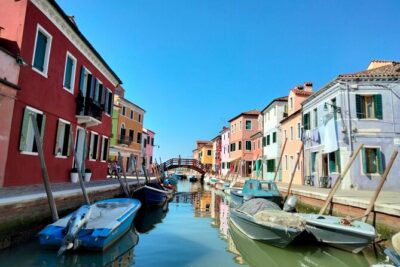
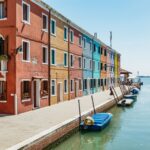
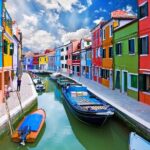
Murano isn’t huge, but it’s easy to miss its shape when you only do a quick walk through a shopping street. Here, you get a boat-based circumnavigation portion of the island. Even if it’s not the whole loop, it helps you orient yourself, and it sets the scene before you land.
On the way, the experience is built around the rhythm of water transport: stop, look, listen, then move. Venice is like that. If you love little narrative moments—where a guide points things out and explains what you’re seeing—this part tends to land well.
Inside the furnace visit: sand to finished glass
The heart of the tour is the factory side. Once you reach Murano, you’ll be welcomed by a glass factory guide and shown how glass is made—starting at sand and moving toward the finished product. That “sand-to-object” framing is one of the best ways to learn fast, because it keeps you from getting lost in decorative details before you understand the basic physics of glassmaking.
The furnace experience centers on the idea that Murano glassmaking has long traditions—built in workshops where heat, repetition, and skill are everything. You’ll also see how the process connects to what you see later in the gallery. When you watch a glowing demonstration afterward, you’ll be better at spotting what’s skill and what’s design.
If you’re hoping for a tour that’s all hands-on, you should know this is still a guided viewing experience. You’re watching and learning, not managing the tools. That’s still valuable, because you’re there to see how the process looks in real time.
The glass-blowing demonstration: where the craft becomes real
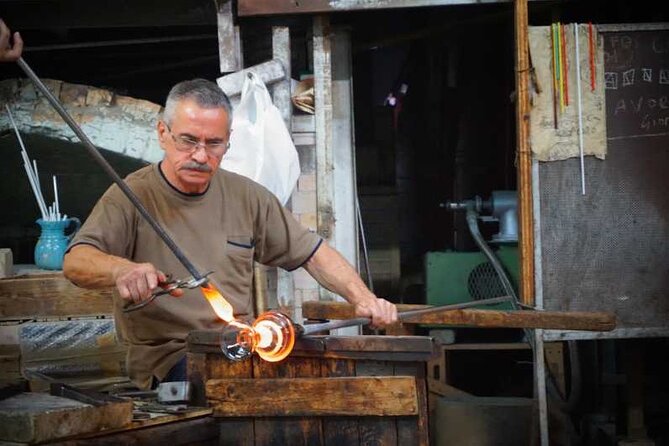
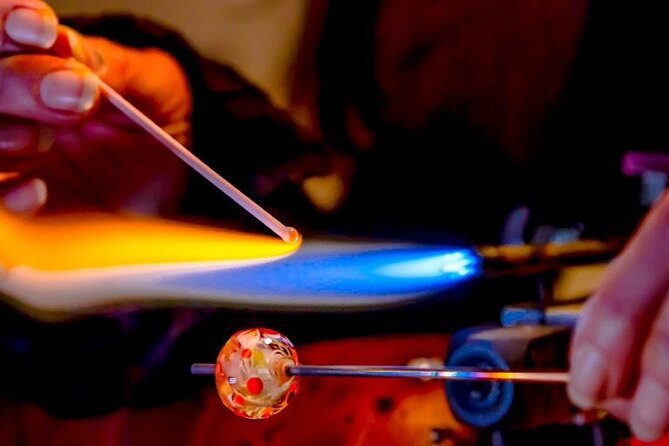
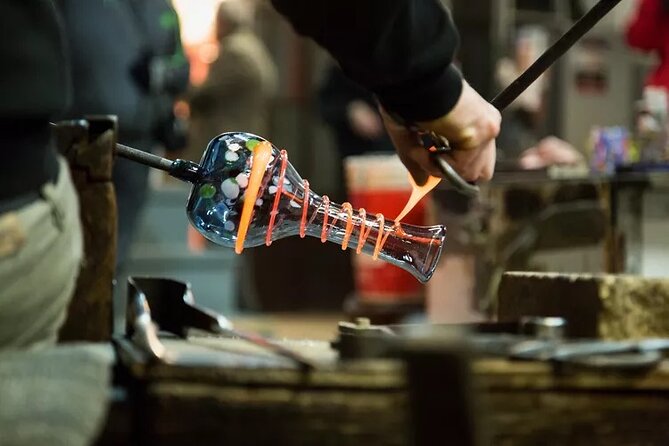
This is the moment most people remember: the demonstration of glassblowing into an intricate object. One reason this demo hits is that it’s not just a show. You’re typically seeing technique that requires control—timing, breath, rotation, and precision—where small changes affect the final form.
The tour description points you toward a guided visit that includes this demonstration, and the visit is meant to be more than passive watching. When it works well, you understand why the craft is demanding and why the results don’t look mass-produced even when they’re smooth and elegant.
A bonus is the human factor. In the feedback you’ll see names come up: Davide for the tour guiding and coordination, and Gian Luca mentioned as part of the visit inside the glassworks. Even without heavy technical explanations, a good guide turns what you watch into something you can describe later—without sounding like you’re reciting a label.


Prosecco aperitif and the realistic water-day timing
At departure toward the guided tour, you’ll have an aperitif with a complimentary glass of prosecco. In a city where day plans often spiral, a small included refreshment is a practical win. It also helps make the transfer feel like part of the experience, not a waiting room.
Plan your expectations around the time window. The overall duration is about 1 to 2 hours. That means it’s a short-format visit: you get the core experience without a long sit-down lunch.
Also, manage your bathroom timing. Based on feedback, there aren’t toilets on board during the boat portion. If you’re the type who likes to plan ahead instead of bargaining with fate, use facilities before you meet at Fondamente Nove.
The showroom visit: how to enjoy it without feeling cornered
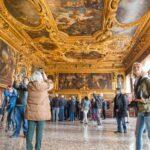
After the demonstration and the main factory tour, you’ll be taken to the gallery/showroom area. This is where the experience can split people into two camps.
If your goal is to admire and learn, this part can feel tense because high-end pieces are very much the focus. Some pieces have very high price tags—chandeliers mentioned at tens of thousands, and glassware sets at the lower thousand range. That doesn’t mean the visit is a scam. It means you’re standing in a place that sells what it makes.
The key is your mindset. If you’re not buying, decide that before you walk in. Then you can browse like an art visitor rather than a potential buyer. One strong theme from feedback is that you shouldn’t feel forced, but the social energy can get uncomfortable when the answer is no.
If you want a safety valve, you can talk early with your guide. Ask what’s important to see, then stick to the plan. If you treat the showroom as a museum with a gift shop attached, it becomes more enjoyable.
Davide’s local approach and why it helps in Venice
Davide Accompagnatore Turistico is the listed provider, working as a local with Venice Boat Tours. The best version of this tour has two jobs: moving you efficiently and giving you useful context.
From the feedback, Davide is often described as friendly, responsive, and flexible with schedules. One person even praised constant contact from booking onward. Another praised him as an excellent local for pointers on where to go and what to do while you’re in Venice.
That kind of guidance can be surprisingly valuable. Venice is confusing. Water routes, narrow streets, and missed turns cost time. Even one or two practical suggestions can improve your day more than an extra stop on a long itinerary.
Price and value: what $48.12 really covers
The price is $48.12 per person, and it’s structured as a private tour/activity (only your group). In Venice, that “private” piece matters because boat logistics and guided time are expensive in terms of schedule and staffing.
What you’re paying for is not just a demo. You’re paying for:
- a boat transfer (Murano access),
- a guided factory visit,
- a glassblowing demonstration,
- and time inside the furnace-related setting,
- plus the included aperitif with prosecco.
The value equation changes based on your priorities. If you only want to browse glass and shop, you can do that cheaper on your own. But if you want the process explained and you’re interested in seeing how the craft works up close, this price starts to look fair for a short window.
Who this tour is best for (and who should skip it)
This fits best if you:
- want an efficient Murano plan without spending half the day wandering,
- care about how things are made, not only how they look,
- appreciate a guided approach inside a working environment,
- and you’re willing to spend time in a showroom while keeping your wallet closed.
It may feel frustrating if you:
- hate any sales pressure in art settings,
- need long free time to roam,
- or you’re mainly after bargain souvenirs.
If your vacation style is “see the place, learn a little, take photos, move on,” you’ll likely enjoy this format.
Practical tips before you go
A few smart moves make the whole thing smoother.
- Bring a clear budget mindset for the showroom. You’ll see luxury pricing, and that can shape your mood.
- Plan for short duration. Expect a fast pace and don’t schedule a complicated next activity immediately afterward.
- Use the meeting point strategically. Fondamente Nove is where you start, so arrive early enough to avoid stress.
- Account for weather. The experience requires good weather. If it’s canceled for poor weather, you’ll be offered another date or a full refund.
- Day-tripper access fee might apply. If you’re staying outside Venice and visiting for the day, you may need to pay a €5 access fee on certain dates. Check the current schedule at cda.ve.it.
Should you book this Murano glass factory master visit?
If your goal is real glassmaking, not just glass shopping, I’d book it. The strongest part is the combination of furnace-area insight plus a live glassblowing demonstration, all wrapped into a short, private-format Murano outing led by Davide.
I’d only hesitate if you know you’re allergic to showroom pressure or you want lots of free time to browse. In that case, you might still enjoy Murano—but this tour format might feel too sales-adjacent for your taste.
FAQ
How long is the Murano glass factory tour?
It runs for about 1 to 2 hours.
Is this a private tour?
Yes. Only your group participates.
Where do I meet the tour?
The start point is Fondamente Nove, 5039, 30121 Venice. The tour ends back at Fondamente Nove (30100), at the furnace area.
What language is the tour offered in?
The tour is offered in English.
Is the boat ride included?
Yes. The tour includes departure by boat to Murano and a circumnavigation portion of the island.
Is prosecco included?
The tour description says there is an aperitif with a complimentary glass of prosecco during the Murano departure.
Is there a showroom stop?
Yes. After the factory and demonstration, you are taken to a gallery/showroom area.
Are there toilets on the boat?
Based on feedback included with the experience details, there aren’t toilets on board.
Is there an access fee for people staying outside Venice?
On some dates, day visitors staying outside Venice may need to pay a €5 access fee. Check cda.ve.it for details and exemptions.
What happens if the weather is bad?
The experience requires good weather. If it’s canceled due to poor weather, you’ll be offered a different date or a full refund.