REVIEW · VENICE
Murano: In Depth Glass Factory Guided Tour
Book on GetYourGuide →Operated by Wave Murano Glass - Factory, Tours and Experiences · Bookable on GetYourGuide
Watching Murano glass happen is unforgettable. This tour is interesting because you see the batch room to finished work, with real masters shaping glass right in front of you. I love the step-by-step walkthrough that explains what’s happening in each area, and I also like that it feels like a working workshop, not a sales stop. One possible drawback: the tour is English-only and it’s not suitable for wheelchair users or people with epilepsy or a cold.
If you’re tired of the usual Venice-and-photo-op routine, this is a smart change of pace. The group is limited to 8 people, and you’ll get safety glasses so you can stand close without feeling awkward. Just know the check-in happens in a gallery first, and you’ll be led to the factory afterward.
In This Review
- Key points worth knowing before you go
- Why this Murano Glass Factory Tour Beats the Typical Venice Detour
- The Route Begins in the Batch Room: Where Sand Becomes Glass-Ready
- Hotshop Reality Check: Molten Glass, Furnace Work, and Cooling Stages
- Coldshop Details: Carving, Drilling, Cutting, Flattening, and Polishing
- Standing Close to the Masters: What Makes the Watching Part So Good
- Price and Time: Is $34 Worth 50 Minutes?
- When This Tour Fits Best (And When It Doesn’t)
- Practical Tips for Your First Trip to Murano (So You Don’t Lose Time)
- Should you book the Wave Murano Glass In Depth Guided Tour?
Key points worth knowing before you go
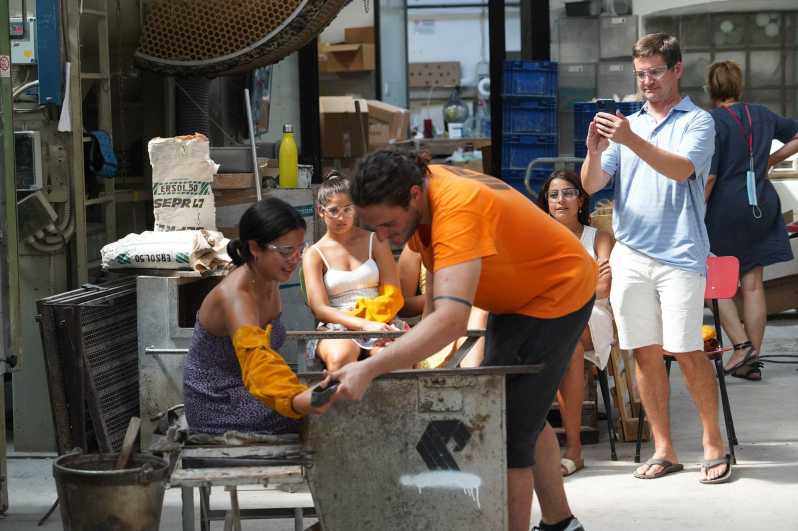
- Real Murano glass masters at work, shaping glass in front of you
- Three clear factory zones: batch room, hotshop, and coldshop
- 1400°C furnace explained in plain, practical steps
- You’ll see finishing tools up close: drilling, cutting, polishing, and flattening
- No pressure to buy—it’s an explanation-first tour
- Small group, 50 minutes, English guide for an easy pace
Why this Murano Glass Factory Tour Beats the Typical Venice Detour
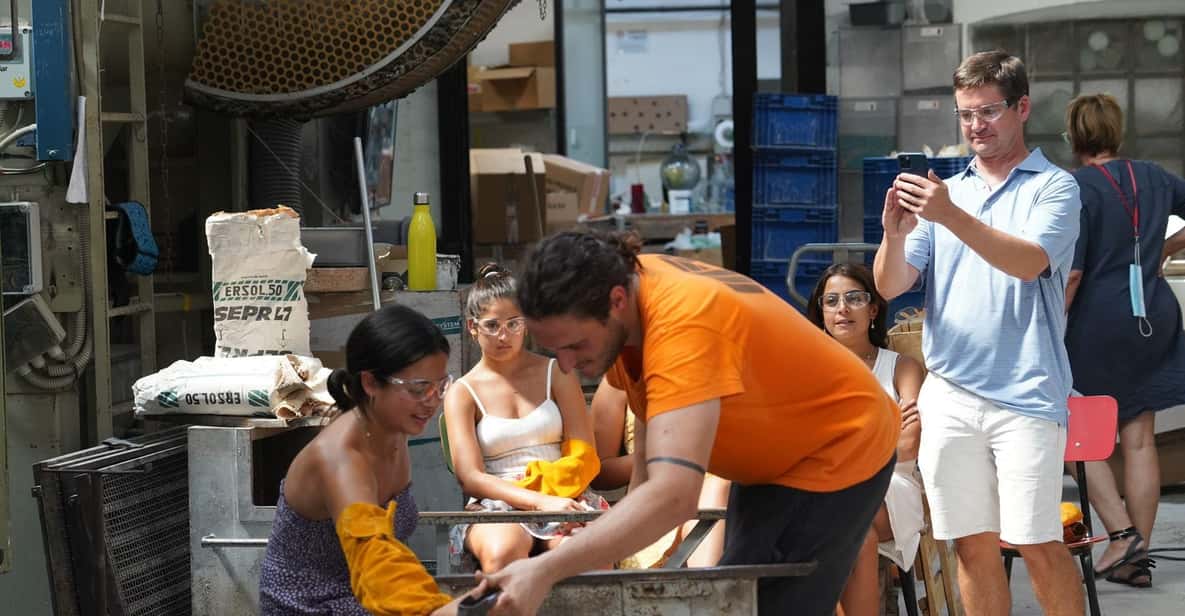
Murano can be a blur of shops, window displays, and people trying to sell you a story. This tour is different because it starts where the glass actually begins: with sand, chemicals, heat, and tools. You’re not just looking at finished pieces. You’re seeing how the factory turns raw materials into something precise enough to become art—or something useful that still looks like art.
The biggest win for me is proximity. You get to stand near the people doing the work, so you understand glass as a craft that takes timing and skill. The second thing I like is structure. The guide walks you through the workflow area by area, so it clicks: batch becomes molten glass, then the piece moves into shaping and finishing.
The vibe is practical. Safety glasses are included, the group is small, and the whole thing is built around explaining what matters in each step. And since there’s no obligation to buy, you can enjoy the show without the sales pressure hanging in the air.
You can also read our reviews of more guided tours in Venice



The Route Begins in the Batch Room: Where Sand Becomes Glass-Ready
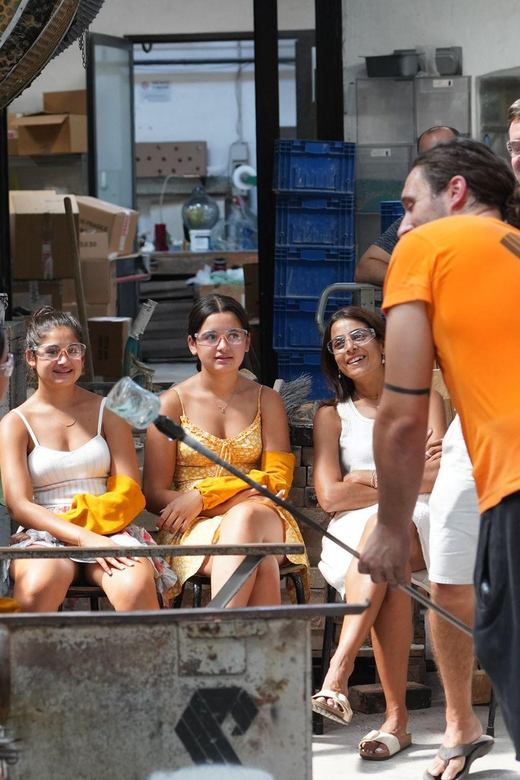
In the batch room, you start at the start—mixing. This is the stage where sand and other chemicals are combined so the material will melt correctly when it reaches the furnace. The guide’s job here is to make the science understandable without turning it into homework.
What I think you’ll appreciate is how this room explains why glassmakers can get consistent results. “Sand + heat” is the simple version. The real version is mixing carefully so the final glass behaves the way the workshop needs. You’ll also hear how the mixture is charged into a furnace that runs at around 1400°C, which is the kind of temperature that changes how you think about control.
There’s also a human part to this. Watching the mixing process helps you realize glassmaking isn’t one magic moment. It’s a chain of correct steps. If one part is off, the whole piece can come out differently.
Hotshop Reality Check: Molten Glass, Furnace Work, and Cooling Stages
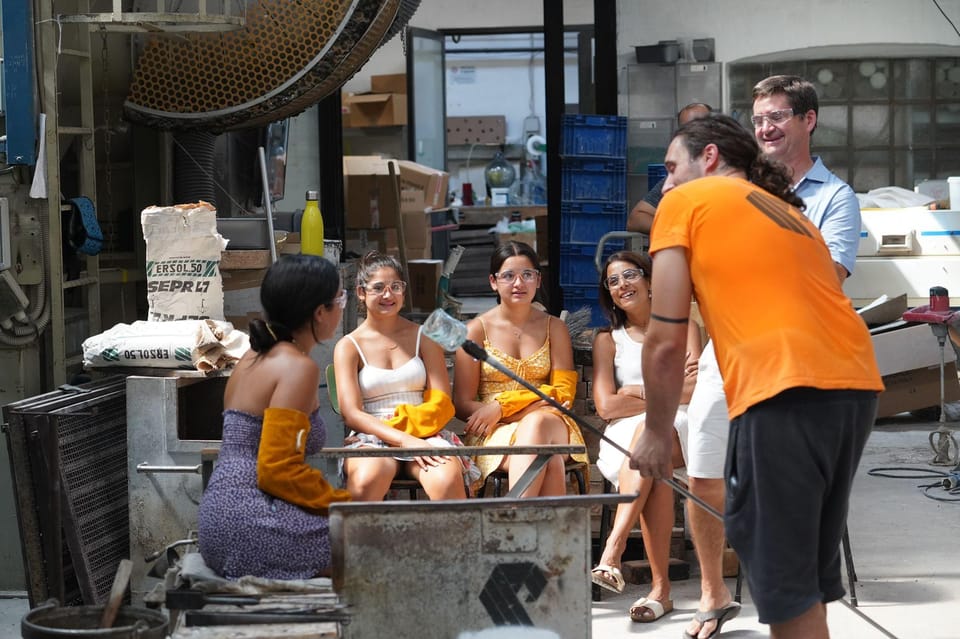
The hotshop is the heart of the factory. This is where the explanation becomes visual and fast. You’ll learn how the glass melting process works—from the chemical mix to molten glass—and you’ll get an overview of how the furnaces and tools function.
One reason this section lands is that it’s easy to connect the dots. When you understand that the material has to melt and then move through later shaping, you stop thinking of glass as just fragile and start thinking of it as engineered. It’s not just pretty. It’s controlled heat and controlled transformation.
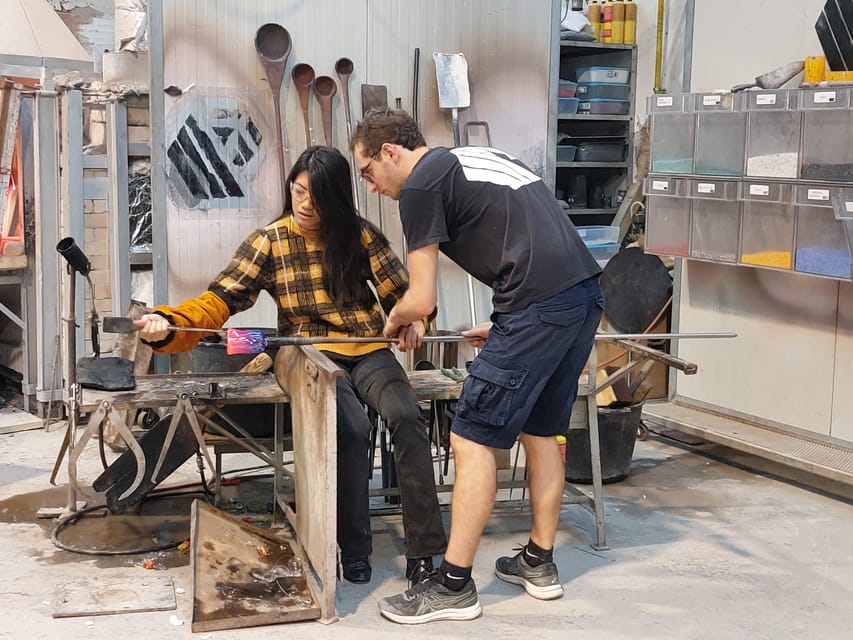
You’ll also see that the real work involves more than blowing. Tools matter, timing matters, and cooling matters. Even when you’re only watching, you can sense how the process needs rhythm: heat work, form work, then the piece is ready for the next phase. That rhythm is exactly what you miss in most shopping-focused Murano experiences.
Coldshop Details: Carving, Drilling, Cutting, Flattening, and Polishing
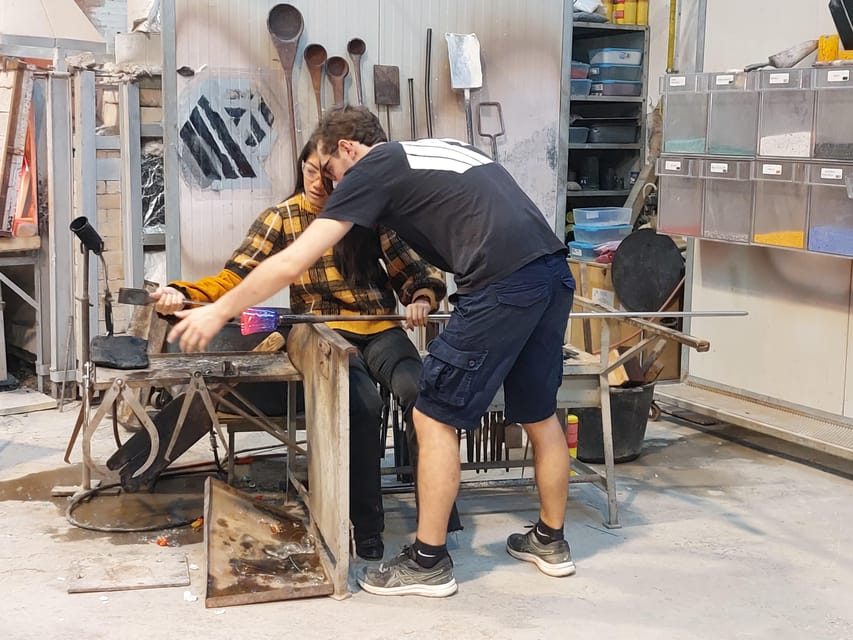
Once the piece leaves the hot area, it shifts into the coldshop, where the glass really starts to show its detail. This is where you’ll see machines used to carve, drill, cut, flatten, and polish. If the hotshop is about forming, the coldshop is about refinement.
This is also where your brain starts to recognize what you’re looking at when you walk through Murano later. You begin noticing the differences in edges, surface finish, and how certain effects must have been made with specific tools. The guide’s explanation helps you map those visual clues back to the steps in the factory.
Another nice thing: the coldshop section can feel calmer than the hotshop because the focus is on shaping and finishing. You’re watching precision actions that make a piece clean, wearable, and symmetrical—or give it those deliberate sculpted angles that look effortless.
Standing Close to the Masters: What Makes the Watching Part So Good
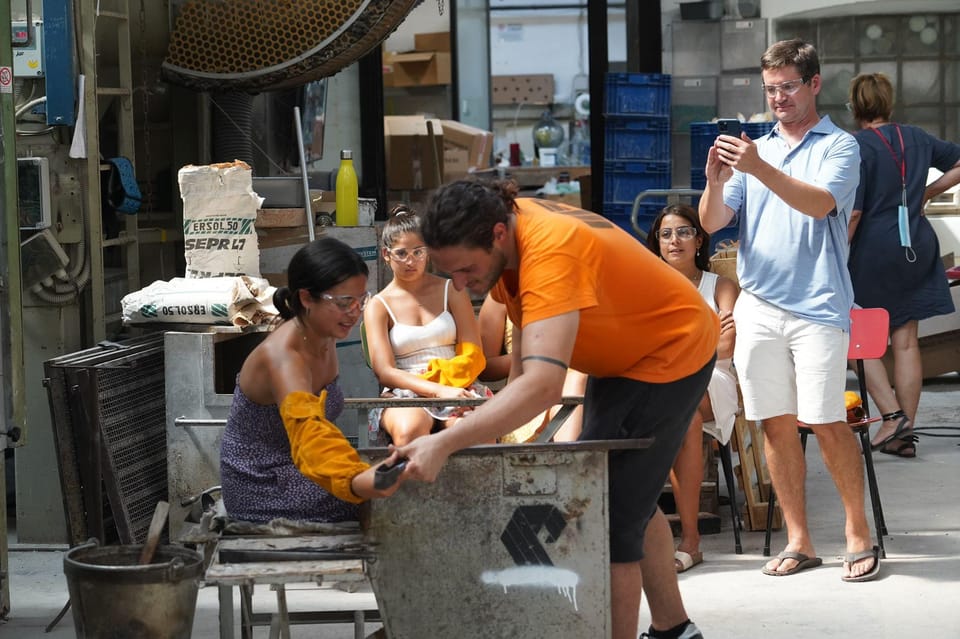
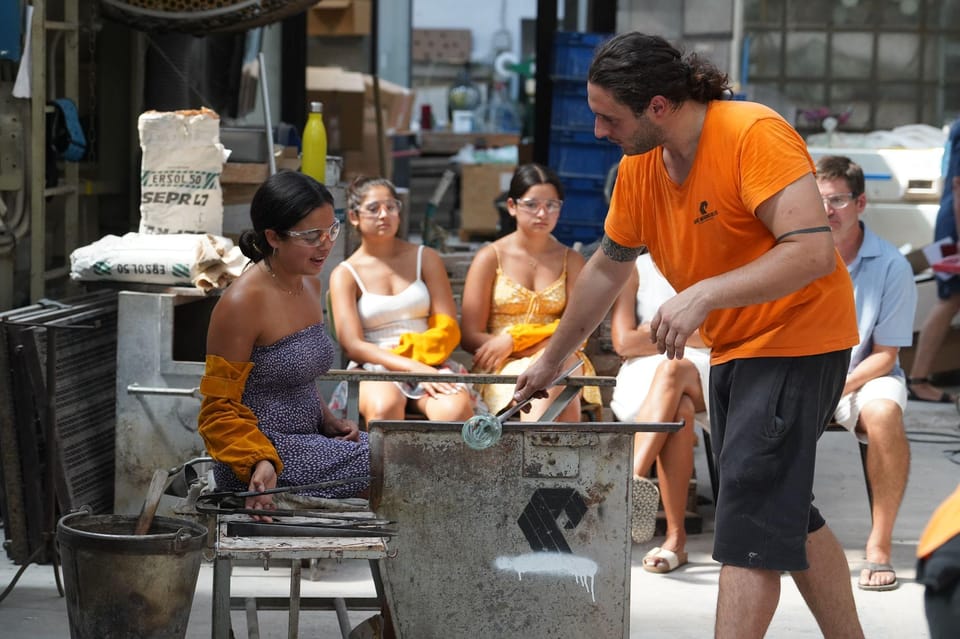
The tour’s highlight is clear: you can watch real Murano glass masters while they blow glass and work their craft. The best moments aren’t the quiet ones. They’re the ones where you get to see hands, tools, and heat-related technique in real time.
In practice, that closeness changes everything. When you stand near the action, you can better understand how glassmakers handle hot material safely and efficiently, and how the work is guided by experience. A person in the feedback you can draw from specifically liked being right next to the makers as the pieces were made, and that’s exactly the kind of moment this tour is built for.
If you’re coming with kids, this part often works because it turns Murano into a live science-and-craft show. It’s also a great stop if you consider yourself a glass fan already. You’ll still learn something here because the guide explains the workflow and tool purpose, not just the final look.





Price and Time: Is $34 Worth 50 Minutes?
$34 for 50 minutes sounds like a small chunk of your day, but in this case it’s fairly good value because you’re paying for access, structure, and time with real process work. You’re not just buying a ticket to look around. You’re getting a guided walk through the factory’s main stages—batch room, hotshop, coldshop—at a pace that doesn’t drag.
The small group size matters. Limited to 8 participants, you’re more likely to get clear answers and stay close enough to see what’s happening. In a bigger group, tours like this tend to turn into a series of “try to see through shoulders” moments. Here, the format is designed to keep the view workable.
Also, this is one of those experiences that changes how you spend the rest of your time in Murano. After you understand how the glass is made, you can shop with better instincts, not just with impulse. You’ll also feel less tempted to buy immediately, because the tour gives you a real framework for what you’re seeing.
If you’re the type who wants hands-on time, note that there are other options offered by the same operator, including a short workshop where you can make your own piece. One review mentioned a 20-minute glass-blowing workshop for making a drink glass. If that’s your goal, treat this guided tour as the best first step.
When This Tour Fits Best (And When It Doesn’t)
This is a strong pick for people who want authenticity. I’d put it high on your list if you:
- care about how things are made, not just what they look like
- want a break from shop-heavy sightseeing
- enjoy live demonstrations
- travel with kids who like seeing real craft work
It’s also a good choice for time-crunched visitors. In about 50 minutes, you cover the key stages of production and come away with a clearer picture of why Murano glass can look so distinct.
Now the limits. You should skip it if you have mobility impairments or need wheelchair access, since it’s not suitable for wheelchair users. It’s also not suitable for people with epilepsy or people with a cold. If you’re dealing with those situations, it’s better to pick a different kind of activity for your health and comfort.
One more practical note: the entire tour is in English only. If your group has mixed language comfort, plan accordingly.
Practical Tips for Your First Trip to Murano (So You Don’t Lose Time)
You’re meeting in a gallery first. Check in there, then you’ll be led to the factory. So don’t show up wondering whether you’re already in the workshop. Add a few minutes so the start time doesn’t feel like a sprint.
Plan your travel from Venice too. Depending on where you are, getting to Murano can take up to around 50 minutes, so you’ll want to leave yourself breathing room. The operator asks you to arrive about 5 minutes early so there’s time for check-in.
Wear closed-toe shoes. Sandals and flip-flops aren’t allowed. If you like comfort (and you should), think “walkable shoes” rather than fashion shoes.
Finally, since the factory environment is focused on safety, follow the straightforward rules: safety glasses are included, and alcohol and drugs are not allowed.
Should you book the Wave Murano Glass In Depth Guided Tour?
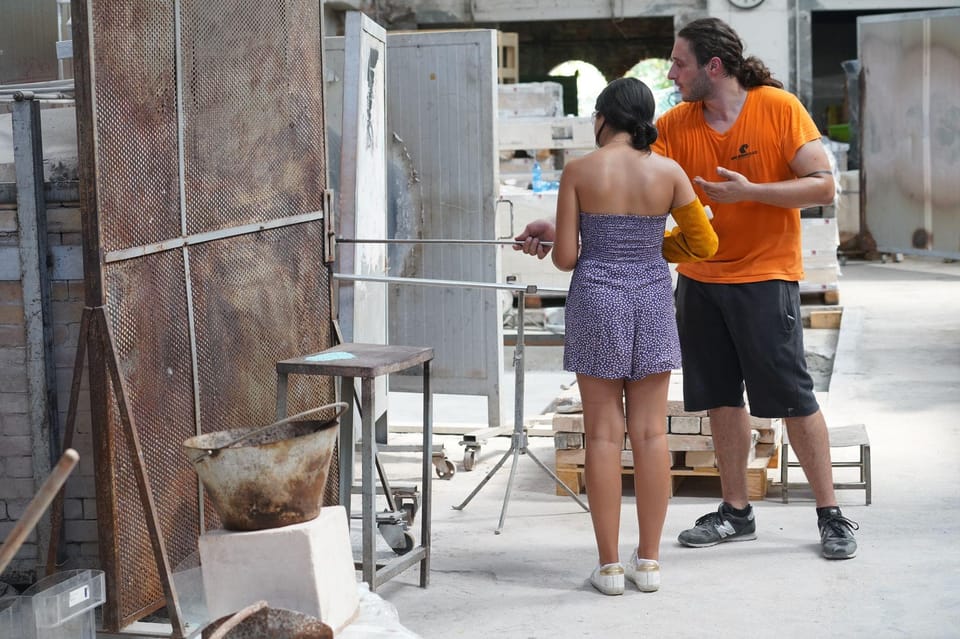
I’d book it if you want the real Murano story: sand, heat, tools, and people who actually make the glass. The small group format, the area-by-area explanation, and the chance to stand near the glassmasters make it feel like a working workshop tour rather than a scripted stop.
I would not book it if you need wheelchair access, have epilepsy, or are traveling while dealing with a cold. Also, if English-only tours are a dealbreaker for your group, pick something else or plan a different style of experience.
If you’re on the fence, here’s my simple decision rule: if you want to understand what you’ll see afterward in Murano, this tour is worth it. If you only want souvenirs and photos, you might find other stops more to your taste.