REVIEW · VENICE
Prisons’ Palace: Maleficia, Inquistion torture tools
Book on GetYourGuide →Operated by CITY TOURS CO LTD · Bookable on GetYourGuide
Venice can be pretty, but this stop is dark. In one hour, you tour the Prisons’ Palace Maleficia Exhibition in Venice with an audio guide that ties together documents, rooms, and infamous punishment devices. I especially liked seeing the torture instruments on display and getting the context through the audio commentary rather than just walking past metal shapes. One heads-up: this is heavy subject matter, and it is not recommended if you have limited mobility.
This exhibition is about the Holy Office and witchcraft persecution, using suggested testimonies, old-style documents, and artifacts meant to reflect what people faced in the 15th to 18th centuries. You’ll also encounter cases that name famous figures, including Giacomo Casanova, accused in connection with magic and the occult—so it’s not only about anonymous prisoners. Even if you come for history, you’ll leave thinking about fear, accusation, and punishment.
Practical Key Points (Read This First)
- Prisons’ Palace setting: the exhibition sits inside the palace that connects to justice and imprisonment in Venice.
- Audio guide included: English, French, Italian, and Spanish helps you follow the story in a controlled pace.
- Original-style “Maleficia” focus: the show references torture tools described in the Maleficia theme.
- Several named devices: you’ll see reproductions tied to a garrote, pillory, head crusher, and a whipping post.
- A cell for women accused of witchcraft: the exhibit includes gender-specific imprisonment space.
- Fast visit length: plan on about 1 hour for a complete, paced circuit.
In This Review
- Finding Prisons’ Palace near San Marco, without wandering
- What happens during the one-hour Maleficia exhibition
- Maleficia documents and reproductions: how the exhibit frames witchcraft persecution
- Torture instruments you can actually see: garrote, pillory, head crusher, whipping post
- The women accused cell: a specific window into imprisonment
- Holy Office tribunal in Venice: the 15th to 18th century connection
- Casanova appears: why famous names are included
- Price, value, and whether an hour is enough for your style
- Who should book this, and who should skip it
- Should you book Prisons’ Palace: Maleficia?
- FAQ
- Where is Prisons’ Palace located in relation to San Marco and Doge’s Palace?
- How long does the Maleficia exhibition visit take?
- How much is the ticket?
- What is included with the ticket?
- Is there an audio guide, and what languages are available?
- Can I skip the ticket line?
- What are the opening hours?
- Is the experience suitable for people with limited mobility?
- What will I see inside the exhibition?
- Is free cancellation available?
Finding Prisons’ Palace near San Marco, without wandering
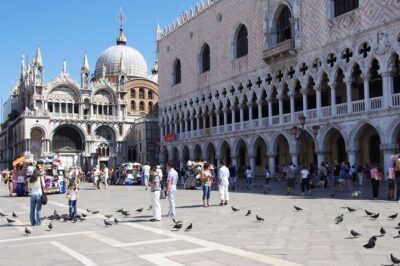
The Prisons’ Palace is close to San Marco Square, right by the Doge’s Palace. The meeting point matters here, because the buildings sit right on top of each other and it’s easy to aim for the wrong entrance.
Use this simple rule: don’t go into the Doge’s Palace entrance. To reach the Prisons’ Palace, cross the bridge on the right side of the Doge’s Palace entrance. It’s one of those Venice moments where paying attention beats guessing.
If you’re already planning a Doge’s Palace visit, this works nicely as an alternate theme. You’ll be in the same general zone, but with a very different mood: justice and punishment rather than ducal power and art.
What happens during the one-hour Maleficia exhibition
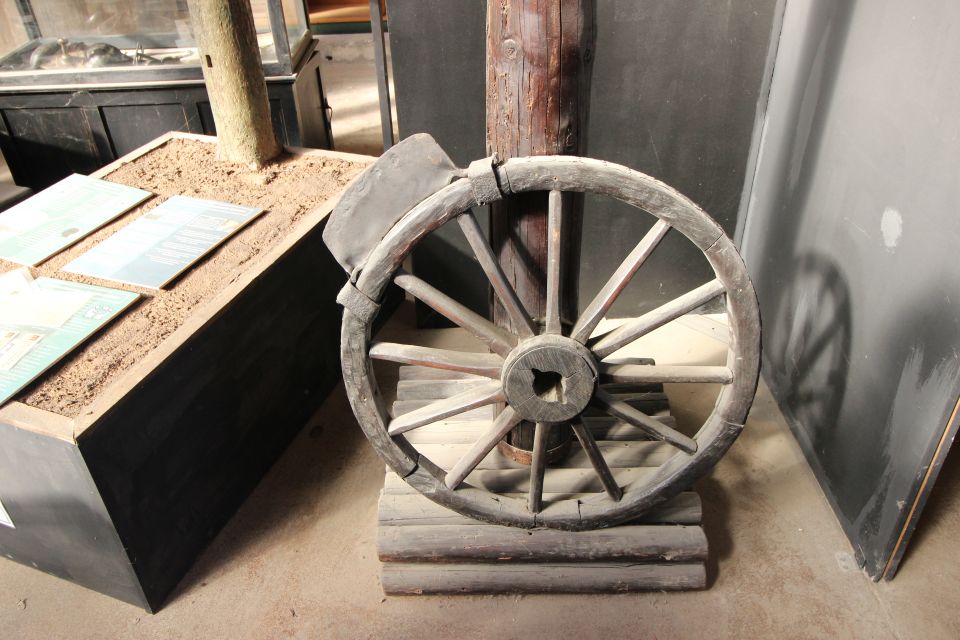
This experience is designed to be short and self-contained—about 1 hour total. That’s a gift in Venice, where “quick stops” keep you from burning your whole day just getting from one expensive ticket line to the next.
Inside, expect an exhibit built around suggestive testimonies, documents, and objects. The idea is not a modern museum lecture; it’s more like moving through a historical case file made visual. You’ll encounter:
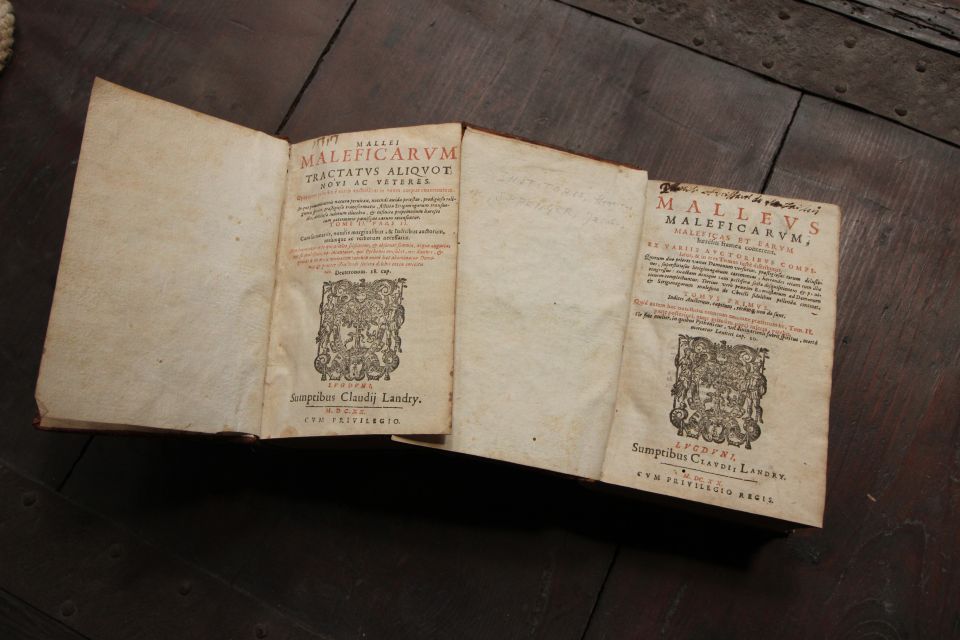
- Ancient documents used by the Holy Office in the persecution of witchcraft
- Justice-related instruments used to counter accusations
- Reproductions presented as part of the historical record
An audio guide keeps the pace controlled. Instead of trying to read everything at high speed, you can listen and decide what you want to linger on. If you’re the type who likes to understand what you’re looking at before you move on, the audio format is a good match.
Because it’s only an hour, you’ll want to keep your expectations aligned. This is not a full multi-hour deep dive into all of European witchcraft trials. It’s a focused exhibition ticket that moves you through a curated set of evidence-like items tied to the Holy Office and its punishment tools.
You can also read our reviews of more tours and experiences in Venice.


Maleficia documents and reproductions: how the exhibit frames witchcraft persecution
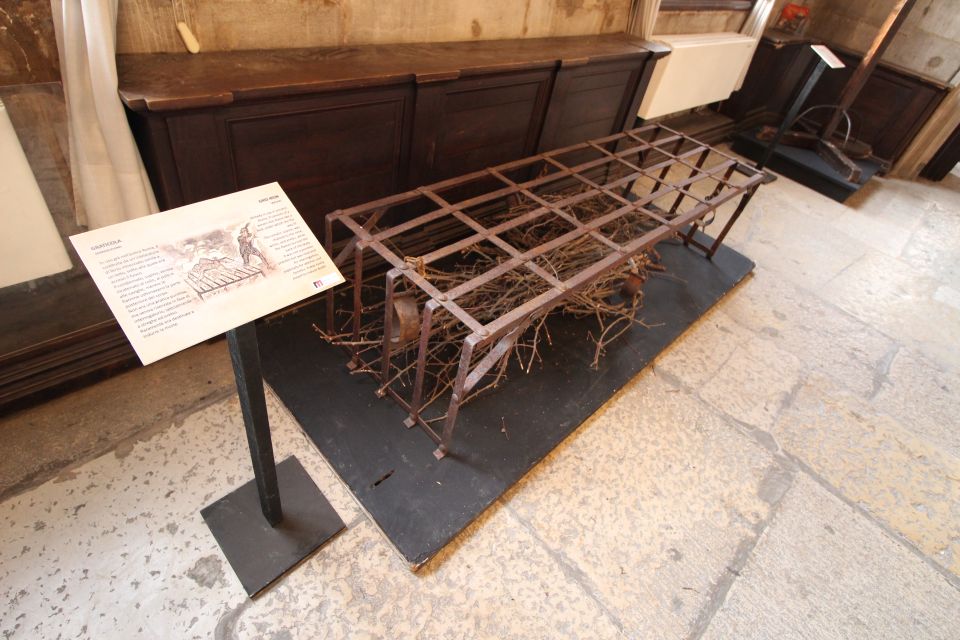
What makes this experience more than a “scary props” display is the way the story is framed. The exhibit mixes documentation-style material with reproductions, so you’re not only seeing instruments—you’re seeing how the Holy Office justified its actions.
The exhibition calls out the tribunal setting between the 15th and 18th centuries, when many women were condemned for alleged evil spells and magical arts. That time window is important, because it places the subject in a longer arc rather than one single moment of panic.
Two things I appreciated in the way the exhibit is presented:
- It connects objects to accusations, instead of treating the items like random artifacts.
- It treats “justice” as a system, not just as revenge or chaos.
The audio guide is key here. With an English, French, Italian, or Spanish commentary available, you can follow the thread without needing to already know the terminology tied to the Holy Office and inquisitorial proceedings.
One consideration: if you walk in expecting a broader “Venice explains everything” approach, you may feel the show sticks tightly to one theme. That’s not a flaw if you like focus, but it can be a mismatch if you wanted more storytelling about the city beyond the prison walls.
Torture instruments you can actually see: garrote, pillory, head crusher, whipping post
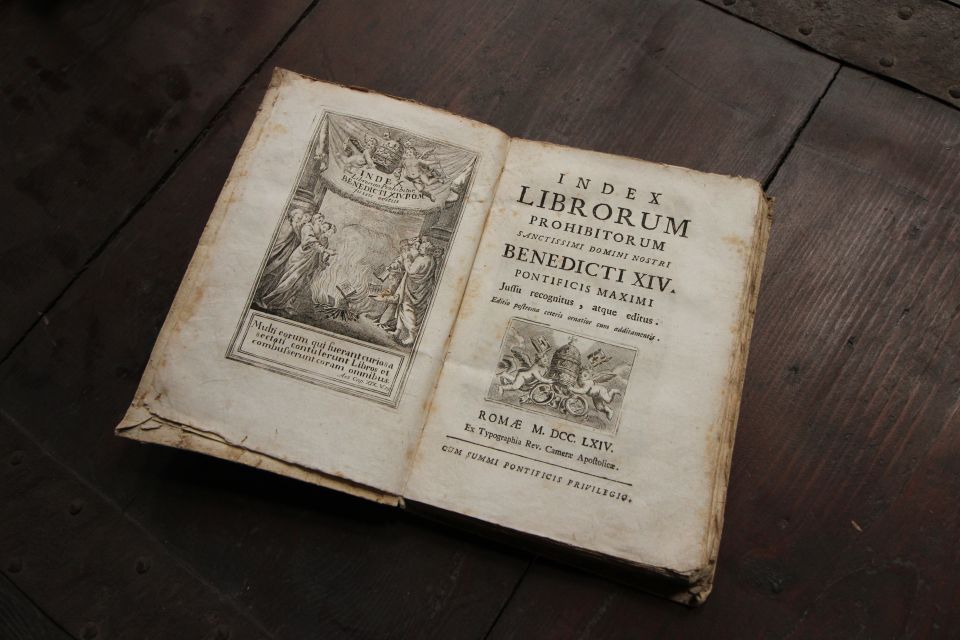
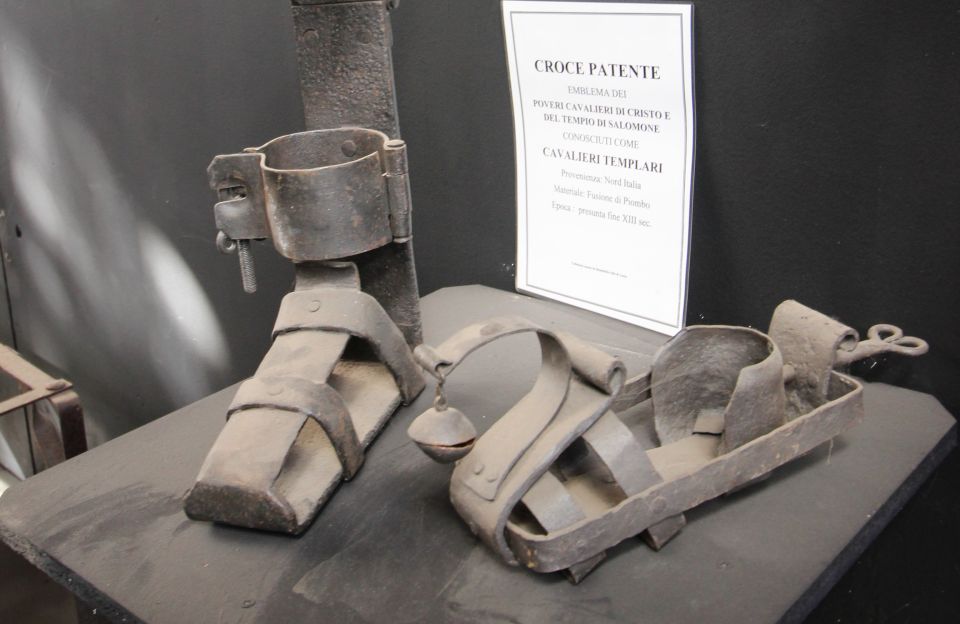
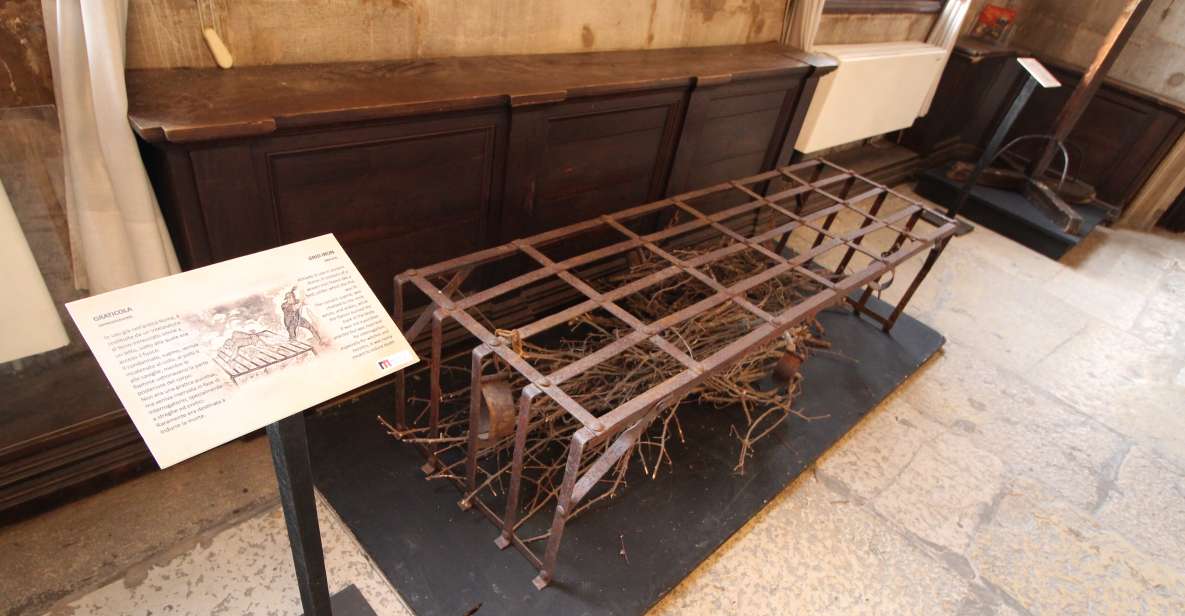
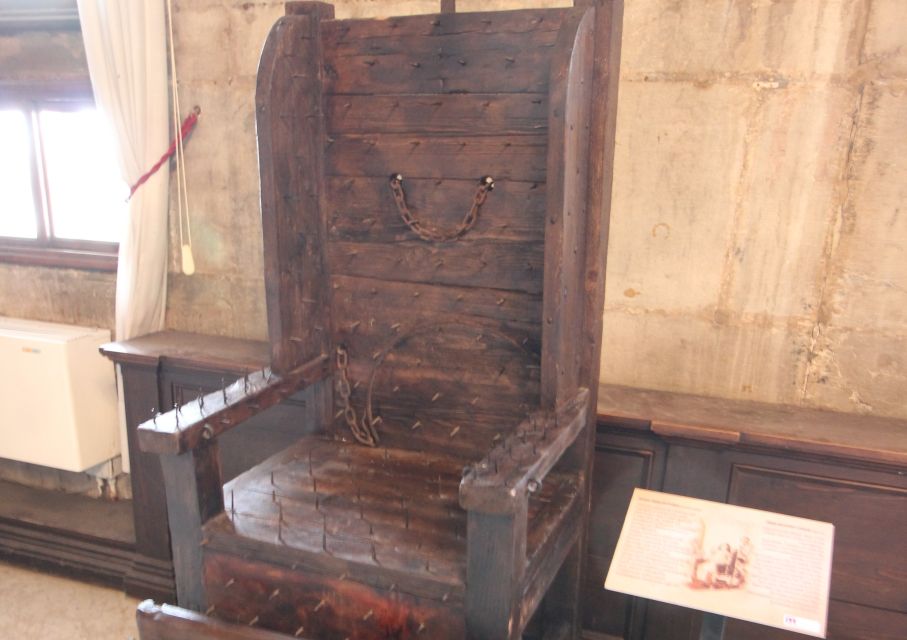
This is the part most people notice first, and it’s also the part that asks you to be mentally prepared. The exhibit includes “instruments of torture” presented as reproductions used as a garrote and a pillory, plus a head crusher and an authentic whipping post.
Here’s why I think this is valuable, even though the subject is disturbing: you’re seeing how punishment devices were designed to control a body and a person’s fate. It’s one thing to read about persecution; it’s another to confront objects built for coercion.
The exhibit doesn’t just list names. It frames these devices as tools prescribed in connection with the Maleficia theme and used by the Holy Office to counter witchcraft accusations. That linkage—object to institutional purpose—is what makes the display hit harder than a theatrical set.
If you’re sensitive to graphic historical content, take care with expectations. You’re not just learning about beliefs; you’re viewing physical mechanisms tied to pain and forced punishment.
The women accused cell: a specific window into imprisonment
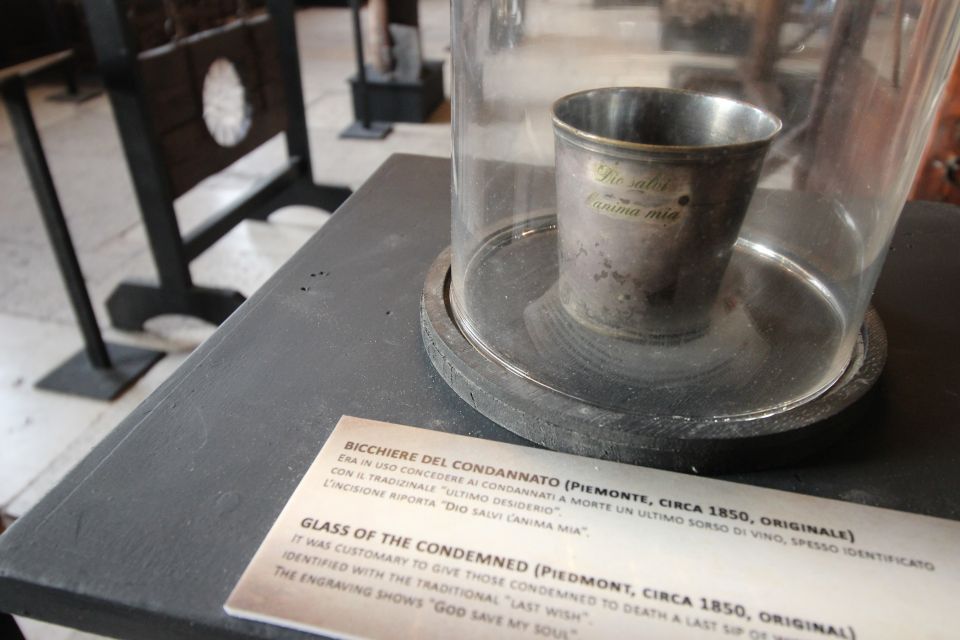
One of the most sobering parts of the Maleficia exhibition is the presence of a cell for women accused of witchcraft. That detail matters because it shifts the topic away from vague myth and toward lived confinement.
A women’s cell in this kind of setting helps you understand that persecution wasn’t only an abstract accusation floating in rumor. It was incarceration. It was space. It was confinement tied to allegations.
This also gives the exhibit a clearer human scale. Instead of thinking only in terms of court decisions, you’re reminded that people were held—some for long stretches, some until the system decided their outcome.
If you’re visiting as a couple or with friends, this is a natural moment to slow down. It’s one of those stops where the audio guide can help you keep the focus on context instead of panic.
Holy Office tribunal in Venice: the 15th to 18th century connection
The exhibition places the Holy Office’s tribunal activity between the 15th and 18th centuries, describing how people were condemned for alleged evil spells, magical arts, and occult practices. That broad time range helps you see persecution as something persistent rather than a single outbreak.
You’ll also find an emphasis on “instruments of justice.” That phrase is doing work. It frames the whole process as organized authority—something the tribunal considered legitimate, controlled, and repeatable.
Even if you already know a little history, I like that the exhibit uses this “justice system” lens. It helps you connect the objects, the documents, and the cell to one idea: persecution was administered through procedure.
And yes, that’s why it can be uncomfortable. The display is not neutral in emotion, even when it’s careful in presentation. It nudges you toward reflection on suffering—exactly the kind of reflection some people come for, and some people would rather avoid.




Casanova appears: why famous names are included
One detail that surprised me, in a way that actually makes the exhibit feel more grounded, is the inclusion of Giacomo Casanova. The exhibition references him being accused in connection with magic and the occult.
Why include a famous name? Because it breaks the “this only happened to unknown people” assumption. When a well-known historical figure is brought into the narrative, you’re pushed to consider how accusations could reach beyond the margins.
It also gives the exhibit a bridge between everyday curiosity and serious historical fear. You might come in thinking of witch trials as medieval rumor, then you see how the exhibit connects them to recognizable figures and a structured tribunal environment.
Still, keep your expectations aligned: this isn’t a biography lesson. Casanova is used as a thread inside the exhibition’s theme.
Price, value, and whether an hour is enough for your style
At about $11 per person, this ticket is priced like a focused museum-style visit rather than a big guided tour. For Venice, that matters. You want something you can fit into your day without paying for a full half-day experience.
For the money, you’re getting:
- Entrance to the Maleficia Exhibition inside the Prisons’ Palace
- An audio guide commentary included
- Skip-the-ticket-line access
And you’re spending only 1 hour, which is often the difference between enjoying Venice and feeling like you’re just queueing.
Is it enough time? For many people, yes. The exhibition items listed—documents, reproductions, instruments, and the women’s cell—are the kind of content you can absorb in a single paced circuit. If you’re the type who reads every label slowly and wants deep background on every device, you might wish you had more time. One of the lower-scoring impressions even hinted that the experience could cover more, and that’s the risk with any short-format exhibition.
My take: it’s good value if you’re coming for the specific theme and you like an audio-guided, structured visit.
Who should book this, and who should skip it
This ticket is best for you if:
- You want a focused, one-hour stop in Venice with strong thematic content
- You’re curious about the Holy Office and witchcraft persecution through documents and visual evidence-like artifacts
- You prefer an audio guide that keeps you from getting lost or under-informed
You might want to skip it if:
- You’re easily bothered by torture-related historical displays
- You’re looking for a broader Venice experience with lots of civic history beyond the prison theme
- Mobility is an issue for you, since it’s not recommended for people with limited mobility
If you like museums that mix “story + objects,” this one fits. If you only want light and pretty, this isn’t that mood.
Should you book Prisons’ Palace: Maleficia?
Yes—if you’re comfortable with the topic and you want a short, well-scoped visit. The value is solid for Venice, and the audio guide in multiple languages makes it easier to understand what you’re seeing without turning the visit into homework.
Book with care if you’re sensitive to coercive or torture-themed subject matter. And if you’re expecting the exhibit to be a wide-ranging tour of Venice, adjust your expectations: this is about the Holy Office, persecution, and punishment tools, inside the Prisons’ Palace walls.
If that matches what you’re hungry for, it’s a memorable use of an hour.
FAQ
Where is Prisons’ Palace located in relation to San Marco and Doge’s Palace?
Prisons’ Palace is close to San Marco Square beside Doge’s Palace. You should cross the bridge on the right side of the Doge’s Palace entrance to reach Prisons’ Palace, and avoid going to the Doge’s Palace entrance.
How long does the Maleficia exhibition visit take?
The duration is 1 hour.
How much is the ticket?
The price listed is $11 per person.
What is included with the ticket?
You get an entrance ticket to the Maleficia Museum and a commentary by audio guide.
Is there an audio guide, and what languages are available?
Yes. The audio guide is included and available in English, French, Italian, and Spanish.
Can I skip the ticket line?
Yes, you can skip the ticket line.
What are the opening hours?
The opening hours are from 10:00 AM to 5:00 PM.
Is the experience suitable for people with limited mobility?
No. It is not recommended for people with limited mobility.
What will I see inside the exhibition?
You’ll see Maleficia-themed documents and objects connected to the Holy Office, plus torture instruments such as a garrote, a pillory, a head crusher, and a whipping post, along with a cell for women accused of witchcraft.
Is free cancellation available?
Yes. Free cancellation is available up to 24 hours in advance for a full refund.