REVIEW · VENICE
Learn to Row in the Venice Canals
Book on Viator →Operated by Venice On Board · Bookable on Viator
Rowing Venice feels like cheating the crowds. In about 90 minutes, you learn the basics of Venetian-style rowing and glide through calmer canals with a real local rhythm—far from the sidewalk crush.
I love that this focuses on hands-on skills and the day-to-day waterways, not just sightseeing from land.
I also love the chance to learn from instructors rooted in Venice’s boat culture, with guides such as Stefano and Frederico-style teaching that turns rowing into something you can actually do.
One thing to consider: this experience is weather-dependent, so if conditions aren’t right, plans can shift.
In This Review
- Key highlights worth your time
- Why row on Venetian canals instead of doing another gondola ride
- Getting started at the Cantiere: your first steps onto the water
- The 90-minute lesson: rowing technique you can actually use
- Canal route highlights: what each stop feels like from the water
- Chiesa della Madonna dell’Orto
- Ghetto Ebraico
- Fondamenta Dei Ormesini
- Campo dei Mori
- Casa del Tintoretto
- The real payoff: calm canals, bridge moments, and sharing the water
- Value check: is $95.54 worth it for a 1.5-hour canal skill session
- Who this tour fits best (and who might want something else)
- Practical tips so your rowing session goes smoothly
- Should you book Learn to Row in the Venice Canals?
- FAQ
- How long is the Learn to Row in the Venice Canals experience?
- Is the tour offered in English?
- How many people are in a group?
- What is the meeting point address?
- What should I know about weather?
- Do I need to pay an access fee to enter Venice on certain dates?
- What is the cancellation policy?
Key highlights worth your time
- Small group size (max 6) means you get personal coaching rather than getting lost in a crowd.
- Learn rowing basics fast with practical instruction so you do more than sit and pose.
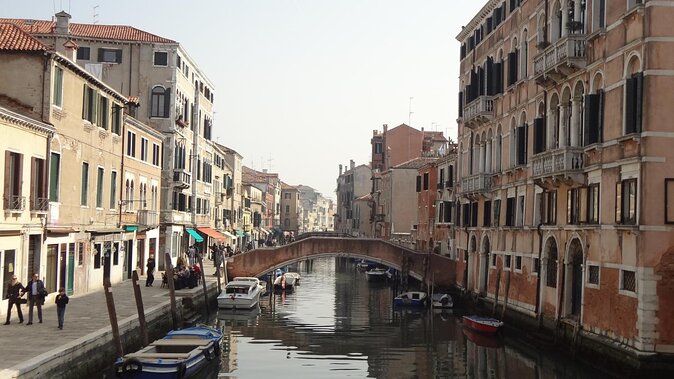
- Quiet canal route in Cannaregio helps you see Venice from water without constant foot traffic.
- Local instructors bring boat history to life in an approachable, no-nonsense way.
- A real turning point for photos because you’ll row, steer, and feel what the canals are like.
Why row on Venetian canals instead of doing another gondola ride
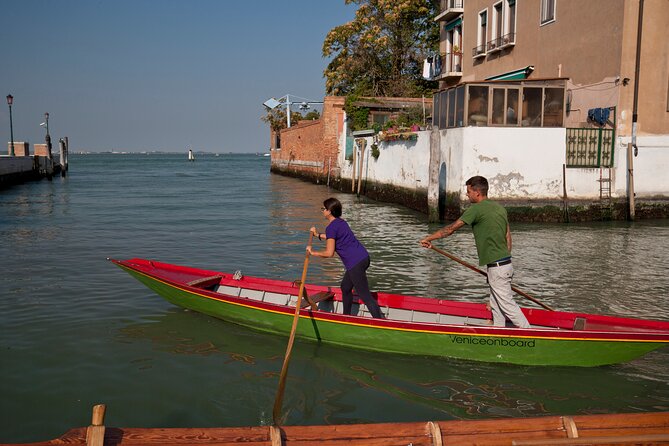
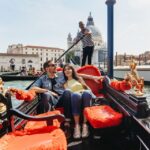
A gondola is lovely, sure. But it’s mostly a ride. This is different. You’re not just watching Venice glide by—you’re participating in it.
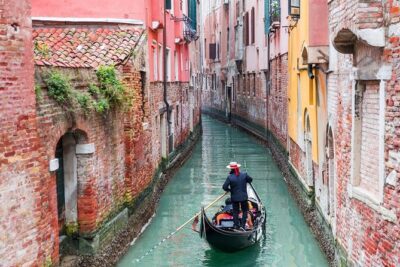
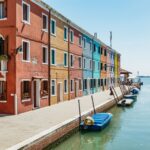
What you’ll like most is the setting. The route aims you toward calmer, more residential canal areas, so the view feels like Venice where people actually live. You’re out on the water, not trapped in a line, not shoulder-to-shoulder with everyone chasing the same photo.
And the biggest value: you’ll come away with a skill. Even if you never become a canal pro, rowing teaches you how Venetian waterways work—how boats move, how turns happen, and why bridges and bends matter.
You can also read our reviews of more tours and experiences in Venice.
Getting started at the Cantiere: your first steps onto the water
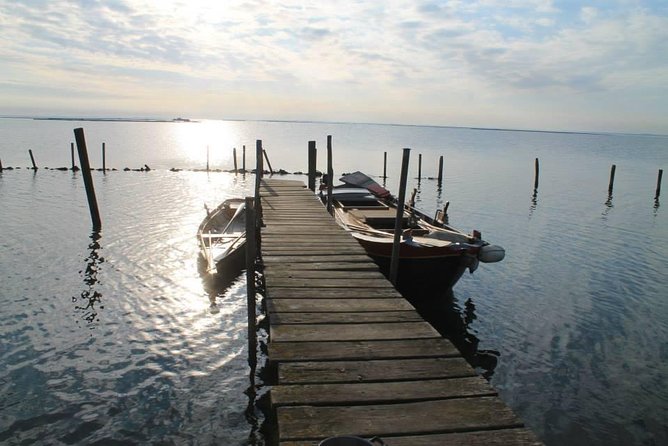
You meet at Cantiere Nautico Navale Casaril S.r.l., in Venice (C. del Magazzen, 30121 Venezia VE). The tour runs from that point and ends back there, so it stays simple.
Before you head out, you’ll get a short introduction. You’ll hear about traditional Venetian boats and the kind of recovery work done to keep this boating culture alive. You’ll also get the basics of how the session works—so you don’t spend the first 20 minutes figuring things out.
This tour is offered in English and uses a mobile ticket. In the real world, that matters: you can keep everything on your phone and move on fast. It’s also listed as near public transportation, which helps if you’re arriving from elsewhere in Venice.
The 90-minute lesson: rowing technique you can actually use
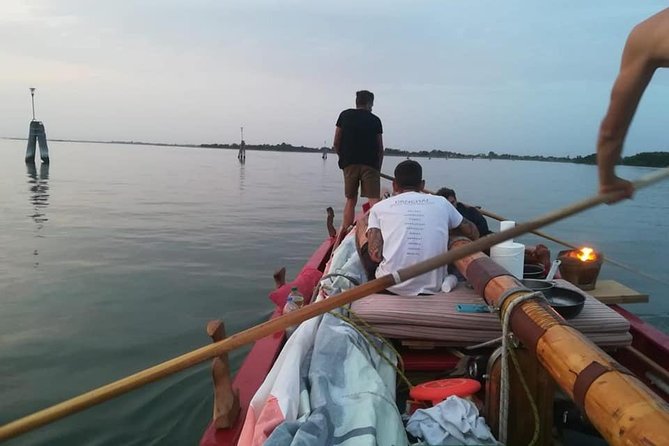
The teaching is the point. After the intro, you start discovering the art of Venetian rowing with a local instructor. Expect clear coaching on how to handle the oar, how to sit, and how to row in a way that feels balanced instead of awkward.
A theme that comes up with guides like Stefano and Frederico-style instructors is that they connect technique to tradition. One guide style includes explaining how gondoliers manage the boat’s handling systems and then translating that into what you do with the oar. You don’t need to know boat jargon to benefit. The lesson focuses on what you’ll do with your body and your grip.
Also, this isn’t described as a strenuous activity. It’s hands-on and active, but it’s designed so most people can participate. If you can follow instructions and try a few motions, you’re in the right place.
Canal route highlights: what each stop feels like from the water
Your route takes you past several landmark areas that shape Venice’s identity. From the water, you don’t get the big-city view of a museum or a main square. You get something better: the canal-side texture of the city.
Chiesa della Madonna dell’Orto
You’ll pass the area around this church and its surrounding streets. From the canal, it feels less like a stop you rush through and more like a neighborhood anchor. You’ll notice how buildings turn their attention toward water, not just toward streets.
The drawback here is time. You’ll see it from the canal viewpoint, not go inside or do a long photo walk. If you’re hoping for a deep religious or architectural visit, you’ll need separate time on your trip.


Ghetto Ebraico
Venice’s Jewish ghetto is an important historical area. Seeing it from the canals gives it a different context than from a sidewalk viewpoint. Water is part of how people moved and how the city worked, so the canal perspective adds meaning without turning this into a lecture.
One caution: if you want to fully explore the area on foot, plan that on a different block of time. This experience keeps moving and stays focused on rowing.
Fondamenta Dei Ormesini
Fondamenta areas are the waterfront edges where Venice feels practical—daily life, not postcard life. From your boat, you can observe how the canal banks and waterline shape movement. You’ll likely notice how quiet these stretches can feel once you’re away from the most crowded stops.
From a value standpoint, this is one of the best parts of the tour. It’s not just scenery. It helps you understand why locals keep coming back to these routes.
Campo dei Mori
This is a place-name stop that signals a change from canal edge to social space. From the water, you get a sense of the city’s rhythm: canals for movement, open spaces for gathering. It’s an easy visual break while you’re still rowing and learning.
Just keep expectations realistic: you won’t have time to explore the square itself at length. You’ll see it as part of the water approach.
Casa del Tintoretto
Passing by Casa del Tintoretto adds an art-and-artist layer to what you’re seeing. Again, it’s more “view from the canal” than “museum visit,” but that’s the point: you’re connecting cultural context with how the city functions.
If you’re a strict schedule person, you’ll be glad. This stop doesn’t eat up extra time, and it keeps the flow tight.
The real payoff: calm canals, bridge moments, and sharing the water
The best part of this kind of rowing tour is how it changes your pace in Venice. When you’re rowing, you slow down naturally. You feel the turns and you watch your surroundings instead of just trying to collect landmarks.
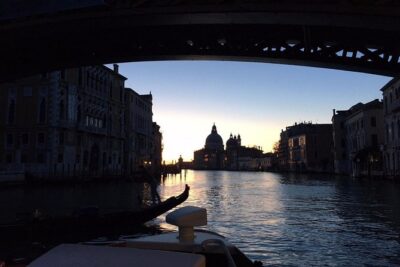
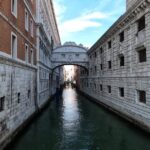
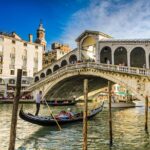
You’ll also pass under bridges, which is where you really notice how canal width, height, and boat angle matter. It’s not scary. It’s simply a vivid reminder that Venice was built for water movement long before cars, tour buses, or grid-locked walking routes.
What makes it feel authentic is the interaction with other boats. You’re learning how to navigate while sharing the canal space. That’s the kind of skill you don’t get from a standard ride.
And yes, you’ll get better photos than a gondola passenger. Since you’re rowing, your shots include motion and perspective—plus you’ll remember the feeling of doing it, not just the picture of it.
Value check: is $95.54 worth it for a 1.5-hour canal skill session
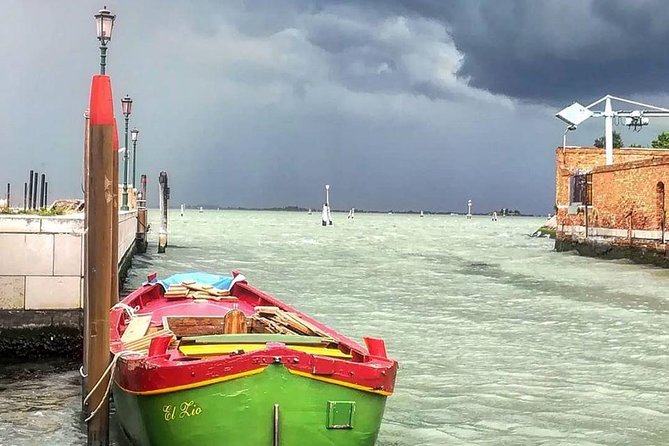
$95.54 is not cheap in absolute terms. But in Venice, it can be a smart deal because gondola pricing tends to swallow your budget fast.
Here’s the value logic:
- You’re getting instruction, not just transportation.
- The group is kept small (max 6), so coaching time isn’t watered down.
- You spend meaningful time on the water, and you’re allowed to row, not only sit.
If you’re thinking of replacing a gondola with this, it often makes sense. This gives you more active time, plus you leave knowing how to do at least the basics.
One more practical value angle: this helps you see more of Venice in less crowded conditions. If your trip is built around avoiding lines and packed viewpoints, rowing fits that mindset.
Who this tour fits best (and who might want something else)
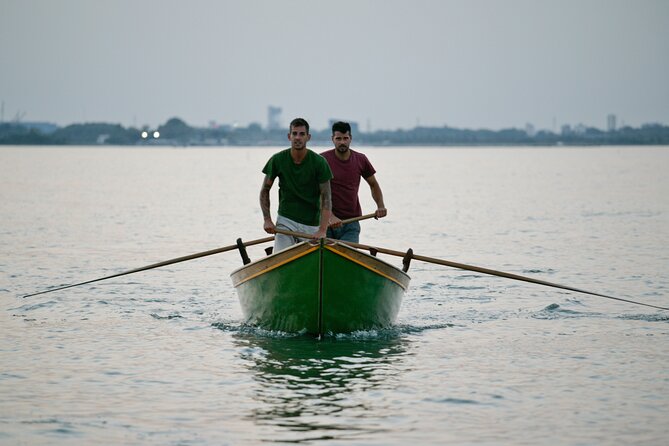
This is a strong match if you want:
- A calmer Venice experience away from main tourist corridors
- A hands-on activity you can do with teens and adults
- A way to understand traditional boat culture through doing, not just hearing
It also tends to work well for mixed ages because it’s active but not described as a full-on endurance sport. If you can sit, learn, and try, you’re likely fine.
Consider alternatives if your main goal is heavy-duty sightseeing commentary or museum-style storytelling. This experience stays centered on rowing, waterways, and the tradition behind Venetian boats. You’ll get context, but you won’t get hours of walking tours.
Practical tips so your rowing session goes smoothly
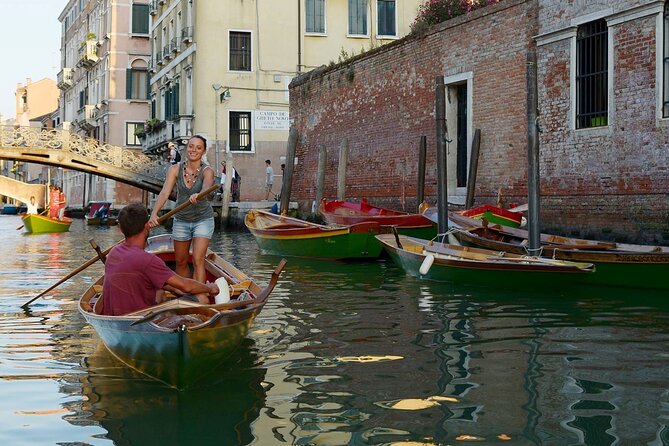
Bring your expectations down to earth and you’ll enjoy it more. This is Venice water work. It’s not a theme park, and it’s not a stadium event.
A few practical points that matter:
- Good weather is required. If conditions are poor, you’ll be offered a different date or a full refund.
- You’re in a small group, so show up on time and be ready to step into the lesson quickly.
- You’ll pass through multiple canal-adjacent areas, so wear comfortable footwear for the short walk and plan for a bit of wet spray.
Also, there’s a detail about visiting Venice: on certain dates, people coming for the day from outside Venice may need to pay a €5 access fee. Check the official info listed at https://cda.ve.it so you don’t get surprised.
Should you book Learn to Row in the Venice Canals?
I’d book it if you want a more local, more active Venice day. You’re paying for skill, time on the water, and small-group instruction—plus you get to glide through calmer canal stretches that you can’t reach by wandering alone.
I’d think twice if your trip is built around a strict, weather-proof plan or if you only want long, on-foot sightseeing. This is best when you’re flexible enough to enjoy it on its own terms.
If you’re torn between yet another gondola ride and learning something real, this is the one that usually ends up being the highlight.
FAQ
How long is the Learn to Row in the Venice Canals experience?
It runs for about 1 hour 30 minutes.
Is the tour offered in English?
Yes, it’s offered in English.
How many people are in a group?
The group size is capped at a maximum of 6 travelers.
What is the meeting point address?
You meet at Cantiere Nautico Navale Casaril S.r.l. 3009/H, C. del Magazzen, 30121 Venezia VE, Italy. The activity ends back at the meeting point.
What should I know about weather?
The experience requires good weather. If it’s canceled due to poor weather, you’ll be offered a different date or a full refund.
Do I need to pay an access fee to enter Venice on certain dates?
On certain dates, day visitors staying outside Venice may be required to pay a €5 access fee. For further details and exemptions, check https://cda.ve.it.
What is the cancellation policy?
You can cancel for a full refund up to 24 hours in advance. If you cancel less than 24 hours before the start time, the amount you paid is not refunded.