REVIEW · VENICE
Giudecca Island Discovery Tour
Book on Viator →Operated by deTourist Venice Valerio Coppo · Bookable on Viator
Giudecca feels like Venice’s overlooked twin. This small-group walk shows the island’s shift from 9th-century banishment zone to a home for artists, with history-to-art stories you won’t get on the usual Venice circuit.
I like that the route is built around real places locals use and reuse—old mills, former convent spaces turned into artist centers, and churches tied to Venetian survival. The only catch: Giudecca can feel windy and cooler than you expect, so pack a light layer even in mild weather.
In This Review
- Key Things You’ll Notice on Giudecca
- Giudecca Feels Like Venice’s Overlooked Twin
- Price and What You’re Really Getting for $163.64
- Getting Oriented Fast: Where the Tour Starts and Ends
- Stop 1: The Name of Giudecca and the 9th-Century Banishment Story
- Stop 2: Fondamenta Sant’Eufemia and a Veneto-Byzantine Martyr Legend
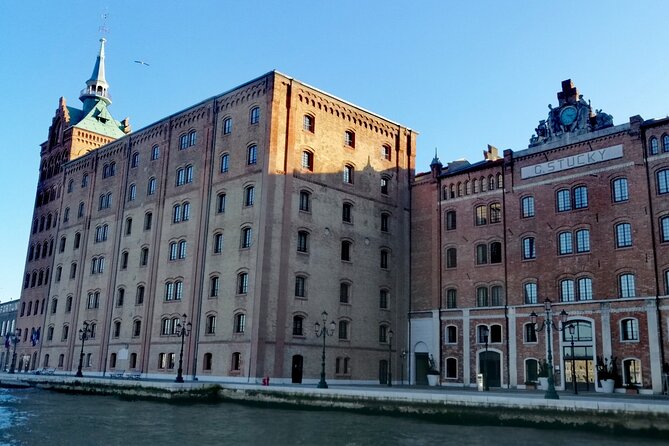
- Stop 3: Hilton Molino Stucky—From Flour Mill to Luxury Hotel
- Stop 4: Fondamenta de le Convertite and the Island’s Social History
- Stop 5: Artisti Artigiani del Chiostro (Ex Convento Santissimi Cosma e Damiano)
- Stop 6: Teatro Junghans—A Glass Factory Turned into Theatre and Homes
- Stop 7: Chiesa del Santissimo Redentore and the July Pontoon Tradition
- Stop 8: Villa Heriot—An Art Nouveau Villa with Southern Lagoon Views
- Stop 9: Casa dei Tre Oci and the San Marco / Punta della Salute Finale
- Who This Tour Fits Best (and Who Might Want a Different One)
- Should You Book This Giudecca Island Discovery Tour?
- FAQ
- How long is the Giudecca Island Discovery Tour?
- How much does the tour cost?
- What is included in the price?
- What is not included?
- How many people are in the group?
- Where do I meet the tour?
- Where does the tour end?
- Are admission tickets included for the stops?
- Is there any access fee for day-trippers?
- Can I bring a service animal?
- What’s the cancellation policy?
Key Things You’ll Notice on Giudecca
- Small-group format (max 10): easier pace, more time for questions and side comments
- Name origin, right up front: you’ll hear why “Giudecca” is tied to the judged, not stereotypes
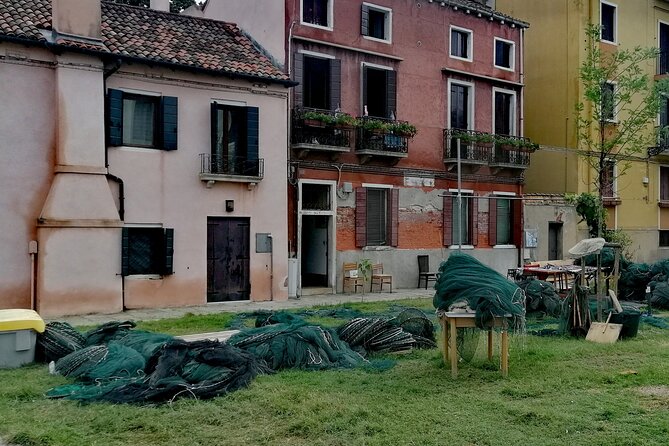
- Repurposed industrial architecture: flour mill and glass-factory buildings become what they are today
- Quiet religious landmarks: you’ll see a Veneto-Byzantine church and a Palladian landmark with a July ritual
- Final lagoon views: the walk ends with big sightlines toward San Marco and Punta della Salute
Giudecca Feels Like Venice’s Overlooked Twin
Giudecca is right there in the Venetian Lagoon, yet most first-time Venice visitors treat it like background scenery. This tour fixes that. In about 2 hours, you get a guided sense of place—why the island exists, who got pushed here, and what happened when industry faded and creative life moved in.
What I love most is the way the story stays human. You’re not just looking at buildings; you’re learning how power, punishment, work, faith, and art shaped the island block by block. And the guide’s pace keeps it from feeling like a lecture.
You can also read our reviews of more tours and experiences in Venice.

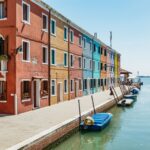
Price and What You’re Really Getting for $163.64
At $163.64 per person for an approximately 2-hour tour, this isn’t “cheap,” but it also isn’t trying to sell you a bundle of museum tickets. You’re paying for a local interpretive guide and a route designed to avoid the usual crowd rhythm on Venice’s main stages.
Two practical value points make the price easier to swallow:
- The stops are mostly free admission ticket locations, so you’re not paying entry fees at every turn.
- The group stays small (maximum 10 travelers), which matters in Venice, where crowded walking tours quickly turn into shoulder-to-shoulder shuffle.
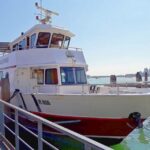
One more cost consideration: the water bus ticket to Giudecca is not included. Tickets are bought on board, so budget a little extra cash/credit for that segment. Also note that some day-trippers may face a €5 access fee on certain dates (you’ll need to check the official Venice access info for eligibility).
Getting Oriented Fast: Where the Tour Starts and Ends
You meet near Zattere (Zattere 30133, Venice) and the tour finishes at Le Zitelle / Fondamenta Zitelle 33, right at a water bus stop. That end point is useful: it means you can hop water transport without backtracking across the island.
This matters because Venice logistics can eat time. When a tour ends where you can actually keep moving, the “2-hour experience” doesn’t become a messy hour of figuring out what’s next.
Stop 1: The Name of Giudecca and the 9th-Century Banishment Story
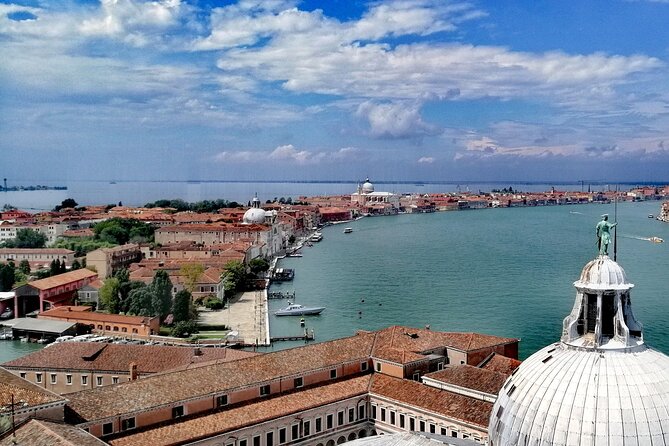
The tour begins with a quick, satisfying detour into the island’s name. You’ll hear that Giudecca is linked to a Venetian word zudega, meaning the judged—a reference to rebel aristocratic families banished here around the 9th century.
That one bit of language changes how you see everything else. Giudecca isn’t just an island you pass by on the way to the Lido; it’s a place that absorbed people pushed to the edges—first by politics, later by money and housing pressures.
In recent years, the island also became a kind of refuge for artists who could no longer afford rents in central Venice for lofts and studios. So even before you reach the churches and buildings, you’re getting the through-line: exclusion can turn into opportunity—if enough space opens up.
Stop 2: Fondamenta Sant’Eufemia and a Veneto-Byzantine Martyr Legend
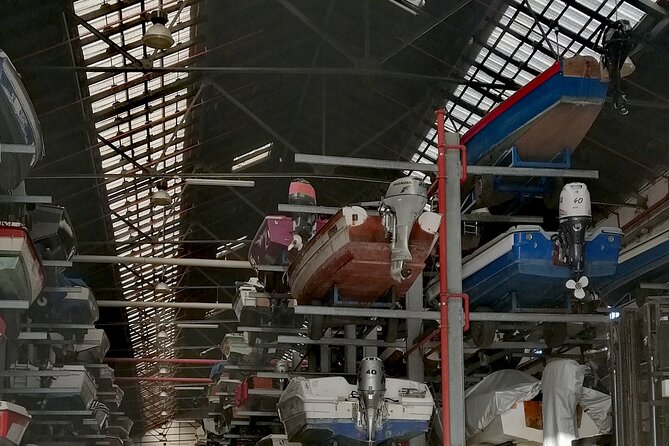
Next comes Fondamenta Sant’Eufemia, centered on an older church tradition. You’ll visit a church dated to AD 890 in its origin, with a simple Veneto-Byzantine structure that’s dated from the 14th century.
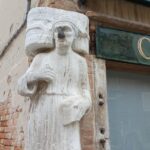
The story attached to the church is striking: it’s named for a Byzantine Christian martyr said to have been thrown to hungry lions. After biting off her hand, the lions allegedly refused to eat her virgin flesh—an episode told to emphasize faith and survival.
This stop works well because it’s not just “pretty architecture.” It’s a reminder that Venice’s lagoon communities were shaped by stories people used to make sense of danger, illness, and endurance.


Stop 3: Hilton Molino Stucky—From Flour Mill to Luxury Hotel
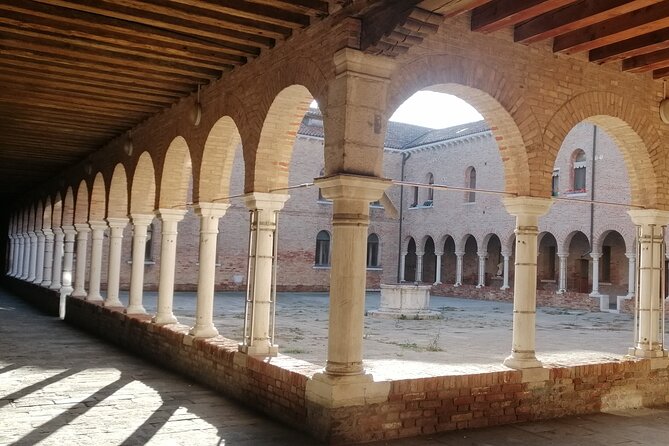
Giudecca has plenty of “old industrial Venice” atmosphere, and Hilton Molino Stucky Venice is one of the most dramatic examples. You’ll get oriented to a huge Neo-Gothic building that originally served as a flour mill, supplied by boats traveling across the lagoon.
The story doesn’t stop at flour. The same industrial space was also used as a pasta factory, and today it’s part of a luxury 5-star hotel.
A quick tip for this stop: look at the building like you would a timeline. Industrial power (boats, milling, large-scale production) eventually transformed into luxury and tourism. It’s a vivid lesson in how Venice doesn’t discard architecture—it repurposes it and changes who gets to occupy it.
Stop 4: Fondamenta de le Convertite and the Island’s Social History
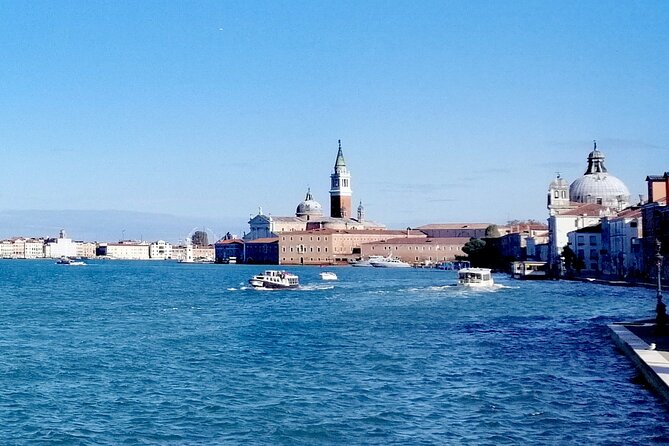
From the big, visible building energy, the tour switches to a quieter, more off-the-beaten-path stretch at Fondamenta de le Convertite.
Here you’ll pass by an organic prison market, adjacent to a women’s correction facility. Even in a short tour, this stop makes the island’s social history hard to ignore: Giudecca has held roles far beyond art and churches, and you’ll feel that mix of past functions.
If you’re the type who likes your Venice layered—not just postcard scenes—this is one of the most meaningful parts of the route.
Stop 5: Artisti Artigiani del Chiostro (Ex Convento Santissimi Cosma e Damiano)
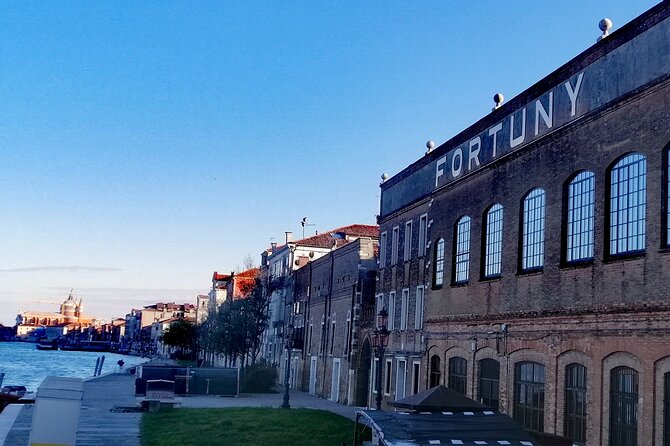
Now the tour shifts toward creativity in a very physical way. You’ll enter Artisti Artigiani del Chiostro – Ex Convento Santissimi Cosma e Damiano, a former monastery that today functions as a center for promoting local artists and artisans.
This is the moment when you really see why Giudecca appeals to people who are done with crowds. Instead of only hearing the “artists moved here” idea, you get to step into the kind of reused space where that idea becomes real.
Practical note: monastery interiors can vary in lighting and airflow. Bring your phone camera mindset but don’t expect museum-style conditions. The joy here is atmosphere and purpose, not polished exhibit lighting.
Stop 6: Teatro Junghans—A Glass Factory Turned into Theatre and Homes
Next up is Teatro Junghans. You’ll learn about a former glass factory and how the site was later converted into a modern residential neighborhood and a contemporary theatre facing the southern lagoon.
What makes this stop click is the contrast. You’re looking at the same kind of “industrial shell” logic you saw at the flour mill—yet here it’s linked to glass (fragile-by-design work) and then to a place for live performance.
If you like modern reuse that still respects form, this is a strong stop. It’s also useful if you’re trying to understand how Giudecca keeps changing without losing its physical identity.
Stop 7: Chiesa del Santissimo Redentore and the July Pontoon Tradition
One of the most memorable landmarks in the route is Chiesa del Santissimo Redentore, a church designed by Palladio.
You’ll hear it was built to celebrate Venice’s deliverance from the black death. That’s a heavy theme, but the tour connects it to a local rhythm: survival is never taken for granted in a tidal city, and every July Venetians make a pilgrimage to the church.
The pilgrimage route is famously specific. People cross on a shaky pontoon bridge from the Zattere, and the tradition dates to 1578.
This stop is where you’ll appreciate timing too. Even if you’re not in Venice in July, the story explains why lagoon geography and Venice’s relationship to water are not “a backdrop.” They are part of the ritual, the fear, and the gratitude.
Stop 8: Villa Heriot—An Art Nouveau Villa with Southern Lagoon Views
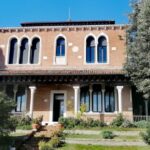
Then you’ll step into a more off-the-radar mood at Villa Heriot, an Art Nouveau villa with breath-taking views over the southern lagoon.
This is one of those stops that doesn’t just give you a photo—it gives you spatial understanding. Giudecca’s shape, the water channels, and the open southern direction all make more sense when you’re looking from a raised villa perspective.
If you’re sensitive to walking fatigue, this is the kind of pause that resets you before the finale.
Stop 9: Casa dei Tre Oci and the San Marco / Punta della Salute Finale
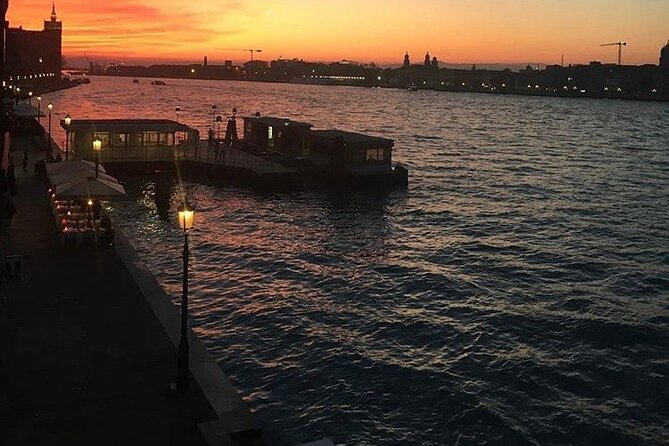
The tour ends at Casa dei Tre Oci, timed for scenic payoff. You’ll get views over toward San Marco and Punta della Salute, framed by the lagoon’s long lines.
You’ll also walk past a palace with a distinctive neo-Gothic brick facade and three peculiar arched windows. It’s an end-of-walk detail that reinforces the tour’s core theme: Giudecca is a place of architectural surprises, but you need the right perspective to see them.
Then you connect to the Le Zitelle water bus stop, which keeps your transport plan clean.
Who This Tour Fits Best (and Who Might Want a Different One)
This is a great choice if you:
- Want a different Venice day than the usual St. Mark’s-and-Doges pattern
- Like guided storytelling tied to real buildings and how they changed
- Appreciate small-group pacing and the chance to ask questions
- Want a tour that treats Giudecca as part of the city, not a distant add-on
A family can do this too, and families have enjoyed how the guide keeps children involved. I’d also call it a good fit for repeat Venice visitors, because even if you’ve seen lots of islands, Giudecca’s interior life is a different story than the one you see from the main canals.
Should You Book This Giudecca Island Discovery Tour?
I think you should book if you want your time in Venice to include Giudecca’s character: the name story, the repurposed industrial sites, and the sense of a community that shifted from exile to creativity.
It’s not the best choice if you’re strictly chasing high-frequency major sights in a short window. But if you’re ready for a quieter, more human Venice built around what people do in reused spaces, this tour is a smart use of your time.
FAQ
How long is the Giudecca Island Discovery Tour?
It lasts about 2 hours.
How much does the tour cost?
The price is $163.64 per person.
What is included in the price?
It includes the tour leader & nature and interpretive guide.
What is not included?
The water bus ticket to Giudecca island is not included, and tickets are purchased on board.
How many people are in the group?
The tour has a maximum of 10 travelers.
Where do I meet the tour?
The meeting point is Zattere 30133 Venice, Metropolitan City of Venice, Italy.
Where does the tour end?
The tour ends at Le Zitelle / Fondamenta Zitelle 33, 30133 Venezia VE, Italy, at the water bus stop.
Are admission tickets included for the stops?
Admission tickets for the listed stops are indicated as ticket free.
Is there any access fee for day-trippers?
On certain dates, day-trippers who are staying outside of Venice may need to pay a €5 access fee. Details and exemptions are listed at https://cda.ve.it.
Can I bring a service animal?
Yes, service animals are allowed.
What’s the cancellation policy?
You can cancel for a full refund up to 24 hours in advance. If you cancel less than 24 hours before the start time, the amount paid is not refunded.