REVIEW · VENICE
Venice: Crimes, Legends, and Mysteries Sunset Tour
Book on GetYourGuide →Operated by Hili srl · Bookable on GetYourGuide
Venice gets dark after sunset. This Venice crime and mystery walk through San Polo turns ordinary corners into plot points, with a story-led route that follows the neighborhood’s canals and quieter lanes instead of sticking to the obvious sights. I especially like the way the guide connects the tales to place—like the Rio di San Polo bridges that look postcard-perfect until you hear why they mattered.
Second, I like how the tour leans on good local storytelling. Guides such as Marina and Julia are repeatedly praised for keeping people engaged with vivid, question-friendly narration (and yes, a small game pops up in some versions). The main drawback is also part of the charm: you’ll walk a lot on uneven, narrow streets and the content can get dark and macabre, which is why it’s not suitable for kids under 13.
In This Review
- 6 Things That Make This Venice Crime Tour Worth Your Time
- A Sunset Walk Through San Polo’s Shadowy Side
- Where You Meet: Campo San Polo Outside the Farmacia
- Following Rio di San Polo: Venice’s Canals as the Underground
- Forbidden Love, Politics, and Unsolved Enigmas
- Dark Alleys, Cat-and-Mouse Stories, and the Role of Masks
- The Stop Flow: From Stories at Buildings to Closing Near St. Mark’s
- Who This Tour Suits Best (And When to Skip It)
- Price and Value: What $33 Gets You in 90 Minutes
- What to Bring for a Comfortable Evening Walk
- My Booking Advice: Should You Join This Venice Crime and Mysteries Tour?
- FAQ
- How long is the Venice: Crimes, Legends, and Mysteries Sunset Tour?
- Where do I meet the guide?
- Where does the tour end?
- Is it suitable for children?
- What language is the tour in?
- What should I wear or bring?
6 Things That Make This Venice Crime Tour Worth Your Time
- San Polo-focused route that feels more like wandering with a local than checking boxes
- Waterways as the crime scene, with stories built around Venice’s canal logic
- Forbidden love, political intrigue, and unsolved enigmas woven into real-looking settings
- Assassination plots and vendettas explained in plain, human terms
- Masks, smuggling, and black-market dealings as recurring themes
- Sunset timing that makes alleys and bridges feel extra atmospheric
A Sunset Walk Through San Polo’s Shadowy Side
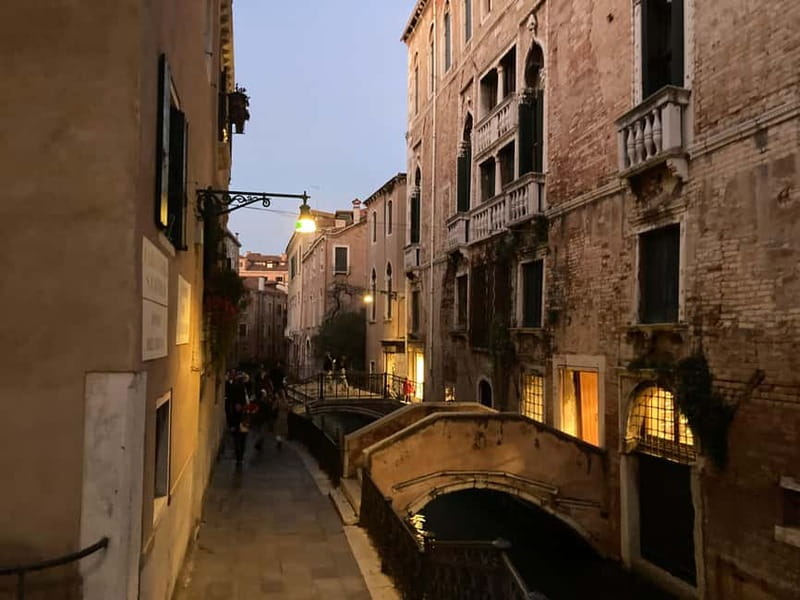
Venice is famous for romance, but it also has a long record of trouble—organized crime, petty theft, and political power struggles that played out in public and behind closed doors. This tour leans into the darker side, using San Polo as the stage. Instead of grand facts you’ll forget in a day, you get a story-route where locations act like evidence.
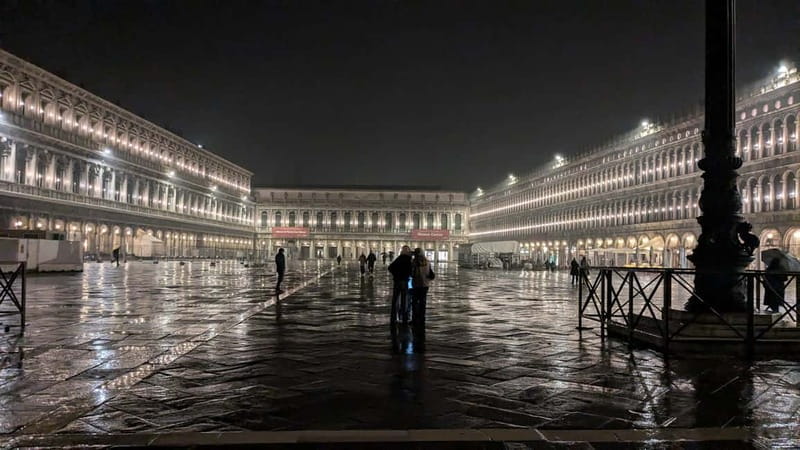
Sunset helps. Light goes softer, the canals cool down, and the narrow streets feel less like a hallway to a landmark and more like a place where people might keep secrets. The tour also stays tightly timed at about 1.5 hours, which means you’re not signing up for a whole evening just to hear the basics.
You can also read our reviews of more evening experiences in Venice

Where You Meet: Campo San Polo Outside the Farmacia
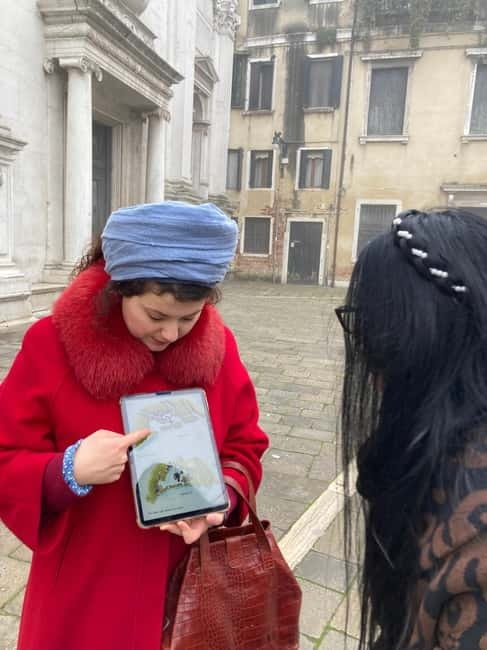
You start at Campo San Polo, meeting your guide outside the FARMACIA. That matters more than it sounds. Campo spaces in Venice are natural “anchors” that make it easier to regroup if you get separated or if the group slows down for photos and stairways. And Campo San Polo is a strong choice because it isn’t just a transit stop—it’s the heart of the neighborhood the tour keeps returning to.
From there, the pace is simple: you walk, you stop, you listen. Expect multiple guided stops as the stories move from one building front to the next canal view. The group format stays social, but it’s still a walking tour, so you’ll want to be ready to follow directions quickly.
Following Rio di San Polo: Venice’s Canals as the Underground
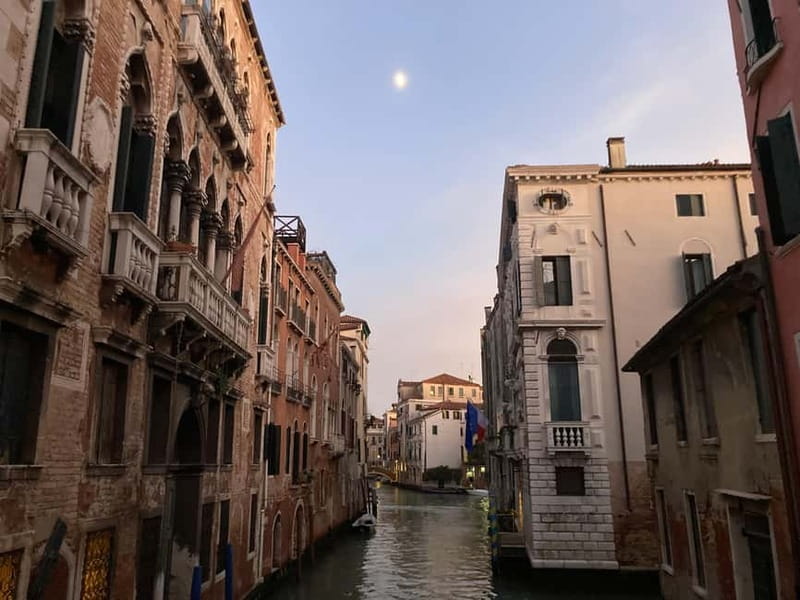
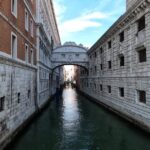
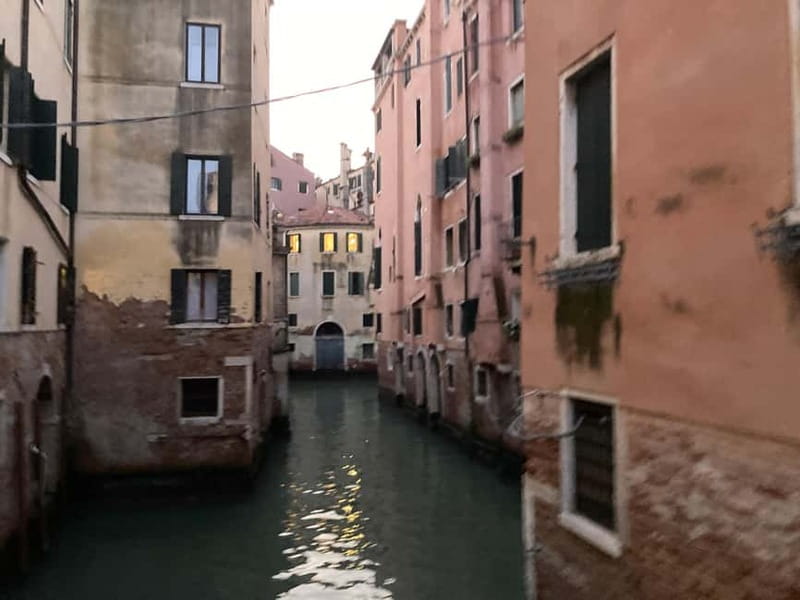
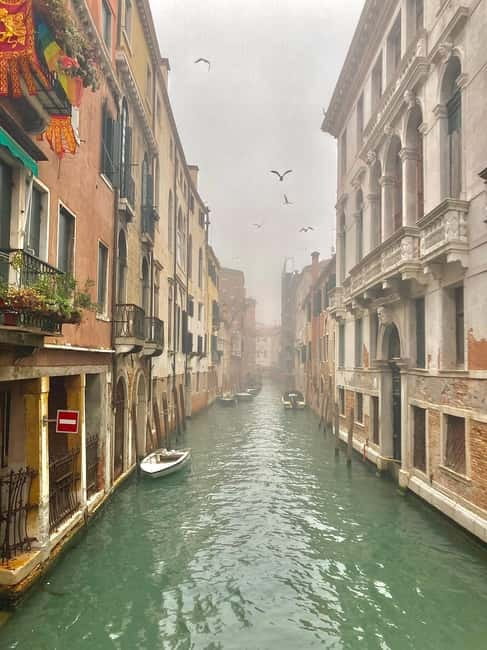
One of the best parts of this tour is how it treats Venice’s waterways as more than scenery. Rio di San Polo is where the story makes sense. Criminals didn’t just hide in alleys; they used the city’s layout—bridges, water routes, and narrow passages—to move without being seen.
As you stroll near the river, the guide points out how bridges could mask activity and how “normal” canal life could overlap with shady meetings. Venice’s enforcement challenges also come up in a concrete way: policing in a city built on water isn’t the same as policing a grid of streets. That’s the kind of context that turns a spooky legend into something you can actually picture.
If you like tours that explain how systems work—how criminals coordinated, how authorities tried to respond—this is a highlight. The emphasis isn’t just on dramatic crime. It’s on Venice’s practical reality: boats, timing, routes, and how quickly you can disappear once you know where to go.
Forbidden Love, Politics, and Unsolved Enigmas
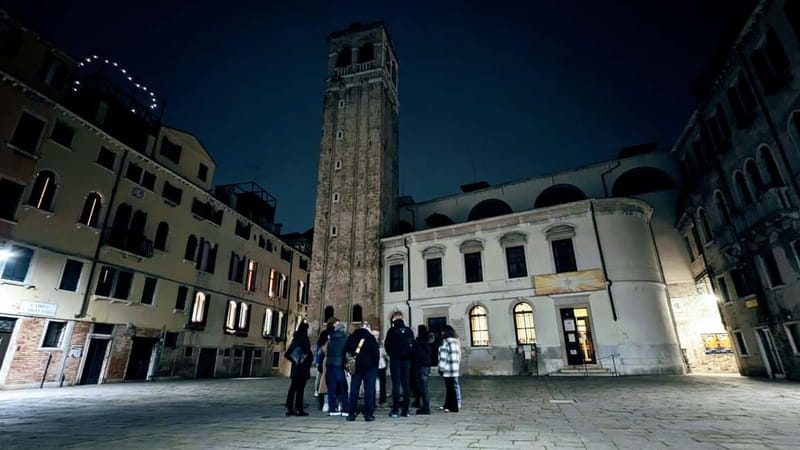
Venice’s crime stories aren’t only about theft. This walk also covers the power struggles that sit underneath everyday life: forbidden romance, political intrigue, vendettas, and unresolved mysteries. The guide frames these as overlapping layers—people with motives, rival factions, and rumors that outlived the individuals involved.
What I like about this approach is that it keeps the drama human. Instead of treating the past like a museum label, the tour uses the city’s physical details to help you imagine relationships under pressure. Some of the stories even focus on how reputations and alliances could shift depending on who had influence at the time.
You also get a visit to a residence-style stop where the architecture is treated as part of the narrative. In other words: walls, doors, and layout aren’t just pretty—they’re described as hiding places and meeting points. Even if you don’t care about true crime, this angle helps you see Venice as a lived-in maze.
Dark Alleys, Cat-and-Mouse Stories, and the Role of Masks
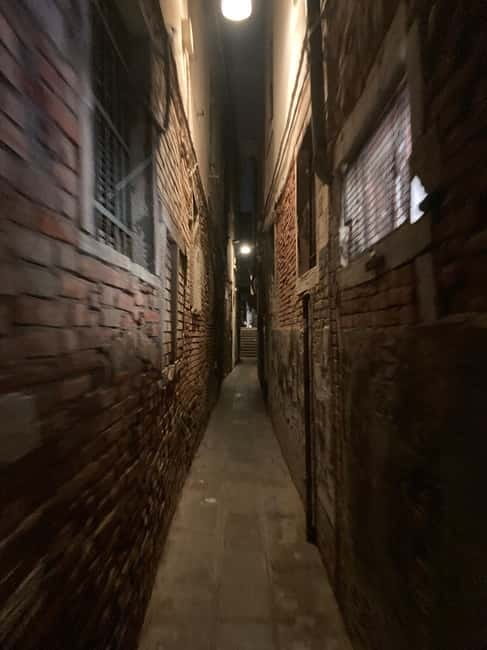
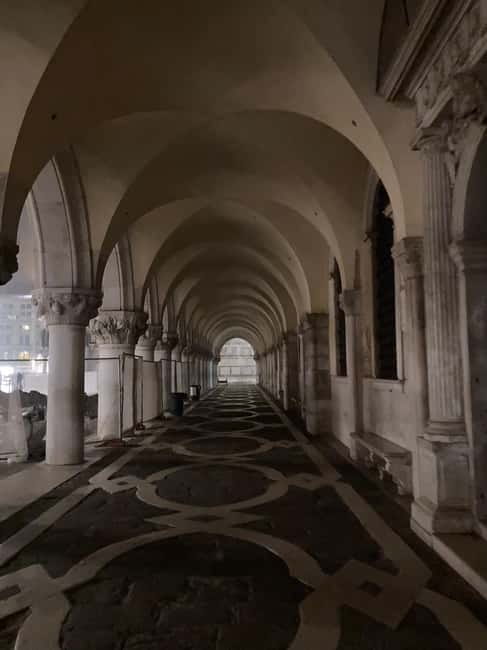
Once the tour leaves the open square spaces, the tone shifts. You’ll move through dark and narrow alleys, which is where the stories feel most “Venice.” This isn’t generic scare-story stuff. It’s crime-in-a-specific-city storytelling, with themes that keep recurring as you walk: hidden dealings, covert meetings, and the ongoing tension between criminals and law enforcement.
Masks are another big theme. The tour explains how they helped conceal identities and made wrongdoing easier to pull off—especially in a place where looks, status, and social connections mattered. Even if you’re a skeptic about legends, you’ll appreciate how the guide uses masks as a practical tool in the story, not just as a costume gimmick.
There’s also a strong smuggling and black-market thread. That part matters because it shows you how “crime” in Venice wasn’t always one big headline. It could be supply chains, side deals, and commerce happening where people were less likely to look. This is the difference between a spooky walk and a walk that teaches you how people survived—and sometimes profited—in an older Venice.



The Stop Flow: From Stories at Buildings to Closing Near St. Mark’s
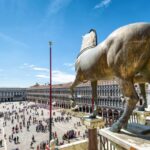
The route includes multiple guided segments (you get several story stops after the initial meeting point). You start at Campo San Polo, you hear stories tied to specific locations as you walk through San Polo’s quieter corners, and the tour ultimately finishes near St. Mark’s Square.
At the same time, the activity info notes that the experience ends back at the meeting point. Since those two details both appear, I’d treat it as: you’ll be routed around San Polo and then returned to the general Campo area after the St. Mark’s proximity finish. Practically, that means you’re likely to end close enough to restart your evening easily—either by heading toward St. Mark’s or moving back through the neighborhood.
In terms of timing, think of it as an efficient evening plan. You’ll cover enough walking to feel like you saw a lot of different micro-neighborhoods, but not so much that you’ll be completely wiped out before dinner.
Who This Tour Suits Best (And When to Skip It)
This tour is designed for adults and older teens who like history with an edge. It’s not suitable for children under 13, and the operator specifically warns that some of the stories can be dark and macabre.
For adults who want something more interesting than another photo stop, it’s a strong pick. It’s also good if you’re the type who enjoys asking questions. Many guides—Marina, Julia, Elena, Kiki, Anita, and others—are described as friendly, energetic, and open to conversation. That matters because a crime tour can turn either into a monologue or a dialogue. Here, the best versions of the tour clearly lean interactive.
One more practical note: the material is not presented as a horror jump-scare experience. Still, if you’re easily spooked by grim stories, you should go in with realistic expectations: the theme is crime, murder, vendettas, and dark legends.
Finally, group size can affect the experience. One account notes that around a 10-person group can feel a bit large for hearing well in tight streets. If you’re sensitive to audio or you hate being squeezed in narrow lanes, aim for an earlier or smaller-group session when possible.
Price and Value: What $33 Gets You in 90 Minutes
At $33 per person, you’re paying for four things: a local guide, an intentionally shaped walking route, sunset timing, and story format that replaces you “doing research” on your own.
This isn’t a museum ticket with fixed content. It’s closer to hiring a local storyteller to take you through a compact area—San Polo—where you’d otherwise move quickly and miss the patterns. The price feels more justified when you consider how Venice can be overwhelming. A guided walk compresses multiple layers of context into a short time window.
Also, this is a good option if you’re trying to balance a busy itinerary. You can put this in the evening, learn the city’s darker side, then still have time for normal sightseeing or dinner without needing another full tour block.
What to Bring for a Comfortable Evening Walk
The basics are clear: comfortable shoes. You’ll also be dealing with uneven stone and narrow passages, and the tour includes “dark and narrow alleys,” so you’ll want footwear that handles slips and quick turns.
Weather matters too. The tour advises you to be ready for any conditions and bring an umbrella or raincoat if necessary. Sunset can be cooler than you expect, especially when you stop and start in shadowy lanes.
Photography is allowed, but keep common sense: respect private property and sensitive sites. In a neighborhood like San Polo, that usually means no lingering in doorways and no blocking foot traffic at small crossings.
My Booking Advice: Should You Join This Venice Crime and Mysteries Tour?
If you want Venice to feel like a story—not just a list of landmarks—this is a great fit. I’d book it if you enjoy crime lore, love walking with a local guide, and like seeing how the city’s waterways and alley layout shape human behavior. The repeated praise for guides like Marina and Julia for engaging storytelling is exactly what makes a crime tour work: you need the guide’s voice to do the connecting.
Skip it if:
- you’re traveling with kids under 13 (this one is not appropriate for that age range)
- you dislike darker themes like murder plots and vendettas
- you’re very concerned about hearing in narrow lanes and don’t want to risk a larger group
If you’re on the fence, a smart move is to slot it earlier in your trip. Once you understand the pattern of canals, bridges, and neighborhood side streets, you’ll notice it everywhere else you go.
FAQ
How long is the Venice: Crimes, Legends, and Mysteries Sunset Tour?
It lasts about 1.5 hours. Starting times vary, so check availability for the session you want.
Where do I meet the guide?
Meet your guide in Campo San Polo, outside the FARMACIA.
Where does the tour end?
The activity lists St. Mark’s Square as the finish point, and it also notes that the experience ends back at the meeting point area. Plan to return to the Campo San Polo vicinity.
Is it suitable for children?
No. It is not suitable for children under 13 because some stories include dark and macabre material.
What language is the tour in?
The live guide speaks English.
What should I wear or bring?
Wear comfortable shoes. Bring an umbrella or raincoat if needed since you’ll walk through alleys and can face changing weather. Photography is allowed, but be respectful of private property and sensitive sites.