REVIEW · VENICE
Secret Venice & Gondola Tour
Book on GetYourGuide →Operated by Bucintoro Viaggi · Bookable on GetYourGuide
Venice gets better when you skip the main script. This 2-hour guided walk threads through lesser-known squares and narrow canal-side streets, then ends with a gondola ride back near San Marco. I especially like how the route leans into Renaissance architecture you’d miss on your own and how the guide brings the city to life with humor and history. The main thing to consider: the gondola portion is shared and tends to be shorter than you may hope, so treat it as a calm add-on, not a full, private serenade.
You start near San Marco at the Royal Gardens area, which makes this a smart first-day plan if you want to orient yourself before you hop on vaporetto lines or start crossing the city by instinct. I also like that you’re not just ticking off landmarks; you’re learning why specific buildings and spaces mattered and what to look for as you pass them.
One more practical note: this tour isn’t set up for wheelchair users or people with mobility impairments, so if walking pace and uneven Venetian surfaces are tough for you, consider a different format.
In This Review
- Key things to know before you go
- Getting started at San Marco’s Royal Gardens gate (and not losing time)
- The 90-minute walk: hidden piazzas that feel local
- Fenice Theatre from the outside: restoration after 1996
- San Fantin Church: Renaissance built in layers
- Palazzo Contarini del Bovolo: the spiral staircase that does the talking
- Ending near San Marco with a shared gondola ride
- Price and value: why $71 makes sense for the right traveler
- Language options and fit: when to choose this tour
- Should you book Secret Venice & Gondola Tour?
- FAQ
- How long is the Secret Venice & Gondola Tour?
- What’s included in the price?
- Where do I meet and exchange my voucher?
- What sites do you see during the walking portion?
- How long is the gondola ride?
- What language is the tour offered in?
- Do I need comfortable shoes?
- Is the tour suitable for people with mobility impairments?
- Is cancellation free?
- Can I reserve without paying right away?
Key things to know before you go
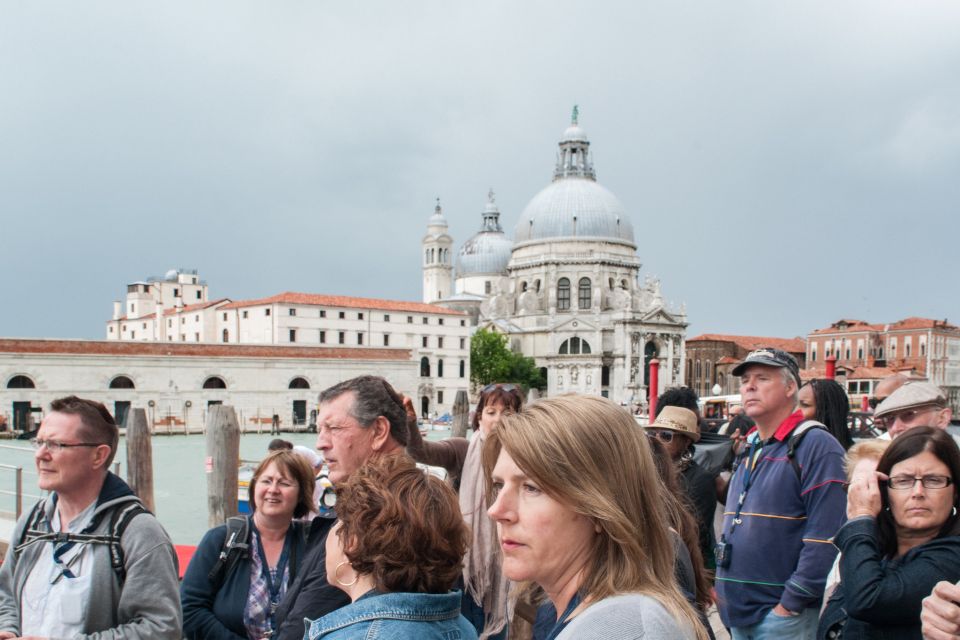
- 90 minutes of side-streets and small piazzas, not the standard postcard route
- Fenice Theatre from the outside, including what happened after the 1996 fire and why it matters
- San Fantin Church, tied to the names Scarpagnino and Sansovino for a clearer Renaissance story
- Palazzo Contarini del Bovolo’s exterior spiral staircase, designed to look over a tiny courtyard
- End at San Marco for a gondola ride, typically around 30 minutes, often in small shared groups
Getting started at San Marco’s Royal Gardens gate (and not losing time)
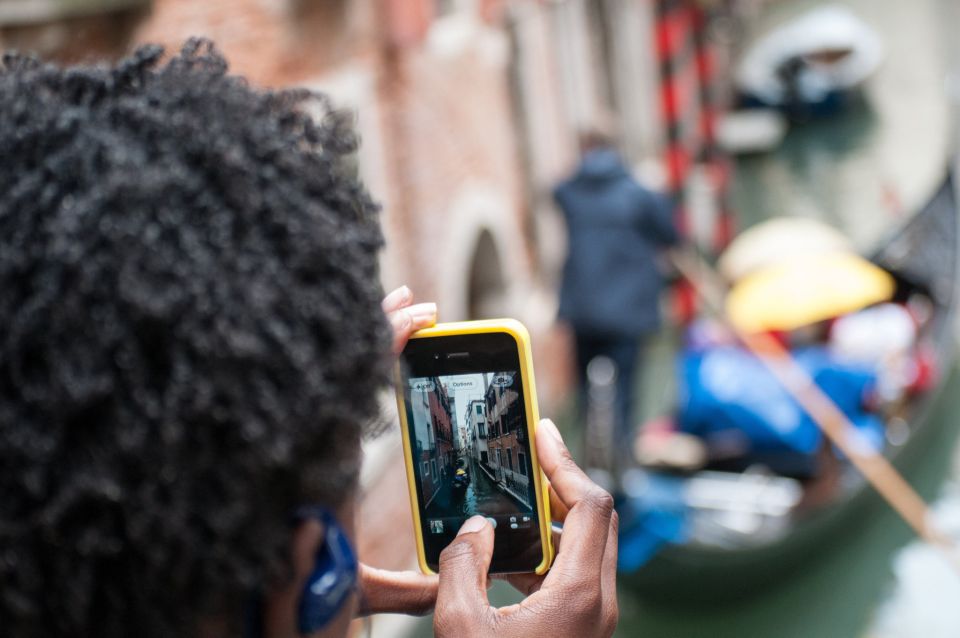
The meeting point is clear once you know where to stand: exchange your voucher at the Alilaguna ticket office in front of the Royal Gardens gate near San Marco. If you’re trying to be efficient, aim to arrive a few minutes early. Venice has a way of turning “two minutes away” into “why are there 12 tiny alleys that all look the same.”
This start point is convenient because you’re already in the San Marco orbit. That matters for value: the tour saves you from spending your precious first hours tracing the city’s logic. If you’re new here, it also helps you connect names (San Marco, canals, nearby churches) to actual walking directions.
One detail worth keeping in mind: there’s a strong emphasis on being ready for water transport at the end. You’re swapping land for water by the time you reach the gondola portion, so comfortable shoes are not optional.
You can also read our reviews of more tours and experiences in Venice.
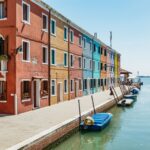
The 90-minute walk: hidden piazzas that feel local
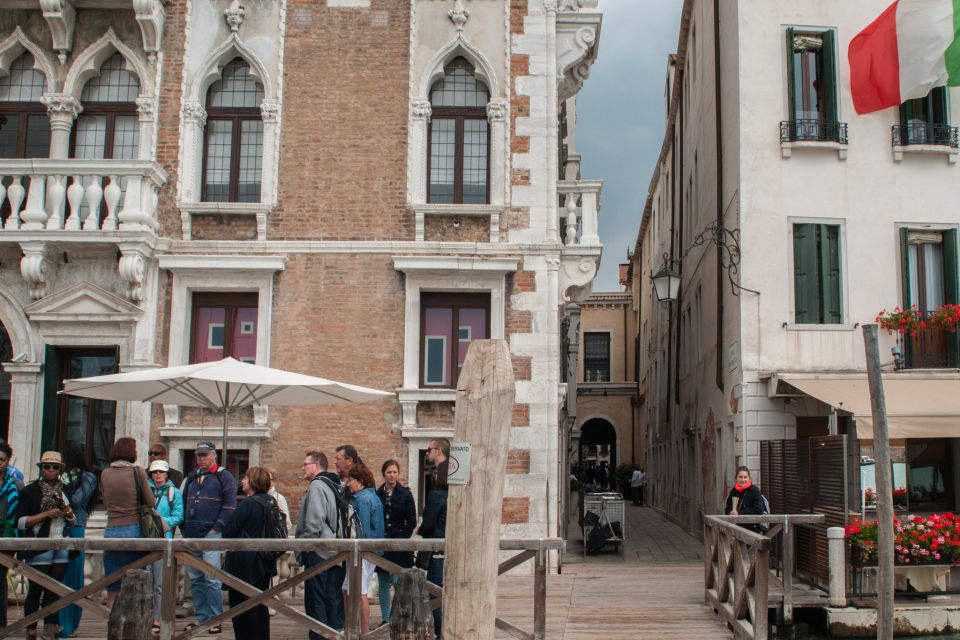
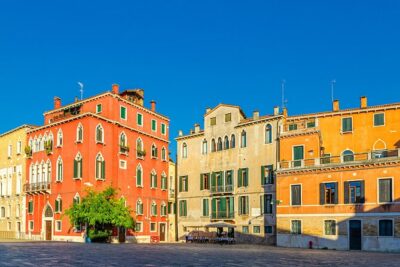
The core of the experience is a guided walking loop for about 90 minutes through little squares and narrow canal-side streets. This is the part that does the heavy lifting. Venice can be visually overwhelming at first—everything is pretty, but it all starts to blur together. A structured walk changes that. You learn how to look.
The tour’s theme is “lesser-known Venice,” and that shows in the pacing. Instead of rushing from one big stop to another, you move through smaller spaces where architecture and city function become the lesson. You’ll pass harmoniously designed Renaissance buildings and hear what those buildings did in their day—often a different story than you’d assume from the exterior alone.
Two things I found especially useful about this style of tour:
- You get context so later self-guided exploring feels easier.
- You’re walking at a pace that gives you time to notice details (cornices, façades, how buildings sit along the canal edge), without having to be an architecture expert.
You should also expect Venice crowds. Even on a “secret” route, you’ll still be in a popular city. The good news is the guide keeps the group moving and focused, and the route is designed to keep you from spending your whole time wedged around the most photographed corners.
Fenice Theatre from the outside: restoration after 1996
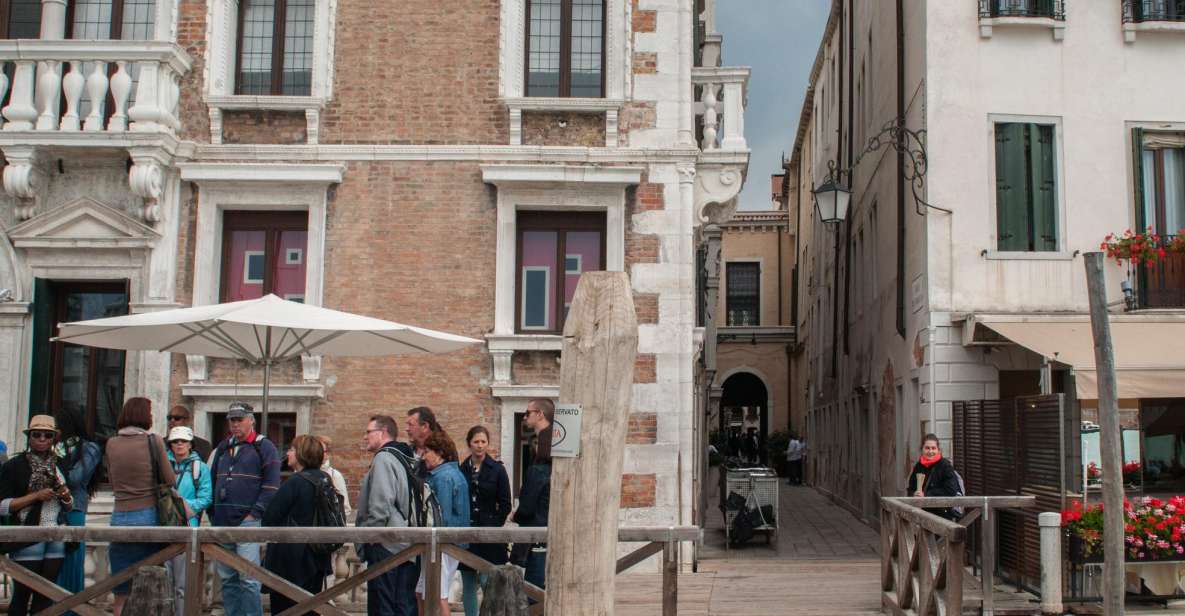
You head toward the Fenice Theatre and see it from outside. That’s a smart choice for this format. Inside access isn’t part of what you’re paying for here, but the exterior still tells a story—especially because the theatre was completely restored after the disastrous fire of 1996.
Why that matters on foot: Venice is full of buildings where time is visible. When a major landmark like La Fenice is restored after such a rupture, it turns the site into more than scenery. It becomes a reminder that Venice’s cultural life is resilient, rebuilt, and defended by people who care about craft.
Even without stepping inside, you’ll get enough framing from the guide to understand why this theatre is such a big deal in the city’s identity—and why seeing it on the walk feels like a natural “anchor” point before you move on to quieter, residential-feeling Venice.
San Fantin Church: Renaissance built in layers
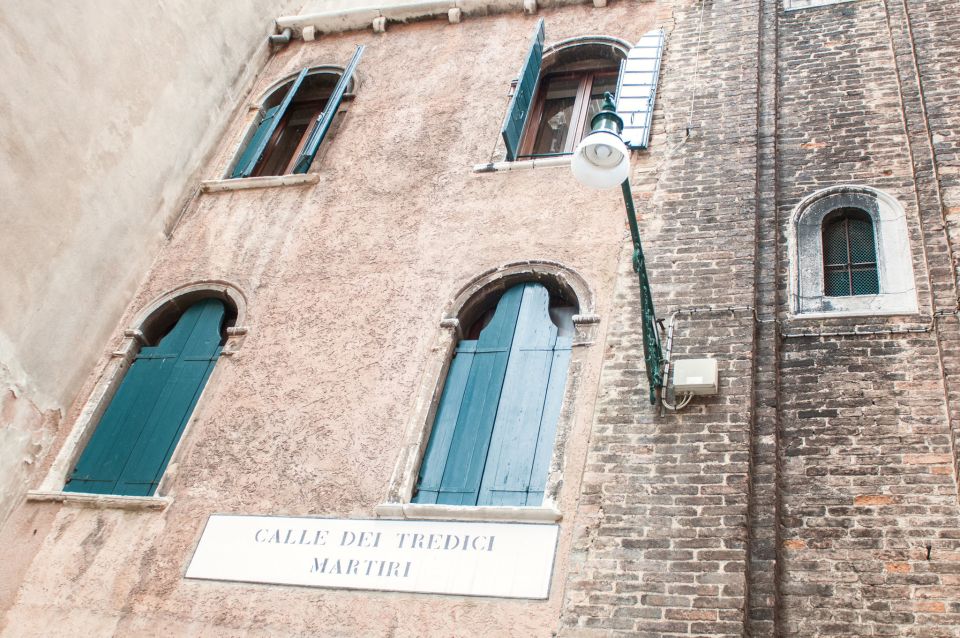
Next comes San Fantin Church, described as a harmonious Renaissance building with a construction story told through two names: Scarpagnino (initial build) and Sansovino (later extension).
This kind of stop is one of my favorite approaches in Venice tours because it breaks a common problem. People look at one façade and assume it was all created at once. In reality, a lot of Venice’s most meaningful buildings grew over time—extended, refined, and re-shaped by later architects.
So here’s what you should do while you’re there: slow down visually. Look at the way the building’s parts seem to belong together even if they weren’t created in a single moment. With the guide’s explanation, the church stops being just another pretty church on the map and becomes a timeline you can see.
Palazzo Contarini del Bovolo: the spiral staircase that does the talking
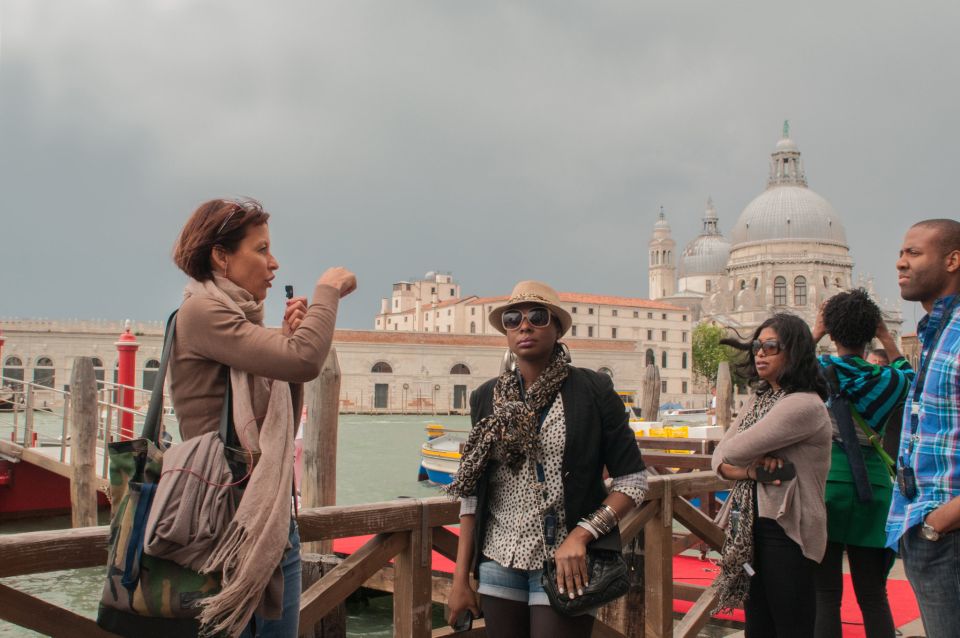
The walk then brings you to Palazzo Contarini del Bovolo, best known for its unusual exterior spiral staircase. The highlight is that you can admire the staircase overlooking the tiny courtyard.
This is exactly the kind of “off the beaten path” stop that makes a walking tour worth it. Most visitors aim for the big monuments. This one rewards attention. The exterior staircase is visually distinctive, but what makes it a great stop is the framing: you’re learning to see architecture as a design solution, not just an art object.
Also, this stop is timed well within the tour. By the time you get here, you’ve already been walking long enough that the change of pace helps. And the staircase gives you something concrete to take in, photograph, and then compare with other Venetian architecture you’ll see later on your own.



Ending near San Marco with a shared gondola ride
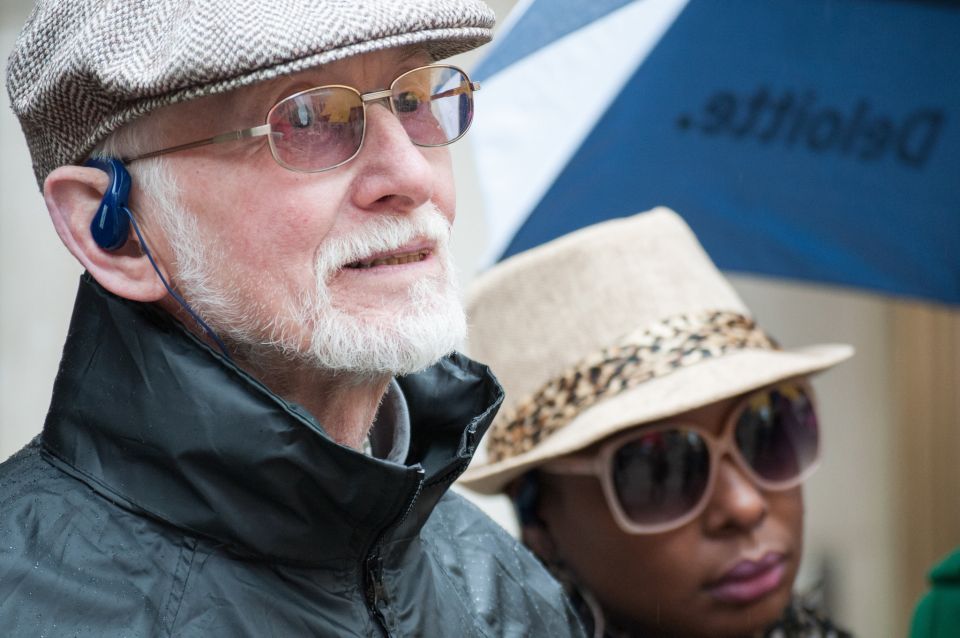
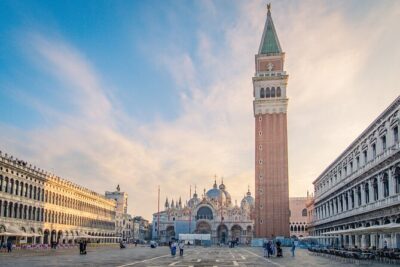
The tour finishes back near San Marco Square, where you switch from land to water for a gondola ride of about 30 minutes along Venice’s canals.
This is the “reward” part of the day. The gondola route tends to feel quieter than what you just walked through, and it’s a useful reset if your legs are starting to complain. You’re in the right place for the final moment to feel like Venice rather than just a walk through Venice.
A few practical, reality-based notes:
- The gondola ride is organized as shared transport, and at least one group experience described gondolas split into about five people.
- Some schedules may feel closer to 20 minutes than the stated 30, so don’t count on it as a long, private-style experience.
- Commentary can vary. One common theme in the experience is that the gondola part is often more about the ride itself than big storytelling.
The best mindset here is simple: treat the gondola as a calm, scenic close to the walking tour. If you’re hoping for a dramatic, romantic, long-form serenade, plan a separate private gondola for that.
Price and value: why $71 makes sense for the right traveler
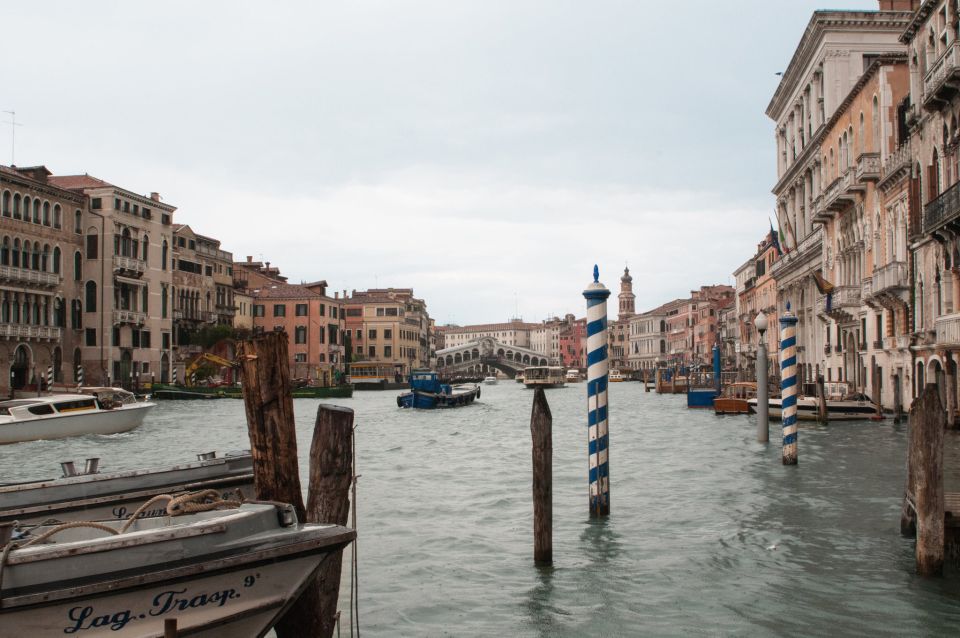
At about $71 per person for 2 hours, you’re paying for two things at once: expert guidance on foot plus a gondola ride. For Venice, where self-guided sightseeing can become time-consuming (and where “wandering” can mean losing time in dead ends), this combo can be good value.
Here’s how I’d judge whether it’s worth it for you:
- If you want structure for your first look at Venice, the price feels fair because you’re buying the guide’s interpretation, not just movement between stops.
- If you care mainly about spending long minutes in a gondola, you might find the ride portion a bit short and more tourism-shaped than you expected.
- If you love architecture and small urban spaces, you’ll likely feel satisfied because the walk leans into specific Renaissance sites like San Fantin and Palazzo Contarini del Bovolo, plus an outside Fenice stop tied to the 1996 restoration.
One extra value signal: guides. The tone of the experience varies by person leading it. In the group experiences described, guides such as Andre (dry, wry humor), Mateo (informative and engaging), and Monica (jokes that help everyone relax) made the walk feel more like a conversation than a lecture. That’s a big deal in a city like Venice, where the difference between a fun guide and a dull guide is the difference between remembering names and forgetting them.
Language options and fit: when to choose this tour
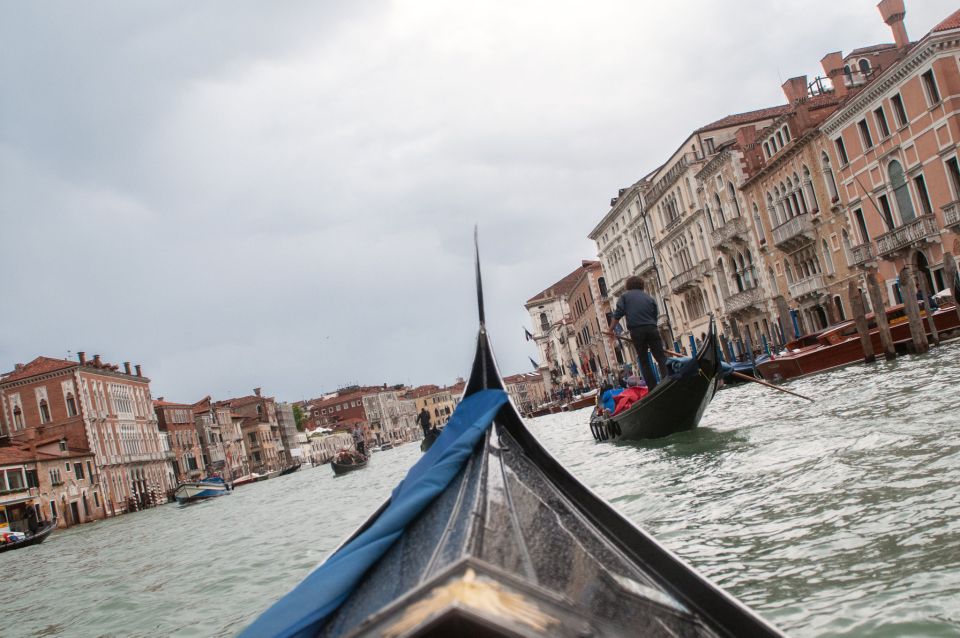
The tour runs in English. There’s also a Spanish tour every day, and German tours on Monday and Friday only. If you’re deciding based on language comfort, this schedule is straightforward.
You should also know it’s not suitable for wheelchair users or people with mobility impairments. Venice surfaces and route design aren’t forgiving here, and the tour is built around walking.
Who this tour suits best:
- First-time visitors who want a smart orientation around San Marco
- People who enjoy architecture and want their “pretty buildings” to come with a reason
- Travelers who like humor mixed into history and don’t want a stiff, museum-only vibe
If you’re someone who hates crowds, you might still handle this okay if you pick a quieter time and keep your expectations realistic about Venice foot traffic. The route is designed to avoid the worst bottlenecks, but it’s still Venice.
Should you book Secret Venice & Gondola Tour?
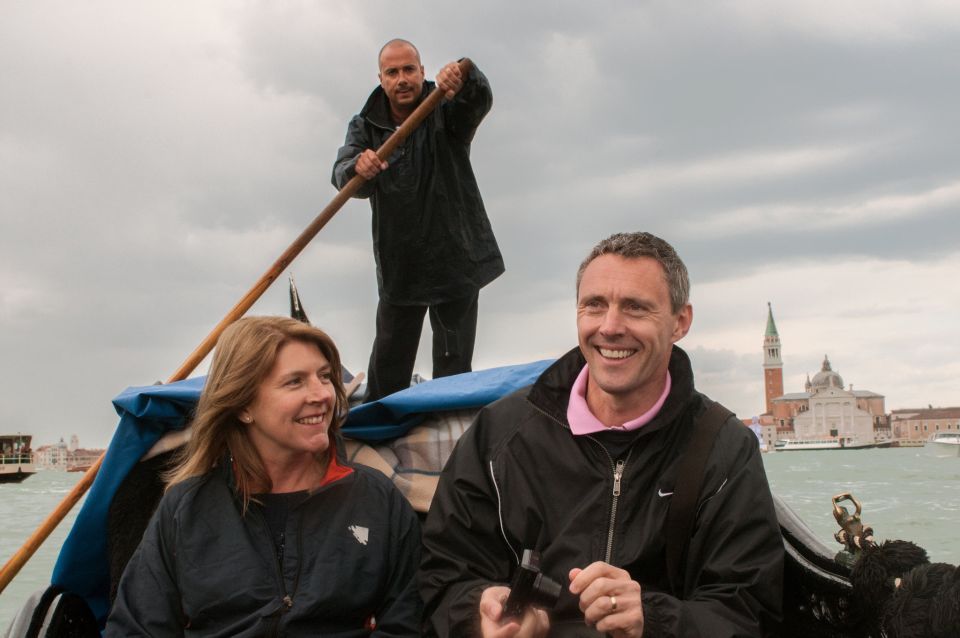
Book it if you want a 2-hour, guided plan that shows you a quieter Venice side and explains key places like the Fenice after the 1996 fire, San Fantin’s Scarpagnino-to-Sansovino story, and the signature staircase at Palazzo Contarini del Bovolo.
Skip or consider something else if gondola time is your top priority and you want a long private-style ride with lots of onboard commentary. In this format, the gondola is best seen as the peaceful finish line, not the main event.
If you’re curious and you’ll wear comfortable shoes, I think this is a strong way to spend a small chunk of your Venice trip wisely. You’ll come away with more than photos—you’ll come away with a mental map of places that feel like Venice, not like a theme park.
FAQ
How long is the Secret Venice & Gondola Tour?
The tour lasts about 2 hours.
What’s included in the price?
It includes a guided walking tour and a gondola ride.
Where do I meet and exchange my voucher?
Exchange your voucher at the Alilaguna ticket office in front of the Royal Gardens gate in San Marco.
What sites do you see during the walking portion?
You’ll go to the Fenice Theatre from the outside, see San Fantin Church, and visit Palazzo Contarini del Bovolo to view its spiral staircase exterior.
How long is the gondola ride?
The tour ends with a gondola ride of about 30 minutes.
What language is the tour offered in?
English is available, with German tours on Monday and Friday only. Spanish tours run every day.
Do I need comfortable shoes?
Yes. Comfortable shoes are recommended since the experience involves walking.
Is the tour suitable for people with mobility impairments?
No. It is not suitable for people with mobility impairments or wheelchair users.
Is cancellation free?
Yes. You can cancel up to 24 hours in advance for a full refund.
Can I reserve without paying right away?
Yes. There is an option to reserve now and pay later.